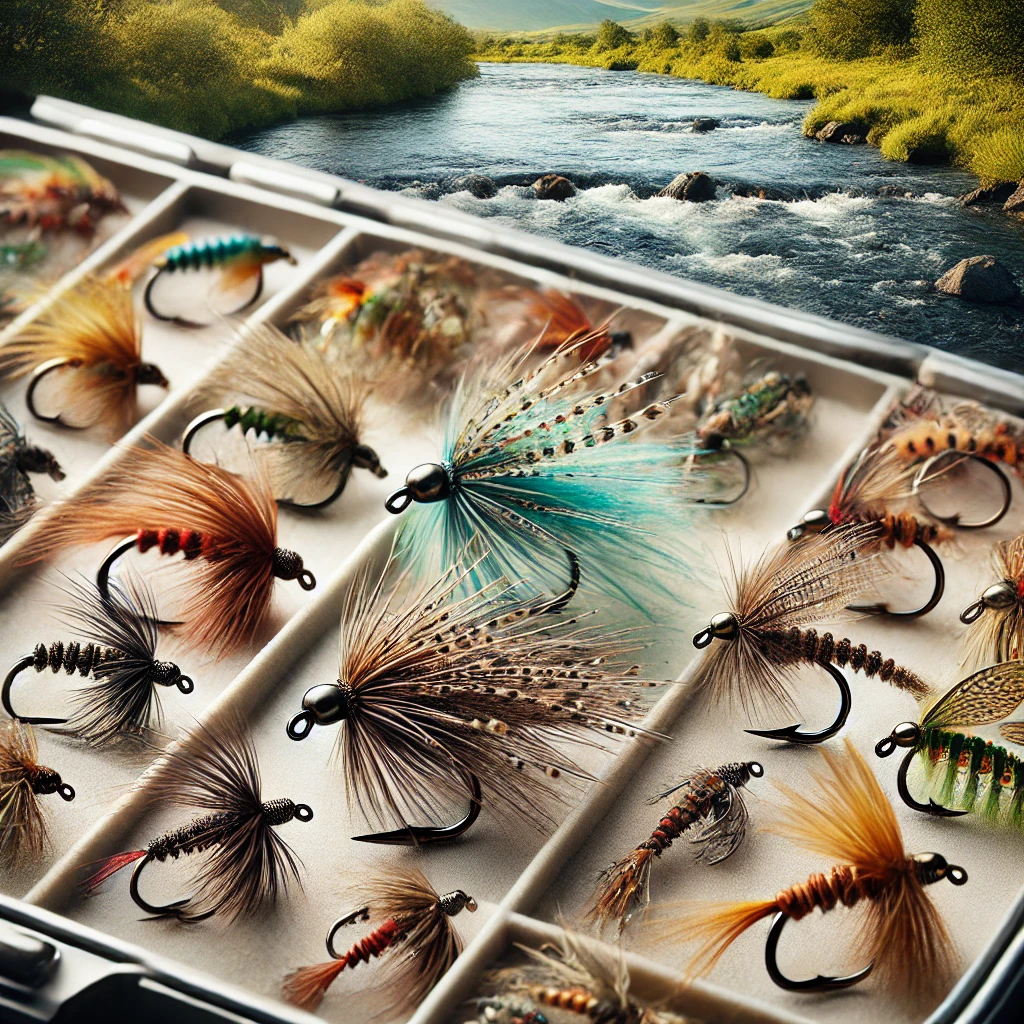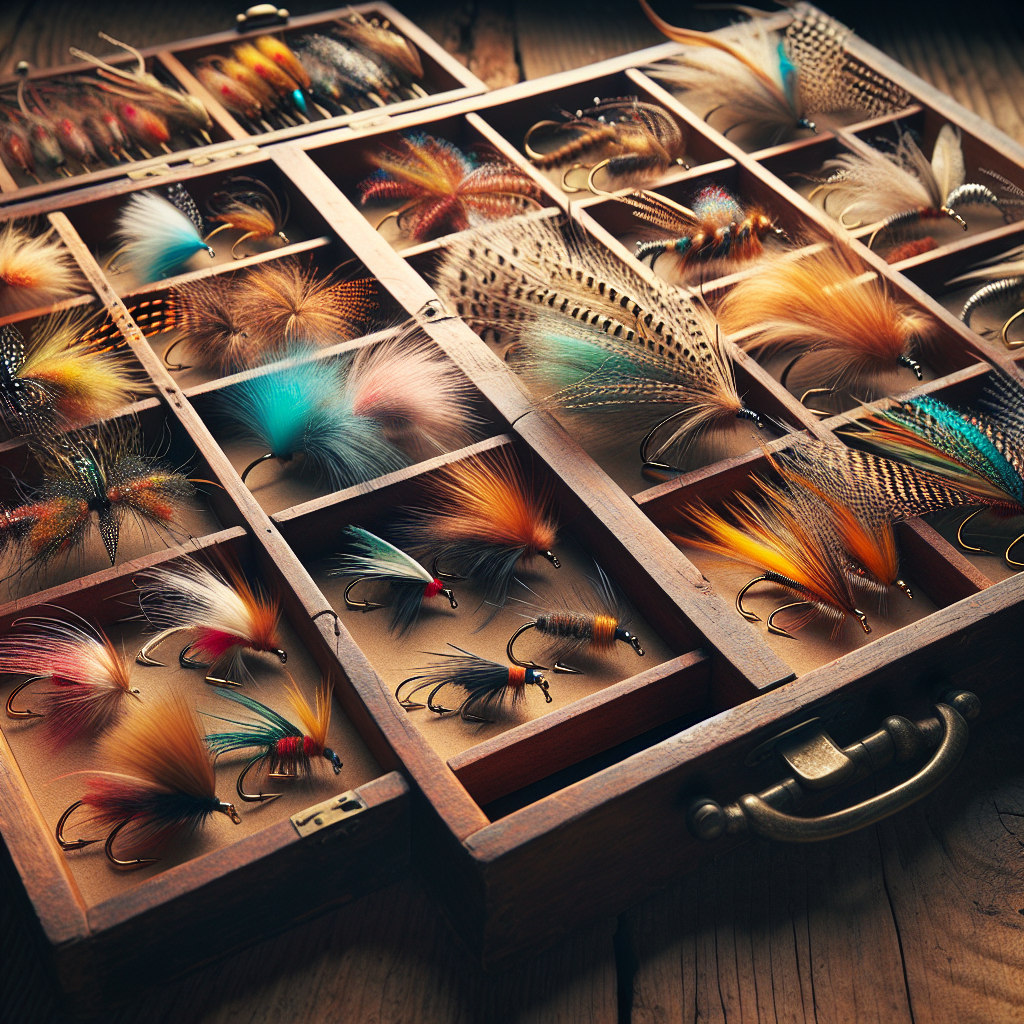
Fly fishing enthusiasts are continually fascinated by the art of tying flies, particularly when it comes to creating those irresistible to salmon. Fly patterns have evolved drastically over the years, and salmon flies stand as a testament to the blend of tradition and innovation. This article will provide an in-depth look at both traditional and modern salmon fly patterns, exploring their history, characteristics, and the techniques involved in tying them. Whether you’re a seasoned angler or a novice, understanding these patterns can undoubtedly enhance your fly fishing experience.
Salmon flies are specially designed to attract salmon during their freshwater phase. These flies are easily one of the most elegant and beautiful types of flies, embodying the intricate craftsmanship and meticulous attention to detail. The artistry behind creating these flies is rooted deeply in history, with traditional patterns holding significant historical and cultural value. On the other hand, modern patterns showcase the innovative approaches that have emerged to adapt to changing environments and salmon behavior. This comprehensive guide will cover a wide variety of both traditional and modern patterns, with insights into the materials and techniques used to tie them.
Traditional salmon flies have a rich heritage, often associated with regions where salmon fishing has been a longstanding tradition. Patterns such as the Jock Scott, the Green Highlander, and the Silver Doctor were established over a century ago and continue to be revered among fly tiers. These flies often feature elaborate designs and vibrant, exotic feathers, reflecting the opulence and aesthetic preferences of their time.
Conversely, modern salmon fly patterns focus more on functionality and ease of tying, often utilizing newer synthetic materials that are more durable and accessible. Names like the General Practitioner, Allys Shrimp, and the Sunray Shadow might not carry the same historical weight, but they certainly make up for it with their effectiveness and adaptability.
Traditional Salmon Fly Patterns
Traditional salmon fly patterns are steeped in history and elegance. These patterns were developed in the 19th century, mainly in the British Isles, where fly fishing was not just a pastime but a way of life. The Jock Scott, perhaps the most famous of these traditional flies, was created in 1850 by John (Jock) Scott. This fly is known for its complex design and use of vibrant feathers, including those from exotic birds. Fly tiers often regard the Jock Scott as a benchmark of skill due to its intricate construction.
The Green Highlander, another venerable pattern, is celebrated for its effectiveness in a variety of water conditions. Its distinctive green body, yellow tail, and golden pheasant tippet make it as enticing to salmon as it is beautiful to behold. Despite its vintage origins, the Green Highlander still sees regular use and has inspired many variations.
The Silver Doctor is yet another traditional pattern, known for its silver body with blue and red accents. This pattern, with its striking appearance, has been a favorite for generations of anglers. Tying a Silver Doctor requires precision, particularly in balancing the metallic elements with the colorful feathers to create a fly that not only catches fish but also looks exquisite.
These traditional flies are more than just tools for fishing; they are pieces of art that reflect the history and culture of the regions where they were created. Tying them can be seen as a way to connect with the past and preserve the heritage of fly fishing.
Modern Salmon Fly Patterns
While traditional patterns hold a significant place in the world of fly fishing, modern salmon flies have brought about changes in both design and material usage. Modern patterns often focus on simplicity, durability, and practicality. A notable example is the General Practitioner, which, unlike the intricate traditional patterns, uses a simpler and more straightforward design. Its orange body and long tail make it particularly effective for catching salmon in various conditions.
Allys Shrimp is another popular modern pattern, named after the well-known angler Ally Gowans. This pattern imitates shrimp, one of the many food sources for salmon. Its lifelike appearance, coupled with materials that enhance its durability, has made it a favorite among contemporary fly fishermen. The Allys Shrimp pattern is also relatively easier to tie, making it accessible for those new to fly tying.
The Sunray Shadow, created by Ray Brooks, represents the pinnacle of modern innovation in fly patterns. This fly features a simple black and silver design but is incredibly effective in both clear and murky water. The movement of its long wing, usually made from goat hair, mimics that of small fish, making it irresistible to salmon. The Sunray Shadow’s straightforward design and effectiveness make it a staple in every modern angler’s fly box.
Modern materials have also revolutionized the way these flies are tied. Synthetic fibers, holographic tinsels, and other new materials provide benefits such as enhanced durability, vibrant colors, and additional movement in the water. These innovations have made fly tying more accessible and diversified the range of patterns and techniques available to anglers.

Materials and Techniques for Tying Salmon Flies
Tying salmon flies, be it traditional or modern, requires a range of materials. For traditional patterns, classic materials like exotic feathers (such as Golden Pheasant Tippet, Peacock Herl, and Jungle Cock), floss, and silk thread are paramount. These materials are not only chosen for their aesthetic appeal but also for their ability to create specific movements and reflections in water that attract salmon.
Modern fly tying leans more towards synthetic materials. Durable synthetic fibers, holographic and metallic tinsels, and robust hooks are commonly used. These materials are not only more readily available but also offer improved durability, which is crucial for withstanding the harsh conditions often encountered in salmon fishing.
The tools necessary for fly tying are equally important. Essential tools include a vice to hold the hook, scissors, a bobbin to hold the thread, hackle pliers, and various bodkins and needles for detailed work. Additionally, having a good understanding of the different types of threads, hooks, and other components can significantly affect the result of the tied fly.
Techniques in fly tying can range from basic to highly complex. For traditional patterns, techniques involve meticulous layering of materials to achieve the intricate designs. Classic techniques such as winding, hackling, dubbing, and ribbing are essential skills for aspiring fly tiers. On the other hand, modern fly tying often employs simpler, more streamlined techniques that focus on creating durable and effective flies with minimal materials.
The Significance of Matching the Hatch
Matching the hatch is a concept that applies to all types of fly fishing. It refers to matching the fly being used to the type of insects or baitfish naturally found in the fishing environment. For salmon fishing, this often means creating patterns that imitate local forage, such as shrimp, small fish, or specific insects.
This principle is particularly important when selecting or tying salmon flies. Traditional patterns like the Green Highlander or Silver Doctor were designed based on the types of food sources found in their native environments. Understanding the local ecosystem can help in choosing or creating the most effective fly patterns. For instance, if the river you’re fishing in is known for a particular type of shrimp, tying a fly that mimics that shrimp can significantly increase your chances of success.
Researching local fly patterns and consulting with local anglers can provide invaluable insights. Paying attention to the specific characteristics of the water, such as its clarity, flow, and temperature, can also guide you in selecting the right fly. By taking the time to understand and match the hatch, you can enhance your salmon fishing experience and increase your chances of a successful catch.
Additionally, modern patterns often incorporate elements that mimic the behavior of local prey. Synthetic materials and advanced tying techniques can enhance the lifelike appearance and movement of the fly, making it even more irresistible to salmon. This combination of understanding local ecosystems and utilizing modern materials and techniques can lead to highly effective fly patterns.
Tips for Successful Fly Tying
Whether you’re new to fly tying or looking to improve your skills, there are several tips that can help you achieve better results with your salmon flies. First and foremost, practice is key. The more you practice tying different patterns, the more proficient you will become. Start with simpler patterns and gradually work your way up to more complex designs.
Organizing your tying materials and tools is also essential. Keeping your workstation clean and well-organized can save you time and help you concentrate on the intricate details of your fly. Ensure that you have a reliable vise that can hold hooks securely in place. Investing in high-quality tools can also make a significant difference in the ease and precision of your tying.
Paying attention to proportions is crucial in fly tying. Proper proportions ensure that the fly looks natural and behaves correctly in the water. Study patterns and practice achieving the right balance of materials. Utilizing reference books, online tutorials, and fly tying forums can offer valuable guidance and inspiration.
Experimenting with different materials and techniques can also be beneficial. Don’t be afraid to try new combinations and innovate. Sometimes, a slight alteration in a traditional pattern or the use of a new material can result in a highly effective fly. Exchange ideas and techniques with fellow fly tiers and learn from their experiences.
Finally, patience and persistence are paramount. Fly tying requires a blend of creativity, precision, and patience. Take your time with each pattern and focus on perfecting your technique. Over time, your skills will improve, and you will find joy and satisfaction in creating beautiful and effective salmon flies.
Conclusion
Salmon flies, whether traditional or modern, showcase the rich heritage and continuous innovation in the world of fly fishing. Traditional patterns like the Jock Scott, Green Highlander, and Silver Doctor offer a glimpse into the history and artistry of fly tying. In contrast, modern patterns such as the General Practitioner, Allys Shrimp, and Sunray Shadow highlight the advancements in materials and techniques that enhance functionality and effectiveness.
Tying salmon flies is an art form that balances aesthetics with practicality. It requires knowledge of both historical patterns and modern innovations, as well as an understanding of local ecosystems and the principle of matching the hatch. By practicing and experimenting with different materials and techniques, fly tiers can create flies that are not only beautiful but also highly effective in attracting salmon.
The world of salmon fly patterns is vast and diverse, offering endless opportunities for creativity and exploration. Whether you are drawn to the elegance of traditional flies or the practicality of modern patterns, mastering the art of tying salmon flies can enhance your fly fishing experience and connect you with a long-standing tradition that continues to evolve with each new generation of anglers.