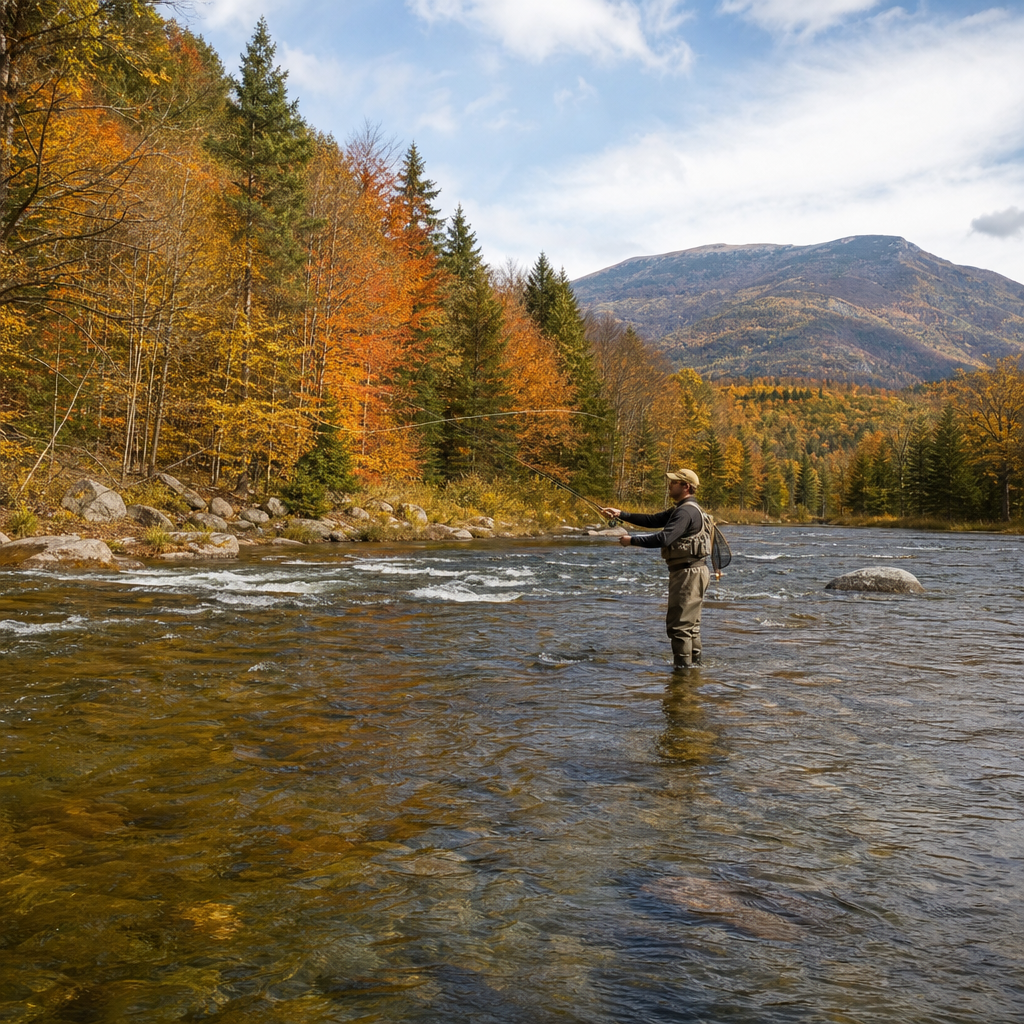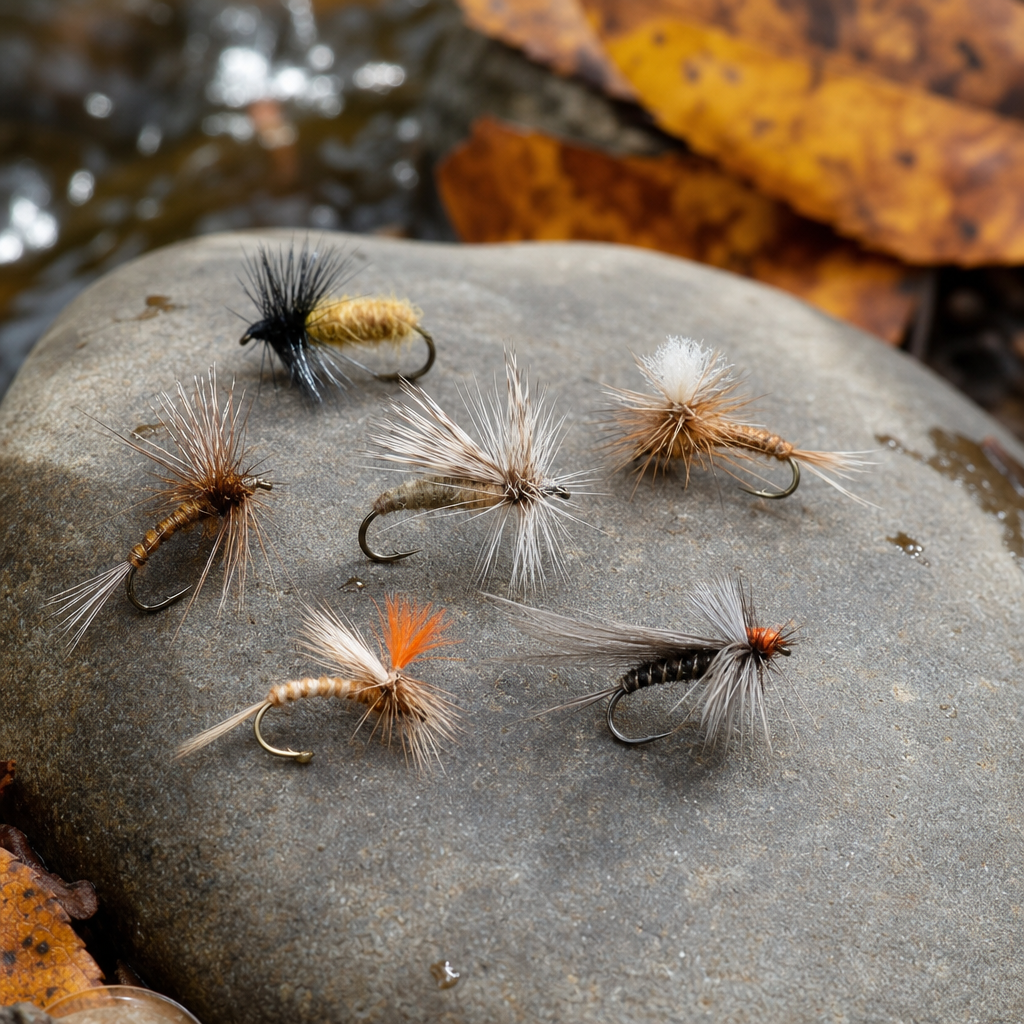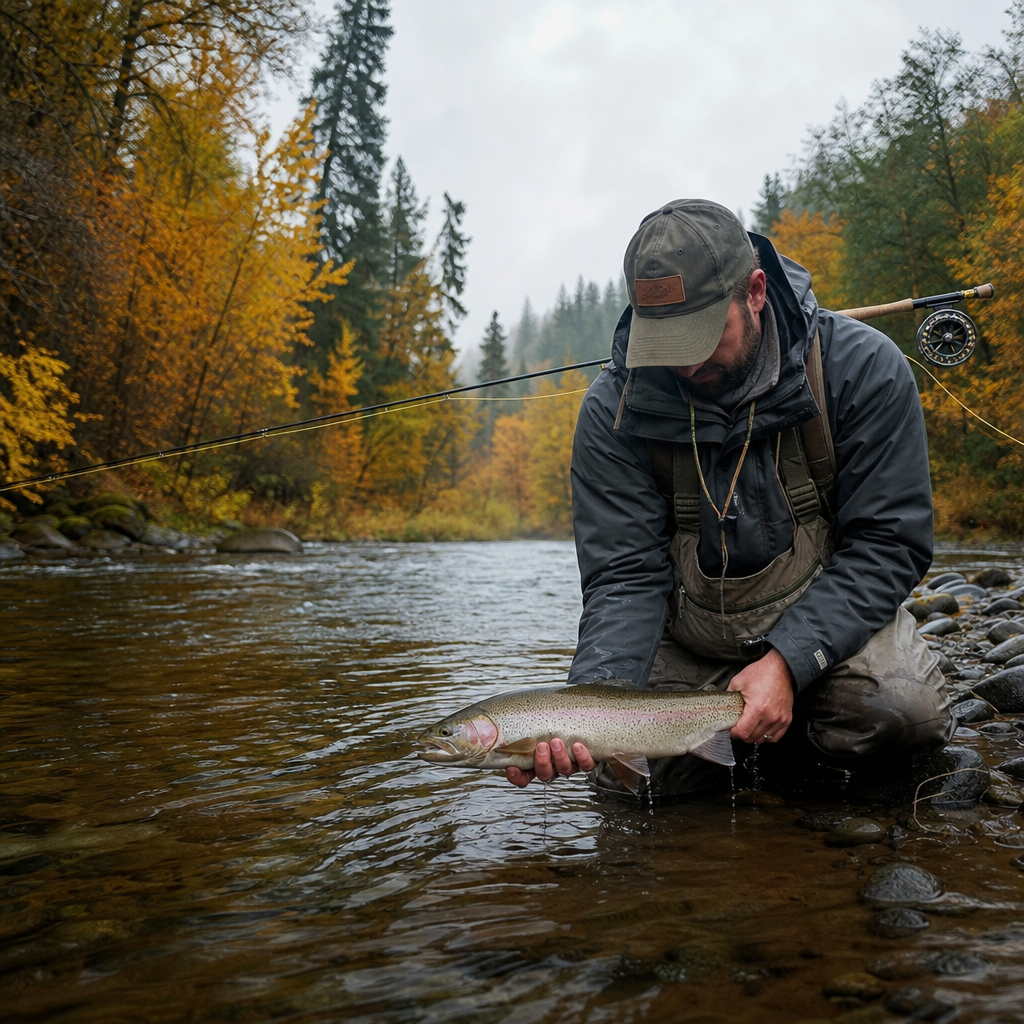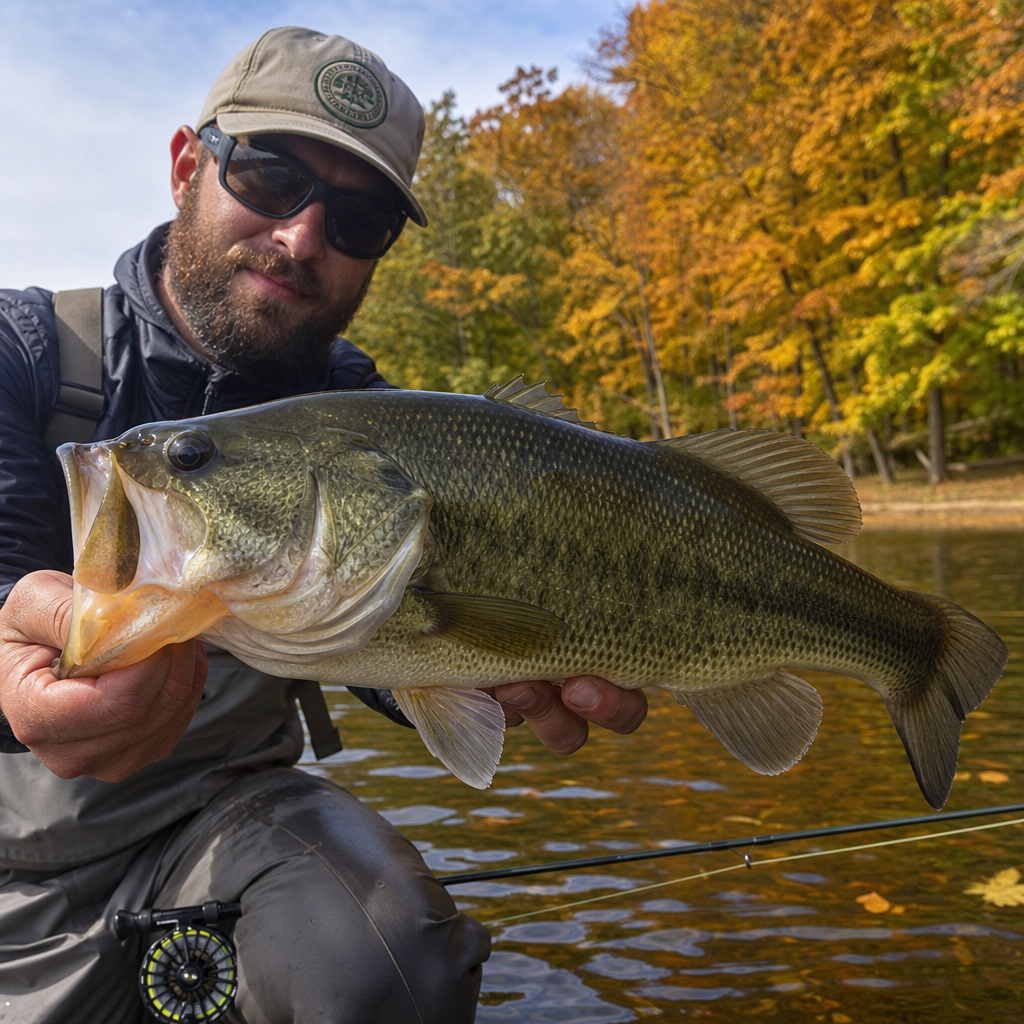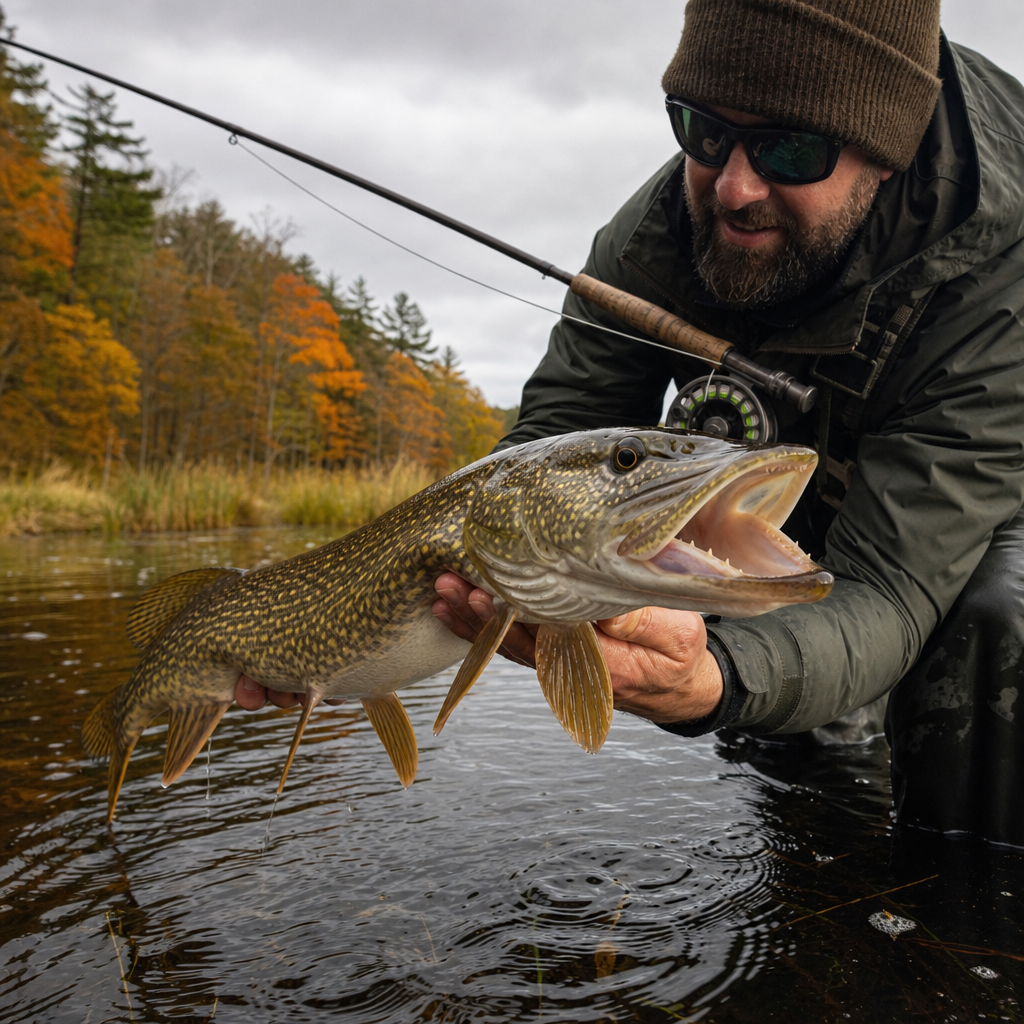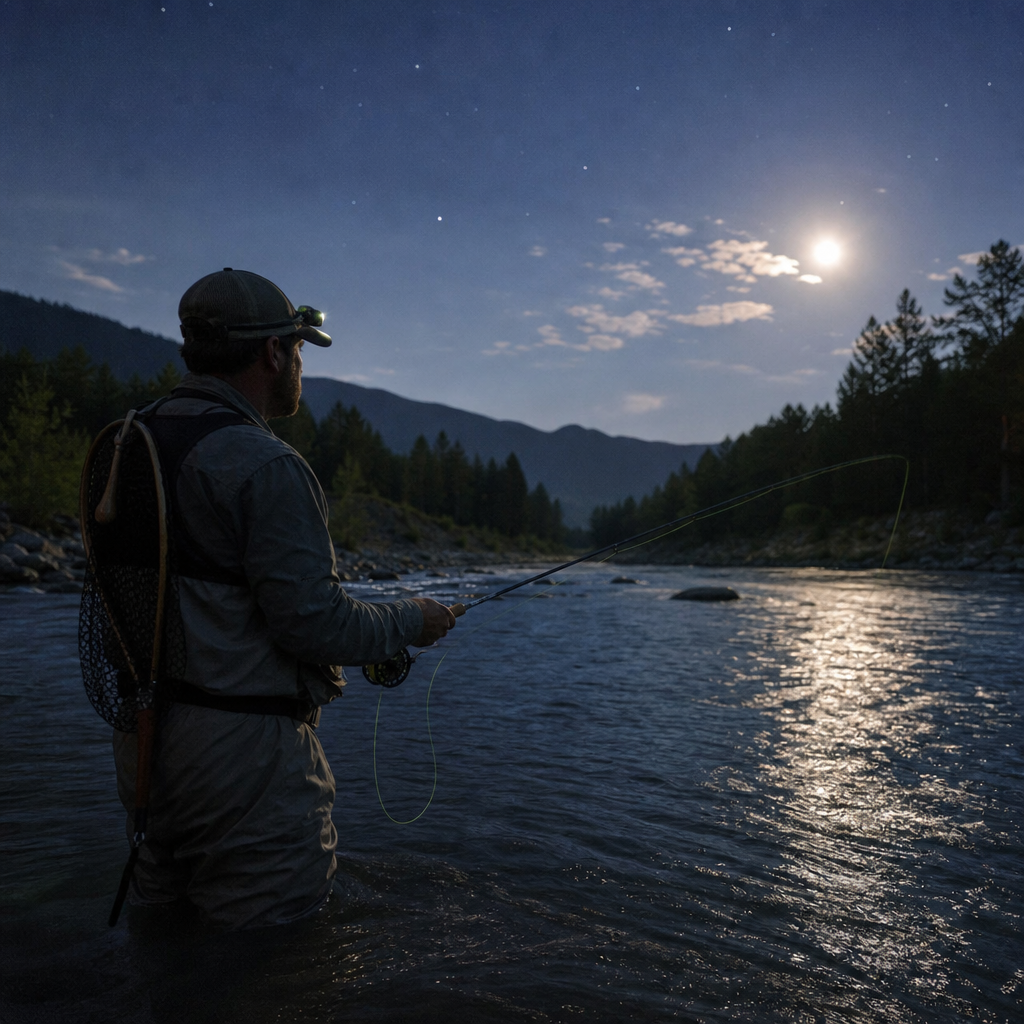
Night fly fishing in summer is one of the most effective ways to catch trout, bass, and warmwater predators when daytime heat, bright skies, and heavy angling pressure make fish cautious. Summer fly fishing changes as water temperatures rise, insect timing shifts, and low light becomes the safest feeding window for many species. In practical terms, night fly fishing means fishing from dusk through full darkness with patterns, tackle, and presentation built around silhouette, vibration, and slow, deliberate control rather than visual tracking. As a hub within the broader Seasons and Conditions category, this guide covers the fundamentals of summer fly fishing through the lens of nighttime tactics, while also connecting the seasonal factors that matter on rivers, streams, lakes, and ponds.
I have spent many midsummer evenings on trout tailwaters and smallmouth rivers where the difference between a slow day and a memorable session came down to waiting for the sun to leave the water. After dark, fish often move from deep holding lies into shallower feeding lanes, large browns patrol banks that look empty at noon, and bass push bait against weed edges or current seams. That pattern is not random. Warm water holds less dissolved oxygen, overhead light exposes fish to predators, and boat traffic or foot traffic can disrupt normal feeding behavior. Night gives fish cover, cooler surface temperatures, and access to prey that becomes active after sunset. Understanding those drivers is what turns night fishing from guesswork into a repeatable summer system.
For readers researching summer fly fishing, the key question is simple: why fish at night instead of early morning or late evening? The answer is that in many summer conditions, darkness extends the prime window and often targets larger fish. Sulphurs, caddis, white flies, hexagenia mayflies, mice, crayfish, damselflies, and baitfish all create after-dark opportunities depending on the water. On some fisheries, the best summer trout of the year are taken on swung streamers between 10 p.m. and 2 a.m. On warmwater lakes, the biggest largemouth bass may leave heavy cover only after sunset. Night fly fishing in summer matters because it opens productive water when daytime temperatures are stressful, aligns with major feeding behavior, and rewards anglers who prepare carefully.
How Summer Conditions Change Fish Behavior After Dark
Summer fish behavior is governed first by temperature and oxygen. Trout generally perform best when water stays below the upper 60s Fahrenheit, with many anglers using 68 degrees as a caution point and 70 degrees as a hard stop depending on local regulations and species sensitivity. Smallmouth, largemouth, carp, and panfish tolerate much warmer water, but they still respond strongly to reduced light and cooler nighttime surface layers. During the day, fish often hold in deeper runs, beneath undercut banks, under wood, near spring seeps, or in shade lines created by canyon walls and bridges. After sunset, many shift into softer edges, riffle tails, flats, and banks where prey is easier to trap.
On trout rivers, I regularly see three nighttime patterns repeat through summer. First, fish that spent daylight in heavy cover slide into knee-deep margins to hunt minnows, sculpins, and mice. Second, during spinner falls or caddis egg-laying flights, trout set up just below riffles and sip steadily in lanes that looked lifeless two hours earlier. Third, tailwater fish use stable flows to cruise slow shelves where larger dry flies and emergers are easiest to intercept. On lakes, the equivalent movement happens along drop-offs, weed pockets, and points. Bass and trout both use darkness to pin forage against structure, which is why blind casting shorelines can be so productive at night even when daytime sight-fishing fails.
These movements shape every tactical choice. Because fish rely less on vision, they key on contrast, profile, displacement, and predictable movement. A fly does not need fine color detail to work in darkness; it needs to stand out against the sky or push enough water to be found. That is why black flies are famous at night, why deer hair divers and mouse patterns draw explosive takes, and why broad, slow streamers frequently outfish slim, fast strips. Summer fly fishing at night is not about covering water quickly. It is about locating likely travel routes, making controlled presentations, and repeating productive angles until a fish commits.
Best Summer Night Opportunities by Species and Water Type
Trout are the headline species for many anglers, especially brown trout, which are notoriously nocturnal in summer. Freestone rivers with healthy sculpin populations, meadow streams with undercut banks, and tailwaters with strong caddis or mayfly hatches all produce. Brown trout often become less selective in complete darkness and attack larger prey than they would touch in daylight. Rainbow trout can also feed hard at night, especially during dense insect activity, though many fisheries still favor browns for trophy potential. Brook trout in small streams may show aggressive surface takes around plunge pools and logjams, but safe handling is essential if water temperatures climb.
Smallmouth bass may be the most dependable night target in summer fly fishing. Rocky rivers, reservoir arms, and current-rich shoals all fish well after sunset. Crayfish and baitfish patterns excel, and topwater can be exceptional around boulders, grass edges, and bank shade. Largemouth bass are more cover-oriented, but darkness often pulls them from mats and timber into patrol lanes where frog, slider, and popper-style flies shine. Carp also deserve mention. In urban lakes and slow rivers, summer nights can bring carp onto shallow flats to grub for nymphs, worms, and snails. They are harder to sight-fish, but tailing and rolling fish can still be targeted with short, accurate casts.
Different water types demand different expectations. A tailwater offers stable temperature, predictable insect schedules, and safer wading structure, making it ideal for learning night techniques. Freestone rivers offer larger streamer and mouse opportunities but require more caution because flows, debris, and slick rocks are less forgiving. Lakes and ponds simplify movement because you can fish fixed structure from shore or boat, but navigation and casting orientation become more important once visual markers disappear. Saltwater anglers also fish summer nights for striped bass, snook, and tarpon, yet the core principles remain the same: cooler water, reduced light, concentrated prey, and fish moving into shallow ambush zones.
Essential Night Fly Fishing Gear for Summer
The best night fly fishing gear prioritizes control, safety, and tactile feedback. For trout, a 6-weight or 7-weight rod is often the sweet spot because it turns over larger streamers, mice, and foam dries while still protecting tippets on hatch-focused water. For bass, I prefer a 7-weight or 8-weight with a powerful butt section for deer hair bugs and weighted flies. Lines should match the job. A floating line covers most mouse, dry fly, and shallow streamer work. An intermediate line helps on lakes and slow tailouts where baitfish suspend just below the surface. Aggressive front tapers help load quickly in close quarters, which matters when long false casts are impractical.
Leaders should be simpler and heavier than many daytime setups. For mousing or streamer fishing for trout, a 4- to 7-foot leader ending in 0X to 2X is standard because turnover and abrasion resistance matter more than finesse. Bass leaders can be similarly short with 12- to 20-pound tippet. If fish are rising to insects, extend leader length and drop tippet size only as much as needed to get clean drifts. Flies should include black and dark-olive streamers, muddler-style patterns, articulated sculpins, mouse flies, caddis adults, hex patterns, white flies where relevant, divers, poppers, and crayfish. Carry duplicate boxes because changing flies in the dark is slower than most anglers expect.
| Category | Best Summer Night Choice | Why It Works |
|---|---|---|
| Trout rod | 9-foot 6-weight or 7-weight | Handles larger flies, mends well, protects fish with quicker fights |
| Bass rod | 9-foot 7-weight or 8-weight | Turns over deer hair, poppers, and weighted streamers |
| Primary line | Weight-forward floating line | Versatile for dries, mice, and shallow streamers |
| Secondary line | Intermediate sinking line | Keeps baitfish flies in the top few feet on lakes and slow water |
| Leader | 4 to 7 feet, stout butt, heavy tippet | Improves turnover and reduces break-offs near wood and rock |
| Light | Headlamp with red mode plus backup flashlight | Preserves night vision and adds safety redundancy |
| Safety | Wading staff, PFD in boats, whistle, phone in dry bag | Reduces risk when visibility and orientation are limited |
Safety gear is non-negotiable. Use a headlamp with a red beam and a lockout feature so it does not switch on inside your pack. Bring a backup light with fresh batteries. A wading staff is invaluable on rivers with uneven rock. On lakes or boats, wear a properly fitted personal flotation device even if local norms are casual. I also carry nippers on a retractor, forceps clipped to my pack, and a simple chest pack layout so every tool can be found by touch. Summer mosquitoes and biting flies can be intense after sunset, so a lightweight buff and repellent help you stay focused. The best gear is the gear you can manage confidently without seeing every detail.
Core Techniques: Mousing, Streamers, Hatches, and Topwater
Mousing is the signature night tactic for summer trout, and it works because large trout are efficient predators. Cast tight to grassy banks, root wads, cutbanks, and foam lines, then swim the fly across or slightly downstream with a slow, steady wake. Resist striking at the sound. Wait until you feel weight, then set hard. Most misses happen because anglers react to the explosion instead of the fish. Streamer fishing is similarly deliberate. Quarter casts downstream or across current, maintain tension, and use broad strips or a slow hand-twist retrieve so fish can track the fly by feel. In darkness, straight-line contact matters more than animation that looks good to the angler.
When hatches drive feeding, simplify your setup and fish where currents concentrate adults. Big caddis, Hexagenia, and spinner falls are classic summer night events. Position below the rise forms, make short casts, and use audible or visible cues like slurps, dimples, and lane direction rather than trying to watch the fly continuously. Grease only the leader butt if glare makes the fly hard to track; sometimes a fishable silhouette is enough. On warmwater fisheries, topwater is the nighttime equivalent of sight-fishing. Poppers, divers, gurglers, and sliders should land with purpose, pause long enough to let rings fade, then move in slow pulses. Many quality bass eat on the dead stop, especially around dock lines and weed cuts.
Boat control and wading angles matter as much as fly choice. If you drift too quickly, you lose orientation and presentation depth. If you wade too aggressively, you push fish from banks before the first cast. I like to mark entry and exit points in daylight, identify hazards, and note shoreline landmarks before the session starts. Then I fish shorter casts than I would during the day, usually forty feet or less, because accuracy and repeatability beat distance at night. Covering water is still important, but it should happen methodically: one bank, one seam, one pocket at a time. That approach is the backbone of effective summer fly fishing after dark.
Reading Water, Managing Risk, and Building a Summer Plan
The smartest night anglers do their scouting before darkness falls. In summer, that means checking water temperature, flow charts, weather, moon phase, and insect reports before leaving home. A river at 72 degrees may be inappropriate for trout but perfect for bass. A bright full moon can help navigation, yet on some clear, shallow rivers it pushes trout tighter to cover until the darkest hours. Thunderstorms are common summer hazards, and no fish is worth being caught under an exposed rod during lightning. I also recommend telling someone your access point and return time. Remote night sessions are rewarding, but communication is part of responsible planning.
Reading water at night starts with memory and sound. Riffle tails, undercut bends, confluences, and current seams remain fishy after dark because they funnel food and oxygen. What changes is how you identify them. Listen for heavier current, note the pace of bubbles in fading light, and use shoreline shape to estimate casting lanes. If you are new to a piece of water, fish it once in daylight first. That single step eliminates many avoidable mistakes. As the summer progresses, build a simple log with temperature, moon, insect activity, fly choice, and productive time windows. Patterns emerge quickly, and those records are far more useful than vague impressions.
As a sub-pillar hub for Summer Fly Fishing, this topic links naturally to related decisions anglers make all season: when to stop targeting trout because water is too warm, how to fish hopper-dropper rigs at dawn, how reservoirs change during thermocline formation, how to approach low clear water, and how thunderstorms alter pressure, wind, and fish positioning. Night fly fishing ties those summer variables together because it often becomes the safest and most productive option when midday conditions deteriorate. Start with one familiar water, carry a streamlined kit, and focus on a narrow set of techniques. Do that consistently, and summer nights will become some of the most reliable hours of your fly fishing year.
Frequently Asked Questions
Why is night fly fishing in summer often more productive than fishing during the day?
Night fly fishing in summer is effective because it lines up with the way fish behave under heat, light, and pressure. During hot weather, trout, bass, and many warmwater species often become less active in bright midday conditions, especially in clear water or heavily fished areas. High sun exposes them to predators, warm surface temperatures reduce comfort, and repeated daytime pressure makes fish more selective and cautious. Once evening arrives and light levels drop, those same fish frequently move into shallower lies, begin feeding more confidently, and patrol water they may avoid during the day.
For trout, nighttime can provide the safest window to feed on larger prey while conserving energy. Instead of sipping tiny insects in obvious feeding lanes, bigger fish may slide out from cover to hunt baitfish, mice, crayfish, or substantial aquatic insects. For bass and other warmwater predators, darkness often triggers ambush behavior around banks, weed edges, wood, and current seams. Insects also change the equation. Summer hatches can continue into dusk, and some species become much easier to target when fish settle into predictable feeding rhythms in low light.
Another major factor is presentation. In darkness, fish rely less on inspecting fine details and more on detecting silhouette, water displacement, vibration, and location. That means a well-placed fly moved at the right speed can outperform delicate daytime tactics. In short, night fishing in summer works because it matches the most comfortable and aggressive feeding period for many fish, especially when daytime conditions make them wary and inactive.
What fly patterns work best for night fly fishing, and how should I choose them?
The best night fly patterns are usually flies that create a strong silhouette, push water, or suggest a large easy meal. At night, exact color matching matters less than profile, contrast, and movement. For trout, proven options include streamers such as Woolly Buggers, Zonkers, Sculpin patterns, leech imitations, deer-hair mice, and articulated baitfish flies. For bass and warmwater species, large divers, Gurglers, poppers, baitfish patterns, and bulky streamers are dependable choices. Crayfish patterns can also be excellent around rocky structure and along the bottom.
Color selection at night is often simpler than many anglers expect. Dark flies, especially black, dark olive, purple, and deep brown, frequently perform very well because they create a defined silhouette against the night sky when viewed from below. In some situations, especially under moonlight or in slightly stained water, a fly with a bit of contrast or a subtle flash accent can help, but excessive flash is rarely necessary. The key is making it easy for fish to find and track the fly rather than trying to imitate every visible detail.
Choose patterns based on the species, the forage, and the water type. In rivers for larger trout, bulky streamers and mouse patterns are often top night producers because they imitate calorie-rich prey. In lakes and ponds for bass, topwater flies can be outstanding during the first hours of darkness, while subsurface baitfish or leech patterns may take over later. If fish are feeding but not committing, change the fly’s size and profile before obsessing over color. A slightly larger or slower-moving pattern often makes more difference than a perfect shade. Night fishing rewards confidence, so it pays to narrow your selection to a few dependable patterns you can fish well and repeatedly.
How should I present a fly at night when I cannot see strikes as easily?
Night presentations should be deliberate, controlled, and built around feel rather than sight. Because you often cannot track your fly visually, success comes from maintaining contact, understanding where your fly is in the water, and keeping your retrieve simple. In moving water, cast slightly across or downstream when appropriate, allow the fly to swing under tension, and use short strips or slow pulses to give the fly life without pulling it unnaturally fast. In stillwater or warmwater situations, a steady retrieve, occasional pause, or very subtle strip-pause sequence usually works better than erratic overworking.
Most strikes at night feel different than daytime strikes. Instead of seeing a flash or a visible eat, you may only sense a heaviness, a stop, a pull, a bump, or a sudden change in tension. That is why slower presentations are so important. If you strip too fast, fish have less time to home in on the fly. A slower retrieve also helps you stay connected and react when something changes. Many experienced anglers fish nighttime flies almost painfully slow compared with what they would do during the day.
Line control matters more than fancy retrieves. Keep excess slack to a minimum, make manageable casts, and fish water you can read confidently. Focus on structure and high-percentage zones such as cut banks, current edges, tailouts, submerged wood, weed lines, and rocky transitions. If you are fishing surface flies, listen as much as you watch. Sometimes you will hear the take before you feel it. With topwater eats, avoid the urge to strike instantly on sound alone; wait until you feel weight or the line comes tight. The most reliable night presentation is one that keeps the fly in the strike zone, moves it in a way fish can track, and allows you to detect subtle contact without visual cues.
What gear is best for night fly fishing in summer?
Night fly fishing gear should prioritize control, simplicity, and safety. For many trout and bass situations, a 5- to 7-weight rod is ideal, depending on the size of the flies, the species, and the environment. A 6-weight is a versatile middle ground for larger trout streamers and lighter warmwater work, while a 7-weight is useful when casting bigger deer-hair bugs, heavy streamers, or dealing with wind and strong fish around cover. In larger rivers or for trophy hunting with oversized flies, some anglers go heavier, but most summer night fishing is best served by balanced setups that remain comfortable to cast in low visibility.
Fly lines should match the technique. Weight-forward floating lines are the most versatile for surface work, shallow streamers, and general night fishing. If you need to get deeper, sink-tip or intermediate lines can be excellent, especially in lakes, tailwaters, or pools where fish hold below the surface after dark. Leaders are typically shorter and stouter than standard daytime leaders. Since fish are less leader-shy at night, a leader in the 6- to 9-foot range with stronger tippet often makes turnover easier and improves landing power around cover. For bass and heavy trout streamer fishing, stronger material also helps prevent break-offs on forceful strikes.
Beyond rod, reel, and line, the most important gear is practical support equipment. A reliable headlamp with both white and red light modes is essential, but use light sparingly to preserve your night vision and avoid spooking fish. Carry hemostats, nippers, and fly boxes in consistent, easy-to-reach places so you are not fumbling in the dark. Wading boots with dependable traction are critical, and a wading staff can be a major safety advantage in rivers. A landing net, extra leaders, insect repellent, drinking water, and a fully charged phone should all be standard. Minimalism helps. The more organized and streamlined your setup, the better you will fish. At night, simple gear used efficiently almost always beats carrying too much and losing track of where everything is.
What safety tips and best practices should I follow when fly fishing after dark in summer?
Safety is not a side issue in night fly fishing; it is part of the technique. Start by choosing water you already know well in daylight. Familiar runs, access points, bank contours, and hazards become dramatically more manageable once darkness falls. If possible, scout the area before sunset so you can identify safe wading routes, deep slots, slick rocks, downed timber, steep banks, and exit paths. Summer conditions can feel forgiving, but darkness turns ordinary obstacles into real risks very quickly.
Wade more conservatively at night than you do during the day. Stay within your limits, avoid aggressive crossings, and fish from stable positions whenever possible. In many situations, less wading leads to better results anyway because it reduces noise and lets you cover close water thoroughly. Wear a headlamp, but do not keep it on continuously; use it when tying knots, navigating difficult footing, or handling fish, then switch it off or to red mode. Bright light can ruin your night vision and disturb the low-light environment that often makes fish comfortable enough to feed shallow.
Let someone know where you are going and when you expect to return. Fish with a partner if conditions are unfamiliar, remote, or potentially hazardous. Keep your essentials on your person, not buried in a pack you may set down and lose in the dark. Watch the weather carefully, especially in summer when thunderstorms can develop fast. If you are fishing moving water, stay alert to changing flows below dams or release schedules. Finally, handle fish responsibly. Use barbless hooks when practical, keep fish in the water as much as possible, and work efficiently during landing and release. The best night sessions are built on preparation: know the water, simplify your setup, move carefully, and fish with enough discipline that you can stay focused on the bite rather than reacting to preventable problems