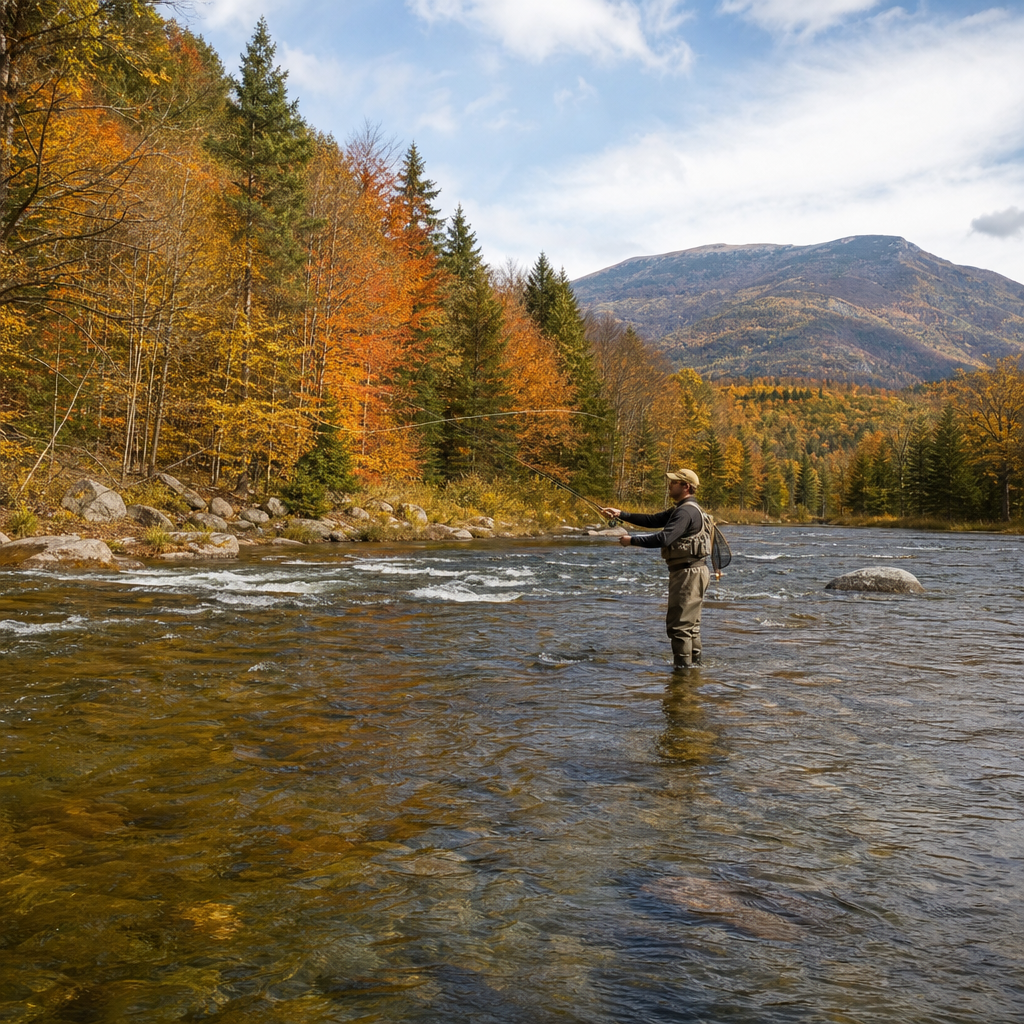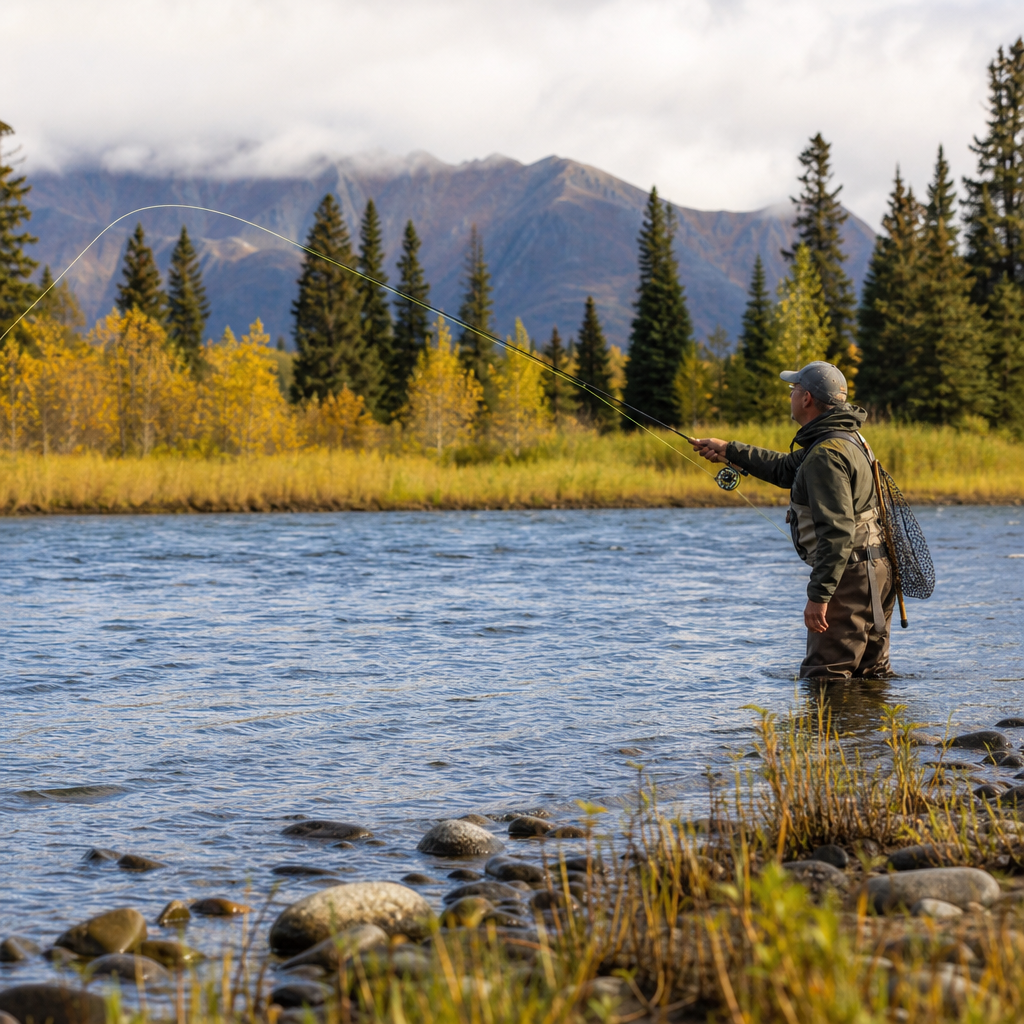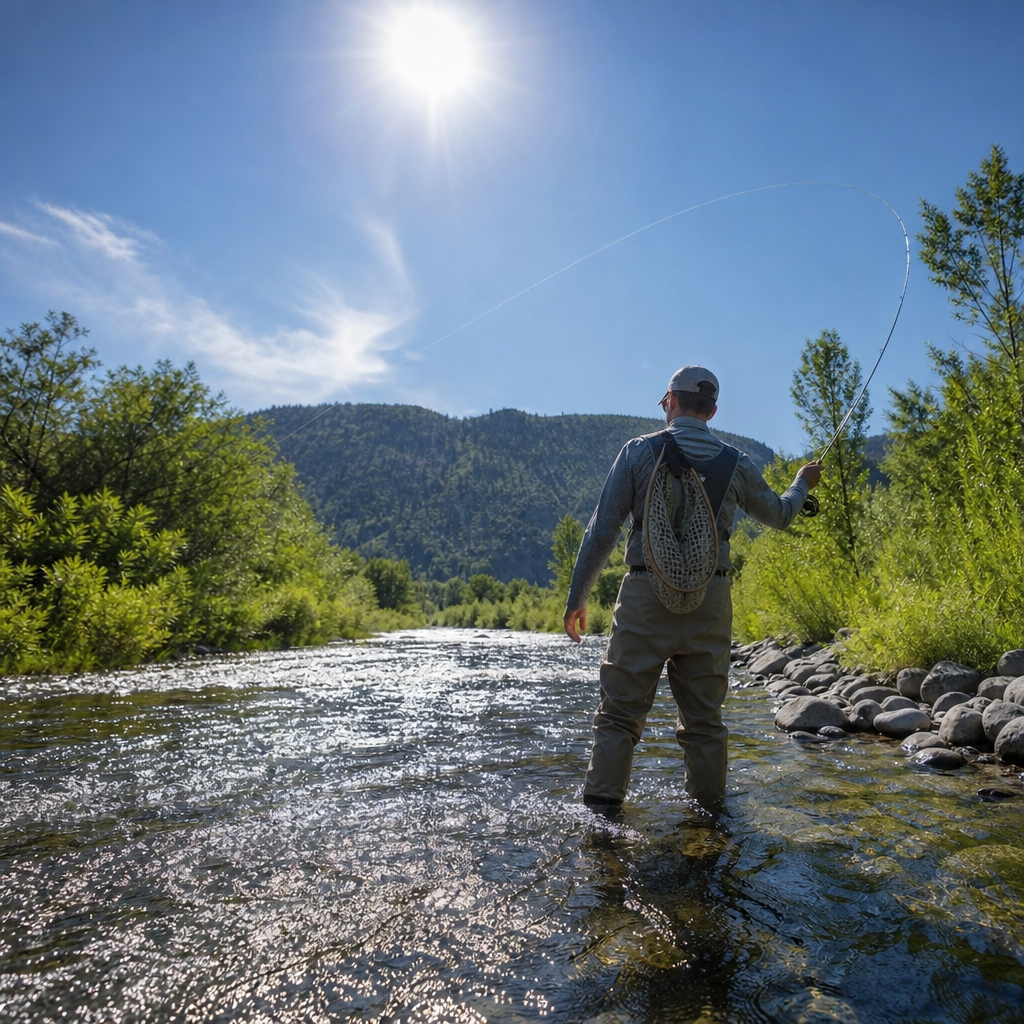
Summer fly fishing rewards anglers who understand how heat reshapes rivers, lakes, fish behavior, and daily timing. When water temperatures climb, insect activity shifts, dissolved oxygen often drops, and trout, bass, panfish, carp, and warmwater species feed in narrower windows. Summer fly fishing is not simply spring fishing in lighter clothing; it requires deliberate adjustments in presentation, fly choice, fish handling, and trip planning. I have learned this through long July mornings on freestone trout rivers, late evenings on tailwaters, and hot afternoons probing shaded banks for smallmouth. The anglers who stay consistent in summer are usually the ones who read conditions honestly instead of forcing a favorite pattern or technique.
At its core, summer fly fishing means matching tactics to elevated air temperatures, stronger sunlight, lower flows, and more selective feeding behavior. Key terms matter. Water temperature is the direct driver of fish stress and metabolism. Dissolved oxygen refers to the oxygen available in the water; warmer water generally holds less of it. Thermal refuge describes cooler zones such as spring seeps, deep runs, shaded undercut banks, or tributary mouths where fish gather during heat. Terrestrials are land-based insects like ants, beetles, hoppers, and cicadas that become major food sources in summer. Understanding these concepts helps anglers catch more fish while protecting fisheries that are vulnerable in extreme heat.
This topic matters because summer is both highly productive and potentially risky. Many anglers have more time on the water during vacation season, yet midsummer can be the period when trout face the greatest stress, especially in low, clear rivers. A successful approach balances opportunity with restraint. That means knowing when dawn is better than noon, when to switch from dry flies to nymphs or streamers, when to leave a trout stream entirely and target bass instead, and when water temperatures indicate it is smarter not to fish. As a hub for summer fly fishing, this guide covers the patterns, locations, gear choices, and fish-care practices that consistently produce results across the season.
How heat changes fish behavior and where to look
Fish respond to summer heat in predictable ways. Trout seek cold, oxygen-rich water and often reduce daytime movement. On many freestone streams, that pushes them into deeper slots, fast riffle tails, plunge pools, shaded banks, and areas influenced by springs or tributaries. Early in my season logs, catches often come from classic knee-deep riffles; by late July, the same fish slide into darker seams and feed for shorter periods. Bass and panfish behave differently. Smallmouth frequently use boulders, ledges, woody cover, and current breaks, then move shallower at low light. Carp may feed aggressively on flats in the morning before boat traffic and heat intensify.
The practical lesson is simple: stop covering water randomly and prioritize high-percentage summer holding water. In trout rivers, start at first light in riffles and heads of pools where oxygen is highest. As the sun rises, probe shaded undercuts, deeper seams beside structure, and any visible bubble line with depth. On tailwaters, stable cold releases can preserve daytime action, but fish still shift according to light, generation schedules, and angling pressure. In lakes and ponds, look for drop-offs, weed edges, inflows, and overhanging trees. Summer fish are rarely absent; they are concentrated. The angler who identifies cool water, shade, current, and food in the same place usually finds the bite.
Best times to fish in summer
The best summer fly fishing windows are usually dawn, the first few hours after sunrise, and the final hour before dark into full evening. Those periods combine lower water temperatures, reduced light intensity, and higher fish confidence. I routinely plan trout outings to be over by late morning on hot days, then return for spinner falls or terrestrial action near dusk. Midday can still produce, especially on tailwaters, high-elevation creeks, windy lakes, and cloudy days, but it is generally less forgiving. If you only have a short session, fish the coolest part of the day rather than the most convenient part.
Night fishing deserves special mention. In midsummer, large brown trout, big smallmouth, and even carp often feed more aggressively after dark than under bright sun. Water cools slightly, insect activity continues, and fish feel safer moving into shallower lies. This can turn a slow day into an excellent outing, but it requires discipline. Use simple leader setups, large silhouette flies, a limited wading radius, and careful route planning. Safety matters more than range. For many anglers, one of the most effective summer strategies is not a new fly pattern at all; it is shifting effort toward dawn and dusk, then resting vulnerable water during afternoon heat.
Summer flies that consistently work
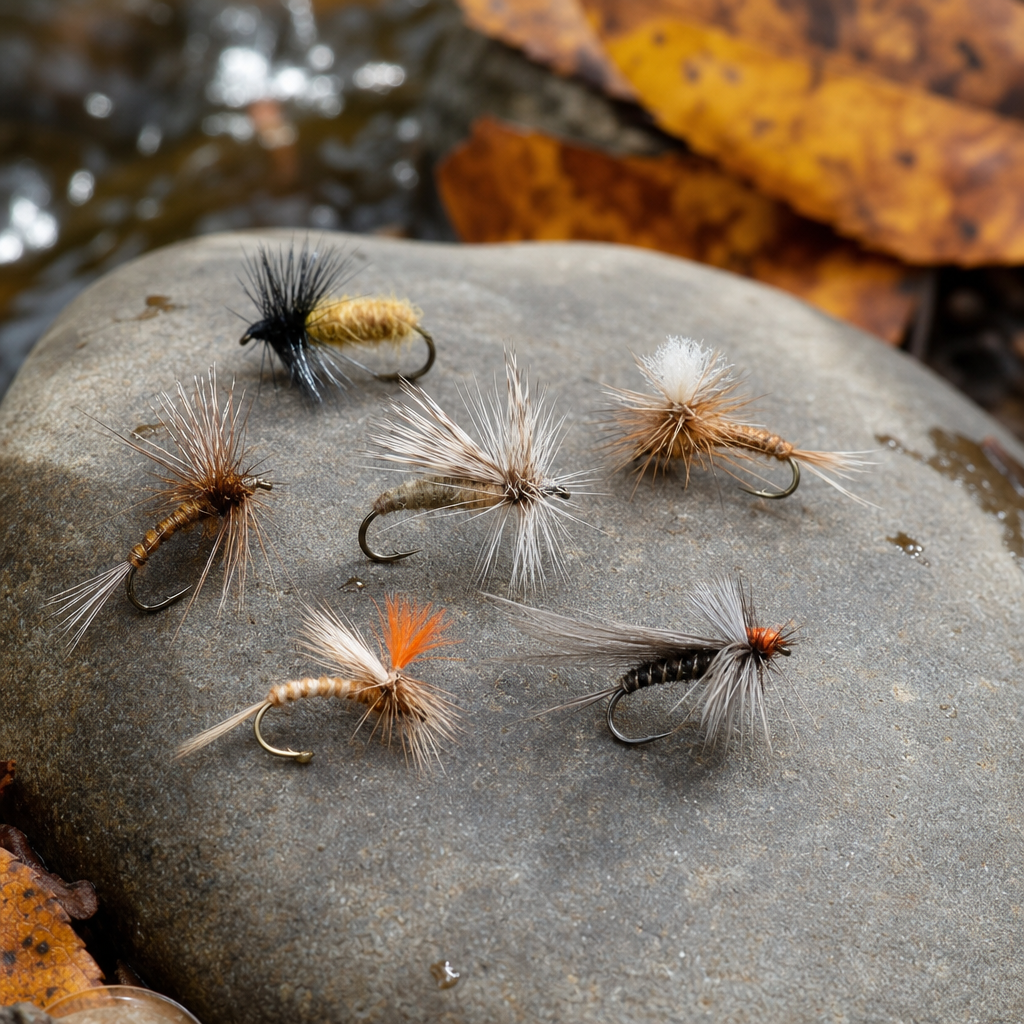
Summer fly selection becomes easier when organized by food source rather than by brand-name pattern. Three categories matter most: aquatic insects, terrestrials, and baitfish or opportunistic prey. On trout water, mayflies, caddis, midges, stoneflies, and attractor nymphs still catch fish, but terrestrials often dominate from late morning through early fall. Ants, beetles, grasshoppers, and cicadas land unpredictably and trigger confident takes, especially on windy afternoons along grassy banks. In warmwater fisheries, crayfish, baitfish, dragonflies, damselflies, frogs, and large nymphs become more important. Matching the menu matters more than carrying every trendy pattern in the shop.
| Scenario | Primary Flies | Why They Work |
|---|---|---|
| Hot trout river at dawn | Pheasant Tail, Zebra Midge, small caddis emerger | Fish feed subsurface in oxygenated riffles before bright light pushes them deeper |
| Sunny midday with grassy banks | Foam hopper, beetle, flying ant | Terrestrials are abundant, visible, and effective tight to banks and under overhangs |
| Evening hatch on tailwater | Parachute mayfly, soft hackle, spinner pattern | Stable flows and cooling light create focused feeding lanes |
| Smallmouth river in summer | Clouser Minnow, crayfish pattern, deer-hair popper | Bass key on baitfish and crayfish by day, then crush surface flies at low light |
| Pond or lake with weeds | Damselfly nymph, woolly bugger, foam popper | Warmwater species patrol edges where insects, fry, and cover intersect |
Size, profile, and placement often matter more than exact imitation. In low, clear water, I usually downsize nymphs, lengthen leaders, and choose drabber bodies with sparse flash. In broken pocket water or stained warmwater rivers, a larger profile helps fish locate the fly quickly. Foam patterns earn a permanent place in summer boxes because they float well, suspend droppers, and stay visible in glare. Carry ants in black and cinnamon, beetles in small sizes, hoppers from size 6 to 12, and a few larger attractors for prospecting. For bass, a white streamer, an olive baitfish pattern, and a rust-colored crayfish fly can cover most summer conditions.
Presentation, rigging, and line control in low clear water
Summer often exposes every weakness in presentation. Lower flows mean fish see more, currents separate into finer seams, and poor line control immediately drags a fly off course. The answer is precision. For dry flies and terrestrials, longer leaders, finer tippet, and accurate first casts are usually more important than changing patterns repeatedly. Cast from farther away when visibility allows, use the bank or structure to hide your profile, and drift flies tight to natural lanes rather than down the middle of featureless slicks. On technical trout streams, one clean drift to a shady undercut is worth far more than ten sloppy drifts over the same fish.
Nymphing and streamer work also need summer adjustments. Add only enough weight to reach the lane you are targeting; over-weighted rigs snag, plow unnaturally, and waste time. In shallow riffles, tight-line methods can be deadly at dawn because they keep line off conflicting currents and detect subtle takes. In deeper summer runs, an indicator rig still shines when fish hold at specific depth and speed. For bass, varied retrieve cadence matters more than constant stripping. I get more follows converted into eats by pausing streamers near rocks and allowing crayfish patterns to hop, stall, and fall. In summer, controlled speed consistently outfishes random motion.
Reading water across rivers, tailwaters, lakes, and warmwater fisheries
Not all summer fly fishing water should be approached the same way. Freestone trout streams are the most temperature-sensitive. Afternoon water can rise quickly after a hot night, especially during drought. Tailwaters below deep dams may remain fishable because release temperatures stay colder, although generation schedules and dissolved oxygen can still alter feeding. Spring creeks offer stable temperatures and excellent insect life, but clear water and abundant natural food make trout selective. High-elevation lakes and alpine streams remain productive later into summer, often turning into reliable options when valley rivers become too warm.
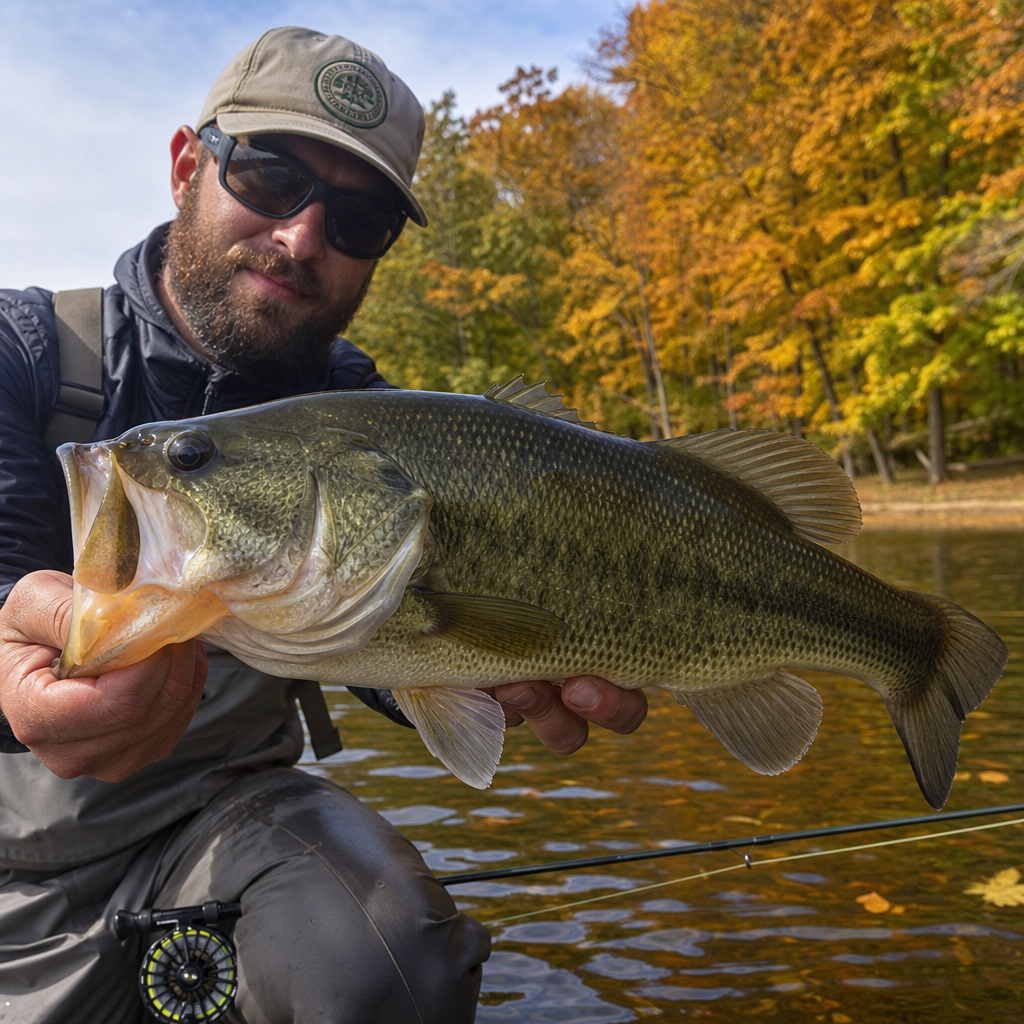
Warmwater fisheries expand opportunity when trout conditions deteriorate. Smallmouth rivers frequently peak in summer, especially where water temperatures sit in the low to mid 70s Fahrenheit and current remains moderate. Largemouth bass, bluegill, and carp provide excellent sight-fishing and topwater action in ponds, reservoirs, and backwaters. This is not a consolation prize. A foam popper beside a weed line or a deer-hair slider under overhanging trees can be every bit as technical and exciting as a trout hatch. Anglers who build a true summer plan usually keep multiple options: cold tailwaters and mountain streams for trout, plus bass and carp water for hotter afternoons and evenings.
Water temperature, ethics, and fish handling
Water temperature should guide every summer decision. Trout stress rises as temperatures increase, and catch-and-release mortality climbs when fish are fought hard and handled in warm water. Many anglers use 68 degrees Fahrenheit as a practical caution point for trout and 70 degrees as a strong stop-fishing threshold, though species, strain, river type, and local guidance matter. Some agencies issue mandatory hoot-owl restrictions that close trout fishing during the hottest part of the day. These rules exist for good reason. Carry a stream thermometer, check temperatures in the main stem rather than only a cool tributary edge, and make the decision before you start casting.
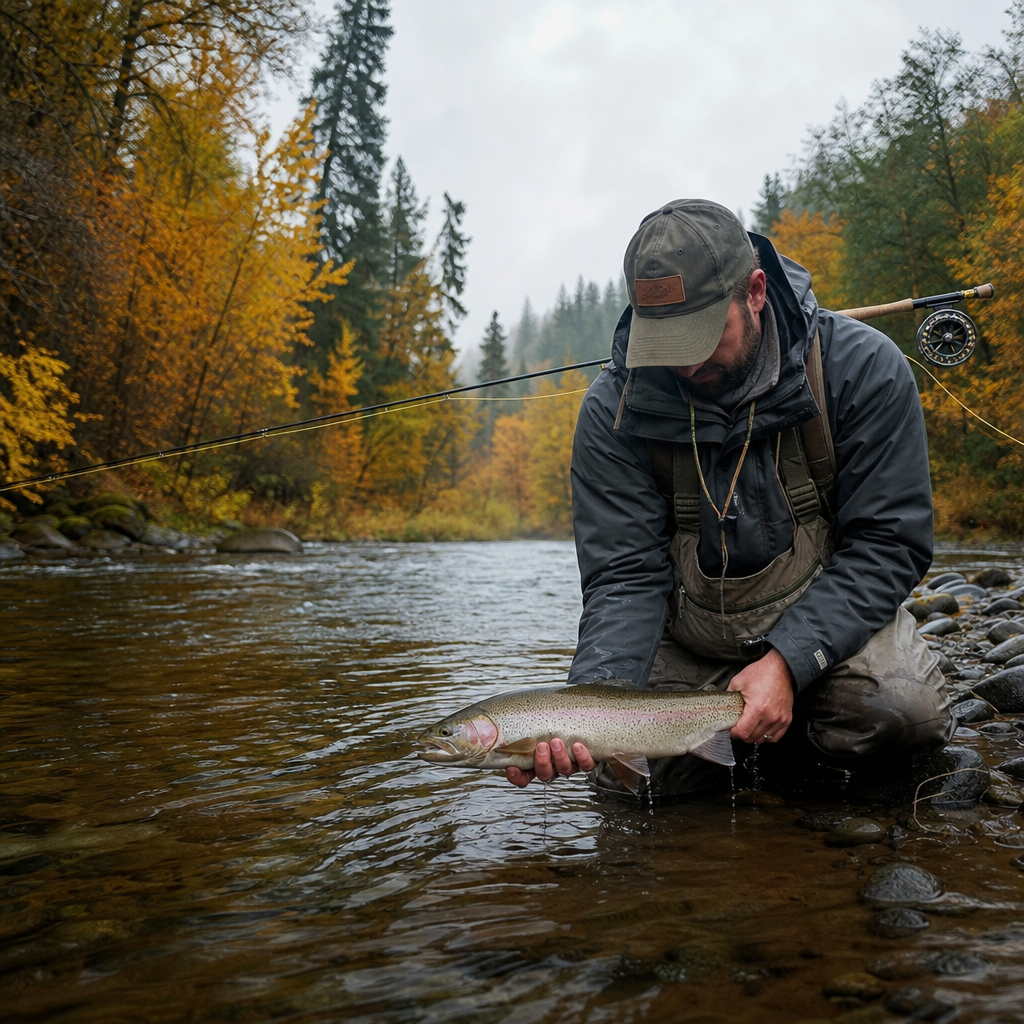
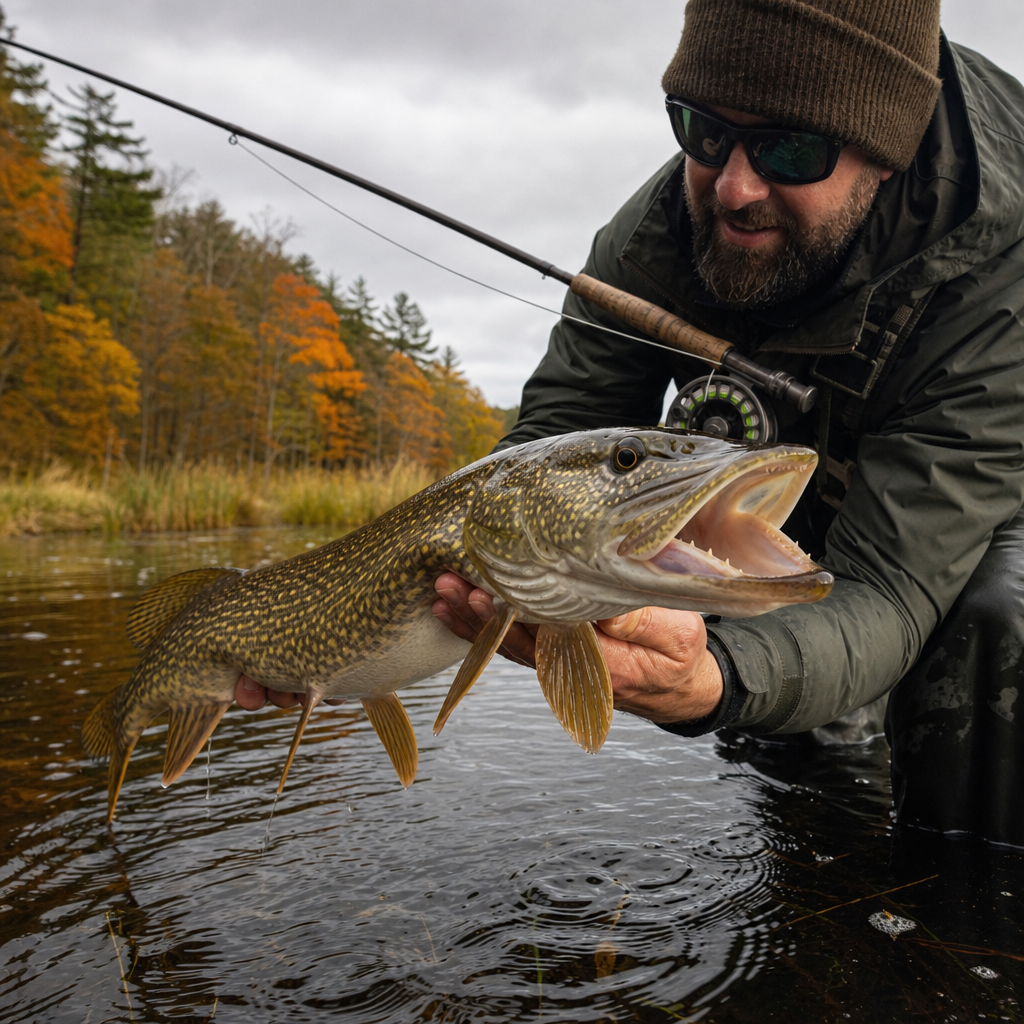
Ethical summer fish handling is straightforward. Fight fish quickly with appropriately strong tippet. Keep them in the water while unhooking. Use rubberized nets, crush barbs when practical, wet your hands, and skip hero shots when temperatures are high. If a fish rolls over or struggles to recover, hold it facing gentle current until it swims away under its own power. Avoid targeting fish visibly stacked in tiny thermal refuges; those congregations are survival behavior, not a sporting opportunity. One of the clearest signs of an experienced summer angler is not a full net count. It is the willingness to switch species or walk away when conditions put trout at unnecessary risk.
Gear, clothing, and trip planning for hot-weather success
Summer gear should support mobility, heat management, and fast adaptation. A thermometer is essential. Polarized sunglasses with copper or amber lenses help reveal structure, weed edges, and fish movement under bright light. Lightweight sun hoodies, wide-brim hats, fingerless sun gloves, and neck gaiters reduce exposure better than sunscreen alone. Hydration matters as much as fly selection. On long floats and walk-wades, I carry more water than I think I need and add electrolytes during high heat. Wet wading can be more comfortable and safer on some rivers, but studded boots still matter where slick rock or moss creates footing hazards.
Rods and lines should match summer tasks, not habit. A 4- or 5-weight covers most trout situations, but a 6-weight handles hoppers, larger indicators, and small streamers better in wind. For bass, a 6- or 7-weight is the practical standard because it turns over bulky poppers and fights fish efficiently. Floating lines remain primary, though sink-tip lines can be excellent for deeper smallmouth runs and lake edges. Keep leaders simple: long and fine for technical dry-fly trout fishing, shorter and stronger for terrestrials near cover, stout fluorocarbon for bass streamers. Before every trip, review weather, water temperatures, dam releases, and wildfire or storm impacts. Good planning catches fish before the first cast.
Summer fly fishing rewards anglers who adapt to heat instead of resisting it. The core pattern is consistent across regions: fish during cool windows, target oxygen-rich or shaded holding water, use seasonally abundant food forms like terrestrials and baitfish, and present flies with extra precision in low clear conditions. Equally important, let water temperature dictate your ethics. Trout can be fragile in midsummer, while bass, carp, and panfish often thrive and provide outstanding alternatives. The anglers who enjoy the best summer fishing are rarely the ones grinding through the hottest hours on unsuitable water. They rotate fisheries, adjust tactics, and let conditions lead the plan.
As a hub for summer fly fishing, this guide should help you make better choices on any hot-weather outing, from mountain creeks and tailwaters to farm ponds and smallmouth rivers. Start with a thermometer, a dawn alarm, and a fly box built around nymphs, terrestrials, and a few proven streamers. Read water for shade, depth, current, and food. Handle fish quickly and carefully. Most of all, stay flexible. If trout water warms, pivot to warmwater species and keep fishing well. Use these strategies on your next trip, then build from there by exploring the specific summer hatch, river, lake, and species tactics connected throughout your Seasons and Conditions planning.
Frequently Asked Questions
What is the best time of day to fly fish during summer heat?
The best summer fly fishing usually happens during the coolest, most stable parts of the day, especially early morning and late evening. As water temperatures rise, many fish become less willing to chase flies aggressively in the middle of the day, and in coldwater fisheries such as trout streams, that slowdown can be dramatic. Dawn often provides the most dependable window because overnight cooling lowers water temperatures, dissolved oxygen is typically better, and fish are more comfortable moving into feeding lanes before bright sun hits the water. Evening can also be productive, particularly when spinner falls, caddis activity, terrestrial action, or low-light baitfish movement pulls fish back into shallower feeding zones.
Midday is not always a lost cause, but it usually demands a different approach. On freestone rivers, deeper runs, riffle seams, shaded banks, undercut structure, and tributary mouths can hold fish that are avoiding heat and light. On lakes and ponds, fish may slide deeper, relate to weed edges, or feed in short bursts when wind creates surface chop and cooler oxygenated water mixes across the shallows. Warmwater species such as bass, panfish, and carp can remain catchable later into the day than trout, but even they often show stronger feeding behavior during lower-light periods in hot weather.
The smart move is to plan your trip around these feeding windows rather than forcing a full-day schedule. Start early, fish hard when conditions are favorable, and be willing to quit or switch species once water warms beyond safe or productive levels. Summer success often comes from timing more than distance covered, and anglers who treat the cool hours as prime time generally fish more effectively and more responsibly.
How does hot weather change fish behavior and where should I look for fish?
Summer heat changes fish behavior by shrinking their comfort zone. As water warms, fish must balance temperature, oxygen, food availability, and security from predators. Trout are especially sensitive because they prefer cool, well-oxygenated water, so they often shift into faster riffles, deeper pools with groundwater influence, shaded cutbanks, spring seeps, plunge pools, and areas below dams or near tributary inflows where temperatures stay lower. They may feed in short, efficient windows and refuse to spend energy chasing poorly presented flies. In practical terms, that means fish are often more concentrated than in spring, but they are also less forgiving.
Warmwater fish respond differently, though the same principles apply. Bass may hold tight to wood, docks, weed edges, rock ledges, and current breaks where they can ambush prey without burning energy. Panfish often gather around vegetation, submerged brush, and drop-offs, especially where insects, fry, and shade coincide. Carp commonly cruise flats during low light but may become selective or spooky in bright conditions, pushing anglers to look for edges, mud lines, shaded margins, or subtle current seams. Across all species, current, depth, cover, and shade matter more in summer because they reduce stress and concentrate food.
Instead of randomly casting through every piece of water, focus on places that solve multiple needs for fish at once. The best summer holding water usually offers cooler temperatures, better oxygen, protection from direct sun, and easy access to food. If a run has speed, depth, broken surface texture, and nearby shade, it is far more likely to hold active fish than a broad, sunbaked flat. Reading water through the lens of thermal refuge and energy conservation is one of the biggest keys to successful summer fly fishing.
What flies work best in summer, and should I change my presentation?
Summer fly selection should match what fish can realistically see and want to eat during warm conditions, which usually means leaning into seasonal insects, terrestrials, and efficient subsurface patterns. For trout, that often includes caddis, small mayflies, midges, ants, beetles, hoppers, and attractor dries during appropriate windows, along with nymphs such as pheasant tails, perdigons, caddis pupae, and small jig patterns when fish are holding deeper. In many rivers, terrestrial fishing becomes especially important once bankside grasses, overhanging brush, and windy afternoons start knocking insects into the water. Hopper-dropper rigs, ant patterns, and beetles can be excellent searching tools when classic hatches are sparse.
For bass and panfish, summer opens the door to poppers, divers, foam bugs, baitfish streamers, damselfly patterns, dragonfly nymphs, and small leech or worm imitations. Carp often respond to subtle nymphs, small crayfish patterns, and buggy flies that land softly and sink naturally into their feeding lane. Matching the hatch still matters, but in summer, matching behavior matters just as much. Fish under heat stress often prefer a presentation that is precise, clean, and easy to eat rather than flashy or hyperactive.
In most hot-weather situations, slower and more deliberate presentations outperform aggressive ones. Dead drifts need to be cleaner, drifts often need to be shorter and more targeted, and streamers usually work better when stripped with purpose near structure or through low-light windows rather than ripped blindly through warm, open water. Long leaders, lighter tippet where appropriate, accurate casts, and careful line control all become more important in clear summer conditions. Fly choice matters, but summer often rewards anglers who present ordinary patterns exceptionally well.
How should I handle fish safely when water temperatures are high?
Fish handling becomes critically important in summer because warm water increases stress and decreases a fish’s margin for recovery. When water temperatures climb, dissolved oxygen often drops, and even a strong fish can be pushed beyond safe limits by a prolonged fight, rough landing, or extended air exposure. This is especially true for trout and other coldwater species. The first step is prevention: use tackle strong enough to land fish quickly, avoid overplaying them, and consider stopping entirely if water temperatures rise into an unsafe range for that fishery. Carrying a stream thermometer is one of the simplest and most responsible things a summer angler can do.
Once a fish is hooked, land it efficiently and keep it in the water as much as possible. Wet your hands before touching it, use a rubberized landing net if available, and avoid squeezing the body or dragging the fish onto rocks, sand, or dry grass. If you want a photo, prepare everything in advance, lift the fish only briefly, and return it immediately. Reviving fish should also be done carefully; hold them upright in moderate current and allow them to recover on their own rather than pushing them back and forth unnaturally. If a fish is clearly overstressed, the best thing you can do is minimize handling and give it maximum time in clean, flowing water.
Responsible summer fly fishing means recognizing that success is not only measured by how many fish you catch, but by how well those fish survive the encounter. Many experienced anglers voluntarily shorten sessions, avoid targeting trout during extreme heat, or switch to bass, panfish, or carp when conditions become too stressful for coldwater species. That kind of judgment protects fisheries and reflects a deeper understanding of what summer angling demands.
How should I plan a summer fly fishing trip to stay productive in tough heat?
Planning matters more in summer than many anglers realize. A productive trip begins before you ever string up a rod, with close attention to weather, water temperature, streamflow, and species-specific behavior. Check recent air temperatures, overnight lows, and forecasted highs because a string of hot nights can reduce the morning cooling effect that fish depend on. Look at river gauges, reservoir reports, and local fly shop updates to understand whether flows are low and clear, stable, or affected by dam releases. If you are targeting trout, identify cooler options such as higher-elevation streams, tailwaters, spring creeks, or waters with stronger shade and oxygen. If conditions look marginal, build flexibility into your plan and be ready to pivot toward warmwater species that are better adapted to heat.
On the water, structure your day around efficiency rather than endurance. Fish the best window first, often at first light, and choose spots that fit summer patterns: riffles and shaded seams for trout, weed edges and structure for bass, flats and subtle margins for carp, and cover-rich shorelines for panfish. Keep your gear streamlined so you can move quickly and adapt. That might mean carrying a thermometer, extra leaders, floatant, a small box of terrestrials and nymphs, water for yourself, sun protection, and forceps ready for quick releases. Summer can punish anglers physically as well as mentally, so hydration, shade breaks, and realistic expectations are part of good trip planning too.
Perhaps the most important planning skill is knowing when to leave fish alone. If the river warms rapidly, if fish are sluggish and stressed, or if safe handling becomes questionable, ending the session is often the right call. Some of the best summer anglers are not the ones who stay out longest, but the ones who read conditions honestly, adapt without ego, and fish the windows that truly offer opportunity. That mindset leads to more consistent catches, healthier fish, and better long-term habits on the water.