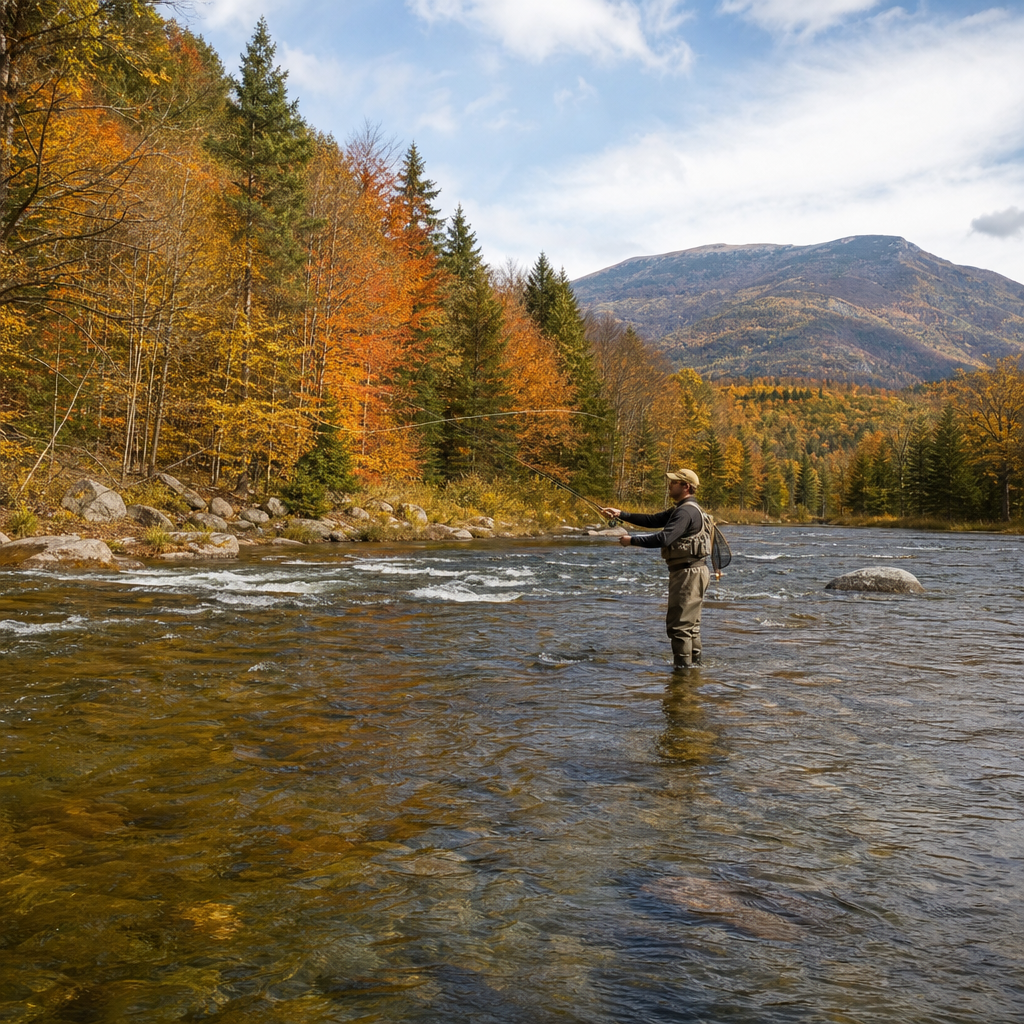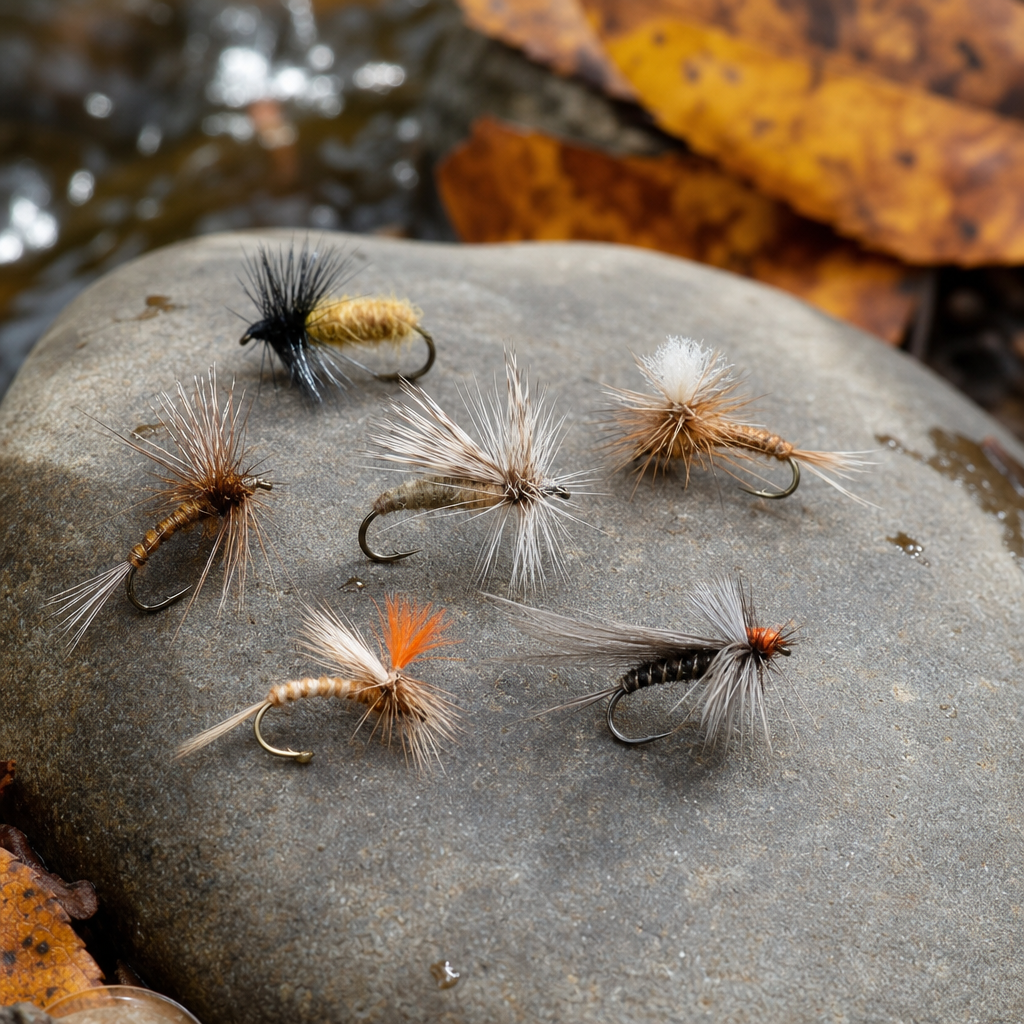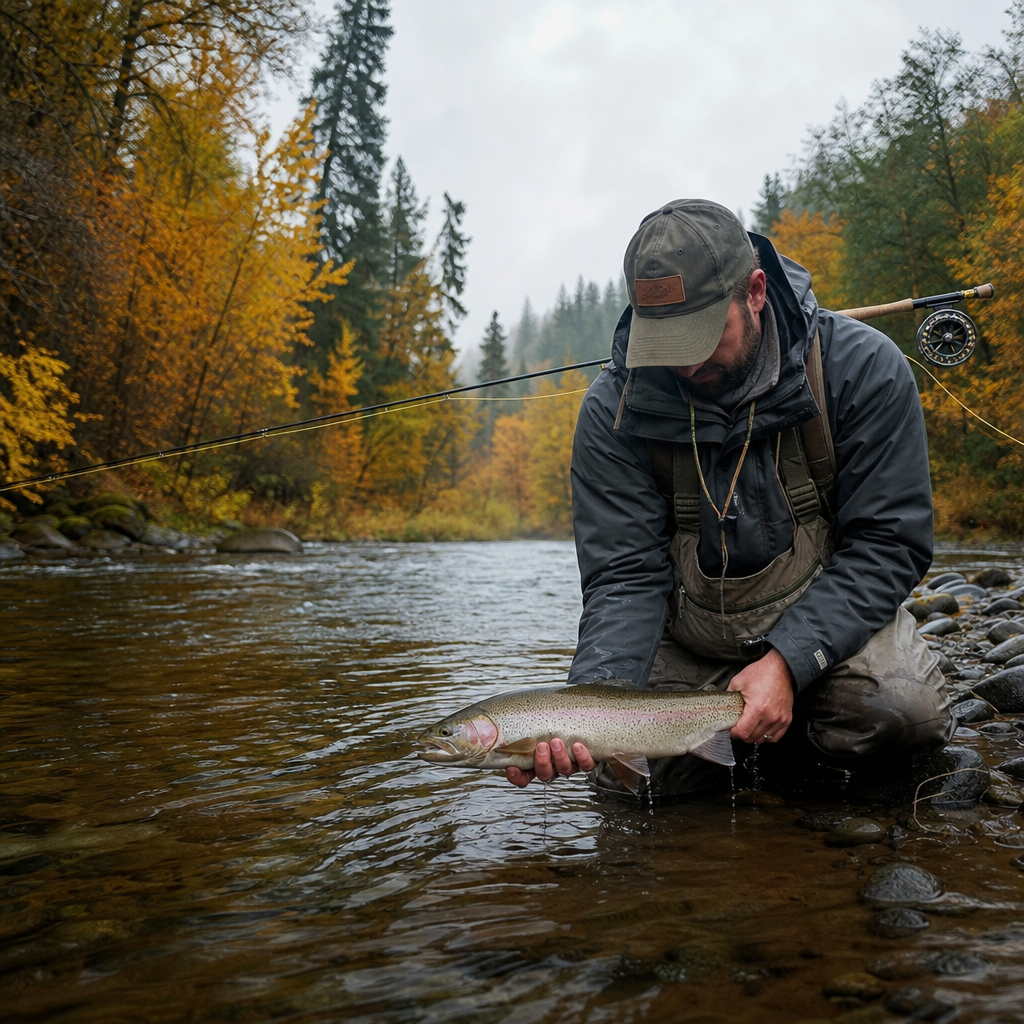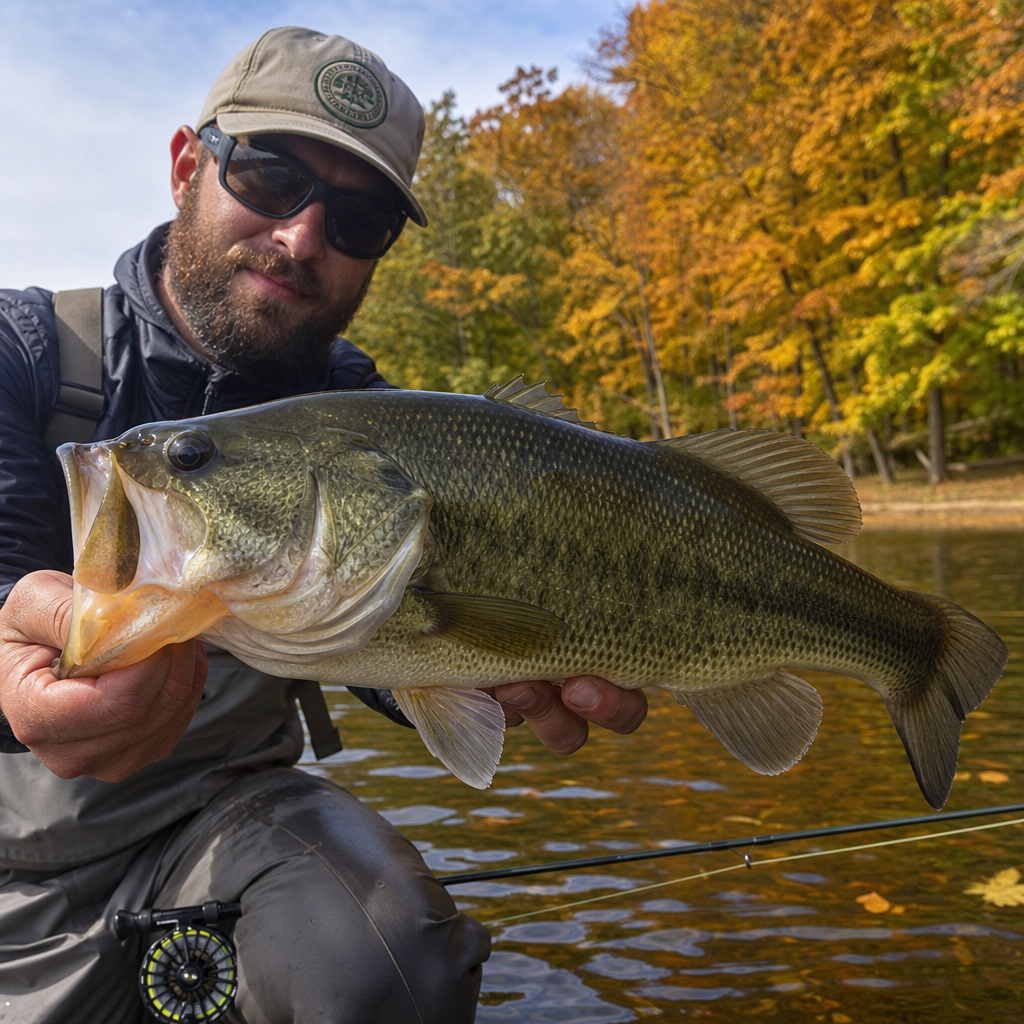
Matching the hatch in summer is the core discipline that separates random casting from consistent fly fishing. The phrase means selecting and presenting a fly that imitates the insects trout are feeding on at that moment, in that specific water, under those exact light and temperature conditions. Summer raises the stakes because aquatic insect activity peaks, fish become selective, and the difference between a size 16 pale morning dun and a size 18 spinner can determine whether a trout rises confidently or refuses at the last second.
As a sub-pillar within seasons and conditions, seasonal hatches refers to the predictable emergence cycles of mayflies, caddisflies, stoneflies, midges, and terrestrials across changing weather, water temperatures, and river flows. In summer, those cycles compress into intense feeding windows: dawn trico falls, late-morning PMDs, evening caddis swarms, nocturnal hex hatches, and midday terrestrial opportunities when beetles, ants, and grasshoppers hit the water. I have planned entire guide days around those windows, because in July and August trout often feed hard for short periods, then slide into caution once sunlight brightens, temperatures rise, or pressure changes.
Why does this matter so much? Summer trout usually have abundant food. When fish can inspect dozens of naturals drifting every minute, they stop rewarding rough approximations. They key on stage, silhouette, size, drift angle, and behavior. A dun rides high and upright; an emerger hangs low in the film; a spinner lies flush and motionless. Caddis may skitter, while mayflies almost never should. Water clarity is often excellent in summer base flows, which gives trout more time to reject poor imitations. Anglers who understand hatch timing, bug behavior, and presentation mechanics make better decisions faster, conserve fishing time, and convert more feeding fish.
This hub article covers summer matching-the-hatch strategy comprehensively, from reading the water and identifying bugs to choosing fly patterns, leader setups, and presentation tactics. It also connects the major hatch categories that deserve deeper exploration in supporting articles under this seasonal hatches cluster. If you understand the framework here, you can move from guessing to a repeatable process: observe the insects, determine the life stage trout prefer, match size before color, and deliver the fly in the right lane at the right speed.
How summer hatches actually work on the water
Summer hatches are driven by temperature, photoperiod, dissolved oxygen, water level, and species-specific life cycles. Most aquatic insects spend the majority of their lives underwater as nymphs or larvae. The visible hatch is simply the brief transition when they emerge, drift, struggle in the surface film, molt into duns, return later as spinners, or in the case of caddis, pupate and rocket toward the surface. Trout often feed most aggressively during these vulnerable transitions, not necessarily on fully formed adults. That is why anglers who focus only on dry flies frequently miss fish that are eating emergers six inches below the film.
In practical summer terms, timing matters more than broad seasonal labels. Tailwaters with bottom-release dams can produce strong midge and PMD cycles through warm months because water temperatures stay stable. Freestones react faster to heat, runoff recession, and thunderstorms, so hatches can shift earlier or shorten dramatically. On spring creeks, weed growth and steady temperatures often create technical spinner and midge fishing all summer long. During guide seasons, I keep notes on water temperature at launch, first observed bugs, rise form, and cloud cover, because a two-degree swing can move a hatch by an hour or more.
Rise forms are especially useful. Splashy, reckless rises often indicate caddis adults or baitfish feeding. Gentle sips usually point to mayfly emergers or spent spinners. Bulges just under the surface often mean trout are intercepting ascending nymphs or caddis pupae. If fish are porpoising without showing their mouths, they are often taking emergers in the film. Those clues let you narrow the stage before opening a fly box. Summer rewards that discipline because active fish may stay in one feeding mode for only fifteen minutes.
The major summer hatch groups every angler should know
Mayflies dominate many summer conversations because they create the most visible and technical dry-fly fishing. Key species vary by region, but pale morning duns, blue-winged olives in cooler periods, sulphurs in the East, tricos, green drakes in some systems, and hexagenia on lakes and slow rivers all matter. Their stages include nymph, emerger, dun, and spinner. Trout commonly prefer emergers and spinners because both are trapped or disabled. If you see upright-winged adults on the water but refusals continue, dropping one fly size or switching to a cripple pattern usually solves the problem.
Caddisflies are equally important in summer and often more dependable over a long evening window. Unlike mayflies, caddis behavior is animated. Pupae ascend quickly, adults flutter, and egg-laying females may dive or skate. Common summer types include tan caddis, gray caddis, and green caddis in many Western rivers, plus cinnamon and black caddis on some Eastern streams. When trout slash at the surface near dusk, an Elk Hair Caddis is a starting point, but a soft hackle, pupa, or low-floating X-Caddis often outfishes a high-riding dry because fish are targeting the transition stage.
Stoneflies can produce spectacular summer fishing, especially during salmonfly, golden stone, and little yellow stone periods. Big western freestones may still fish giant dries along banks after the peak hatch because adults fall back to the water for days. Smaller yellow sallies matter on many rivers long after larger bugs fade. Trout holding near grassy banks, seams beside boulders, and under overhanging limbs will move far for an adult stonefly, but they also eat the nymphs aggressively before and after the hatch. A dry-dropper rig is often the most efficient approach.
Midges never disappear, even in summer. On heavily pressured tailwaters and spring creeks, they fill dead periods between headline hatches. Tiny adults in sizes 20 to 26 can blanket slicks on cool mornings, and pupae can dominate subsurface feeding all day. Terrestrials are the other essential summer category. Ants, beetles, inchworms, and grasshoppers are not aquatic hatches, yet they become critical food once banks dry, winds build, and streamside vegetation matures. In many rivers, late summer is less about waiting for a textbook emergence and more about recognizing when trout shift from aquatic insects to land-based calorie opportunities.
A practical system for identifying the hatch and choosing the right fly
The fastest reliable system is observation, classification, sizing, then presentation. First, watch before casting. Look at the air above the riffle, the surface in the seam, the spider webs in streamside brush, and the film in back eddies where dead bugs collect. Seine the drift with a small aquarium net or fine-mesh kitchen strainer. Flip over rocks if regulations and habitat allow gentle handling. You are trying to answer four questions: what insect is present, what stage is vulnerable, what size dominates, and where are fish intercepting it?
Size is usually more important than color. Trout reject oversize flies immediately because silhouette is the first filter. I carry a simple hatch card and compare naturals to hook gaps rather than relying on packaging labels, which vary by manufacturer. Once size is right, match profile: slim for mayflies, tent-winged for caddis, chunky for stoneflies, threadlike for midges, compact for ants and beetles. Color comes next and should be broad, not obsessive. Cream, sulfur yellow, olive, tan, black, rusty brown, and white cover most summer decisions. Anglers often waste time debating shade while ignoring stage and drift.
| Observed clue | Likely food form | Best first pattern category | Common mistake |
|---|---|---|---|
| Gentle sipping in slick water | Mayfly emerger or spinner | Parachute cripple or spent spinner | Fishing a high-riding dun |
| Bulges below surface at dusk | Caddis pupa | Soft hackle or pupa | Skating a dry too early |
| Explosive bank rises | Stonefly or hopper | Large foam dry | Ignoring the bank edge lane |
| Tiny noses in flat tailout | Midge or trico spinner | Size 20 to 24 spinner or midge adult | Using heavy tippet |
| No visible rises, bugs present | Ascending nymphs or pupae | Emerger under indicator or dry | Waiting only for surface takes |
When in doubt, start one stage earlier than the obvious adult. If duns are floating, fish an emerger. If caddis are dancing above the river, fish a pupa before an adult. If spinners are gathering overhead, have the spent-wing pattern ready before the fall begins. This is the most repeatable adjustment I make for clients, and it consistently turns lookers into eaters.
Presentation tactics that matter more than pattern names
Summer trout refuse flies for drag more often than for wrong color. Leader design, casting angle, and slack management determine whether the imitation behaves naturally. For technical dry-fly fishing, I typically use 12- to 15-foot leaders ending in 5X to 7X, adjusting for fly size, wind, and fish wariness. Long leaders are not magic, but they create separation from the fly line and allow softer turnover. On broken pocket water with stoneflies or hoppers, shorter 9- to 10-foot leaders with 3X or 4X are usually more practical and land fish faster in warm water.
Reach casts, parachute casts, pile casts, and aerial mends are essential because they add slack before the drift starts. On downstream spinner falls, a down-and-across presentation with a reach upstream can buy two extra feet of drag-free drift, which is often all you get. On spring creeks, casting from farther back and targeting one feeding lane matters more than false-casting over the fish. For caddis, controlled movement can be correct late in the sequence; for mayflies, dead drift is usually nonnegotiable. Knowing when motion is lifelike and when it is fatal is part of genuine hatch matching.
Summer also requires fish-care judgment. When water temperatures approach or exceed about 68 degrees Fahrenheit, trout stress rises and fight recovery slows, especially in low flows. Early-morning hatch windows are safer than late afternoon during heat waves. Heavier tippet, firm side pressure, and in-water releases reduce mortality. Matching the hatch should never become an excuse to prolong delicate fishing in unsafe temperatures. Skilled anglers adapt by changing timing, species, elevation, or tactics.
Building a summer seasonal hatches playbook
A useful summer playbook is organized by river type, month, and time of day. For example, a Western freestone in early July may call for golden stones at first light, PMDs midmorning, caddis in the evening, and hoppers by late month. An Eastern limestone creek might demand sulphur emergers at dusk, trico spinners at sunrise, and beetles under overhanging grass through the afternoon. A tailwater may produce dependable midges and PMDs even during regional heat because the dam stabilizes flows and temperature. Recording those patterns turns scattered memories into a decision tool.
As the hub page for seasonal hatches, this article should guide your deeper reading across individual hatch families, regional timing charts, entomology primers, and river-specific tactics. Use it as the framework: identify the insects, determine the vulnerable stage, match size and silhouette, then solve the drift. If you do those four things well, summer fishing becomes far less mysterious and far more consistent. Start a hatch log on your next trip, carry a small seine, and let the bugs tell you what to tie on.
Frequently Asked Questions
What does “matching the hatch” really mean during summer fly fishing?
Matching the hatch in summer means choosing a fly that closely imitates the exact insects trout are actively feeding on, then presenting that fly in a way that looks natural in the current and light conditions. It is not just about picking a fly that resembles “something buggy.” In summer, trout often lock onto a narrow feeding window: a specific species, a specific life stage, and even a specific size or silhouette. A fish rising steadily may ignore several good-looking flies simply because it is targeting spent spinners instead of duns, emergers instead of adults, or small midges instead of the more obvious mayflies drifting nearby.
Summer makes this discipline especially important because aquatic insect activity is at its highest and trout have more food choices. When food is abundant, fish can afford to be selective. That is why the difference between a size 16 Pale Morning Dun and a size 18 spinner can completely change the result. The trout is not being “smart” in a human sense; it is feeding efficiently. If hundreds of nearly identical insects are drifting past, the imitation that best matches size, profile, posture, and drift is the one most likely to be eaten.
In practical terms, matching the hatch means observing before casting. Look at the air, the water surface, and the streamside rocks. Watch whether insects are floating, hatching, struggling in the film, or falling spent onto the water. Notice whether trout are sipping gently, slashing aggressively, or feeding just below the surface. Those clues tell you whether to fish a dry fly, emerger, soft hackle, nymph, or spinner pattern. Summer success usually comes from narrowing your focus: match the insect, match the stage, and match the drift.
How can I identify what trout are eating in summer without overcomplicating it?
The simplest and most effective approach is to focus on four things: size, color, type, and behavior. First, determine the size of the natural insects. Size is often more important than exact pattern name. A trout that is dialed in on tiny size 20 midges will rarely move far for a size 14 attractor, even if the color is close. Second, look at color in broad categories: pale yellow, olive, tan, rust, black, cream. Third, identify the general insect type, such as mayfly, caddis, stonefly, midge, or terrestrial. Fourth, pay attention to behavior. Is the insect skittering, drifting motionless, fluttering, or trapped in the surface film?
You do not need to become an entomologist to fish well. Carry a small seine, a fine-mesh net, or even use your hand to scoop the current gently. Check the waterline on rocks, inspect spider webs and streamside vegetation, and watch what is floating in eddies. If trout are rising, study the rise form. A soft, nose-only sip usually points to small dries, cripples, or spinners. Splashy rises may suggest caddis or terrestrials. Bulging just under the film often means emergers. If fish are not rising at all, turn over a few rocks and inspect the nymphs present.
One of the best habits in summer is to catch a natural insect whenever possible and compare it directly to your flies. Hold it against the sky or your shirt to see profile and wing position. Ask yourself: is the body slim or chunky, the wings upright or tented, the color pale or dark, the size closer to 14 or 18? This process keeps things practical. You are not trying to name every insect perfectly; you are trying to identify the food form trout are recognizing. Once you know that, your fly selection becomes much easier and much more consistent.
Which summer hatches matter most, and how should I adjust my fly selection through the day?
The most important summer hatches vary by river, elevation, and water temperature, but several patterns appear consistently across trout water: Pale Morning Duns, Blue-Winged Olives in cooler or cloudy periods, caddisflies, midges, terrestrials like ants and beetles, and in some systems, evening spinner falls. Stoneflies may also remain relevant, especially on faster, freestone rivers. What matters most is understanding that summer fishing often changes by the hour. Morning, midday, and evening can demand entirely different flies and presentations.
Early in the day, especially on cool summer mornings, trout may feed subsurface on nymphs and emergers before visible surface activity begins. This is a good time for unweighted or lightly weighted nymphs, soft hackles, and emerger patterns. As the day warms, mayflies or caddis may hatch, and trout may shift to feeding in the film or on top. During these windows, a correctly sized dry fly, cripple, or emerger often outfishes a standard high-floating adult pattern because many insects are most vulnerable before they fully escape the surface.
Midday in bright sun can be challenging on heavily pressured rivers, but it can also be prime time for terrestrials. Beetles, ants, hoppers, and inchworms become important when aquatic hatches slow down or when trout grow wary of perfect-looking mayfly patterns. In the evening, spinner falls and caddis activity can become the main event. Trout often feed confidently then, but they may also become extremely selective. If you see steady rises in calm water near dusk, consider downsizing, lengthening your leader, and switching to a low-riding spinner or spent-wing pattern. The best adjustment strategy is to think in terms of progression: nymphs and emergers first, active hatch patterns during emergence, terrestrials during quiet periods, and spinners or egg-laying caddis late in the day.
Why do trout refuse a fly that seems to match perfectly, and how can I fix that?
Most refusals happen because of presentation, not pattern choice. In summer, trout often get a long look at your fly in low, clear water. Even if your imitation has the right size and color, the fish may reject it because it drags unnaturally, lands too hard, rides too high, or approaches from the wrong angle. Matching the hatch is only half the job; the other half is matching the behavior of the natural insect in current. A perfect fly that moves unnaturally is still wrong in the trout’s world.
Start by evaluating your drift. If your fly leaves a wake, hesitates strangely, or skates when naturals are floating dead-drift, trout will often refuse at the last second. Improve this by adjusting your casting angle, adding reach casts or slack, and positioning yourself for a cleaner drift. Next, look at leader and tippet. In calm summer water, longer leaders and finer tippet often make a major difference. If you are fishing a size 18 or 20 dry fly to selective trout, heavy tippet can distort the drift and reduce takes.
Also consider stage mismatch. Trout may be feeding on emergers trapped in the film while you are offering a fully upright dun. They may want a spent spinner lying flush to the surface instead of an adult pattern riding high. In many summer situations, switching to a lower-profile fly solves repeated refusals immediately. Finally, examine your own visibility and approach. Wading too close, casting a shadow, or lining the fish with your fly line can ruin an otherwise correct setup. When trout refuse a fly that “should” work, simplify your diagnosis: drift first, then fly stage, then size, then color. That order fixes more summer problems than endlessly swapping patterns at random.
What are the best summer techniques for presenting hatch-matching flies effectively?
The best summer techniques combine precise observation, controlled casting, and disciplined presentation. Begin with a patient approach. Before stepping into the water, watch for feeding lanes, rhythm of rises, and insect activity. Summer trout often hold in predictable currents where food funnels naturally, and careless wading can scatter fish before you ever make a cast. Approach from downstream or slightly off-angle when possible, stay low, and avoid sudden movement in clear water.
For dry flies, the priority is a drag-free drift. Use longer leaders, fine tippet, and casts that introduce slack, such as a reach cast or parachute cast, so the fly can drift naturally before the line tightens. On flat water and slow seams, accuracy matters as much as delicacy. Land the fly a few feet above the fish’s feeding lane, not on its head. If trout are feeding on emergers, try patterns that sit in or just below the film, and do not be afraid to let them drift with minimal action. For caddis, a slight twitch at the right time can be deadly, but only when naturals are active and moving.
Subsurface, summer matching often means fishing nymphs or soft hackles that imitate the pre-hatch stage. Use enough weight to reach the feeding zone, but not so much that the drift becomes unnatural. A short-line nymphing approach in pocket water can be highly effective, while longer, controlled drifts work better in runs and tailouts. During active emergences, swinging a soft hackle through the end of the drift can imitate ascending insects and trigger aggressive takes. On selective