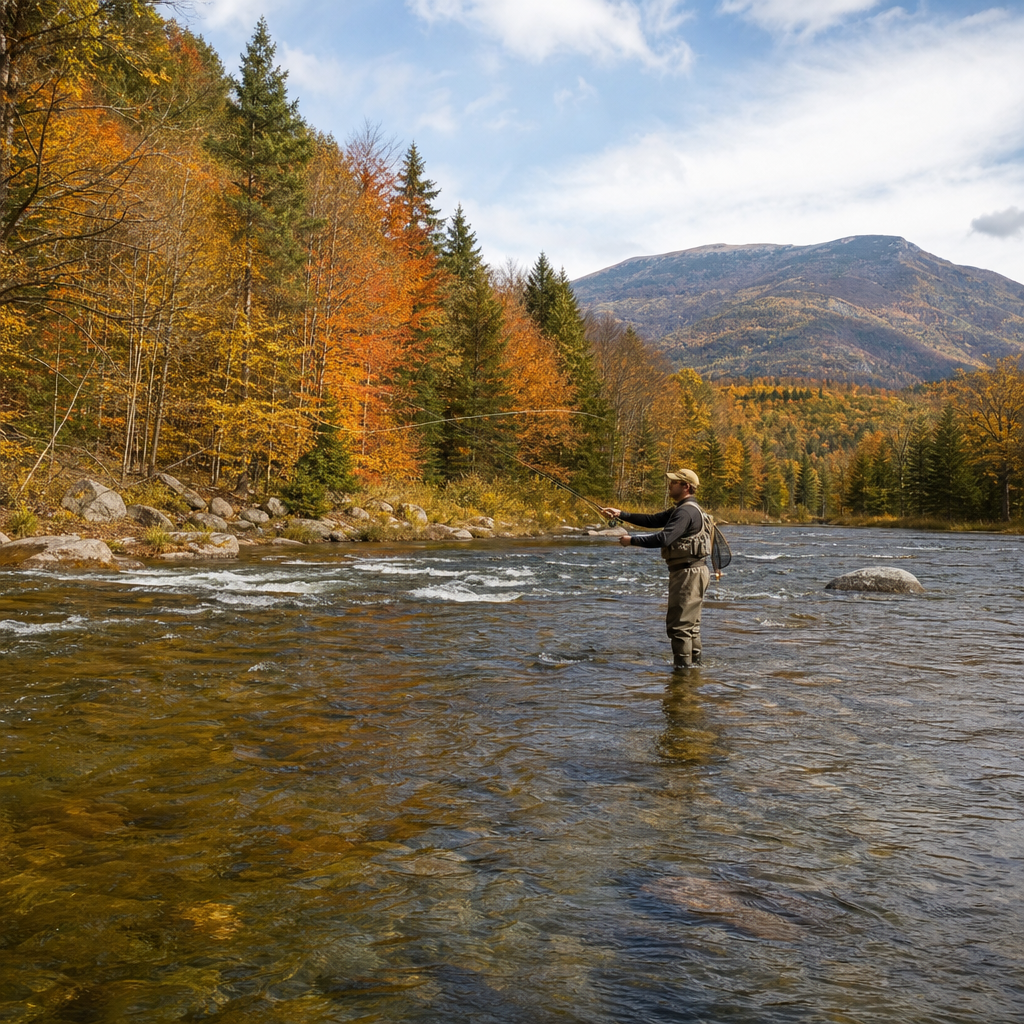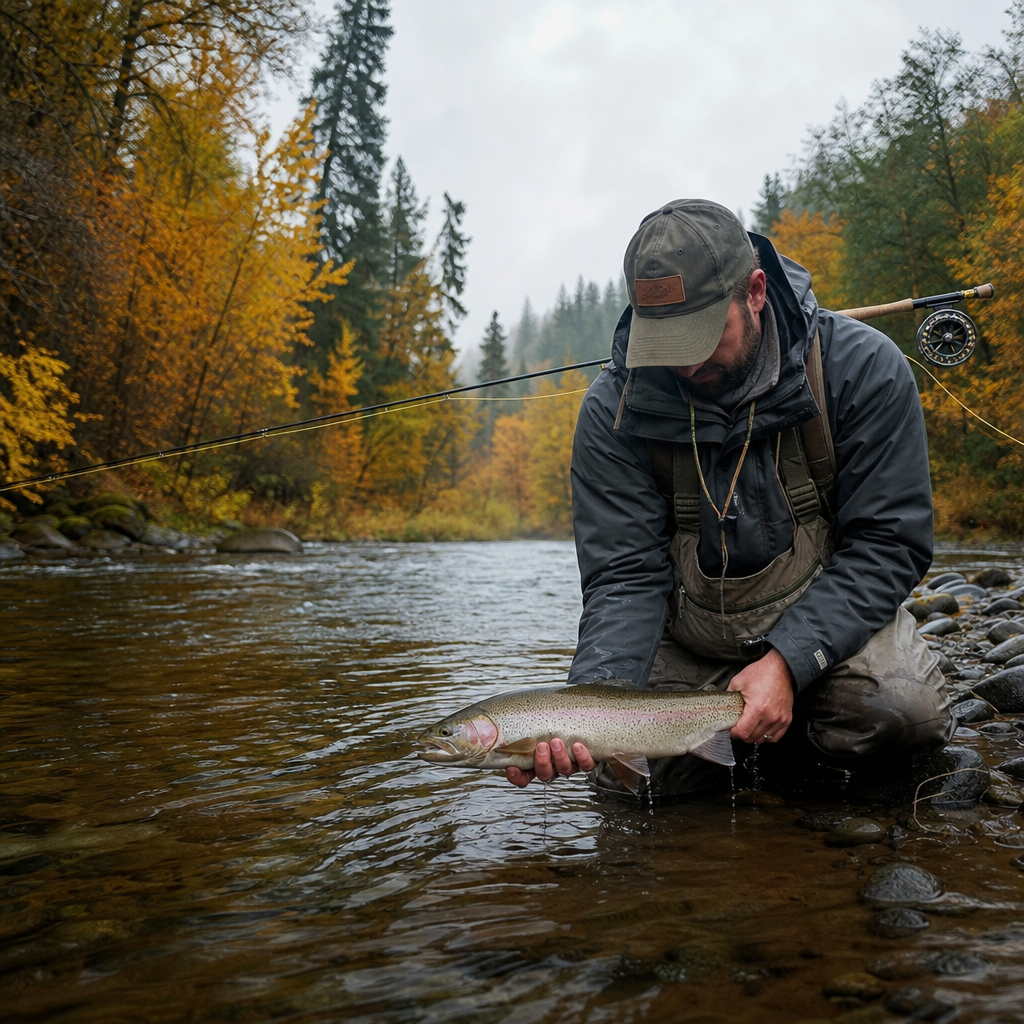
Matching the hatch in spring is the core skill that turns random casting into deliberate trout fishing, because spring hatches concentrate feeding activity, narrow trout preferences, and reveal exactly what fish expect to see on the surface, in the film, and below it. In practical terms, matching the hatch means identifying the insects trout are eating, then presenting a fly that matches the insects’ size, shape, color, behavior, and stage of emergence closely enough to trigger a take. Spring matters more than any other season for this approach because warming water, lengthening days, and rising flows wake up aquatic insect life after winter lethargy. On many rivers, this is when blue-winged olives, midges, caddis, March Browns, Hendricksons, stoneflies, and early terrestrials begin to overlap. I have planned entire guide calendars around these windows, because a river that looked lifeless at 10 a.m. can become technical, crowded, and incredibly productive by noon if the right hatch starts. As a hub within seasonal hatches, this article explains the major spring insect groups, how weather and water conditions influence emergence, what trout do during each phase, and how to choose patterns, rigs, and tactics that fit changing conditions across freestone streams, tailwaters, and spring creeks.
Spring hatch strategy starts with observation rather than fly choice. Before opening a box, look at the water type, current speed, cloud cover, water temperature, and visible insect activity. Then check three places: the air above the river, the surface and film, and the underside of streamside rocks or vegetation. Trout may feed on ascending nymphs long before adults appear, or key on cripples after a hatch seems finished. The angler who understands seasonal hatches treats the river like a sequence, not a moment. In spring, that sequence often changes hourly as runoff pulses, temperatures climb from the high 30s into the upper 40s or low 50s, and insects emerge in short but intense bursts. The result is opportunity, but only for anglers who connect entomology to presentation. When spring conditions are unstable, trout rarely reward generic casting. They reward anglers who know which bug is active, which life stage is vulnerable, and which drift lane is most likely to hold a feeding fish.
What seasonal hatches mean in spring
A seasonal hatch is a recurring period when a specific aquatic insect emerges in fishable numbers under a recognizable set of environmental conditions. In spring, seasonal hatches are shaped by water temperature, photoperiod, flow level, dissolved oxygen, and local insect populations. The same named hatch can vary by weeks between rivers. A Hendrickson hatch may begin in mid April on a lower elevation limestone stream but not appear until early May on a colder freestone. That is why calendar dates help, but river conditions matter more. Trout respond to these hatches because emergence creates concentrated food at predictable depths and current speeds. Nymphs drift more freely, emergers stall in the film, duns ride the surface, and spent spinners gather in slicks. Each stage offers trout a different feeding angle.
From experience, spring is also when anglers make the biggest mistake: seeing one adult insect and assuming surface dry flies are the answer. In reality, fish often eat the pre hatch nymphal drift most consistently. During a blue-winged olive event on a cloudy afternoon, trout may take 80 percent of their food just below the film where ascending baetis nymphs hesitate before breaking through. On caddis days, splashy rises may suggest adults, but many fish are intercepting pupae that rocket toward the surface. Understanding seasonal hatches means recognizing that the visible hatch is only one part of the feeding cycle. The hub idea matters here because every related spring hatch article should build from this framework: identify the insect, identify the life stage, identify the drift zone, then match the presentation.
Key spring insects every angler should know
Most spring hatch fishing revolves around a manageable list of insect families and common names. Blue-winged olives, usually baetis mayflies in sizes 16 to 22, thrive in cool, overcast conditions and can hatch across long date ranges. Midges remain relevant all spring, especially on tailwaters, where size 20 to 26 clusters, pupae, and larvae can dominate even when larger bugs are present. Hendricksons and Red Quills, generally size 12 to 14 mayflies in the East, create classic afternoon dry fly fishing on moderate flows. March Browns and Gray Foxes often appear on freestones in sizes 10 to 14 and favor broken water. Caddis, especially tan, olive, and black species from size 12 to 18, become increasingly important as temperatures rise. Stoneflies, from tiny early black stones to larger salmonflies in specific Western systems later in spring, add both nymph and adult opportunities. In some waters, craneflies, annelids, scuds, and sowbugs also stay crucial, especially during high water.
| Insect group | Typical size | Best conditions | Most effective stage |
|---|---|---|---|
| Blue-winged olives | 16-22 | Cloud cover, light rain, cool water | Nymph, emerger, dun |
| Midges | 20-26 | Tailwaters, slow water, stable temps | Larva, pupa, cluster |
| Hendricksons | 12-14 | Mild afternoons, moderate flows | Emerger, dun, spinner |
| Caddis | 12-18 | Warming water, riffles, evening activity | Pupa, adult |
| March Browns | 10-14 | Freestones, broken currents | Nymph, emerger |
| Early stoneflies | 14-18 | Cold mornings, bankside structure | Nymph, skittering adult |
These groups form the backbone of spring seasonal hatches, but local taxonomy still matters. Western anglers often rely heavily on baetis, skwala stoneflies, pale morning duns later in spring, and caddis, while Eastern anglers may organize their season around quill gordons, hendricksons, march browns, sulphurs as spring turns to early summer, and grannom caddis. On fertile spring creeks, trout can become selective to a degree rarely seen on rough freestones. There, exact size and posture often outrank color. On high gradient mountain streams, by contrast, a close approximation with correct drift can outfish a perfect imitation. That difference is why a spring hatch hub should point anglers toward stream-specific hatch references rather than promise a single universal answer.
How water temperature, flow, and weather trigger spring hatches
Water temperature is the primary spring hatch trigger because insect metabolism and emergence timing are temperature dependent. Many baetis hatches begin when water reaches the low to mid 40s Fahrenheit. Caddis activity often improves as temperatures push into the upper 40s and low 50s. Hendricksons on many Eastern rivers become reliable in the upper 40s. A stream thermometer is not optional in spring; it is as important as your fly box. I have changed rivers midday after seeing a freestone stuck at 39 degrees while a nearby tailwater held at 46 degrees and produced fish all afternoon. That seven degree gap often decides whether trout feed actively or conserve energy near the bottom.
Flow level shapes where insects emerge and where trout can feed efficiently. Rising spring flows dislodge nymphs, worms, and scuds, which makes subsurface fishing productive before visible hatches begin. Heavy runoff can suppress delicate surface activity on some rivers, yet it also creates soft edges, inside seams, and flooded banks where trout feed with reduced effort. Stable or gently dropping flows usually improve dry fly windows because insects can emerge without being swept immediately into impossible currents. Weather also matters. Overcast skies extend blue-winged olive activity. Bright sun can push mayfly hatches shorter but improve spinner falls near dusk. Light rain often helps baetis and caddis by reducing glare and increasing humidity, while sudden cold fronts can stall activity for a day or two. The pattern to remember is simple: consistent conditions create reliable hatches; abrupt changes create short, technical feeding windows that favor observant anglers.
Reading trout behavior during spring emergence
Trout behavior during a spring hatch tells you more than the insects alone. Head-and-tail rises often indicate fish eating duns or cripples in calm water. Subtle sips in slicks usually point to small midges or emergers. Splashy, slashing takes near riffles often suggest caddis adults or fish intercepting ascending pupae. Bulges without visible mouths can mean trout are feeding just under the film, a classic sign that an emerger should replace a high-floating dry. During pre hatch periods, watch for trout stationed at depth transitions below riffles, where drifting nymphs funnel naturally. During spinner falls, look at the tails of pools and foam lines where spent insects gather helplessly. These patterns repeat across waters because trout are energy economists. They hold where current delivers concentrated food with minimal effort and maximum security.
One lesson repeated over many spring seasons is that refusal often means stage mismatch, not necessarily bad casting. If trout rise around your dry but refuse at the last second, your pattern may be sitting too high, the silhouette may be wrong, or fish may actually be feeding on shucks and crippled emergers. If nymphing produces occasional takes before the hatch but stops once rises begin, move your flies higher in the column. If adults cover the water but fish ignore them, wait for the spinner fall or fish the emerger lane immediately downstream of riffles. Spring rewards anglers who can interpret these clues quickly. The hatch is not merely insects appearing; it is trout shifting feeding modes in response to the most vulnerable life stage available.
Fly selection, rigging, and presentation for spring hatch fishing
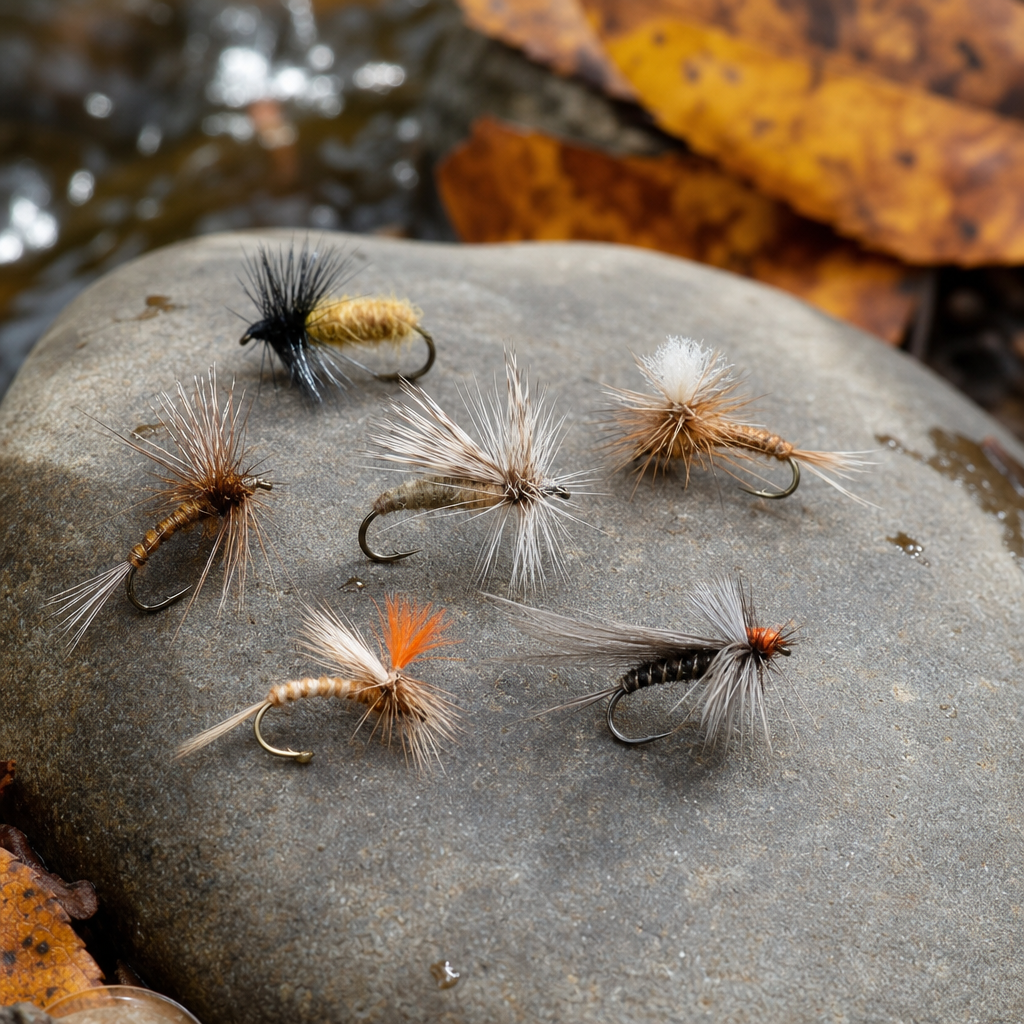
The best spring fly selection follows a narrow system: one nymph, one emerger, one adult, and when relevant one spinner or pupa for each major hatch. For blue-winged olives, that might mean a slim pheasant-tail style nymph, a trailing-shuck emerger, a parachute or CDC dun, and a rusty or olive spinner. For caddis, carry a beadless pupa, a soft hackle, an elk hair style adult, and a low-riding cripple. For Hendricksons, include a hare’s ear type nymph, an emerger with a visible shuck, a comparadun or parachute, and a spent-wing spinner. This approach prevents overpacking while keeping you prepared for the full emergence cycle.
Rigging should match both depth and trout attitude. Before visible activity, a two-fly nymph setup with a heavier anchor and smaller trailing nymph covers the lower column efficiently. As fish begin to feed just under the film, a dry-dropper with a sparse emerger 12 to 18 inches below a visible dry can be deadly. On flat water, long leaders tapering to fine tippet improve drag-free drifts, especially with size 18 to 22 mayflies. On broken freestone currents, a slightly shorter leader can improve control. Presentation remains the deciding factor. Dead drift is the default for most mayflies. Caddis often allow, and sometimes require, slight movement at the end of the drift. Soft hackles swung across and below riffles imitate rising pupae exceptionally well during spring caddis and baetis events. If fish are selective, reduce false casts, target one lane, and make the first drift count. Trout see many poor presentations during famous spring hatches, and they punish sloppy drag instantly.
Spring hatch planning for freestones, tailwaters, and spring creeks
Different river types demand different spring hatch strategies. Freestones warm and cool quickly, respond dramatically to rain and snowmelt, and often produce short but memorable hatch windows when temperatures align. Start late on cold mornings, focus on sun-exposed reaches, and fish the transition from nymph drift to emergence carefully. Tailwaters are more stable because dam releases moderate temperature swings, which makes midges and baetis especially dependable. They also produce more selective trout, so finer tippet, exact sizes, and cleaner drifts matter. Spring creeks combine stable flows with rich insect life and clear water, creating textbook hatch fishing and unforgiving refusals. There, approaching low, lengthening leaders, and matching emergent posture become essential.
As a hub for seasonal hatches, spring strategy should also include planning habits that make each trip more productive. Keep a stream thermometer, a small seine or aquarium net, and a notebook or phone log of dates, water temperatures, and insect observations. Check local hatch charts, but verify them on the water. Watch for runoff timing, generation schedules on tailwaters, and dissolved clarity after storms. If one river blows out, a tailwater or spring creek may still fish well. If bright sun shuts down a mayfly hatch, move to pocket water or fish caddis toward evening. The strongest spring anglers are not guessing; they are building a repeatable record of when each hatch starts, peaks, and fades on their home waters.
Matching the hatch in spring works because it aligns your fly, your rig, and your presentation with the most predictable feeding events trout experience all year. The principle is straightforward: identify the active insect, match the vulnerable life stage, and present the fly in the lane where trout can eat efficiently. Blue-winged olives, midges, caddis, Hendricksons, March Browns, and early stoneflies all follow this logic, even though each responds to different temperatures, flows, and weather patterns. Once you understand those triggers, spring stops feeling random. It becomes readable. Instead of hoping for fish, you can anticipate when nymphs will drift, when emergers will stall in the film, and when adults or spinners will create surface feeding.
The main benefit of learning seasonal hatches is consistency. Anglers who study spring emergence cycles catch trout in changing conditions because they know what to observe and how to adjust quickly. Start with the basics on your next outing: carry a thermometer, inspect the water before tying on a fly, and fish the stage trout are actually eating rather than the one you wish they were eating. Then use this hub to branch into river-specific and insect-specific hatch guides for your region. The more accurately you read spring hatches, the more deliberate and effective your fishing becomes. Pick one local spring hatch this season, track it from first appearance to peak, and build your strategy around it.
Frequently Asked Questions
What does “matching the hatch” really mean in spring trout fishing?
Matching the hatch in spring means choosing and presenting a fly that closely imitates the insects trout are actively feeding on at that moment. It is not just about picking something that looks vaguely buggy. In spring, trout often become selective because hatches concentrate food and give fish a steady, predictable target. To match the hatch well, anglers pay attention to the insect’s size, body shape, color, behavior, and most importantly, its stage in the life cycle. A mayfly nymph drifting near the bottom, an emerger trapped in the surface film, and a fully formed dun floating high on the water can all come from the same hatch, but trout may key in on only one of those stages.
This is why spring is such an important season for learning the skill. Water temperatures rise, aquatic insects become more active, and trout often feed with purpose instead of randomly. If fish are rising gently and regularly, they are usually telling you something specific about what they want. Careful observation turns guesswork into a system. Look at the water, the air above it, and the insects in your hand. Then choose a pattern that matches what trout are seeing most often. When you do that, your casts become intentional, your presentations become more efficient, and your odds of success increase dramatically.
How can I tell what trout are eating during a spring hatch?
The fastest way to figure out what trout are eating is to combine streamside observation with simple elimination. Start by watching the fish. Splashy rises often suggest trout chasing emerging insects or caddis, while gentle sips usually indicate trout taking duns, cripples, or emergers in the film. Next, look for insects on the water, in streamside eddies, on rocks, and in the air. If you see pale mayflies drifting downstream, that gives you a strong clue. If adults are flying everywhere but fish are not taking them off the top, trout may be focused on emergers below the surface instead.
It also helps to inspect the drift closely. Use a small aquarium net, fine-mesh strainer, or even your hand to capture insects floating by. Turn over a few rocks in shallow water to see which nymphs are present. Pay attention to size first, because trout often reject the wrong size even if the pattern is otherwise close. Then compare profile and color. In spring, many anglers fail not because they are far off, but because they are one stage behind. They fish a dry while trout are eating emergers, or they fish a nymph while fish are taking duns. If trout refuse your fly after good drifts, do not assume the fish are not feeding. Assume your match is incomplete and adjust one variable at a time.
Which fly patterns work best for matching the hatch in spring?
The best spring hatch patterns are usually the ones that cover multiple insect types and life stages without becoming overly complicated. A strong spring fly box should include nymphs, emergers, dries, and a few soft hackles. For mayflies, that often means slim nymphs, pheasant tail-style patterns, RS2-type emergers, parachute dries, and comparadun or cripple patterns. For caddis, include pupa patterns, soft hackles, and buoyant adult imitations. If midges are present, small larvae, pupae, and tiny dry flies can be essential, especially on technical tailwaters and spring creeks.
Rather than asking for one perfect pattern, think in terms of categories that let you respond to trout behavior. If fish are feeding below the surface before a hatch gets going, start with a nymph or pupa. If rises begin but fish are not fully breaking the surface, switch to an emerger or soft hackle. If adults are drifting cleanly and trout are confidently taking on top, go to a dry fly that matches the natural in silhouette and size. During spring, classic patterns continue to work because they suggest the right shape and movement without needing to be exact replicas. The key is having enough range to imitate the most vulnerable stage of the insect, because that is often what trout prefer.
Why do trout ignore my fly even when insects are hatching everywhere?
This usually happens because the hatch is only part of the puzzle. Even when insects are abundant, trout may be locked onto a very narrow feeding lane, a very specific life stage, or an extremely precise size. A fly that is close but not close enough may be ignored again and again. In spring, one of the most common mistakes is fishing the obvious adult while trout feed on emergers just under the surface. Another frequent problem is drag. A perfect imitation that skates unnaturally across the current often gets refused, especially when fish have time to inspect their food during a dense hatch.
Presentation, depth, and timing matter just as much as pattern choice. If you are nymphing, your fly may not be drifting at the level where trout are feeding. If you are fishing dries, your tippet might be too heavy, causing the fly to move unnaturally. You may also be casting to visibly rising fish without noticing that they are taking insects six inches to the left of your fly line path. Slow down and troubleshoot methodically. Check size first, then stage, then drift. Change one thing at a time so you can identify what solves the refusal. Often the difference between being ignored and getting repeated takes is as simple as dropping one hook size, switching from a dry to an emerger, or improving your drift through the feeding lane.
What are the best practical spring strategies for consistently matching the hatch?
The best spring strategy is to treat every hatch as a sequence, not a single event. Before the hatch peaks, fish subsurface patterns that imitate nymphs or pupae becoming active. As insects begin to emerge, watch for changes in trout behavior and be ready to shift to emergers, soft hackles, or flies fished in the film. When adults become abundant on the surface, move to dry flies that match size and profile. This progression keeps you aligned with what trout are most likely targeting as the hatch develops. Spring conditions can change quickly with light, temperature, and flow, so flexibility is one of the most valuable skills an angler can have.
It also pays to narrow your focus. Instead of changing flies constantly, identify the likely insect, confirm the size, and choose a small set of patterns that cover the main stages. Fish them with confidence and adjust only when the trout give you a reason. Arrive prepared with stream knowledge, including which hatches are common on that river in early, mid, and late spring. Keep your tippet fine enough for natural drifts, approach rising fish carefully, and spend more time observing before making your first cast. Consistency comes from disciplined decisions: reading rise forms, matching stage, managing drag, and staying patient when fish become selective. That is the real heart of matching the hatch in spring. It turns trout feeding behavior from a mystery into a readable pattern, and it helps anglers fish with much more purpose and success.