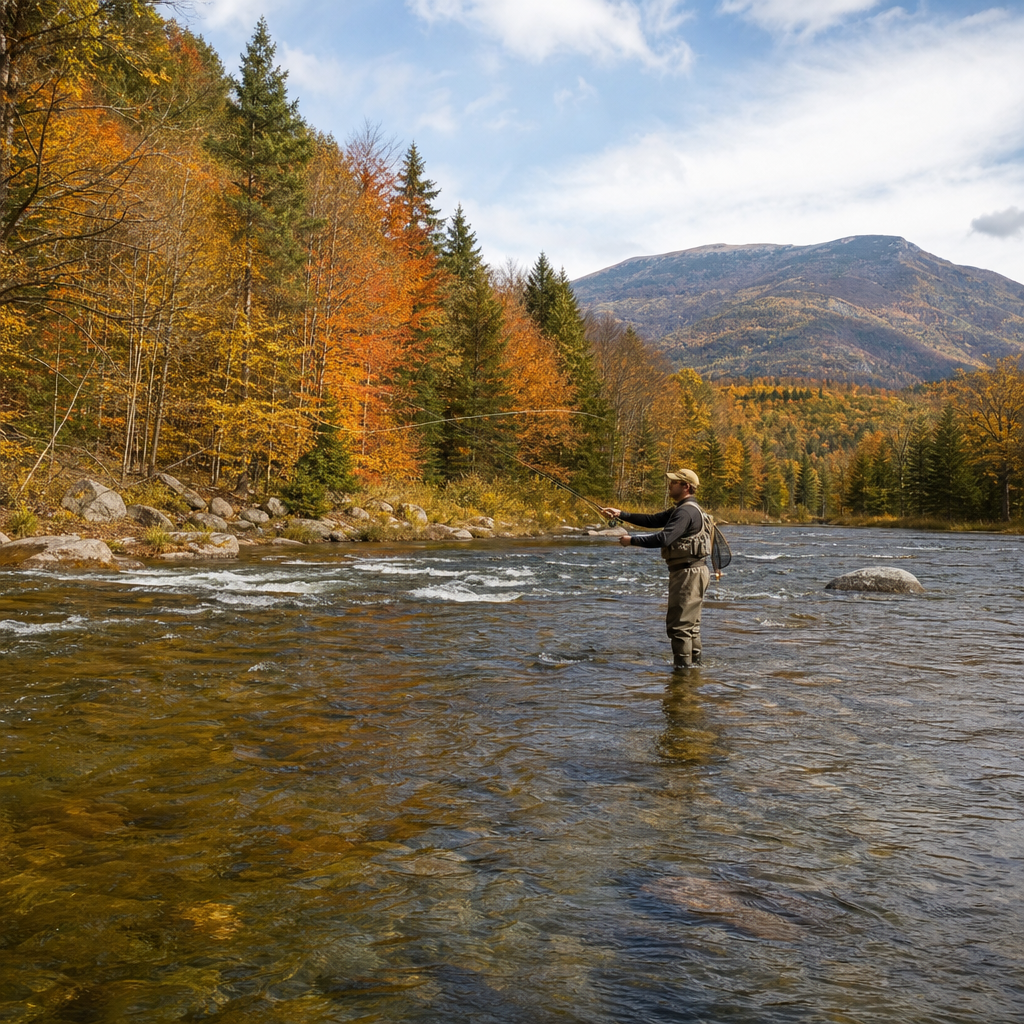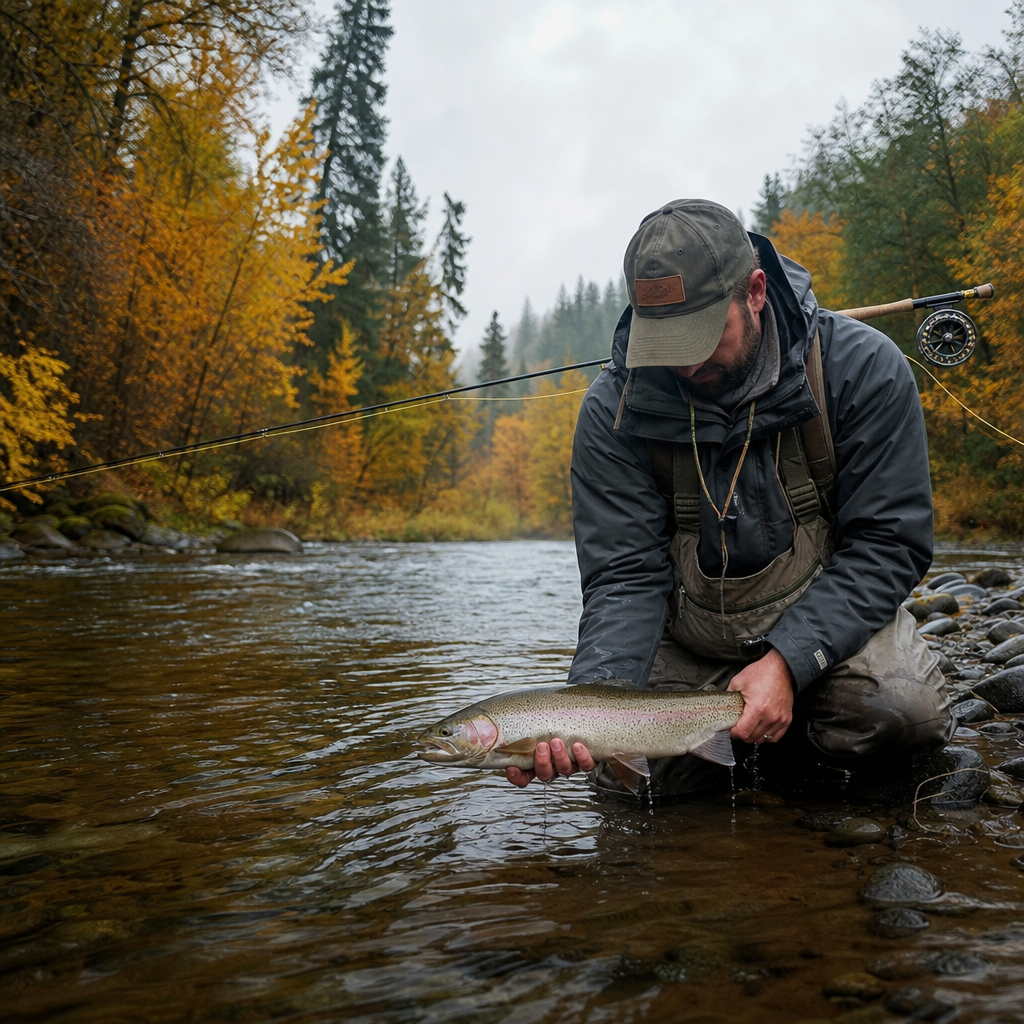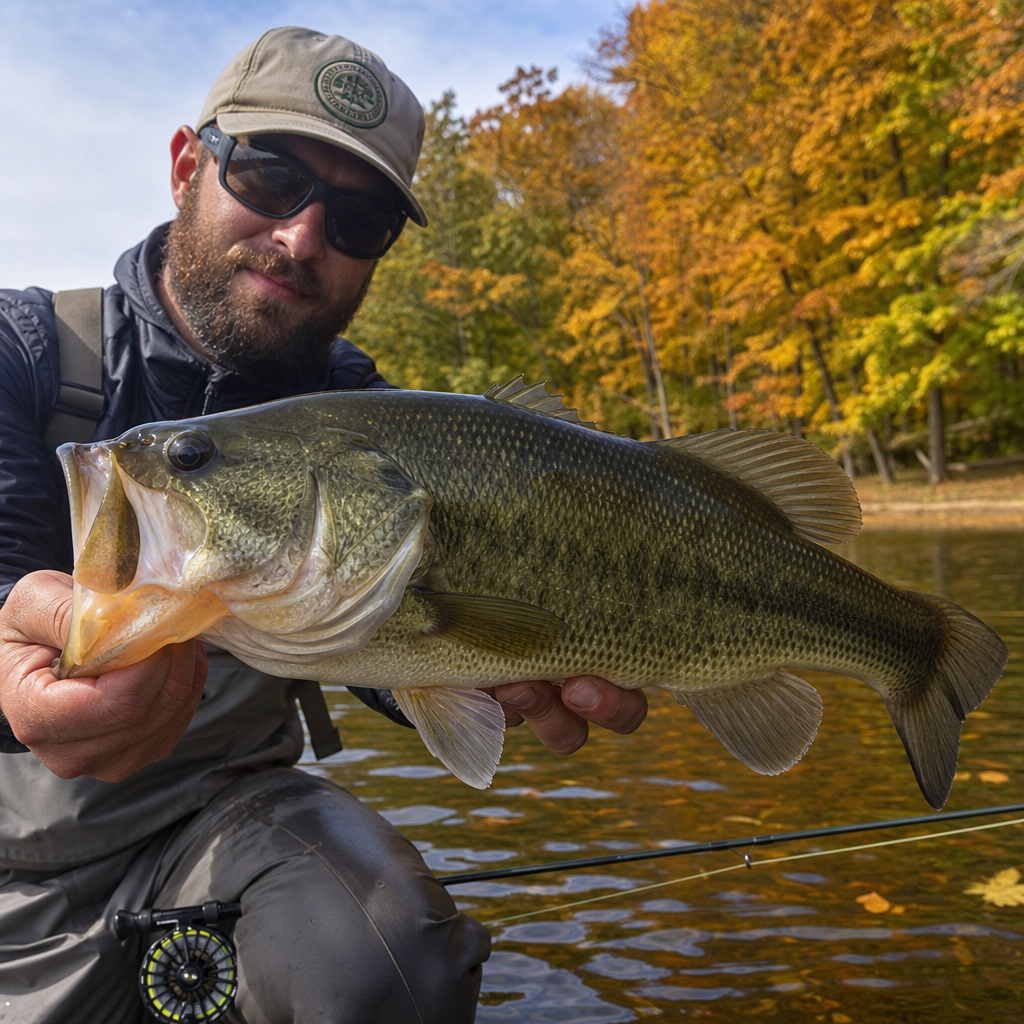
Matching the hatch in fall means identifying the insects, baitfish, and other food forms trout are feeding on, then choosing flies and presentations that imitate them closely enough to trigger confident takes. In practical terms, it is the bridge between observation and catch rate. During autumn, many anglers assume fishing becomes simple because water cools and trout feed harder before winter. In my experience on freestone rivers, spring creeks, and tailwaters, fall is productive precisely because it is nuanced. Hatches can be sparse, brief, and species-specific, and trout often key on a narrow menu. A good fall strategy starts with understanding seasonal hatches, water conditions, light levels, and the difference between imitation and suggestion.
Seasonal hatches are the recurring emergences of aquatic insects and the related feeding windows they create. In fall, the headline groups are Blue-Winged Olives, Mahogany Duns, midges, caddis, October Caddis, and in some waters terrestrials that remain relevant until the first hard frosts. Add spawning baitfish, craneflies, and egg opportunities below redds, and the menu broadens further. This matters because trout behavior changes with temperature, flow, and daylight. On many rivers, water in the low to mid-50s Fahrenheit supports steady feeding, but cold nights can delay activity until late morning or afternoon. Anglers who know what typically hatches, when it appears, and how trout position for it can fish methodically instead of guessing. That is why a fall hatch guide functions as a hub topic: it helps you decide which specific patterns, tactics, and companion articles deserve your time on a given day.
Fall also rewards disciplined observation more than almost any other season. Before I tie on a fly, I look at the air above the seam, the foam line, the underside of streamside rocks, and the surface tension itself. Are duns drifting untouched while trout sip tiny emergers? Are fish bulging below overhanging grass where ants and beetles drop in? Is a deep run full of flashing white mouths taking ascending caddis pupae? These details matter because trout feed by energy economics. They select prey that is abundant, vulnerable, and easy to intercept. Matching the hatch in fall, then, is not only entomology. It is reading availability, stage of emergence, and trout position in changing seasonal conditions.
What “matching the hatch” means in fall
Matching the hatch in fall is the practice of imitating the dominant food item by species, size, color, profile, and behavior, with behavior often more important than exact color. If trout are feeding on size 20 Blue-Winged Olive emergers drifting inches under the film, a perfectly tied dry fly in the wrong stage will underperform. If fish are slashing at caddis skittering at dusk, a dead-drift may be less effective than a controlled twitch. In autumn, this becomes critical because hatches are frequently compressed into shorter windows due to cooler mornings and lower sun angles. You may only get forty-five minutes of concentrated feeding.
Fall conditions also make selectivity more visible. Lower, clearer water on many rivers reduces trout tolerance for drag, heavy tippet, and oversized flies. On the other hand, autumn rains can stain flows and ignite olive hatches, which lets you fish slightly larger patterns and closer presentations. I keep my fall decisions simple: first identify whether trout are eating insects, terrestrials, baitfish, or eggs; then narrow to life stage; then refine size and drift. That sequence prevents the common mistake of changing fly after fly without changing the reason behind the choice. As a hub topic, seasonal hatches should always connect observation, insect timing, and trout response.
Key fall hatches and food sources to expect
Across North American trout water, the most dependable fall insect category is Blue-Winged Olives, usually from the Baetis group. These may hatch on overcast, drizzly days and can range from about size 16 to 22 depending on the river. Mahogany Duns are another important mayfly on many Eastern and Western waters, often larger and darker than olives, commonly size 14 to 18. Midges remain year-round but become especially important on tailwaters and spring creeks when larger hatches are absent. Caddis persist into fall, with tan and olive species common, while October Caddis stand out on certain Western rivers as large, orange adults that inspire both adult and pupa imitations.
Terrestrials still matter longer than many anglers think. Flying ants can produce explosive feeding, especially after warm afternoons and light wind. Beetles and hoppers continue to draw takes until repeated frosts thin them out. Meanwhile, non-insect foods gain importance. Streamers that imitate young-of-year trout, sculpins, dace, or shiners become increasingly relevant as brown trout turn aggressive around spawning season. In rivers with salmon, steelhead, or spawning trout, eggs can become a major calorie source downstream of redds. Matching the hatch in fall therefore means matching a broader food web, not just classic surface insects.
| Food source | Typical timing | Common sizes | Best starting tactic |
|---|---|---|---|
| Blue-Winged Olives | Cloudy late morning to afternoon | 16-22 | Emergers and low-riding duns on fine tippet |
| Mahogany Duns | Afternoon on many freestones | 14-18 | Comparaduns, cripples, soft hackles |
| Midges | Tailwaters, spring creeks, calm periods | 20-26 | Larvae, pupae, clusters, light dry-dropper |
| Caddis and October Caddis | Dusk, warm spells, riffled water | 8-18 | Pupae swings, skittered adults, high-floating dries |
| Terrestrials | Warm afternoons before hard frost | 10-18 | Ants, beetles, hopper-dropper along banks |
| Baitfish and eggs | Pre-spawn and spawn periods | Varies | Streamers, egg patterns below active fish |
How trout behavior changes with temperature, light, and flow
Trout in fall feed according to the physics of water and the biology of prey. Cooling water raises dissolved oxygen and often encourages movement, but very cold nights can suppress early activity. Many autumn days begin slowly, then improve once water warms a degree or two. I have seen rivers look lifeless at 9 a.m. and come alive at 1 p.m. with olives and steady risers. Light matters just as much. Overcast skies extend hatch duration for mayflies like Baetis, while bright bluebird conditions can push feeding subsurface or into shaded banks, deeper buckets, and the last hour before dark.
Flow affects not only where trout hold but how available each food item becomes. Stable tailwaters often produce technical, predictable feeding lanes where trout inspect flies carefully. Freestones with falling autumn flows can make fish podded and wary in soft seams. After rain, slightly elevated and lightly stained water often improves streamer fishing and may trigger stronger emergences by dislodging nymphs and concentrating drift. Trout generally sit where they can intercept food with minimal effort: below riffle lips during mayfly hatches, near undercut banks for terrestrials, and at the soft edges of spawning areas for eggs. If you understand these positions, your fly choice becomes far more meaningful.
Best flies for matching fall hatches
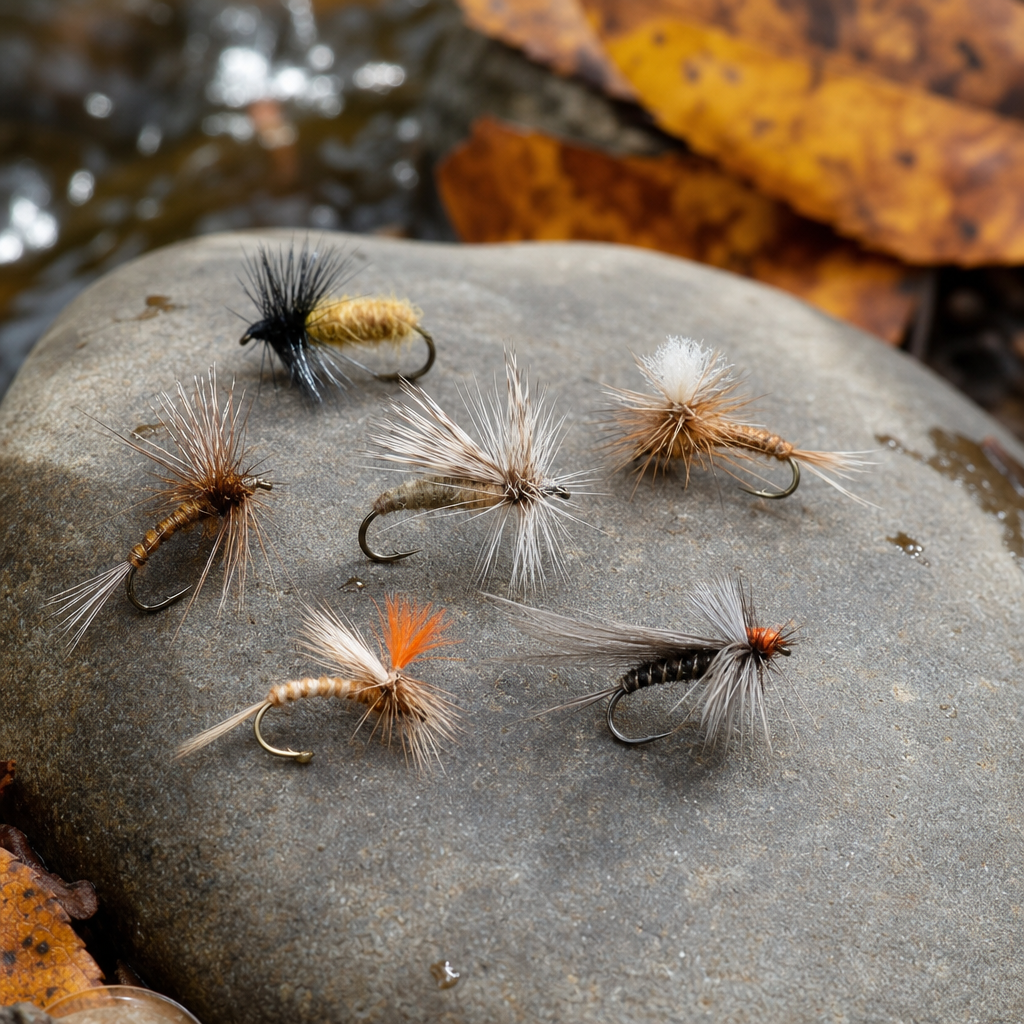
A strong fall fly box is compact but intentional. For Blue-Winged Olives, I rely on parachutes, CDC emergers, RS2-style patterns, pheasant-tail variants, and soft hackles in sizes 16 to 22. For Mahogany Duns, comparaduns, sparkle duns, cripples, and slim nymphs in size 14 to 18 cover most situations. Midge boxes should include zebra midges, thread midges, midge pupae, Griffith’s Gnats, and tiny cluster imitations. For caddis, carry pupa patterns, elk hair adults, and soft hackles; for October Caddis, larger orange stimulator-style dries and pupa patterns are standard on rivers where that hatch is established.
Do not overlook attractor-adjacent patterns that still fit the hatch category by silhouette and function. A small parachute Adams can pass as an olive, midge cluster, or cripple when visibility is poor. A pheasant tail soft hackle often outperforms precise nymphs because it suggests movement during emergence. For terrestrials, cinnamon ants, black ants, foam beetles, and subdued hoppers remain essential. Streamer boxes should include sculpin profiles, baitfish imitations, and smaller articulated patterns in olive, black, and white. I avoid carrying too many near-duplicates. In fall, confidence and stage coverage beat endless color variations.
Presentation tactics that consistently work
The right drift usually matters more than the perfect pattern. During olive and mahogany hatches, start with a dead-drift emerger or cripple because trout often target insects stuck in or just under the film. Use longer leaders, finer tippet where needed, and upstream or quartering casts that buy drag-free drift. If fish are rising but refusing adults, grease only the leader butt and keep the fly and tippet subsurface. For caddis, mix techniques: dead-drift the pupa, swing it at the end, then skate or twitch an adult at dusk. That sequence mirrors natural behavior better than one rigid method.
Nymphing in fall should be specific, not generic. Instead of defaulting to oversized attractors all day, anchor your rig around the hatch you actually expect. A small olive nymph, a midge pupa, or a caddis pupa under a subtle indicator or tight-line setup often outfishes gaudier options in clear water. Streamer presentation also changes with conditions. In warmer fall water, a faster strip can provoke aggression. As temperatures drop, slower swings, pauses, and depth become more important. When fishing eggs, stay ethical: target fish downstream of spawning activity rather than casting to trout actively on redds.
Building a fall game plan on the water
A reliable fall plan starts before the first cast. Check river gauges, water temperatures, weather, and local hatch reports from shops, guides, and agency pages. If the day is cloudy with recent moisture, prioritize Blue-Winged Olives and emergers. If it is bright after a cold night, fish nymphs late morning, watch for midges in slower water, and save terrestrials or streamers for the afternoon. On rivers known for October Caddis, focus on broken water and evening edges. On brown trout water in pre-spawn mode, dedicate a window to streamers around undercut banks, tailouts, and structure adjacent to deeper holding water.
As a hub for seasonal hatches, this topic should guide your next click and your next decision. Build your personal fall matrix around river type, expected hatch, and presentation method. Tailwater anglers should study midge and BWO timing in detail. Freestone anglers benefit from hatch calendars tied to storm fronts and dropping temperatures. Spring creek anglers need precision on size, stage, and drag control. Keep streamside notes on water temperature, cloud cover, hatch start time, and successful flies. After one season, patterns emerge that no generic report can replace, and your ability to match the hatch in fall becomes repeatable rather than lucky.
Matching the hatch in fall is ultimately about making better decisions with better evidence. Know the likely food sources, confirm what trout are actually eating, choose the right life stage, and present it in the lane and depth where fish can feed efficiently. The major autumn players are Blue-Winged Olives, Mahogany Duns, midges, caddis, October Caddis, lingering terrestrials, and, in the right systems, baitfish and eggs. Each becomes important under different combinations of temperature, light, and flow. When you understand those connections, you stop fishing randomly and start fishing on purpose.
The main benefit of treating seasonal hatches as a hub topic is practical clarity. Instead of memorizing dozens of disconnected patterns, you learn a framework that works across rivers and conditions. Observe first, narrow the menu, match stage before color, and adjust presentation before changing flies endlessly. That approach saves time and catches more trout. Use this page as your starting point, then explore your river-specific hatch charts, fly pattern guides, and tactics for olives, caddis, midges, terrestrials, and streamers. The next cool, cloudy afternoon could deliver the best hatch of your fall, so prepare now and fish it with a plan.
Frequently Asked Questions
What does “matching the hatch” really mean in fall trout fishing?
In fall, matching the hatch means paying close attention to exactly what trout are feeding on at that moment and then choosing flies, sizes, colors, and presentations that imitate that food closely enough to look natural. That food may be aquatic insects such as blue-winged olives, midges, caddis, and fall mayflies, but it can also include terrestrials, small baitfish, scuds, sowbugs, crane fly larvae, eggs, and even general drifting morsels that fish opportunistically key on as conditions change. The core idea is not simply “use a bug that exists in the river.” It is to identify the most available and vulnerable food form in the drift and present your fly in the same part of the water column, at the same speed, and with the same overall profile that trout are actively targeting.
Fall often fools anglers because trout can feed aggressively as water temperatures moderate, but that does not mean they become careless. On many rivers, autumn success comes from observation more than assumption. A riseform, a few shucks on the surface, insects on streamside rocks, small minnows flashing in shallow edges, or fish feeding just under the film all tell a different story. Trout may ignore large attractors if they are dialed in on tiny olives, or refuse dries if they are actually taking emergers an inch below the surface. Matching the hatch in fall is therefore the bridge between seeing what is happening and converting that information into more hookups. It is less about perfection and more about making informed choices that fit what trout are already expecting to eat.
How do I identify what trout are feeding on during autumn?
The fastest way to identify fall food sources is to slow down and gather evidence before you tie on a fly. Start by watching the water for a few minutes. Are fish rising steadily, occasionally, or not at all? Splashy rises can suggest caddis or chasing baitfish, while gentle sips often point to mayflies, midges, or emergers. Look at the surface for adults drifting away, check rocks and logs for recently emerged insects, and use a small seine or fine mesh net in riffles to see what is drifting. If local regulations and conditions allow, observing a trout’s feeding lane closely can reveal whether it is taking from the surface film, subsurface current, or bottom. Even lifting streamside stones can tell you whether olive nymphs, caddis larvae, or midge pupae are abundant.
In fall, do not limit your inspection to insect life alone. Many trout shift attention to protein-rich options such as minnows, sculpins, eggs behind spawning fish where legal, and larger nymphs dislodged by changing flows. On spring creeks and tailwaters, tiny bugs may dominate even when fish seem active. On freestone rivers, a warm afternoon can bring a meaningful olive hatch, while early and late windows may favor streamers or nymphs. Water clarity, flow changes, sunlight, and temperature swings all influence what trout prefer. A good autumn approach is to build a quick checklist: what insects are present, what size they are, where fish are feeding in the column, what the current speed is, and whether trout are holding energy-efficient lies or roaming. Once you answer those questions, your fly choice becomes far less random and much more effective.
Which flies work best for matching the hatch in fall?
The best fall flies are the ones that match the food currently available on your river, but a strong autumn box should cover several categories well. For dries and emergers, blue-winged olive patterns in sizes that fit local hatches are essential, along with parachutes, comparaduns, soft hackle emergers, and simple film-riding patterns. Midges matter on many waters throughout the season, especially on calm days and technical tailwaters, so having midge adults, pupae, and larval patterns is important. Caddis can still play a role in early fall, and terrestrials such as ants and beetles may remain relevant during warmer stretches. For subsurface fishing, pheasant tails, hare’s ears, perdigons, olive nymphs, caddis larvae, and small dark mayfly nymphs all deserve space in your box.
Streamer and baitfish imitations become especially valuable in autumn because larger trout often capitalize on high-protein opportunities before winter. Woolly buggers, sculpin patterns, small articulated streamers, and slim baitfish flies can be excellent when fish are not visibly rising or when overcast skies and slightly stained water encourage predatory feeding. In some systems, egg patterns are also part of a realistic fall lineup where trout feed behind spawning fish and regulations permit their use. The key is not carrying every fly ever made, but carrying a well-chosen range of sizes, silhouettes, and sink rates. In many cases, getting the size and depth right matters more than having the exact shade of olive or tan. If trout are refusing, scale down, adjust your drift, and consider whether they are taking emergers rather than adults or minnows rather than insects.
How should I change my presentation to match fall conditions more effectively?
Presentation is where matching the hatch either comes together or falls apart. In autumn, trout often feed confidently, but they still reject flies that move unnaturally. If fish are taking duns or spent insects from the surface, your dry must drift drag-free through the feeding lane. If they are keyed on emergers, a slightly sunken fly or a soft hackle swung gently at the end of the drift may outperform a high-floating dry. For nymphing, your goal is to place the fly at the correct depth and let it travel at the speed of the current where trout are holding. That usually means adjusting split shot, indicator depth, leader length, or fly weight as conditions change through the day.
Fall also rewards anglers who adapt to light and temperature. During cold mornings, trout may hold deeper and feed more selectively until water temperatures rise a few degrees. As the day warms, hatches often become more reliable and fish may shift shallower or begin feeding in the film. On windy afternoons, terrestrials can still matter, while cloudy days frequently improve olive activity. Streamer presentation should also change with water type: strip more aggressively in off-color or broken water, and slow down in clear pools where trout have more time to inspect the fly. Across all methods, the best fall presentation is controlled and intentional. Mend early, approach from downstream when possible, lengthen leaders on flat water, shorten casts when accuracy matters, and fish likely transitions carefully. Matching the hatch is not only choosing the right imitation; it is making that imitation behave like the real thing.
What are the biggest mistakes anglers make when trying to match the hatch in fall?
One of the most common mistakes is assuming that because trout feed hard in autumn, exact observation no longer matters. Anglers often tie on a generic “fall fly” without first determining whether trout are eating tiny mayflies, subsurface emergers, baitfish, or something entirely different. Another major mistake is focusing only on what is visible on the surface. Just because you see a few adults drifting does not mean trout are taking those adults. Many fish feed more efficiently on nymphs or emergers below the film, where the food is concentrated and less able to escape. If rises are subtle or inconsistent, it is especially important to consider the stage of the hatch trout are actually selecting.
Other frequent errors include fishing flies that are too large, neglecting depth control, and refusing to change tactics as conditions evolve. Fall water often becomes clearer and lower, which means trout get a longer look at your offering. Oversized tippet, sloppy mends, or a poorly drifting indicator rig can reduce eats dramatically. Some anglers also overlook non-insect food sources, even when larger trout are obviously responding to minnows or eggs. Finally, many people move too quickly. Good fall anglers read water carefully, observe before casting, and adjust repeatedly. If you are not getting takes, do not immediately conclude the fish are inactive. Reassess the evidence: food source, size, depth, drift, speed, and angle. In fall, small corrections often make a big difference, and those adjustments are usually what separate an average day from an exceptional one.