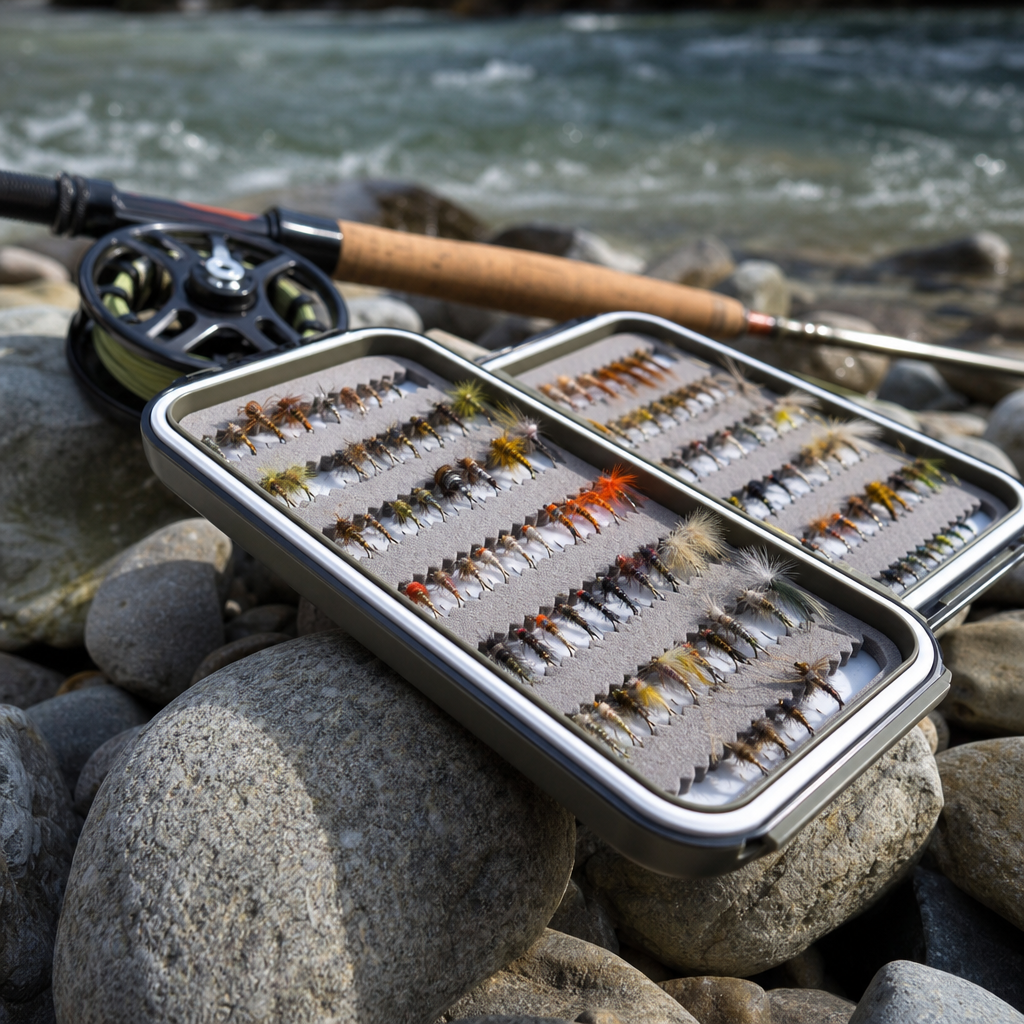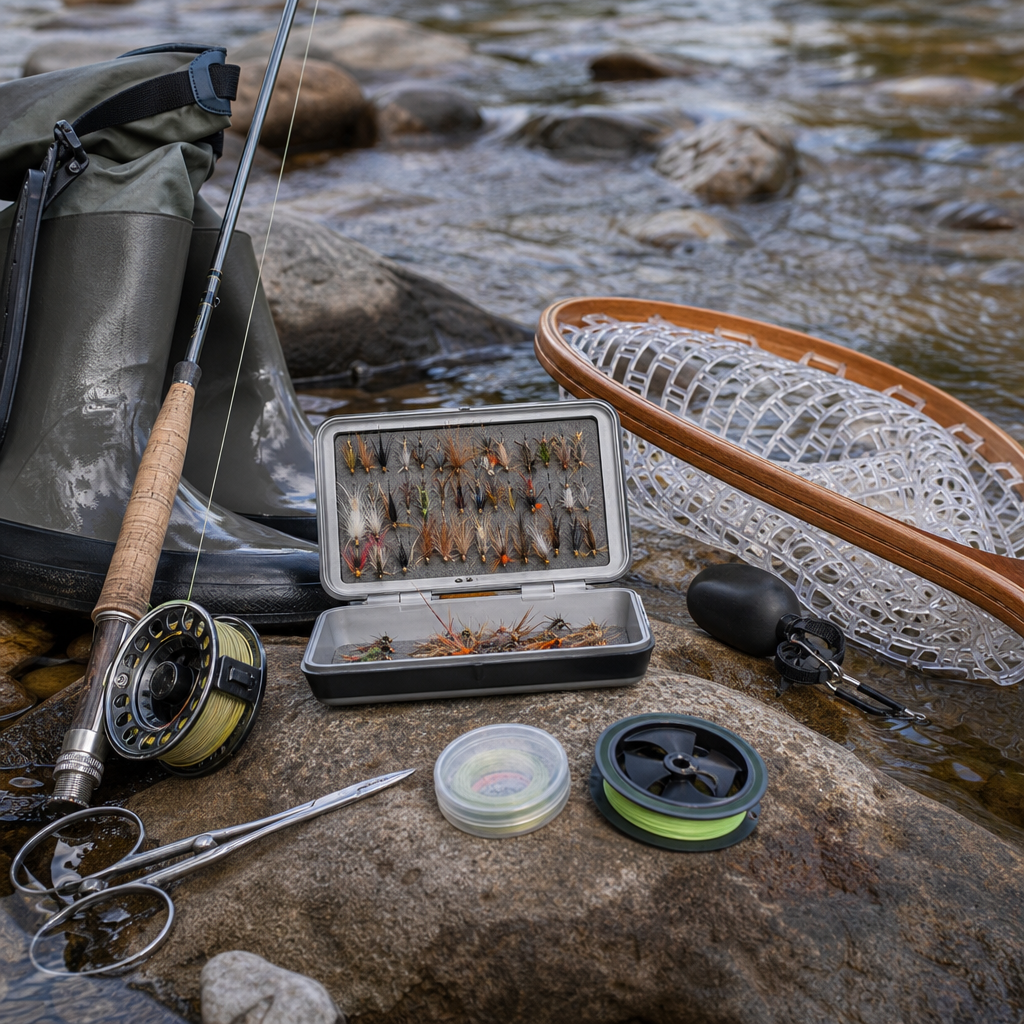
Choosing the right fly fishing rod in 2026 is not about chasing a logo or buying the most expensive blank on the wall. It is about matching rod design, line weight, action, length, and intended species to the way you actually fish. After years of testing rods on spring creeks, drift boats, alpine lakes, and windy salt flats, I can say the difference between a good day and a frustrating one often starts with the rod in your hand. A modern fly rod must cast efficiently, protect tippets, recover cleanly, and stay comfortable through a full day of wading or rowing.
For readers searching for the top 10 fly fishing rods for 2026, the key question is simple: which rods genuinely perform across real conditions, not just in catalog descriptions? Fly fishing rods are built around graphite, fiberglass, or composite construction, then tuned for action. Fast-action rods generate higher line speed and tighter loops, medium-action rods offer feel and versatility, and slower rods excel at delicate presentations. In practical terms, a trout angler on a technical river needs something very different from a striped bass angler throwing bulky flies into wind. That is why this list focuses on use-case fit, verified performance traits, and brand credibility rather than marketing claims alone.
This ranking matters because premium fly rods now command serious prices, often from $500 to more than $1,100, and the spread between flagship and mid-tier performance has narrowed. Buyers need clarity on where high-end engineering truly adds value. I evaluated these rods using familiar criteria from rod testing programs: swing weight, recovery speed, tracking, lifting power, versatility across line pairings, build quality, and warranty support. I also considered recognized standards anglers use when comparing rods, including line accuracy at 30, 45, and 60 feet, finish durability, guide alignment, reel seat security, and ferrule fit consistency. The result is a practical guide that answers the questions anglers actually ask before buying.
What Makes a Fly Rod Great in 2026
The best fly fishing rods in 2026 share several traits. First, they recover quickly after the stop, which reduces tailing loops and improves accuracy. Second, they track straight, meaning the tip follows a predictable path instead of wobbling side to side. Third, they balance power with feel. In my testing, rods that cast a whole line beautifully but feel dead at 25 feet are less useful than brands suggest, because many trout presentations happen inside 40 feet. Fourth, they are built with durable components such as anodized aluminum reel seats, hard chrome snake guides, ceramic stripping guides, and quality cork that does not crumble after one season.
Another major factor is line pairing. A rod can seem harsh or dull if matched with the wrong taper. Several rods below improve dramatically with half-size-heavy lines from Scientific Anglers, Rio, or Airflo. Finally, warranty and service matter more than many anglers admit. Brands such as Orvis, Sage, Scott, Winston, Hardy, and G. Loomis earn loyalty not just from casting performance but from dependable repair systems. If you fish often, downtime has a real cost.
Below is the core list, based on all-around performance, specialty excellence, build quality, and value in the current market. These are the rods I would confidently recommend to serious anglers shopping this year.
| Rank | Rod | Best Use | Why It Stands Out |
|---|---|---|---|
| 1 | Sage R8 Core | All-around freshwater | Excellent feel, tracking, and range versatility |
| 2 | Orvis Helios D | Distance and wind | Outstanding accuracy and line speed |
| 3 | Scott Centric | Technical trout fishing | Precise tip recovery with refined touch |
| 4 | G. Loomis Asquith | Power casting | High-end blank technology and exceptional stability |
| 5 | Winston Air 2 | Dry fly presentations | Smooth loading and superior short-range feel |
| 6 | Hardy Marksman Z | Versatile trout and light steelhead | Crisp action with strong build quality |
| 7 | Douglas Sky G | Premium performance value | Light in hand with responsive recovery |
| 8 | TFO Stealth | Best value trout rod | Strong performance at a lower price point |
| 9 | Echo Trout X | Fast-action budget option | Useful power and surprising fishability for the cost |
| 10 | Redington Classic Trout | Beginner and moderate-action anglers | Accessible, forgiving, and still relevant |
The Sage R8 Core takes the top spot because it is the most complete rod series available right now. In 9-foot 5-weight form, it covers dry flies, nymphs, small streamers, and hopper-dropper rigs with very few compromises. It loads cleanly at close range, yet holds loop shape when asked to carry longer casts. The Orvis Helios D is the best rod here for anglers who prioritize distance, boat fishing, and windy western rivers. It is especially convincing with heavier rigs where high line speed matters.
The Scott Centric remains one of the finest technical trout rods made. It offers that rare combination of crisp recovery and line feel, making it exceptional for precise dry-fly work. G. Loomis Asquith models still command premium prices, but the Shimano-backed blank technology delivers real authority, especially in 6- through 8-weight applications. Winston Air 2 rods are less about brute force and more about presentation quality. On spring creeks and gentle freestones, they simply make fishing enjoyable.
Hardy’s Marksman Z deserves more attention than it gets. It is modern, stable, and built to fish hard. Douglas Sky G occupies an important middle ground by delivering legitimate premium performance without pushing into the highest pricing tier. TFO Stealth is one of the smartest buys for anglers who want sensitivity and fishability without crossing into four-figure territory. Echo Trout X and Redington Classic Trout round out the list because affordability still matters, and both rods provide trustworthy performance for real anglers, not just beginners.
Best Rod by Fishing Style and Species
If you want a direct answer, the best trout rod overall for 2026 is the Sage R8 Core in a 9-foot 5-weight. The best dry fly rod is the Winston Air 2. The best rod for streamer fishing or windy rivers is the Orvis Helios D or G. Loomis Asquith in a 6-weight. The best budget fly rod is the TFO Stealth, with the Redington Classic Trout best for anglers who prefer a moderate action. Those distinctions matter because no single rod dominates every scenario.
For small streams, shorter rods in the 7-foot 6-inch to 8-foot 6-inch range still shine, especially in 3- or 4-weight configurations. They roll cast better in tight cover and keep light leaders protected. For all-around western trout fishing, a 9-foot 5-weight remains the standard because it balances dry flies, indicator nymphs, and light streamers. For bass, larger trout, and sink-tip work, a 6-weight is often the smarter one-rod choice. In saltwater, jump to 8-weight and above, where rods like the Asquith and Helios families show their design advantage.
How to Choose the Right Fly Rod Length, Weight, and Action
The most common buying mistake is selecting action before selecting fishing purpose. Start with species and water type. If you mainly fish trout on medium rivers, buy a 9-foot 5-weight. If you fish tiny creeks with dry flies, consider a 3-weight or 4-weight with a softer action. If your local conditions include regular wind, weighted flies, or indicator rigs, lean fast-action. If your style centers on short, accurate casts and tippet protection, medium-fast or medium action is usually better.
Length affects line control as much as casting. A longer rod mends line more easily, lifts more line off the water, and helps with nymphing. A shorter rod feels lighter and can be more accurate in brushy quarters. Weight influences both target species and fly size. A 5-weight can handle a lot, but there is no substitute for a true 6-weight when throwing conehead streamers all day. Action influences timing. Fast rods reward compact, confident casting strokes. Moderate rods forgive drift in timing and often communicate load more clearly to newer anglers.
Before buying, cast with the line you plan to fish. That single step prevents many expensive mistakes. A rod that feels stiff with a true-to-weight double taper may come alive with a half-size-heavy weight-forward line. Good fly shops understand this and will usually let you compare combinations side by side.
Value, Durability, and When Premium Rods Are Worth It
Are premium fly rods worth it? Sometimes. If you fish a dozen days a year, probably not at the highest tier. If you fish fifty or more, the gains in reduced fatigue, better tracking, cleaner recovery, and broader performance windows become obvious. I notice this most during long days from a drift boat, where a lighter swing weight and cleaner loop formation save energy and improve consistency by afternoon.
Mid-priced rods now perform far better than they did a decade ago. That is why TFO, Echo, Douglas, and Redington remain important in any serious buying guide. Premium rods justify their cost through refinement, not miracles. They are smoother under pressure, more tolerant across distances, and often built with better cork and hardware. Durability also depends on user habits. Most broken rods fail from impact damage, high-sticking, or car doors, not defective graphite. Register the warranty, inspect ferrules often, and keep sections seated correctly during the day.
Final Verdict on the Best Fly Fishing Rods for 2026
The top 10 fly fishing rods for 2026 show how strong the current market has become. The Sage R8 Core is the best overall choice because it handles the widest range of freshwater jobs with the fewest compromises. The Orvis Helios D is the pick for power, wind, and distance. The Scott Centric and Winston Air 2 lead for anglers who care deeply about presentation and trout-specific feel. G. Loomis Asquith and Hardy Marksman Z excel when authority and stability matter. Douglas Sky G, TFO Stealth, Echo Trout X, and Redington Classic Trout prove that smart buyers can still find excellent performance without automatically paying flagship prices.
The right rod is the one that matches your water, casting style, and target species. Buy for how you fish most often, not for the rare trip or the most aggressive marketing. If possible, cast several models with the exact line weight you intend to use, and let feel confirm the shortlist. Start there, compare honestly, and you will end up with a fly rod that improves every day on the water.
Frequently Asked Questions
What should I look for when choosing one of the best fly fishing rods in 2026?
Start with how and where you actually fish, because the best fly fishing rod in 2026 is the one that matches your water, target species, casting style, and the flies you throw most often. The most important variables are line weight, rod action, and length. A 3-weight or 4-weight is ideal for small trout streams and delicate presentations, while a 5-weight remains the most versatile all-around trout choice for rivers, lakes, and dry-dropper rigs. If you regularly throw streamers, fish in heavy wind, or target larger species such as bass, steelhead, or light saltwater fish, stepping up to a 6-weight, 7-weight, or beyond makes much more sense. Action matters just as much. Fast-action rods generate line speed and help with distance, wind, and heavier flies, but they can feel less forgiving for newer anglers or close-range dry fly work. Moderate and medium-fast rods often load more easily, protect light tippets better, and feel more intuitive in technical trout situations.
Length should also reflect the job. A 9-foot rod is still the most versatile standard because it balances casting range, line control, and mending ability. Shorter rods can shine on tight overgrown creeks, while longer rods are often better for nymphing, indicator rigs, or extra reach on larger rivers. In 2026, many top rods are lighter, stronger, and more refined than earlier generations, but materials alone do not guarantee a better fishing experience. Recovery speed, balance in hand, guide quality, cork shape, reel seat security, and overall durability all affect performance on the water. The smartest approach is to narrow your rod choice by species, technique, and fishing environment first, then compare premium and mid-range options that fit those needs instead of chasing marketing claims or price tags.
Is a more expensive fly fishing rod always better?
No, and that is one of the biggest misconceptions in fly fishing. Premium rods often deliver real advantages, including lower swing weight, cleaner recovery, tighter build tolerances, stronger components, and greater versatility across a wider range of casting distances. In the hands of an experienced angler, those differences can be easy to appreciate, especially when fishing technical water, making repeated long casts, or dealing with wind and heavy rigs. High-end rods also tend to have more refined tapers, which means they feel more precise under load and often perform better when you ask them to do several different jobs. That said, expensive does not automatically mean better for you. Some top-tier rods are very fast and highly specialized, and an angler who prefers a smoother, more relaxed casting stroke may actually fish better with a mid-priced rod that loads more easily and feels more natural.
Value matters more than price alone. In 2026, there are excellent fly fishing rods at several price points, and many mid-range models now offer impressive sensitivity, strong component quality, and dependable performance. If a rod matches your fishing style and helps you cast accurately, mend effectively, and fight fish confidently, it is doing its job. For many anglers, investing in the right line, a balanced reel, and time on the water will improve results more than simply buying the most expensive rod available. A high-end rod can absolutely be worth it if you fish often and want every performance edge, but for plenty of anglers, the best purchase is the rod that feels right in hand, suits the conditions they face most, and holds up season after season.
What fly rod weight is best for trout, bass, and saltwater fishing?
Rod weight should be chosen according to the size of the fish, the size of the flies, and the conditions you fish most often. For trout, a 5-weight remains the classic all-purpose choice and is still the safest recommendation for most anglers in 2026. It can handle dry flies, nymph rigs, small streamers, and a broad range of river and lake situations without feeling underpowered or overly specialized. If your fishing focuses on small streams and delicate dry fly presentations, a 3-weight or 4-weight is often more enjoyable and offers better tippet protection. If you are throwing larger streamers, fishing tailwaters with indicator rigs, or dealing with regular wind, a 6-weight may be the more practical trout rod. For bass, many anglers prefer a 6-weight to 8-weight because bass flies are often bulky, wind-resistant, and require more power to turn over cleanly. A 7-weight is an especially strong crossover option for largemouth, smallmouth, bigger trout streamers, and light inshore work.
For saltwater, the equation shifts toward wind, fly size, and fish strength. An 8-weight is widely considered the standard all-around saltwater fly rod because it can cover species such as bonefish, redfish, schoolie stripers, and smaller inshore species while still being manageable for long casting sessions. If you are targeting larger fish or fishing in consistently windy environments, 9-weight and 10-weight rods become more appropriate. Matching the rod to your intended use is crucial because under-gunning forces the rod to work outside its comfort zone, while over-gunning can make casting feel tiring and imprecise. The best fly rod setups are balanced around real-world fishing scenarios, not just species labels, so think about your average fly size, wind conditions, casting distance, and whether you fish open water, rivers, brushy creeks, or flats before choosing a weight.
How important are rod action and length when comparing the top fly fishing rods for 2026?
They are absolutely central, because action and length shape how a rod casts, fishes, and feels in your hand far more than branding or cosmetic features. Rod action describes where and how the rod bends under load. Fast-action rods flex more in the upper section and recover quickly, which helps generate higher line speed for distance, punching tight loops into wind, and lifting heavier line setups. That makes them popular in modern trout, streamer, and saltwater categories. However, faster rods usually demand better timing and can feel stiff at short range. Medium-fast and moderate rods tend to load more progressively, which can make them easier to cast, more pleasant at typical trout distances, and better at protecting fine tippets when fighting fish. Neither is automatically better. The right action depends on your casting rhythm and the techniques you use most.
Rod length matters because it influences line control, reach, mending, hook-setting leverage, and casting clearance. The 9-foot format remains dominant because it offers the best all-around blend of control and versatility. Longer rods, such as 10-foot models, are especially useful for euro nymphing, indicator fishing, and situations where extended reach improves drift management. Shorter rods, such as 7-foot to 8.5-foot models, excel on tight brushy creeks where accuracy and maneuverability matter more than line control at distance. When comparing the top fly fishing rods for 2026, pay close attention to how action and length work together. A 9-foot fast 5-weight and an 8.5-foot moderate 5-weight may share a line rating, but they can fish like entirely different tools. That is why the most useful reviews focus on practical use cases rather than generic claims about power or feel.
How can I tell if a fly rod is a good match for my casting style and fishing conditions?
The best indicator is how naturally the rod loads and unloads with your normal stroke, not how impressive it feels after one long cast in a parking lot. A rod that suits you should communicate the cast clearly, track cleanly, and help you deliver accurate presentations at the distances you fish most often. If you usually fish trout streams at 25 to 45 feet, a rod that only comes alive at long range may not be the best fit. Likewise, if you often cast weighted nymph rigs, streamers, or deal with afternoon wind, a soft presentation rod may feel overwhelmed. Pay attention to whether the rod forms stable loops without forcing you to rush your timing. A good match makes casting feel efficient rather than effortful. It should also balance well with your reel and line, because even a highly regarded rod can feel awkward if paired poorly.
Fishing conditions should drive the final decision. Think about water size, vegetation, average casting distance, fly size, leader strength, and the species you pursue most often. On spring creeks and technical trout water, sensitivity, tippet protection, and close-range control may matter most. On drift boats, lakes, and larger western rivers, versatility and line management become more important. On windy salt flats, tracking stability, line speed, and quick pickup power move to the top of the list. If possible, cast a few rods with the exact fly line you plan to fish, because line pairing can completely change rod behavior. In 2026, the top fly fishing rods are better than ever, but the smartest anglers still choose based on fit, not hype. The right rod should make your fishing easier, more consistent, and more enjoyable in the places you actually spend time on the water.