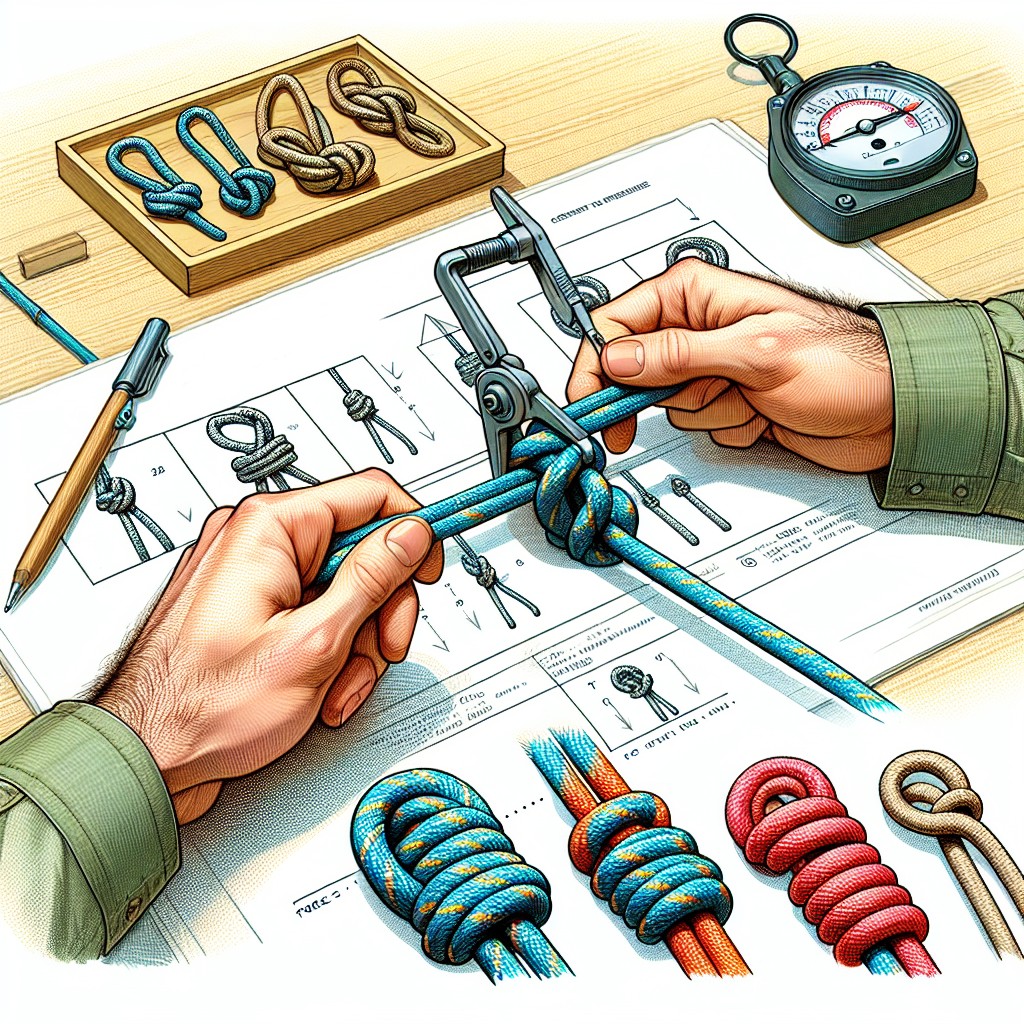
Whether you are a seasoned fly fisherman or just starting out on your journey, understanding the importance of knot strength and reliability is essential. Even the best-crafted flies and most expensive rods won’t help you if your knots fail. This guide will walk you through the basics of knot tying for fly fishing, with a particular emphasis on testing knots for strength and reliability. Let’s dive in!
Introduction
Knot tying is one of the fundamental skills in the world of fly fishing. However, it often doesn’t receive the attention it deserves. A poorly tied knot can lead to loss of fish, broken lines, and, ultimately, a frustrating day on the water. On the other hand, a well-tied knot can turn even a challenging day into a successful one.
The essential aspect of knot tying in fly fishing is not just about mastering the various types of knots but ensuring each knot’s strength and reliability. While it might seem tedious and time-consuming, knowing how to tie and test your knots effectively can save you both time and heartbreak in the long run.
In this article, we will explore the significance of knot strength and reliability, discuss various methods for testing knots, and provide you with tips and tricks to ensure you never lose a fish to a faulty knot again. By the end of this guide, you will have the confidence and knowledge to test your knots and guarantee that they will stand up to the pressures of fly fishing.
Understanding Knot Strength and Reliability
Before diving into the methods of testing knots, it’s vital to understand the concepts of knot strength and reliability. Knot strength refers to the ability of a knot to hold under pressure without breaking. This is particularly important in fly fishing, where the constant pull and tension on the line can easily lead to a knot giving way if not properly tied and tested.
Reliability, on the other hand, pertains to the consistency of the knot’s performance. A reliable knot is one that, when tied correctly, will perform the same way every time under similar conditions. This means that once you master a particular knot and its tying technique, you can trust it to hold up each time you are out fishing.
Several factors can affect the strength and reliability of your knots. These include the type of line you are using (monofilament, fluorocarbon, or braided), the condition of the line (e.g., if it’s wet or dry), and the specific knot you choose to tie. Knowing these factors and how they influence knot strength is crucial for successful fly fishing.
To ensure your knots are both strong and reliable, it is essential to practice tying them under various conditions and to regularly test their integrity. This brings us to the core of this article: how to test your knots for strength and reliability effectively.
Methods for Testing Knot Strength
Testing the strength of your knots should be an integral part of your fly fishing routine. Here are some practical methods to ensure your knots can handle the tension and stress of real-world fishing conditions:
1. The Steady Pull Test
This method involves applying a steady, consistent pull on both ends of the line to simulate the pressure of a hooked fish. To do this, attach your knot to a fixed object (e.g., a hook or a sturdy pole) and pull on the free end of the line gradually. If the knot holds without slipping or breaking, it has passed the test.
2. The Sudden Jerk Test
This test mimics the sudden, sharp pulls from a fish struggling to free itself. Secure your knot and line as in the previous test, but this time give it quick, sharp tugs. A reliable knot will remain intact even when subjected to these sudden jerks.
3. The Wet Line Test
Since fly fishing often involves wet conditions, it’s crucial to test your knots on a wet line. Repeat the steady pull and sudden jerk tests with a line that has been soaked in water. This will give you a better indication of how your knots will perform in real-world fishing scenarios.
4. The Weight Hang Test
This method is particularly useful for testing knots tied to terminal tackle, such as hooks or lures. Attach a known weight (e.g., a small dumbbell or a water-filled bottle) to the knot and let it hang freely. The knot should hold the weight without slipping or breaking.
Tips and Tricks for Ensuring Strong Knots
While testing your knots is essential, there are several tips and tricks you can employ to enhance their strength and reliability:
1. Practice Makes Perfect
The more you practice tying different knots, the better you will become at ensuring they are both strong and reliable. Set aside time to practice tying knots regularly, paying attention to the details of each knot’s structure and formation.
2. Use the Right Knot for the Job
Not all knots are created equal, and some are better suited for specific applications than others. For example, the Improved Clinch Knot is excellent for tying flies, while the Palomar Knot is preferred for attaching hooks to braided lines. Knowing which knot to use in different situations is key.
3. Lubricate Your Knots
Before cinching down a knot, it’s a good idea to lubricate it with water or saliva. This reduces friction and helps the knot seat properly, increasing its strength and reliability.
4. Inspect Your Line
Regularly inspect your fishing line for any signs of wear, nicks, or abrasions. Damaged line can significantly weaken your knots. If you find any imperfections, trim the affected section and re-tie the knot.
5. Test in Real-World Conditions
Whenever possible, practice and test your knots in conditions that closely mimic those you will encounter while fishing. This includes testing knots with wet lines, in windy conditions, and at different angles.
Common Fly Fishing Knots and Their Testing
Now that we understand the importance of knot strength and how to test them, let’s look at some common fly fishing knots and how each should be tested:
1. Improved Clinch Knot
The Improved Clinch Knot is widely used for tying flies to the leader. To test, use the steady pull and sudden jerk methods, ensuring the knot does not slip when wet.
2. Palomar Knot
The Palomar Knot is known for its strength and simplicity, especially with braided lines. Test using weight hang and steady pull methods to ensure it can handle the pressure.
3. Loop Knot
The Loop Knot is used to provide flies with more natural movement. Ensure it is tied correctly and test with steady pull and wet line methods to confirm its reliability.
4. Surgeon’s Knot
Commonly used for joining two lines, the Surgeon’s Knot should be tested with all methods, focusing on its performance under wet conditions.
Conclusion
Knots are the unsung heroes of successful fly fishing. By mastering the art of knot tying and implementing rigorous testing methods, you are well on your way to ensuring a more fruitful and enjoyable fishing experience. Remember, the strength and reliability of your knots play a critical role in your overall fly fishing success.
In summary, understanding the importance of knot strength and reliability is fundamental. By practicing different knots, testing them using various methods, and applying helpful tips and tricks, you can enhance the performance of your knots significantly. Always remember to use the right knot for the job, lubricate your knots, thoroughly inspect your line, and test in real-world conditions. Doing so will give you the confidence that your knots will hold up under pressure, ensuring that you never lose a fish to a faulty knot again.
By following the guidelines outlined in this article, you will improve your fly fishing skills and experience, making every fishing trip more enjoyable and successful. Tight lines and happy fishing!