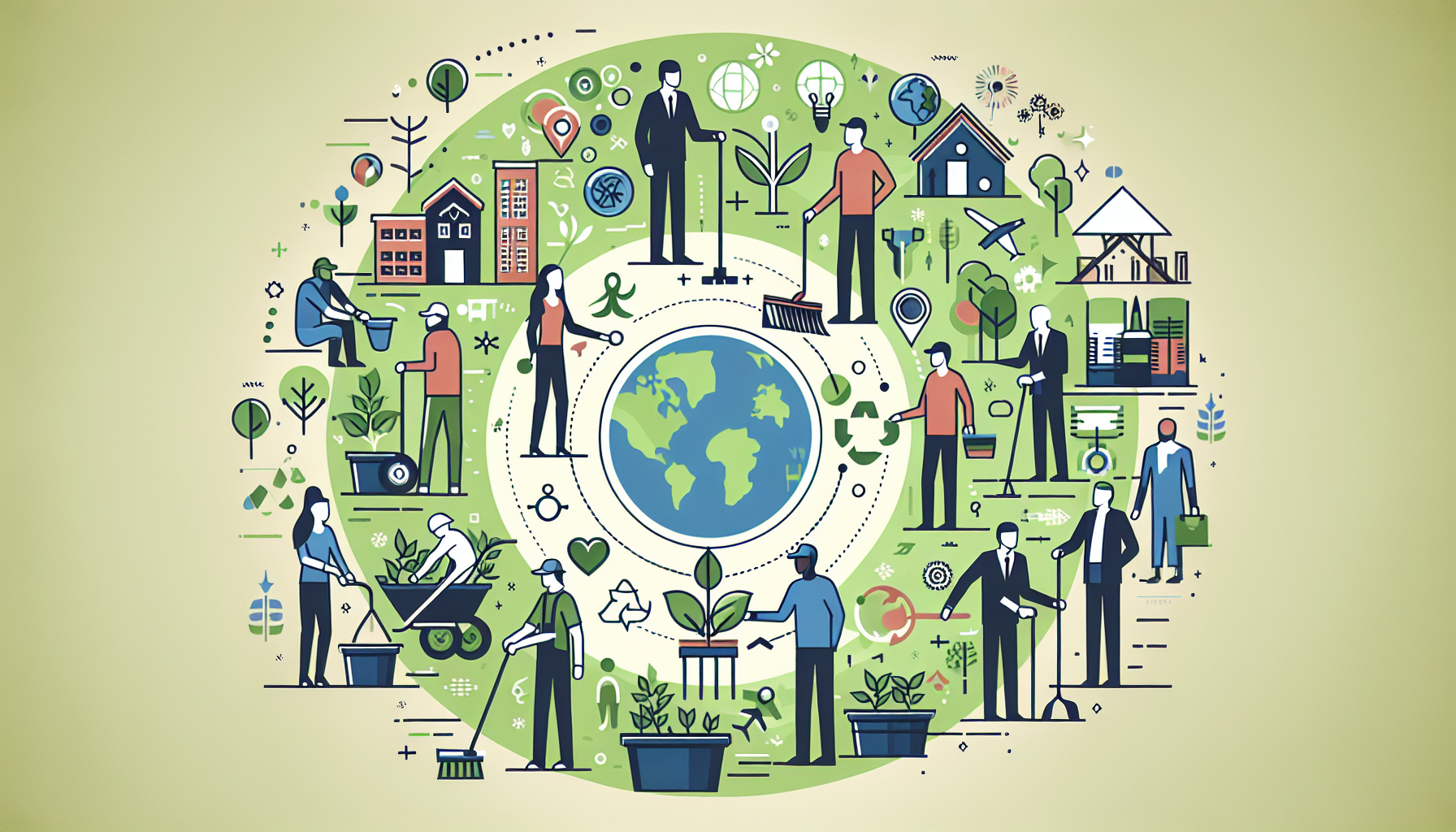
Starting a conservation project in your community begins with a simple idea: local people can protect local ecosystems more effectively than any distant institution acting alone. A conservation project is an organized effort to preserve, restore, or manage natural resources such as water, soil, wildlife habitat, native plants, or public green space. Community and advocacy work means building public support, aligning stakeholders, and turning concern into practical action. I have helped plan neighborhood tree drives, river cleanups, pollinator gardens, and municipal habitat campaigns, and the same pattern appears every time: projects succeed when goals are specific, residents feel ownership, and decision-makers see clear benefits. This matters because biodiversity loss, erosion, flooding, invasive species, and heat islands are not abstract environmental issues; they affect drinking water, property values, public health, and local identity. A well-run community conservation initiative can improve a creek corridor, revive a vacant lot, protect birds, and strengthen civic trust at the same time.
Many people assume conservation starts with funding or formal expertise, but it usually starts with observation and organization. You do not need to be a biologist to document litter hotspots, map stormwater runoff, record declining tree cover, or notice that a park lacks native habitat. What you do need is a credible process. That means identifying a real ecological problem, gathering evidence, understanding who controls the land, learning the local policy landscape, and involving the people who will be affected. In practice, the best projects sit at the intersection of ecology, public communication, and local governance. A rain garden initiative, for example, may require input from public works, nearby residents, school administrators, watershed groups, and volunteers. A habitat restoration effort may involve permit requirements, invasive species management plans, and seasonal planting windows. When community and advocacy are treated as core project functions rather than afterthoughts, conservation efforts move faster, face less resistance, and deliver results that last beyond one volunteer day.
Choose a Local Problem You Can Define and Measure
The first step is selecting a conservation problem that is local, visible, and measurable. Good starting points include streambank erosion, illegal dumping, invasive plants in a park, low native tree canopy, declining pollinator habitat, or poor stormwater absorption around schools and churches. Avoid framing the project too broadly. “Save nature in our town” is not a project; “restore 500 feet of riparian buffer along Mill Creek by removing Japanese knotweed and planting native shrubs” is. A defined scope makes outreach easier, budgets more realistic, and outcomes easier to track.
Begin with a site assessment. Visit the area several times, preferably in different weather conditions, and document what you see with photographs, field notes, GPS pins, and simple counts. If the issue is habitat quality, note plant diversity, bare soil, erosion, standing water, canopy cover, and visible wildlife use. If the issue is waste, log the type, volume, and location of debris. Free tools such as iNaturalist, eBird, Google My Maps, ArcGIS Survey123, and municipal GIS portals can help you gather usable evidence. For water-related projects, check whether your watershed authority, environmental agency, or university extension has baseline data on runoff, flooding, or water quality. Evidence matters because community support grows when the problem is concrete rather than rhetorical.
Map Stakeholders, Decision-Makers, and Potential Partners
Every community conservation project exists inside a human system. Before you recruit volunteers, identify who owns the land, who regulates it, who uses it, and who may oppose changes. Typical stakeholders include residents, schools, faith groups, parks departments, public works teams, planning boards, local businesses, indigenous representatives where applicable, neighborhood associations, land trusts, watershed councils, and environmental nonprofits. Decision-makers may include city council members, county commissioners, parks supervisors, zoning staff, or private property owners. In my experience, many stalled projects fail not because the ecological idea is weak, but because organizers contacted volunteers before securing site permission or agency alignment.
Create a stakeholder map with four categories: decision-makers, implementers, affected community members, and subject-matter experts. Then assess each group’s interests. A parks department may care about maintenance costs and liability. Nearby residents may care about mosquitoes, visibility, parking, or aesthetics. A school may care about student learning opportunities. A business sponsor may care about measurable local impact and positive publicity. When you understand motivations, you can frame the project in terms that resonate without compromising ecological goals. This is advocacy at its most practical: meeting people where they are and connecting conservation outcomes to their priorities.
Set Goals, Build a Plan, and Define Success Early
Once the problem and stakeholders are clear, translate concern into a written project plan. Effective conservation goals are specific, time-bound, and ecologically meaningful. Examples include planting 200 native perennials by October, removing invasive brush from two acres over one season, installing three rain gardens that capture roof runoff, or securing formal protection status for a community woodland within a year. Pair each goal with a measurable indicator. Indicators can include survival rates of plantings after twelve months, pounds of trash removed, volunteer retention, number of households engaged, square feet of restored habitat, or reduction in mowing area.
A useful project plan includes site description, objectives, timeline, roles, budget, permissions, risk management, communication strategy, maintenance schedule, and monitoring methods. If the work involves public land, ask about insurance, volunteer waivers, planting lists, prohibited activities, and procurement rules. If the project involves habitat restoration, use regionally appropriate native species lists, and avoid generic mixes marketed as “wildflower seed” that often contain nonnative species. For urban forestry projects, consult standards from the International Society of Arboriculture and local arborists on spacing, soil volume, and species selection. Conservation projects fail when installation is treated as the finish line; in reality, maintenance and monitoring determine whether the effort actually improves the site.
| Project Type | Best First Action | Key Partners | Main Metric |
|---|---|---|---|
| Stream cleanup | Map litter hotspots and access points | Public works, watershed group, volunteers | Pounds removed and repeat dumping reduction |
| Pollinator garden | Test sunlight, soil, and water access | School, garden club, native plant society | Plant survival and bloom diversity |
| Tree canopy project | Identify heat islands and planting conflicts | City forestry staff, residents, utility companies | Trees established after one year |
| Invasive species removal | Confirm species and treatment window | Parks department, ecologist, trained crews | Area restored and regrowth rate |
Secure Permissions, Funding, and Technical Support
Permissions should be resolved before public launch. If the site is public, request written approval that specifies what work is allowed, who supervises it, and who maintains it afterward. If the site is private but publicly visible, use a memorandum of understanding that covers access, responsibilities, and duration. For any project involving herbicides, heavy equipment, streambanks, wetlands, or tree work, confirm regulatory requirements and safety protocols. In the United States, this may involve city permits, state environmental rules, or consultation with the Natural Resources Conservation Service, Cooperative Extension, or conservation district. Similar local authorities exist in other countries.
Funding can come from microgrants, business sponsorships, civic clubs, school foundations, crowdfunding, and municipal environmental programs. Small, well-scoped projects often launch with modest budgets. A neighborhood pollinator garden may need only plants, mulch, tools, signage, and water access. Larger efforts such as riparian restoration or stormwater retrofits require engineered designs and longer funding timelines. Use an itemized budget and include replacement plants, volunteer supplies, and ongoing maintenance. Ask nurseries for native plant discounts, hardware stores for in-kind donations, and local printers for sign support. Technical support is just as valuable as cash. An ecologist can review species lists, an arborist can prevent planting mistakes, and a GIS volunteer can produce maps that make your proposal far more persuasive.
Build Public Support Through Community Outreach and Advocacy
Community outreach is not just promotion; it is part of project design. People support what they help shape. Hold a listening session before finalizing plans, especially if the project changes how a shared space looks or functions. Use plain language, visual maps, and short explanations of benefits such as shade, cleaner water, flood reduction, bird habitat, or safer recreation areas. Anticipate common concerns directly. Residents may worry that native plantings look unkempt, that trees will block visibility, or that restored areas will increase pests. Address each concern with facts. For example, properly designed native plant beds can improve sightlines, and many mosquito problems are tied to unmanaged standing water, not native vegetation.
Advocacy becomes essential when conservation requires policy support, budget approval, or protection from future damage. If you need city action, prepare a concise case: what the problem is, what evidence supports it, what solution you recommend, what it costs, and what the public benefit will be. Bring photographs, maps, letters of support, and realistic maintenance plans. Decision-makers respond to organized constituencies. A petition alone rarely changes policy, but testimony from residents, teachers, health professionals, and local business owners can. Frame the issue as stewardship and risk reduction, not just environmental preference. A restored wetland can reduce flooding. Street trees can lower surface temperatures in heat-prone neighborhoods. These are conservation outcomes with everyday relevance.
Run the Project Well: Volunteers, Safety, and Implementation
Execution determines credibility. Start with a manageable pilot rather than an oversized launch. If you are restoring habitat, prepare the site correctly, stage tools and materials in advance, and assign trained team leads. Volunteers work best when tasks are simple, time-bound, and clearly demonstrated. Use sign-in sheets, waivers where required, a safety briefing, and designated stations for tools, water, first aid, and waste sorting. For planting days, mark plant locations before volunteers arrive. For cleanups, provide gloves, sharps protocols, and disposal arrangements. For invasive species work, train volunteers carefully; some species require specialized treatment, and improper removal can spread seeds or worsen regrowth.
Documentation should happen during implementation, not afterward. Record attendance, materials used, weather conditions, before-and-after photos, and exact work completed. This information supports grant reporting, future fundraising, and adaptive management. It also helps when you create internal links between related resources on volunteer management, native planting, habitat restoration, and local advocacy efforts across your wider conservation and ethics content. The more disciplined your records are, the easier it becomes to scale the project, replicate it in another neighborhood, or prove that a temporary cleanup evolved into measurable ecological improvement.
Monitor Results, Maintain the Site, and Turn One Project Into a Movement
The strongest community conservation projects are not one-day events; they are long-term stewardship systems. Build maintenance into the project from the beginning. New plantings may need watering for one to two growing seasons, mulch replenishment, protection from mowing, and replacement of failed specimens. Invasive species sites require repeat follow-up because seedbanks persist. Stream cleanup sites need monitoring to determine whether litter is returning from upstream sources, illegal dumping, or inadequate bins. Set a realistic monitoring schedule with quarterly check-ins, seasonal photo points, species observations, and simple data sheets.
Share results publicly. Post updates with metrics, photos, lessons learned, and next steps. People are more likely to join a conservation initiative when they can see visible progress and honest reporting. If survival rates were lower than expected, say so and explain what will change. Maybe the species mix was wrong, watering access was poor, or deer browse was underestimated. Transparency builds trust. Over time, use your first project as a platform for broader community and advocacy work: create a stewardship calendar, recruit block captains, invite schools to use the site for field observation, and encourage local officials to adopt supportive ordinances or budget lines. That is how a single habitat patch, creek reach, or schoolyard garden becomes a hub for deeper civic participation and durable conservation outcomes.
Starting a conservation project in your community is not about waiting for perfect conditions; it is about combining local knowledge, ecological discipline, and public support into a practical plan. The core steps are consistent across nearly every successful effort: identify a specific problem, document it carefully, map stakeholders, secure permissions, set measurable goals, fund the work realistically, communicate clearly, and maintain the site after installation. When those pieces are in place, even small projects can generate outsized benefits for biodiversity, stormwater management, neighborhood pride, and public education. I have seen modest volunteer efforts lead to permanent park improvements, new native planting policies, and stronger relationships between residents and local government.
The main benefit of community-based conservation is durability. People protect what they understand and help build. A restored creek buffer, tree canopy campaign, or pollinator corridor becomes more resilient when residents, schools, agencies, and civic groups all have a role in it. That is why community and advocacy belong at the center of conservation and ethics work: they turn isolated actions into shared responsibility. If you want to begin, choose one site this week, gather evidence, and schedule a conversation with the people who can help move it forward. Start small, document everything, and build a project your community can sustain.
Frequently Asked Questions
What is a community conservation project, and how do I know if my area needs one?
A community conservation project is a coordinated local effort to protect, restore, or better manage natural resources and green spaces that matter to the people who live nearby. That can include improving water quality in a creek or lake, restoring native habitat, planting trees, reducing erosion, protecting pollinators, cleaning up littered land, managing invasive species, or preserving access to parks and open space. The key difference between a general environmental concern and a true conservation project is structure: a project has a defined goal, a target area, community participation, and a plan for measurable action.
You can usually tell your area needs a conservation project when residents are seeing visible environmental decline or long-term neglect. Common signs include repeated flooding, disappearing wildlife, poor trail or park conditions, streambank erosion, illegal dumping, loss of tree canopy, declining pollinator activity, damaged wetlands, or growing concern about development pressure on natural areas. In some places, the problem is not dramatic damage but the absence of stewardship. A space may be underused, unmanaged, or vulnerable simply because no one has organized around it yet.
Start by observing the landscape and listening to local concerns. Walk the site, take notes, gather photographs, and speak with neighbors, teachers, landowners, park staff, gardeners, and local officials. Review public records, watershed plans, city park documents, species lists, and any existing conservation studies. This helps you determine whether the issue is ecological, social, or both. In many successful projects, the real starting point is not just “nature needs help,” but “our community is ready to take responsibility for a place we care about.”
What are the first steps to starting a conservation project in my community?
The first step is to define a specific, realistic problem. Broad goals like “save nature” are inspiring, but they do not guide action very well. Strong projects begin with a focused objective such as restoring a polluted stream corridor, planting native species in a neglected park, creating wildlife-friendly school grounds, or organizing neighborhood action to reduce invasive plants. Once the issue is clear, identify the project area, the people affected, and the practical outcome you want to achieve in the next six to twelve months.
Next, gather information before proposing solutions. Assess site conditions, land ownership, local regulations, and any known environmental constraints. You should also determine who has authority over the site. A project on school property, city land, private land, or a protected habitat area will each require different approvals and partnerships. If you skip this step, even a well-intentioned project can stall because the right people were not involved early enough.
After that, build a core group. Most community conservation efforts gain momentum when a small team shares responsibility for planning, outreach, and logistics. Look for people with complementary strengths: someone good at organizing volunteers, someone comfortable speaking with local government, someone with ecological knowledge, and someone who can manage communication and scheduling. Then create a simple project outline that explains the problem, your goals, proposed actions, expected benefits, likely partners, budget needs, and timeline. That document becomes the foundation for outreach, funding requests, and public support.
Finally, start small but visibly. A pilot cleanup, community meeting, habitat survey, or demonstration planting can build trust and show that the effort is serious. Early wins matter because they turn interest into participation. People are much more likely to support a conservation project when they can see a practical plan, realistic leadership, and a direct connection between local effort and local results.
How do I get people, organizations, and local officials to support a conservation project?
Support grows when people understand both the environmental need and the community benefit. That means you should frame your project in a way that connects conservation to everyday life. Residents may care about wildlife, but they may respond even more strongly when they see that healthier green space can reduce flooding, improve neighborhood appearance, create safer recreation areas, support children’s education, strengthen local pride, and protect property values. Effective conservation advocacy is not only about science; it is about relevance, trust, and shared ownership.
Start by identifying stakeholders early. These may include neighbors, schools, nonprofit groups, conservation districts, parks departments, businesses, faith communities, gardening clubs, landowners, and elected officials. Approach them with clear information: what the problem is, why it matters now, what you are proposing, what level of involvement you are asking for, and how success will be measured. People are more likely to say yes when the request is concrete. Asking someone to “support conservation” is vague. Asking them to host a meeting, lend tools, sponsor native plants, approve site access, or recruit ten volunteers is actionable.
Local officials often respond best when a project is organized, practical, and aligned with existing public goals. If your plan supports stormwater management, public health, climate resilience, park improvement, youth engagement, or neighborhood beautification, say so directly. Bring a concise summary, anticipated costs, potential funding sources, and evidence of community interest. Petitions, letters of support, meeting attendance, and photos of site conditions can all help demonstrate that the project is both needed and publicly backed.
It is also important to listen. Stakeholder concerns about maintenance, liability, cost, land use, or volunteer reliability should be addressed respectfully and specifically. Many projects succeed because organizers took time to adapt the plan rather than defend it rigidly. When people feel heard, they become collaborators instead of obstacles. In community conservation, durable support is built through relationships, transparency, and follow-through.
How can I fund a community conservation project and manage resources effectively?
Funding a conservation project usually involves combining multiple sources rather than relying on a single grant. Small projects often begin with in-kind support such as donated tools, volunteer labor, free meeting space, discounted native plants, printing help, or waste removal assistance from a local public works department. From there, you can pursue mini-grants from community foundations, environmental nonprofits, garden clubs, civic groups, corporate giving programs, watershed organizations, and local government initiatives. Larger efforts may qualify for state, regional, or federal funding, especially if they address habitat restoration, stormwater, urban forestry, water quality, or environmental education.
Before seeking money, create a realistic budget. Include plants, tools, protective equipment, signage, hauling, soil amendments, contractor support if needed, volunteer supplies, permits, outreach materials, and ongoing maintenance. One of the most common mistakes is budgeting only for installation and not for care after the initial work is done. A restoration site that is not watered, monitored, weeded, or maintained can decline quickly, which undermines public confidence and future fundraising.
Good resource management also means matching the scale of the project to your current capacity. It is better to restore one section of habitat well than to launch an ambitious effort you cannot maintain. Be clear about who is responsible for storage, scheduling, safety, documentation, and long-term stewardship. If volunteers are central to the project, organize tasks carefully and provide training so people can work effectively. A well-run volunteer event is not just productive; it strengthens the project’s reputation and increases the chance that people return.
Keep accurate records from the beginning. Track donations, volunteer hours, partner contributions, expenses, before-and-after photos, ecological observations, and public participation. This documentation helps with grant reporting, future fundraising, and measuring impact. Funders and community partners want to see that resources are being used responsibly and that the project is generating real environmental and civic value.
How do I make sure a conservation project has lasting impact instead of being a one-time event?
Long-term impact depends on planning for stewardship from the very beginning. A single cleanup day or planting event can be useful, but without maintenance, monitoring, and continued community involvement, the results may fade. Lasting conservation projects are designed as ongoing efforts with clear next steps after the initial launch. That includes assigning maintenance responsibilities, scheduling follow-up workdays, setting seasonal goals, and identifying who will coordinate the project over time.
You should also establish measurable indicators of success. These can include acres restored, native plants established, invasive species reduced, trash removed, volunteers engaged, pollinator sightings, stream conditions improved, or educational events held. Measurement matters because it allows you to show progress, adjust methods, and keep supporters motivated. In conservation work, visible outcomes build credibility. If people can see that a once-neglected area now has healthier vegetation, cleaner water flow, or stronger public use, they are much more likely to stay involved.
Education and community ownership are equally important. Projects last when knowledge is shared beyond the original organizers. Create simple guides, host public walks, involve schools or youth groups, post interpretive signs, and train volunteers in basic stewardship skills. The goal is to turn a project from a small team’s effort into a recognized community asset. When residents feel they belong to the work, they help protect it.
Finally, revisit the project regularly and adapt. Weather, land use changes, funding fluctuations, and ecological surprises are normal. Conservation is rarely a straight line. Strong leaders expect setbacks, evaluate what is working, and refine the approach over time. The most successful community conservation projects are not the ones with perfect beginnings, but the ones with consistent leadership, honest assessment, and a