Fly fishing and youth education belong together because the river is one of the best classrooms a community can offer. When young people learn to cast, read current, identify insects, and release fish responsibly, they are also learning patience, observation, stewardship, and civic responsibility. In conservation work, community and advocacy mean building public support for healthy waters, ethical angling, and access that serves both people and ecosystems. A strong youth program does exactly that. It connects children and teens to local streams, mentors, schools, parks departments, and watershed groups, turning a recreational skill into a lifelong relationship with place.
I have helped organize beginner clinics, school field days, and stream cleanups, and the pattern is consistent: students remember the first fish, but they stay engaged because of the people around them. Fly fishing is unusually effective as an educational tool because it combines science, physical skill, and values in one setting. A lesson on trout habitat naturally leads to water temperature, dissolved oxygen, riparian vegetation, macroinvertebrates, and land use. A lesson on tackle leads to knot tying, leader design, hook safety, and fish handling. A lesson on etiquette leads to access rights, crowding, courtesy, and the obligations anglers owe to private landowners and public waters.
This matters now because many fisheries face pressure from warming water, habitat fragmentation, pollution, and declining public understanding of how rivers function. Youth participation in outdoor recreation is also uneven, often limited by transportation, cost, and lack of mentors. Teaching the next generation through fly fishing addresses both problems at once. It creates informed anglers who understand why native fish need cold water, why invasive species spread on wet gear, and why catch-and-release only works when it is done correctly. It also widens the base of citizens willing to support restoration projects, science-based regulation, and inclusive public access.
For a hub page on community and advocacy, the central idea is simple: youth education is not a side project to conservation and ethics; it is the pipeline that keeps both alive. The most effective programs blend hands-on instruction, local partnerships, and measurable service. They teach casting and entomology, but they also teach students how to show up at a river council meeting, volunteer on a planting day, respect tribal knowledge, and explain to a friend why barbless hooks reduce handling time. When communities invest in this kind of learning, they are not just creating better anglers. They are building future advocates for clean water and resilient fisheries.
Why fly fishing works as a youth education platform
Fly fishing works with young learners because it rewards curiosity more than brute strength. A student does not need expensive gear or elite athletic ability to begin. They need clear instruction, a safe environment, and repeated chances to observe cause and effect. Change the casting arc, and the loop tightens. Turn over a rock, and caddis larvae appear. Move from shallow riffles to a cut bank, and fish behavior changes. This immediate feedback is powerful in education because it anchors abstract concepts in visible outcomes.
It also supports interdisciplinary learning. In school programs, I have seen instructors pair streamside lessons with Next Generation Science Standards concepts such as ecosystems, energy flow, and human impacts on the environment. Math appears in measuring tippet diameter, estimating current speed, and reading flow gauges from the U.S. Geological Survey. Language arts appear in field journals and oral presentations. Art appears in fly tying, fish illustration, and observation sketches. Because the activity is tactile and place-based, it engages students who may not respond as strongly to classroom-only instruction.
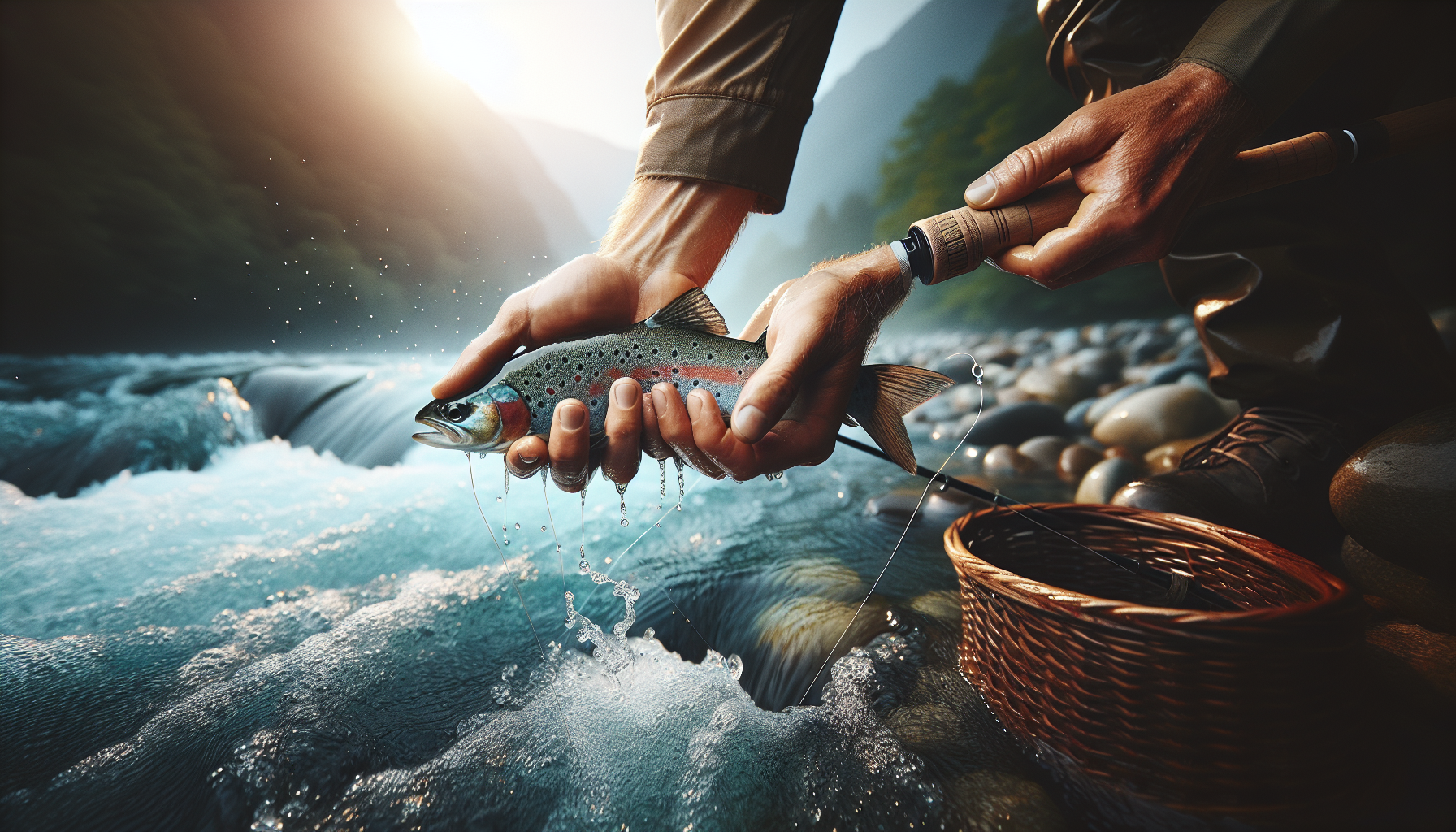
Another advantage is that ethics can be taught in context rather than as a lecture. Students can practice wetting hands before touching fish, keeping trout in the water during release, pinching barbs, and stopping when water temperatures rise above safe levels. These choices become habits because they are tied to real fish and real consequences. That is more effective than simply telling youth to care about conservation in general terms.
Core program models that build community and advocacy
Successful youth fly fishing education usually follows one of four models: school partnerships, community club programs, guided camp formats, and conservation service projects. Each model serves different age groups and resources, and the strongest regional efforts combine all four so students can progress over time.
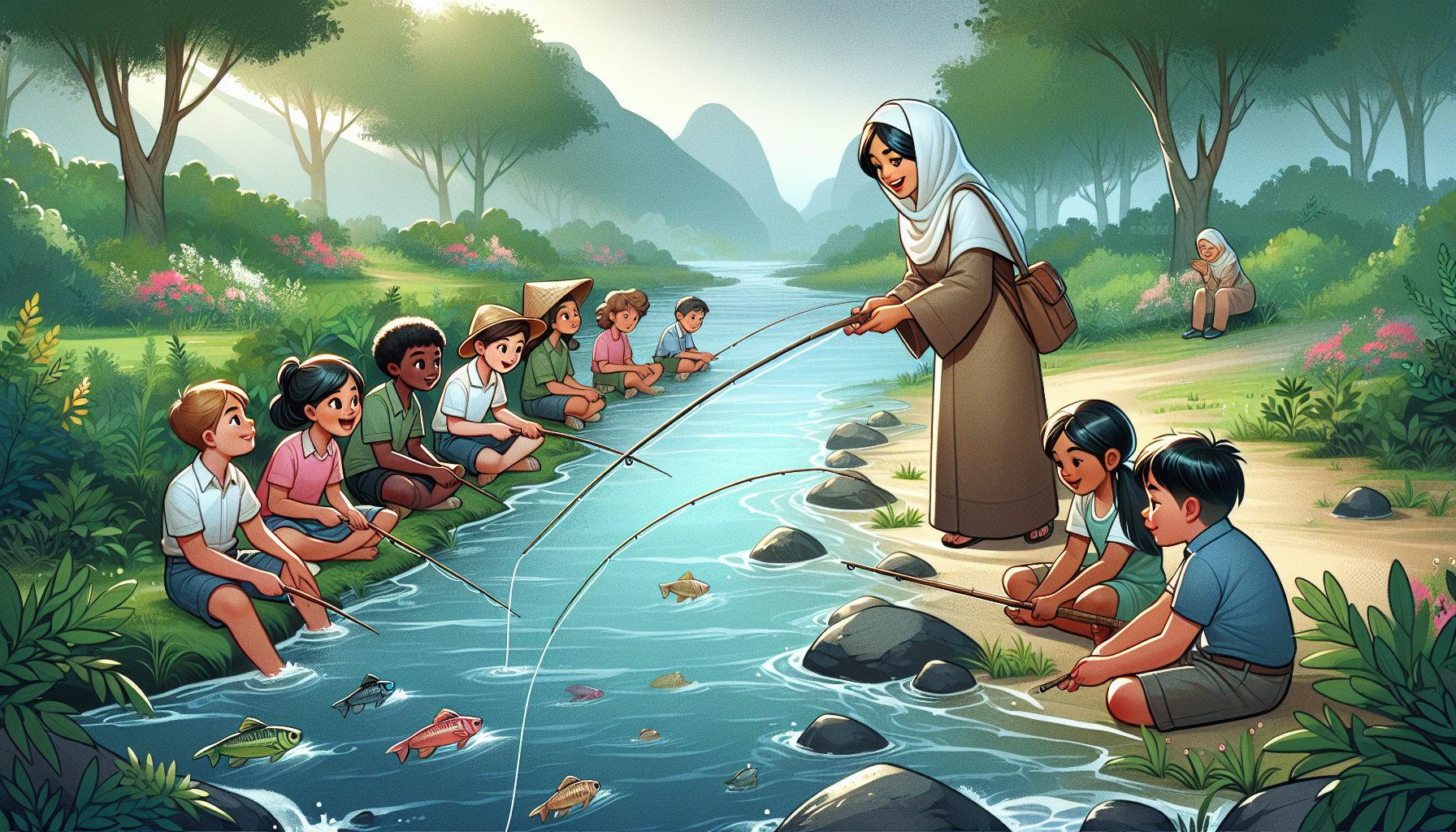
School partnerships are often the best entry point. A classroom teacher, environmental educator, or physical education department can host a short unit on aquatic ecology and basic casting. These programs lower barriers because they happen during the school day and can use loaner rods. Community club programs, often run by local fly shops, Trout Unlimited chapters, park districts, or independent mentors, provide continuity after the school unit ends. They create recurring meetings where young anglers can improve skills and build social ties.
Camp formats work well for immersion. In a two- or three-day setting, students can learn safety, knots, casting, wading, insect identification, and fish handling in sequence. They also allow longer conversations about access, regulations, and habitat restoration. Conservation service projects complete the picture by moving students from learning to ownership. Tree planting, trash removal, redd surveys, invasive plant control, and temperature monitoring give young people evidence that their actions matter.
| Program model | Main strength | Typical partners | Best outcome |
|---|---|---|---|
| School partnership | Broad access during class time | Teachers, school districts, nature centers | Introduces many first-time participants |
| Community club | Ongoing mentorship | Fly shops, angling clubs, libraries | Builds retention and belonging |
| Camp format | Deep skill development | Parks, guides, youth camps | Accelerates confidence and competence |
| Service project | Direct conservation action | Watershed groups, agencies, nonprofits | Creates advocates, not just anglers |
In practice, communities get the best results when a student can move from a school casting day to a club outing, then to a summer camp, then to a restoration event. That progression turns a one-time experience into a pathway.
What young anglers should learn first
The first lessons should prioritize safety, fish welfare, and confidence. New students do not need a technical lecture on every fly line taper. They need to know how to carry a rod safely, look behind before casting, wear eye protection, and understand where to stand near moving water. They also need a simple explanation of why fish live where they do. Trout seek cold, oxygen-rich water, cover from predators, and lanes where food drifts efficiently. Once students grasp that, they can make sense of riffles, seams, pools, and undercut banks.
After that foundation, the most useful early skills are roll casting, basic overhead casting, simple knots such as the improved clinch and surgeon’s knot, and a short introduction to aquatic insects. I usually start with mayflies, caddisflies, and stoneflies because they make stream ecology visible. Even a ten-minute kick-net demonstration changes how students see the water. Instead of a scenic backdrop, the stream becomes habitat filled with indicators of quality and stress.
Ethics should be embedded from day one. Teach barbless hooks, minimal air exposure, proper net use, and the importance of stopping when fish are stressed by heat. Explain regulations as tools for sustaining fisheries, not obstacles to fun. This is where community and advocacy begin: young anglers who understand the reason behind a rule are far more likely to support it and explain it to others.
Removing barriers to participation
If youth education is supposed to strengthen community, it must be genuinely accessible. The largest barriers are cost, transportation, time, and social familiarity. A quality fly rod outfit, waders, boots, and flies can be expensive for families testing a new activity. Programs should rely on loaner gear, sponsor support, and simple tackle lists. A durable nine-foot five-weight outfit covers most beginner instruction. For warm-weather clinics, wet wading often eliminates the need for waders entirely.
Transportation is just as important. Some of the best-run programs partner with schools, YMCAs, Boys & Girls Clubs, scouting groups, and city recreation departments because those organizations already solve logistics and parent communication. Holding introductory events at neighborhood ponds or urban creeks reduces travel demands and makes the sport visible to families who may never enter a fly shop.
Culture matters too. New participants need to see that fly fishing is not reserved for one age group, income bracket, or background. Instructors should use plain language, avoid jargon, and include mentors who reflect the communities they serve. Programs led in partnership with tribal educators, bilingual staff, women’s groups, adaptive sports organizations, or veterans’ nonprofits often reach youth who have been overlooked by traditional outreach. Inclusion is not a branding exercise; it directly affects who becomes a steward of public waters.
From fishing lessons to conservation advocacy
Youth fly fishing becomes advocacy when programs teach how personal behavior connects to public outcomes. A student who learns to clean boots to prevent spreading invasive species is already practicing biosecurity. A student who measures stream temperature and compares it to trout stress thresholds is participating in fisheries stewardship. A student who attends a watershed meeting learns that water quality depends on policy, funding, and civic pressure, not just individual virtue.
Real-world examples make this concrete. Many Trout Unlimited chapters involve youth in streambank planting and culvert replacement education. State fish and wildlife agencies often run aquatic education programs that pair angling with hatchery tours, regulation lessons, and habitat monitoring. Project WET and similar watershed curricula help teachers tie local water issues to classroom standards. In the United Kingdom, the Wild Trout Trust has shown how volunteer-based habitat work can build public literacy around river processes. The lesson across these examples is consistent: hands-on restoration creates informed advocates faster than abstract messaging.
Advocacy training should stay practical. Show students how to read a fishing regulation summary, comment respectfully on a local access proposal, write a short note supporting riparian restoration, or explain to peers why litter, erosion, and warm runoff harm fisheries. These are modest actions, but they create civic confidence. Most adult advocates started exactly this way, by learning one local issue well and acting on it.
Building a durable local network
No single instructor or organization can carry youth education alone. Durable programs depend on networks that share gear, places to meet, risk management procedures, and referral pathways for students who want to continue. The most effective communities map their assets: schools, casting ponds, accessible park water, bus funding, volunteer mentors, conservation nonprofits, fisheries biologists, and sympathetic landowners. Once that map exists, it becomes easier to schedule seasonal programming instead of one-off events.
Internal coordination matters. Clear child-safety policies, background checks, emergency action plans, and instructor ratios are nonnegotiable. So are inclusive communication practices with parents and guardians. Trust is built through consistency: start on time, explain goals, document safety expectations, and follow up with photos, trip summaries, and next steps. Families are much more likely to return when they see structure and purpose.
This hub page should anchor related content across the broader site: mentoring models, school curriculum design, youth-friendly gear lists, streamside safety, fish handling standards, volunteer recruitment, fundraising, and policy engagement. Community and advocacy are strongest when these topics link together rather than standing alone.
Measuring success and keeping programs honest
A youth fly fishing program should be measured by more than attendance or social media photos. Better indicators include return participation, skill progression, diversity of participants, volunteer retention, and conservation outputs such as trees planted, pounds of trash removed, or monitoring hours completed. Pre- and post-program surveys can also test whether students understand fish habitat, regulations, invasive species prevention, and ethical release practices.
Programs should be honest about tradeoffs. Stocked pond events may be accessible and exciting, but they can oversimplify ecology if they are not connected to habitat lessons. Highly technical instruction can impress adults, yet overwhelm beginners. Catch rates matter for motivation, but chasing numbers at all costs can crowd fish, normalize poor handling, or ignore seasonal stress. The best educators balance fun with restraint. They know when to fish, when to observe, and when to turn the day into a habitat walk instead.
Long-term impact is the real test. If a former student joins a river cleanup, volunteers as a mentor, studies fisheries biology, or simply becomes the person in their friend group who respects the resource, the program has succeeded. That is how youth education sustains conservation and ethics across generations.
Teaching the next generation through fly fishing is one of the most practical ways to strengthen community and advocacy around healthy waters. It gives young people skills they can use immediately, from casting and knot tying to reading habitat and handling fish responsibly. More important, it gives them reasons to care. A child who has watched mayflies hatch, planted willows on an eroding bank, or released a trout without lifting it into the air understands conservation as lived experience, not abstract language.
The most effective programs are structured, inclusive, and locally rooted. They lower barriers with loaner gear and accessible locations. They connect schools, clubs, agencies, families, and watershed groups. They teach ethics early, explain the purpose of regulations, and create clear paths from beginner lessons to service and civic participation. When that system works, communities do not just produce better anglers. They produce informed citizens who can defend cold water, public access, and science-based management.
For this sub-pillar on community and advocacy, the takeaway is clear: youth education is the hub that links recreation, stewardship, and public action. If you run a club, shop, school, or nonprofit, start with one simple step. Host a beginner clinic, partner with a classroom, or invite teenagers to your next restoration day. The first cast matters, but the relationship that follows matters more. Build that relationship now, and the next generation will carry conservation and ethics forward where it counts most: on the water, in the community, and in the decisions that shape both.
Frequently Asked Questions
Why is fly fishing such an effective tool for youth education?
Fly fishing works exceptionally well in youth education because it combines hands-on skill building with real-world environmental learning. A river or stream naturally invites curiosity: students want to know why fish hold in certain currents, what insects are hatching, how weather changes water conditions, and what makes one section of habitat healthier than another. That curiosity becomes a gateway to science, ecology, and problem solving. At the same time, the act of casting, wading carefully, tying knots, and handling fish responsibly teaches patience, focus, coordination, and self-discipline.
What makes fly fishing especially valuable is that it does not teach these lessons in isolation. Young people see immediate connections between their actions and the health of the environment around them. When they learn to identify aquatic insects, they are also learning about food webs and water quality. When they practice catch-and-release, they are learning ethics and restraint. When they help clean up a riverbank or restore habitat, they begin to understand stewardship as something active, not abstract. In that sense, fly fishing is more than recreation; it is a powerful educational framework that helps young people grow as observers, learners, and community members.
What life skills can young people gain from learning fly fishing?
Young people can gain a wide range of life skills through fly fishing, many of which transfer well beyond the river. One of the most important is patience. Fly fishing rarely rewards rushed behavior, and students quickly learn that success comes from slowing down, paying attention, and adjusting thoughtfully. Observation is another key skill. To fish effectively, young anglers must notice current seams, insect activity, weather shifts, water depth, and fish behavior. That habit of careful observation strengthens critical thinking and helps students become more attentive learners in other settings as well.
Fly fishing also builds resilience and confidence. Beginners often struggle with tangles, missed strikes, and imperfect casts, but with guidance and practice they improve. That process teaches persistence and helps young people see mistakes as part of learning rather than signs of failure. In addition, there is a strong ethical component. Students learn to respect wildlife, share public space, follow regulations, and consider how their choices affect the resource. Group-based programs can also develop communication, teamwork, and leadership, especially when older students mentor younger participants or work together on conservation projects. Altogether, fly fishing helps shape capable, thoughtful, and responsible young adults.
How does teaching fly fishing support conservation and community stewardship?
Teaching fly fishing supports conservation because it helps young people form a direct, lasting relationship with healthy water, fish habitat, and public lands. It is one thing to tell students that rivers matter; it is much more powerful to let them stand in moving water, turn over rocks to find mayfly nymphs, and witness firsthand how clean, functioning ecosystems support life. Once that connection is established, conservation becomes personal. Students begin to understand that stream health is not guaranteed and that pollution, habitat loss, poor access, and weak public support can all affect the future of a fishery.
Strong youth fly fishing programs also create community stewardship by connecting education with action. Participants can take part in stream cleanups, tree plantings, habitat improvement days, water monitoring, and public outreach events. These experiences show them that conservation is not just the work of agencies or experts; it is a shared civic responsibility. Over time, that mindset helps build a culture of advocacy for healthy waters, ethical angling, and equitable access. In other words, teaching youth to fly fish is not only about creating future anglers. It is about developing informed citizens who care enough to protect rivers and streams for everyone.
What should a strong youth fly fishing program include?
A strong youth fly fishing program should include much more than casting instruction. Casting, knot tying, fly selection, and fish handling are important foundations, but the most effective programs also teach stream ecology, insect identification, safety, ethics, and conservation principles. Young people should learn how to read water, understand why fish hold in particular places, recognize changing conditions, and appreciate the relationship between habitat quality and fish populations. This broader approach turns fly fishing into a richer educational experience and gives participants a deeper understanding of the places they are visiting.
Good youth programs should also be age-appropriate, inclusive, and community-centered. That means providing clear instruction, safe equipment, mentorship, and a welcoming environment for beginners from different backgrounds. Ideally, programs include both classroom-style learning and outdoor field experience so students can connect concepts with practice. Partnerships with schools, conservation groups, local guides, parks departments, and fishing clubs can make programs stronger by expanding access and expertise. The best programs also emphasize responsible angling, respect for public resources, and opportunities for service. When young people leave not only able to cast a fly rod but also able to explain why watershed health matters, the program has done its job well.
How can parents, schools, and community organizations help introduce the next generation to fly fishing?
Parents, schools, and community organizations all play an important role in making fly fishing accessible to young people. Parents can start by encouraging outdoor curiosity and treating local streams, ponds, and parks as learning spaces. A child does not need expensive gear or expert-level instruction to begin; simple exposure, supportive guidance, and a positive first experience often matter most. Schools can strengthen that foundation by integrating fly fishing into science, environmental education, after-school enrichment, or service-learning programs. Lessons on aquatic insects, watersheds, fish biology, and conservation become much more engaging when students can connect them to a real outdoor activity.
Community organizations can help by reducing barriers that often keep youth from participating. They can provide equipment loans, beginner clinics, transportation, scholarships, and safe access to local waters. They can also connect students with mentors who model ethical angling and stewardship. Importantly, successful community support goes beyond teaching technique. It creates pathways for young people to become involved in conservation, advocacy, and public engagement around healthy waters. When families, educators, nonprofits, and local angling communities work together, fly fishing becomes more than a pastime. It becomes a meaningful way to educate, empower, and inspire the next generation to care for rivers and the communities that depend on them.