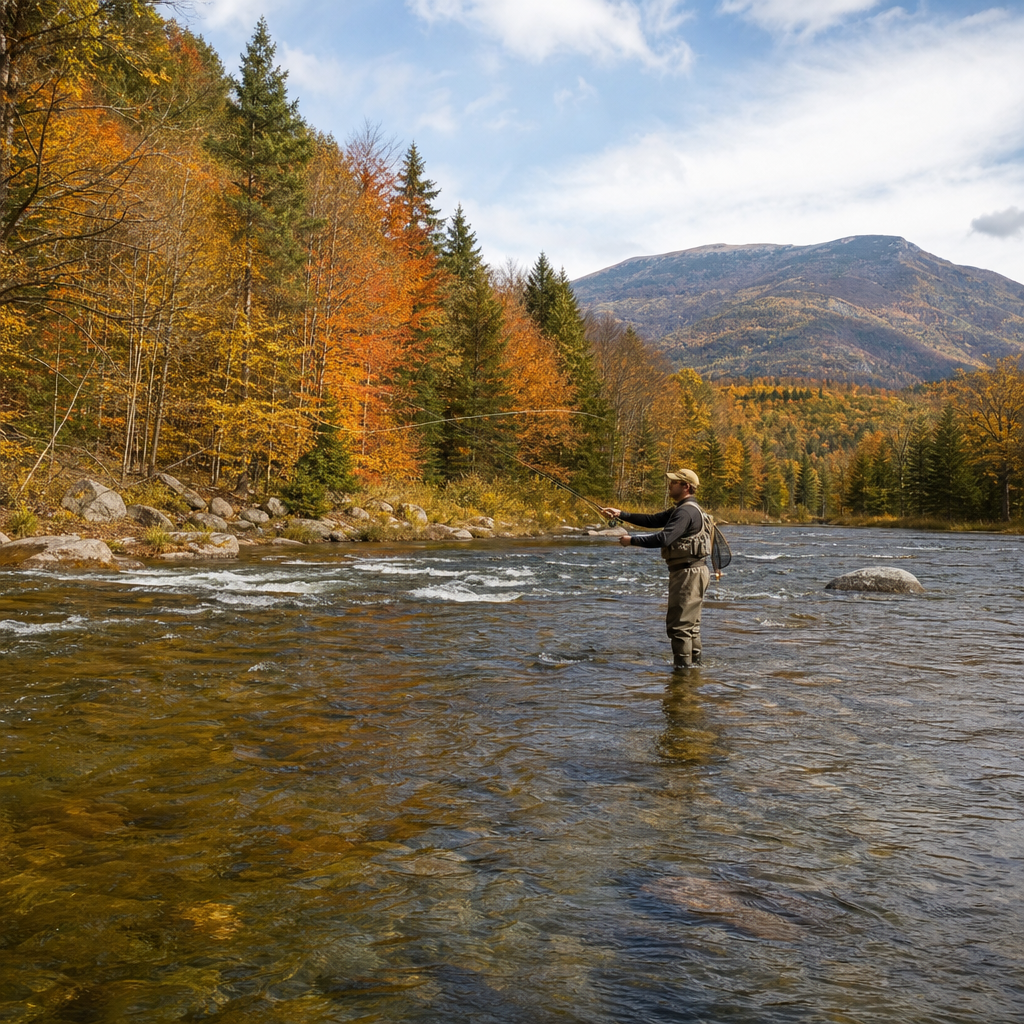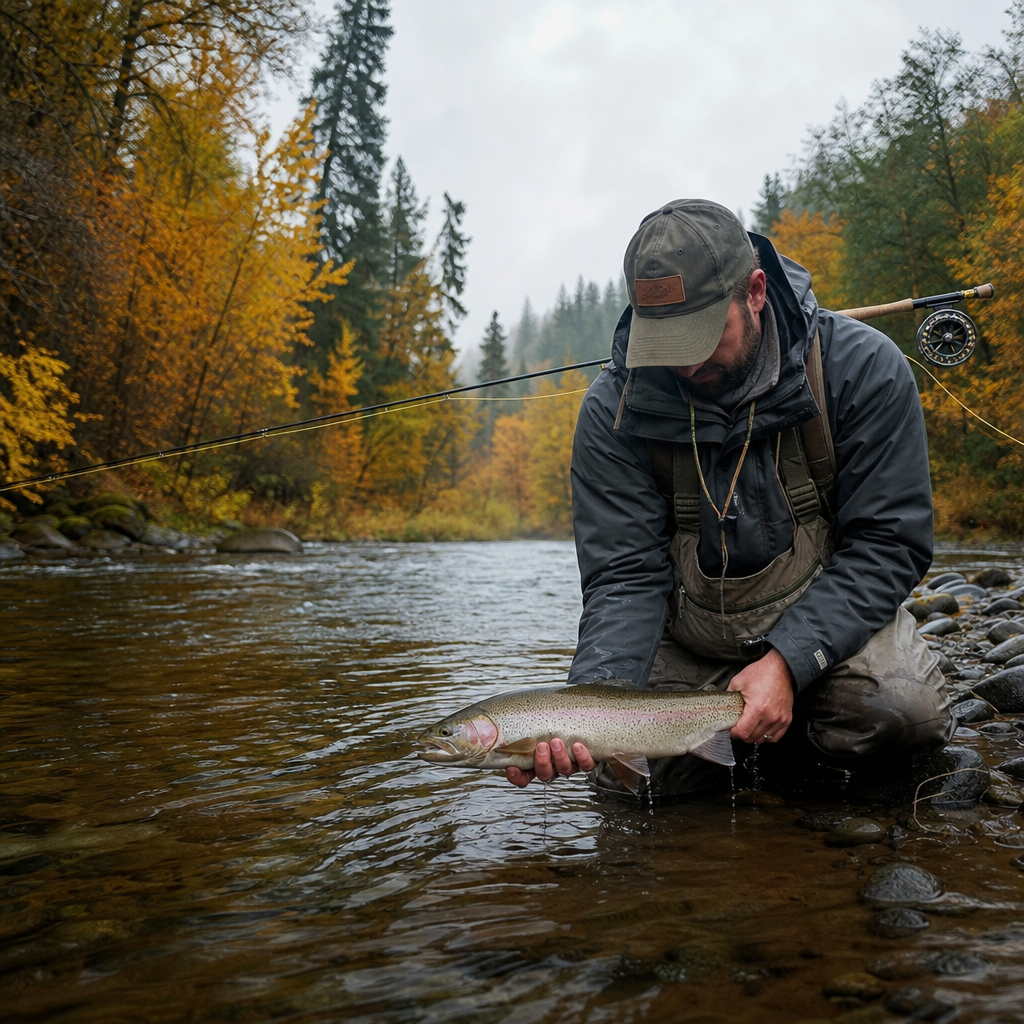
Spring hatches are the most important food events of the trout year, and choosing the right fly patterns for spring hatches can turn a slow day into consistent, deliberate fishing. In practical terms, a hatch is the emergence of aquatic insects from nymph or larva to adult, while “matching the hatch” means selecting flies that imitate the stage, size, color, and behavior trout are feeding on at that moment. As a hub topic within seasons and conditions, seasonal hatches matter because they connect water temperature, light, river flow, insect biology, and trout positioning into one fishable system. I have planned entire spring trips around a single emergence window, and the anglers who do best are rarely the ones carrying the most flies; they are the ones who understand what is hatching, when it appears, and which imitation solves the problem in front of them.
Spring is unique because several insect groups overlap as rivers wake up. Midges can remain important from winter into early spring, blue-winged olives often thrive during cool, cloudy periods, caddis appear in increasing numbers as temperatures rise, and mayflies such as Hendricksons, March Browns, Pale Morning Duns, and Green Drakes can create classic dry-fly fishing depending on region and elevation. Stoneflies also matter, especially in freestone systems where early black stoneflies and larger salmonflies or golden stones define specific windows. The challenge is not simply naming these insects. The real task is choosing among nymphs, emergers, duns, cripples, adults, and spinners, then presenting the fly in a way that matches the feeding lane. Trout do not always feed on the most visible stage, and many missed opportunities come from fishing dries when the fish are actually taking ascending nymphs or trapped emergers just under the surface.
This guide covers seasonal hatches comprehensively by showing what to use across the major spring insect categories and the conditions that trigger them. It is designed as a central reference page: start here to understand the key spring hatches, then branch into deeper articles on specific insects, rivers, or techniques. If you want a reliable answer to the question “what should I tie on in spring,” the short version is this: carry a small set of proven patterns in the right sizes, fish the life stage trout are targeting, and let water temperature, weather, and rise form tell you when to change.
How spring hatches develop and how trout respond
Most spring hatch timing is driven by water temperature, daylight, and stream type. Tailwaters with stable flows may hatch predictably at similar hours each day, while freestones can shift dramatically after cold nights, runoff pulses, or a storm front. In broad terms, insect activity tends to increase once water temperatures move out of winter lows and into the upper 40s and 50s Fahrenheit, though each species has its own threshold. Blue-winged olives may emerge in cool, overcast weather, caddis often pop during warmer afternoons, and spinner falls usually happen in lower light with calm air. Trout respond by sliding into feeding lanes where current delivers insects efficiently: seams below riffles, slow edges beside faster water, foam lines, and the softer buckets behind structure.
The most useful observation is not “fish are rising,” but how they are rising. Splashy takes often suggest caddis adults skittering or fish chasing emergers. Slow, confident sips usually point toward mayfly duns, cripples, or spent spinners. Bulges just under the film commonly indicate emergers, especially during blue-winged olive or midge activity. I learned this lesson the expensive way on a Pennsylvania limestone stream during a Hendrickson hatch: trout ignored my perfect dry until I switched to an emerger with a trailing shuck. Same size, same lane, immediate eats. That pattern change mattered because the fish were selecting vulnerable insects caught in the film, not fully emerged adults floating cleanly.
Core fly patterns for spring hatches
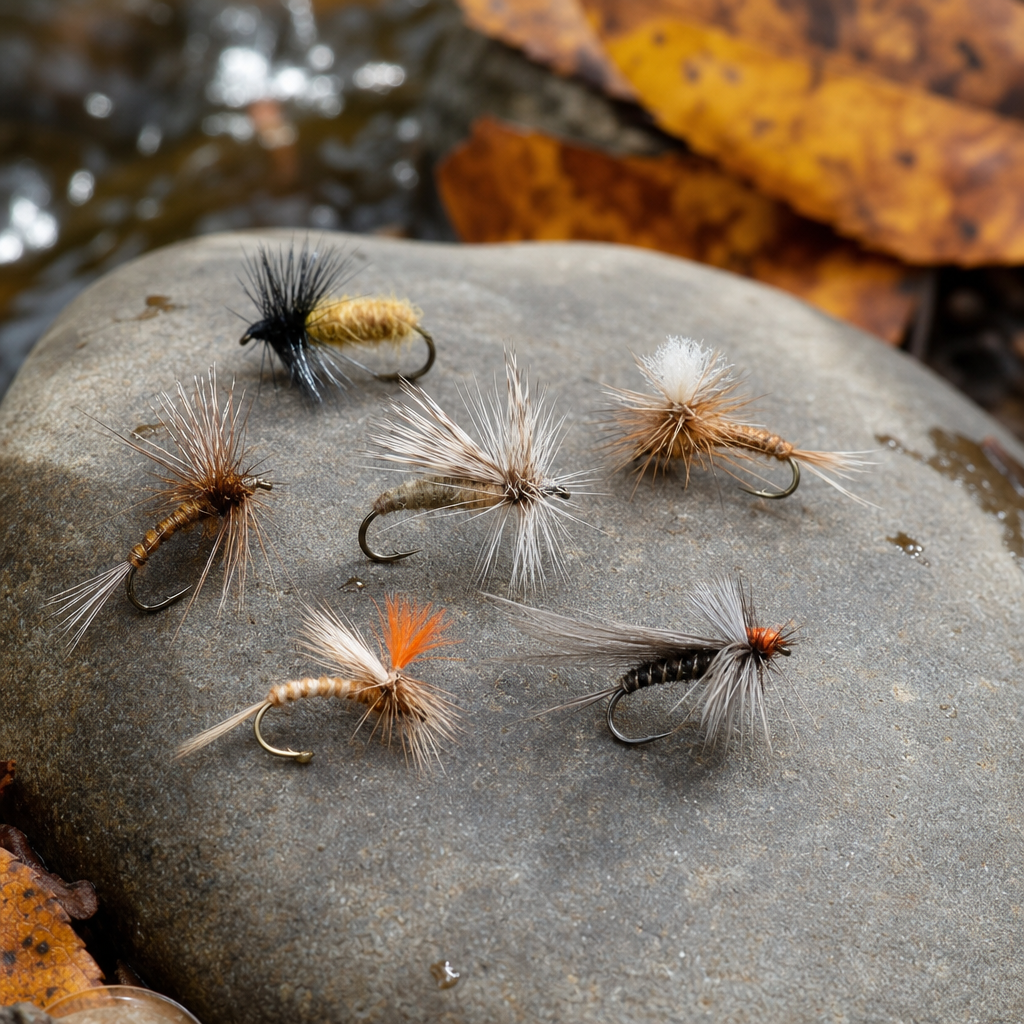
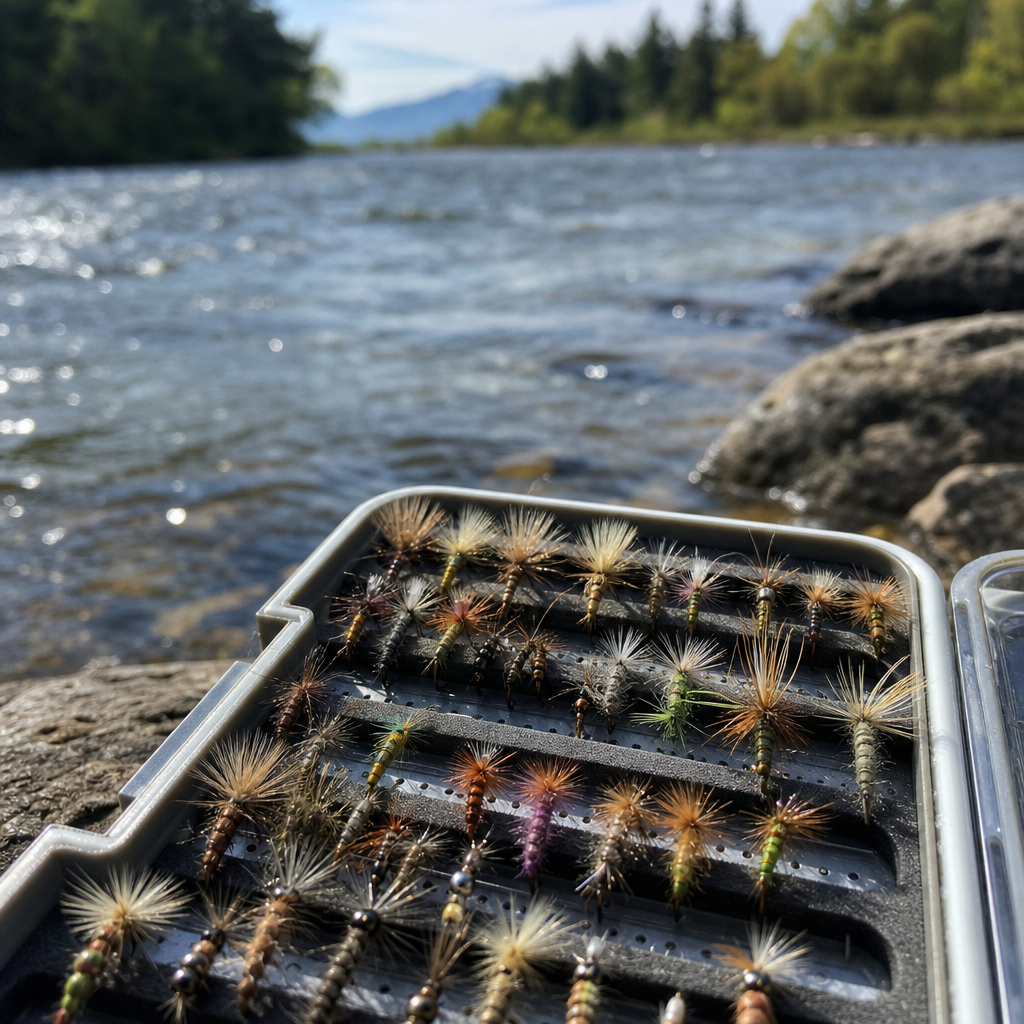
If you want a compact spring box that covers most waters, start with patterns that imitate common insect groups rather than carrying dozens of exact matches. For nymphs, Pheasant Tail, Hare’s Ear, Walt’s Worm, Zebra Midge, Perdigon, and soft hackles are essential because they suggest many mayflies, caddis pupae, and general drifting food forms. For emergers and dries, RS2, Sparkle Dun, Parachute Adams, Comparadun, CDC emerger styles, Elk Hair Caddis, X-Caddis, and Griffith’s Gnat handle an enormous share of real situations. For larger events, add stonefly nymphs, Pat’s Rubber Legs, Salmonfly dries, and Green Drake patterns suited to your region.
Sizes matter as much as pattern names. Midges often run 18 to 24, blue-winged olives 16 to 22, Hendricksons around 12 to 14, caddis 14 to 18, March Browns 10 to 14, and drakes from 8 to 12 depending on species. Color matters, but less than many anglers think. Profile, stage, and drift usually outrank exact shade unless the hatch is heavy and fish are highly selective. That is why a Parachute Adams catches fish during mixed mayfly activity: it presents the right footprint and visibility even when it is not a perfect entomological copy. The best fly patterns for spring hatches are dependable, easy to identify on the water, and available in enough sizes to follow the hatch curve from first trickle to peak emergence.
| Hatch | Typical Conditions | Best Starting Patterns | Common Sizes |
|---|---|---|---|
| Midges | Cold mornings, tailwaters, slow water | Zebra Midge, Griffith’s Gnat, RS2 | 18–24 |
| Blue-Winged Olives | Cloud cover, light rain, cool afternoons | Pheasant Tail, BWO emerger, Parachute BWO | 16–22 |
| Hendricksons | Moderate spring temperatures, riffle transitions | Hendrickson nymph, Sparkle Dun, spinner | 12–14 |
| Caddis | Warming afternoons, broken water | Hare’s Ear, soft hackle, Elk Hair Caddis, X-Caddis | 14–18 |
| Stoneflies | Freestones, banks, faster current | Pat’s Rubber Legs, stone nymph, adult stone | 6–14 |
| Drakes and large mayflies | Specific regional windows, evening surges | Drake nymph, cripple, Comparadun, spinner | 8–12 |
Midges and blue-winged olives: the early spring foundation
On many rivers, especially tailwaters and spring creeks, midges and blue-winged olives carry early spring fishing. These are not glamorous hatches, but they are dependable and often available before larger bugs arrive. Midges dominate when mornings are cold, flows are stable, and fish hold in softer winter water. A Zebra Midge under an indicator or in a tight-line setup is one of the most consistent cold-water producers in trout fishing. When trout move into the film, Griffith’s Gnat and RS2 become high-percentage answers because they imitate clusters and emerging insects without demanding exact color matching.
Blue-winged olives deserve special attention because trout can become selective during dense emergences. The nymphs are active swimmers, so a dead drift with a slight lift at the end of the swing often outperforms a rigidly static presentation. Pheasant Tail nymphs, slender olive perdigons, CDC emergers, and low-riding parachutes all belong in the rotation. During nasty weather, I often begin with a size 18 olive emerger before I ever tie on a visible dry, because fish commonly feed just under the surface while adults struggle to break free. If rises are subtle and repetitive in one seam, an emerger is usually the first correction worth making.
Mayfly hatches: Hendricksons, March Browns, PMDs, and drakes
Mayflies define many classic spring days because they offer trout an orderly progression of food stages. Before the hatch, fish eat nymphs drifting toward softer emergence lanes. During the hatch, they often key on emergers and cripples trapped in the film. Afterward, spinner falls can be the most concentrated feeding of the day. Hendricksons are a perfect example in Eastern rivers: trout may begin by taking nymphs in riffle tails, switch to duns as the hatch builds, then feed hardest on spent spinners over slower flats in the evening. If you carry only one dry for this sequence, make it a Sparkle Dun or cripple pattern; it covers the vulnerable stage fish prefer most often.
March Browns and Pale Morning Duns can require broader water coverage because they do not always hatch in one obvious burst. Prospect with a nymph first, then watch for single rises rather than blanket surface activity. Green Drakes and other large mayflies are more dramatic, but they still reward discipline. Anglers often rush to oversized dries because the naturals are famous, yet trout may still be focused on ascending nymphs or crippled adults. A drake nymph twitched upward near the end of a drift can be deadly before surface feeding starts. Once fish commit to dries, use patterns with strong silhouettes and flush-floating bodies, then switch to spent spinners if the rises become gentle and rhythmically timed.
Caddis and stoneflies: movement, banks, and broken water
Caddis hatches expand through spring and can produce some of the fastest fishing of the season because trout feed on larvae, pupae, emergers, and adults. The key behavioral difference is movement. Caddis pupae ascend quickly, and adults often skate or bounce on the surface, so a little animation is not only acceptable but correct. Start subsurface with a Hare’s Ear, caddis pupa, or soft hackle, then let the fly lift at the end of the drift. If fish slash at the surface, switch to an X-Caddis or Elk Hair Caddis and allow occasional twitches. On Western freestones, this approach regularly outperforms a perfect dead drift during heavy caddis activity.
Stoneflies call for a different lens. Early black stones and later golden stones or salmonflies often push trout toward banks, pocket water, and fast current edges. Nymphs migrate toward shore before emergence, so high-sticking a stonefly nymph tight to the bank is a smart pre-hatch move. During famous salmonfly windows, anglers fixate on giant adults, but some of the best fish come before the headline event on smaller nymphs and droppers. Pat’s Rubber Legs remains a standard because it is durable, visible, and suggestive of large stonefly nymphs in turbulent water. Once adults are active, fish the dry close to banks, logs, and grassy edges where naturals fall or crawl.
How to choose by life stage, not just insect name
The simplest way to improve spring hatch fishing is to think in life stages. Before visible surface activity, fish nymphs in the lower third of the water column near riffles and transition seams. As insects begin emerging, switch to emergers and soft hackles in or just below the film. During obvious dry-fly feeding, use duns, adults, or cripples that match the silhouette on the water. When the hatch wanes and rises become smooth and deliberate in slower water, suspect spinners. This sequence works across most seasonal hatches because trout consistently prefer the easiest meal, and the easiest meal is often the insect that cannot escape.
Presentation confirms the choice. A perfect fly pattern for spring hatches still fails with the wrong drift, depth, or angle. Long leaders and controlled slack help on slow spring creeks, while short, accurate drifts matter more in pocket water. Floatant belongs on wings and hackle, not on trailing shucks or low-floating abdomens designed to sit in the film. Split shot, tippet diameter, and fly weight should change with current speed, not habit. Keep a stream thermometer, observe shucks on rocks, and seine the drift when uncertain. Build your box around proven patterns, but let the river tell you which stage to fish today. Start with observation, adjust quickly, and your spring hatch decisions will become simpler and far more productive.
Spring hatch success comes from reading the intersection of insect timing, trout behavior, and water conditions, then choosing the stage that fish are easiest able to intercept. Midges and blue-winged olives anchor early spring, mayflies bring the most technical dry-fly windows, caddis reward anglers who understand movement, and stoneflies shine near banks and fast structure. Across all seasonal hatches, a small set of patterns catches more fish than an oversized box when those flies cover nymph, emerger, adult, and spinner forms in the right sizes.
The main benefit of understanding fly patterns for spring hatches is confidence. Instead of guessing, you can narrow decisions by asking four direct questions: what insect is present, what life stage is most vulnerable, where are trout feeding, and what presentation matches that behavior? That framework works on tailwaters, freestones, and spring creeks alike. It also makes this page a practical hub for the broader seasonal hatches topic, because every detailed hatch article builds on the same core logic explained here.
Use this guide as your starting point for spring. Stock proven patterns, watch water temperature and weather, and make changes based on rise form rather than hope. If you are building out your seasonal approach, move next into river-specific hatch calendars, individual insect profiles, and tactics for runoff, low water, and changing light so every spring hatch gives you a clear plan.
Frequently Asked Questions
What are the best fly patterns to use during spring hatches?
The best fly patterns for spring hatches depend on which insects are active, what stage of emergence trout are feeding on, and how selective the fish have become. In most trout waters, spring means a progression of blue-winged olives, midges, caddis, Hendricksons, March Browns, and later-season mayflies depending on the region. A strong spring fly box should include nymphs, emergers, duns, and spinners, because trout often switch feeding lanes throughout the day. Reliable starting patterns include pheasant tail nymphs, hare’s ear nymphs, midge larvae and pupae, zebra midges, soft hackles, RS2s, parachute Adams, elk hair caddis, comparaduns, and sparkle duns. These are not just “general” flies; they work because they cover the shape, profile, and movement of common spring insects.
As a practical rule, start subsurface unless you see consistent surface feeding. Before a visible hatch gets going, trout frequently key on nymphs drifting toward emergence or emergers trapped just below the film. That is why patterns like pheasant tails, unweighted or lightly weighted mayfly nymphs, and soft hackle emergers are often more productive than dry flies early in the hatch window. Once you see noses, dorsal fins, or steady rise forms, switch to dries that match the size and silhouette of the naturals. If trout are taking insects gently in the film, an emerger pattern may outperform a high-floating dry every time.
The most effective approach is to think less about exact fly names and more about categories. Carry a small range of proven patterns in sizes that reflect spring insects, usually from about #12 to #22 depending on the hatch. Size is often more important than color, and profile is often more important than perfect detail. If you can match the insect family, stage, and drift behavior, you are already far ahead. Trout during spring hatches feed with purpose, but they also inspect food carefully, so a realistic, clean presentation matters as much as the pattern itself.
How do I match the hatch during spring when trout seem to be feeding on everything?
Matching the hatch in spring starts with observation, not fly selection. Before tying on a pattern, watch the water, the air, and the edges of the stream. Look for insects floating downstream, adults lifting off the surface, shucks on rocks, and trout rise forms. A splashy rise can indicate fish chasing emergers or caddis, while a soft sip often suggests duns, cripples, or spent insects in the film. If you can, seine the drift or inspect the underside of streamside rocks to identify what is active. Even a quick look can tell you whether you are dealing with mayflies, caddis, or midges, and whether trout are focused on nymphs, emergers, or adults.
The phrase “matching the hatch” is often misunderstood as finding an exact visual duplicate, but in real fishing it means matching four core factors: stage, size, color, and behavior. Stage comes first because a trout feeding on ascending nymphs is not necessarily interested in a high-riding adult. Size is next, and it is one of the most important variables in spring. Fish will often reject a fly that is just a little too large or too small, even if the color is close. Color matters, but usually within a narrow range: olive, gray, tan, cream, brown, and black cover many spring hatches. Behavior ties it all together. A dead-drifted mayfly dun, a skittering caddis, and a hanging emerger all represent different food signals to trout.
When trout seem to be feeding on everything, narrow the situation down by asking one simple question: where in the water column are they eating? If fish are bulging below the surface, fish an emerger or soft hackle. If they are rising steadily with visible snouts, a dry fly is likely the right call. If there is no obvious surface action but insects are present, stay with nymphs. Spring hatches can overlap, so do not be afraid to fish a two-fly setup that covers multiple stages, such as a nymph with an emerger above it, or a dry with a trailing emerger. That approach reflects the reality of spring: trout are often feeding opportunistically, but they still reveal preferences if you pay attention.
Should I fish nymphs, emergers, or dry flies during a spring hatch?
The most honest answer is that all three can be important, but the right choice depends on timing and trout behavior. During much of a spring hatch, trout feed below the surface for longer than anglers realize. Before adults are visible, nymphs become active and drift more frequently, making them a major food source. As the hatch intensifies, emergers often become the most vulnerable stage because they are caught in the surface film and cannot escape quickly. Dry flies shine when fish are confidently taking adults on top, but even then, many trout continue feeding just under the film. That is why anglers who fish only dries during spring hatches often miss the most productive part of the event.
Nymphs are the best choice when the hatch has not fully developed, when water is slightly elevated or cold, or when trout are staying deep. Patterns such as pheasant tails, hare’s ears, caddis pupae, and midge pupae are excellent starting points. Emergers come into play as soon as you notice subtle rises, bulges, or refusals to high-floating dries. Patterns like RS2s, soft hackles, sparkle emergers, and cripple imitations are deadly because they imitate insects in transition, which is exactly when trout can capture them most easily. Dry flies become the clear favorite when there is a visible, consistent surface hatch and fish are feeding rhythmically on duns or caddis adults.
A smart spring strategy is to let the fish tell you when to change. Begin with nymphs, move to emergers as activity increases, and switch to dries only when surface feeding becomes dependable. If trout refuse a dry, do not assume the hatch is over or the fly is wrong; often they are simply taking insects lower in the film. In that case, a dry-dropper with a small emerger can solve the problem immediately. Thinking in terms of progression rather than one fixed pattern will help you stay in sync with the natural rhythm of spring hatches.
How important are fly size and color during spring hatches?
Fly size and color are both important during spring hatches, but size usually matters more. Trout can tolerate small differences in shade, especially in moving water, but they often become surprisingly selective about the overall dimensions of the insect they are targeting. If naturals are size #18 blue-winged olives and you are fishing a #14 dry, your pattern may look completely wrong even if the color is close. During concentrated spring hatches, trout frequently lock onto a narrow size range because that is what the drift is delivering most consistently. That makes carrying multiple sizes of your best patterns one of the smartest things you can do.
Color becomes more critical when the hatch is sparse, the water is clear, or the trout have time to inspect the fly. Olive, gray-olive, tan, cream, black, and medium brown are common spring tones, and having patterns that cover those families is usually enough. It is also worth remembering that insect coloration changes depending on lighting, moisture, and stage. A mayfly nymph can appear darker underwater than the dun floating on the surface, and a caddis pupa may show a brighter body than the adult. Rather than chasing hyper-specific shades, focus on getting in the correct neighborhood and then refining based on fish response.
If you are unsure what to change after a refusal, change size before color in most cases. Going down one size often produces immediate results during spring hatch fishing. If you are getting interest but not commitment, a more natural color or a more subdued silhouette may help. And if trout are feeding in flat water, the proportions of the fly become even more important than vivid coloration. In short, think “size first, profile second, color third,” and then combine that with a natural drift. That hierarchy solves a large percentage of spring hatch problems.
What should I carry in a spring hatch fly box to be prepared for different conditions?
A well-built spring hatch fly box should prepare you for changing water temperatures, overlapping insect activity, and trout that may feed at different depths within the same hour. The most useful setup is not a giant collection of random patterns, but a focused system built around common spring food forms. Start with foundational nymphs: pheasant tails, hare’s ears, midge larvae, zebra midges, caddis larvae, and slim mayfly nymphs in a spread of sizes from roughly #12 to #20. Add emergers such as RS2s, soft hackles, sparkle emergers, caddis pupae, and a few cripple patterns. Then round out the box with dependable dries like parachute Adams, comparaduns, sparkle duns, elk hair caddis, Griffith’s gnats, and simple spinner patterns. This gives you practical coverage rather than unnecessary duplication.
It