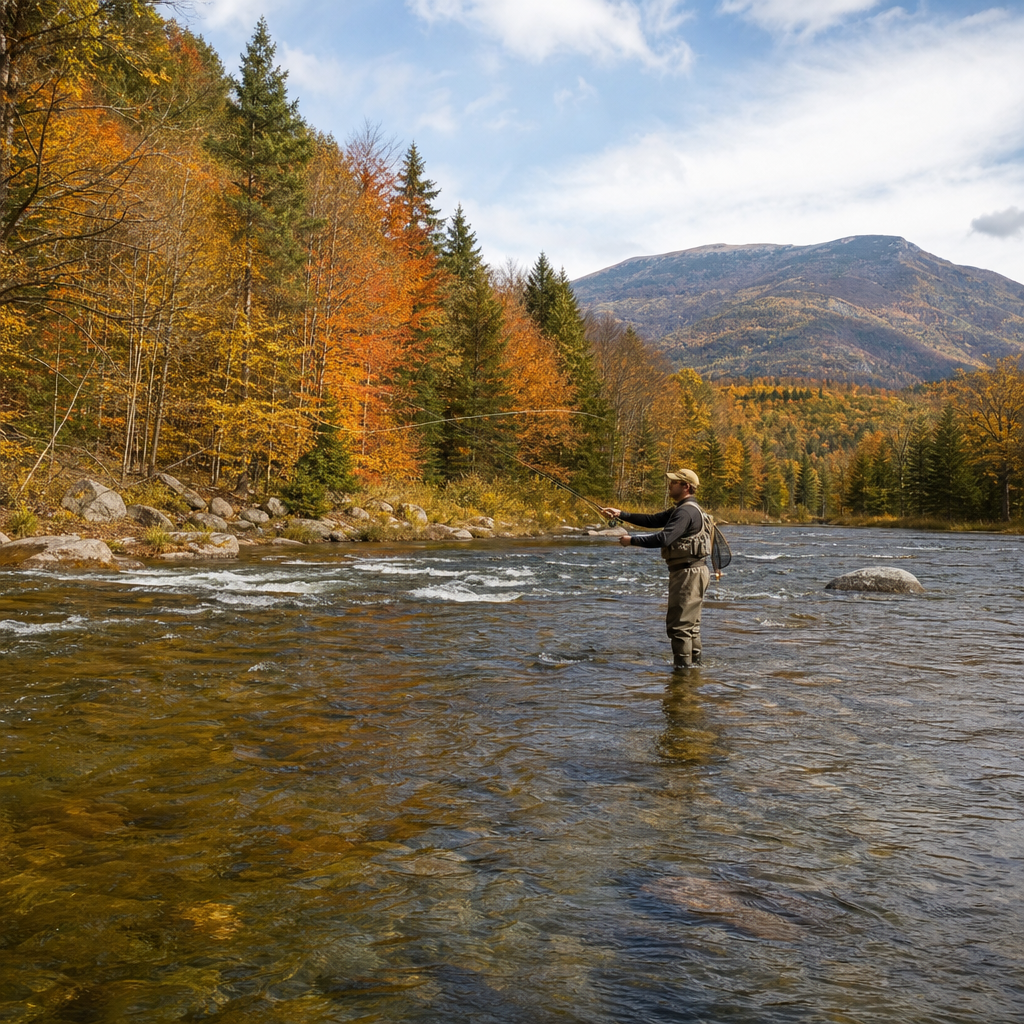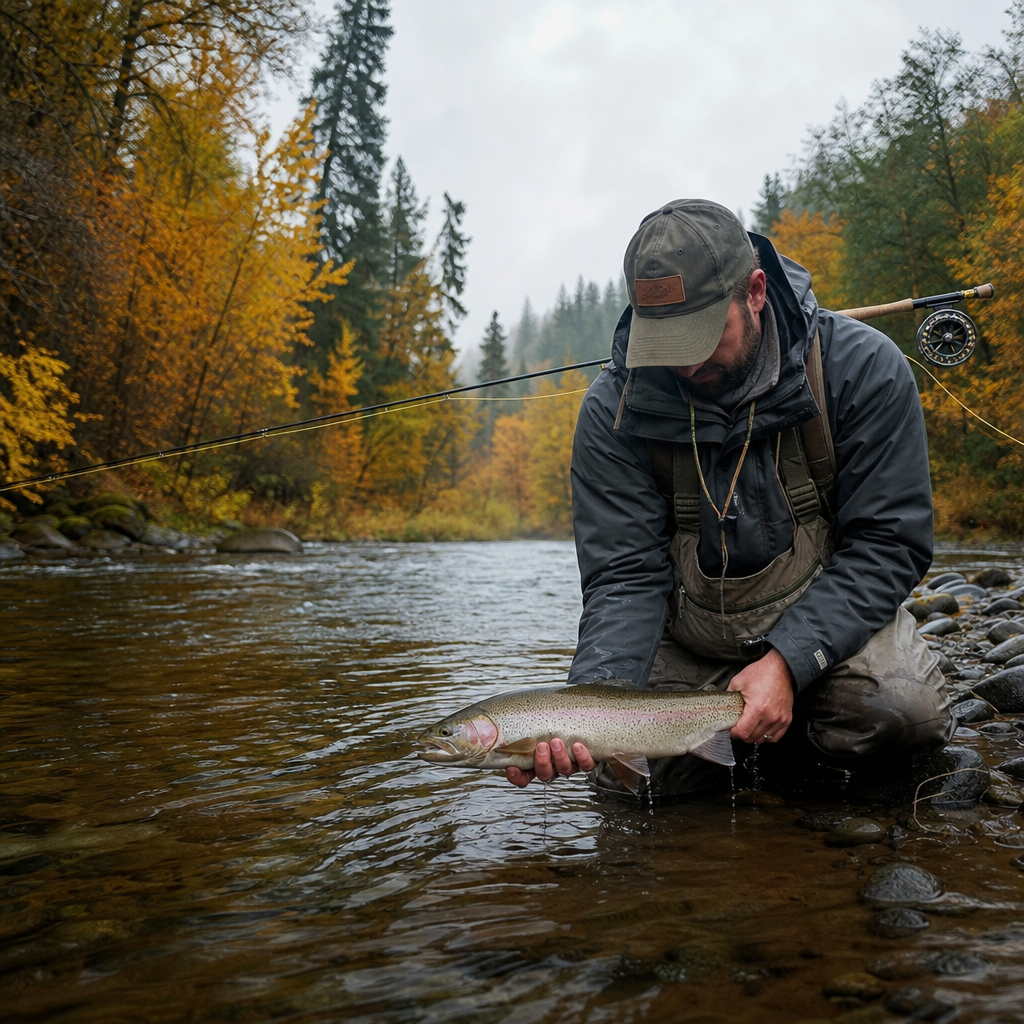
Identifying seasonal hatches is one of the most practical skills an angler can develop because fish feed according to insect availability far more consistently than they respond to lure color trends or tackle marketing. In fly fishing and conventional angling, a hatch is the emergence of aquatic or semi-aquatic insects in numbers large enough to influence fish behavior. Seasonal hatches are the predictable waves of mayflies, caddisflies, midges, stoneflies, terrestrials, and other food sources that appear as water temperature, daylight, streamflow, and weather shift through the year. When anglers understand what is hatching, when it appears, and how fish position to eat it, they stop guessing and start making deliberate choices about flies, presentations, and locations.
I learned this lesson the hard way on trout rivers where I carried perfect casts into empty water while fish rose steadily fifty yards upstream. The difference was not skill alone; it was observation. Once I began matching the timing, stage, and size of insects on the water, catch rates improved immediately. Seasonal hatch knowledge matters because it turns a large river, lake, or spring creek into a series of specific feeding windows. It also helps anglers plan trips better. If you know your local freestone typically sees Blue-Winged Olives during cold spring storms, sulfurs as flows stabilize, and tricos on calm late-summer mornings, you can fish the right place at the right hour instead of hoping for luck.
This guide serves as a hub for seasonal hatches within the broader seasons and conditions topic. It explains how to identify major hatch groups, how hatch timing changes through the year, what environmental triggers matter most, and how to adapt your tactics. The goal is simple: help you read the water, recognize the food source, and present something fish expect to eat.
What Seasonal Hatches Are and Why Fish Key on Them
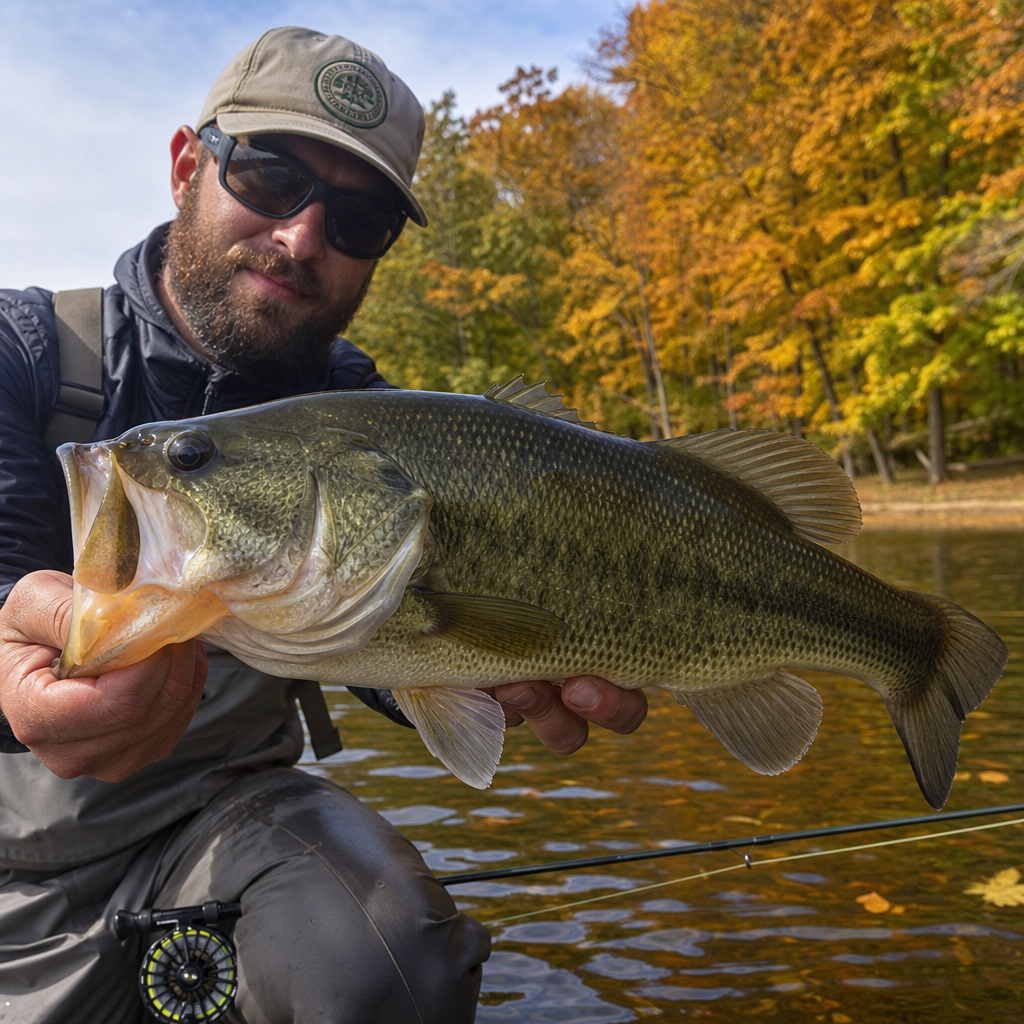
Seasonal hatches are recurring insect emergences tied to biological life cycles and environmental conditions. Most important aquatic insects spend the majority of their lives underwater as nymphs or larvae. When they mature, they emerge into adults, often in concentrated periods. Fish respond aggressively because hatches create abundant, easy food. During a strong hatch, trout may ignore larger meals and feed selectively on one stage of one insect species. Bass, panfish, and even carp also exploit emergences, especially around weed beds, shorelines, and backwaters where insects concentrate.
For anglers, the critical idea is that fish are not simply eating “bugs.” They are often feeding on a specific species, size, and life stage: drifting nymphs before emergence, vulnerable emergers trapped in the film, duns riding the current, spinners returning to lay eggs, or egg-laying caddis skittering across the surface. A fish rising with a slow head-and-tail roll is often taking emergers. Sharp splashy rises may signal caddis adults. Subsurface flashes can indicate nymphs ascending through the water column. Reading these clues lets you narrow your choices quickly.
Mayflies, caddisflies, midges, and stoneflies dominate many hatch charts because they are widespread and important to trout, but local food webs vary. Tailwaters often feature dependable midge and Blue-Winged Olive activity. Freestone rivers may explode with stoneflies in spring runoff edges and caddis after flows drop. Lakes can produce chironomid hatches that rival any river event. Warmwater fisheries add damselflies, dragonflies, hexagenia mayflies, and terrestrial insects such as ants, beetles, and grasshoppers. The lesson is universal: food availability changes seasonally, and fish adjust faster than most anglers do.
How to Identify a Hatch on the Water
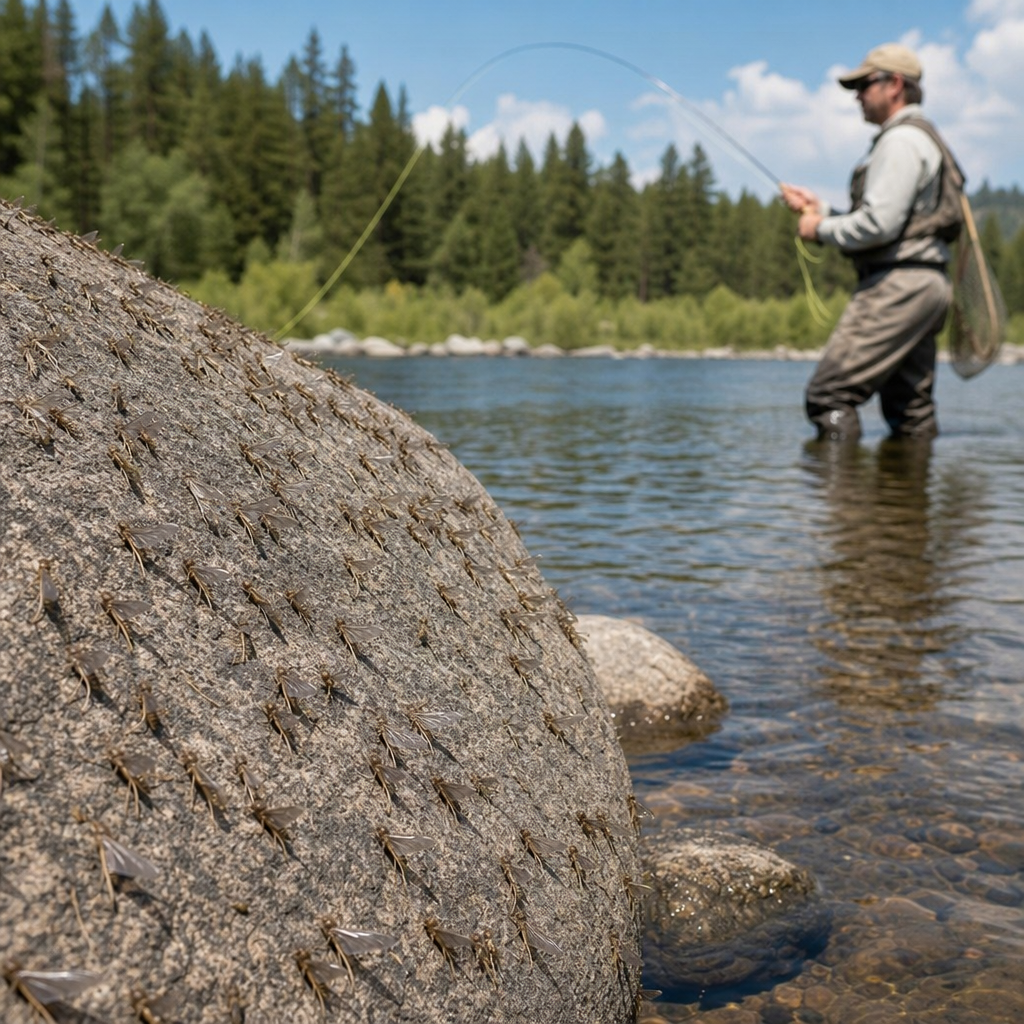
Start with direct observation before opening a fly box. Watch the surface, the air above the water, streamside rocks, spider webs, and your landing net. Turn over stones in shallow riffles to inspect nymphs and larvae. Seine a current seam if legal in your area. Many anglers miss hatches because they only look for adults on top, yet fish may be feeding on emergers or drifting nymphs with very few visible insects. Identification does not need to be entomology-class perfect. First determine the category, then size, then color, then stage.
Mayflies usually have upright wings as adults and long tails, often two or three. Their nymphs range from clingers in fast riffles to swimmers in gentler runs. Caddis adults hold their wings tent-like over the body, while larvae may build cases or live free. Midges are tiny, often size 18 to 26, and become especially important in cold water or heavily pressured fisheries. Stoneflies have two tails and folded wings, with nymphs common under rocks in well-oxygenated flows. Terrestrials are easier: hoppers, ants, beetles, and inchworms typically enter the water from bankside vegetation during warm months.
Behavior is as important as appearance. If insects drift steadily with little movement, fish may prefer duns or cripples. If adults bounce and skate, think caddis. If spent insects lie flat on calm water, a spinner fall may be underway. Keep a small notebook or phone log with date, river section, water temperature, weather, and insects seen. Over a season, patterns emerge that are more useful than generic hatch charts.
Season-by-Season Hatch Patterns
Spring is transition season, and it often delivers the first major feeding windows after winter. As water temperatures rise into the upper 40s and 50s Fahrenheit, Blue-Winged Olives, March Browns, Hendricksons, caddis, and early stoneflies become important on many trout streams. Cold rain, cloud cover, and moderate flows can actually improve certain mayfly hatches. On rivers I fish regularly, a blustery April afternoon often brings better BWO activity than a bright calm day. Fish feed where softer current meets riffle oxygen, and emergers are frequently more effective than high-floating adults.
Summer broadens the menu. Sulfurs, PMDs, caddis, tricos, hexagenia on select waters, and terrestrials all matter. Early morning and evening become increasingly important as water temperatures climb. Trico spinner falls can create intense selectivity on flat water, where trout inspect every drift. Freestones may see hopper fishing improve by late summer, especially along undercut banks, meadows, and grassy edges. Lakes and slow rivers can produce prolific damselfly and chironomid activity. Summer also brings lower, clearer water, which means longer leaders, finer tippet, and more precise positioning.
Fall commonly features Blue-Winged Olives, October caddis in some regions, mahogany duns, midges, and continuing terrestrial opportunities until frost reduces land insect activity. Fish feed hard ahead of winter, but hatches are often subtler than the dramatic events of spring. Overcast days can be excellent. In many tailwaters, fall is one of the most technical and rewarding times to fish because insect activity remains steady while crowds decline.
Winter does not mean no hatch. Midges are the backbone of winter trout feeding in many rivers, spring creeks, and tailwaters, and tiny BWOs can appear during milder afternoons. The feeding window may be short, but it is real. On cold days, I focus less on dramatic rises and more on sheltered seams, slow runs, and foam lines where small insects accumulate. Fish conserve energy in winter, so precise drifts matter more than covering a lot of water.
Environmental Triggers That Control Hatch Timing
Water temperature is the strongest short-term trigger for many hatches, but it works with photoperiod, streamflow, dissolved oxygen, barometric shifts, and weather. A hatch chart without current conditions is incomplete. Two rivers in the same region can fish very differently because one is snowmelt-driven and the other is spring-fed. Tailwaters complicate timing further because dam releases moderate temperature and flow, sometimes extending insect activity or shifting it earlier or later than nearby freestones.
Stable flows generally support more predictable emergence because nymphs and larvae are not constantly displaced. After a spate, however, edges and slower seams can become productive as insects drift heavily. Cloud cover influences both insects and fish confidence. Blue-Winged Olives famously thrive under cool, overcast conditions, while spinner falls often require calmer weather. Wind can push terrestrials onto the water and create excellent opportunistic feeding along banks. Moon phase is debated in some fisheries, especially for hex hatches and spinner falls, but local observation beats theory every time.
Use measurable data whenever possible. A stream thermometer, USGS river gauges, local hatch reports, and weather history are not luxuries; they are decision tools. If a caddis hatch typically starts when evening water temperatures reach the low 50s on your home river, that fact is more valuable than a dozen generic articles. The best anglers I know build their own seasonal hatch calendar from records, not memory alone.
Matching the Hatch with Flies, Lures, and Presentation
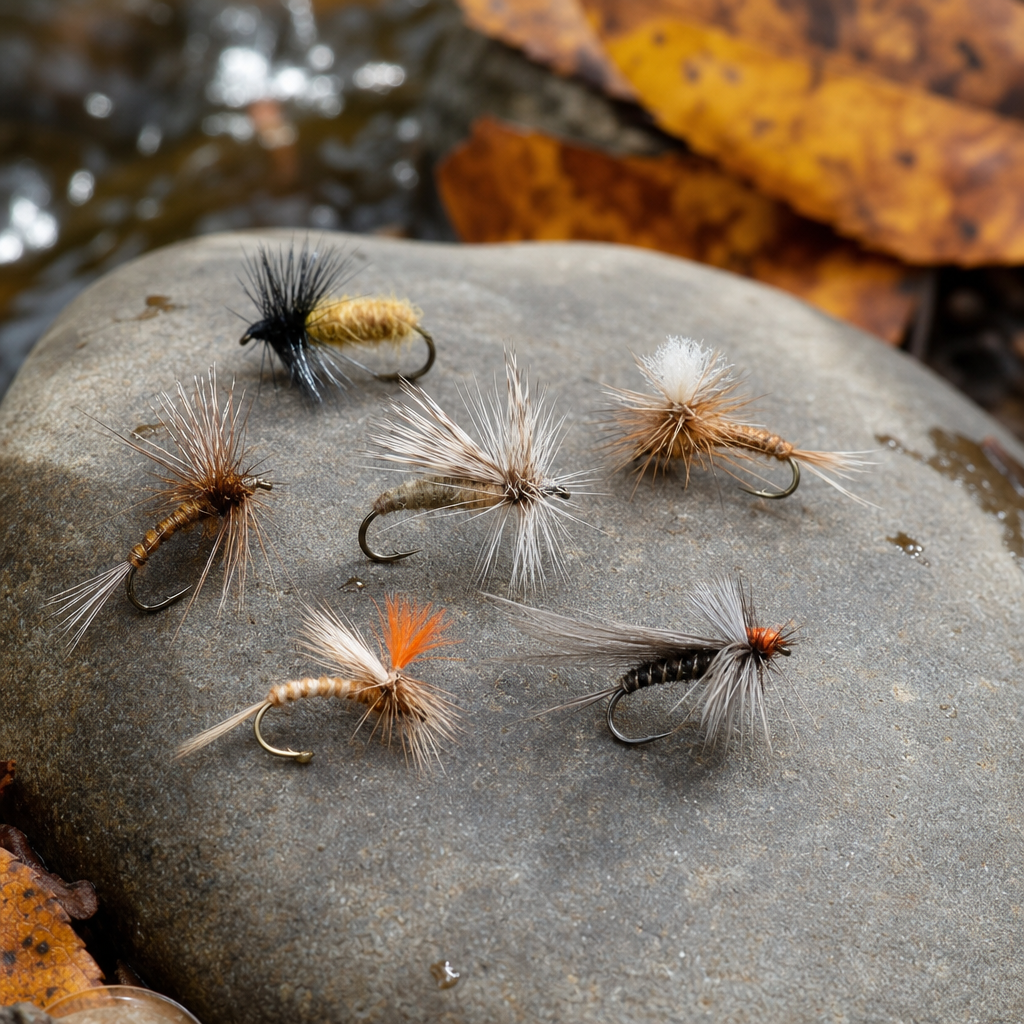
Matching the hatch means imitating the form fish are eating, not just choosing the same insect family. During many hatches, the most vulnerable stage is not the fully emerged adult. Emergers, cripples, ascending pupae, and egg-layers routinely outfish standard dry flies. If trout refuse your dun pattern during a mayfly hatch, switch to a soft-hackle, unweighted emerger, or cripple with a trailing shuck. If caddis adults flutter everywhere but fish slash just under the surface, a pupa swung through the film is often the answer.
Conventional anglers can match hatches too. Small marabou jigs, float-and-fly rigs, tiny spoons, and unweighted soft plastics can imitate emerging insects or clustered prey. Spin anglers fishing below dams frequently do well with micro jigs during midge and mayfly activity because trout key on size and drift rather than exact silhouette. For panfish during summer hatches, a lightly suspended nymph or small hair jig under a float can outperform larger offerings.
| Season | Common Hatch Types | Best Clues | Typical Effective Imitations |
|---|---|---|---|
| Spring | BWOs, Hendricksons, caddis, stoneflies | Cloud cover, rising water temps, riffle activity | Emergers, soft hackles, nymphs, parachute dries |
| Summer | Sulfurs, PMDs, tricos, terrestrials, hex | Calm mornings, evening swarms, grassy banks | Spinner patterns, cripple dries, hoppers, ant patterns |
| Fall | BWOs, mahogany duns, caddis, midges | Cool afternoons, steady flows, softer light | Small mayfly dries, pupa patterns, midge emergers |
| Winter | Midges, tiny BWOs | Short afternoon windows, slow seams | Midge larvae, zebra midges, tiny emergers |
Presentation should follow fish behavior. Dead drift mayflies and midges. Add slight motion for caddis egg-layers. Skate or twitch terrestrials near banks when fish are opportunistic. In lakes, suspend chironomid imitations at the exact depth fish are feeding. Depth, angle, and drift length matter as much as pattern choice. When in doubt, fish the stage that is easiest for trout to capture.
Building Your Own Local Hatch Calendar
A local hatch calendar is the bridge between theory and repeatable success. Start with broad seasonal expectations, then refine them by water type, elevation, and weather pattern. Record first sightings, peak activity, and decline periods for each insect group. Note time of day, water temperature, flow trend, and the life stage fish seemed to prefer. After one full year, you will have a more accurate guide to your home water than most printed summaries provide.
Break rivers into sections because lower reaches often hatch earlier than headwaters. South-facing meadow water may warm faster than shaded canyon stretches. Tailwaters below deep reservoirs can remain cool enough to prolong midge and BWO activity while suppressing some warm-season insects. If you travel, compare your notes across states and watersheds. You will quickly see that “same month” does not mean “same hatch.” Elevation alone can move a hatch by weeks.
This hub should lead naturally into deeper subtopics: spring hatches on freestones, summer trico strategies, caddis behavior, winter midge tactics, terrestrials, and hatch-specific fly selection. As you build that library, keep the central principle intact: identify the food source first, then choose where, when, and how to fish. Seasonal hatches are not trivia for insect enthusiasts. They are the operating system of consistent angling success.
Seasonal hatches give anglers a dependable way to understand fish behavior across changing water and weather conditions. Instead of treating every outing as a blank slate, you can use insect life cycles, environmental triggers, and visible feeding clues to predict where fish will be and what they will eat. The most important habits are simple: observe carefully, identify the insect group and stage, connect it to the season, and adjust your presentation to match what fish are taking easiest.
The payoff is immediate. You make better fly and lure choices, spend less time fishing unproductive water, and recognize feeding windows that many anglers miss. Just as important, hatch knowledge scales from trout streams to lakes and warmwater fisheries. Whether you are timing a spring BWO emergence, a summer trico spinner fall, or a winter midge window, the process stays the same: gather clues, confirm the hatch, and fish with intent.
Use this guide as your starting point, then build your own local hatch calendar on every trip. The more records you keep, the more predictable your fishing becomes. Start watching the water more closely on your next outing, and let the insects tell you how to fish.
Frequently Asked Questions
What does “identifying a seasonal hatch” actually mean for anglers?
Identifying a seasonal hatch means recognizing when a specific insect or food source becomes available in enough numbers to change how fish feed. In practical terms, it is less about memorizing entomology terms and more about noticing predictable feeding windows tied to time of year, water temperature, weather, and habitat. A hatch can involve mayflies, caddisflies, stoneflies, midges, or even non-aquatic food like ants, beetles, and grasshoppers that become important in warm months. When these food sources appear consistently, trout, panfish, and other species often shift from opportunistic feeding to focused feeding. That is why an angler matching the natural food source often outperforms someone relying only on generic lure choice or trial and error.
For anglers, the value of hatch identification is that it helps explain fish behavior. If fish are rising softly in the evening, refusing large offerings, or holding in specific seams and feeding lanes, they are often keyed in on a particular stage of an insect’s life cycle. Understanding whether fish are eating emergers, duns, spinners, caddis adults, drifting nymphs, or terrestrials lets you make smarter decisions about fly size, profile, depth, drift, and retrieve speed. In other words, identifying a seasonal hatch turns fishing from random casting into a more deliberate process based on what the fish are actually seeing and eating.
Which insect hatches are most important to learn first throughout the fishing season?
The smartest approach is to begin with the major categories that show up reliably across many waters: midges, mayflies, caddisflies, stoneflies, and terrestrials. Midges matter almost year-round, especially in colder months and on tailwaters, because they can hatch in conditions when larger insects are absent. Mayflies are often the most celebrated and easiest for anglers to notice because they create visible surface feeding and tend to hatch in distinct seasonal windows. Caddisflies are extremely important as well, especially in spring and early summer, and fish may feed on them in several stages, from larva to pupa to skittering adults. Stoneflies are especially important on faster, colder, rockier streams, with larger species often creating standout opportunities. Terrestrials such as ants, beetles, and grasshoppers become increasingly important in summer and early fall when land-based insects regularly fall or blow into the water.
If you are just learning, do not try to master every species at once. Instead, learn what usually appears in your region by month and by water type. A freestone trout stream in spring may lean heavily on early mayflies, caddis, and stoneflies, while a slow spring creek may feature more subtle midge and small mayfly activity. A warmwater pond will have an entirely different food calendar. Start by learning the broad seasonal patterns, then narrow down to the insects most relevant to the places you fish most often. That gives you a practical framework you can actually use on the water rather than a long list of names with no context.
How can I tell what fish are feeding on if I arrive at the water during active feeding?
Start by observing before you cast. Watch the water surface, the air above it, and the edges of current seams. If fish are rising with splashy, aggressive takes, they may be chasing caddis adults or other active insects. If rises are subtle, with only a nose or dimple showing, fish may be sipping tiny mayflies, midges, or spent adults. Look for insects drifting in the film, fluttering above the water, crawling on rocks, or collecting in eddies. A quick check of streamside vegetation, exposed stones, bridge pilings, and your clothing can reveal what is hatching. Many anglers also carry a small seine, aquarium net, or even use a fine-mesh landing net to sample drifting insects and confirm size and color.
It also helps to think in terms of feeding depth. Fish do not always feed on top during a hatch. Often, the most consistent feeding happens below the surface as nymphs ascend or pupae drift upward. If fish are not fully breaking the surface but seem active, they may be intercepting emergers just under the film. In those situations, matching the hatch means more than matching the adult insect. You need to match the life stage the fish are targeting. A good angler asks four questions: What insect is present? What size is it? What stage is it in? Where in the water column are fish feeding on it? Once you answer those, your fly or lure selection becomes far more accurate.
What environmental factors trigger seasonal hatches and make them more predictable?
Water temperature is one of the biggest triggers. Many aquatic insects emerge when the water reaches a narrow temperature range, which is why certain hatches return at roughly the same time each year but can shift earlier or later depending on weather. Air temperature matters too, especially for adult insect activity and how long insects remain on the water. Cloud cover, sunlight, river flow, and recent rainfall can all affect hatch intensity. Some mayflies hatch best on overcast afternoons, while caddis may become more active near dusk. A sudden cold snap, high muddy water, or unstable releases below a dam can suppress visible activity even when insects are seasonally due.
This is why experienced anglers keep simple records. Tracking dates, weather patterns, water temperatures, and the insects observed on each trip makes seasonal hatches much easier to predict over time. Regional hatch charts are useful starting points, but local conditions always matter more than general calendars. Two rivers in the same county can fish very differently because of elevation, shade, gradient, spring influence, or dam regulation. The more attention you pay to recurring conditions, the more you will see that hatches are not random events. They are seasonal patterns shaped by environmental cues, and once you understand those cues, you can plan trips around periods when fish are most likely to feed selectively and confidently.
How should I adjust my tactics once I identify the hatch correctly?
Once you identify the hatch, your first adjustment should be presentation, not just pattern choice. Many anglers correctly identify the insect but still struggle because the drift, depth, angle, or movement of the offering does not match the natural. During a mayfly hatch, for example, a dead-drifted emerger or dun may be more effective than a floating adult pattern if fish are feeding just under the surface. During a caddis event, a bit of animation can matter because emerging or adult caddis often move more actively than mayflies. If fish are feeding subsurface, add weight, adjust your leader setup, or change your retrieve so your fly or lure moves through the strike zone at the right level and speed.
You should also match size and silhouette before worrying too much about exact color. Fish often key in first on the general profile, stage, and dimensions of a food source. If naturals are tiny and sparse, downsizing may matter more than changing to an exact shade of olive, tan, or cream. If fish are feeding selectively, longer leaders, finer tippet, quieter wading, and better drag-free drifts can make the difference. For conventional anglers, this same principle applies: choose presentations that imitate the dominant forage in behavior and depth rather than assuming a popular lure color will solve the problem. The real advantage of hatch knowledge is that it gives you a reason behind every adjustment, making your fishing more efficient, more consistent, and far less dependent on guesswork.