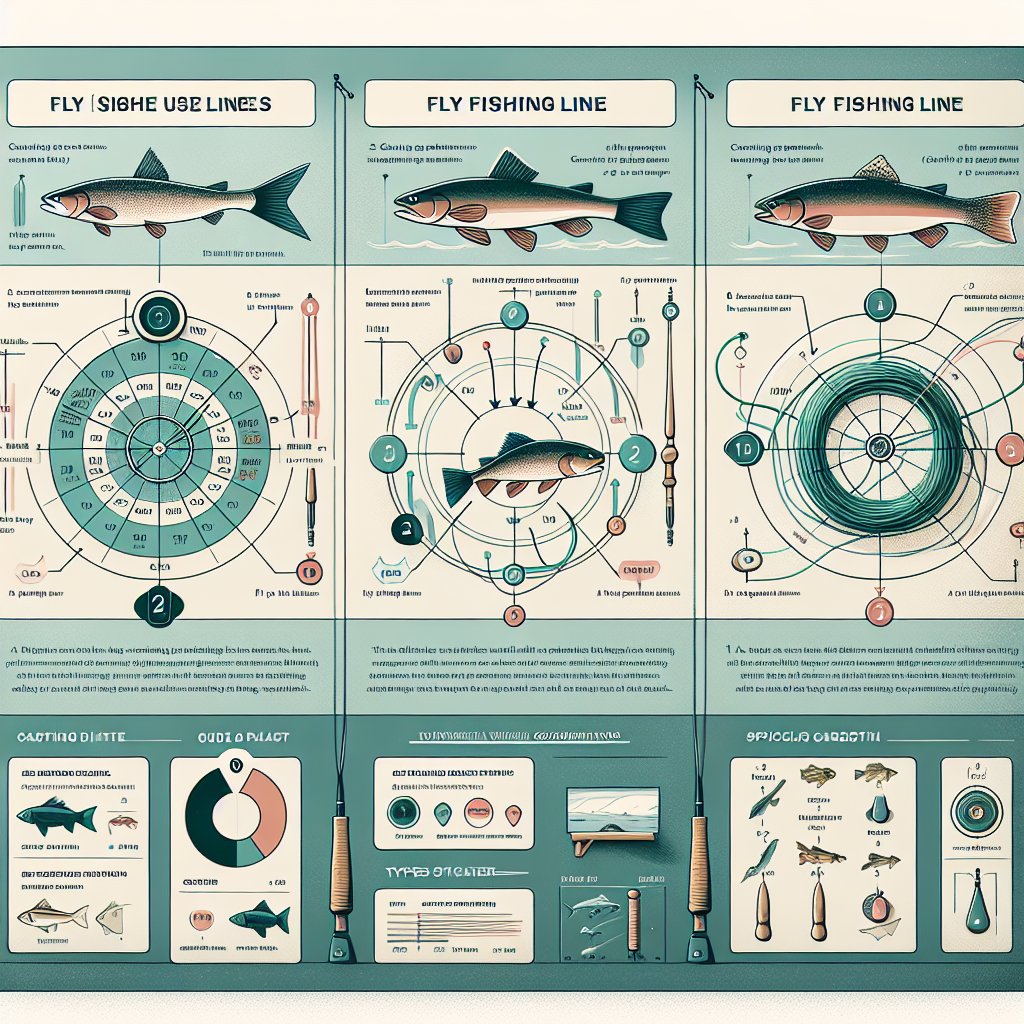
Fly fishing is a captivating and popular angling technique that requires specific gear, and one of the most crucial components of your fly fishing setup is the fly line. The fly line is not just a simple piece of string; it serves various functions and significantly affects casting performance and overall fishing experience. If you’re new to fly fishing or looking to upgrade your current gear, understanding the types of fly lines, their uses, and how to choose the right one can drastically improve your success on the water. In this article, we will break down the essentials of fly lines, explore different types, and guide you in selecting the best one tailored to your needs. Whether you’re casting for trout in a serene mountain stream, chasing bonefish in the salty flats, or targeting bass in your local lake, there’s a fly line that suits your needs. Let’s dive in and unravel the mysteries behind fly lines, their designs, and their functionality.
Composition and Anatomy of Fly Lines
To fully appreciate the diversity and functionality of fly lines, it’s essential to understand their composition and anatomy. Fly lines are primarily made from a core material (often braided nylon or other synthetic materials) coated with a smooth and slick outer layer, typically PVC or other specialized plastics. This coating allows the line to shoot smoothly through the guides of the fly rod. Fly lines are categorized by their weight, which corresponds to the weight of the first 30 feet of the line. Fly line weights range from 1 to 14, with lighter lines (1-4 weight) used for small fish and delicate presentations, and heavier lines (7-14 weight) reserved for large species and adverse conditions. The taper design, which refers to how the diameter of the line changes along its length, significantly impacts casting performance and presentation. Common taper designs include weight-forward (WF), double taper (DT), and shooting taper (ST), each offering distinct advantages based on the fishing conditions and casting techniques.
Exploring Different Types of Fly Lines
Fly lines come in various types, each designed for specific fishing conditions and techniques:
- Weight-Forward (WF) Lines: These lines are the most versatile and commonly used. They feature a heavy front section that helps load the rod quickly, making them ideal for long casts, beginners, and various fishing scenarios.
- Double Taper (DT) Lines: With a symmetrical taper, DT lines offer gentle presentations and excel in short to medium casts. They are easily reversible, providing a cost-effective option for anglers.
- Shooting Taper (ST) Lines: Preferred by distance casters, ST lines have a short, heavy front section followed by a thin running line. These lines are exceptional for reaching distant targets but require refined casting skills.
- Sinking and Sink-Tip Lines: Designed to get flies deeper into the water column, sinking lines (overall) and sink-tip lines (partially) are perfect for species that feed at or near the bottom.
- Floating Lines: The most common, these lines are perfect for surface or sub-surface fishing and are great for beginners learning the basics of fly fishing.
Each type of fly line has unique characteristics that make it suitable for different fishing environments and targeted species, so understanding these distinctions can enhance your overall fishing experience.

Choosing the Right Fly Line for Your Needs
Selecting the right fly line involves considering the fishing environment, targeted species, and personal casting preferences. Here’s a step-by-step guide to help you make an informed decision:
- Identify Your Target Species: Knowing the species you’re targeting helps narrow down your choices. Lighter lines are suitable for smaller fish, while heavier lines are necessary for large, powerful species.
- Assess the Fishing Environment: Consider the type of water you’ll be fishing in. Calm streams may require delicate presentations, favoring double taper lines, while windy conditions or open water may necessitate weight-forward lines for improved casting distance.
- Analyze Casting Distance: Evaluate the typical casting distances you’ll encounter. For long-distance casting, shooting taper lines are ideal, whereas short to medium distances can be effectively managed with weight-forward or double taper lines.
- Review Line Density: Choose between floating, sinking, or sink-tip lines based on the depth at which your target species is feeding. Floating lines are perfect for surface or near-surface fishing, while sinking or sink-tip lines are necessary for deeper waters.
- Match Fly Line to Rod Weight: Ensure that the weight of your fly line matches the weight rating of your fly rod. This compatibility guarantees optimal performance and allows for efficient casting and control.
By addressing these factors, you can find the perfect fly line that aligns with your fishing goals and enhances your overall angling experience.
Maintenance and Care of Fly Lines
Proper maintenance and care of your fly lines are essential for ensuring longevity and peak performance. Here are some tips to keep your lines in top shape:
- Clean Regularly: Clean your fly lines periodically using mild soap and warm water. Remove dirt, grime, and algae buildup that can accumulate during fishing trips.
- Store Properly: Avoid storing your lines in direct sunlight or high temperatures. UV rays and heat can degrade the line material and reduce its lifespan. Store lines in a cool, dry place, preferably in a line spool or reel case.
- Avoid Sharp Objects: Prevent your lines from coming into contact with sharp edges or abrasive surfaces, which can cause damage or wear over time.
- Inspect Regularly: Periodically inspect your fly lines for any signs of cracks, abrasions, or other damage. Replace damaged lines promptly to maintain casting performance and prevent potential issues on the water.
- Stretch Lines Before Use: Before each fishing trip, stretch your fly lines gently to remove any memory or coils that may have formed during storage. This ensures smoother casting and reduces the risk of tangles.
By following these maintenance practices, you can extend the life of your fly lines and enjoy consistent performance during your fishing adventures.
Conclusion
Fly lines are a crucial component of any fly fishing setup, playing a significant role in casting performance, presentation, and overall fishing success. Understanding the different types of fly lines, their uses, and how to choose the right one is essential for every angler, regardless of experience level. By considering factors such as target species, fishing environment, casting distance, line density, and rod compatibility, you can make an informed decision that enhances your fly fishing experience. Additionally, proper maintenance and care of your fly lines will ensure their longevity and peak performance, allowing you to enjoy countless successful fishing trips. Armed with this knowledge, you are now better equipped to select the perfect fly line for your needs and make the most of your time on the water. Whether you’re a seasoned angler or just starting your fly fishing journey, the right fly line can make all the difference in achieving your fishing goals and creating memorable experiences on the water.