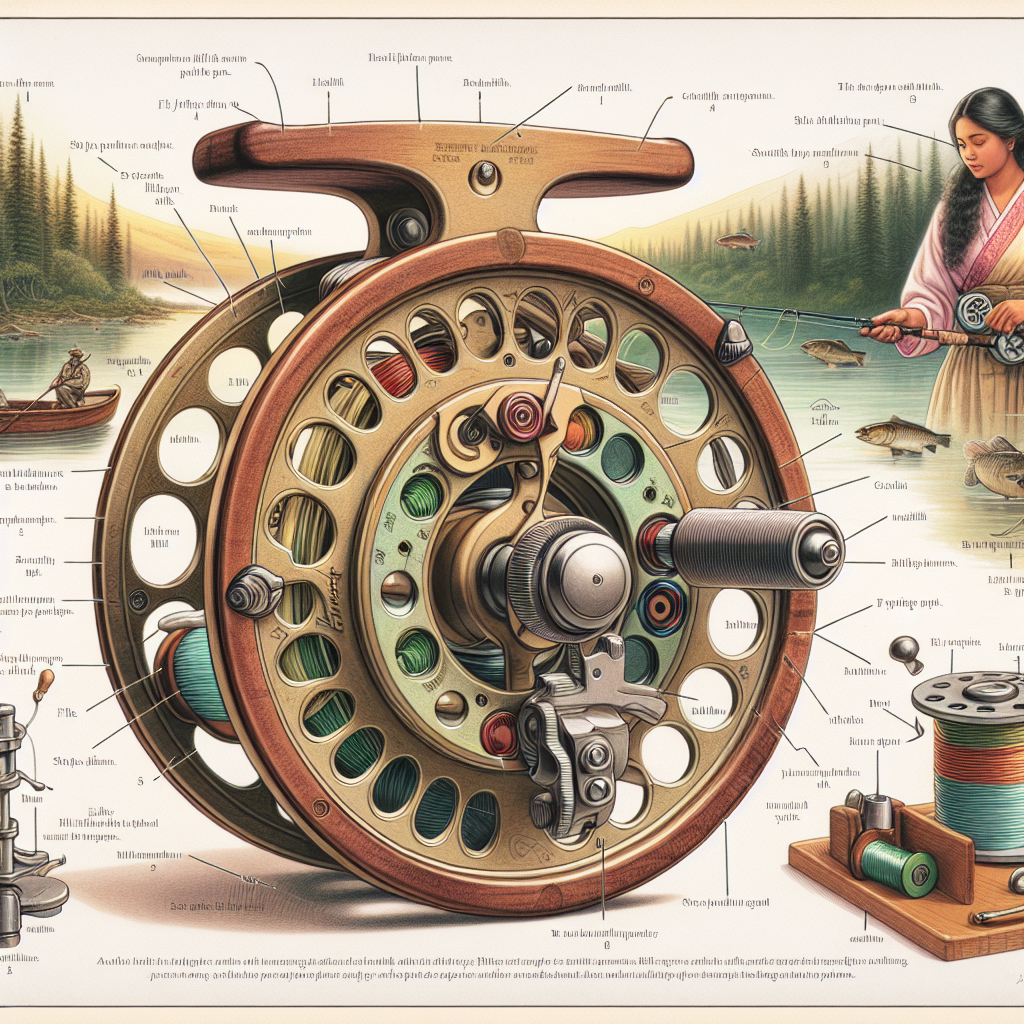
Welcome to the world of fly fishing—a blend of art, science, and sport that captures the heart and soul of nature enthusiasts worldwide. A crucial piece of equipment in this endeavor is the fly reel. Understanding your fly reel can be the difference between a memorable catch and a heartbreaking missed opportunity. In this comprehensive guide, we will delve deep into the essentials of fly reels, covering their types, components, usage, and maintenance. So, grab your fishing hat and waders, and let’s get started!
Introduction: The Basics of Fly Reels
Fly reels may seem simple at first glance, but they play a pivotal role in your fly fishing experience. A fly reel is essentially a mechanical device attached to a fishing rod that helps you manage your fishing line. Unlike spinning or baitcasting reels, fly reels are designed explicitly to accommodate the specific needs of fly fishing, such as casting lightweight flies over varying distances.
Fly reels consist of several key components:
- Spool: The part of the reel where the fly line and backing are wound.
- Frame: The structure that holds the spool and other components together.
- Drag System: A mechanism that provides resistance against the line to fight the fish.
- Reel Handle: Used to retrieve the line.
While these components may seem straightforward, their design and functionality can greatly vary depending on the type and model of the fly reel. As we journey through this guide, we will explore these variations and how they can affect your fishing experience. Understanding these basics is the first step toward mastering the art of fly fishing.
Types of Fly Reels
Fly reels come in various types, designed to suit different fishing environments and species of fish. Here are the most common types you will encounter:
Single Action Reels
Single action reels are the most basic type, where one full turn of the handle results in one full rotation of the spool. These reels are popular because they are straightforward, reliable, and easy to use. They are a great choice for beginners and work well for most freshwater fishing applications.
Multiplying Reels
Multiplying reels are designed to retrieve line faster than single action reels. For example, one turn of the handle might result in two or more rotations of the spool. These reels are more complex and generally more expensive. They are ideal for situations where you need to retrieve line quickly, such as when fly fishing in saltwater or for fast-swimming fish.
Automatic Reels
Automatic reels have a spring mechanism that allows the angler to retrieve the line with the push of a button. While these reels are convenient, they are bulkier and generally less favored by experienced anglers. They can be useful for beginners who may have difficulty managing line manually.
Large Arbor Reels
Large arbor reels have a larger spool diameter, which allows you to retrieve line more quickly and reduce line memory (the tendency of the line to retain coiled shapes). These reels are excellent for handling various conditions and are particularly favored in both freshwater and saltwater fly fishing scenarios.
Components of Fly Reels
We previously touched on the components of fly reels briefly, but let’s dive deeper into each one:
Spool
The spool is where the line resides and is pivotal in ensuring smooth casting and retrieval. Modern spools are often made of lightweight materials like aluminum or graphite, balancing both weight and strength.
Frame
The frame provides the structural integrity of the reel. A high-quality frame is essential for durability and long-term performance. Materials such as anodized aluminum are commonly used for their resistance to corrosion, especially in saltwater environments.
Drag System
The drag system is one of the most critical components of a fly reel. It helps apply pressure to the line when fighting a fish. There are two main types of drag systems:
- Click and Pawl: This is a simpler, traditional drag system ideal for smaller fish and lighter fishing.
- Disc Drag: Provides smoother and more consistent pressure, ideal for larger fish and more challenging fishing conditions.
Reel Handle
The reel handle is your interface with the reel. A comfortable, ergonomic handle can make a significant difference in your fishing experience, especially during long hauls or when battling a big fish.

Choosing the Right Fly Reel
Choosing the right fly reel can be daunting, but understanding your needs and matching them with the reel’s specifications can simplify the process. Here are some factors to consider:
Target Species
The type of fish you are targeting significantly influences your reel choice. For example, fishing for small trout requires a different reel than pursuing large saltwater species like tarpon.
Fishing Environment
Will you be fishing in freshwater or saltwater? This is crucial as saltwater reels need to be more corrosion-resistant and durable to withstand harsh conditions.
Rod Compatibility
The reel should be compatible with your fishing rod. Fly rods and reels are typically matched by weight. A 5-weight rod would pair well with a 5-weight reel for optimal performance.
Personal Preference
Ultimately, your comfort and preference play a significant role. Some anglers prefer the simplicity of single action reels, while others might favor the advanced features of disc drag or large arbor reels.
Using and Maintaining Your Fly Reel
Proper usage and maintenance of your fly reel can greatly extend its lifespan and performance. Here are some tips:
Setting Up Your Reel
When setting up your reel, make sure to load the backing and fly line correctly. Most reels come with clear instructions, but a common method involves tying an Arbor Knot to secure the backing to the spool.
Using the Drag System
Practice with your drag system to understand how it works. Adjust the drag tension to find a balance that allows you to fight fish effectively without breaking the line.
Regular Cleaning
After each fishing trip, especially in saltwater, rinse your reel with fresh water to remove any debris or salt. Disassemble the reel if needed and allow it to dry completely before storing.
Lubrication
Lubrication is crucial for moving parts. Use a recommended reel oil or grease to ensure smooth operation. Avoid over-lubricating as it can attract dirt and debris.
Storage
Store your reel in a cool, dry place. Avoid direct sunlight as it can degrade the materials over time. Using a protective reel case can also prevent damage during transport.
Common Fly Reel Issues and Troubleshooting
Like any piece of equipment, fly reels can encounter problems. Here are some common issues and how to address them:
Line Tangling
Line tangling can be frustrating. It’s often caused by improper line winding or twisting. Ensure that the line is evenly wound on the spool and avoid overfilling the spool.
Drag System Failure
If the drag system fails or becomes inconsistent, check for dirt or debris within the system. Cleaning and lubricating it can often resolve the issue. If problems persist, consider consulting the manufacturer or a professional for repair.
Spool Wobble
A wobbling spool can affect your casting and retrieval. This usually indicates an issue with the bearings or the connection between the spool and frame. Tightening any loose components or replacing worn-out parts can help stabilize the spool.
Handle Issues
If the handle becomes loose or difficult to turn, check for any obstructions or damage. Lubrication can often resolve stiffness, while a loose handle may require tightening or replacement.
Conclusion: Mastering Fly Reels
Mastering your fly reel is an essential part of becoming a proficient fly fisherman. By understanding the types, components, and proper maintenance of fly reels, you can enhance your fishing experience and increase your chances of success.
Investing time in choosing the right reel for your specific needs and regularly maintaining it ensures that it performs optimally when it matters most. Whether you’re a beginner or an experienced angler, having a well-functioning fly reel can make all the difference in your fly fishing adventures.
Remember, fly fishing is not just about catching fish; it’s about the entire experience—being one with nature, honing your skills, and enjoying the tranquility of the water. So, take the time to familiarize yourself with your fly reel, and you’ll find that it becomes an invaluable part of your fly fishing journey.