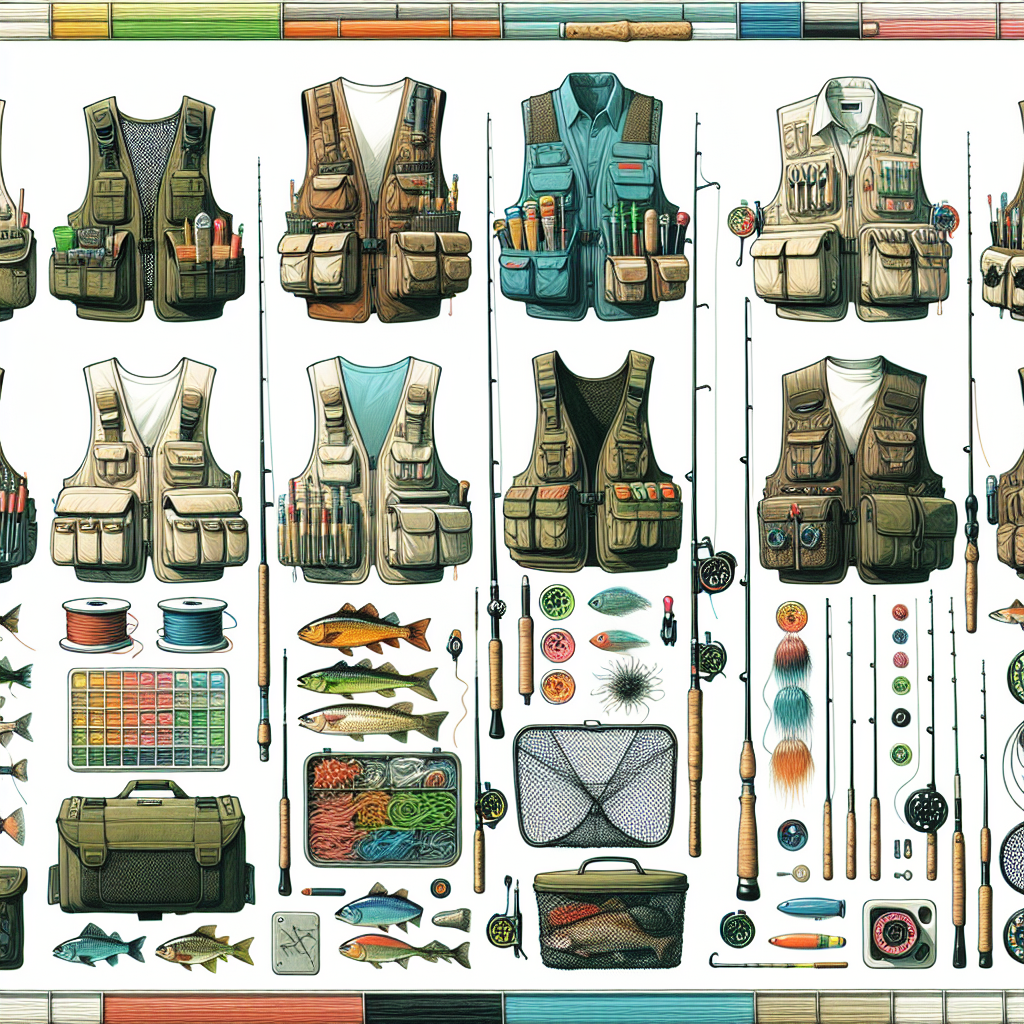
Fly fishing is an exhilarating and rewarding sport that combines the serenity of nature with the thrill of the catch. One of the secrets to a successful and enjoyable fly-fishing experience is organization. Keeping your gear in order ensures you have everything you need at your fingertips, minimizes downtime, and allows you to focus on fishing. But how do you keep all your fly fishing gear—from flies and tippet to pliers and snacks—organized while you’re wading through the water or trekking along riverbanks? The answer lies in fly fishing vests and packs.
Fly fishing vests and packs are essential pieces of equipment designed to help anglers keep their gear organized and accessible. They come in various styles and sizes to fit different needs and preferences, making it easier for you to carry and manage your gear on the water. Whether you’re a seasoned fly fisher or just getting started, understanding the features and benefits of these gear storage solutions can significantly enhance your fishing experience.
In this comprehensive article, we’ll explore the different types of fly fishing vests and packs, the features to look for, how to choose the right one for your needs, and tips for organizing your gear effectively. Let’s dive in and discover the essentials of keeping your fly fishing gear organized.
Types of Fly Fishing Vests
Fly fishing vests have been the traditional choice for anglers for many years. They are designed to be worn over your clothing and usually feature a plethora of pockets and compartments to store all the necessary gear. There are several types of fly fishing vests, including classic vests, modern vests, and hybrid vests.
Classic Vests: These vests are reminiscent of the early days of fly fishing and are typically made from durable, breathable materials like cotton or canvas. They feature numerous pockets of varying sizes on the front, sides, and back, allowing you to distribute your gear evenly. Classic vests are simple yet functional, making them a popular choice among traditionalists.
Modern Vests: Modern fly fishing vests have evolved to include advanced materials, ergonomic designs, and innovative features. These vests often incorporate lightweight, breathable, and quick-drying fabrics, as well as padded shoulder straps for added comfort. Many modern vests also include hydration bladder compatibility and additional attachment points for accessories, providing enhanced functionality.
Hybrid Vests: Combining elements of vests and packs, hybrid vests offer the best of both worlds. They typically feature the pocket organization of a vest with the load-carrying capabilities of a backpack. Hybrid vests often include adjustable waist and shoulder straps, making them versatile and comfortable for various fishing conditions.

Types of Fly Fishing Packs
While vests remain popular, many anglers increasingly prefer fly fishing packs for their versatility and modern designs. There are several types of fly fishing packs, each catering to different needs and preferences: chest packs, sling packs, waist packs, and backpacks.
Chest Packs: Chest packs are compact and worn on the front of your body, providing easy access to your gear without the bulk of a vest. They often feature a spacious main compartment, additional pockets, and attachment points for tools and accessories. Chest packs are ideal for minimalist anglers who prefer to carry only essential gear.
Sling Packs: Sling packs are designed to be worn diagonally across your back and chest, allowing you to pivot the pack around to access your gear. These packs offer a balance of storage space and accessibility, making them a popular choice among anglers. The single-strap design provides freedom of movement and can be easily adjusted for comfort.
Waist Packs: Also known as fanny packs or hip packs, waist packs are worn around your waist, keeping your gear within arm’s reach without weighing down your shoulders. They typically feature multiple compartments and attachment points for additional accessories. Waist packs are great for anglers who prefer a lower-profile storage solution that doesn’t interfere with their casting.
Backpacks: For anglers who need to carry more gear or embark on longer fishing expeditions, backpacks offer ample storage space and versatility. Fly fishing backpacks often include multiple compartments, hydration bladder compatibility, and comfortable straps for extended wear. Some models even incorporate removable chest or waist packs for added convenience.
Choosing the Right Fly Fishing Vest or Pack
With so many options available, choosing the right fly fishing vest or pack can be overwhelming. Here are some key considerations to help you make the best choice for your needs:
Storage Capacity: Consider how much gear you typically bring on your fishing trips and choose a vest or pack with adequate storage space. Think about the types of pockets and compartments available and whether they can accommodate your gear.
Comfort and Fit: Comfort is crucial when selecting a vest or pack, as you’ll be wearing it for extended periods. Look for adjustable straps, padding, and ergonomic designs that distribute weight evenly. Try on different models to ensure a proper fit before making a purchase.
Durability and Materials: Fly fishing often involves exposure to water, sun, and various environmental conditions. Choose a vest or pack made from durable, weather-resistant materials that can withstand the elements. Consider features like reinforced stitching and high-quality zippers for added durability.
Accessibility: The ease of accessing your gear is an important factor. Look for designs that allow you to reach your gear quickly and efficiently, such as strategically placed pockets and attachment points.
Special Features: Some vests and packs come with additional features like hydration bladder compatibility, built-in tippet dispensers, and D-rings for attaching tools. Consider which features are essential for your fishing style and prioritize models that offer them.
Organizing Your Gear
Once you’ve chosen the right vest or pack, the next step is to organize your gear effectively. Here are some tips to help you keep everything in order:
Prioritize Essential Gear: Identify the gear you use most frequently and ensure it’s easily accessible. Items like flies, leaders, tippet, and hemostats should be within arm’s reach to minimize downtime.
Use Pockets Strategically: Take advantage of the various pockets and compartments in your vest or pack to organize your gear. Group similar items together and store them in pockets suited to their size and shape.
Keep Tools Handy: Tools like pliers, nippers, and knot-tying devices should be attached to retractable zingers or lanyards and placed in designated attachment points for easy access.
Utilize Tippet Holders: Many vests and packs come with built-in tippet holders or loops. Use these to keep your tippet spools organized and prevent tangling.
Hydration and Snacks: If you’re going to be out on the water for an extended period, make sure you have water and snacks easily accessible. Some vests and packs include dedicated hydration pockets, or you can use a bladder system.
Maintenance and Care
Proper maintenance and care of your fly fishing vest or pack are essential to ensure its longevity and performance. Here are some tips to keep your gear in top condition:
Cleaning: After each fishing trip, clean your vest or pack thoroughly. Remove all gear and debris, and wash the vest or pack according to the manufacturer’s instructions. Use mild detergent and cold water to preserve the fabric’s integrity.
Drying: Allow your vest or pack to air dry completely before storing it. Avoid direct sunlight or high heat sources, as these can damage the fabric and reduce its lifespan.
Inspecting: Regularly inspect your vest or pack for signs of wear and tear, such as frayed stitching, damaged zippers, or torn fabric. Address any issues promptly to prevent further damage and extend the life of your gear.
Storage: Store your vest or pack in a cool, dry place when not in use. Avoid leaving it in damp or humid environments, as this can lead to mold and mildew growth.
Usage: Rotate between different vests or packs if you have multiple options. This helps distribute wear and tear across your gear, ensuring longer-lasting performance.
Conclusion
Fly fishing vests and packs are indispensable tools for keeping your gear organized and accessible during your fishing adventures. Whether you prefer the traditional design of a vest or the modern versatility of a pack, there are options available to suit every angler’s needs. By considering factors like storage capacity, comfort, durability, accessibility, and special features, you can select the perfect vest or pack to enhance your fly fishing experience.
Remember, the key to successful fly fishing is organization and preparation. By investing in a high-quality vest or pack and taking the time to organize your gear effectively, you’ll be well-equipped for a productive and enjoyable day on the water. Proper maintenance and care of your gear will also ensure its longevity and reliable performance, allowing you to focus on what matters most – catching fish and enjoying the great outdoors.
So, whether you’re a seasoned fly fisher or just starting out, take the time to explore different vests and packs, consider your specific needs, and make an informed decision. With the right gear and a well-organized system, you’ll be ready to tackle any fishing challenge that comes your way. Happy fishing!