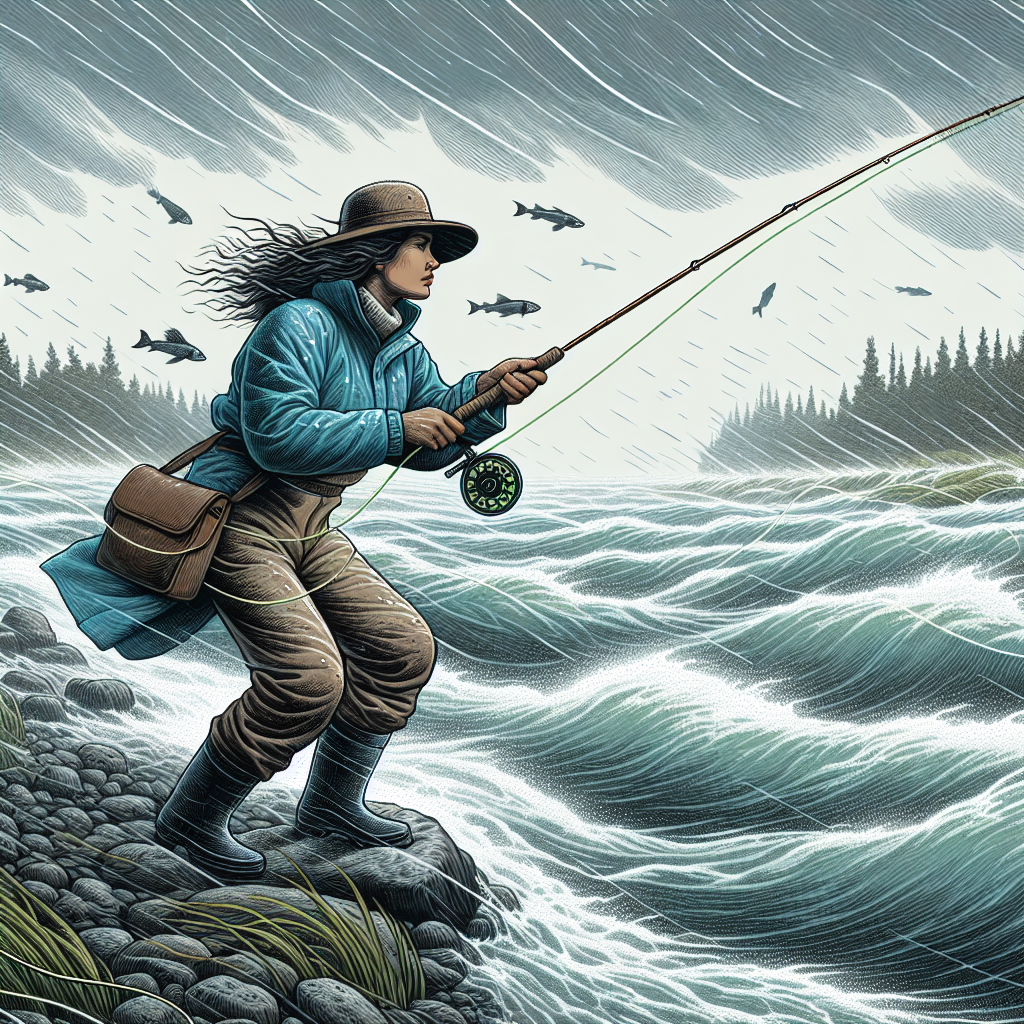
Welcome to our comprehensive guide on fly fishing in windy conditions. Whether you’re an enthusiastic beginner or a seasoned angler looking to hone your skills, this article will equip you with the knowledge and techniques necessary to tackle even the most challenging windy days on the water. So, grab your gear and let’s dive into the basics and beyond of fly fishing in blustery conditions.
Introduction
As any fly angler will tell you, wind can be both a friend and a foe in the world of fly fishing. While it can help with covering more water and creating movement in your flies, it can also present numerous challenges that make casting and presentation a bit tricky. Understanding how to navigate these windy conditions can make all the difference in your fishing experience.
The first step in mastering windy-day fly fishing is recognizing the specific challenges that wind brings. Strong gusts can affect your casting accuracy, make line control more difficult, and even spook the fish. However, with the right techniques, tools, and a bit of patience, you can turn these tough conditions into opportunities for a successful outing.
In this article, we’ll explore several key strategies for fly fishing in the wind. From understanding the gear that performs best in such conditions, to mastering the right casting technique, to fishing smartly in various seasons – we’ve got it all covered. So let’s get started on our journey to becoming a windy-day fly fishing pro.
Choosing the Right Gear
Your choice of gear can significantly impact your fly fishing success on windy days. One of the most important aspects to consider is your rod. Opt for a fast-action rod, which provides the stiffness needed to cut through the wind more effectively. Fast action rods make it easier to generate higher line speeds, crucial for maintaining accuracy and distance in windy conditions.
The line weight you choose also plays a crucial role. A heavier line, such as a weight-forward line, will have more mass in the forward section to help punch through the wind. Another useful gear tip is to use a shorter leader. The shorter leader reduces the impact of wind on your casting and improves your control over the line and fly placement.
Don’t forget about your flies. Heavier, more aerodynamic flies can be cast further and with greater accuracy in the wind compared to lighter, bulkier patterns. Consider weighted nymphs or streamers, which can cut through the wind better than dry flies or lightly weighted patterns.
Lastly, ensure that you’re wearing the right apparel. Windproof and water-resistant clothing can make a huge difference in staying comfortable and focused, especially on particularly blustery days. Sunglasses with polarization can also aid in spotting fish while cutting through the sun’s glare, which might be even more pronounced on a windy day due to water reflections.
Mastering the Casting Technique
One of the greatest challenges when fly fishing in windy conditions is maintaining a consistent and accurate cast. A few specialized casting techniques can help you counteract the wind and land your fly exactly where you want it.
First, focus on your stance and grip. A firm but flexible stance with your feet shoulder-width apart provides stability. Keep a relaxed grip on the rod to maintain control without tension.
Next, consider the double haul technique. This advanced casting method involves pulling on the line with your non-rod-hand during both the forward and backward strokes, thus doubling the line speed and giving your cast the power to cut through the wind.
If you’re not yet comfortable with the double haul, another effective approach is to use sidearm casting. By lowering your casting angle closer to the water, you minimize the line’s exposure to the wind, giving you more control and accuracy. This technique is especially useful when dealing with crosswinds.
Be sure to always cast tighter loops. Tight loops are less susceptible to wind interference and provide a more direct and forceful cast. Keep your hand movements smooth and the rod path straight and narrow to achieve these tighter loops.
Lastly, practice, practice, practice. Spend time casting in various windy conditions to get a feel for how different techniques affect your line and fly. Over time, you’ll develop the muscle memory and confidence needed to handle windy days with ease.
Selecting the Right Fishing Spots
Knowing where to fish on windy days can make a significant difference. Wind direction and speed can greatly influence fish behavior and the areas where they’re likely to be found.
On windy days, fish often seek out sheltered areas where the effects of wind are minimized. Look for structures such as rocks, logs, or vegetation that can provide calm pockets of water amidst the waves. These areas often hold fish, as they provide both protection from the wind and easier access to food.
Don’t overlook the windward side of a lake or river. While it may seem counterintuitive, fish may be more active and feeding in these areas because the wind can concentrate food and oxygenate the water. Focus on casting into the windward side, where the waves are breaking and mixing up the food supply.
Additionally, consider fishing the deeper parts of the water body. Wind can create surface turbulence that drives fish to seek deeper, more stable conditions. Adjust your approach by adding weight to your rig or using sinking lines to reach these deeper areas.
Lastly, be adaptable. Conditions can change rapidly, so be prepared to move and adjust your strategy as the wind shifts. By staying observant and flexible, you’ll increase your chances of finding productive fishing spots even in the breeziest of conditions.
Understanding Seasonal Variations
Wind affects fly fishing differently depending on the season, and adjusting your approach accordingly can enhance your success throughout the year.
In the spring, windy conditions can stir up insect activity, leading to excellent fishing opportunities as fish take advantage of the increased food supply. Focus on using flies that mimic the local insect hatch, and pay close attention to the windward shores where food is often blown in by the gusts.
During the summer, wind can help cool the water surface, making fish more active in shallower areas. Early mornings and late evenings can be particularly productive, as the wind tends to be calmer during these times of day. Use lightweight, floating lines and consider terrestrials like ants and grasshoppers, which are often blown into the water.
In the fall, the wind can bring cooler temperatures and changes in fish behavior. Fish often move to deeper waters, making them harder to reach. Use sinking lines and weighted flies to present your offerings at the proper depth, and look for areas protected from direct wind where fish might congregate.
Winter can be the most challenging season for fly fishing in the wind. Fish are generally less active and more difficult to locate. On windy days, focus on the warmest parts of the day and fish slower and deeper. Small nymphs and streamers can be particularly effective, as fish are more likely to go after an easy meal.
By understanding how wind interacts with each season’s unique conditions, you can tailor your fly fishing strategies to make the most of every outing, regardless of the time of year.
Improving Your Observation Skills
One often-overlooked aspect of fly fishing is the power of keen observation. On windy days, your ability to read the water and the environment becomes even more crucial to locating fish and making successful casts.
Take the time to watch the water closely. Observe how the wind is interacting with the surface and look for subtle clues. For example, wind lines or foam streaks on the water’s surface often indicate areas where food is being concentrated, attracting fish.
Pay attention to how insects are behaving. Wind can dislodge terrestrial insects from vegetation, causing them to fall into the water. Watch for these occurrences and take advantage by matching the hatch with your fly selection.
Bird activity can also be a telling sign. Birds often rely on fish to push bait to the surface, so observing bird behavior can help you locate feeding fish. When you see birds diving, it’s a good indication that fish are actively feeding in that area.
Additionally, listen to the water. Wind can amplify or mask certain sounds, so tuning in to natural auditory cues can provide valuable information about fish activity and positioning. Sounds of splashing or subtle disturbances can guide you to active fish zones.
By sharpening your observational skills, you’ll be better equipped to adapt to windy conditions, ensuring your fly fishing efforts are strategic and effective.
Conclusion
Fly fishing in windy conditions may seem daunting, but with the right knowledge and techniques, you can turn challenging days into rewarding experiences. By choosing the appropriate gear, perfecting your casting techniques, selecting the right fishing spots, understanding seasonal variations, and honing your observation skills, you’ll be well-prepared to tackle the wind and find success on the water.
Remember that persistence and adaptability are key. Windy days often require a bit more effort and patience, but the rewards of mastering these conditions are well worth it. Each outing in the wind is an opportunity to learn and grow as an angler, developing skills that will serve you well in all your fly fishing adventures.
So the next time you’re greeted with gusty conditions, embrace the challenge, put these techniques into practice, and enjoy the thrill of fly fishing in the wind. Happy fishing!