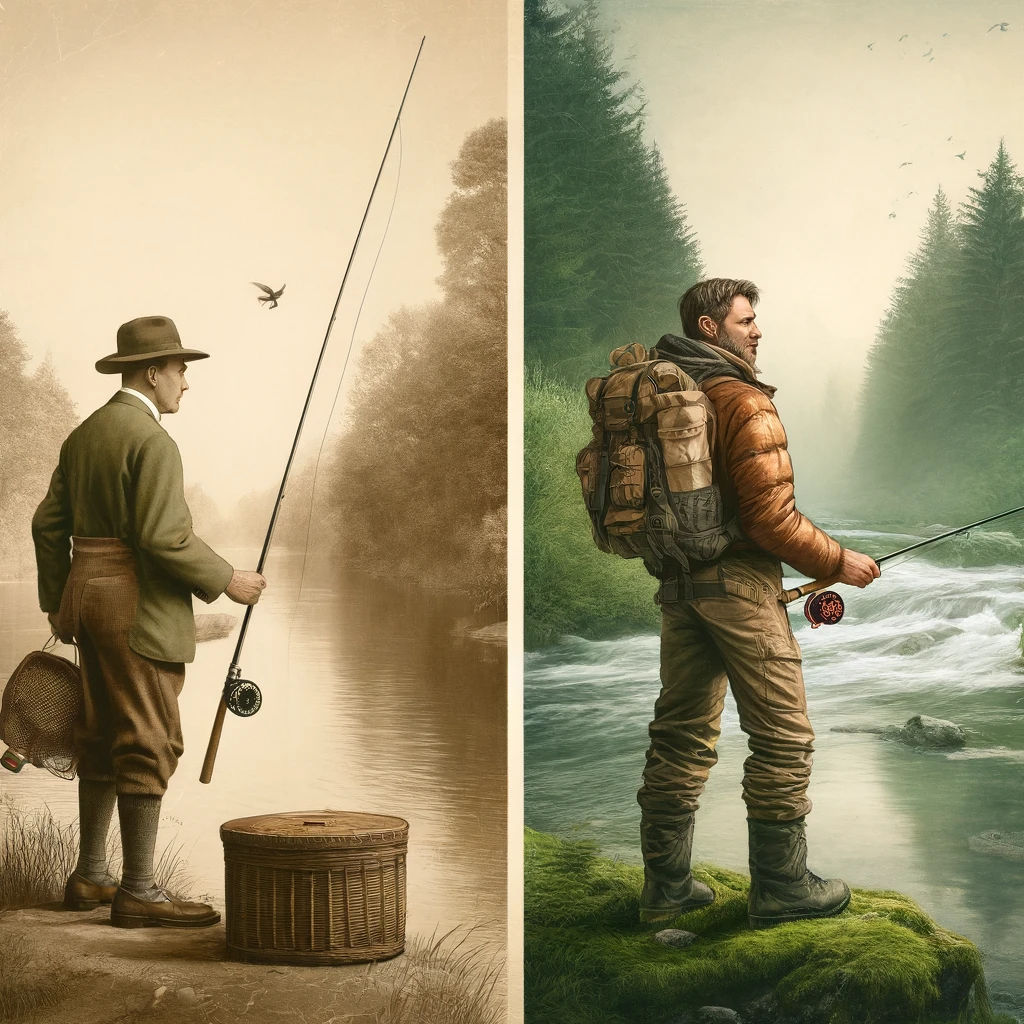
Fly fishing is a captivating pastime, a serene yet thrilling way to connect deeply with nature. Among fly fishing enthusiasts, understanding the cycles of natural insect hatches, matching these hatches to your artificial lures, and adapting them according to the seasons is considered an essential skill. Welcome to our comprehensive guide on understanding seasonal hatches and how you can maximize your fly fishing success by learning to “match the hatch” year-round.
Introduction: The Importance of Hatches in Fly Fishing
Few things are as satisfying as the synergy between an angler and the natural rhythms of the ecosystem. Fly fishing is all about mimicry—pretending your artificial fly is an irresistible snack. To do this effectively, you need to understand the life cycles of insects that fish commonly feed on, known as hatches. Fish are selective feeders, and knowing which insects are hatching can significantly elevate your performance on the water.
Each season brings its unique set of circumstances, and no two days on the water are identical. From the cold, nutrient-rich waters of early spring to the warm, sediment-heavy rivers of summer, hatching patterns and fish feeding behaviors shift dramatically. Understanding these seasonal changes can spell the difference between a full creel and a frustrating day on the river.
In this article, we’ll explore the intricacies of seasonal hatches, why they’re important, how to identify key hatches year-round, and how to match them to your flies effectively. We’ll break down each season, providing insights into the types of insects you should be aware of and offering tips for successful fly fishing no matter the time of year.
Ready to hone your skills and deepen your understanding of this fascinating art? Let’s dive in.
Spring: A Welcome Thaw and New Beginnings
Spring marks the beginning of renewal in the aquatic ecosystem. After months of cold and slow metabolic rates, fish become more active as water temperatures inch upward. Insects start hatching prolifically, and this period sets the stage for some of the most exciting fly fishing of the year.
Key insects to watch out for in spring include midges, Blue-Winged Olives (BWOs), and Caddisflies. Midges usually hatch first, thriving in colder water conditions. Subsequently, BWOs make their appearance, and by late spring, Caddisflies join the list.
Try fishing during late morning to early afternoon, when the sun has had some time to warm the water. Use smaller flies early in the season to mimic midges and BWOs. Look for rising fish and pay attention to smooth, slow-moving water where fish are likely to feed more selectively on the surface.
As spring progresses, start incorporating Caddisfly patterns into your arsenal. These insects are abundant and make for an excellent sight-fishing opportunity as they skitter across the water’s surface, enticing ferocious strikes from hungry fish. Spring is a period of high activity, and adaptability is key.
Summer: The Height of Activity
The summer months bring a combination of warm weather, longer days, and an abundance of insects. However, increased water temperatures can also reduce oxygen levels, making fish more selective and feeding primarily during the cooler parts of the day—early morning and late evening.
In summer, you’ll encounter Mayflies, Stoneflies, and Terrestrial insects like ants, beetles, and grasshoppers. Mayflies and Stoneflies are staple hatches in many rivers, but recognizing the timing of these hatches is crucial. Mayflies often hatch in the late afternoons, while Stoneflies are known for their emergence during twilight hours.
Terrestrial insects become a significant food source as they get blown or fall into the water. Fishing with ant, beetle, and grasshopper patterns can be incredibly productive, especially during the middle of the day when aquatic insect activity declines.
Pay particular attention to water temperature during the summer. Look for shaded areas or deeper pools where fish are likely to rest during the heat of midday. Don’t hesitate to use larger flies to capitalize on the summer’s insect abundance. Timing, location, and adaptation are your allies.
Fall: The Season of Transitions
As temperatures cool, water levels stabilize, and a new round of hatches begins, fall offers fly fishers a diverse and rewarding season. Fish sense the oncoming winter and start packing on weight in preparation for the colder months.
During fall, BWOs make another significant appearance, along with Mahogany Duns and October Caddis. Fall’s cooler water temperatures extend favorable conditions for fishing throughout the day. The BWOs often hatch during overcast days, and Mahogany Duns can be found hatching in the afternoons.
The emergence of October Caddis, one of the largest caddisflies, is a hallmark of fall. These insects offer substantial meals for fish, making them willing to expend energy catching these nutritious snacks. Using large caddisfly patterns can lead to explosive strikes and exhilarating fishing experiences.
Fish become bolder and more aggressive during fall, chasing after larger prey items. This period is characterized by significant feeding windows spread throughout the day, offering ample opportunities to match the hatch and land those trophy fish. Seasonal changes urge both fish and anglers to adapt continually.
Winter: The Quiet Persistence
Winter presents unique challenges and opportunities for the dedicated fly fisher. Cold water temperatures slow fish metabolism, and many anglers hang up their gear. But those who brave the elements can find undiscovered solitude and some of the most rewarding fishing of the year.
Midges and Winter Stoneflies are the prevalent insect hatches during the colder months. Midges remain small, making detailed, precise imitation and delicate presentations crucial. Fish become particularly finicky during winter, focusing on conserving energy.
Patience and persistence are vital. Identify deeper, slower water sections, often where fish rest during winter. Fish slowly and deliberately with small, midge patterns. Concentrate on the middle part of the day when water temperatures are slightly warmer, increasing fish activity.
Winter Stoneflies add another dimension to your winter fishing strategies. These insects also emerge during the warmer parts of the day. Using nymphing techniques effectively can greatly improve your chances, making sure you match the smaller, winter-specific hatches accurately.
Year-Round Tips: Observations and Adaptations
While understanding seasonal hatches forms the foundation of successful fly fishing, there are year-round strategies every angler should adopt to optimize their performance on the water.
First, always observe your surroundings—spend some time watching the water before casting. Look for telltale signs of insect activity, like rising fish, bubbling water, or insects in the air. Staying observant helps you identify active hatches and pinpoint the right flies to use.
Second, adapt your tactics according to conditions. Whether it’s adjusting the size and color of your flies based on the specific hatch or changing your fishing techniques to match fish behavior, being flexible is crucial. Understand that no two days are the same and adopt a trial-and-error approach as necessary.
Third, keep an organized fly box with a variety of patterns representing different stages of insect life cycles. From nymphs, emergers, duns, to spinners, having an array of options ensures you’re ready to adapt quickly to changing hatches.
Lastly, record your observations. Keeping a journal of hatch patterns, fishing conditions, and successful fly patterns throughout the year will provide a valuable resource, enhancing your understanding over time and preparing you for future outings.
Conclusion: Mastering the Art of Matching the Hatch
Understanding and matching the seasonal hatches is a lifelong journey filled with constant learning and adaptation. The satisfaction that comes from a perfectly executed cast, a precisely matched fly, and the resultant strike is a testament to the dedication and passion invested in the sport.
Every season offers its unique challenges and rewards, from the awakening of insect life in spring to the tranquil persistence required during winter months. By developing a keen eye for detail, continuously learning, and staying adaptable, you can maximize your time on the water and achieve great success in fly fishing.
Remember, the journey is as important as the catch. Taking the time to immerse yourself in nature, understand the ecosystem, and appreciate the rhythms of the river will make you a more proficient and fulfilled angler.
Use the tips and insights shared in this guide to improve your fly fishing experience year-round. Embrace the seasons, observe the hatches, and enjoy the journey of matching the hatch.