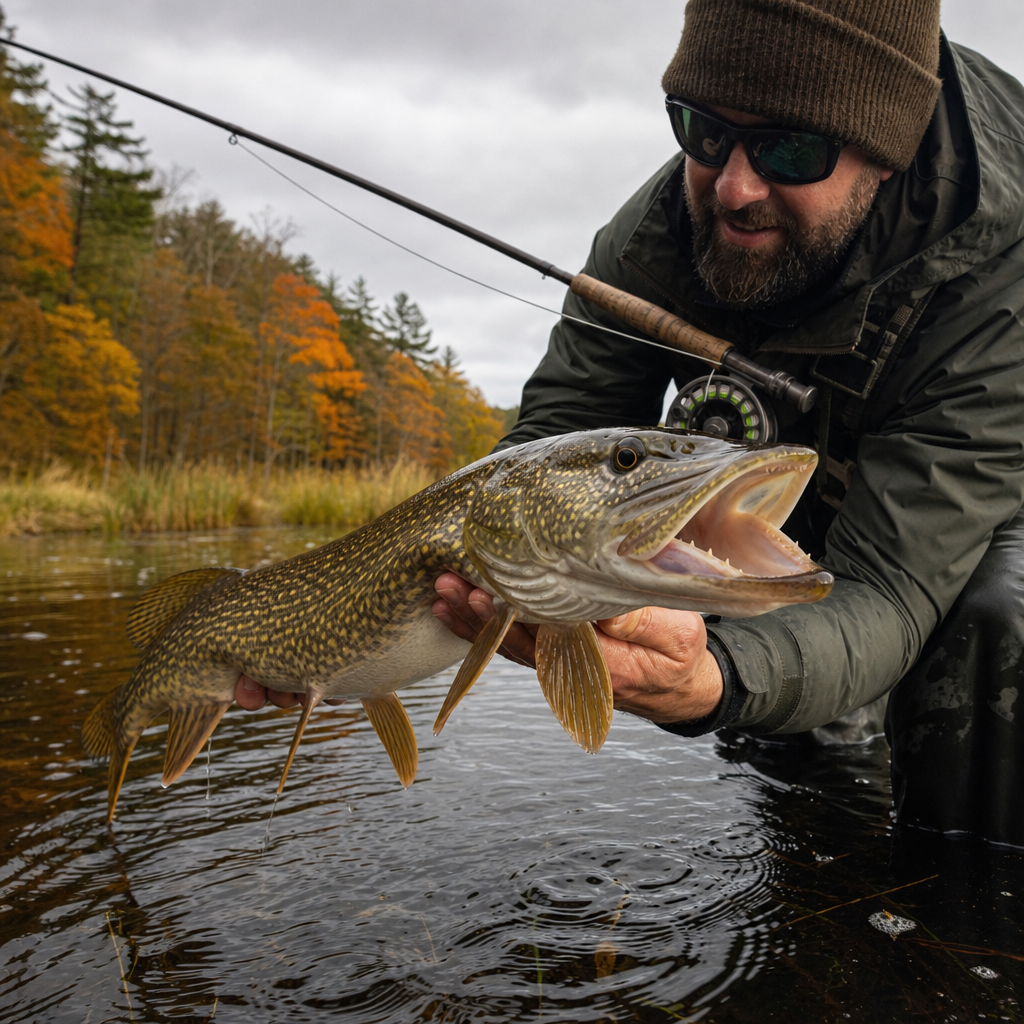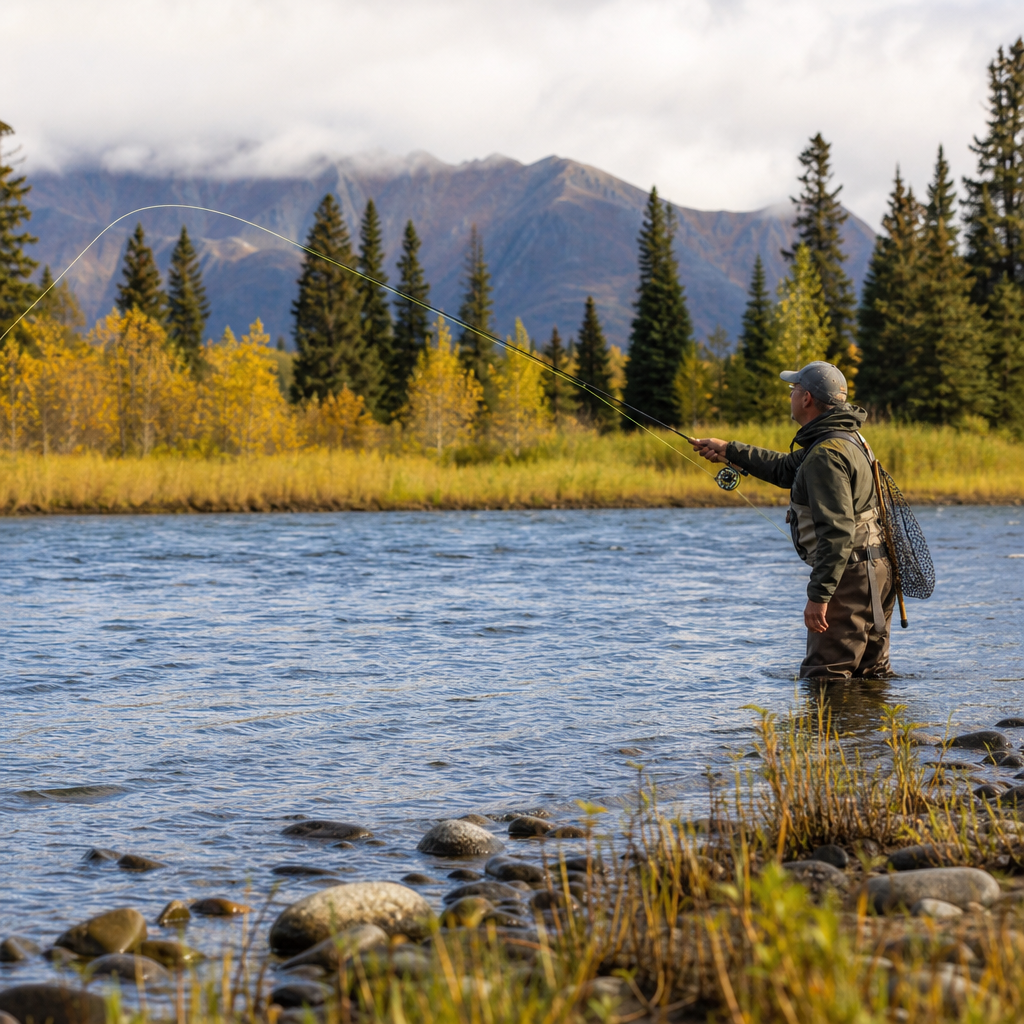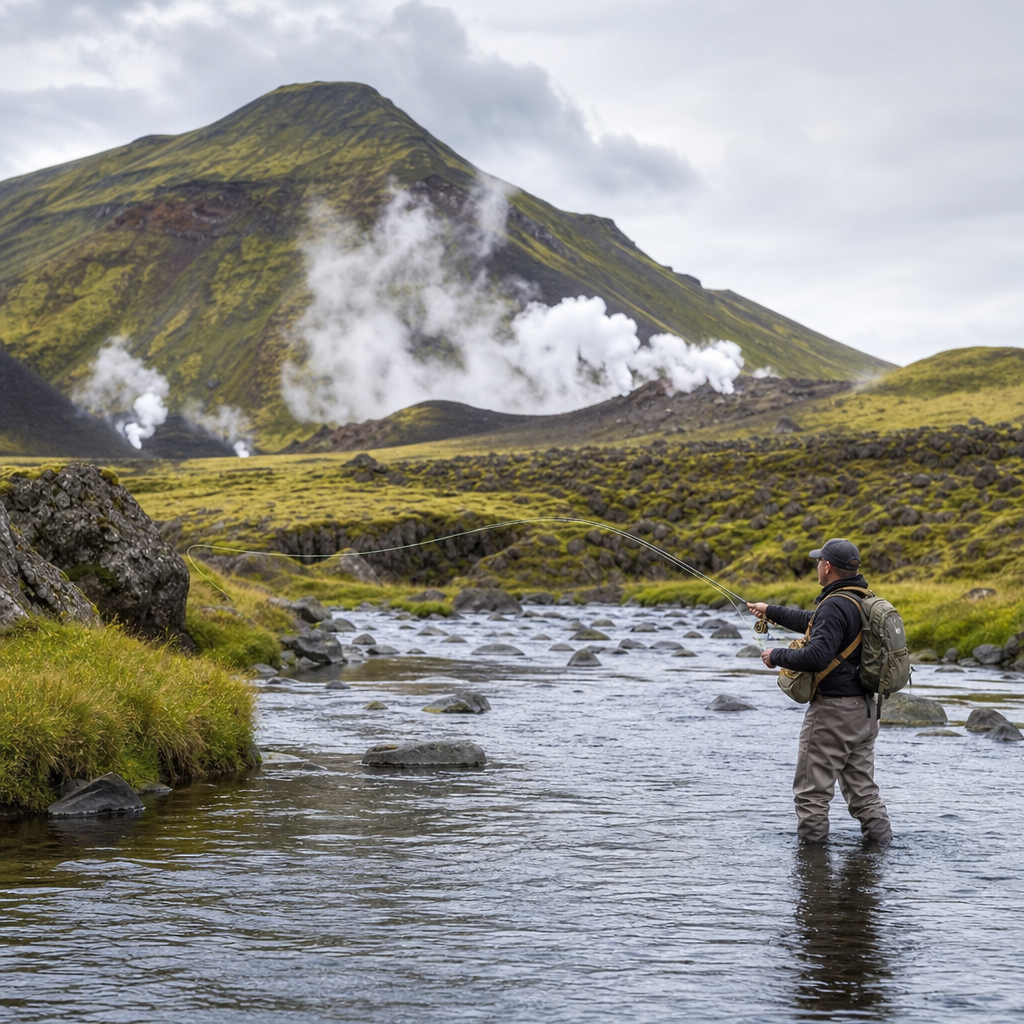
Fly fishing in volcanic areas demands a different playbook than river fishing in more stable geology, because volcanic landscapes shape water chemistry, stream structure, insect life, access, and even daily safety decisions. In practical terms, volcanic areas include rivers, spring creeks, crater lakes, caldera drainages, geothermal tributaries, and ash-influenced watersheds formed by lava flows, pumice deposits, hot springs, and mineral-rich soils. Anglers are often drawn to these places for clear spring-fed currents, dramatic scenery, strong trout populations, and long, cold-season productivity, yet the same forces that create exceptional fisheries also create unusual hazards and highly localized conditions. I have found that success in these systems comes less from one magic fly than from reading how geology controls temperature, clarity, oxygen, and food. That is why fly fishing in volcanic areas matters as a distinct skill set within seasonal and condition-based angling. A freestone river after rain behaves differently when its banks are built from ash and fractured basalt. A lake fed by geothermal seepage can hold active fish when nearby waters stall. Even wading changes when your footing alternates between slick obsidian cobble, porous lava shelves, and unstable pumice flats. This hub article covers the special conditions anglers need to understand: water chemistry, fish behavior, hatch patterns, gear choices, presentation adjustments, safety, and trip planning. It is designed as the central starting point for deeper articles on geothermal creeks, spring systems, ash-stained runoff, crater lakes, high-desert volcanic rivers, and post-storm tactics. If you want to catch more fish and make better decisions in these landscapes, begin by treating the volcano not as scenery, but as the main driver of the fishery.
How volcanic geology changes water and fish behavior
Volcanic terrain affects fisheries through permeability, mineral content, and heat flow. Basalt and fractured lava often allow groundwater to move efficiently underground, which is why many volcanic regions produce stable spring creeks with steady temperatures and reliable winter flows. In places like Idaho’s Henry’s Fork watershed, Oregon’s Upper Deschutes, and parts of New Zealand’s central plateau, groundwater buffering reduces sudden temperature swings and can extend insect activity across shoulder seasons. Fish in these systems often hold in classic spring-creek lies: weed edges, undercut banks, soft seams, and subtle depressions rather than obvious pocket water.
Not all volcanic water is stable and clear. Ash-rich soils and pumice slopes can release fine sediment after rain, turning side channels gray or tea-colored while main stems remain fishable. Mineral inputs may also change pH and conductivity. Most trout tolerate moderate mineralization well, but productivity shifts with nutrient levels, aquatic vegetation, and dissolved oxygen. Geothermal influence can raise local temperatures enough to increase winter feeding, yet the same effect may stress trout in summer if warm inflows dominate low-volume channels. The lesson is direct: do not generalize from one reach to the next. In volcanic areas, fishable conditions can change within a mile because one spring source, lava constriction, or hot seep rewrites the habitat.
Reading special conditions on volcanic rivers, lakes, and spring systems
The fastest way to improve fly fishing in volcanic areas is learning to diagnose the specific condition in front of you. Start with three questions: What is driving flow, what is driving temperature, and what is driving clarity? Snowmelt-fed volcanic rivers may fish like classic freestones in spring, but become groundwater-dominant later in summer. Crater lakes may stratify strongly, pushing trout toward inflow shelves, shoals, or drop-offs where oxygen and forage intersect. Spring creeks in lava country can look gentle while hiding complex crosscurrents created by weed growth and porous banks.
Watch for visual clues. Bright green aquatic weeds usually signal steady flow and stable fertility. Orange, white, or sulfur-stained margins may indicate geothermal influence; these areas can hold fish in cold weather, but they require caution because soft ground and hot seeps are real hazards. After storms, volcanic rivers often clear unevenly. I routinely check tributary mouths, spring inflows, and side braids because trout stack where cleaner water meets sedimented flow. In lakes, pumice rafts, wind lanes, and submerged lava points concentrate food and cruising fish. Special conditions reward anglers who move, observe, and reassess every hour instead of locking into a rigid plan.
Best fly patterns and presentation strategies for volcanic fisheries
Matching the food base matters more than matching a romantic image of the landscape. Many volcanic spring systems are rich in midges, Baetis, scuds, sowbugs, leeches, and small mayflies. Geothermal creeks can produce winter chironomid and midge activity when nearby waters are dormant. Lakes in volcanic basins often support damselflies, callibaetis, chironomids, leeches, and baitfish around lava structure. Productive fly selection usually starts small and natural, then scales up only when wind, stain, or aggressive fish justify it.
Presentation must fit the current type. On spring creeks, long leaders, controlled slack, and accurate first drifts outproduce repeated false casts. On basalt pocket water, short-line nymphing with tight contact shines because trout sit in oxygenated cushions behind angular rocks. In crater lakes, intermediate lines and slow figure-eight retrieves cover depth more consistently than floating lines during bright afternoons. If ash or glacial-gray tint reduces visibility, use stronger silhouettes such as black leeches, dark stoneflies, or perdigons with hot spots, but keep profiles modest. Trout in mineral-clear water often reject oversized patterns long before they reject imperfect colors.
| Condition | Where Fish Hold | Effective Flies | Best Presentation |
|---|---|---|---|
| Cold spring creek | Weed edges, undercuts, slow seams | Midges, Baetis nymphs, scuds | Long leader dead drift with minimal drag |
| Geothermal winter inflow | Temperature mixing zones | Chironomids, zebra midges, leeches | Indicator nymphing or slow hand-twist retrieve |
| Ash-stained runoff | Soft edges, tributary confluences | Dark perdigons, worms, streamers | Short drifts close to structure |
| Crater lake shoal | Drop-offs, lava points, wind lanes | Callibaetis nymphs, damsels, buggers | Intermediate line with steady retrieve |
Gear, wading, and rigging adjustments that prevent mistakes
A standard trout setup works in many volcanic fisheries, but small adjustments save fish and prevent avoidable frustration. For most rivers and spring creeks, a 9-foot 4- or 5-weight remains the best all-around tool. In windy caldera lakes, I prefer a 6-weight with an intermediate line and a longer-handled net for shoreline ledges. Carry multiple leader formulas. Spring-creek fish often demand 12- to 15-foot leaders tapering to 5X or 6X, while basalt pocket water and stained runoff are better served by shorter, turnover-friendly leaders ending in 3X or 4X.
Footwear matters more in volcanic areas than many anglers expect. Felt or modern sticky rubber with studs can both work, but the key variable is surface texture. Slick algae-coated basalt is dangerous, while loose pumice can roll underfoot like ball bearings. I use a wading staff more often in lava rivers than in larger tailwaters because footing changes step by step. Polarized lenses in copper or amber help separate weed beds from dark lava shadows. Add a thermometer and conductivity awareness to your kit. A simple stream thermometer often explains the whole day. If one reach is 68 degrees Fahrenheit and a nearby spring branch is 58, your next move is obvious.
Safety and environmental considerations unique to volcanic landscapes
Safety is not a side note when fly fishing in volcanic areas. Geothermal ground can collapse, hot spring margins may be unstable, and volcanic gases can accumulate in low pockets near thermal zones, especially in still conditions. Follow marked closures in parks and protected areas without exception. Never step onto thin crust around thermal water, and keep pets out of these zones entirely. Water temperatures can change abruptly near warm inflows, which affects fish stress and can also surprise wading anglers.
Weather and remoteness add another layer. Many volcanic fisheries sit at elevation where storms build quickly, roads are rough, and cell coverage is weak. Obsidian and broken lava can shred boot soles and inflatable craft. Carry more water than you think you need; black rock reflects heat and accelerates dehydration. Conservation also matters because these systems are often ecologically unusual. Spring creeks in volcanic basins may host sensitive native trout, amphibians, or invertebrate communities. Clean gear to prevent moving invasives, avoid trampling weed beds and redds, and handle trout quickly during warm periods. The best anglers in these places fish with precision, but they also know when to stop.
Planning a successful trip: seasons, timing, and hub topics to explore next
Trip planning for volcanic waters starts with seasonal windows, but the right timing is more nuanced than simply choosing summer. In many volcanic regions, shoulder seasons are outstanding because groundwater stabilizes temperatures and crowds thin out. Early spring can bring active midge and Baetis hatches on spring creeks, while late fall often concentrates trout near warmer inflows and spawning forage zones in lakes. Summer remains productive at higher elevations, but geothermal influence can make low flows risky for trout by afternoon. The smart approach is to fish early, monitor water temperature, and shift to cooler tributaries or lakes when river readings climb.
As the central hub for Special Conditions under Seasons and Conditions, this page should guide your next steps. Explore deeper resources on geothermal creeks, ash and sediment management after storms, crater lake bank tactics, spring-creek leader design, high-desert wind strategy, and safe access around thermal features. The core takeaway is simple: volcanic fisheries reward anglers who connect geology to fish behavior. Read the springs, watch the temperature, expect abrupt local changes, and adapt flies and presentation to the exact water in front of you. Do that consistently, and these dramatic landscapes become far less mysterious and far more productive. Before your next trip, study maps, pack a thermometer, and build a plan around the special conditions instead of fighting them.
Frequently Asked Questions
How is fly fishing in volcanic areas different from fishing more typical freestone or limestone rivers?
Fly fishing in volcanic areas is different because the geology directly influences nearly every fishing variable an angler cares about: water chemistry, clarity, temperature, channel shape, insect life, and fish location. Volcanic watersheds often include lava rock channels, pumice banks, spring-fed reaches, crater lakes, geothermal seepage, and streams enriched with dissolved minerals. That means you may encounter highly stable spring creeks one hour, then fish a cold, boulder-strewn lava drainage or an ash-stained tributary the next. Compared with more predictable freestone systems, volcanic fisheries can show stronger contrasts over short distances.
From a tactical standpoint, fish in volcanic systems often relate to structure created by basalt shelves, fractured lava ledges, undercut pumice banks, and spring inflows. These features concentrate current, oxygen, and food, but they also create unusual holding water that is easy to misread if you are expecting classic riffle-run-pool sequences. In some volcanic rivers, the best lies are not the obvious seams but soft pockets alongside black rock, transition zones below spring entries, or lanes where warm and cold currents mix. In crater lakes and caldera fisheries, wind lanes, drop-offs, submerged lava points, and shoals become just as important as traditional stream features.
Another major difference is the food base. Some volcanic waters are highly fertile because of mineral inputs and steady temperatures, while others are relatively sparse due to low nutrient retention, unstable substrate, or limited aquatic vegetation. As a result, hatch activity can vary widely from one drainage to another. You may find prolific midges, callibaetis, chironomids, caddis, and damselflies in spring-fed or lake environments, while steeper lava streams may produce more opportunistic feeding tied to terrestrials, attractor patterns, or short windows of emergence. Successful anglers learn to treat each volcanic waterbody as its own ecosystem rather than assuming all nearby waters fish the same way.
What fly patterns and presentations work best in volcanic rivers, spring creeks, and crater lakes?
The most effective flies depend on the specific type of volcanic water you are fishing, but a flexible, observation-driven approach usually outperforms rigid pattern selection. In volcanic spring creeks and stable caldera outflows, fish often feed selectively because the water is clear, temperatures are consistent, and insect availability is steady. In those situations, carry refined midge patterns, small mayfly nymphs, caddis pupae, scuds, leeches, and accurate dry fly imitations in natural colors. Long leaders, fine tippet, drag-free drifts, and careful positioning matter more than constantly changing flies.
In steeper lava-lined rivers or pocketwater shaped by basalt flows, presentation usually becomes more important than exact imitation. Fish hold tight to rock edges, current breaks, plunge pools, and depth changes, so high-sticking with beadhead nymphs, jig flies, stonefly patterns, and compact attractors is often productive. Dry-dropper rigs can be especially useful because they let you cover broken current efficiently while still offering a realistic subsurface option. If the system supports larger trout or char, streamer fishing along lava shelves, undercut banks, and drop-offs can be excellent, particularly in low light or during post-spawn baitfish movement in connected lakes and tributaries.
Crater lakes and geothermal stillwaters call for a different toolkit. Balanced leeches, chironomids, callibaetis nymphs, woolly buggers, damsel nymphs, and baitfish streamers are all strong choices depending on season and forage. Focus on shoals, submerged volcanic structure, wind-blown banks, and temperature transition zones. Retrieve speed matters: cold, clear volcanic lakes often reward slow, deliberate presentations, while fish feeding on active bait or emerging insects may respond to more animated strips. In all volcanic settings, matching depth is critical. Even the best pattern will underperform if it is drifting above fish pinned to a thermal seam or below trout cruising a lake shelf.
What should anglers know about water chemistry, temperature, and insect activity in volcanic fisheries?
Water chemistry in volcanic areas can be one of the biggest reasons a fishery behaves differently from nearby non-volcanic streams. Mineral-rich groundwater, hot spring influence, porous lava geology, and pumice-based filtration can all alter pH, conductivity, nutrient levels, and clarity. Some waters emerge remarkably clear and stable because they are heavily spring-fed through volcanic aquifers. Others can be tea-colored, milky, sulfur-tinged, or periodically stained by sediment and ash runoff. Those changes affect both aquatic insects and how trout feed. Clear, stable water often supports consistent invertebrate production and selective fish, while more variable systems may favor opportunistic feeding windows.
Temperature is equally important. Volcanic landscapes often create complex thermal patterns, with cold springs entering warmer rivers, geothermal seeps warming certain reaches, and crater lakes stratifying in ways that shift feeding zones by hour or season. Fish use these microclimates aggressively. In summer, they may concentrate near cold inflows, spring mouths, or deeper oxygen-rich pockets. During colder periods, slightly warmer geothermal influence can increase activity, but anglers need to distinguish fishable warming from genuinely hazardous hot or chemically unsuitable water. A thermometer is one of the most valuable tools you can carry in volcanic country because small temperature differences can explain major changes in trout location and feeding behavior.
Insect activity tends to reflect that same environmental complexity. Stable spring creeks in volcanic terrain can produce dependable midge and mayfly hatches for long periods, while unstable ash-influenced channels may have more sporadic aquatic insect populations and stronger reliance on terrestrials. Lake systems may hinge on chironomids, callibaetis, damselflies, or leeches rather than the classic river hatch calendar. The key is to observe rather than assume. Check rocks, inspect weed beds, watch the surface film, and note where birds are feeding. In volcanic fisheries, the productive food form is often tied to a very specific habitat niche, such as spring runs, marl-like shallows, weed edges, or lava-fracture current seams.
What safety and access issues are unique to fly fishing in volcanic areas?
Safety in volcanic areas deserves more attention than many anglers initially give it. These landscapes can be remote, geologically active, and physically unstable. Loose pumice slopes, brittle lava rock, hidden geothermal channels, scalding seeps, sudden weather shifts, and poorly marked access routes are all real concerns. Even in places that appear calm, the ground near hot springs or thermal outflows may be thin and unsafe. Never assume that a dry crust, mineral shelf, or warm shoreline is solid enough to stand on. Stay on established paths where geothermal activity is present, respect closures, and avoid wading near thermal vents or discolored bubbling inflows.
Wading itself can be unusually hazardous in volcanic rivers. Basalt can be extremely slick, irregular, and sharp, while pumice and ash substrates may collapse underfoot. Standard river-reading skills still apply, but footing is often less predictable than in gravel-bottom systems. A wading staff, studded boots where legal, and conservative crossing decisions are smart investments. In crater lakes or caldera basins, wind can rise quickly and create dangerous conditions for float tubes, pontoon boats, or small craft. Because many volcanic fisheries sit at elevation, anglers should also plan for cold mornings, strong sun, rapid dehydration, and afternoon thunderstorms.
Access can be another challenge. Volcanic drainages may pass through protected parks, tribal lands, research areas, private timber holdings, or habitat restoration zones with specific rules. Some waters are technically accessible but require long hikes over rough lava fields or through burn scars. Before you go, confirm land status, seasonal closures, fire restrictions, and whether felt soles, watercraft, or certain wading zones are prohibited. Cell coverage is often unreliable, so downloaded maps, a paper backup, and a simple emergency plan matter. In short, fish these places with the mindset of a backcountry traveler, not just a day angler.
What are the best overall strategies for finding and catching trout in volcanic landscapes?
The best overall strategy is to think in terms of transitions. Volcanic fisheries often reward anglers who target boundaries: cold spring water entering a river, a lava shelf dropping into depth, a pumice flat giving way to a weed edge, or a geothermal tributary altering current speed and temperature. Fish use these transition zones because they combine food, cover, and comfortable conditions. Instead of covering water randomly, identify where geology changes the habitat and fish those spots carefully. In rivers, that may mean probing side channels, basalt pocketwater, and spring-influenced tailouts. In lakes, it often means focusing on shoals, submerged points, drop-offs, and wind-driven food lanes.
Stealth and adaptation are also essential. Many volcanic waters are exceptionally clear, and dark rock backgrounds can make fish feel secure while making anglers more visible than they realize. Approach low, keep false casts to a minimum, and pay attention to light angle. If fish are not responding, do not just swap flies endlessly. Change depth, angle, drift speed, and location relative to thermal inputs or structure. Volcanic systems can be