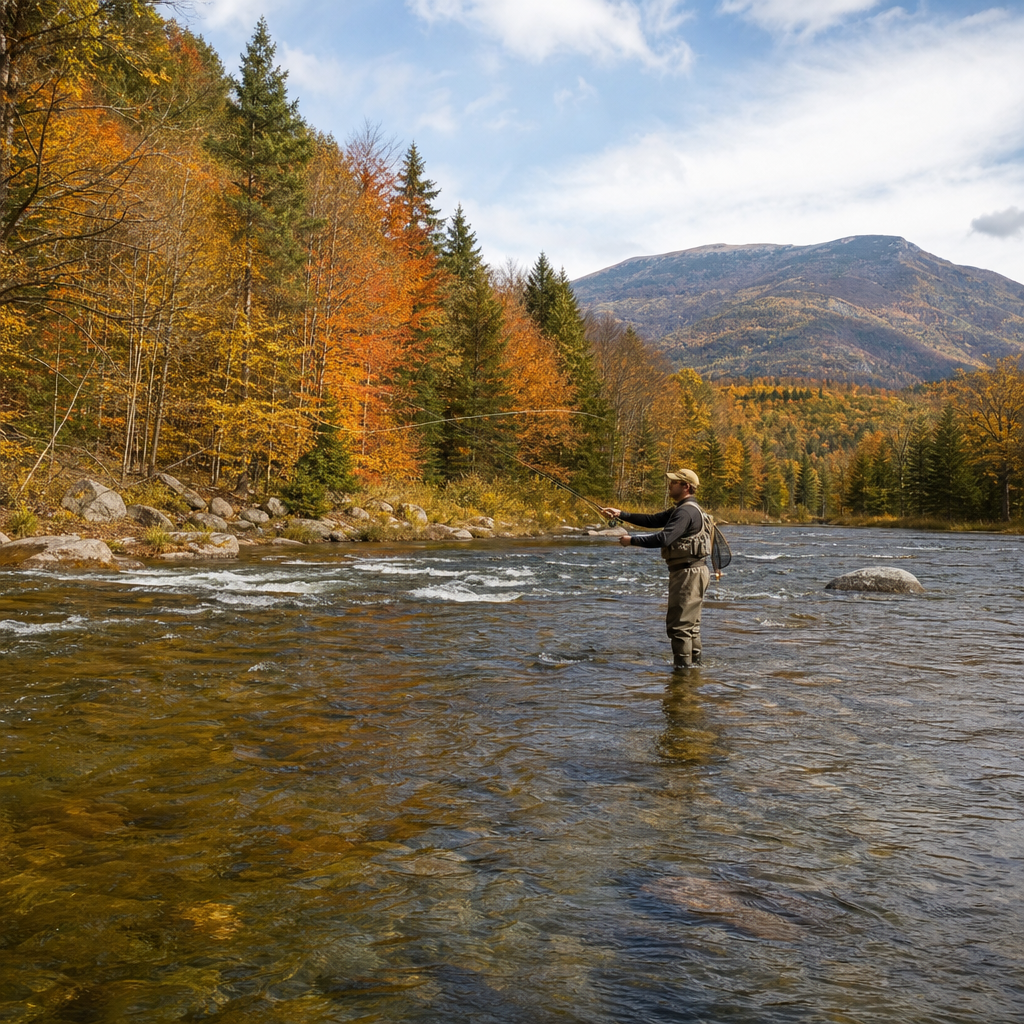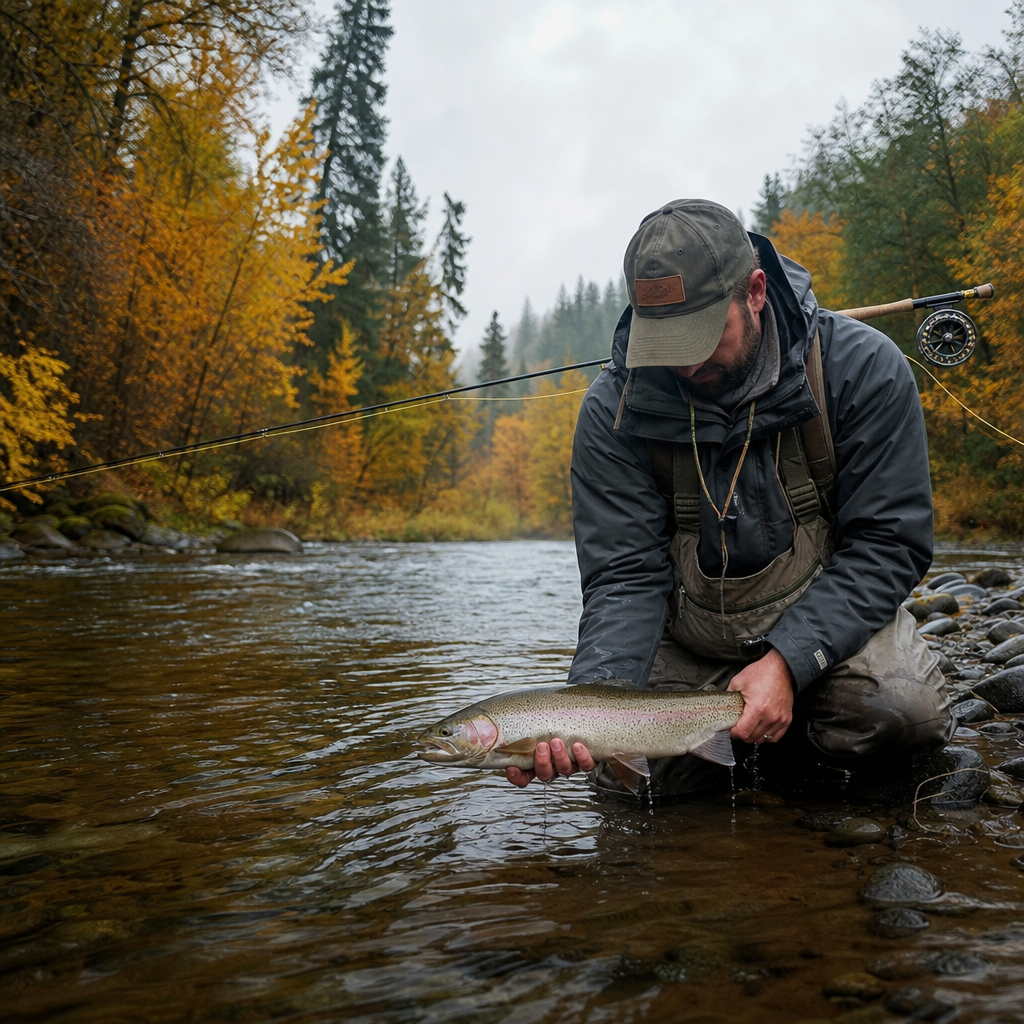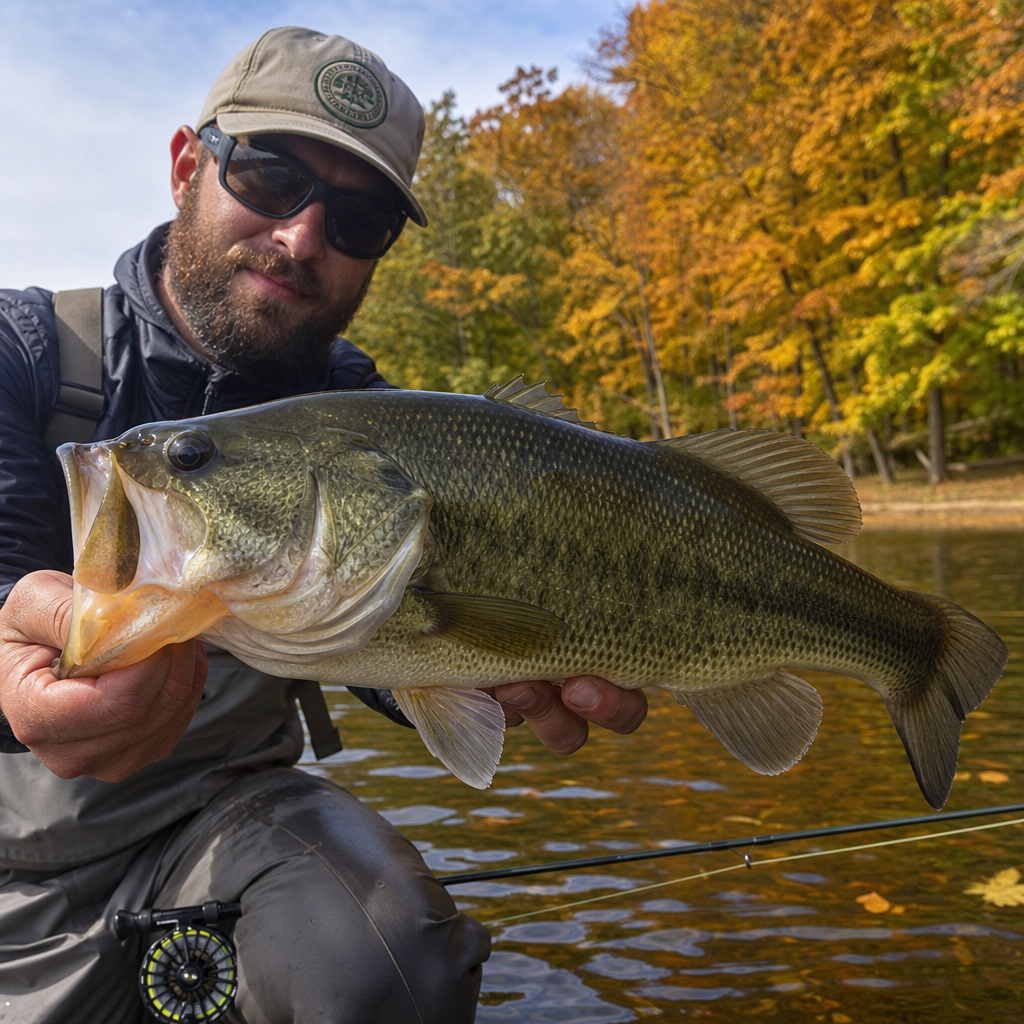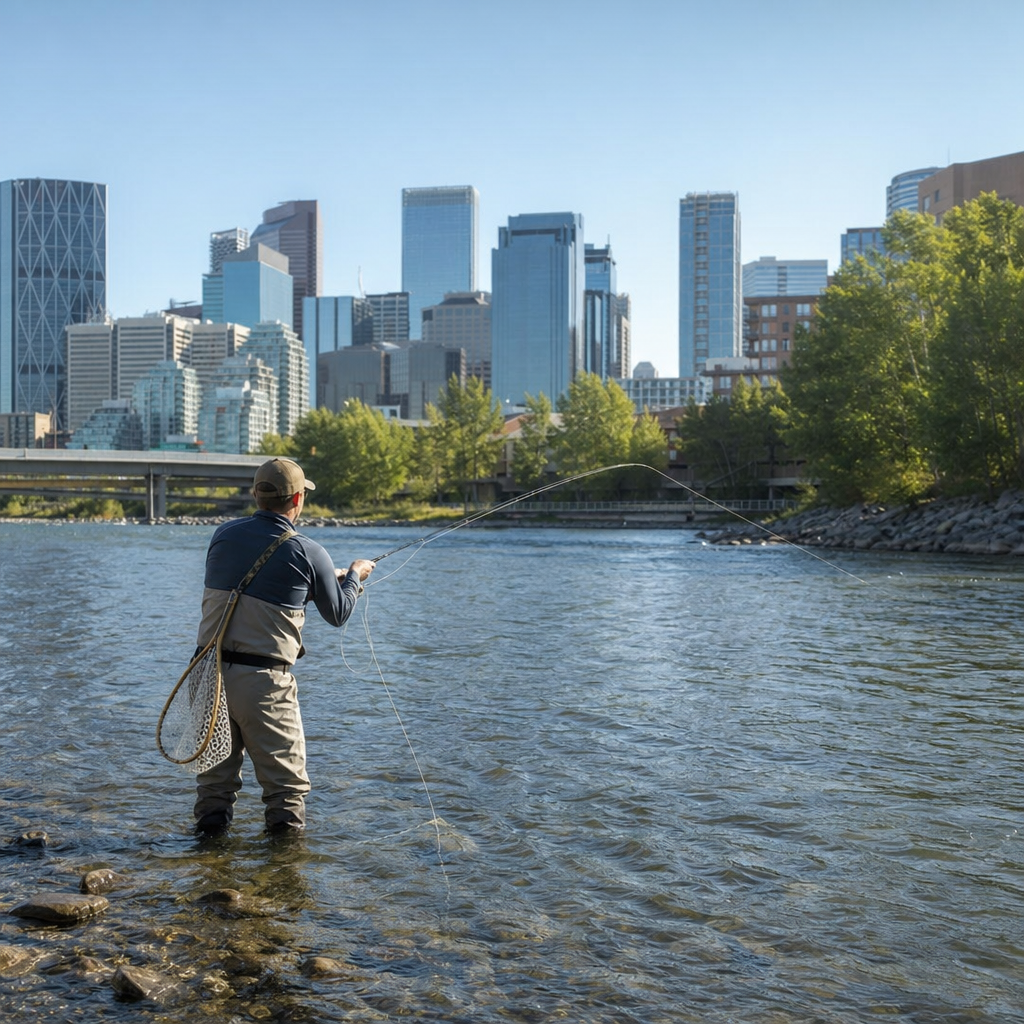
Fly fishing in urban environments rewards anglers who can read altered water, adapt presentation to heavy pressure, and carry compact gear that works around bridges, riprap, floodwalls, and narrow greenways. In this context, urban fly fishing means pursuing fish inside or immediately adjacent to cities, where waterways are shaped by storm drains, concrete channels, dams, park ponds, industrial legacies, and constant human activity. Special conditions refers to the unusual environmental factors that define these fisheries: fluctuating flows after rain, warmer water from pavement runoff, reduced backcasts because of trees and railings, stained visibility, abundant artificial structure, and fish that see lures and flies every day. This matters because city water is accessible, often fishable before or after work, and surprisingly productive if you understand how bass, carp, trout, panfish, and even migratory species use urban habitat. I have spent enough dawns beneath overpasses and enough evenings walking river trails to know the pattern: urban fish are not absent, just concentrated in spots most anglers pass too quickly. The challenge is less about wilderness skill and more about efficiency, safety, observation, and stealth in noisy places. For readers exploring seasons and conditions, this hub matters because urban fisheries magnify every condition change. A half inch of rain can transform clarity, current, access, and fish location within hours. Summer heat pushes fish to spring inflows, shade lines, and oxygenated riffles. Winter makes warmwater discharge, deep basins, and slow presentations critical. Understanding these special conditions gives you a framework that also improves your approach on suburban creeks, canal systems, harbors, and tailwaters running through developed corridors.
How Urban Water Changes Fish Behavior
Urban fish behave predictably when you account for three forces: altered habitat, intense pressure, and rapid environmental swings. Hard structure replaces natural cover in many city waters, so fish hold beside bridge pilings, retaining walls, culvert mouths, marinas, stormwater outfalls, barge tie offs, and current seams formed by concrete edges. In small rivers, I consistently find smallmouth stationed where broken rock meets softer current below pedestrian bridges. In park ponds, largemouth cruise shade cast by docks and overhanging willows near aerators because those features concentrate oxygen and prey. Carp patrol silty flats warmed by afternoon sun, then move onto flooded grass after rain raises the banks.
Heavy fishing pressure makes urban fish selective about movement and timing. They often feed best at low light, during lunch hour lulls when less shoreline traffic disturbs them, or immediately after a weather change. Trout in stocked urban streams quickly stop chasing gaudy patterns once the first rush of anglers leaves; a size 18 midge under a yarn indicator can outfish larger attractors within forty eight hours of stocking. Predators also exploit urban food sources that many fly anglers underestimate, including bread, worms washed from planters, crayfish living in rubble, midges breeding in slow backwaters, and baitfish sheltering in marina slips. Matching those food forms matters more than matching a textbook hatch.
Water quality and temperature deserve constant attention. Cities create heat islands, and shallow reaches surrounded by asphalt can warm dangerously fast in summer. Warm water holds less dissolved oxygen, so fish slide toward tributary mouths, riffles, fountains, springs, or tailrace turbulence. After storms, runoff can lower clarity, raise bacteria counts, and push debris downstream, but it also dislodges food and activates fish. The best urban anglers treat every weather event as a reset button and adjust location before changing flies.
Seasonal Strategy for Special Conditions
Urban fly fishing changes by season more dramatically than many newcomers expect. In spring, rising temperatures and frequent rain make flows unstable but productive. Look for soft edges beside stronger current, especially below storm drains and culverts where worms, sowbugs, and baitfish wash through. Swinging streamers across downstream seams is effective for smallmouth and stocked trout when visibility is moderate. During prespawn, carp and bass move shallow on sunny afternoons, and a slow crawfish pattern stripped in short hops can trigger follows even in stained water.
Summer is the most technical season because pressure peaks and water quality can deteriorate quickly. Fish at dawn, after sunset, or during overcast windows. Prioritize shade, depth, moving water, and any source of aeration. Urban carp become dependable targets in summer because they tail in warm flats and cruise predictable routes along retaining walls. A lightly weighted hybrid of a worm and nymph, cast well ahead and allowed to settle, often beats brighter patterns. For trout, be disciplined: if water temperatures push into stressful ranges, switch species or move to cooler tributaries instead of forcing the issue.
Fall usually offers the most balanced conditions. Cooling water expands the fishable day, baitfish bunch up, and smallmouth become aggressive around current breaks near bridges and rocky banks. This is when a sink tip line and a sparse baitfish streamer can cover water efficiently. Panfish stack near remaining weed edges in city lakes, making short accurate casts more important than distance. In winter, urban environments can actually create opportunities. Warmwater discharges, deep canal turns, and slow eddies below dams keep fish active. The key is reducing speed. Small nymphs, jig style streamers, and indicator rigs drifted almost motionless often outperform larger retrieves.
Techniques That Work Where Space Is Tight
Urban fly casting is usually a game of controlling line in restricted quarters. Traditional overhead casting often fails when fences, traffic signs, cyclists, trees, and parked cars block the backcast. The most useful casts are the roll cast, single hand Spey variations, water haul, bow and arrow cast for tiny creeks, and sidearm delivery under branches. On canal paths and concrete embankments, I rely heavily on the roll cast pickup followed by one false cast at most. Fewer aerialized loops mean fewer snags on railing posts and less chance of lining fish in clear shallow margins.
Mending and depth control matter more than distance. In urban rivers, fish frequently hold within a rod length of shore where current seams, rubble, and undercut slabs create feeding lanes. A short line high stick nymph approach can be deadly below footbridges and along shaded retaining walls. For bass and carp, lead the fish rather than landing flies on top of them. City fish tolerate background noise but still react badly to splashy presentations. Use tuck casts to sink nymphs quickly in chutes, and stack mends to extend drifts beside pilings. In ponds and marinas, count down your fly methodically so you can repeat the productive depth.
Retrieves should match both species and urban forage. Strip streamers in compact six to ten inch pulls for smallmouth around riprap. Use long pauses for largemouth near dock floats. For carp, dead drift or inch the fly with almost imperceptible movement once the fish tips down. Bluegill around fountains often respond to tiny foam bugs twitched once, then left still. If fish follow without eating, change angle before changing pattern; an urban fish may reject a fly crossing from the wrong direction because current and structure shape its strike window.
Essential Gear for Urban Fly Fishing
You do not need a large kit, but each item should solve a specific urban problem: limited space, variable species, abrasive structure, and fast weather changes. A 9 foot 5 weight covers stocked trout, panfish, and light bass duty, while a 6 or 7 weight is the better all around choice if carp and larger river bass are common. In dense corridors, a 8 foot 6 inch rod can be easier to maneuver under trees without giving up much line control. Choose a reel with a reliable drag if carp, steelhead, or striped bass can appear, but prioritize balance and durability over prestige branding.
Lines should match the water more than the rod label. A weight forward floating line handles indicators, dry flies, and unweighted streamers. Add a sink tip or poly leader for deeper bridge runs and harbor edges. Leaders can be simpler than many anglers think: 9 foot 3X to 5X for trout, 7.5 to 9 foot 0X to 2X for bass, and strong 2X to 10 pound fluorocarbon for carp in snaggy water. Fluorocarbon abrasion resistance matters around zebra mussels, concrete, and rusted metal, but nylon remains useful for dry flies because it floats better.
| Urban condition | Recommended setup | Why it works |
|---|---|---|
| Stocked stream with moderate current | 5 weight, floating line, 9 foot 4X leader, small nymphs or woolly bugger | Versatile for indicators, short drifts, and simple streamer swings |
| Canal or river for smallmouth | 6 weight, floating line plus sink tip, 7.5 foot 1X leader, baitfish or craw patterns | Turns over heavier flies and reaches fish holding near rock and pilings |
| Shallow park pond for carp | 6 or 7 weight, floating line, 10 pound fluorocarbon, lightly weighted worm or grub fly | Delivers accurately, protects against abrasion, and lands strong fish quickly |
| Winter tailrace or discharge zone | 6 weight, sink tip, 2X to 3X fluorocarbon, jig streamer or egg pattern | Maintains depth and control in cold heavy current |
Accessories separate comfortable sessions from frustrating ones. Polarized glasses are mandatory for spotting fish, reading glare lanes, and protecting your eyes from ricocheting flies. Carry hemostats, nippers, a compact net with a rubber bag, and a small sling or chest pack that stays close in crowds. Studded boots are useful on slime covered concrete, but in many city settings a sticky rubber sole and cautious footwork are more practical than aggressive wading. A thermometer, headlamp, phone battery pack, and a few zip bags for trash should live in the pack permanently.
Fly Selection, Access, and Safety in the City
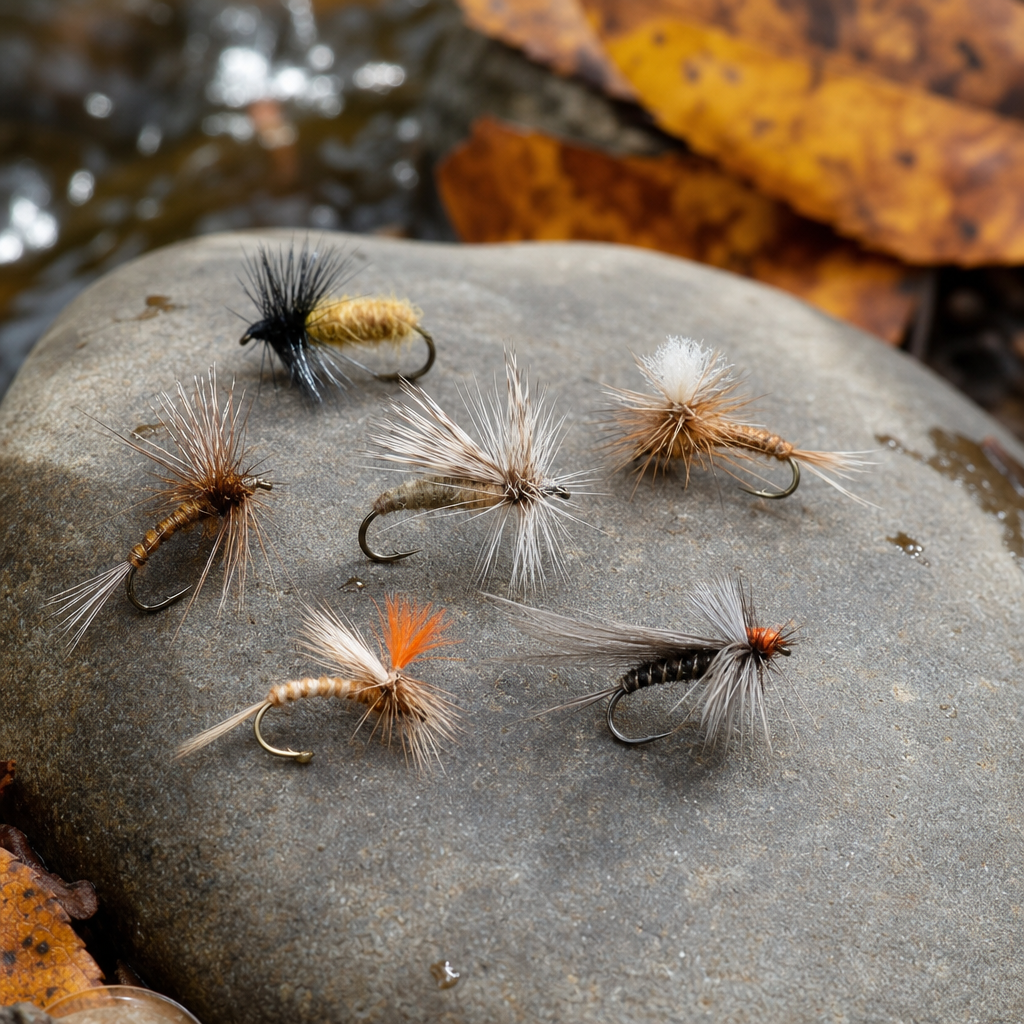
Urban fly selection should be compact and purpose driven. For trout, cover the basics with midges, pheasant tails, hare’s ear variants, egg patterns where legal, and woolly buggers in black, olive, and white. For bass, carry clouser minnows, crawfish patterns, leech style streamers, and a few deer hair or foam topwater flies. For carp, small chenille worms, damsel nymphs, and drab crayfish imitations catch more fish than oversized novelty patterns. Color matters less than profile, sink rate, and presentation, especially in pressured city water.
Access can be both the greatest advantage and the most confusing part of urban fishing. Public parks, greenways, municipal easements, and harbor walks open excellent water, but property lines shift quickly near railroads, utilities, and commercial lots. Check city GIS maps, state access rules, and dam exclusion zones before exploring. Local parks departments often publish stocking schedules, launch rules, and seasonal closures. If your subtopic planning includes related pages, build out deeper coverage on low water, post rain runoff, winter tailraces, and heat stress because those are the recurring conditions urban anglers search for most.
Safety deserves the same attention as tackle. Never enter water below dams without checking generation schedules from agencies such as the U.S. Army Corps of Engineers or local utilities. Avoid wading after heavy rain when runoff can spike bacteria and hide sharp debris. Wear bright clothing when fishing near traffic corridors at dawn or dusk. Keep tetanus protection current if you spend time around metal and broken concrete. Most importantly, leave quickly if a place feels wrong. Good urban fishing is common enough that no spot is worth a risky confrontation or unsafe footing.
Urban fly fishing succeeds when you treat the city as a living watershed rather than a compromised substitute for remote water. Fish use structure, current, temperature refuge, and food in cities for the same biological reasons they do anywhere else, but the signals are compressed and easier to overlook. Start with a small versatile kit, learn a handful of restricted space casts, and let seasonal conditions dictate your target species and water choice. Focus on bridge seams in spring, shade and oxygen in summer, bait concentration in fall, and warmer stable water in winter. Watch temperature, clarity, and recent rainfall more closely than the calendar. Keep your fly box practical, your approach quiet, and your sessions mobile enough to check several pieces of structure in one outing. As a hub for special conditions, urban water teaches the central lesson of this entire topic: unusual environments reward anglers who observe first and adapt fast. Use that mindset on your next city creek, canal, pond, or riverwalk, and you will find fish where most people only see infrastructure. Pick one local urban access point this week, visit it at two different times of day, and start building your own pattern log.
Frequently Asked Questions
What makes fly fishing in urban environments different from fishing in more remote rivers and streams?
Urban fly fishing is different because the water, the fish, and the surrounding conditions are all shaped by infrastructure and constant human influence. Instead of long, natural riffles and undeveloped banks, city anglers often work around bridges, culverts, riprap, floodwalls, channelized sections, park ponds, stormwater outfalls, low-head dams, and heavily used walking paths. These features change how water moves and where fish hold. Current seams may form off bridge pilings, below discharge pipes, along concrete edges, or where a narrow greenway stream suddenly deepens under a road crossing. Fish in these systems often use tiny pieces of shelter and current relief that are easy to overlook unless you learn to read altered water carefully.
Pressure is another major difference. Urban fish usually see a lot of lures, bait, and foot traffic, so they can become selective, wary, and inconsistent. That does not mean they are impossible to catch; it means presentation matters more. Short, accurate casts, controlled drifts, subtle retrieves, and fly changes often make a bigger difference than long casting distance. Timing also matters. Early morning, weekdays, slightly stained water, or the hour after a rain event can all create better opportunities because fish may feed with less disturbance.
Urban environments also create “special conditions” that anglers need to respect. Water levels can rise quickly after rain, clarity can change in minutes, and runoff may affect both fish behavior and angler safety. Industrial legacies, broken glass, steep banks, rebar, and slick concrete can turn a simple outing into a hazardous one if you are not paying attention. The upside is access. Urban fly fishing puts real opportunity close to home, and anglers who adapt to the city’s altered water, compact spaces, and frequent fishing pressure often discover surprisingly productive fisheries in places most people ignore.
How do you read water effectively when fishing around bridges, concrete channels, riprap, and storm drains?
Reading water in the city starts with looking past the obvious hardscape and focusing on how structure changes current, depth, oxygen, and cover. Fish in urban systems still want the same basic things they want anywhere else: security, access to food, and water that does not force them to burn unnecessary energy. Around bridges, start by examining pilings, abutments, shade lines, and the soft water just downstream of current breaks. These areas often concentrate drifting food and provide protection from both current and predators. In concrete channels, fish usually hold where the geometry breaks uniform flow, such as corners, cracks, transitions from shallow to deep, seams beside retaining walls, or any irregularity that disrupts the smooth chute effect.
Riprap is especially important because it creates complexity that featureless banks lack. The rocks hold insects, crayfish, baitfish, and shade pockets, and they produce small current lanes where fish can tuck in. Work parallel to the rocks when possible, and pay close attention to gaps, points, and places where the bank angle changes. Storm drains and outfalls can also be productive, especially when they add cooler water, current, food, or a visible seam. However, they should be approached with caution. Avoid fishing immediately after heavy runoff if water quality is questionable, and never assume footing near discharge areas is safe.
One of the most reliable urban reading-water habits is to identify transitions. Fish commonly set up where fast meets slow, shallow meets deep, light meets shade, or clear meets stained water. In a city setting, those transitions may be compressed into very short distances, so success often comes from slowing down and thoroughly covering small zones rather than racing from spot to spot. If a piece of water looks too obvious, fish it anyway; urban fish often stack under the most visible bridge shadow or against the most predictable seam because those locations consistently deliver food and cover.
What fly fishing techniques work best in heavily pressured urban water?
The best techniques in heavily pressured urban water are usually the ones that emphasize stealth, control, and adaptability. Fish that see frequent angling pressure often respond poorly to sloppy casts, draggy drifts, or oversized, overly aggressive presentations. A shorter cast with immediate line control often outperforms a long cast that lands heavily or drifts unnaturally. In streams and channels, dead-drifting nymphs under a tight line or compact indicator setup is highly effective because it lets you keep contact and adjust quickly in small current lanes. In ponds, canals, and slower urban water, small streamers, baitfish patterns, and unweighted or lightly weighted flies retrieved with pauses can trigger fish that ignore faster, more obvious presentations.
Accuracy matters more than many anglers expect. Urban fish commonly hold tight to walls, under overhangs, beside bridge supports, or in tiny depressions behind broken current. Being able to place a fly close to that edge without snagging is often the whole game. Mending, line management, and rod angle are also critical because city water can contain multiple conflicting currents packed into a small area. Learning to throw aerial mends, lead the drift, or use a high-stick approach can dramatically improve your presentation.
Fly selection should lean practical and responsive. Start with confidence patterns that match the food sources most common in altered systems: midges, small mayflies, caddis, worms, leeches, crayfish, and simple baitfish imitations. Downsizing is often a smart move when fish are pressured. Color can matter too; natural tones usually produce steadily, but brighter attractor colors may excel in stained runoff or low light. Finally, rotate methods based on conditions. If a dead drift is ignored, try a subtle swing. If fish refuse a stripped streamer, add longer pauses. Urban fish often reward anglers who make fine adjustments rather than dramatic changes.
What gear should you carry for urban fly fishing, and how do you keep it compact and practical?
Urban fly fishing favors a compact, versatile kit that handles tight casting space, mixed species, and unpredictable conditions without becoming cumbersome. For most situations, a 4- to 6-weight rod is the sweet spot because it can cover small stream fish, warmwater species, and the occasional larger urban surprise while still casting efficiently in confined areas. A shorter rod can be helpful under trees, beside fences, or beneath bridges, while a 9-foot rod remains versatile for line control and mending. Pair it with a reliable reel and a floating line as your primary setup. In many city scenarios, a floating line with leaders of different lengths can do nearly everything you need.
Your terminal kit should stay simple. Carry a small selection of tapered leaders, fluorocarbon or nylon tippet in a few sizes, split shot, indicators if you use them, nippers, forceps, and a compact fly box organized around proven urban patterns. Good all-around choices include small nymphs, midges, caddis larvae, woolly buggers, leech patterns, crayfish flies, and a few baitfish imitations. If you fish ponds or canals regularly, include some flies that can be worked slowly and suspended effectively. Polarized glasses are essential, not optional, because they help you spot seams, depth changes, submerged hazards, and fish movement in glare-heavy urban water.
Safety and mobility items matter just as much as fishing gear. Wear footwear with dependable traction for slick concrete, loose rock, and muddy access trails. A sling pack or small hip pack is often better than a bulky vest because it stays out of the way in narrow corridors and lets you move quickly between spots. Keep a small trash bag, hand sanitizer, and a basic first-aid kit on hand, especially in areas with litter, metal debris, or heavy public use. Many urban anglers also carry a net with a short handle, which makes landing fish easier when banks are steep or there is little room to maneuver. The best urban setup is not the one with the most gear; it is the one that lets you move safely, fish efficiently, and adapt fast.
What safety, etiquette, and environmental concerns should urban fly anglers keep in mind?
Safety should always come first because urban waterways can change quickly and hide risks that are less common in remote settings. After rain, streams may rise abruptly from stormwater input, currents can intensify, and water quality may deteriorate. Avoid wading in fast, stained water you do not know well, and be cautious around low-head dams, culverts, steep concrete embankments, and slick algae-covered surfaces. Broken glass, discarded hooks, exposed metal, and unstable bank material are common enough that they deserve constant attention. If a spot looks questionable, treat it that way and choose a safer angle or another location altogether.
Etiquette matters because urban access is often shared. You may be fishing beside runners, cyclists, dog walkers, paddlers, or local residents using the space for reasons unrelated to angling. Keep backcasts controlled, avoid blocking paths, and give others more room than you think you need. Be especially respectful near bridges, parks, and neighborhoods where one careless interaction can affect how anglers are viewed. If you are on a small piece of public water with multiple anglers, rotate water fairly, communicate clearly, and do not crowd someone simply because the productive holding water is limited.
Environmental awareness is equally important. Urban fish and waterways are resilient, but they are also