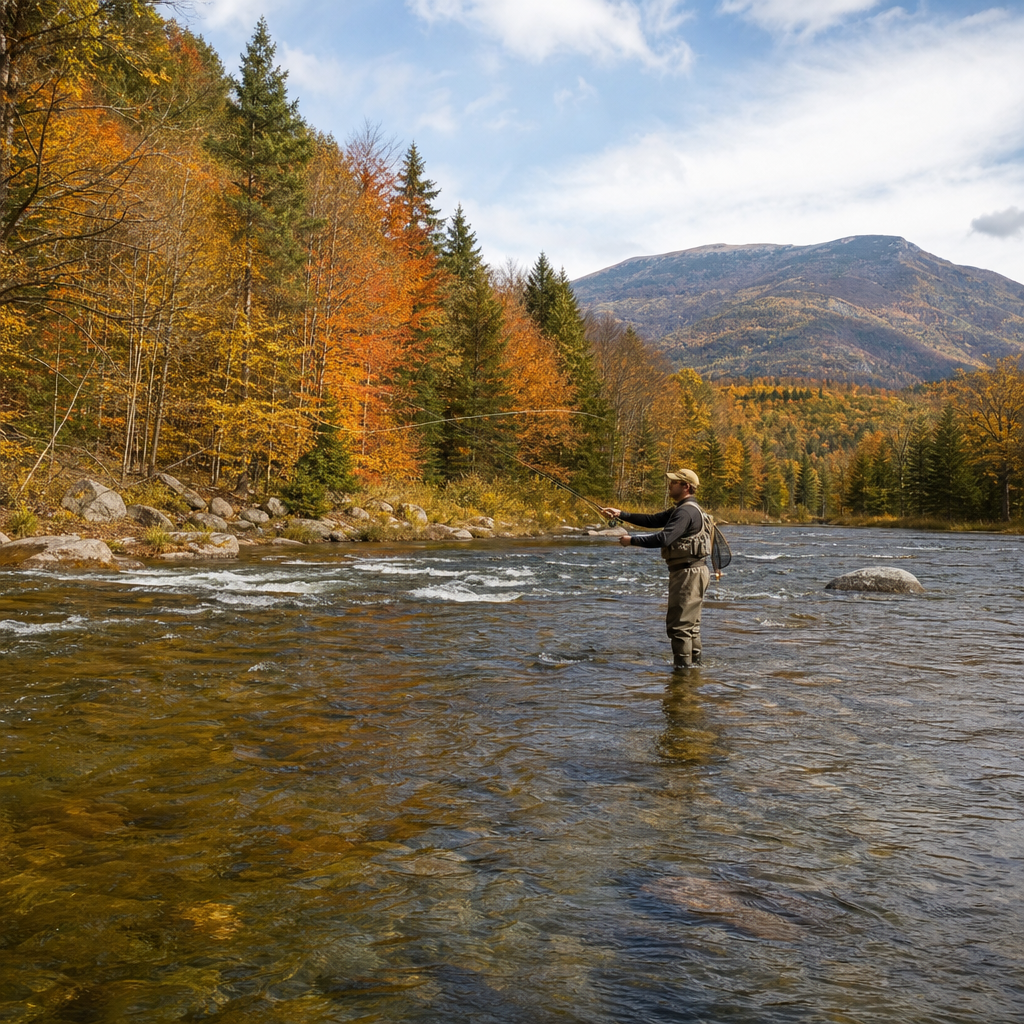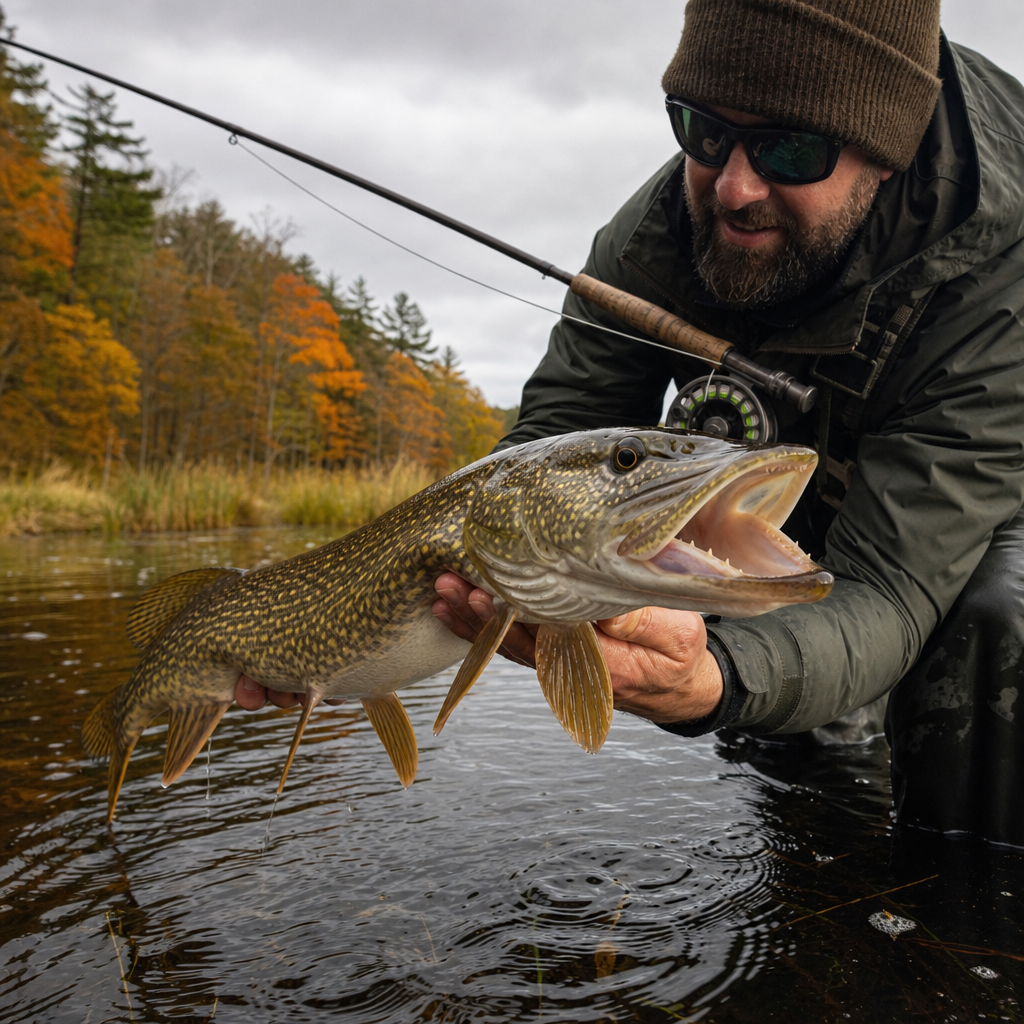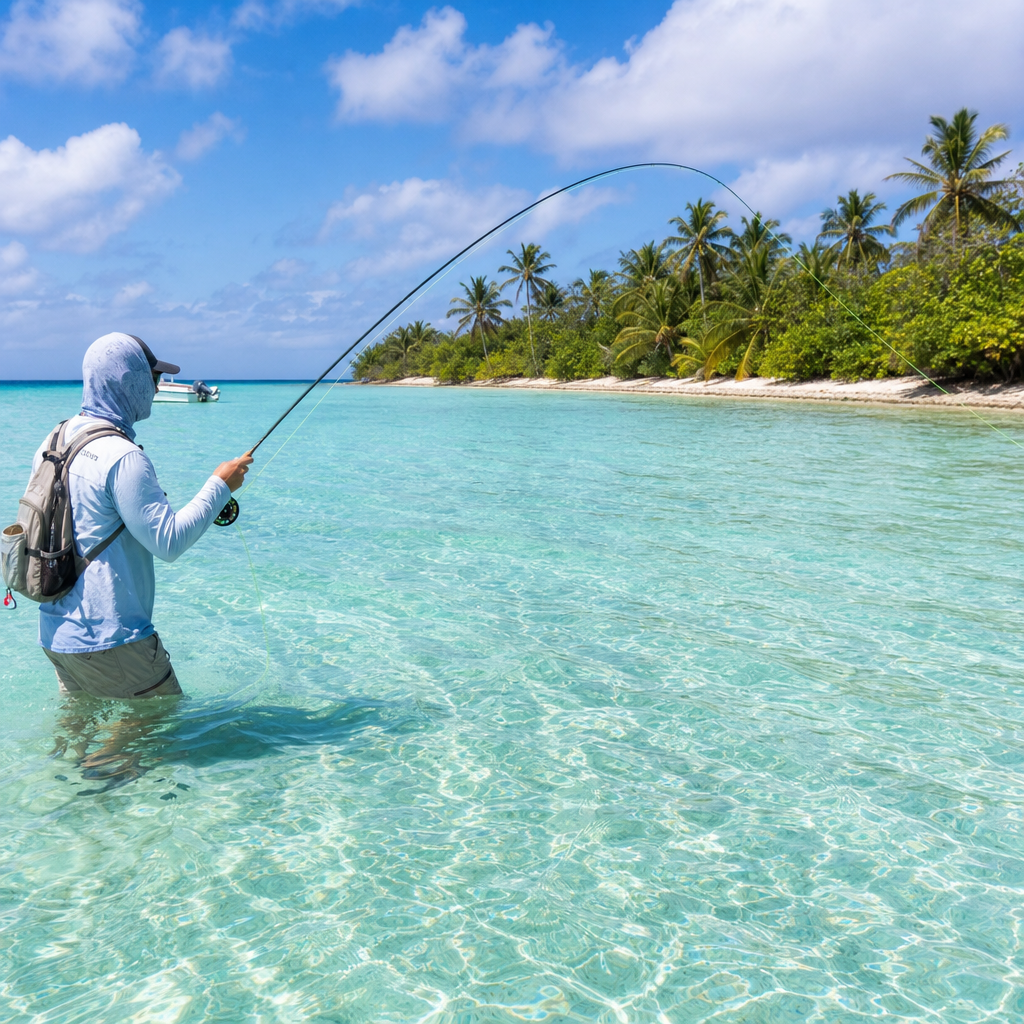
Fly fishing in tropical waters demands a different playbook than trout rivers or cool salt flats, because heat, glare, tides, coral, and fast-moving species change how you cast, rig, strip, and fight fish. In practical terms, tropical fly fishing covers warm saltwater destinations such as the Caribbean, Indian Ocean atolls, Pacific islands, Central American coasts, and equatorial estuaries where anglers target bonefish, permit, tarpon, trevally, snook, barracuda, and reef species. As a hub within seasons and conditions, special conditions refers to the environmental variables that most strongly shape success: water temperature, sun angle, cloud cover, wind, tide stage, bottom composition, rainfall, current speed, and fish behavior under pressure. I have learned on tropical flats and mangrove shorelines that small mistakes become expensive quickly. A leader that works in cool water can hinge in a twenty-knot trade wind. A dark fly that looked perfect at dawn can vanish over white sand at noon. A slow strip that draws a redfish bite in mild weather can be ignored by a bonefish feeding aggressively in eighty-four degree water.
That is why this topic matters. Tropical destinations are often expensive, weather windows are narrow, and many species offer only seconds to make the right shot. Success depends less on generalized “saltwater fly fishing” advice and more on matching technique to special conditions. Anglers need to know when to lengthen leaders, when to shorten them, how tides reposition fish on beaches and flats, how cloud cover changes sight-fishing, why hook corrosion happens faster in heat and salt, and how fish physiology in warm water affects fight time and release. This article gives a comprehensive foundation for those decisions, so it can serve as the central reference point for every related article in this subtopic.
Reading Tropical Conditions Before You Wade or Launch
The first rule in tropical waters is that conditions matter before the first cast. I start every day by checking tide charts, wind direction, cloud forecast, moon phase, and recent rainfall. Tide height alone is not enough; movement matters more than level, because many tropical species feed hardest on water that is actively pushing onto flats or draining off mangrove edges. Bonefish often tail confidently on flooding water over turtle grass, while permit may slide onto crab-rich edges as the tide fills. Tarpon in lagoons and channels commonly position where current concentrates bait, especially near bridges, creek mouths, and pinch points. Rainfall changes salinity in backcountry zones, and that can shift snook or juvenile tarpon deeper into stable water.
Bottom type is another major variable. White sand makes fish easier to spot and favors lighter fly colors that maintain contrast without looking unnatural. Dark turtle grass, coral rubble, and mangrove mud require stronger silhouette and more deliberate presentations. Water depth changes the entire system: ankle-deep flats call for quiet entries and lightly weighted flies, while thigh-deep edges or channels often need sinking lines, heavier eyes, or intermediate tips. Wind also deserves precise attention. A ten-mile-per-hour wind over open flats is manageable with an eight-weight; a sustained fifteen to twenty over broad, treeless water may justify a nine- or ten-weight, shorter leaders, and more aggressive casting strokes. Good tropical anglers are not simply good casters. They are disciplined interpreters of conditions.
Tackle Selection for Heat, Salt, Wind, and Fast Fish
Tropical fly tackle must be built for line speed, corrosion resistance, and fish that can empty a reel quickly. For most flats work, an eight-weight is the baseline rod because it balances presentation and power for bonefish, schoolie permit, smaller trevally, and mixed inshore species. A nine-weight adds wind control and lifting strength, while a ten- to twelve-weight is standard for large permit, migratory tarpon, giant trevally, and heavy brush or current. I prefer fast-action rods with saltwater-specific hardware, oversized stripping guides, and fighting butts, because they recover quickly in wind and manage larger flies better than softer freshwater designs.
Reels should have sealed drags, strong startup smoothness, and enough backing for tropical run lengths. A quality drag matters most on first surge; sticky startup breaks fish off even when average drag pressure seems acceptable. Gel-spun backing in fifty- to sixty-five-pound test maximizes capacity, but guides in coral-heavy destinations may prefer traditional dacron for easier handling and reduced cut risk. Lines must be true tropical cores, not temperate lines taken into tropical heat. Tropical coatings stay stiff enough to shoot without turning gummy on a skiff deck that can exceed 120 degrees Fahrenheit in direct sun. Floating lines handle most flats scenarios, clear intermediate lines excel on beaches and lagoons, and sink tips become useful along channel drop-offs, reef edges, and windy shorelines where baitfish ride deeper.
| Condition | Recommended setup | Why it works |
|---|---|---|
| Calm, clear bonefish flat | 8-weight, floating line, 10-12 foot leader, lightly weighted shrimp fly | Soft landing prevents spooking fish in shallow water |
| Windy permit flat | 9-10 weight, floating line, 9 foot leader, crab fly with moderate weight | Turns over larger fly and cuts wind with better accuracy |
| Beach tarpon or snook | 10-weight, clear intermediate line, 7-9 foot leader, baitfish pattern | Keeps fly in the feeding lane through chop and current |
| Reef edge or channel drop | 10-12 weight, sink tip or full intermediate, short leader, large baitfish fly | Reaches depth quickly and controls bigger predators |
Leaders, Knots, and Fly Design Under Special Conditions
Leader design in tropical waters is functional engineering. Standard formulas depend on species, bottom, visibility, and wind. Bonefish leaders often run ten to twelve feet with fluorocarbon or hard-mono tippets from ten to sixteen pounds, though heavy pressure and ultra-clear flats can push anglers longer and finer. Permit usually call for sixteen- to twenty-pound class tippets and leaders near nine to twelve feet, with stiffness high enough to turn over crab flies. Tarpon leaders are specialized systems: a class tippet combined with shock tippet, often sixty to eighty pounds or more depending on fish size and local regulations. In abrasive terrain, shock sections are not optional. Coral, mangrove roots, gill plates, and barracuda teeth punish weak rigs immediately.
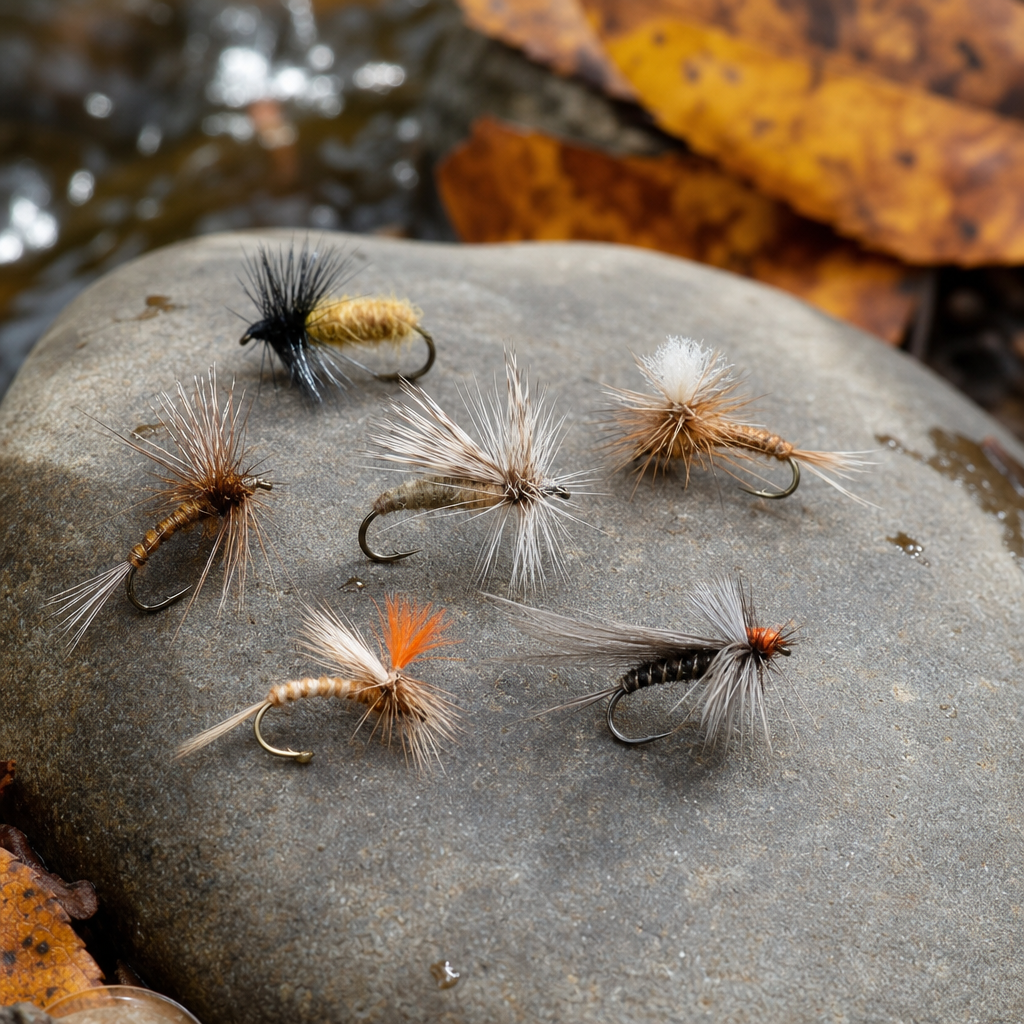
Knot strength and cleanliness matter more in the tropics because heat, UV exposure, and salt accelerate failure. I retie far more often in the tropics than in temperate freshwater. Common reliable choices include the non-slip loop knot for fly action, the Bimini twist for doubled line strength, the Albright or slim connection for leader transitions, and well-seated clinch variations where appropriate. Fly design should answer three questions directly: what is the fish eating, how deep must the fly ride, and how visible should it be over the bottom? Shrimp and Gotcha-style patterns dominate classic bonefish situations. Crab patterns with controlled sink rates are essential for permit. EP-style baitfish, Deceivers, and brush flies perform well for tarpon, snook, and trevally. Color is situational, not decorative. Tan, pink, white, olive, and barred combinations each solve a visibility problem created by light angle, depth, and bottom color.
Presentation Techniques for Flats, Beaches, Mangroves, and Reefs
Casting in tropical water is mostly about speed, trajectory control, and immediate readiness. Fish often appear suddenly at close range, so a clean forty- to sixty-foot delivery is more valuable than a heroic eighty-foot cast. On a skiff, I keep the line organized in a stripping basket or deck mat, with the leader straight and the first shot measured mentally before the guide calls direction. Accuracy should be described in clock-face terms and corrected instantly: “eleven o’clock, forty feet, moving right” leaves no time for false casting theater. One or two false casts are usually enough. More than that often means the fish is gone.
Retrieve style changes by species and condition. Bonefish typically respond to short, crisp strips that imitate a fleeing shrimp, but the key is starting only after the fish notices the fly. Strip too early and the fish tracks the line splash instead of the pattern. Permit often want restrained movement; a crab should look alive but not panicked. Tarpon reactions vary with mood, water temperature, and pressure, yet many eats happen when the angler keeps the fly moving steadily and never stops on the final approach. Around mangroves, sidearm casts under branches and quick pickups matter more than long distance. On reefs, current management becomes central; casting slightly up-current and maintaining tension lets the fly swim naturally instead of spinning. In all environments, line management after the eat is critical. Clear slack before the fish turns, strip-set hard, and never trout-set in saltwater.
How Light, Wind, and Tides Change Fish Behavior
Special conditions are most useful when they are tied to fish behavior rather than treated as background scenery. Bright sun is usually an ally for sight-fishing because it sharpens contrast and makes fish visible sooner, especially with quality polarized lenses in copper, amber, or gray-green tints. However, overhead light also makes anglers easier for fish to detect, so boat position and wading profile become more important. Cloud cover reduces glare but also erases depth cues. In those moments, I shift from hunting visible fish to hunting structure, current seams, and travel lanes where fish are likely to pass.
Wind influences both presentation and feeding. Moderate chop can actually help on pressured flats because surface texture hides the leader and hull noise. Extremely calm conditions, by contrast, create difficult fish that inspect every flaw. Strong tides generally improve feeding activity by moving prey, oxygen, and scent. Slack water often slows the system, especially in channels and estuaries. Moon phase matters because larger tidal swings around new and full moons can flood fresh feeding zones or pull fish off them faster. Water temperature in tropical fisheries is not static. Shallow flats can heat quickly in midday sun, pushing fish toward edges, potholes, channels, or windward sides with better oxygen exchange. Successful anglers notice those movements and relocate rather than forcing unproductive water.
Fish Care, Safety, and Planning for Tropical Trips
Warm water raises the stakes for fish handling. Higher temperatures reduce dissolved oxygen, and long fights can leave bonefish, tarpon, and reef species vulnerable to predation or delayed mortality. The best practice is straightforward: use tackle heavy enough to end the fight efficiently, keep fish in the water whenever possible, wet hands before touching them, avoid dragging them onto hot skiff decks or abrasive sand, and revive them facing current until they kick strongly. This is especially important for bonefish, which may be attacked by sharks after release if they are exhausted.
Angler safety is equally practical. Tropical sun exposure is relentless, so long sleeves, sun gloves, buffs, broad hats, and high-zinc sunscreen are not accessories; they are essential equipment. Hydration must be deliberate. I plan at least one liter of water for a half day and more for full days under direct sun. Wading boots should match terrain, since coral cuts, stingrays, and slippery marl all present real hazards. On skiffs, secure loose hooks and clear decks because sudden shots at fish happen fast. Finally, trip planning should account for seasonality within the tropics. “Tropical” does not mean uniform. Hurricane months, monsoon periods, trade-wind seasons, and bait migrations all affect location choice, species availability, and daily strategy. Build flexibility into itineraries, communicate target priorities with guides, and study local regulations before traveling. The reward is simple: more shots, cleaner presentations, healthier releases, and a far better chance of connecting with the species that make tropical fly fishing unforgettable.
Fly fishing in tropical waters rewards preparation more than improvisation. The biggest lesson across special conditions is that success comes from matching tackle, flies, and presentation to the exact combination of light, depth, wind, tide, and bottom in front of you. An eight-weight and shrimp pattern may be perfect one hour, then useless when the tide falls, clouds roll in, and fish slide from white sand to turtle grass edges. Anglers who treat tropical water as a living system make faster decisions and waste fewer shots.
The practical takeaways are clear. Start each day by reading tides, wind, rainfall, and sun angle. Carry true tropical lines, corrosion-resistant reels, and leaders built for both turnover and abrasion. Choose flies by prey type, sink rate, and visibility over the bottom, not by habit. Shorten false casts, manage line carefully, strip-set hard, and relocate when temperature or tide pushes fish off a flat. Handle fish quickly and responsibly in warm water, and protect yourself from heat, glare, coral, and dehydration.
As the hub for special conditions within seasons and conditions, this guide should anchor your approach to related topics such as windy flats, monsoon-fed estuaries, low-light sight-fishing, extreme heat, and coral-heavy shorelines. Revisit it before your next trip, then build your own checklist for the destination and species you plan to fish. The more intentionally you read tropical conditions, the more confidently you will cast, adapt, and catch.
Frequently Asked Questions
What makes fly fishing in tropical waters different from freshwater fly fishing or cooler saltwater environments?
Fly fishing in tropical waters is different because nearly every variable changes at once: water temperature, fish behavior, light intensity, bottom structure, line performance, and the speed at which opportunities develop. In trout streams or cooler flats, presentations are often more forgiving and fish may give you more time to adjust. In tropical environments, you are usually dealing with bright overhead sun, intense glare, stronger UV exposure, moving tides, coral or turtle grass underfoot, and species that can appear and disappear in seconds. That means your casting, line management, and fish spotting all need to be sharper.
Equipment also behaves differently in the heat. Tropical fly lines are built with stiffer cores and coatings so they do not turn limp and sticky on hot skiffs or sun-baked decks. Leaders, knots, and fly materials need to stand up to abrasion from coral, mangroves, dock pilings, and raspy mouths. Even the fish demand a different mindset. Bonefish, permit, tarpon, giant trevally, snook, barracuda, and reef species are powerful, fast, and often unforgiving of sloppy presentations. You may only get one quality shot at a cruising fish, so accuracy and quick decision-making matter more than long false-casting displays.
Another major difference is how much emphasis tropical fly fishing places on water reading and environmental timing. Tides are often more important than time of day, and wind direction, cloud cover, current seams, and bottom color can completely change where fish feed. A shallow white sand flat may be perfect for bonefish on a rising tide, while mangrove edges or channels may light up for snook or tarpon during moving water. In short, tropical fly fishing is less about repeating one familiar technique and more about adapting quickly to a warm, dynamic environment where conditions and targets can change by the hour.
What gear setup works best for fly fishing in tropical saltwater destinations?
A strong tropical setup starts with matching your rod, reel, line, and leader to the species you are most likely to encounter. For bonefish and smaller flats species, an 8-weight is a classic all-around choice. For permit, larger bonefish in wind, snook around structure, and many general tropical applications, a 9-weight is often ideal. For tarpon, large jacks, giant trevally, and barracuda, anglers typically step into 10- to 12-weight tackle depending on fly size, fish size, and structure. Fast-action rods are popular because they help punch tight loops into wind and deliver flies quickly at common flats-fishing distances.
Your reel matters just as much as the rod. Tropical fish run hard and fast, so a quality large-arbor saltwater reel with a smooth, sealed drag is essential. Backing capacity is important, especially for bonefish, permit, tarpon, and trevally, which can take line quickly. Corrosion resistance is non-negotiable in tropical saltwater. After every day, rinse your reel, frame, spool, and guides with fresh water and inspect your line for nicks or rough spots caused by coral, shell, or boat decks.
Line choice is one of the most overlooked pieces of the puzzle. Use true tropical saltwater lines, not general-purpose freshwater lines. Tropical lines are designed to stay manageable in high heat and maintain turnover with weighted or wind-resistant flies. A floating line covers many flats scenarios, but intermediate or clear-tip lines can be useful for channels, drop-offs, beach edges, or deeper presentations to species such as snook, trevally, and reef fish. Leaders should be strong, simple, and suited to the target. Bonefish leaders often run 10 to 16 feet depending on water clarity and wind. Permit leaders are commonly stout enough to turn over crab flies yet refined enough for wary fish. Toothier species like barracuda require bite protection, while tarpon leaders need shock tippet designed for abrasion resistance and legal class considerations where relevant.
Finally, do not ignore practical accessories. Good polarized sunglasses are indispensable for seeing fish and bottom changes. Flats boots or sturdy wading shoes protect your feet from coral, shell, and stingrays. Stripping guards help when fish blister line off your fingers. A sun hood, long-sleeve performance shirt, gloves, and high-quality sunscreen are not luxuries in the tropics; they are part of your fishing system. The best tropical gear setup is not just about catching fish, but about staying efficient, safe, and comfortable enough to keep making quality presentations all day.
How should I adjust my casting and presentation techniques for tropical species like bonefish, permit, tarpon, and trevally?
The biggest adjustment is learning to deliver quickly, accurately, and with purpose. In tropical saltwater, fish are often moving, the boat may be drifting, the wind may be quartering across your body, and the guide may call out a shot with very little warning. Long, elegant false casts usually hurt more than they help. A better approach is to keep your line organized, hold a manageable amount outside the rod tip, make one or two controlled false casts if needed, and deliver the fly on target. Accuracy at 30 to 60 feet is usually more valuable than raw distance that falls apart under pressure.
Presentation varies by species, but the common principle is to lead the fish correctly and put the fly where it can be seen naturally without spooking the target. Bonefish generally respond well when the fly lands ahead of the fish, not on top of it, and begins moving only after it enters the fish’s window. Permit often demand even more precision: too close and you spook them, too far and they never notice the crab. Tarpon may require a smooth intercept cast and a measured strip that keeps the fly tracking naturally through the fish’s path. Trevally and other aggressive predators may tolerate a more assertive presentation, but they still punish hesitation. If the fish is committed, keep stripping. If you stop at the wrong time, you can kill the eat.
Strip speed is another critical adjustment. Many anglers coming from trout fishing move flies too timidly in the tropics. Warm-water predators often expect prey to flee with urgency. Bonefish usually like a clean, moderate strip with pauses used sparingly and intentionally. Permit often prefer subtle movement that mimics a crab trying not to be noticed. Tarpon may key on a steady strip that keeps the fly swimming level. Snook along mangroves may respond to a tighter line and short, controlled strips near cover. Barracuda and trevally often reward speed and commitment. The key is to match your retrieve to the species, water depth, and fly design rather than using one generic strip for everything.
Hook-setting also changes in tropical fly fishing. You generally want a firm strip-set, not a trout-style lift of the rod. Lifting early pulls the fly away or creates slack before the hook finds purchase. Keep the rod low, strip hard when you feel weight, and let the fish turn if the species calls for it. Once connected, clear line cleanly and get the fish onto the reel as soon as practical. Good tropical presentations are built on preparation: line at your feet in clean coils, a fly that lands ready to fish, and a retrieve that looks believable the instant it touches down.
What are the best strategies for reading tides, structure, and conditions in tropical waters?
In tropical fly fishing, the water itself tells you where the fish should be. Tides are the starting point because they move bait, expose and flood feeding zones, and determine how fish travel across flats, channels, mangroves, reef edges, and estuary mouths. On a rising tide, fish often push onto newly flooded areas to feed on shrimp, crabs, and baitfish that become accessible. On a falling tide, they may stage along drains, cuts, drop-offs, and edges where food is forced out of cover. A slack tide can shut things down, while moving water usually energizes the entire system.
Bottom composition matters more than many newcomers realize. White sand, mottled marl, turtle grass, coral patches, mangrove roots, and rocky shoreline all fish differently and demand different fly choices and presentations. Bonefish are often easier to spot and target on bright sand or light marl because their movement contrasts with the bottom. Permit frequently patrol edges, coral rubble, and crab-rich zones where subtle presentations shine. Snook and tarpon commonly relate to structure such as mangroves, creek mouths, bridges, current lines, and shaded ambush points. Trevally, barracuda, and reef species may use drop-offs, channels, surf lines, or reef corners where current stacks bait.
Light and weather also shape success. Bright sun is often helpful on shallow flats because it improves visibility into the water, but it can also create harsh glare if your angle is poor. Cloud cover can make sight fishing dramatically harder, pushing anglers to rely more on likely water, bait activity, and blind-casting productive lanes. Wind is both a challenge and a clue. It complicates casting, but it also positions bait and can put fish on windward banks, points, or current seams. Pay attention to nervous water, pushing wakes, tailing fish, bait showers, fleeing shrimp, and sudden color changes on the flat. These