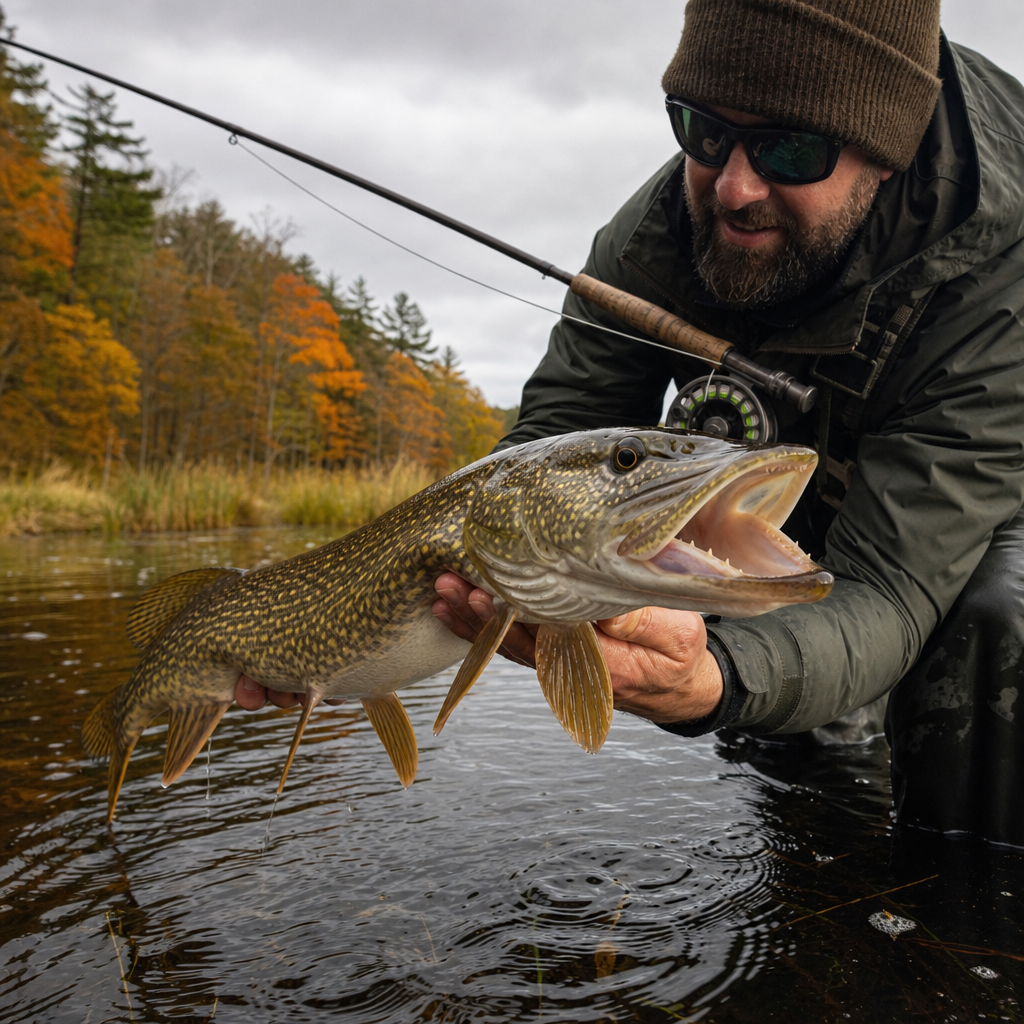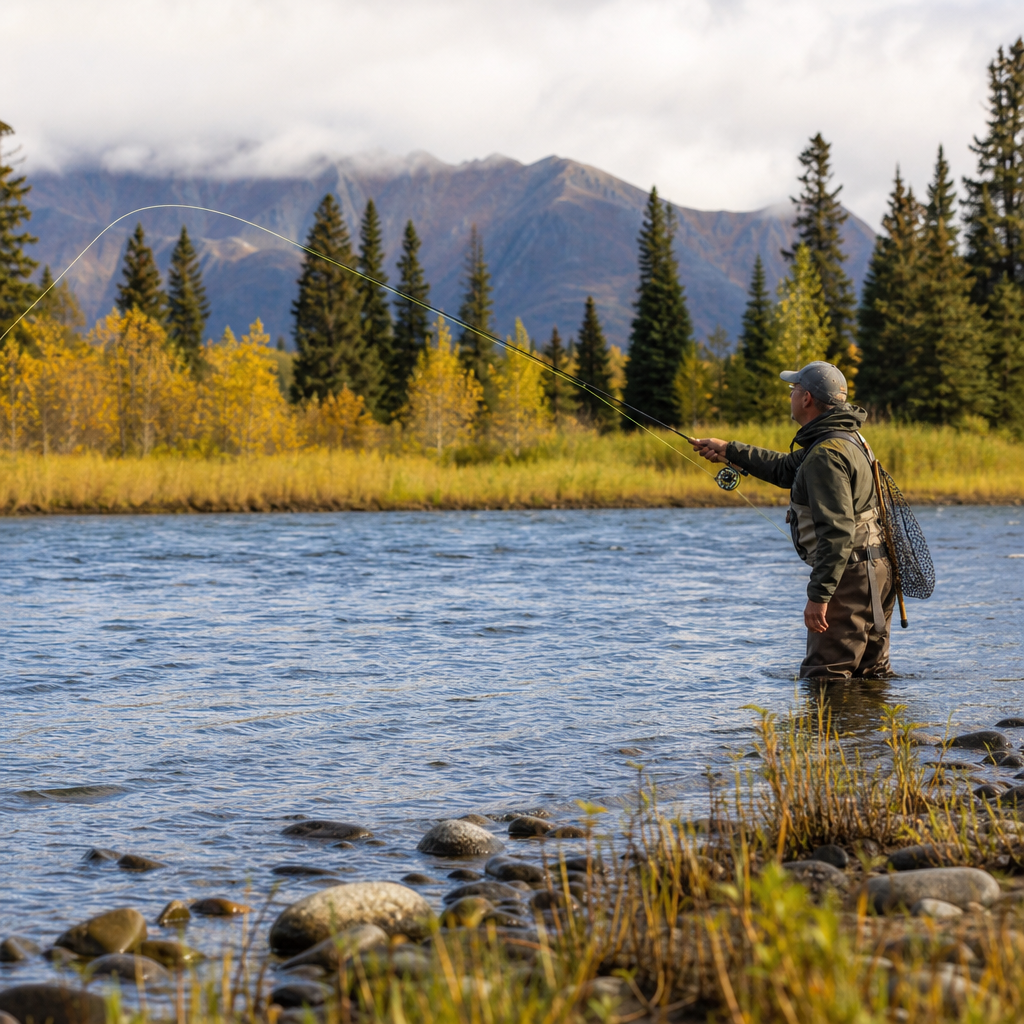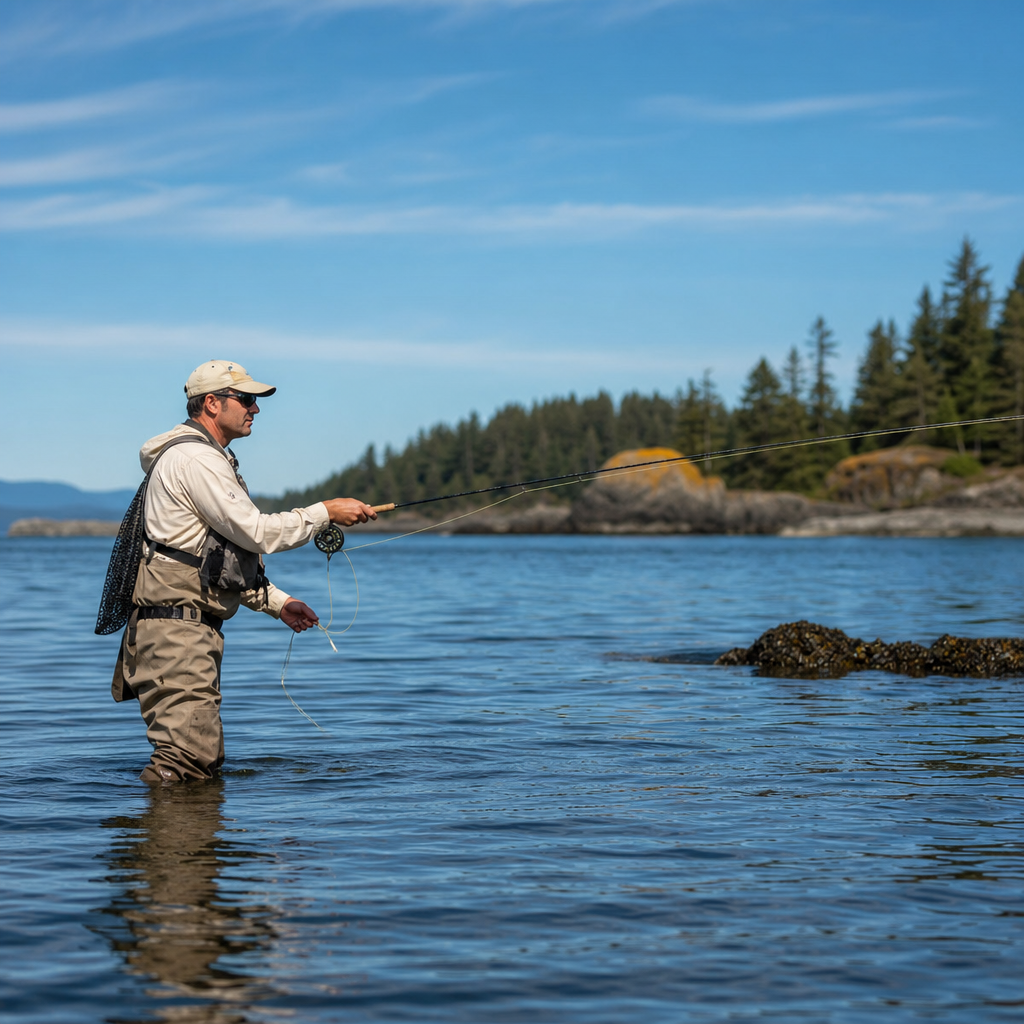
Fly fishing in tidal waters blends the precision of freshwater casting with the moving puzzle of current, salinity, and bait movement, creating one of the most technical and rewarding branches of the sport. In this setting, “tidal waters” refers to estuaries, salt marshes, back bays, inlets, and lower river reaches influenced by rising and falling tides rather than steady upstream flow alone. I have guided anglers through flood tides on spartina flats, outgoing rips at creek mouths, and dawn bait pushes along oyster bars, and the same lesson repeats everywhere: success depends less on heroic casting distance and more on understanding timing, structure, and fish positioning. That is why fly fishing in tidal waters matters. It opens access to striped bass, redfish, sea trout, schoolie bluefish, flounder, and migratory species that feed aggressively when water movement concentrates prey. It also demands different gear choices, line control, and safety habits than inland trout water.
Special conditions define this subtopic. A tidal flat that is wadable at sunrise may be chest deep by midmorning. A quiet bank can become unfishable during peak ebb when floating grass, sediment, and fast current sweep through. Wind stacks against tide, altering casting angles and drift speed. Water clarity changes hour by hour with moon phase, runoff, and boat traffic. Fish may tail in six inches of water on a flood, then slide to channels, docks, or marsh drains as the water falls. For anglers building a complete approach to seasons and conditions, tidal environments are a hub topic because they connect current reading, weather windows, forage matching, and species behavior in one dynamic system. Mastering them makes every related article easier to understand, from sight fishing in skinny water to cold-front strategy in brackish creeks.
The core idea is simple: fish do not respond to the tide chart alone; they respond to what the moving water does to food, oxygen, depth, and security. Your job is to predict that chain reaction and present a fly where fish already expect prey to appear. The sections below break down how to read tidal cycles, choose fly tackle, fish common structures, and adapt to special conditions that separate random casting from consistent results.
How Tidal Cycles Position Fish
The best answer to “when is the tide most productive” is this: the most productive stage is the one that pushes forage past a predictable holding zone. Incoming tide floods grass edges, shell banks, and mud flats, letting baitfish, shrimp, and crabs spread into new feeding water. Predators follow because the rising water expands access. Outgoing tide reverses the advantage. Bait is pulled from marsh pockets and shallow shelves into drains, troughs, and creek mouths, where game fish can pin it against current seams. Slack tide is usually the weakest period because current speed drops and food transport slows, though some flats produce at high slack when tailing fish root for crabs in calm shallows.
On most systems, I plan around three practical windows. First push of the flood is excellent for fish waiting near channels to move shallow. Mid-ebb is often the strongest overall period because water movement is defined and bait concentration peaks. Last of the outgoing can be exceptional at drain mouths, but it narrows access and can strand waders or skiffs if you misjudge depth. Tide range matters too. A small neap tide may keep fish in edges and depressions all day, while a large spring tide opens miles of marsh and disperses them until the water starts falling. That is why local tide charts, not generic assumptions, drive the day.
Moon phase amplifies this pattern. New and full moons create larger exchanges, stronger currents, and more dramatic flooding and draining. Quarter moons generally moderate movement, which can make presentation easier in clear water. Wind can distort the chart by physically holding water in a bay or draining it early from an exposed shoreline. In practice, serious anglers compare the published tide with on-the-ground water level, especially in shallow estuaries where a twenty-knot onshore breeze can delay the ebb for an hour or more.
Reading Special Conditions in Estuaries, Flats, and Inlets
Tidal fishing rewards observation more than memory. Start by identifying current seams, depth transitions, and places where structure interrupts flow. Oyster bars split water and create soft edges where fish conserve energy. Marsh drains act like conveyor belts on the ebb. Sand points and creek bends carve troughs that hold fish even when adjacent flats empty. Dock pilings, bridge abutments, and jetty rocks create shade, eddies, and ambush lanes. In dirty water, sound and vibration become more important, so fish often hold tighter to those defined edges.
Water color is a major special condition. Clear water favors longer leaders, quieter wading, and flies that land softly, such as sparse shrimp or baitfish patterns tied with craft fur, EP fibers, or marabou. Stained water calls for stronger silhouettes, larger eyes, and often a slightly faster strip to help fish locate the fly. Mud stirred by wind or boat wakes is not always bad. Predators frequently sit on the clean side of a mud line waiting for disoriented shrimp and minnows. Temperature matters just as much. In cold months, dark mud absorbs heat and adjacent deeper troughs become prime holding water on sunny afternoons. In summer, low dissolved oxygen can push fish toward inlets, creek mouths, and windblown banks where water exchange is higher.
Bird life offers real information. Terns dipping over a channel edge usually indicate small bait near the surface. Egrets and herons stalking flooded grass suggest shrimp and minnows have moved shallow. Mullet flipping can mean little by themselves, but nervous schools showering or changing direction often reveal predators nearby. I trust these field signs because they update the textbook picture with what is happening right now.
Fly Rods, Lines, Leaders, and Essential Gear
For most fly fishing in tidal waters, an 8-weight is the most versatile rod. It handles average striped bass schoolies, slot redfish, sea trout, and moderate wind without becoming tiring over a full tide cycle. A 9-weight is better around larger flies, stronger current, bigger bluefish, or false albacore opportunities near inlets. A 7-weight can be excellent on sheltered flats with spooky fish, but it gives up authority in wind and around weighted patterns. Fast-action saltwater rods dominate this category because they recover quickly and carry tight loops through crosswinds. Models from Sage, Orvis, Scott, G. Loomis, and Thomas & Thomas are common, but the key feature is corrosion-resistant hardware and enough butt strength to turn fish away from oysters or dock pilings.
Line choice matters more than many freshwater anglers expect. A weight-forward floating line is standard for flats, flooded grass, and shallow creek work where fish are in less than three feet of water. An intermediate line excels over channels, around points, and in moderate current because it keeps better contact and prevents the fly from skating unnaturally. Sink-tip and full-sinking lines have a place in deeper inlets, rips, and bridge approaches, especially for striped bass holding near the bottom. Leaders are typically shorter and stouter than trout leaders: seven and a half to nine feet for floating lines, often tapered to 12-, 16-, or 20-pound fluorocarbon depending on species and structure. For bluefish, add bite tippet or short wire. For redfish in very shallow clear water, I often use a nine-foot leader with a 16-pound fluorocarbon tippet to balance stealth and abrasion resistance.
| Condition | Recommended Line | Leader Range | Typical Flies |
|---|---|---|---|
| Flooded grass flats | Floating | 9 ft, 12-16 lb | Crab, shrimp, weedless baitfish |
| Marsh drains on ebb | Floating or intermediate | 7.5-9 ft, 16-20 lb | Clouser Minnow, shrimp, small Deceiver |
| Channels and troughs | Intermediate or sink-tip | 7.5 ft, 16-20 lb | Clouser, Half and Half, jig-style baitfish |
| Inlets and rips | Sink-tip or full sink | 6-7.5 ft, 20 lb+ | Large baitfish, eel patterns |
Essential supporting gear includes a sealed-drag reel, stripping basket for surf or windy skiff decks, quality pliers, polarized sunglasses, sun gloves, and boots suited to mud, shell, or rock. In salt or brackish water, every metal component needs rinsing after use. Corrosion is not a possibility; it is a certainty.
Flies and Presentation for Common Tidal Species
The most productive tidal flies imitate three forage groups: baitfish, shrimp, and crabs. Baitfish standards include the Clouser Minnow, Lefty’s Deceiver, Half and Half, EP baitfish patterns, and slim sand eel imitations. Shrimp flies work especially well in marshes and over grass on flood tides, where fish expect hopping, drifting movement rather than long fast strips. Crab patterns matter most for redfish, black drum, permit-style scenarios, and selective bass rooting on flats. Weight and hook orientation should match bottom type. Heavy dumbbell eyes help a Clouser ride hook point up over shell. Bead-chain eyes or unweighted patterns land softer in skinny water.
Presentation should mirror the current before it mirrors your personal preference. In strong ebb flow, cast slightly upcurrent, mend if needed, and let the fly sweep naturally into the strike zone before beginning short strips. On a flood tide over grass, lead visible fish enough that the fly settles ahead of their path, then use two-inch strips or subtle bumps. For striped bass around bridges or jetty edges, broadside current presentations often outfish direct casts because the fly appears pinned and vulnerable. For sea trout over potholes, a steady hand-twist retrieve keeps baitfish patterns level and convincing. When fish refuse, the first adjustment is usually depth, not color.
Match profile before exact hue. In stained creeks, olive over white, black and purple, and tan shrimp are reliable because they create contrast. In clear sand flat conditions, translucent white, sand, and light olive are better. I carry sizes 2 through 1/0 for most work, with smaller size 4 shrimp flies for ultra-shallow, pressured fish. This simple range covers far more situations than a giant fly box full of near duplicates.
Wading, Boat Positioning, and Safety in Moving Water
Tidal water punishes poor positioning. Waders should move slower than they think necessary, using the current to approach rather than fighting it head-on. Enter with an exit plan based on the next two hours, not the present depth. Soft mud, hidden creeks, oyster cuts, and fast-draining potholes can turn an easy walk into a dangerous retreat. A wading staff is underrated in silty estuaries, and hard-soled boots are a mistake around shell; use boots with dependable traction and protection.
From a skiff or kayak, position uptide or upwind of the target so the cast lands with the natural drift. On flats, poling or using a push pole keeps noise down and preserves shot quality. Around docks, bridge shadows, and marsh drains, short controlled drifts beat repeated long runs with a trolling motor. Kayak anglers should respect current more than distance. An inlet that looks manageable at slack can become impossible to hold during peak exchange. Wear a personal flotation device, secure loose line, and avoid anchoring from the stern in moving water. Many of the most dangerous accidents in tidal fishing come from underestimating current speed, not bad weather alone.
Seasonal Patterns and Hub Topics Within Special Conditions
As a hub page for special conditions under seasons and conditions, tidal fly fishing connects several deeper subjects. In spring, warming mud flats and river mouths attract early forage and migratory fish; articles linked from this hub should explore pre-spawn striped bass movement, first flood-tide redfish behavior, and cold-water presentation speeds. Summer brings low-light feeding windows, algae blooms, thunderstorms, and heavy boat traffic, making dawn tide timing, night bridge fishing, and oxygen-driven location changes important subtopics. Fall concentrates bait and often delivers the most aggressive feeding of the year, especially around inlets, rips, and marsh drains during mullet or anchovy migrations. Winter simplifies many estuaries by pushing fish into deeper, more stable basins, warm discharges, dark-bottom creeks, and slow afternoon flood tides.
Other special-condition articles should branch naturally from this page: fishing wind against tide, targeting muddy-water edges after storms, sight fishing on flood tides, handling extreme spring tides, choosing lines for deep channels, and wading oyster flats safely. Together, these subjects build a complete system instead of disconnected tips. That systems view is what makes anglers consistent across locations.
Fly fishing in tidal waters rewards anglers who think in moving pieces instead of static spots. Learn the tide stage, then read what that stage does to depth, current speed, forage, and fish security. Use an 8- or 9-weight outfit matched with the right line density, stout abrasion-resistant leaders, and a compact fly selection built around baitfish, shrimp, and crabs. Focus on structure that redirects flow: drains, seams, troughs, oyster bars, points, docks, and inlet edges. Present the fly with the current, not against it, and adjust depth before making drastic fly changes. Most important, treat tidal water with respect. Timing affects not only feeding windows but also access, footing, and safety.
If you want better results in special conditions, start keeping a tidal log. Record tide stage, moon phase, wind direction, water clarity, structure type, fly choice, and where fish actually held. After a season, patterns become obvious, and those patterns transfer from one estuary to another. Use this hub as your starting point, then build outward into the related topics that matter most for your local water. The anglers who improve fastest are rarely the ones who cast the farthest. They are the ones who understand why the water is moving, where the food is going, and how to meet fish there with confidence.
Frequently Asked Questions
What makes fly fishing in tidal waters different from fly fishing in freshwater rivers and lakes?
Fly fishing in tidal waters is shaped less by fixed current seams and more by constantly changing water movement. In a river, anglers usually read a fairly predictable downstream flow, but in estuaries, back bays, marshes, and lower tidal rivers, the direction, depth, and speed of the water can change dramatically over the course of a single session. Fish position themselves according to tide stage, bait availability, salinity, depth, and access to feeding zones, so success often comes from understanding when a flat floods, when a creek drains, or when an inlet begins to concentrate bait rather than simply finding structure and casting to it.
Another major difference is how fish use the environment. On a flood tide, predators may push far into grass edges, spartina marshes, and shallow flats to hunt shrimp, crabs, and minnows. On the outgoing tide, they often set up at creek mouths, drop-offs, and current edges where bait is forced into tighter lanes. That means timing can be more important than location alone. A spot that looks dead at one tide stage can be excellent two hours later when water movement, light angle, and forage line up.
Gear and fly selection also shift in tidal water. Salt, shell, wind, and larger open areas demand tougher equipment than many trout anglers are used to. Corrosion-resistant reels, lines designed for warm or cold saltwater conditions, stronger leaders, and flies that imitate local baitfish, shrimp, and crabs become much more important. Casting often needs to be more efficient and accurate in wind, and line control must account for crosscurrents, tidal sweep, and fast-moving fish. In short, tidal fly fishing blends reading water, matching forage, and staying mobile with a level of timing and environmental awareness that makes it both technical and deeply rewarding.
What are the best techniques for reading tides and knowing when to fish?
The best starting point is to stop thinking of “high tide” or “low tide” as the entire answer and instead focus on movement and access. Fish respond to how the tide opens feeding areas, pushes bait, and creates ambush points. A rising tide can let fish move onto shallow flats, marsh edges, oyster bars, and flooded grass where food becomes newly available. A falling tide tends to pull that same food out through drains, channels, and creek mouths, concentrating predators where they can feed efficiently. Many of the most productive periods happen not exactly at dead high or dead low, but during the windows when water is actively moving and changing the feeding landscape.
A practical way to approach tidal timing is to break a location into phases. Early flood may bring just enough water for fish to slide onto a flat. Mid-flood may spread fish out over too much water, making them harder to locate. The last of the outgoing tide may bunch bait into narrow exits and create excellent current lines. Each system behaves differently, so local observation matters. Watch where mullet flip, where shrimp are flushed, where birds start working, and where slicks or nervous water appear. If possible, fish the same area across multiple tide stages and note exactly when fish show up, not just when you happen to catch them.
Tide charts are essential, but they are only a framework. Wind direction, moon phase, barometric pressure, and the shape of the estuary can speed up, slow down, or alter the actual flow. In backwater marshes, for example, a hard wind can hold water in or push it out, changing expected conditions. In inlets and creek mouths, strong current may begin before the listed tide turn because the water is already moving through constricted structure. Serious tidal anglers cross-reference a tide chart with satellite imagery, weather, and on-the-water observation. The more precisely you understand how a particular flat, drain, or bay edge reacts to each tide stage, the more consistently you can be in the right place at the right time.
What fly rod, reel, line, and leader setup works best for tidal waters?
A versatile setup for most tidal fly fishing is a fast-action 8-weight or 9-weight rod paired with a quality large-arbor reel that has a smooth, sealed drag. That weight range handles the wind, turns over weighted flies, and gives enough power for common tidal species without becoming overly heavy for all-day casting. In smaller back bays or protected estuaries where fish are modest in size and presentations are delicate, a 7-weight can be ideal. In more demanding situations such as larger stripers, redfish around current, or windy open water, a 9-weight provides better control and lifting power. The reel matters more than some freshwater anglers expect because salt, long runs, and current add stress fast, and a sealed drag helps protect internal components from corrosion and grit.
Line choice should match both water depth and fishing style. A weight-forward floating line is the workhorse for sight fishing on flats, marsh edges, and shallow creek banks because it allows cleaner pickups, mends, and controlled presentations. An intermediate line is excellent in back bays, over submerged grass, or when bait is suspended and surface chop makes a floater harder to manage. In deeper channels, inlets, or stronger rips, a sink-tip or full sinking line may be necessary to get the fly into the strike zone quickly before the current sweeps it away. Tropical and cold-water line formulations also matter more in salt than many anglers realize; using the wrong line for the temperature can result in coiling, limpness, or poor shooting performance.
Leader setup depends on species, fly size, water clarity, and structure, but a common range is 7.5 to 10 feet with stronger tippet than many freshwater situations require. In tidal water, abrasion from shell, rocks, dock pilings, and fish mouths is a constant concern. Fluorocarbon is popular because it is abrasion-resistant and sinks a bit better, especially when fishing baitfish, crab, or shrimp patterns below the surface. A typical setup might involve a 16- to 20-pound leader for school-sized fish and heavier material when targeting larger or structure-oriented species. Keep the system simple and reliable. In tidal fishing, a durable leader that turns over cleanly in wind and survives shell contact is often more valuable than a long, delicate taper designed for spring-creek trout.
What flies and presentation styles are most effective in estuaries, marshes, and tidal creeks?
The most effective flies usually imitate what fish are feeding on at that exact tide stage: baitfish, shrimp, and crabs. In many tidal systems, slim baitfish patterns work well around creek mouths, rips, channel edges, and open bay water where predators are chasing anchovies, silversides, mullet, or juvenile herring. In marshes and flooded flats, shrimp and crab patterns often become more important, especially when fish are tailing, cruising shallow, or rooting along grass edges and mud bottoms. Color matters less than profile, sink rate, and movement in many situations, though natural tans, olives, white, chartreuse accents, and muted translucent tones are reliable starting points.
Presentation is everything. In moving water, the fly should usually behave as real forage would behave in that current. That may mean casting up-current and allowing the fly to swing naturally through a seam, dropping a crab pattern ahead of a fish and barely moving it, or stripping a baitfish pattern across a drain to imitate something being swept out. The biggest mistake many anglers make is overworking the fly. In tidal current, the water often provides enough movement on its own. A shrimp pattern that sinks properly and twitches subtly can look far more convincing than one stripped aggressively through shallow fish.
Match retrieve style to mood and habitat. On shallow flats with visible fish, short accurate casts and restrained strips are usually best because fish have time to inspect the fly. In current-heavy inlets or draining creeks, a more assertive strip can trigger reaction eats from fish set up in ambush. Over grass or shell, choose flies that ride hook-point up or have weed guards to reduce fouling. Weighted eyes, bead-chain, or unweighted versions of the same pattern allow you to control depth without changing the overall forage profile. The goal is not simply to choose a good fly, but to fish that fly at the right depth, speed, and angle relative to the tide and the fish’s feeding lane.
What are the biggest mistakes anglers make in tidal fly fishing, and how can they avoid them?
The most common mistake is fishing good-looking water at the wrong tide stage. In tidal systems, attractive structure alone does not guarantee fish are there. A grass edge may only come alive once enough water floods over it, and a creek mouth may not turn on until bait begins draining hard. Anglers who ignore timing often leave fish to find empty water. The fix is simple in theory but demanding in practice: track tide phases, learn how specific spots activate, and build your day around moving with the water instead of standing in one place too long.
Another frequent mistake is poor positioning. Because tidal fish often face into current or move along narrow lanes, your casting angle matters. If you wade, drift, or anchor in the wrong place, your fly may sweep unnaturally, land on top of the fish, or never enter the feeding zone. Good