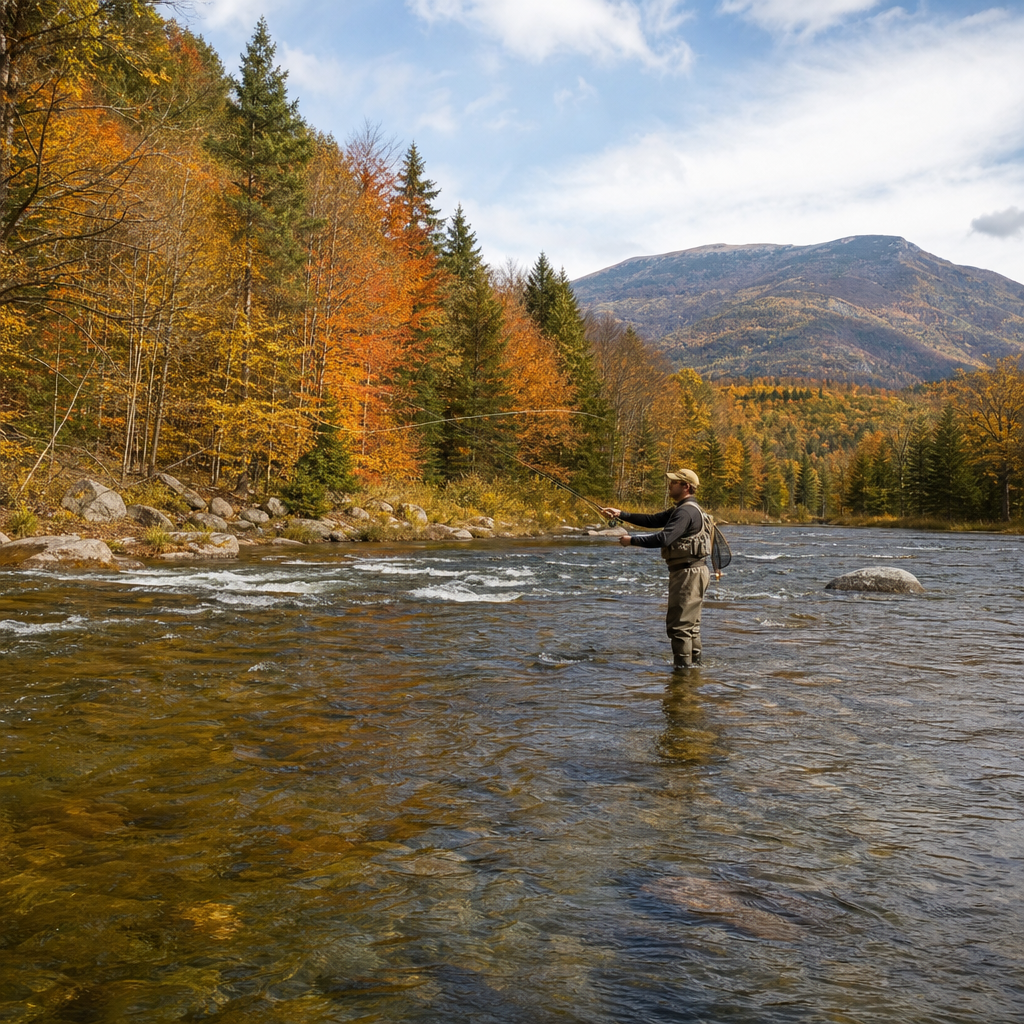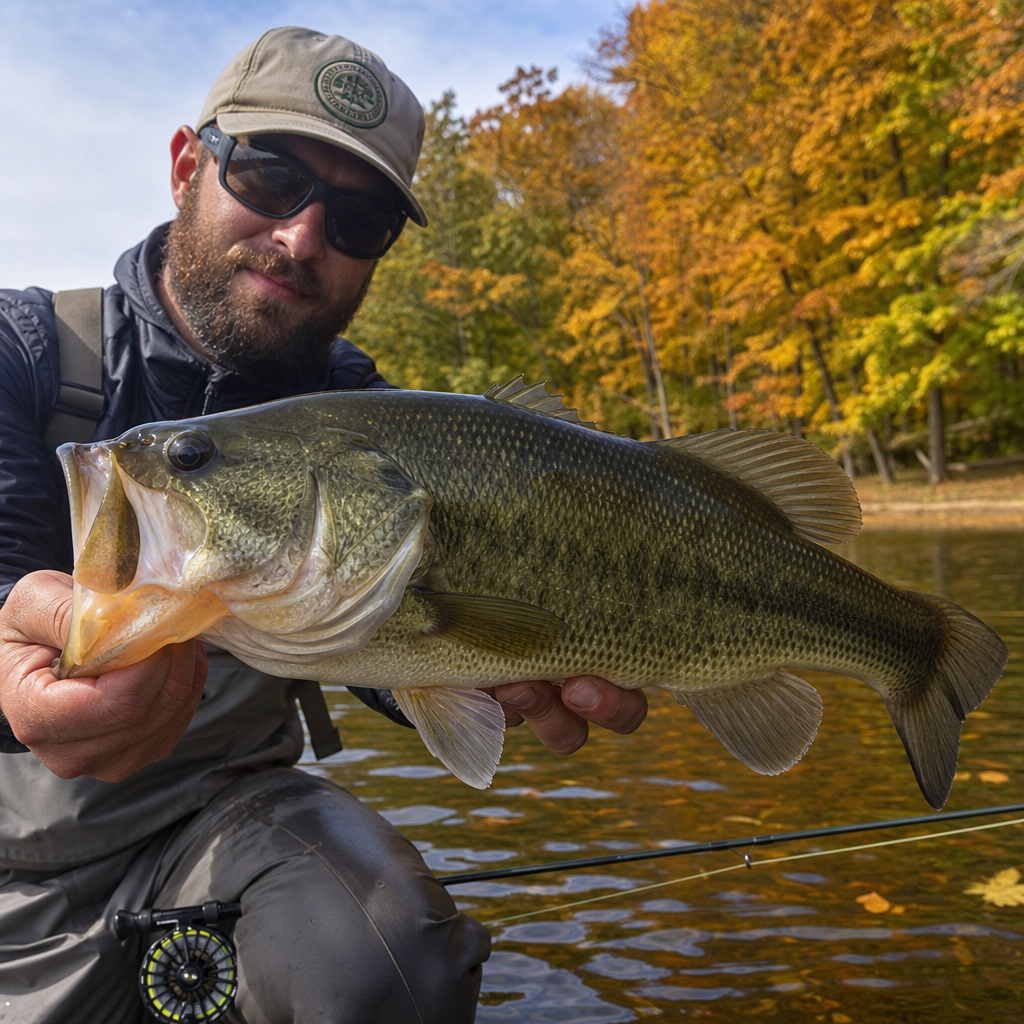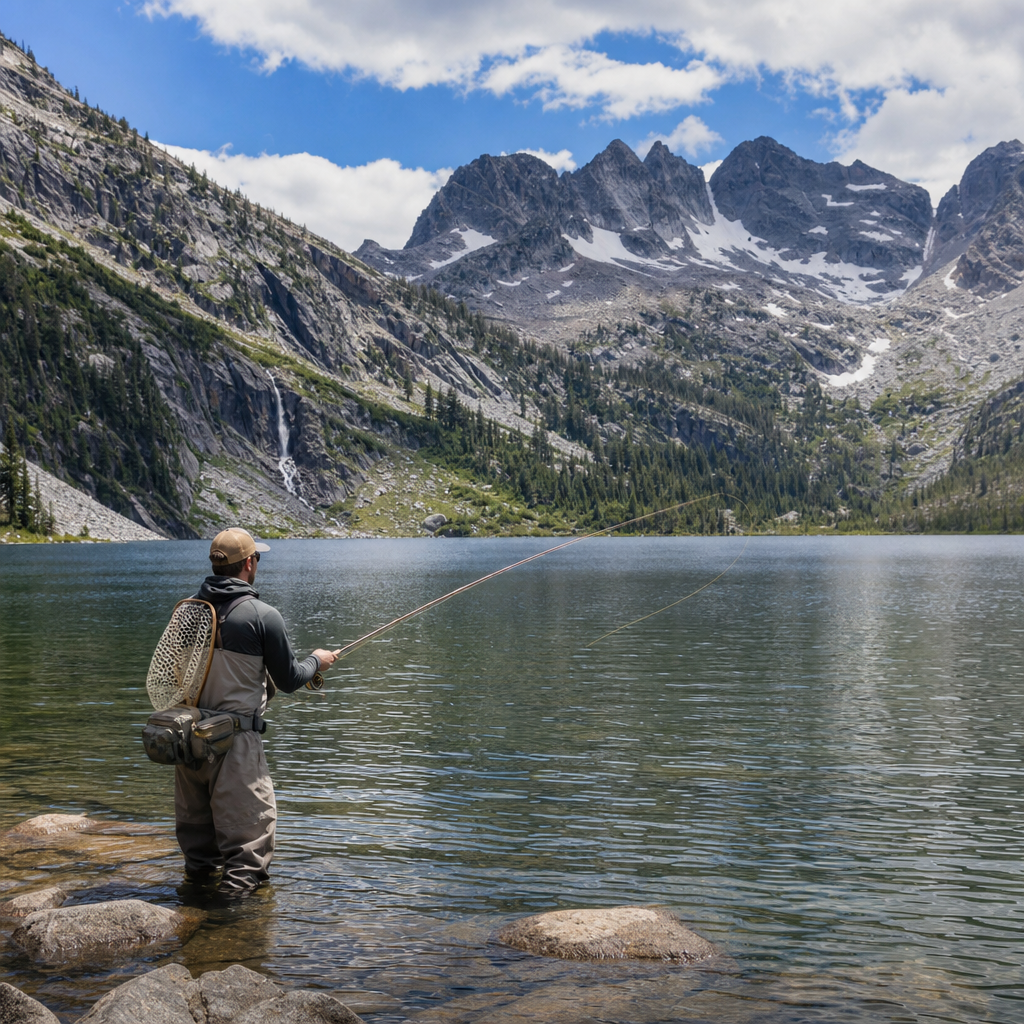
Fly fishing in alpine lakes demands a different mindset than river fishing, because elevation, cold water, wind exposure, short growing seasons, and highly visual trout all shape how fish feed and how anglers must present a fly. In this sub-pillar guide to special conditions, I will treat alpine lakes as a complete system: weather, access, insect life, trout behavior, tackle choices, safety, and seasonal timing. An alpine lake is generally a high-elevation stillwater above or near treeline, often ice-covered for much of the year and low in nutrients compared with valley reservoirs. That combination creates clear water, selective fish, and brief but intense feeding windows. For anglers, the appeal is obvious. These lakes hold wild cutthroat, brook trout, golden trout, rainbow trout, grayling, and char in settings where a single hatch or wind lane can turn a quiet basin into outstanding fishing. They also punish poor planning. I have learned, sometimes the hard way, that a lake that looks calm from the trail can become unfishable by noon, and that fish cruising six feet from shore may refuse every cast if leader design, angle, or retrieve is wrong. Understanding special conditions matters because alpine success rarely comes from generic fly fishing advice. It comes from matching depth, light, food sources, and access constraints to a precise approach. If you want a hub page that explains what changes in thin air, cold water, snowmelt, sudden storms, and crystal clarity, this article covers the essential tips and techniques.
Read the Lake Before You Fish
The first job at an alpine lake is not tying on a fly. It is reading structure, light, and oxygen. In most high lakes, trout spend time along drop-offs, inlet shelves, outlet current seams, boulder banks, submerged timber, and wind-blown shorelines where food concentrates. Because water is so clear, you can often see the transition from pale marl shallows to darker weed edges or rock ledges. Those edges matter more than random open water. On many summer mornings, fish cruise the first break in three to eight feet of water, then slide deeper as the sun rises. Midday can push fish toward shoals with wave action, especially when a chop breaks up the surface and makes them feel secure. Wind is not just an inconvenience; it is a delivery system for terrestrials, midges, and drowned insects. A bank receiving steady wind for several hours often outfishes the calm side. I start by circling part of the shore, looking for rise forms, cruising shadows, damselfly movement, and any visible shelf that lets fish patrol efficiently. Polarized glasses are essential. So is restraint. A careless approach on a steep bank can send a pressure wave into skinny water and ruin a pod of fish for twenty minutes.
Seasonal Windows and Special Conditions
Seasonality in alpine lakes is compressed, and each phase demands different tactics. Ice-out is often the easiest period because trout are concentrated in the warming margins and the food web is suddenly active after months under ice. Water temperatures in the upper 40s to low 50s Fahrenheit can produce strong midge and mayfly activity, and fish are willing to patrol shallow flats for chironomids, leeches, and scuds. During snowmelt, however, inlets can carry sediment and cold runoff that delays activity on one side of a lake while sheltered shorelines fish well. Early summer usually brings the first reliable callibaetis, caddis, damselfly, and terrestrial action. This is the period when balanced leeches under an indicator, shallow nymphs on a long leader, and dries over cruising fish are all valid. By midsummer, bright sun, reduced shore activity, and recreational pressure often push larger trout deeper during the middle of the day. Dawn, evening, and windy periods become more important. Late summer can be excellent for beetles, ants, hoppers, and flying ants after storms. Fall is shorter at altitude but productive, especially before turnover, when fish feed hard on leeches and minnows. Special conditions such as wildfire smoke, overnight freezes, monsoon storms, and low dissolved oxygen in shallow basins can all alter feeding rhythm. The consistent rule is to fish the warmest, most food-rich water that still holds oxygen and security.
Tackle That Matches High-Lake Reality
The best alpine lake fly fishing setup balances hiking weight with the ability to present at multiple depths. For most lakes, a 9-foot 4-weight or 5-weight rod is the most versatile choice. A 4-weight protects light tippets and excels with dries on calm water; a 5-weight handles afternoon wind and larger fish more comfortably. I prefer a reel with a smooth disc drag even on smaller lakes, because clear-water trout often run hard in open water. Floating lines cover a surprising amount of the fishing if you use long leaders and count down unweighted or lightly weighted flies. A clear intermediate line is the next most useful tool for alpine stillwater because it keeps contact in chop and presents nymphs, leeches, and baitfish patterns naturally in the top six feet. Full-sinking lines have a place on deeper lakes but are worth carrying only when maps, local reports, or prior trips indicate fish regularly suspend well offshore.
Leader design matters more than many anglers realize. For dries and shallow nymphs in clear conditions, 12- to 15-foot leaders tapered to 4X, 5X, or 6X reduce drag and keep the line farther from the fish. For streamers and leeches on intermediate lines, shorter leaders of 6 to 9 feet turn over better. Fluorocarbon sinks and resists abrasion around rock; nylon remains superior for many dry-fly situations because it floats and lands softly. Carry split shot sparingly, strike indicators sized for small flies, floatant, desiccant, and a thermometer. Water temperature gives you immediate tactical guidance. At 46 degrees, fish may move but retrieve slower. At 56 degrees with a light chop, expect stronger, more confident feeding in the shoals.
Productive Flies and When to Use Them
Alpine lake trout are opportunists, but their menu is narrower than many anglers think. The core food sources are midges, chironomid pupae, callibaetis nymphs and duns, damselfly nymphs, caddis, scuds, leeches, aquatic worms, and terrestrials blown from surrounding vegetation. If the lake holds forage fish, small streamers also matter. I keep my alpine selection disciplined instead of broad, because carrying fifty patterns into the backcountry solves little. A few proven flies in multiple sizes and sink rates are enough.
| Condition | Best Flies | Depth | Presentation |
|---|---|---|---|
| Ice-out and cold mornings | Black leech, chironomid pupa, scud | 1 to 6 feet | Slow hand-twist or static under indicator |
| Mayfly activity | Callibaetis nymph, emerger, cripple, dun | Surface to 4 feet | Figure-eight retrieve, then dry on rise forms |
| Damselfly migration | Olive damselfly nymph | Shoreline weeds | Long strips with pauses toward shore |
| Wind-blown afternoons | Ant, beetle, hopper, parachute attractor | Surface margins | Dead drift with occasional twitch |
| Bright midday or deeper fish | Balanced leech, small baitfish, chironomid | 6 to 15 feet | Countdown on intermediate or suspend under indicator |
Color is usually less important than profile, depth, and speed, but in ultra-clear lakes, black, olive, brown, maroon, and natural tan consistently outperform loud colors. Size 12 to 18 covers most alpine insects. If fish inspect and refuse, downsize first and reduce retrieve speed second.
Presentation, Retrieve, and Shore Tactics
How you move the fly often matters more than the pattern itself. In stillwater, every retrieve creates a specific illusion. A hand-twist makes a chironomid, scud, or leech look alive without darting unnaturally. A slow figure-eight keeps a callibaetis nymph tracking steadily. Six-inch strips with pauses are excellent for damselfly nymphs moving toward shore to emerge. Fast strips can trigger brook trout or aggressive cutthroat, but speed usually hurts in cold water or under bright skies. Countdowns are essential. If a fish follows at five feet and refuses, make the next cast, count longer, and bring the fly slightly below its level.
Shore position also affects success. Instead of standing on the obvious point, back off the edge, kneel when necessary, and cast parallel to the bank before casting straight out. Trout cruising a shoreline usually follow the contour, and a parallel cast keeps the fly in the strike zone longer. On steep banks, use sidearm deliveries to keep loops out of the wind. On calm days, lengthen leaders and make fewer false casts. On windy days, tighten your casting stroke, open the loop only as much as needed for weighted flies, and fish banks where wind pushes food into reachable water. If there is an inlet or outlet, treat it like a miniature river seam. Fish often hold where current enters still water because it brings oxygen and disoriented food. During evening rises, do not cast into every ring. Watch for rhythm, identify a lane, and put a cripple or emerger a few feet ahead of the next rise.
Weather, Safety, and Backcountry Judgment
Special conditions in alpine lakes are not only about fish behavior. They are also about risk management. High elevations magnify weather volatility. Thunderstorms build fast, and many productive lakes sit above treeline with no protection from lightning. The rule I follow is simple: if thunder is audible, leave exposed shorelines immediately and descend. Water and graphite rods are not places to negotiate. Cold water immersion is another serious hazard, especially for anglers using inflatables or float tubes where allowed. Even in midsummer, alpine water can incapacitate quickly. Wear a PFD, avoid solo crossings, and know local regulations before carrying watercraft into wilderness areas.
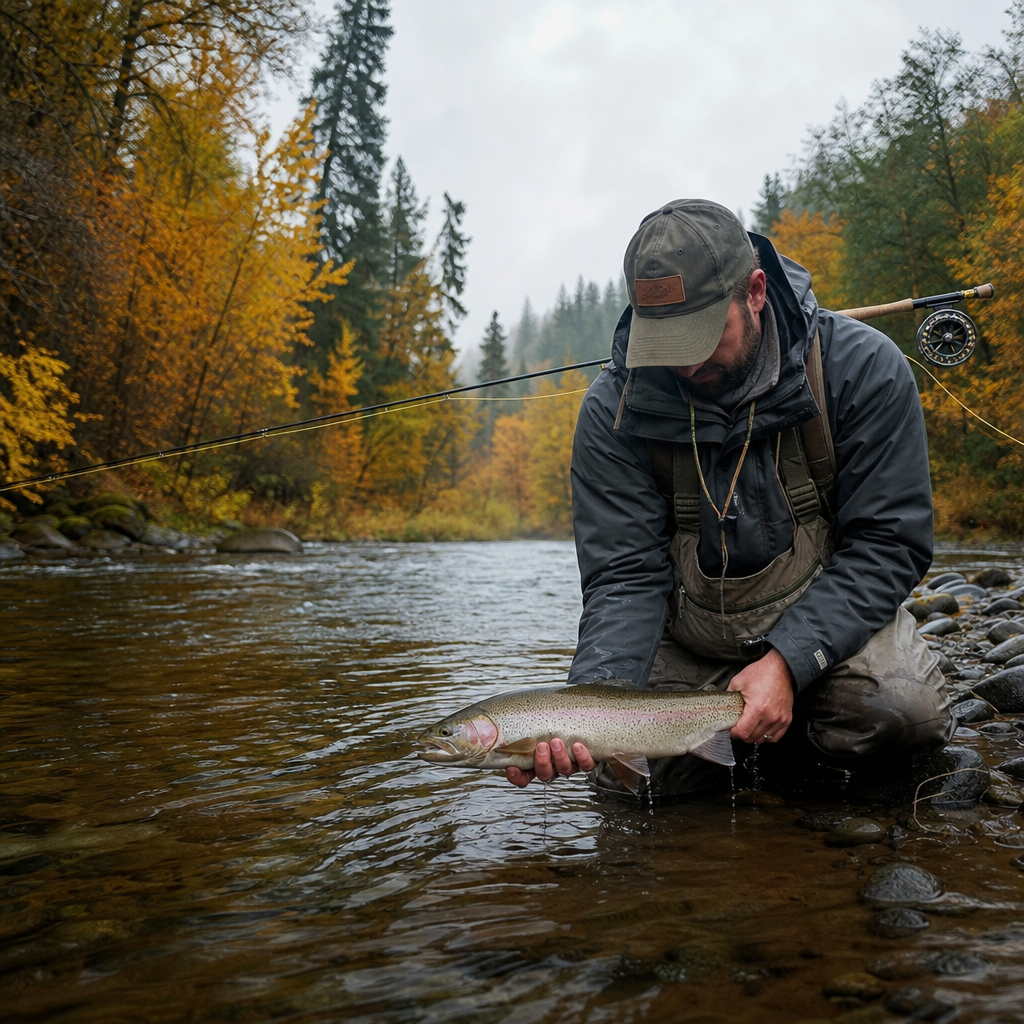
Physical stress is part of the equation. Altitude reduces pace, increases dehydration, and dulls judgment. Carry more water than you expect, use sun protection aggressively, and pack insulation even when the trailhead is warm. Barbless hooks make release easier and reduce handling time for trout that already face a short growing season. Many alpine fisheries are sustained by natural reproduction or light stocking in fragile habitats, so ethical fish handling matters. Keep fish wet, use rubber nets, and avoid repeated photo sessions. Finally, respect access and conservation rules. Some lakes prohibit bait, have seasonal closures, or require invasive species precautions for boots and watercraft. The best alpine lake anglers are usually the most disciplined planners, not just the best casters.
Building a Reliable Alpine Lake Strategy
A reliable strategy for fly fishing in alpine lakes starts before the hike and ends with careful notes afterward. Study topographic maps, satellite imagery, stocking records, and trip reports to identify likely inlets, shallow shelves, and sheltered banks. Arrive with a short list of plans rather than one rigid idea. Plan A may be cruising fish on dries at dawn; Plan B, indicator chironomids when wind develops; Plan C, intermediate-line leeches along a drop-off after the sun gets high. Once on the water, give each pattern and depth a fair trial, but do not stay random. Change one variable at a time: depth, then speed, then fly size, then location. In my experience, depth solves more refusals than pattern changes do. Keep a small notebook or phone log with water temperature, weather, insect activity, and productive retrieves. Across several trips, those details reveal repeatable windows unique to each lake.
As the hub for special conditions, this article should leave you with one clear principle: alpine lakes reward observation over force. Success comes from reading wind, light, shoreline structure, and seasonal timing, then presenting simple flies at the right level with quiet, efficient movements. The main benefit is consistency. Instead of hoping for random risers, you can predict where trout will feed during ice-out, snowmelt, bright midsummer afternoons, windy terrestrial events, and short fall binges. Pack versatile tackle, protect yourself from mountain weather, and fish with enough patience to let the lake explain itself. Then use these methods on your next high-country trip and build your own records from each basin you visit.
Frequently Asked Questions
How is fly fishing in alpine lakes different from fishing rivers or lower-elevation stillwaters?
Fly fishing in alpine lakes is different because the entire environment changes how trout behave and how anglers need to approach them. In rivers, current positions fish and delivers food to predictable holding lies. In alpine lakes, there is no current to organize feeding lanes, so trout cruise, patrol shorelines, suspend over depth changes, and shift location based on light, wind, temperature, and insect activity. That means anglers have to think more like hunters than drifters, scanning for movement, watching rise forms, and choosing presentations that cover water efficiently without spooking fish.
Elevation also plays a major role. Alpine lakes are colder, more exposed to wind, and often have shorter productive seasons because ice-out can come late and weather can change quickly. Trout in these waters may feed intensely during brief windows when insect life is active, especially around chironomids, damselflies, caddis, midges, callibaetis mayflies, and terrestrials blown in from surrounding terrain. Because many alpine lakes are clear and infertile compared with richer lowland lakes, trout often become highly visual feeders. They can inspect flies closely, which makes leader length, fly size, retrieve speed, and angler movement much more important.
Another big difference is access and pace. Alpine lakes usually require hiking, limited gear, and a willingness to adapt to changing conditions rather than relying on fixed spots. Shoreline structure, drop-offs, inlet trickles, shoals, and windward banks often matter more than obvious current seams. Successful anglers pay close attention to weather, sun angle, and wave action because a slight chop can hide the leader and make fish more confident, while flat calm can demand longer casts and finer presentations. In short, alpine lake fly fishing rewards observation, mobility, and subtle presentation far more than a standard river approach.
What flies and insect patterns work best for alpine lake trout?
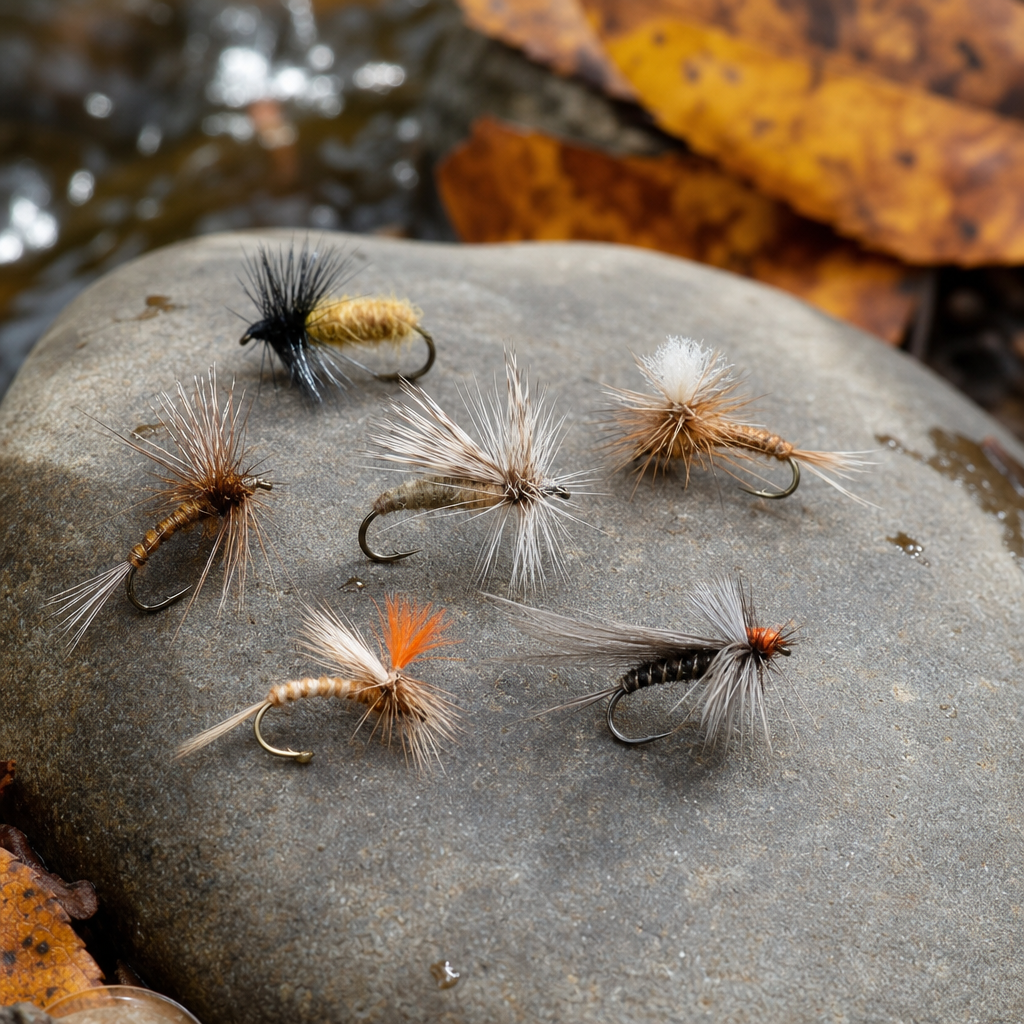
The best flies for alpine lake trout usually imitate the food sources that remain reliable in cold, high-elevation stillwaters: midges, chironomids, mayflies, caddis, damselflies where present, leeches, scuds in more productive lakes, and a modest selection of terrestrials. If you want a practical alpine lake fly box, start with balanced leeches, small Woolly Buggers, chironomid pupa, midge adults, callibaetis nymphs and emergers, parachute mayflies, caddis adults, Griffith’s Gnats, black ants, beetles, and a few attractor dries such as small stimulators or high-floating searching patterns. Sizes often run smaller than many anglers expect because alpine trout frequently key in on sparse, natural-looking insects in very clear water.
During and just after ice-out, subsurface patterns are usually especially effective because trout cruise the shallows looking for leeches, nymphs, and other easy food in water that warms first. As the season progresses and insect activity increases, fish may shift to more selective feeding on emergers and adults, particularly during calm mornings, evenings, and weather changes. Chironomid fishing can be excellent when trout are suspended or moving slowly along drop-offs. A callibaetis hatch, where available, can create classic sight-fishing opportunities with rising fish that demand precise timing and delicate presentations.
It is also smart to match the lake’s fertility and forage base. Some alpine lakes are sparse and favor small, slim patterns in olives, blacks, browns, and grays. Others support more baitfish or larger invertebrates, where streamers can move the biggest fish. If you are unsure, begin with general searching flies: a black or olive leech, a small chironomid under an indicator, or a callibaetis nymph retrieved slowly. Then let the fish tell you more. Watch for rise forms, inspect the shallows for shucks or swimming nymphs, and adjust from there. In alpine systems, having the right categories matters more than carrying dozens of obscure patterns.
What tackle setup is best for fly fishing alpine lakes?
A versatile alpine lake setup usually starts with a 4- to 6-weight rod, depending on lake size, wind exposure, and the average trout you expect to encounter. A 5-weight is the most practical all-around choice because it balances delicate presentation with enough power to cast longer leaders, weighted flies, and light indicators in mountain wind. In smaller, sheltered lakes with spooky fish and mostly dry-fly or light nymph fishing, a 4-weight can be ideal. In larger or windier alpine lakes, or when stripping streamers, a 6-weight gives you better line control and turnover.
Floating lines cover the majority of alpine lake situations, especially for fishing shorelines, cruising trout, dries, emergers, and shallow nymphs. However, a sink-tip or full intermediate line can be extremely useful when fish drop off the banks or feed over deeper shelves later in the day. Many anglers overlook how effective a slow-sinking line can be in stillwater because it lets you maintain a controlled depth on leeches, nymphs, and small streamers without sacrificing presentation. If you only bring one line, make it a floating line, but if you can carry two, a floating line plus an intermediate greatly expands your options.
Leader choice matters more than many anglers realize in clear alpine water. For dries and emergers, 9- to 12-foot leaders tapering to 4X, 5X, or even 6X can help prevent refusals. For streamers or leeches, shorter and slightly stronger leaders are often better, particularly in wind. Keep your terminal setup simple and reliable, because cold hands, changing weather, and shoreline travel make constant rerigging inefficient. Polarized glasses, a compact fly box, forceps, floatant, a spool or two of tippet, and a lightweight net are often more valuable than carrying too much gear. Since most alpine fishing involves hiking, the best tackle system is not the most complicated one; it is the one you can carry comfortably, adapt quickly, and fish confidently all day.
When is the best time to fish alpine lakes, and how do weather and season affect success?
The best time to fish alpine lakes usually begins around ice-out and extends through the short open-water season into early fall, but the exact timing depends on elevation, snowpack, and regional climate. Ice-out is often one of the most productive windows because trout concentrate in shallower water that warms first, and food becomes available after a long winter. Fish can be aggressive then, especially on leeches, nymphs, and other slow-moving subsurface patterns. As summer develops, insect hatches become more important, and trout may feed in more defined windows early and late in the day, especially if midday sun pushes them off the flats.
Weather has an outsized effect in alpine environments. Wind can be frustrating to cast in, but it often improves fishing by pushing food into shorelines, breaking up the surface, and giving trout cover. Windward banks are frequently worth checking first because wave action concentrates insects and disorients prey. Bright, calm conditions tend to make fish more cautious, especially in ultra-clear lakes near treeline where trout can see exceptionally well. Under those conditions, anglers usually do better with longer leaders, lower profiles, slower movements, and more deliberate casting angles.
Cloud cover, light rain, and incoming weather can trigger some of the most active feeding of the day. On the other hand, sudden storms, dropping temperatures, or strong afternoon squalls can shut things down quickly and create real safety concerns. Seasonal timing also matters within a single day. Morning can be excellent for cruising fish in the shallows, midday may favor deeper presentations or wind-blown structure, and evening often brings the most visible dry-fly opportunities. The key is to avoid thinking of alpine lakes as static water. They change hour by hour, and the anglers who adjust to temperature, wind, and light usually outperform those who simply fish one method all day.
What are the most important techniques and safety tips for fly fishing alpine lakes?
The most important alpine lake techniques are observation, stealth, depth control, and efficient water coverage. Start by watching before you cast. Look for cruising fish, subtle rises, insect activity, drop-offs, submerged structure, and the effect of wind on the lake. Trout in alpine lakes often patrol predictable routes along shorelines, weed edges, rock transitions, inlet trickles, and shelves. If you see fish moving, lead them with the fly rather than casting directly on top of them. If you do not see fish, fish methodically by fan-casting likely water and changing depth before changing flies too quickly.
Retrieve style is critical in stillwater. Many anglers move flies too fast. In cold, high-elevation lakes, trout often respond best to slow hand-twist retrieves, short strips with pauses, or a nearly static presentation under an indicator. For emergers and nymphs, subtle movement can be far more convincing than aggressive stripping. For streamers and leeches, vary speed until fish show preference. If follows occur without eats, shorten the retrieve, add pauses, or downsize the fly. Depth is often the deciding factor, so count down sinking flies, adjust indicator placement carefully, and work through multiple levels of the water column