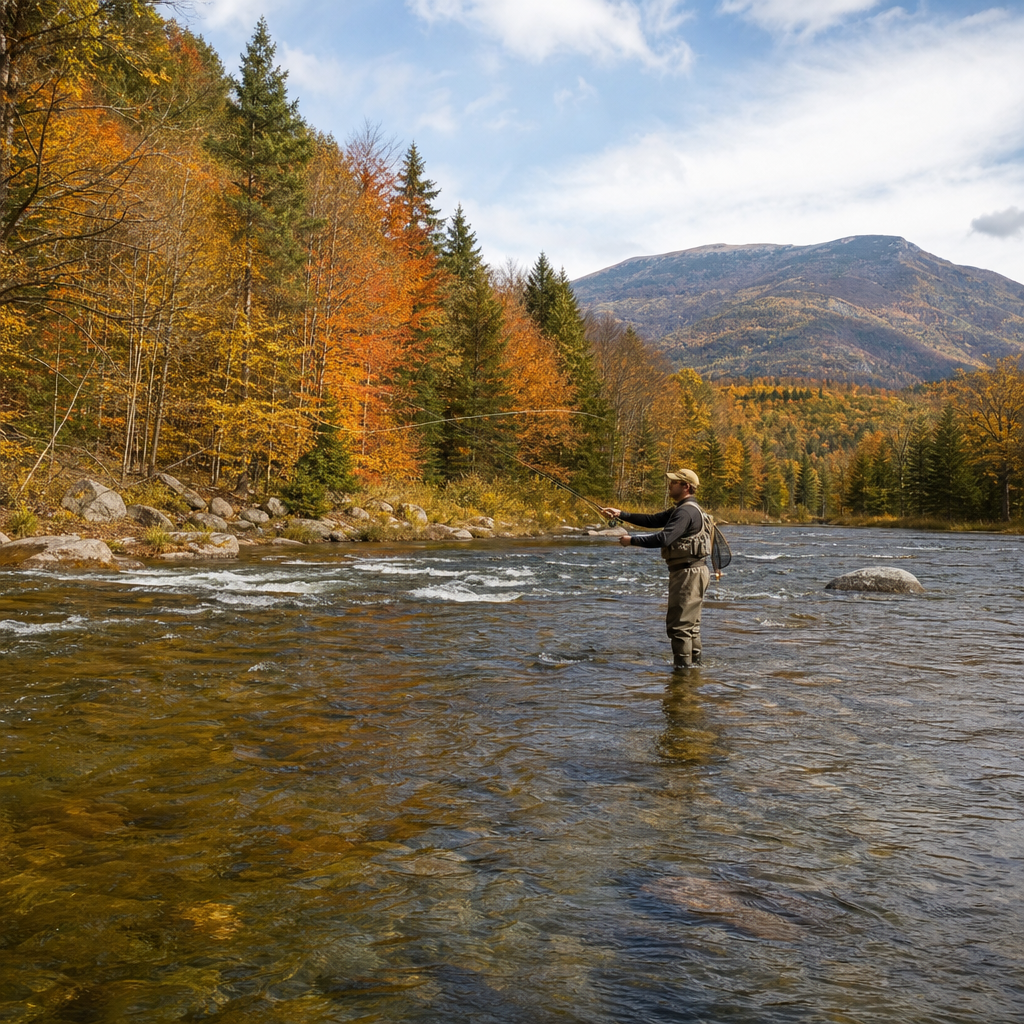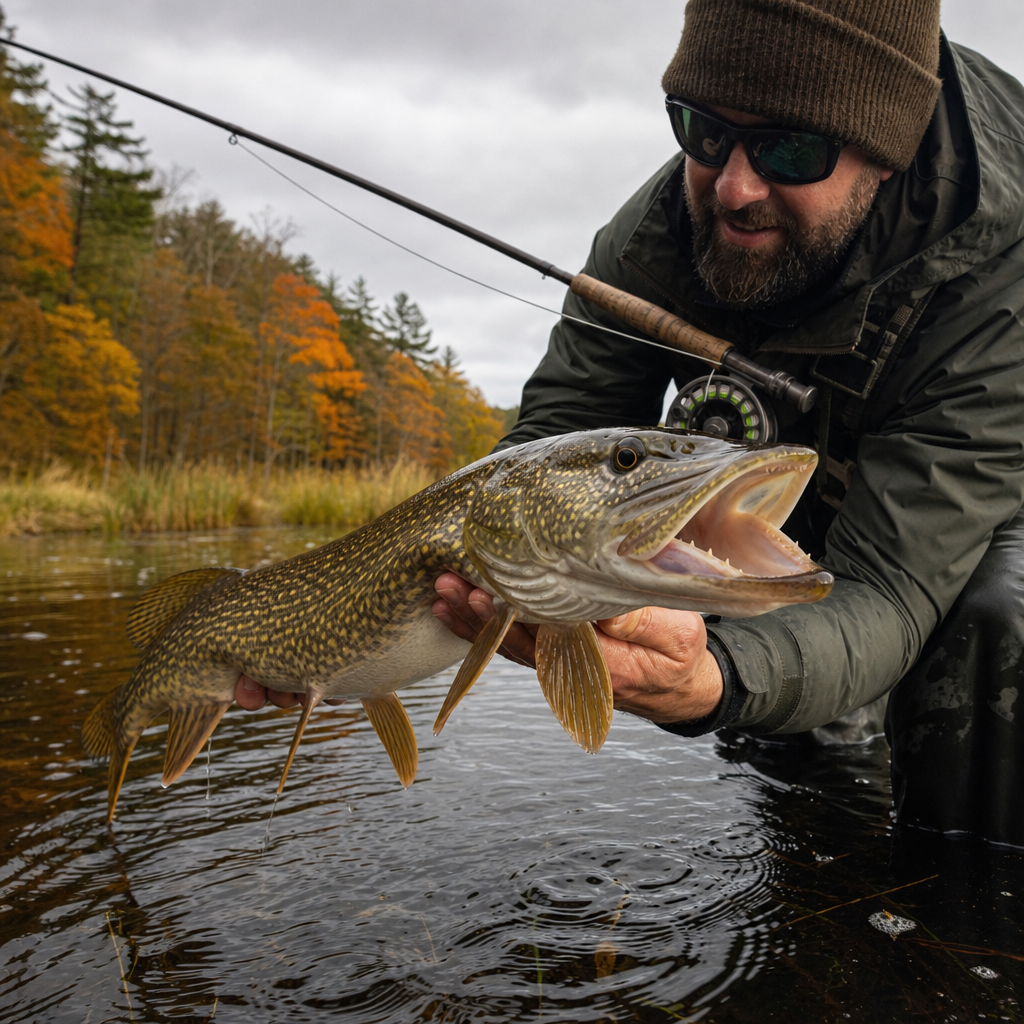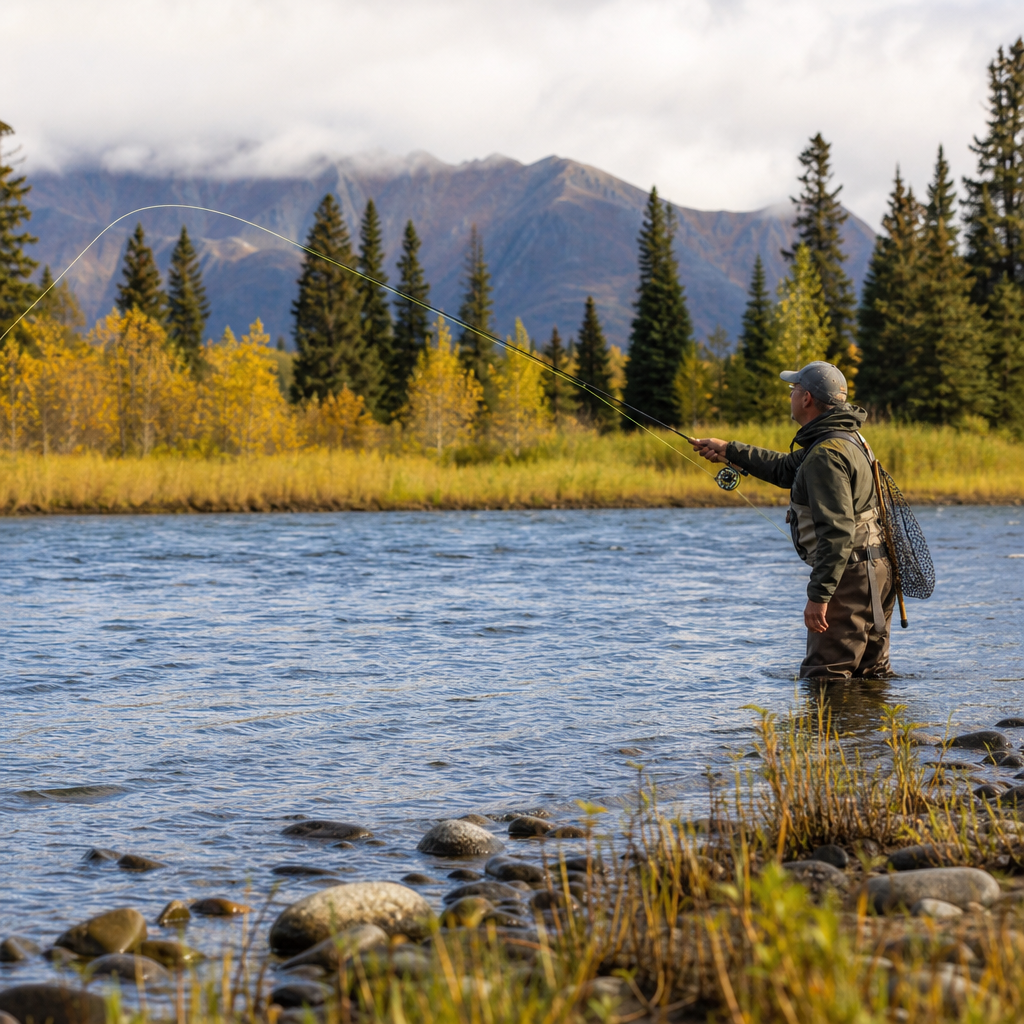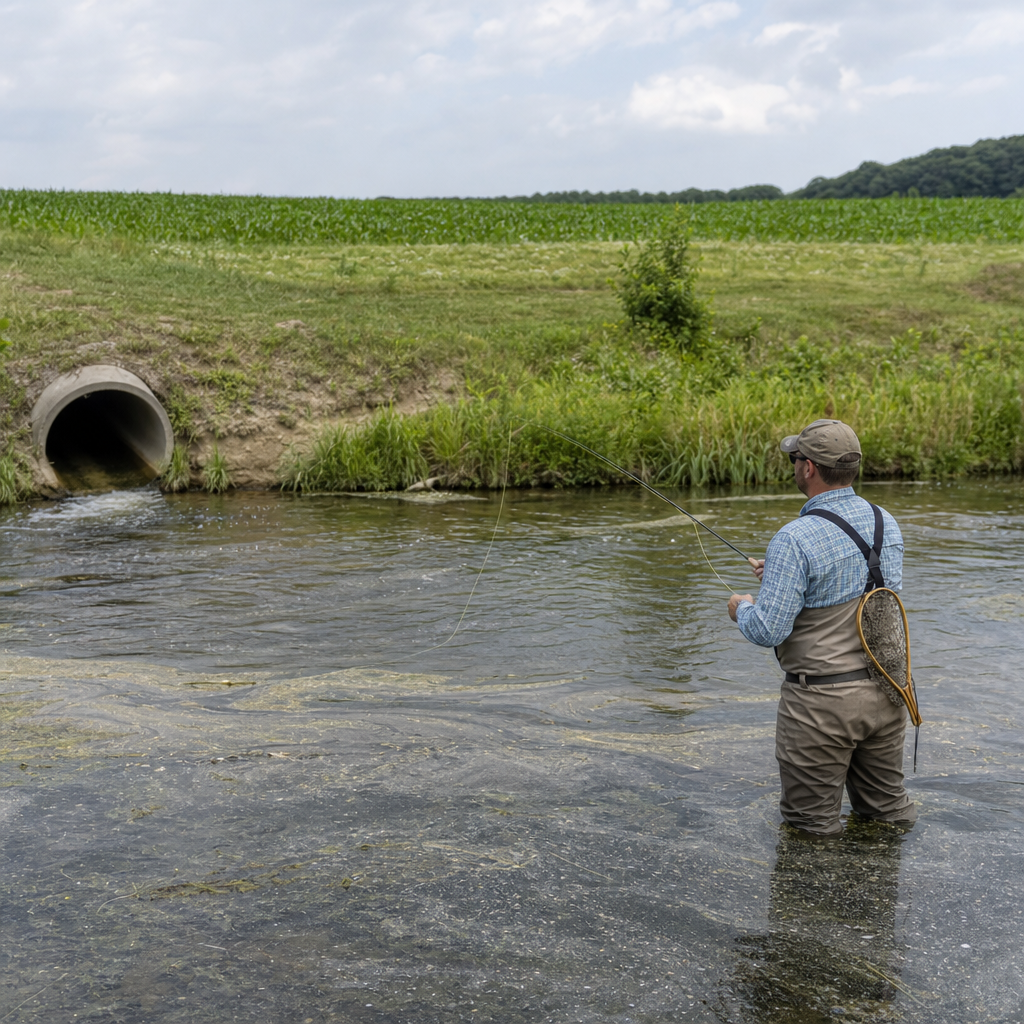
Fly fishing in agricultural runoff areas demands a different level of observation because the water is shaped as much by fertilizers, sediment, drainage ditches, and livestock access as by weather, season, and insect life. In practical terms, agricultural runoff is water leaving cropland, orchards, pastures, or feed areas and carrying nutrients, pesticides, fine soil, manure, or warmer surface flows into creeks, rivers, ponds, and tailwaters. For anglers, that changes everything: clarity, dissolved oxygen, weed growth, insect hatches, fish holding lies, and even whether a reach is fishable at all on a given day. I have fished productive trout, bass, and panfish water below row-crop valleys and cattle country for years, and the pattern is consistent. Runoff does not automatically ruin a fishery, but it creates instability that rewards careful timing, disciplined fly selection, and strong conservation judgment.
This special conditions hub matters because many anglers now encounter mixed-use watersheds more often than pristine streams. According to the U.S. Environmental Protection Agency, nutrient pollution remains one of the most widespread causes of water quality impairment in American waters, often tied to nitrogen and phosphorus entering streams from farmed landscapes. Those nutrients can trigger algal blooms, depress oxygen during decomposition, and alter aquatic food webs. At the same time, runoff can boost certain food sources by washing worms, beetles, drowned hoppers, leeches, and dislodged nymphs into channels. The result is not a simple good-or-bad scenario but a dynamic system. Understanding special conditions in runoff zones helps anglers find safer water, make better presentations, protect fish during stress events, and connect this hub topic to related concerns such as stained water, low water, warm water, post-rain flows, algae, and bank erosion.
How agricultural runoff changes fishable water
The first question most anglers ask is simple: what does agricultural runoff actually do to a stream? The short answer is that it modifies visibility, chemistry, temperature, and habitat structure, often all at once. Sediment increases turbidity, reducing the trout angler’s usual reliance on long fine leaders and visual sight-fishing. Nutrients stimulate filamentous algae and aquatic plant growth, which can create good cover in moderate amounts but become problematic when mats dominate shallow runs. Manure and decomposing organic matter consume oxygen, especially at night or during hot weather. Tile drainage and ditch inputs can also create sudden pulses that look minor on the surface yet shift current seams and color lines enough to relocate feeding fish within minutes.
From experience, runoff waters fish best when you stop expecting textbook river behavior. A riffle that should be ideal may be too silty for mayfly nymphs, while a short gravel tailout below a culvert can become a feeding lane because cleaner, oxygenated water funnels food through it. In pasture streams, undercut banks shaded by reed canary grass or willows often hold the healthiest fish because overhead cover compensates for lower clarity. In larger rivers, the mixing zone where a muddy agricultural tributary enters a clearer main stem can become excellent if the color edge is defined and oxygen remains adequate. Predators use that seam exactly the way saltwater fish use tide lines: they sit on the clean side and pick prey washed from the stain.
Reading runoff conditions before you rig
Successful fly fishing in agricultural runoff areas starts before the first cast. Check stream gauges, rainfall totals, water temperature, and satellite or map layers that show land use, drainage patterns, and access points. I rely on USGS gauges for level trends, weather radar for storm timing, and county GIS maps to identify tile-fed ditches, retention ponds, and bridges where runoff enters public water. A rise of even a few inches can matter in low-gradient farm streams because extra color often spreads bank to bank. If the water smells sour, has surface scum, or shows dead minnows, leave. Fish can survive turbidity; they struggle with low oxygen and contamination events.
At streamside, answer four direct questions. How far can you see into the water? Where is the cleanest inflow or fastest broken current? Is water temperature rising into a stress range? What natural food is visibly entering the drift? A useful benchmark is visibility by boot depth. Less than six inches often calls for larger profiles and short-range presentations. One to two feet is ideal “green” or tea-stained visibility for many streamer and nymph approaches. More than two feet means fish may still be selective despite runoff influence. Watch for foam lines, bubbles trapped in eddies, clumps of cut vegetation, and fresh worm washouts after rain. Those signs tell you what fish are likely keying on right now, not what they ate last week.
Best tactics, flies, and presentations in dirty or enriched water
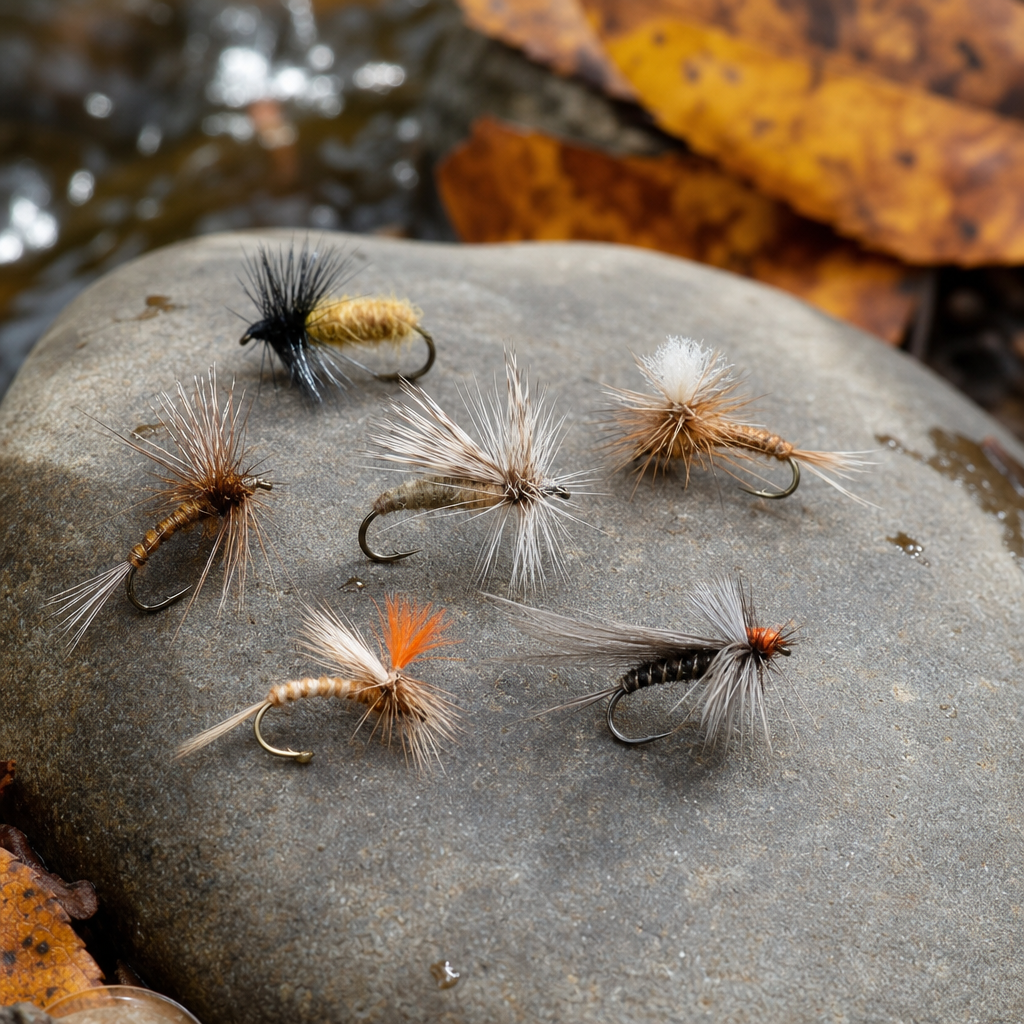
Presentation in runoff conditions is about proximity and contrast. Fish in stained water rarely move as far or as precisely to inspect a fly, so your first task is getting the pattern close to the holding lane. I shorten leaders, increase tippet strength, and favor flies with clear silhouettes. For trout, that often means black Woolly Buggers, olive sculpin streamers, San Juan Worms, egg patterns in systems with spawning fish, and heavy stonefly or caddis pupa nymphs under an indicator. For warmwater species in farm ponds and lowland creeks, crayfish patterns, leech flies, deer hair divers, and rubber-legged streamers excel. In murky water, black often outfishes brighter colors because it creates the strongest outline. In heavily green water, chartreuse or white can be effective when fish are actively chasing.
Retrieve speed matters as much as fly choice. In cold, turbid spring flows, dead drifts and slow strips usually outperform aggressive motion because fish conserve energy. In summer after a thunderstorm, bass and larger trout may crush a swung streamer along a muddy bank where terrestrial food is washing in. Weight flies enough to maintain contact, but avoid dredging deep silt where the pattern disappears unnaturally. If fish are refusing, change angle before changing flies. Quartering downstream often keeps the fly in view longer than a straight upstream dead drift in cloudy water.
| Condition | What fish notice | Best fly types | Presentation adjustment |
|---|---|---|---|
| Fresh muddy rise after rain | Worms, dislodged bait, strong vibration | San Juan Worm, black streamer, crayfish | Fish banks, shorten leader, cast tight to cover |
| Green nutrient-stained flow | Leeches, minnows, caddis, scuds | Olive Bugger, leech, scud, soft hackle | Use moderate depth, slow strips, target seams |
| Low clear water below farm inputs | Selective inspection, subtle drift | Pheasant Tail, midge, hopper-dropper | Lengthen leader, lighten tippet, fish early |
| Warm summer pond or ditch mouth | Oxygen-rich inflow, panicked forage | Poppers, baitfish, damsel, nymph | Focus dawn and dusk, pause retrieves near inflow |
Where fish hold in runoff-affected streams, rivers, and ponds
Location becomes more important than exact imitation when agricultural influence is high. Fish seek three things: tolerable oxygen, manageable current, and concentrated food. In small streams, look first at culvert outlets, spring seeps, shaded bends, root wads, undercut sod banks, and the first deeper slot below a shallow muddy flat. Those areas either introduce cleaner water or give fish refuge from suspended sediment. In larger rivers, side channels can be poor if they warm and stagnate, while main-current edges near gravel bars often stay healthier. Trout commonly slide from broad runs into bucket water at the heads of pools when silt blankets the bottom. Smallmouth bass often pin bait against rock banks where a dirty tributary enters a clearer river.
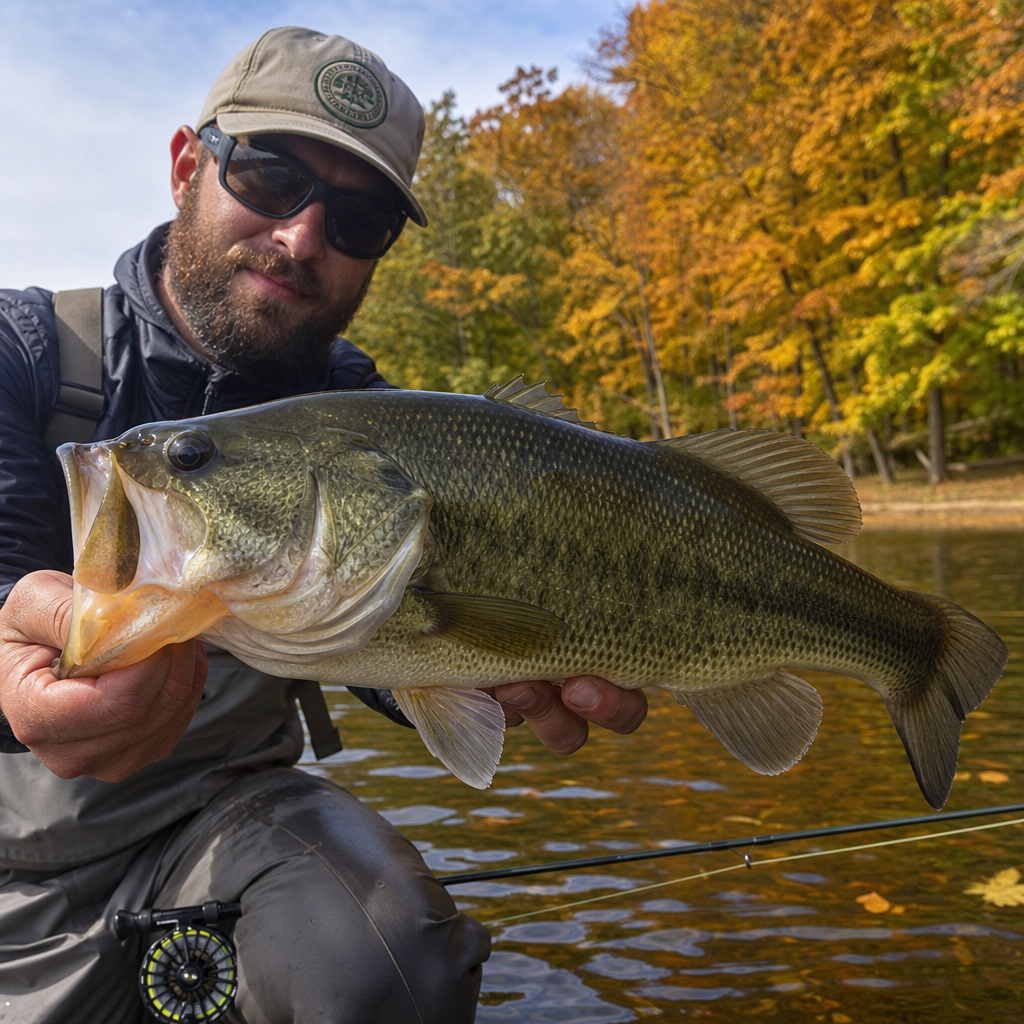
Ponds and reservoirs in farm country reward similar logic. The upper end may receive the most nutrient input, yet the best fishing often happens where that inflow oxygenates water without turning it anoxic. Bluegill and largemouth bass gather near culverts, flooded grass lines, and wind-driven shorelines where runoff pushes insects and worms. Carp are a special case. In runoff areas they frequently tail in soft margins, feeding confidently on washed-in organic matter. A short cast with a worm fly, small crayfish, or hybrid nymph can be more effective than long technical presentations. Across all these settings, avoid assuming fish are evenly distributed. They stack in windows of comfort, and one productive seam may fish far better than fifty yards of similar-looking water.
Seasonal strategies and linked special conditions
Because this page is the hub for special conditions under seasons and conditions, it helps to frame runoff through the year and connect it to adjacent situations you should study in depth. In late winter and early spring, frozen ground or saturated soils can send muddy sheets into streams quickly. Fish slower water near springs, tailouts, and soft inside bends, and expect worm patterns to shine. During planting season, even moderate rain can load ditches with fine sediment. In summer, the key issue often shifts from color to temperature and oxygen. Algae blooms, warm nights, and low flow can make dawn the only ethical trout window. For bass, carp, and panfish, summer runoff can improve action near inflows if oxygen is up.
Autumn usually brings the most nuanced fishing. Light rains after dry periods often create a brief pulse of color and food without severe oxygen stress, which can trigger excellent streamer fishing. But harvest activity may also leave exposed soil vulnerable to erosion, so one storm can turn a stable creek into chocolate water for days. Winter runoff tends to be clearer in some regions, especially where vegetation is dormant and storms are cold, but manure application periods can still create sharp local impacts. Related special conditions include stained water tactics, floodwater safety, low-water stealth, warm-water fish stress, algae management, and fishing around aquatic vegetation. Treat runoff not as an isolated topic but as a crossroads where these conditions overlap and change by season, region, and species.
Safety, ethics, and conservation on working-water landscapes
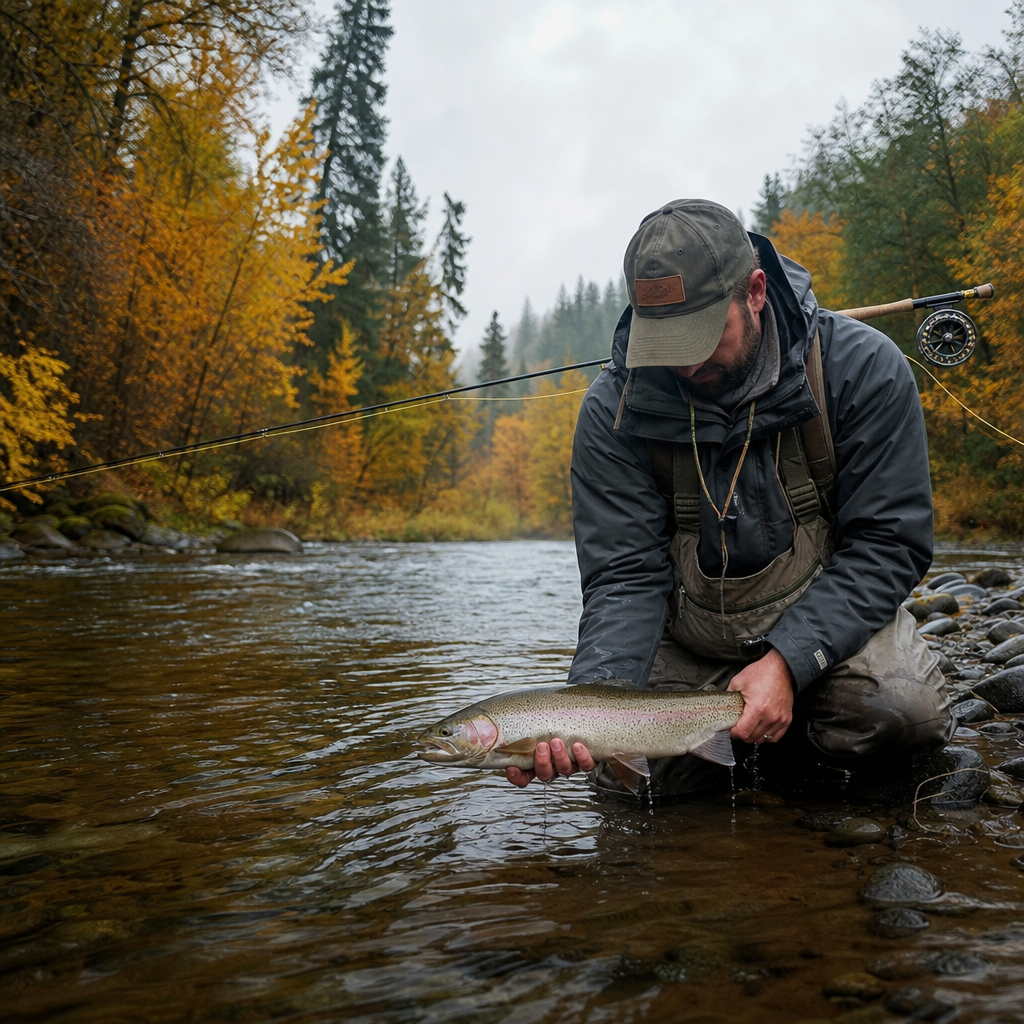
Not every runoff event is fishable, and not every fishable event is ethical to target. If water temperatures are high and dissolved oxygen is likely low, catch-and-release can become harmful even when fish are still feeding. Trout under warm, nutrient-loaded conditions accumulate stress quickly, particularly in slow pools. Carry a thermometer and use it. Above roughly 68 degrees Fahrenheit, many trout anglers reduce effort; above 70, stopping is the prudent choice on most streams. Likewise, avoid wading soft banks where cattle access or recent rain has made erosion worse. A single careless path can collapse habitat that took years to form.
Respect private property rigorously in agricultural areas. Public bridges, road rights-of-way, and legal access easements vary by state, and farm operators are rightly sensitive about gates, livestock, and equipment. Ask permission when in doubt, leave no rut or litter, and report obvious fish kills or chemical spills to the relevant state agency. Long term, some of the best fishing I have found in runoff country came after watershed improvements such as riparian buffers, cattle exclusion fencing, two-stage ditches, and cover crop adoption. These practices reduce sediment, shade water, and stabilize banks while keeping farms productive. Anglers should support those efforts through local conservation groups, trout chapters, watershed councils, and direct conversations with landowners. Better runoff management means better insect life, stronger year classes, and more dependable fishing for everyone.
Fly fishing in agricultural runoff areas is ultimately about adapting to imperfect but often surprisingly productive water. The core lessons are straightforward. Read the watershed before you fish, not just the pool in front of you. Prioritize oxygen, temperature, and water color over tradition. Use flies that match what runoff delivers, including worms, leeches, baitfish, crayfish, and sturdy nymphs. Shorten or lengthen leaders based on visibility, place the fly close to likely holding water, and focus on seams, inflows, undercuts, and mixing lines where fish gain both cover and food. Most important, distinguish fishable stain from harmful water quality stress. That judgment protects the resource and improves results.
As a special conditions hub, this topic connects naturally to every challenging scenario anglers face through the year: muddy rises, algae, low clear water, heat, flood pulses, and altered habitat. If you learn to diagnose runoff influences calmly, you will make faster decisions, waste less time on dead water, and find opportunities other anglers overlook. Start by keeping notes on rainfall, visibility, temperature, and successful flies each trip. Then build your own runoff playbook for your local streams, rivers, and ponds. That record, more than any single pattern or tip, will turn difficult agricultural water into a system you can read with confidence.
Frequently Asked Questions
What makes fly fishing in agricultural runoff areas different from fishing more natural or less-disturbed water?
Fly fishing in agricultural runoff areas is different because the water is being influenced by more than seasonal weather, insect hatches, and stream structure. It is also shaped by fertilizers, manure, pesticides, sediment, irrigation return flows, tile drainage, ditch inputs, and livestock access. That combination can change water clarity, temperature, oxygen levels, weed growth, and the way fish position throughout the day. In many cases, the stream or pond may look fishable from a distance, but conditions can shift dramatically over a very short stretch depending on where runoff is entering the system.
For anglers, that means observation becomes even more important than usual. Instead of only reading current seams, rise forms, and hatch activity, you also need to look for signs of nutrient enrichment, muddy inflows, algae, bank erosion, livestock crossings, and unusually warm or stagnant edges. Fish in these waters often behave less predictably because runoff can suppress insect life in one section while concentrating food in another. A creek reach below a drainage ditch may carry more food but less oxygen; a spring-fed side channel nearby may hold healthier, more active fish. Success comes from recognizing those contrasts and adjusting your approach, your flies, your presentation, and sometimes your expectations.
The biggest practical difference is that water quality becomes part of the fishing strategy. In a cleaner watershed, anglers can often follow classic seasonal patterns with confidence. In agricultural runoff areas, you may need to fish around poor conditions rather than through them. That could mean targeting cooler hours, focusing on sections with groundwater influence, avoiding recent runoff pulses, or choosing flies that imitate worms, leeches, scuds, baitfish, or dislodged terrestrials rather than relying entirely on delicate hatch matching. In short, these fisheries reward anglers who think like both a fly fisher and a careful water observer.
How can I identify productive water in a stream, river, or pond affected by agricultural runoff?
The most productive water in runoff-affected fisheries is usually the water that offers fish some relief from the negative effects of sediment, heat, and low oxygen. Start by searching for cleaner inflows, springs, tributary mouths, undercut banks, shaded bends, deeper slots, and areas with steady current. These places often provide cooler temperatures, better oxygen, and improved visibility, all of which make fish more comfortable and more willing to feed. If the main river looks turbid or green, a short section with gravel, current, and reduced algae can be a major clue that conditions are better there.
Pay close attention to transitions. Fish frequently hold where stained water meets clearer water, where a ditch enters but the current quickly mixes, or where fine sediment drops out and the stream regains definition. In ponds and slower water, look for windblown banks, oxygenated inflows, weedline edges, and drop-offs adjacent to cleaner water. In rivers, fish may slide to the inside edge of a seam to avoid the heaviest sediment load while still intercepting drifting food. If runoff is contributing nutrients, aquatic vegetation and algae may increase, which can create fish habitat in moderation but become a problem if it blankets the entire area. The key is to find structure plus tolerable water quality, not structure alone.
Use your senses and basic judgment. Water that smells strongly of manure or chemicals, appears milky with suspended soil for long distances, has excessive filamentous algae, or shows signs of fish stress is generally a poor bet and sometimes a signal to leave entirely. By contrast, a section with insect life in the air, minnows along the edges, firm bottom, and occasional fish movement is worth exploring carefully. Productive runoff water often reveals itself through small signs: swallows feeding low, caddis fluttering near bankside grass, crayfish in the shallows, or trout holding near a spring seep. Those clues matter because in agricultural systems, the best fishable water is often localized rather than evenly distributed.
What fly patterns and presentations work best when water is stained, nutrient-rich, or carrying fine sediment?
In stained or nutrient-rich water, fish usually feed on what they can detect easily and what is abundant. That often makes subsurface patterns more reliable than dry flies, especially right after runoff pulses or when visibility is reduced. Productive choices include streamers, woolly buggers, leeches, worm patterns, scuds, sow bugs, crayfish imitations, larger nymphs, and attractor flies with enough silhouette or movement to stand out. In tailwaters and spring-influenced systems affected by agricultural inputs, midge and scud patterns can also be excellent because nutrient enrichment can support large populations of those food sources even when classic mayfly fishing is inconsistent.
Presentation matters as much as pattern selection. In cloudy water, fish have less time to inspect a fly, so slower, more deliberate presentations are often effective. Drift nymphs close to the bottom where fish are conserving energy. Swing soft hackles or wet flies through seams where runoff concentrates food. Strip streamers with short pauses near undercut banks, weed edges, and deeper slots. If the water is only lightly stained, adding a little flash, using darker natural tones such as black, olive, brown, or wine, and increasing fly size slightly can improve visibility without looking unnatural. In very dirty water, vibration and profile often outperform subtle imitation.
That said, do not assume runoff water always means gaudy flies and aggressive retrieves. In some agricultural areas, the water can be nutrient-rich yet still clear enough for selective fish, especially during stable periods. When that happens, fish may feed heavily on midges, small mayflies, terrestrials, or emerging insects in softer current near weeds and bankside vegetation. A good strategy is to begin by matching the dominant food type, then scale up visibility only as conditions demand it. Think in terms of food availability, clarity, and fish comfort. If fish are pinned to the bottom in low-oxygen or warm conditions, a precise deep drift may be the best answer. If runoff has displaced worms, baitfish, or crayfish, a larger searching pattern may be the smarter play.
When is the best time to fish waters affected by agricultural runoff, and what conditions should I avoid?
The best time to fish runoff-affected water is usually during stable conditions, not immediately after major rain or irrigation events. Heavy runoff often brings a fresh load of sediment, nutrients, warmer surface water, and organic matter that can reduce clarity and stress fish. After those events, many streams need time to settle. In some fisheries, a slight stain can improve fishing by making fish less wary and by washing food into the current. But there is a big difference between lightly colored, fishable water and water that is overloaded with silt, debris, or oxygen-depleting material.
Time of day is especially important in agricultural systems. Early morning is often best in summer because water temperatures are lower and dissolved oxygen is usually more favorable, particularly in slower reaches, ponds, and low-gradient creeks. Evening can also fish well, but in heavily enriched water, nighttime oxygen swings associated with algae and weed growth can complicate the pattern. During hot weather, avoid the warmest part of the afternoon unless you are fishing a cold inflow, spring creek section, or tailwater with stable releases. In cooler seasons, runoff influence may still affect clarity and habitat, but temperature stress is less severe, making a wider range of times fishable.
Conditions to avoid include prolonged muddy water with no visibility, obvious chemical odors, foam or discoloration that appears unusual for the system, fish gasping near the surface, and stagnant backwaters with heavy algal scum. Also be cautious after manure spreading, pesticide application periods, or sudden summer storms that flush fields and ditches. Even if fishing is technically possible, poor water quality may make the outing unproductive and potentially unsafe for fish handling. The best anglers in these environments learn to be selective. Sometimes the right move is not changing flies but changing locations, waiting a day, or focusing only on the healthiest sections of the watershed.
How should I approach fish and handle safety, ethics, and conservation concerns in agricultural runoff areas?
Approach fish carefully because runoff-affected waters often create unusual combinations of reduced visibility, compressed holding water, and stressed fish. Fish may bunch into small refuge zones such as spring seeps, shaded undercuts, tributary mouths, or deeper oxygenated runs. Those areas can produce action, but they also deserve restraint. If fish are clearly concentrated because the surrounding habitat is poor, avoid overplaying them, limit repeated casts to the same small group, and keep handling to an absolute minimum. Use tackle that lets you land fish quickly, keep them in the water whenever possible, and consider stopping entirely if temperatures or oxygen conditions appear marginal.
From a personal safety standpoint, be mindful of what runoff may contain. Agricultural water can carry bacteria, chemical residues, and fine sediments that are best avoided on open cuts or in your eyes and mouth. Wearing waders or boots that protect your skin, washing hands before eating, and cleaning gear after the trip are sensible habits. If you are fishing ponds, ditches, or slow creeks with livestock access, muddy banks can be unstable and surprisingly hazardous. Respect private property boundaries as well, since many agricultural waterways run through working farms and ranches. A courteous approach with land