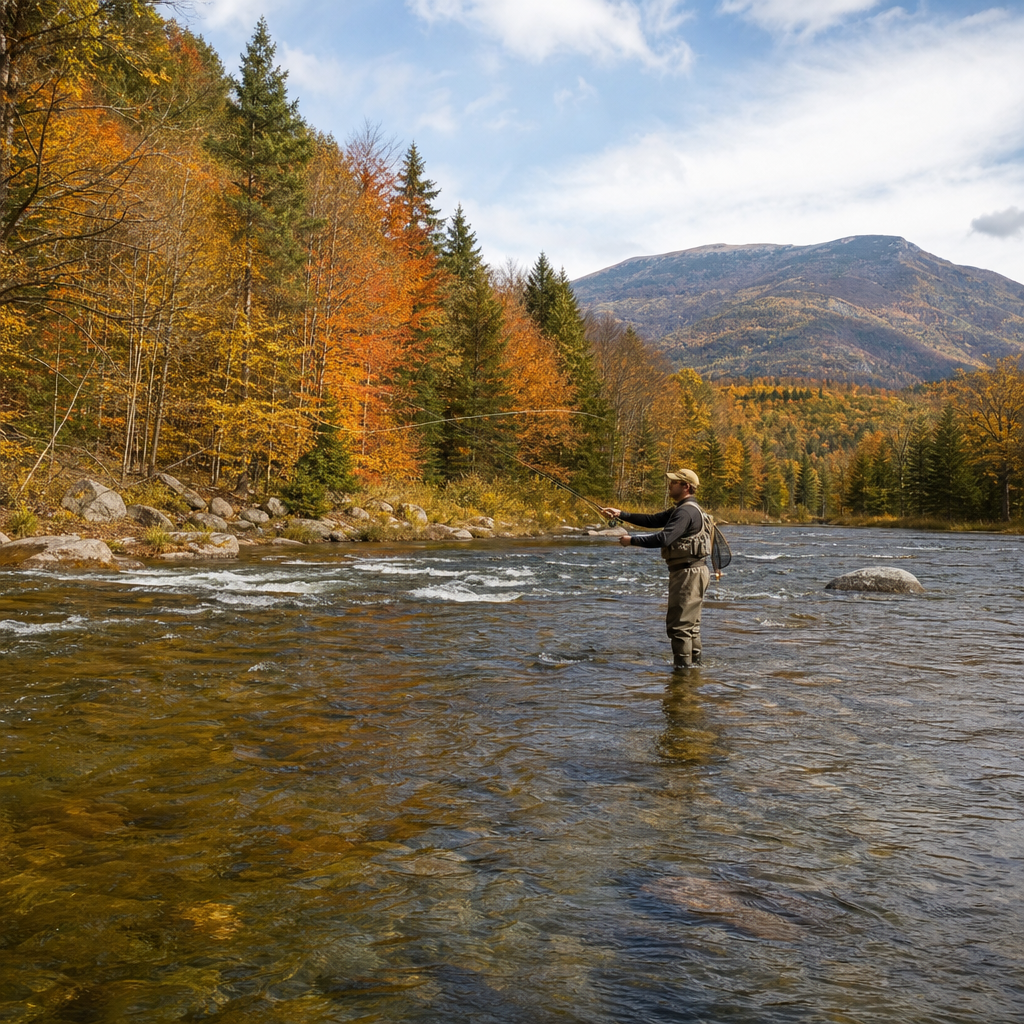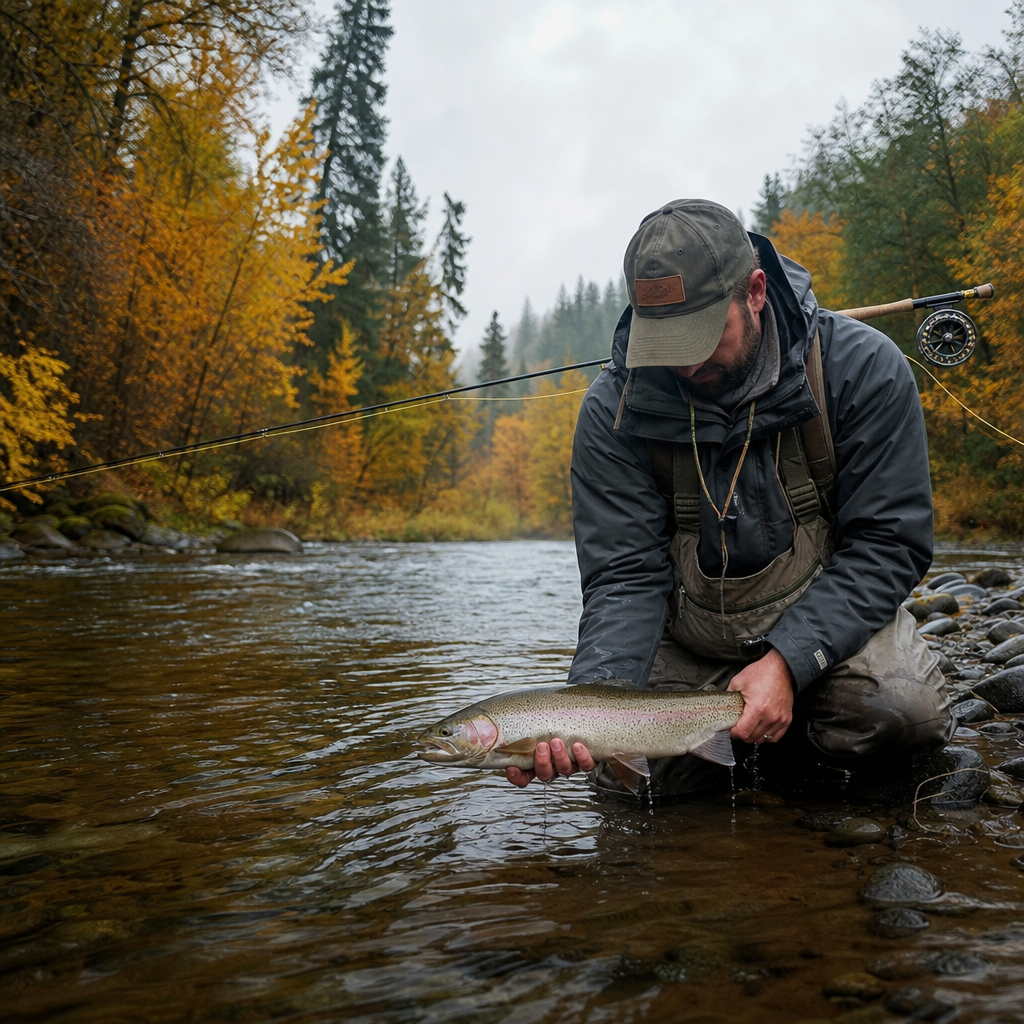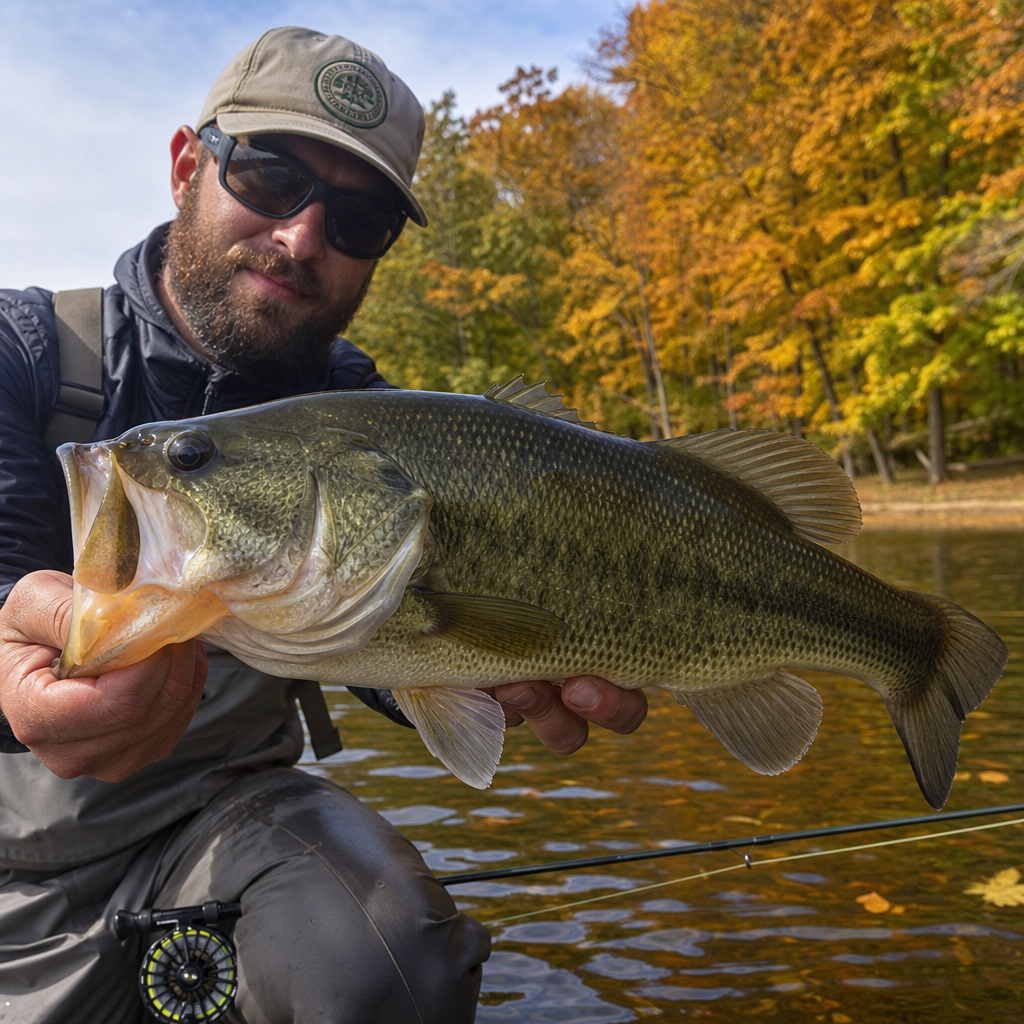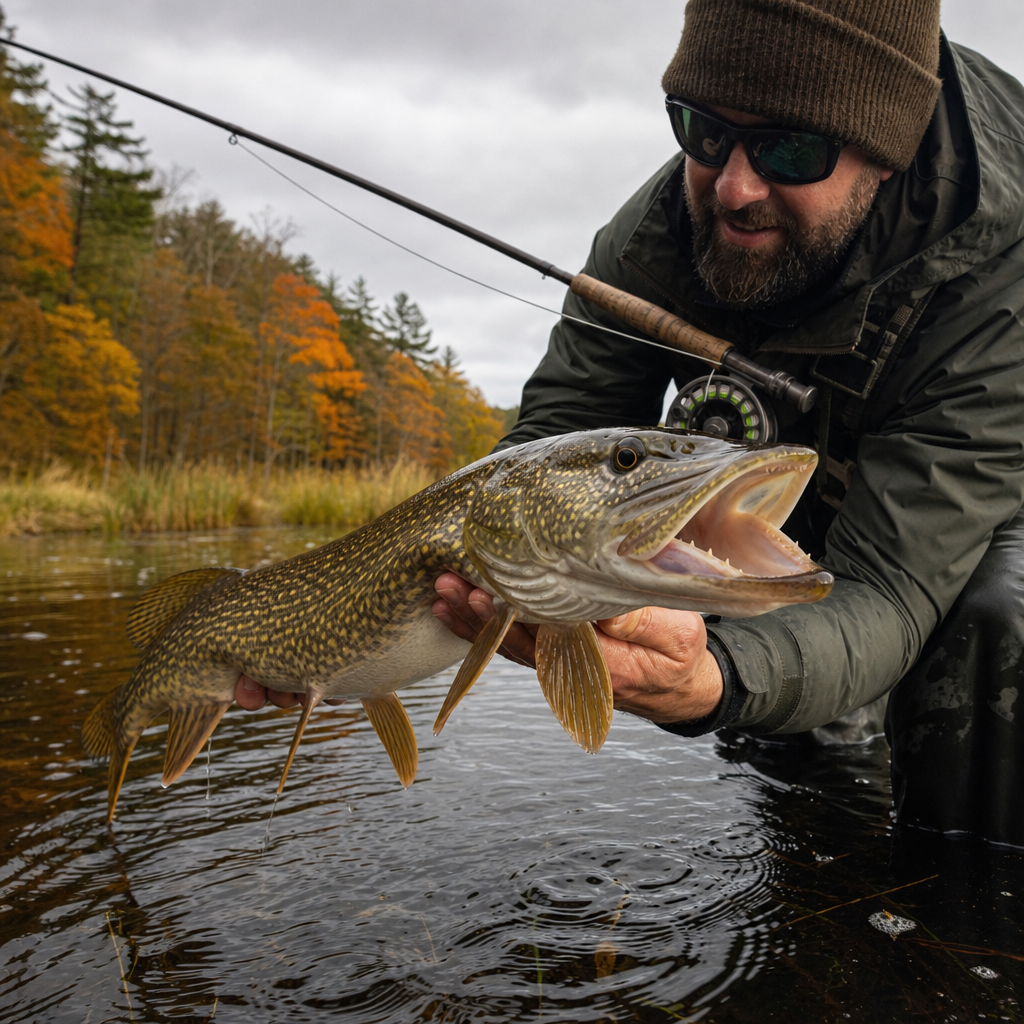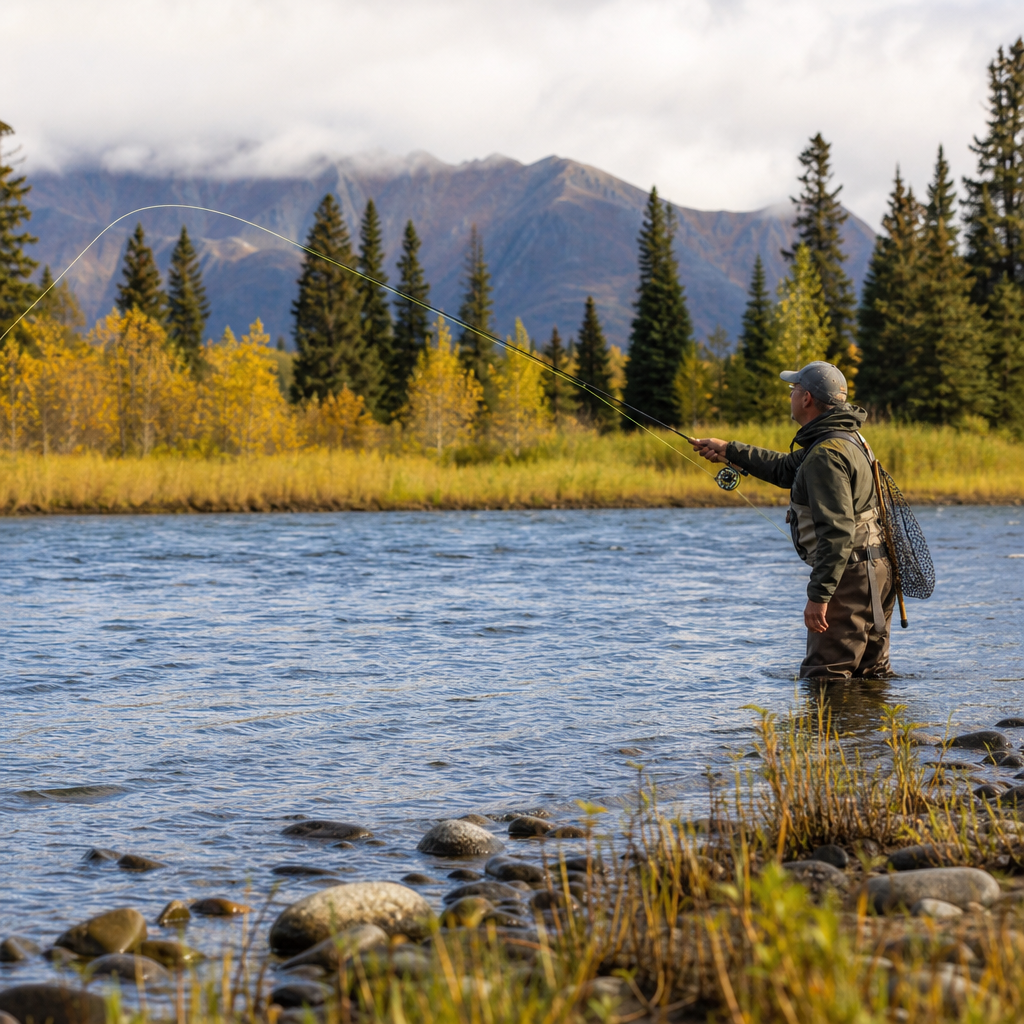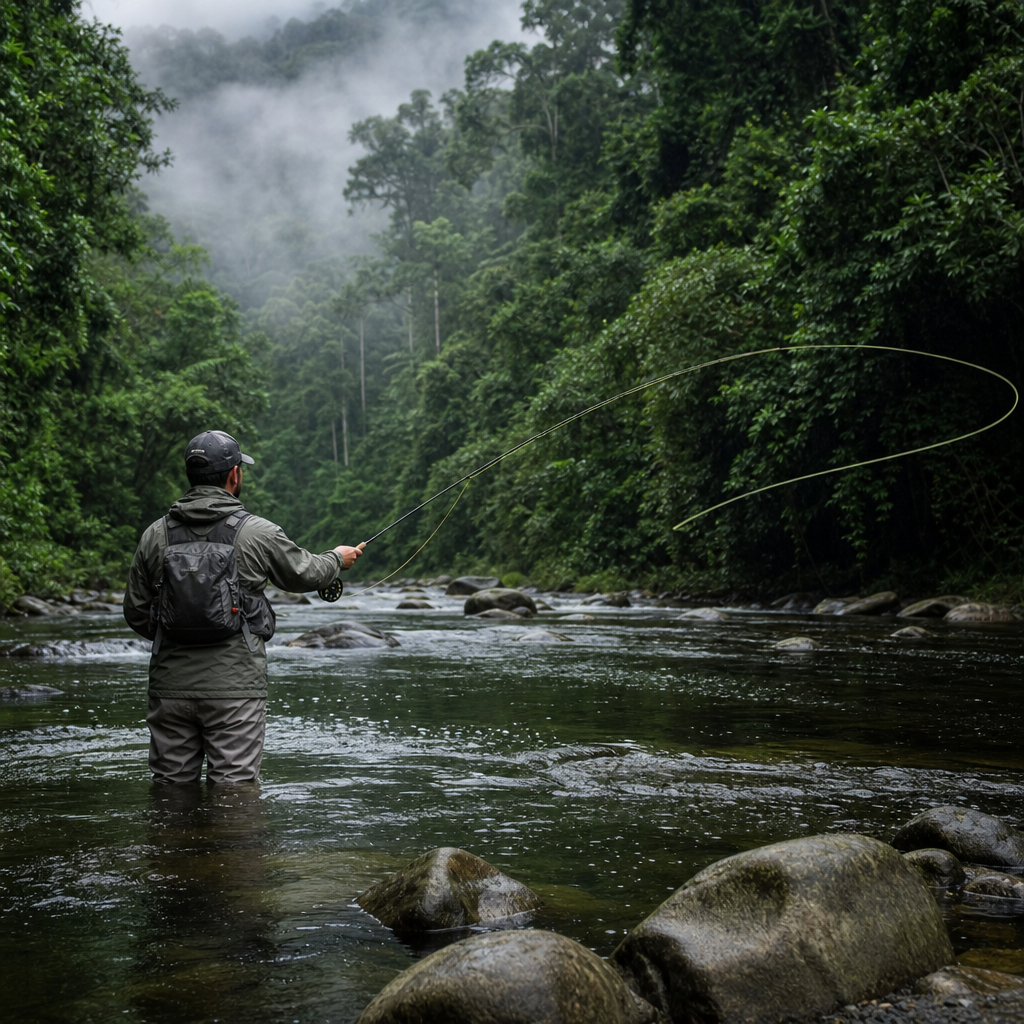
Fly fishing in rainforests demands a different playbook than casting on open rivers, because dense canopy, sudden downpours, tannin-stained water, and fast-changing insect activity reshape how anglers find fish, present flies, and stay safe. In this special conditions hub, rainforest fly fishing refers to pursuing fish in humid, heavily vegetated watersheds where shade, runoff, woody structure, and high biodiversity create technical challenges and unusual opportunities. I have fished tropical and temperate rainforest systems where a clear pool becomes tea-colored in an hour and where a short cast under overhanging leaves outfishes a long, elegant loop every time. That experience teaches a simple truth: success comes from adapting to the environment, not forcing standard trout-river tactics onto rainforest water.
Why does this matter? Because rainforest streams and rivers hold species and behaviors anglers rarely encounter elsewhere, from jungle trout in mountain creeks to peacock bass, pacu, mahseer, and aggressive characins in lowland tributaries. The same principles also help on salmonid waters in coastal rainforest zones of Alaska, British Columbia, Tasmania, New Zealand, Patagonia, and Japan, where canopy cover and frequent rain create similar fishing conditions. As a hub for special conditions, this guide explains how rainfall, visibility, current, temperature stability, structure, insect life, access, and safety interact. It also points toward the broader decisions every angler must make under difficult conditions: when to fish, where to position, how to rig, what to tie on, and when to back out. Master these fundamentals and rainforest fly fishing becomes less mysterious, more consistent, and far more rewarding.
How rainforest conditions change fish behavior
The defining feature of rainforest fishing is instability at a small scale. A stream may look protected and uniform, yet every bend creates a separate microenvironment. Heavy canopy lowers direct light, which often extends feeding windows through midday. Frequent rain pulses add cool, oxygenated water, but they also lift debris, stain the river, and push fish toward edges, seams, backwaters, and structure where they can hold without burning energy. In clear periods, fish may sit under logjams, root wads, cutbanks, or boulders, using shade as cover. During fresh runoff, many species slide shallow along margins because food is swept from the forest into the water: beetles, ants, worms, drowned moths, crabs, shrimp, and baitfish.
That food supply is the big strategic difference. In classic open-river fishing, anglers often think first about hatches. In rainforests, terrestrial input can dominate. I plan each day around “forest fall” as much as aquatic emergence. After a storm, I expect opportunistic fish to key on high-calorie items tumbling out of vegetation. This makes short drifts near undercut banks disproportionately productive. It also explains why fish in rainforest systems can be less selective about exact imitation but more demanding about placement. Put a beetle pattern tight to a leaf line or drop a streamer beside a submerged trunk, and takes can be immediate. Miss by two feet, and the same fish may never move.
Reading rainforest water: where to cast first
The best rainforest fly fishing strategy is to reduce water quickly by identifying high-percentage lies. Start with transitions. Fish use places where fast water meets slow, dark water meets light, deep water meets shallow, and open lanes meet overhead cover. In spate conditions, the first targets are soft edges beside the main current, flooded grass, eddies behind timber, and creek mouths entering larger rivers. In low, clear conditions, focus on plunge pools, undercut shade, pocket water, and any structure that breaks the outline of a fish from predators overhead.
One reliable rule is that rainforest fish are structure-oriented even when they are feeding broadly. Wood matters more than many anglers expect. Fallen trees, buttress roots, and submerged branches create both ambush points and refuge from current. On a jungle river in Central America, I have watched predatory fish ignore open bait schools while waiting beside one laydown where the current funneled food to them. Similar behavior appears in coastal cutthroat and brown trout in temperate rainforest streams. If the river is carrying color, fish the first foot or two off structure; if it clears, lengthen your lead and probe the shadow line itself.
| Condition | Where fish usually hold | Best presentation | Useful fly types |
|---|---|---|---|
| High, stained water | Soft edges, flooded banks, eddies, creek mouths | Quartering casts, short drifts, slow strips | Dark streamers, large terrestrials, noisy topwater |
| Low, clear water | Shade lines, plunge pools, undercuts, boulders | Accurate short casts, longer leaders, drag-free drift | Beetles, ants, small nymphs, subtle baitfish |
| During light rain | Surface lanes under canopy, seam edges | Dead drift or twitch near cover | Foam beetles, hoppers, caddis, emerger patterns |
| After sudden downpour | Inside bends, slack margins, current breaks near wood | Heavier flies, shorter leader, direct contact | Weighted streamers, worms, crayfish, leeches |
Tackle choices that work under canopy and in tight quarters
Rainforest tackle should solve three problems at once: limited backcast room, abrasive structure, and variable fish size. For small streams, a 7.5- to 8.5-foot rod in 3- to 5-weight is often more practical than a standard 9-foot rod because it roll casts easily under branches and keeps loops compact. For larger tropical systems or fish with hard runs, 6- to 8-weight outfits give better control around wood and heavier current. I favor lines that load quickly at short distance, usually a true-to-weight or half-size-heavy taper. In jungle conditions, you rarely need 60-foot presentations, but you constantly need instant line control at 15 to 35 feet.
Leader design should match visibility and fly size, not doctrine. In stained water, a 7.5-foot leader with strong tippet turns over bulky flies and improves accuracy under cover. In clear water, extending to 9 or even 12 feet helps with wary fish, especially where pools receive pressure. Fluorocarbon is useful for abrasion resistance around roots and rock, while nylon remains excellent for dry flies and terrestrials because it floats better. Bring more tippet than you think you need. Rainforest fish do not always demand delicacy, but they punish weak knots and frayed material. Barbless hooks are still the right choice for fast releases in hot, oxygen-sensitive water and for safer unhooking when footing is poor.
Fly selection for rainforest rivers and streams
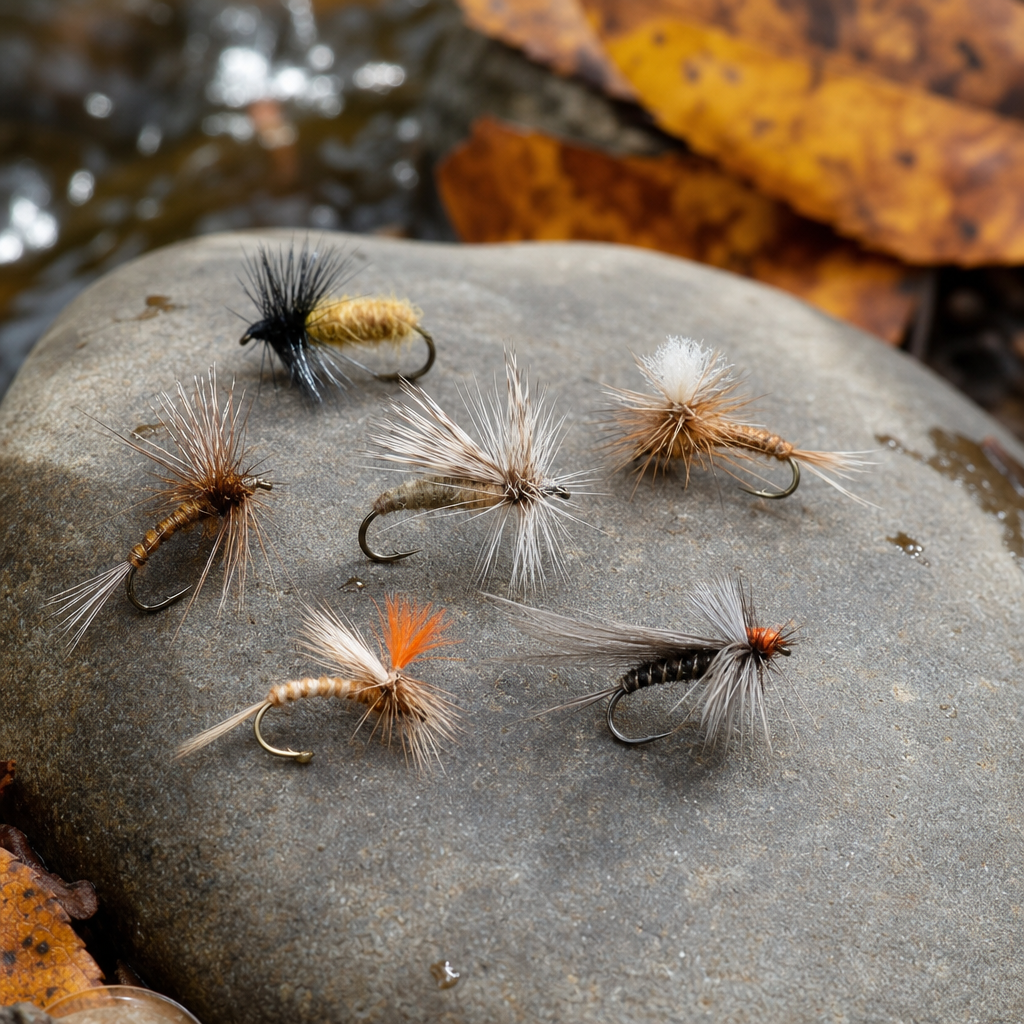
The most effective rainforest fly boxes cover three food groups: terrestrials, subsurface attractors, and baitfish or crustacean imitations. Terrestrials are non-negotiable. Foam beetles, ant patterns, hoppers, cicadas, and generic buggy dries catch fish across continents because forest ecosystems constantly feed the river. Black is especially valuable in tannin water because it creates a strong silhouette. A size 10 or 12 foam beetle can be a search fly for trout, while larger deer-hair or foam patterns draw explosive strikes from warmwater species.
Below the surface, bead-head nymphs, soft hackles, worms, leeches, and jig-style streamers cover most scenarios. If the water rises quickly, increase profile before changing color. A fish in dirty water often finds a larger fly more easily than a brighter small one. Dark olive, black, purple, and brown repeatedly produce because they maintain contrast. In clearer pockets, shrimp and crayfish patterns matter where those food sources exist, especially in tropical and subtropical drainages. Baitfish patterns with moderate flash work well at dawn, dusk, and after rain when predators patrol edges. I keep fly selection disciplined: one box for foam and terrestrials, one for nymphs and worms, one for streamers. The goal is fast decisions, not carrying every pattern ever tied.
Presentation and casting strategies in special conditions
Presentation beats pattern in rainforest fly fishing, and accuracy beats distance. Most productive casts are short, controlled, and intentional: bow-and-arrow casts beneath vines, sidearm deliveries under limbs, roll casts from cramped gravel bars, and quick flips to bank pockets. Learn to cast from both shoulders. In many rainforest corridors, the only clean lane exists on your non-dominant side, and changing hands can save the drift. Keep false casting to a minimum. Every extra aerial stroke risks snagging vegetation, lining fish in shallow water, or wasting the brief moment when a target lane is open.
Drift management depends on current complexity. In pocket water, high-stick short drifts keep line off conflicting seams. In softer pools, reach casts and stack mends buy a natural float. With streamers, use strips that match water temperature and fish mood: slower and deeper after a cold rain pulse, faster and more erratic when predators are ambushing bait near cover. Surface flies often benefit from a pause-and-twitch approach, imitating a stunned insect struggling in the film. Set the hook with restraint on small dries and with firmer contact on streamers. Because takes near wood happen fast, maintain just enough tension to respond without dragging the fly unnaturally.
Weather, safety, and trip planning in rainforest environments
Rainforest safety is not separate from fishing strategy; it determines whether you should fish at all. The main hazards are flash flooding, slippery substrates, hidden depth changes, insects, heat stress, and isolation. Streams can rise dramatically after upstream rain even when local skies look manageable. Before fishing, check watershed-scale forecasts, not only the town nearest the access point. In the United States, NOAA river gauges and weather radar provide useful trend data; elsewhere, national hydrology services, satellite rainfall maps, and local guide networks are often the best sources. If the river is rising visibly, carrying fresh woody debris, or turning from green to chocolate within minutes, leave early rather than debate it.
Footwear should prioritize traction and ankle stability; studs help on slick rock but may be unsuitable on boats or certain trails. A wading staff is worth carrying in steep catchments. Pack rain layers that actually breathe, plus dry storage for phone, first-aid kit, headlamp, and fire starter. In tropical systems, treat cuts immediately because warm water and humidity increase infection risk. Tell someone your route, especially where trail markers are sparse and cell service fails. Ethical planning matters too. Rainforest fisheries are often ecologically sensitive and culturally important. Follow local regulations, clean gear to prevent invasive spread, and use fish handling practices that minimize air exposure. If you want better results in every special condition article linked from this hub, start by becoming harder to surprise and quicker to retreat.
Fly fishing in rainforests rewards anglers who think like observers first and casters second. The key takeaways are straightforward: expect rapid change, prioritize structure and current transitions, carry tackle that loads quickly in tight spaces, and match flies to the dominant rainforest food sources, especially terrestrials and larger subsurface offerings after rain. Accuracy matters more than distance, and safety decisions matter more than any fish. Once you understand how canopy, runoff, shade, and woody cover shape fish behavior, the water stops feeling random. Patterns emerge, and those patterns transfer well to other special conditions such as high water, stained flows, overgrown creeks, and storm-driven feeding windows.
As the hub for special conditions under seasons and conditions, this page should help you build a practical framework for every trip: assess visibility, flow, access, structure, and food supply before you ever tie on a fly. Then make small, deliberate adjustments instead of wholesale changes. That is how experienced anglers stay consistent when the environment is messy. Use this guide as your starting point, then explore the related articles in this subtopic to go deeper on floodwater tactics, canopy stream casting, hot-weather fish care, and fishing after storms. Apply these rainforest strategies on your next trip, and you will move through difficult water with more confidence and better results.
Frequently Asked Questions
What makes fly fishing in rainforests so different from fishing open rivers or alpine streams?
Rainforest fly fishing changes almost every part of the game. In open water, anglers often rely on long casts, broad visibility, and predictable seams, but in rainforest systems the environment compresses everything. Dense canopy limits backcasts, overhanging vegetation narrows casting lanes, and fallen timber or root tangles create both prime fish-holding cover and constant snag hazards. Water is also frequently tea-colored or tannin-stained, which reduces visibility for both fish and anglers and makes reading depth, current speed, and holding lies more difficult.
Weather is another major difference. Sudden rain can rapidly raise flows, muddy side channels, cool or warm microhabitats, and shift where fish position from one hour to the next. Insects may hatch in short, intense bursts rather than in the long, obvious windows anglers expect on classic trout streams. In many rainforest watersheds, fish feed opportunistically on a broader menu that can include aquatic insects, terrestrials, ants, beetles, cicadas, small baitfish, crustaceans, and anything flushed from the banks during a downpour. That means success often comes from adaptability rather than from matching a single hatch with precision.
Stealth matters more than many anglers realize. Shallow jungle creeks and pocket water under shade can magnify vibration, and fish living around woody structure tend to react fast to pressure because they have instant access to cover. The best rainforest fly anglers usually shorten their casting range, focus on controlled presentations, and learn to fish efficiently in small windows between branches, roots, and current breaks. Instead of thinking in terms of wide-open drift lanes, think in terms of tight ambush pockets, undercut edges, log shadows, and short feeding corridors. That mindset shift is often the biggest adjustment.
What fly patterns and tackle work best in rainforest conditions?
The most effective rainforest setup is usually compact, durable, and versatile. A medium-weight rod in the 4- to 6-weight range covers a wide variety of species and conditions, especially where casts are short and fish may need to be pulled away from wood quickly. In larger rivers or where stronger fish are common, many anglers step up to a 6- or 7-weight for better line control and lifting power. A floating line is the most useful starting point because so much rainforest fishing happens around structure, shallow margins, and broken current, but sink tips or short sinking leaders can be very helpful when fish hold beneath woody debris, in plunge pools, or along deeper undercut banks.
Leaders should usually be shorter and more turnover-oriented than what you might use on a technical spring creek. In tight cover and humid conditions, a 7.5- to 9-foot leader often performs better than a long, delicate setup. Tippet strength should reflect the reality of snags, abrasion, and close-quarters fights. In rainforest water, fish are often less leader-shy than in ultra-clear rivers, so slightly heavier tippet can be an advantage when turning over larger terrestrials, streamers, or weighted nymphs and steering fish away from timber.
As for flies, think in categories instead of obsessing over exact imitation. Terrestrials are essential because rainforest banks constantly deliver ants, beetles, hoppers, caterpillars, and other land-based food into the water. Foam patterns excel because they float well through broken current and remain visible under dark canopy. Attractor dries, stimulators, beetle patterns, ant imitations, and cicada-style flies are strong options. For subsurface fishing, beadhead nymphs, soft hackles, small streamers, and buggy patterns in natural dark tones often produce consistently. In tannin water, flies with a clean silhouette, a touch of flash, or contrasting accents can help fish locate the offering. If the system holds predatory species, compact baitfish patterns and leech-like flies are especially effective around logjams, shaded cutbanks, and current edges after rain events.
How should I adjust my casting and presentation when the canopy is tight and the water is full of structure?
In rainforest fly fishing, efficient presentation almost always beats elegant distance casting. You need to build your approach around restricted space. Roll casts, bow-and-arrow casts, steeple casts, sidearm deliveries, and short water-load casts become critical tools when a full overhead backcast is impossible. Many anglers struggle at first because they try to force standard casting mechanics into jungle conditions. A better strategy is to treat every opening as a small target window and use the cast that fits that window rather than the cast that looks most traditional.
Presentation should be tight, quick, and deliberate. Fish in rainforest waters often hold inches from structure, so your fly needs to land close to logs, root balls, cutbanks, shaded pockets, and small current breaks. Long drag-free drifts are less common than in open rivers; instead, you may be trying to get a fly into a feeding lane for just a few feet before it swings, drops, or gets interrupted by woody debris. That is perfectly normal. Short drifts can be extremely productive if they are placed accurately. Mend only when necessary, because too much line manipulation in small pockets can move the fly unnaturally or pull it off the target seam.
Wading and positioning are just as important as the cast itself. Often the smartest move is to sneak closer rather than cast farther. Change your angle, kneel when needed, and use vegetation or bank contour as visual cover. Approach from downstream or from the side whenever practical, and fish the near water before probing the obvious prime lie farther ahead. In stained rainforest flows, fish may be willing to move, but they still notice sudden line splash or heavy footfalls. If you consistently put the first cast in the right place with minimal false casting, your odds improve dramatically. In these environments, the first good presentation is frequently the one that matters most.
How do rain, runoff, and tannin-stained water affect where fish hold and how they feed?
Rainfall can transform a rainforest fishery within minutes, and understanding those shifts is one of the biggest keys to success. Light rain often helps fishing by cooling the surface, knocking terrestrials into the water, and giving fish a greater sense of security under dimmer light. During these periods, fish may move shallower or patrol bank edges more aggressively. Moderate runoff can also create productive feeding lanes where clearer tributary water meets stained main current, or where flooded margins start washing insects, worms, and small prey items into the stream.
Heavy rain is a different story. When flows spike quickly, fish usually stop holding in exposed current and slide into softer water: behind logs, along inside bends, under overhanging banks, at the edges of back eddies, and in side pockets sheltered from the main push. In some watersheds, the most productive time is not during the height of the storm but in the stabilizing window afterward, when water remains colored yet starts to settle. That combination can reduce fish wariness while still allowing them to feed efficiently along seams and structure.
Tannin-stained water changes presentation and fly choice. Because visibility is limited, fish often rely heavily on contrast, vibration, and silhouette. This is where dark-bodied flies, patterns with a visible trigger point, or slightly larger profiles can outperform tiny, subtle imitations. Retrieval speed also matters. In low-visibility water, a fly that drifts too quickly may pass unnoticed, while one that lingers near likely holding structure gives fish more time to commit. Pay close attention to where the water has just enough softness for a fish to hold but enough current to deliver food. Those transition zones are magnets in rainforest systems, especially after rain has rearranged the menu.
What safety and planning tips matter most when fly fishing in rainforest environments?
Safety deserves extra emphasis in rainforests because the hazards are broader than just slippery rocks. Weather can change rapidly, stream levels can rise with surprising speed, and remote access may limit communication or exit options. Before you fish, study the watershed, know where tributaries enter, and identify high-ground escape routes in case a sudden downpour sends water levels up. A creek that looks manageable at daybreak can become dangerous by midday if upstream rain has been intense. If the water turns sharply darker, begins carrying more debris, or rises against previously exposed rocks and banks, take that as a serious warning sign rather than something to monitor casually.
Footing is another major issue. Mossy boulders, muddy banks, slick roots, and submerged timber can turn simple wading into a fall risk. Move slower than you think you need to, use a wading staff when conditions warrant it, and avoid crossing where current pushes into woody debris or undercut banks. Protective clothing matters too. Lightweight long sleeves, quick-drying layers, and solid rain gear help regulate comfort in humid conditions while also reducing exposure to insects, sun, and abrasive vegetation. Keep essentials dry in waterproof storage, especially a phone, map, headlamp, fire-starting kit, and first-aid supplies.
Planning should also include biological and environmental awareness. Depending on the region, rainforest anglers may encounter biting insects, leeches, snakes, large mammals, or aggressive ground-nesting creatures near the water. Learn the local risks before you go. Let someone know your route and expected