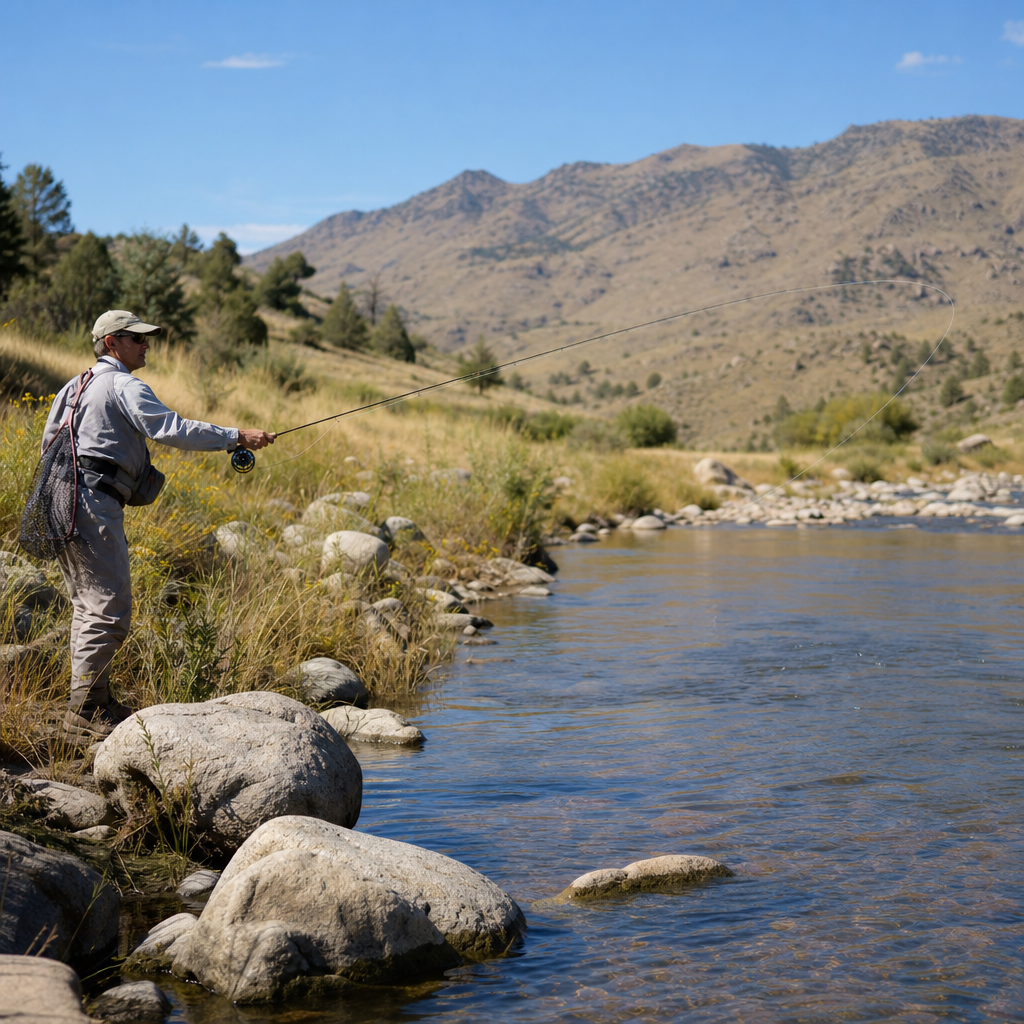
Fly fishing in dry conditions demands a different mindset than fishing during runoff, overcast weather, or cool spring flows, because low water, bright skies, and warm temperatures change how trout hold, feed, and respond to pressure. In practical terms, dry conditions usually mean reduced streamflows, clear water, exposed structure, higher water temperatures, sparse aquatic drift during parts of the day, and fish that can inspect a fly for longer before committing. I have fished many late-summer rivers where a pattern that worked in June suddenly failed in August, not because the trout disappeared, but because every part of the presentation needed to become subtler and more precise.
For anglers, understanding special conditions is not optional. Dry conditions often coincide with the most popular fishing months, which means fish face both environmental stress and steady human pressure. A successful approach combines hydrology, insect activity, fish behavior, and stream etiquette. It also requires recognizing when not to fish. On many coldwater streams, afternoon temperatures can exceed safe thresholds for trout, and responsible anglers either switch species, move to tailwaters or spring creeks, or fish only during the coolest windows. This article serves as a hub for special-condition fly fishing by explaining the essential adjustments that apply across low clear freestones, meadow streams, spring creeks, and technical tailwaters. If you understand these foundations, you can branch into related topics such as low-water nymphing, terrestrial strategies, warm-weather trout handling, and stealth tactics with much better results.
At its core, fly fishing in dry conditions is about reducing drag, reducing visibility, and reducing unnecessary disturbance while increasing observation. Trout in skinny water rarely tolerate sloppy wading, heavy fly lines landing over their heads, or leaders that straighten aggressively. They often slide into shaded seams, oxygen-rich riffles, undercut banks, or the deepest slots available. Food also shifts. Midges, small mayflies, ants, beetles, hoppers, and spent terrestrial insects can matter more than big aquatic emergences. The anglers who do well are usually the ones who slow down, watch first, and fish second.
How dry conditions change trout water and feeding behavior
Low water compresses habitat. A run that held fish across its full width in normal flows may funnel trout into one tongue of depth, a cutbank, or the shaded side of a boulder garden. In clear late-season rivers, I routinely find the best lies not in obvious pools but in broken knee-deep water with enough chop to provide cover and oxygen. This surprises anglers who assume trout always drop into the deepest hole. Depth helps, but dissolved oxygen, current speed, and security from predators often matter more. Bright sun also sharpens the importance of shade lines from willows, high banks, bridge pilings, and canyon walls.
Feeding windows usually narrow. Instead of broad all-day activity, trout may feed hardest at dawn, during the first hour of shade on a bank, or in the last light before dark. On spring creeks and tailwaters, fish can remain active longer, but they become highly selective because clarity gives them more inspection time. That is why fly size, profile, and drift matter so much in dry conditions. A size 20 Blue-Winged Olive, midge pupa, or spent ant can outperform larger searching patterns by a wide margin. When nothing obvious is hatching, terrestrials remain dependable because wind and bankside vegetation continue delivering food even when aquatic emergence is sparse.
Water temperature is the governing variable behind many of these changes. Trout metabolism rises as water warms, but oxygen availability declines. The result is a narrow comfort zone. Many anglers use 68 degrees Fahrenheit as a practical caution point for trout, with serious concern above that level, especially where fish are played hard or released poorly. Carry a stream thermometer and check multiple times, not just at the truck. A cool morning can become a stressful afternoon quickly on low freestones.
Tackle and rigging adjustments that consistently work
In dry conditions, lighter and longer is usually better, though not always. The most useful starting point is a longer leader, often 12 to 15 feet for dry flies on clear water, tapering to finer tippet. For technical trout, 5X and 6X are standard, with 7X reserved for tiny flies and gentle currents where turnover demands are modest. The tradeoff is control and landing speed. If water temperature is borderline or current is heavy, stepping up tippet to shorten the fight can be the more ethical choice. Rod choice matters too. A moderate-action 3- to 5-weight protects light tippet and lands softly, while a fast rod helps with reach and line control in wind. Neither is universally right.
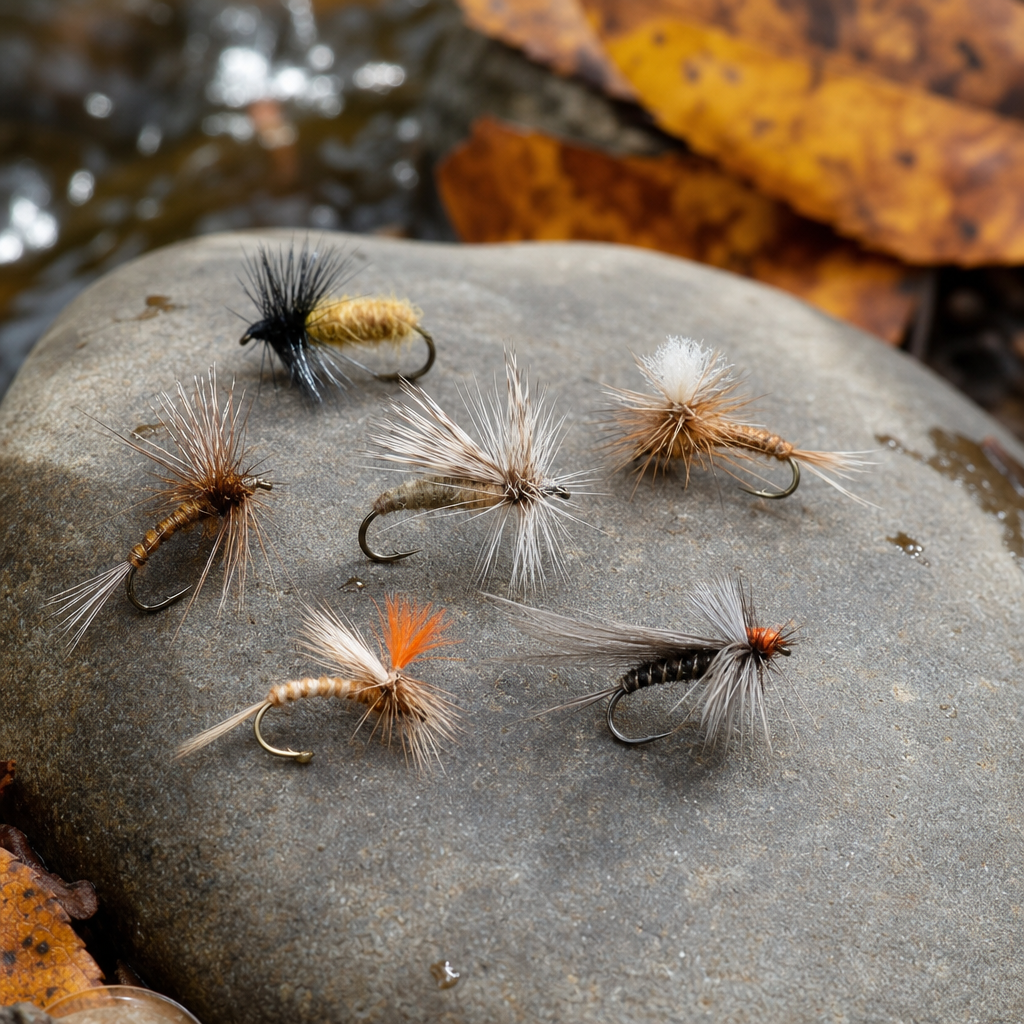
Line and fly design should match the problem. In slow, clear glides, a true-to-weight floating line with a supple front taper lands with less kick than an overly aggressive taper. Grease the leader butt but consider degreasing the final tippet section when presenting subsurface flies or emergers just in the film. For dry flies, sparse dressing usually outfishes bushy overdressed patterns on selective fish. Comparaduns, CDC emergers, small parachutes, and low-riding ants create convincing silhouettes without excess bulk. For nymphing, slim perdigons, zebra midges, pheasant tails, and unweighted droppers cover most situations. Split shot should be minimal and placed thoughtfully; too much weight creates splash, drag, and unnatural speed.
| Condition | Best starting setup | Why it works |
|---|---|---|
| Low clear freestone at sunrise | 9-foot 4-weight, 12-foot leader, 5X, small parachute or ant | Soft landing and accurate short-to-medium casts to riffle feeders |
| Technical spring creek midday | 10-foot 4-weight, 14-foot leader, 6X to 7X, tiny mayfly or midge | Extra reach and fine tippet reduce drag in slow slick currents |
| Windy meadow stream with bankside grass | 9-foot 5-weight, 10-foot leader, 4X to 5X, beetle or hopper-dropper | Turns over terrestrials and handles crosswind without overpowering fish |
| Tailwater with selective risers | 10-foot 3-weight or 4-weight, long leader, 6X, midge emerger | Improves line control, delicate presentation, and precise mends |
Presentation, stealth, and approach in skinny water
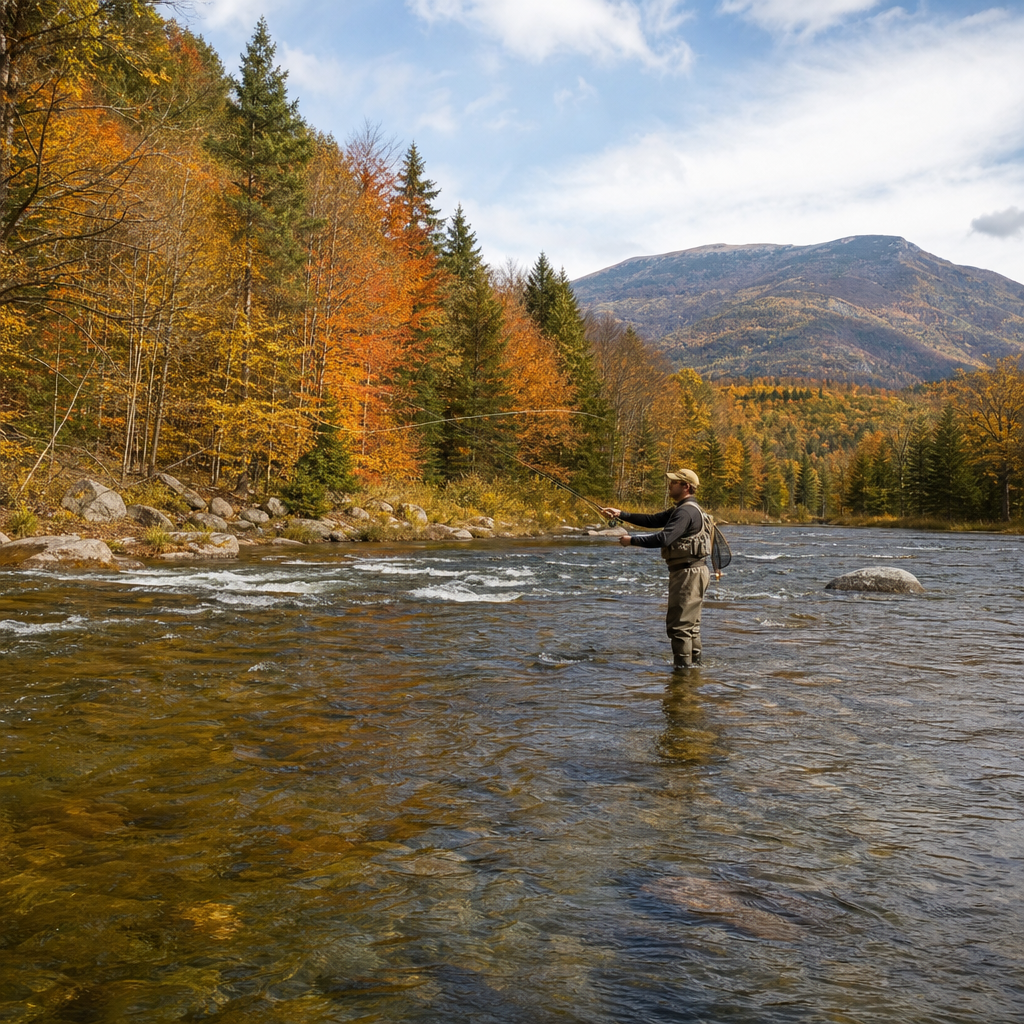
Stealth becomes a primary tactic when flows drop. Trout can see farther, hear more, and feel bank vibrations in shallow runs. I approach from downstream whenever current and access allow, wear dull clothing, keep a low profile, and make the first cast the best cast. False casting over the target is one of the fastest ways to ruin a lie. Build the cast away from the fish, then deliver with one forward stroke. On narrow streams, bow-and-arrow casts, aerial mends, and reach casts are often more useful than long standard overhead casts.
Wading discipline is equally important. Many excellent dry-condition lies are ruined by entering the water too early. Fish from the bank first. Probe the near seam before stepping in. In side channels and meadow creeks, some of the best trout sit within a rod length of shore beneath grass undercuts. Once wading is necessary, move slowly and only as far as needed to open the angle. The goal is not to cover maximum water; it is to preserve undisturbed water. On pressured rivers, one careful pass through a hundred feet of bank can outproduce charging through half a mile.
Drag management separates competent anglers from consistent ones. Low water exposes every microcurrent, and small flies exaggerate unnatural movement. Use longer leaders, reach casts, stack mends, and positioning that keeps as much fly line off conflicting currents as possible. If a fish refuses, do not instantly change patterns. First ask whether the drift was wrong, whether the fly passed too close, or whether the leader landed in view. Many refusals blamed on pattern choice are really presentation errors.
Fly selection for special conditions: terrestrials, tiny dries, and light nymphs
The most dependable dry-condition fly boxes are not large; they are disciplined. Start with terrestrials: black and cinnamon ants, foam beetles, small hoppers, and inchworm patterns where overhanging trees are common. Terrestrials matter because they enter the water unpredictably and trout learn they are calorie-rich. An ant fall after wind or heat can be more important than a textbook mayfly hatch. Beetles are especially effective along grassy banks and under willows, where a subtle plop followed by a dead drift looks natural.
Next, carry technical dry flies and emergers in small sizes. CDC Comparaduns, Sparkle Duns, Griffith’s Gnats, parachute Adams in 18 through 22, rusty spinners, and BWO cripples solve many selective-riser problems. In my experience, cripples and emergers often beat fully upright duns during dry conditions because fish feeding calmly in clear water can key on vulnerable insects trapped in the film. For subsurface work, think light and sparse. Zebra midges, thread midges, unweighted pheasant tails, RS2s, soft hackles, and slim perdigons cover most low-water nymphing. A dry-dropper with a small ant and a size 18 dropper nymph is one of the most efficient search rigs for mixed water.
Match the stream, not just the hatch chart. On limestone creeks, tiny olives and midges may dominate. On rough freestones in August, a tan hopper along cutbanks can draw larger fish from cover even when no rise is visible. On heavily fished tailwaters, a common pattern in an uncommon size or shade can make the difference. The principle is simple: imitate the foods fish can expect while presenting them in a way they cannot easily reject.
Timing, fish care, and when to stop fishing
The best time to fly fish in dry conditions is usually early and late, but that general rule needs refining. Morning is strongest on freestone streams that cool overnight. Evening can be exceptional where spinner falls, caddis activity, or shade triggers movement. Midday is not always poor, especially on spring creeks, tailwaters, or rivers with strong terrestrial input, but it often requires moving to riffles, undercut banks, or deeper slots and downsizing the presentation. Cloud cover, breeze, and valley shade can extend productive windows significantly.
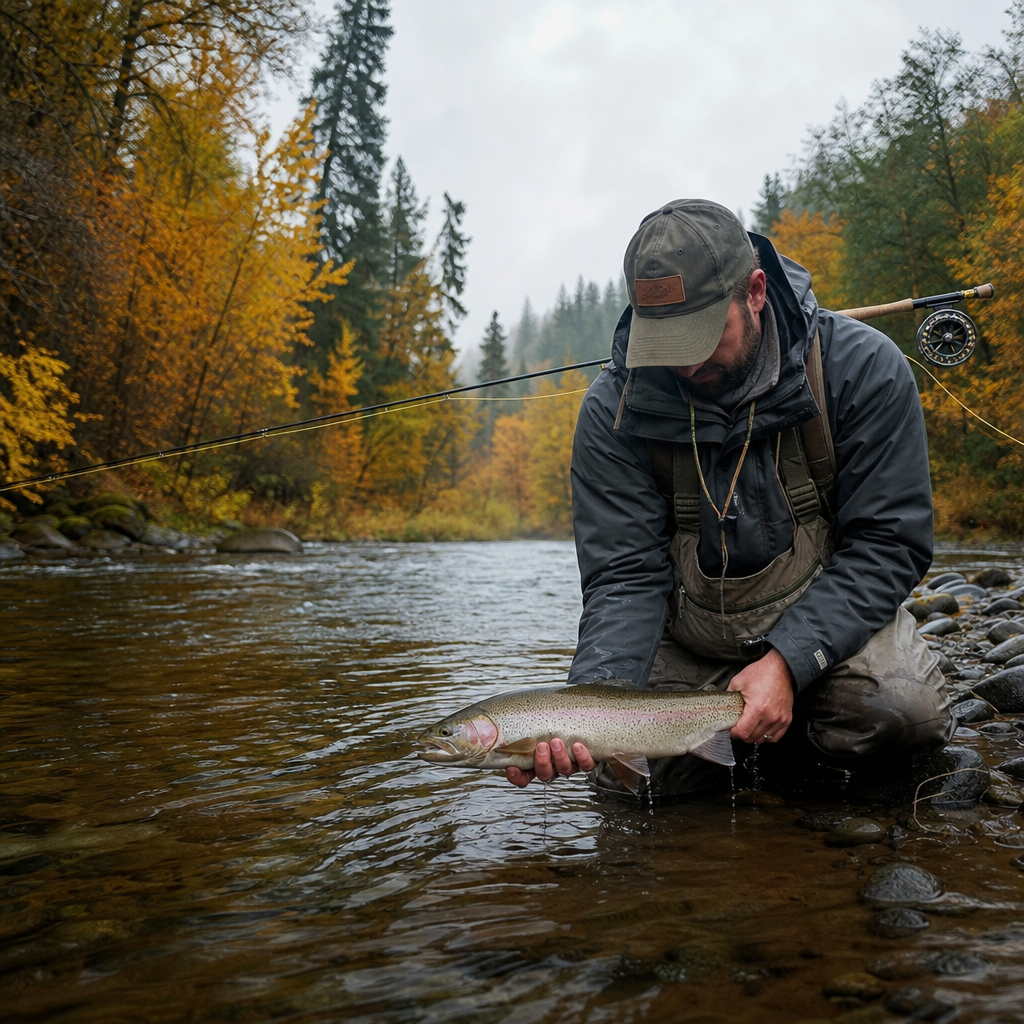
Responsible angling matters more in dry conditions because trout already face thermal stress. If water temperatures rise into the danger zone, stop targeting trout. This is standard guidance from many state agencies and conservation groups for good reason: post-release mortality climbs as water warms and oxygen drops. Fight fish quickly, keep them in the water, use barbless hooks where appropriate, and avoid long photo sessions. If you want a picture, prepare the camera first, lift briefly, and support the fish gently. Better still, take a quick in-water photo. I have seen too many beautiful trout mishandled on hot afternoons when they should not have been targeted at all.
Dry conditions also call for broader judgment. Sometimes the right move is changing species. Warmwater rivers offer excellent bass and panfish opportunities when trout streams are stressed. High-elevation tributaries, spring-fed creeks, or dam-regulated tailwaters may remain viable longer, but check local rules, hoot-owl restrictions, and temperature reports before you go. Conservation is not separate from technique; it is part of being a skilled angler.
Using this special-conditions hub to improve every trip
This page is the foundation for a larger special-conditions approach within seasonal fly fishing. If you are building your own learning path, start with observation, then move into the conditions most relevant to your home water. Low-water nymphing deserves separate attention because depth control becomes more exacting when fish occupy narrow lanes. Terrestrial fishing is another major branch, especially in late summer, because ant, beetle, and hopper tactics can save otherwise slow days. Warm-weather trout handling should be treated as required knowledge, not an optional conservation topic. Finally, stealth and technical presentation warrant continued study because they influence success in every clear-water scenario.
The common thread across all special conditions is adaptation. Dry conditions expose weak habits quickly. Heavy steps, short leaders, rushed casts, oversized flies, and fishing through warm afternoons all become less effective and less responsible. The anglers who succeed are not necessarily the best casters at distance. They are the ones who read water carefully, fish the prime window, carry a thermometer, and make deliberate adjustments based on what the river is showing them. If you use this hub as your starting point, the next step is simple: pick one variable on your next outing—timing, leader length, terrestrial patterns, or wading discipline—and improve it on purpose. That is how dry-condition fly fishing becomes consistently productive.
Frequently Asked Questions
1. How should I change my fly fishing approach when streams are low, clear, and warm?
In dry conditions, the biggest adjustment is realizing that trout usually have the advantage. Low, clear water gives fish more time to see your fly, your leader, and even your movement on the bank. Instead of covering water quickly and aggressively, slow down and become much more deliberate. Approach from downstream whenever possible, keep a low profile, avoid wading unless it is necessary, and make your first cast count because fish in skinny water often spook after only a little pressure.
Presentation also becomes far more important than simply putting a fly near a likely lie. In reduced flows, trout often slide into narrower feeding lanes, softer seams, undercut banks, shaded slots, deeper buckets, and structure that offers security. Long drag-free drifts matter because fish are looking at the fly longer than they would in broken or off-color water. That often means using longer leaders, finer tippet, and more precise casting angles. In practical terms, success in dry conditions usually comes from stealth, patience, and accuracy rather than constant fly changes or covering miles of river.
Water temperature should shape your approach too. As temperatures climb, trout may feed best early and late in the day, then become sluggish or stressed during the hottest afternoon hours. That is why many experienced anglers focus on mornings, the last light window, shaded reaches, spring creeks, and tributary mouths where temperatures stay more stable. If water temperatures are getting too high, the responsible choice may be to stop fishing altogether. Catching trout in stressful warm water can increase mortality even when fish swim away.
2. Where do trout usually hold in dry conditions, and how can I find them consistently?
During dry spells, trout often abandon the obvious fast water they might use during higher flows and shift into places that offer a better balance of oxygen, cover, temperature, and safety. That usually means deeper pools, plunge pockets, undercut banks, shaded cutbanks, boulder shadows, logjams, tailouts with depth nearby, and the softer edges of current where fish can feed without burning energy. In freestone streams, the deepest water in a run can become far more important than the broad middle sections that looked productive earlier in the season. In larger rivers, current seams near structure and bankside depth transitions often become prime holding water.
Shade becomes a major clue. Bright skies push trout toward overhead cover from trees, steep banks, bridges, and canyon walls. Even a small shadow line can concentrate fish in late summer. Trout may also position near riffles entering pools because those areas bring cooler, more oxygenated water and enough food to justify holding there. If the river has side channels, spring seeps, or tributary inflows, those areas can be especially productive because they often provide both temperature relief and security.
To find fish consistently, resist the urge to fish every inch of visible water. Instead, identify the best habitat first: depth, cover, current relief, and shade. Watch the water before casting. A subtle head tilt, a flash under a bank, or a regular rise in a narrow lane can reveal more than dozens of blind casts. In dry conditions, trout are often concentrated rather than evenly distributed, so a handful of high-quality lies can outproduce long stretches of empty water. The anglers who read that compression correctly usually do much better than those who fish on autopilot.
3. What fly patterns and leader setups work best when trout are selective in clear, low water?
When trout can inspect a fly for an extra second or two, simple and natural usually outperforms oversized or overly flashy patterns. For dry flies, think smaller mayflies, midges, terrestrials, and delicate attractors that match the scale of what fish are actually eating. In late summer, ants, beetles, hoppers, and small caddis can be excellent because aquatic drift may be sparse during parts of the day while terrestrial food becomes more important. On technical water, a size change of just one or two hook sizes can make a big difference, especially if fish are refusing at the last second.
For nymphing, slim profiles and moderate weight are often better than heavy, gaudy flies that splash down and drag unnaturally in shallow water. Smaller pheasant tails, zebra midges, perdigons, RS2-style patterns, and caddis larvae or emergers are common producers because they suggest the kinds of food trout see regularly in lean conditions. If fish are in deeper slots, you still need enough weight to reach them, but try to balance sink rate with subtlety. In low flows, too much split shot or a large indicator can be more harmful than helpful because it creates disturbance and unnatural drift.
Leader setup matters just as much as fly choice. Longer leaders, often in the 9- to 12-foot range or even longer for very technical water, help keep line farther from the fish. Finer tippet such as 5X or 6X is commonly useful in clear conditions, provided it still matches the size of fish and the structure you are fishing around. For dry flies, a long, refined leader helps the fly land softly. For nymphing, a lighter, cleaner setup often gives better drifts in shallow water. The main idea is to reduce visual and surface disturbance while keeping enough control to place the fly exactly where it needs to go.
4. What are the best presentation techniques for spooky trout in bright, dry conditions?
The best presentation starts before the cast. Position yourself carefully, stay off the skyline, use streamside cover, and avoid sending waves through shallow holding water. In dry conditions, trout often react not just to the fly but to everything around it. Heavy footsteps, abrupt false casting overhead, and careless wading can ruin a run quickly. A good rule is to treat every fish as if it has already seen anglers. That mindset naturally leads to quieter movement, better casting discipline, and more thoughtful line control.
On the cast itself, prioritize angle and drift over distance for its own sake. A slightly shorter cast from the right position is often far more effective than a hero cast that introduces drag. Reach casts, slack-line presentations, pile casts, and aerial mends can all help extend a natural drift in conflicting currents. If you are fishing dries, let the fly land softly and naturally, then do as little as possible. If you are nymphing, use just enough indicator or visual reference to maintain contact without dragging the flies. In many late-summer situations, high-stick tactics with short, controlled drifts through defined seams can be deadly because they minimize conflicting current on the line.
Another key technique is to fish the lie in stages. Instead of dropping the fly directly on top of the trout, make the first cast to the near edge of the lane, then the middle, then the prime holding spot. This reduces the chance of lining the fish or alerting it with your first attempt. If a trout refuses, do not immediately cast over it five more times. Pause, change either the angle, the fly size, or the drift, and then make a better second attempt. In low water, repeated mediocre presentations usually teach fish to refuse more confidently.
5. What time of day is best for fly fishing in dry conditions, and how do I protect trout during hot weather?
In most dry-condition scenarios, the best fishing windows are early morning and late evening. Those periods often bring cooler water, lower light, and more confident feeding behavior. Trout feel safer under softer light, and aquatic insects are often more active around these transitions as well. Midday can still fish well if there is cloud cover, canyon shade, wind, or a specific hatch, but on many bright late-summer days the afternoon is the least forgiving period. Fish may hold deeper, move less, and inspect everything more critically.
To protect trout during warm weather, monitor water temperature closely rather than relying on air temperature alone. Once water temperatures start pushing into stressful ranges, ethical anglers adjust quickly. That may mean fishing only during the coolest hours, targeting cooler tailwaters or spring-fed systems, avoiding small streams that heat rapidly, or choosing not to fish for trout that day. Even if regulations allow it, handling trout in excessively warm water can have serious delayed impacts. A fish that appears to recover may still die later from compounded stress.
Fish handling becomes especially important in these conditions. Land trout quickly on appropriately strong tippet, keep them in the water while unhooking, wet your hands before touching them, and skip extended photo sessions. Use barbless hooks when possible and release fish without forcing them to fight beyond their limits. If a trout is showing signs of exhaustion, hold it gently facing into soft current until it kicks away on its own. Good anglers do not just adapt to dry conditions to catch more fish; they adapt to protect the fishery so those trout remain healthy through the toughest part of the season.