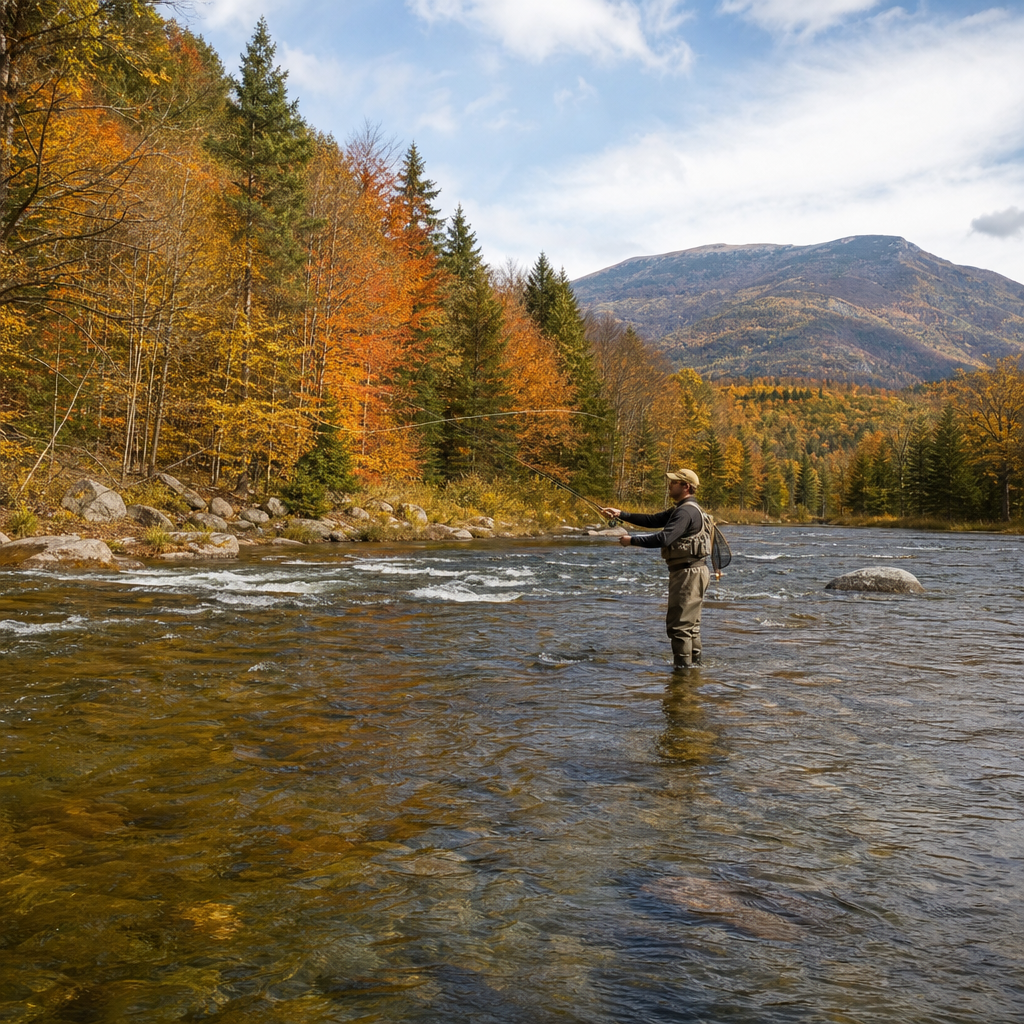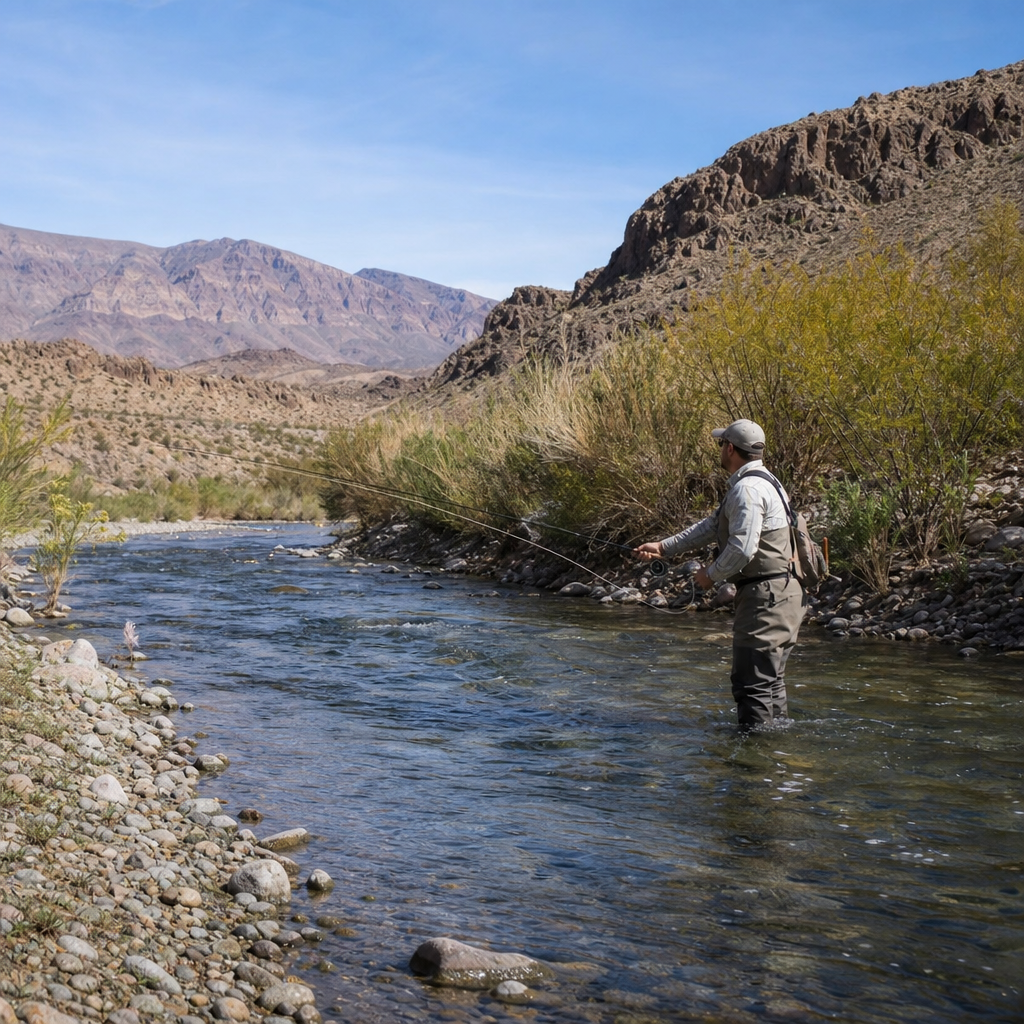
Fly fishing in desert streams demands a different mindset than alpine trout fishing because water is scarce, temperatures swing fast, and fish survive by using every inch of shade, current, and oxygen they can find. In this special conditions hub, desert streams means arid-region creeks, spring runs, tailwaters cutting through canyon country, and intermittent systems where flow, clarity, and temperature can change within hours. I have fished these waters across the Southwest in seasons that ranged from spring runoff pulses to late-summer monsoon mud, and the same lesson always holds: success comes from reading survival water before you think about fly choice. For anglers, this matters because desert trout, bass, sunfish, carp, and native species can be accessible, wild, and technically rewarding, but they are also vulnerable to stress and habitat pressure. Good desert stream fishing is not only about catching fish; it is about timing, stealth, heat management, and careful handling in environments where one hot afternoon can push water temperatures beyond safe limits.
Special conditions in desert streams usually combine four forces: low flow, high light, extreme daily temperature shifts, and flashy weather events. Low flow compresses fish into deeper pockets, undercut banks, plunge pools, spring seeps, and shaded slots. High light makes fish cautious, especially in clear water over pale sand, limestone, or slick rock where an angler’s silhouette carries far. Temperature shifts are dramatic; a creek that feels perfect at sunrise can be borderline stressful by early afternoon, particularly below 68 degrees rising toward 70 for trout, where dissolved oxygen declines. Flashy events, especially monsoon storms, can turn a clear stream into chocolate water in minutes, creating both danger and short-lived feeding windows. Because this page serves as a hub for special conditions, it focuses on the core strategies that connect to more detailed topics: seasonal timing, low-water presentations, warm-water species tactics, stained-water adjustments, flash-flood safety, and fish care during heat. Master these fundamentals and every linked subtopic becomes easier to apply on the water.
How desert streams behave and where fish hold
The most important question in desert stream fly fishing is simple: where can fish conserve energy and stay cool right now? In arid systems, productive holding water is usually smaller than many anglers expect. A six-inch tongue of current dropping into a dark pocket, a willow-shadowed seam beside a gravel bar, or a spring-fed trough only one degree cooler than the main flow can hold the best fish in the reach. I start every desert creek by scanning for three indicators: depth, shade, and current softness. Depth provides thermal refuge and cover from raptors. Shade cuts visibility and often lowers water temperature enough to matter. Current softness lets fish feed without burning calories in a low-food environment.
Desert fish often stack in microhabitats rather than spread evenly through a run. Trout in canyon creeks may hold tight to plunge pools, foam lines under boulders, and mossy ledges where aquatic insects drift steadily. Smallmouth in desert tailwaters favor boulder gardens, submerged wood, and current breaks near crayfish habitat. Carp in desert backwaters patrol edges where silt, drowned grass, and terrestrials collect. Native species such as Gila trout or redband populations, where regulations and access allow, often use the same protective structure but are even less forgiving of sloppy wading and false casting. When I find a productive feature, I fish it from multiple angles before moving because desert streams commonly reward precision over distance.
Timing, temperature, and seasonal windows
The best time to fly fish desert streams is usually early and late, but the useful answer is more specific: fish when water temperature, insect activity, and light levels overlap. In spring, desert streams can offer the longest daily window, with cool overnight temperatures, moderate flows, and reliable mayfly, caddis, and midge activity. Summer narrows the window sharply. Dawn through mid-morning is often prime, while late afternoon may only recover if thunderstorms cool the canyon and fresh flow enters the system. Fall can be outstanding because nights lengthen, terrestrials remain active, and fish feed harder before winter. Winter fishing depends on elevation and source water; spring creeks and tailwaters can remain consistent even when freestone tributaries are thin and cold.
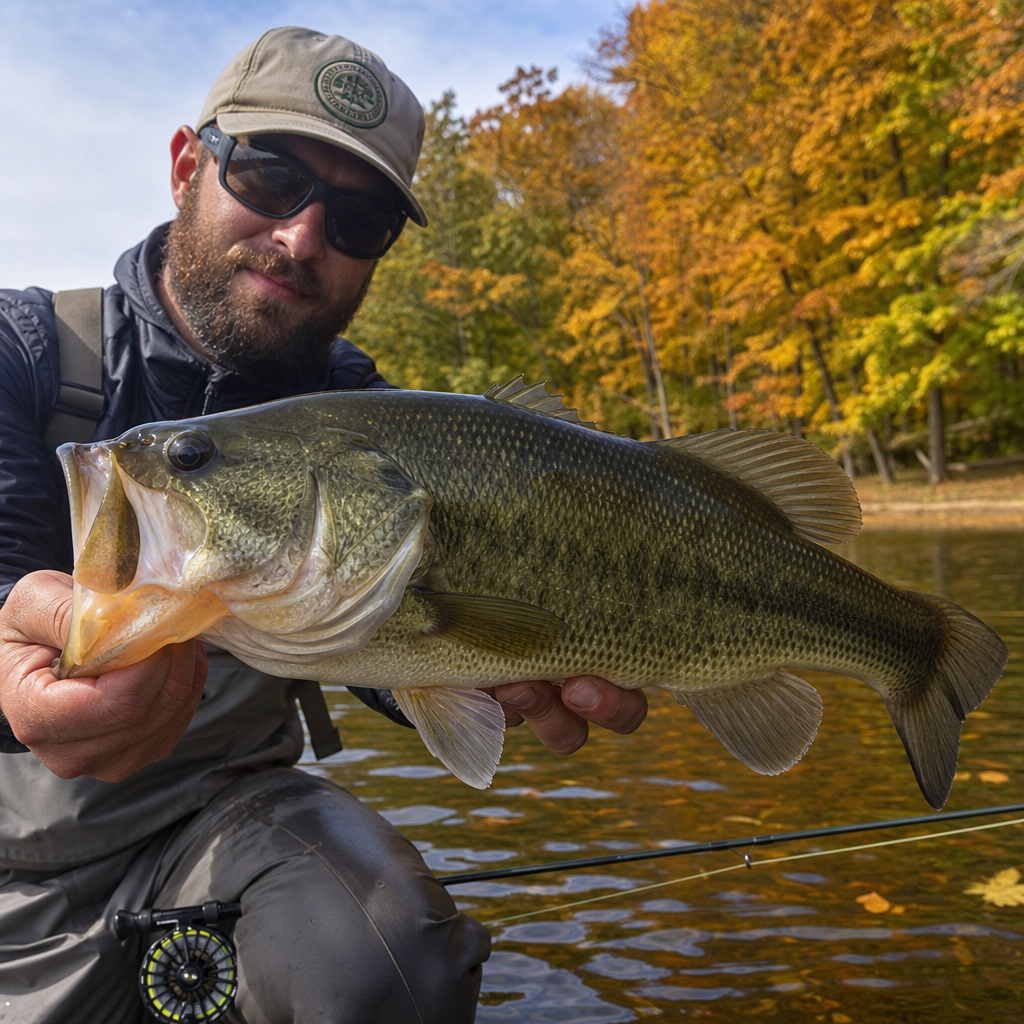
Water temperature should guide every decision. For trout, I carry a thermometer and stop targeting them when temperatures approach 68 degrees, especially if fish are showing long fight times or sluggish releases. That is not a rigid law for every watershed, but it is a practical threshold supported by fisheries science on oxygen stress. In warm-water desert streams, heat changes location more than opportunity. Bass and carp may still feed in hot weather, but they shift toward depth, shade, and low-light periods. Monsoon season creates another timing factor. A storm miles upstream can change a creek long before rain falls where you stand. If you hear thunder in canyon country, watch side channels and debris lines immediately and be ready to climb.
Tackle, rigging, and practical gear choices
Desert stream tackle should solve three problems: short accurate casts, abrasion, and variable water size. For most trout-oriented creeks, a 7 1/2 to 9 foot 3- or 4-weight handles dry flies, short-line nymphing, and small streamers without overpowering fish in tight quarters. If wind is common or the creek includes larger pools, a 5-weight is the more versatile choice. For bass, carp, or mixed-species desert water, I prefer a 5- or 6-weight with a stronger butt section for turning over weighted flies and steering fish from brush, rock, and tamarisk roots. Floating lines cover most situations, though a sink-tip can help on deeper tailwater runs and plunge pools.
Leader design matters more in desert water than many anglers realize. In clear, low flows, 9- to 12-foot leaders ending in 5X or 6X help dry flies land softly and keep line away from fish. In pocket water, shorter leaders improve control. For bass and carp, I shorten to 7 1/2 or 9 feet with 0X to 3X depending on fly size and cover. Fluorocarbon is useful for subsurface abrasion resistance around lava rock, ledge sandstone, and woody structure. Essentials also include a thermometer, polarized glasses with copper or amber lenses for glare, lightweight sun protection, extra water, and a small pack that stays streamlined in brush. In desert country, mobility and hydration catch as many fish as any rod model.
Fly patterns and presentations that consistently work
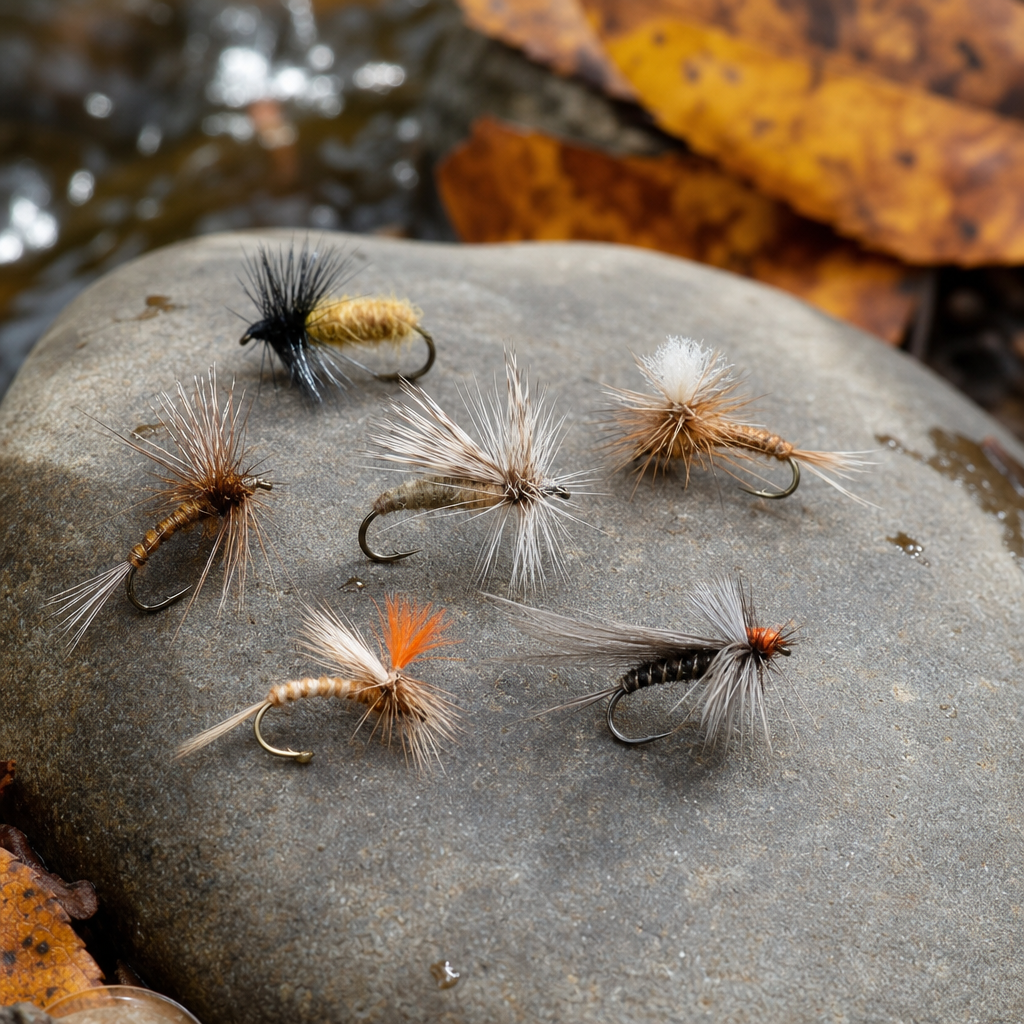
The best desert stream flies are not exotic; they are durable, visible, and matched to sparse but high-value food sources. Terrestrials are central. Ants, beetles, hoppers, and crickets fall from grasses, mesquite, willow, and streamside brush through much of the warm season, and fish learn to trust them. Small attractor dries such as Parachute Adams, Chubby Chernobyl variants, stimulators, and beetle patterns cover broken water and bank shade effectively. Subsurface, I rely on pheasant tails, hare’s ears, zebra midges, perdigons, caddis pupae, and small jig streamers. For bass and carp, crayfish, leeches, damsel nymphs, and hybrid worm patterns are staples where legal.
Presentation is where desert success is decided. In clear low water, the first cast is usually the best cast, so approach from downstream or off to the side, stay low, and lead with the fly, not the line. High-stick drifts excel in pocket water because they minimize drag over broken currents. On meadow-like spring runs, longer leaders and slack-line casts buy extra drift. Under banks and brush, a deliberate tuck cast puts a nymph into tight feeding lanes quickly. During monsoon stain, fish often move shallower and feed by feel and silhouette, which is when bushier dries, heavier nymphs, and black streamers become more effective. If fish refuse repeatedly, reduce false casts, shorten the drift target, and change angle before changing patterns.
Special conditions reference: what to adjust first
Desert streams change quickly, so a simple adjustment framework prevents wasted time. When conditions shift, change one major variable first: timing, water type, depth, or fly visibility. The table below summarizes the on-water moves that solve most special-condition problems and points naturally to the deeper subtopics this hub supports.
| Condition | What changes | Best immediate adjustment | Effective flies or rigs |
|---|---|---|---|
| Low clear water | Fish become wary and hold tighter to cover | Lengthen leader, reduce wading, target shade first | Ants, beetles, small nymphs, dry-dropper |
| High heat | Oxygen drops and trout feeding window shrinks | Fish at dawn, monitor temperature, stop early | Small dries, light nymphs, short precise drifts |
| Monsoon stain | Visibility drops, current may rise fast | Move to edges and softer seams, use darker flies | Black streamers, larger nymphs, foam attractors |
| Windy canyon afternoons | Casting accuracy falls, terrestrials get blown in | Shorten leader slightly and fish banks | Hoppers, beetles, heavier dry-dropper rigs |
| Spring-fed cold inflow | Fish cluster around temperature refuge | Probe inflow seams and nearby depth methodically | Midges, caddis pupae, small streamers |
| Flash-flood risk | Water can rise suddenly with debris | Leave the channel early and gain elevation | No fly is worth staying in danger |
Stealth, wading, and reading approach angles
Desert streams punish noisy movement because fish live with limited cover and unusually clear sight lines. I treat each pool as if fish can see me from twice the distance I think they can. That means using bankside vegetation as a screen, kneeling on open gravel, and keeping rod movements below the skyline until I am ready to cast. Wading should be a last resort in skinny water. Every step on pale substrate sends pressure waves and puffs silt that alert fish downstream. If I must enter, I do it below the target zone and move only enough to open one clear casting lane.
Approach angle is often the hidden reason one angler catches fish and another does not. In pocket water, a direct downstream approach allows short drifts into plunge pockets with minimal line exposure. In undercut meadow banks, quartering from downstream lets the fly reach the lie before the leader straightens overhead. In canyon pools with glare, side angles can reveal fish that disappear from a straight-on view through polarized lenses. Casting distance is usually modest, often 15 to 30 feet, but placement must be exact. On these streams, being one boot print quieter and one foot farther from the lip of a pool frequently matters more than changing among three similar flies.
Safety, ethics, and protecting fragile fisheries
Desert stream fishing comes with nonnegotiable responsibilities. Heat illness, dehydration, rattlesnakes, steep canyon access, and flash floods are practical hazards, not background scenery. Carry more water than you think you need, tell someone your route, and identify exit points before you drop into a wash or canyon. A handheld weather app helps, but terrain can block signal, so visual awareness matters more. Fresh debris, muddy side trickles, and a sudden cool wind can all signal upstream storm activity. If conditions feel unstable, leave early. Experienced desert anglers do this without debate because rescue windows are short in remote terrain.
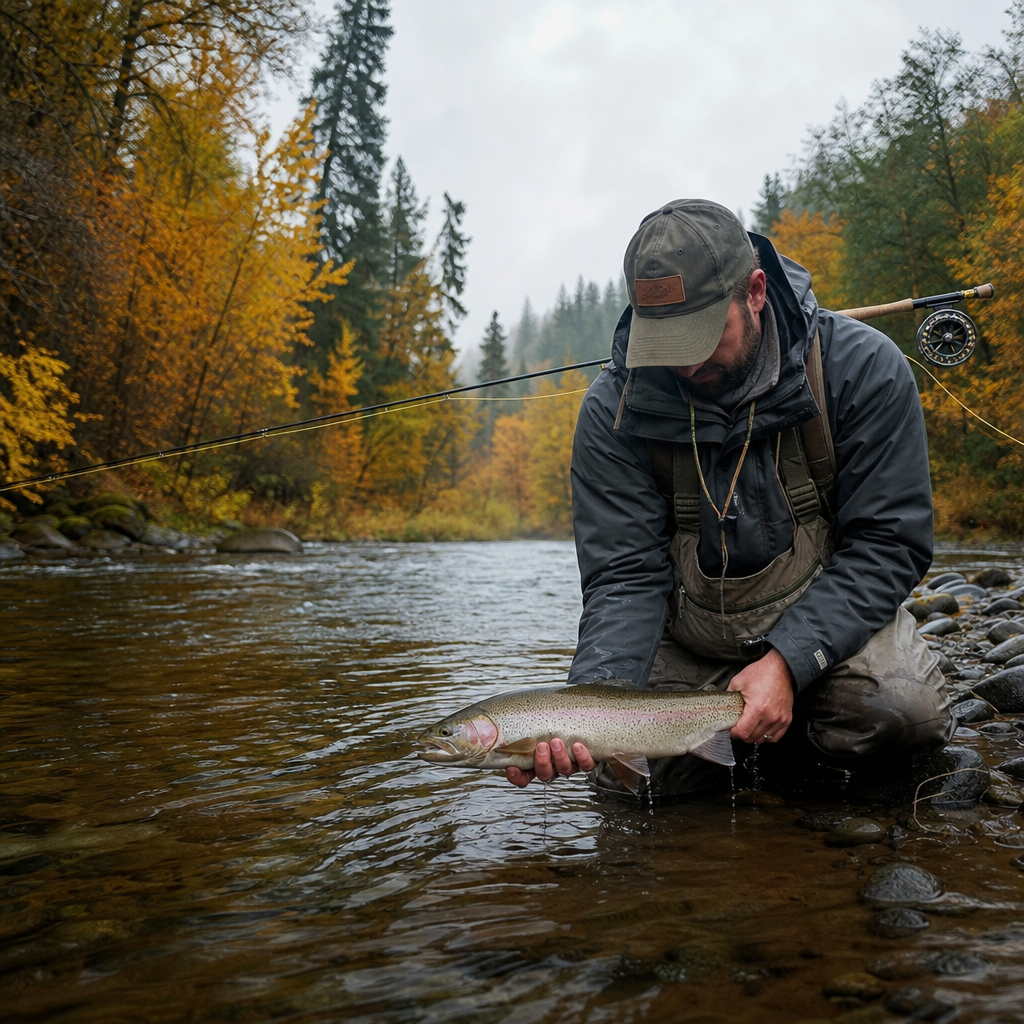
Fish care is equally important. In warm conditions, shorten fights, keep fish in the water, use barbless hooks where possible, and avoid repeated hero shots. If trout are rolling or recovering poorly, stop fishing for them and switch species or water. Respect closures around native fish restoration, spawning periods, and drought emergency restrictions. Many desert watersheds are under pressure from groundwater withdrawal, wildfire sediment, invasive plants, and heavy recreation. Anglers who pack out mono, avoid trampling banks, and report poaching or fish kills contribute directly to fish survival. The benefit is practical as well as ethical: healthier habitat holds more insects, more cover, and better fishing over time.
Fly fishing in desert streams rewards anglers who treat special conditions as the starting point, not an obstacle. The core pattern is consistent across the subtopic: find thermal refuge, fish low-light windows, favor stealth, and match presentations to compressed holding water. When flows are low, lengthen leaders and cast less. When heat rises, let the thermometer decide how long you stay. When monsoon color enters the stream, move to edges and increase silhouette. When access is tight, remember that precise first casts beat heroic distance every time. These principles connect the entire special conditions category because they apply whether you are fishing trout in a canyon creek, bass in a desert tailwater, or carp on a silty side channel.
Use this hub as your field guide for planning and decision-making, then move into the supporting articles for deeper instruction on low-water tactics, warm-weather fish care, stained-water fly selection, storm safety, and species-specific strategy. Desert streams can be some of the most memorable places a fly rod will take you: stark landscapes, intimate water, and fish that reveal exactly how a river works when resources are limited. If you want better results this season, start by carrying a thermometer, approaching every pool with more caution, and building your day around water temperature instead of the clock. That one shift will improve both your catch rate and the condition of the fish you release.
Frequently Asked Questions
What makes fly fishing in desert streams different from fishing alpine rivers or meadow creeks?
Desert streams operate on a completely different set of priorities, both for the angler and for the fish. In alpine systems, cold water, stable oxygen levels, and broad feeding lanes often let trout spread out and feed more predictably through the day. In desert streams, water is limited, temperatures can rise and fall quickly, and fish are forced to key in on very specific microhabitats that protect them from heat, light, and low oxygen. That usually means the best holding water is not always the prettiest run in the pool. It may be a narrow seam under a cutbank, a shaded slot below a spring seep, the head of a plunge pool, or a short riffle that adds oxygen before flattening into a deeper pocket.
The biggest adjustment is mental. Success is less about covering lots of water and more about identifying the small percentage of the stream that is actually livable at that moment. In desert creeks, fish often bunch into the coolest, most oxygen-rich sections, especially during warm spells or low-flow periods. Tailwaters cutting through canyon country can fish well, but even there, sun angle, flow releases, and sediment pulses may change conditions quickly. In intermittent systems, what looked excellent in the morning can become warm, murky, or nearly stagnant by afternoon. That means desert fly fishing rewards observation first and casting second.
Presentation also changes. Fish in these environments are frequently exposed to bright skies, clear low water, and sparse cover, which makes them alert and selective. Long leaders, careful wading, low profiles, and precise first casts matter more than aggressive blind casting. In short, desert stream fly fishing is a game of timing, stealth, and reading tiny details in habitat. Anglers who adapt to those realities consistently do far better than those who fish them like mountain trout streams.
When is the best time of day and season to fly fish desert streams?
In most desert waters, the best fishing windows are built around temperature and light rather than the clock alone. Early morning is often excellent because overnight cooling lowers water temperatures and gives fish a chance to feed comfortably before the heat builds. Late evening can also be very productive, especially when canyon walls throw shade across the stream and terrestrial insects begin to move. Midday can still produce fish in some spring-fed creeks and tailwaters, but on many small desert streams it is the toughest and riskiest period because shallow water warms fast and fish retreat into survival mode.
Seasonally, spring and fall are usually the most dependable times to fish. In spring, flows may still be healthy, aquatic insects can be active, and water temperatures often stay in a range that allows trout and other coldwater species to feed consistently. Fall is another prime period because nights cool down, water stabilizes, and fish often feed heavily before winter. Summer can offer good action at dawn or in spring creeks and dam-regulated water, but it also requires the most caution. High air temperatures, monsoon-driven runoff, and sudden spikes in water color or debris can make conditions change within hours. Winter varies by elevation and water source; some lower-elevation tailwaters and spring runs can fish surprisingly well, while freestone desert creeks may become slow or highly localized.
The most important rule is to fish the conditions, not the calendar. Carry a thermometer and pay attention to trend lines rather than a single reading. If water temperatures are climbing steadily into stressful territory, it is better to quit early than force the issue. Likewise, after a cool night or a weather shift that drops daytime highs, a stream that seemed marginal can suddenly become viable again. Desert anglers who learn to match their outings to cool windows, stable flows, and favorable shade will consistently find better fishing and put less stress on the resource.
What flies and rig setups work best in desert streams?
The most effective desert stream fly selection is usually smaller, simpler, and more adaptable than many anglers expect. Because these waters often have modest aquatic insect biomass and a strong terrestrial influence, a compact box covering nymphs, dries, and attractor patterns can handle most situations. Reliable nymphs include pheasant tails, hare’s ears, zebra midges, small stonefly imitations, perdigons, and lightly weighted mayfly nymphs in sizes that match the stream’s food base. In spring runs and clear tailwaters, midge and small baetis patterns can be especially important. In rougher canyon water or stained post-runoff conditions, a slightly flashier nymph or attractor can help fish find the fly quickly.
Dry flies are often more important in desert streams than people realize. Ants, beetles, hoppers, small stimulators, elk hair caddis, parachute adams, and chubby-style attractors all have a place, especially where bankside vegetation, canyon walls, or monsoon weather push terrestrials into the water. A dry-dropper rig is one of the most efficient ways to fish these systems because it combines search capability with subtle depth coverage. On tiny creeks, a buoyant dry with a small unweighted or lightly weighted nymph beneath it can be ideal. On somewhat larger tailwaters and spring creeks, a dry-dropper or tight-line nymph rig can be adjusted to probe plunge pools, slots, and deeper shelves.
Leader setup matters as much as fly choice. In low, clear water, a longer leader with fine tippet often produces more eats because fish have too much time to inspect the drift. In pocket water or slightly off-color flows, you can shorten and strengthen the rig for better turnover and control. If fish are hugging undercuts or pocket water, a short accurate cast with a quick high-stick drift often outperforms long casts. If they are sipping in soft glides during cool periods, drag-free drifts and finer terminal tackle become more important. The best setup is not the one with the most complexity; it is the one that lets you present naturally in the tiny feeding windows fish actually use in desert conditions.
How should you approach and read water when fish are concentrated in small, harsh environments?
Approach is everything in desert streams because fish rarely have unlimited holding options. If you locate a cool, shaded, oxygen-rich section, there is a good chance multiple fish are packed into a surprisingly short stretch. That makes careless wading, noisy casting, or sloppy line management much more damaging than on larger, more forgiving rivers. Start from downstream whenever possible, stay low, avoid skyline exposure, and make your first cast count. In tight canyon water or narrow spring runs, fish often spook from vibration and shadow before you ever see them. A cautious approach preserves the best water and often doubles the number of quality drifts you get before the pool goes quiet.
When reading water, prioritize survival features first and classic trout structure second. Look for shade, depth, current contrast, oxygen, and temperature refuges. The head of a pool where water tumbles in, a narrow chute against a rock wall, a spring inflow, a willow-lined undercut, or a dark slot beneath overhanging brush may all hold fish even when the rest of the creek looks fishy but is effectively too warm or exposed. In desert streams, one small band of shade can be more valuable than twenty yards of attractive-looking but sun-baked water. Fish may shift only a few feet through the day, but those few feet can mark the difference between comfort and stress.
It also helps to think in terms of hourly movement. As the sun rises, fish may leave shallow feeding lies and slide into deeper pockets, under banks, or fast oxygenated runs. As shadows lengthen, they may expand into softer edges and tailouts to feed. Instead of rushing through a stretch once, consider revisiting key areas when light changes. Desert stream fishing often rewards anglers who slow down, study how current and cover interact, and fish the best micro-water thoroughly. The stream may be small, but the puzzle is highly dynamic, and reading it correctly is often more important than changing flies over and over.
How can anglers protect desert stream fisheries while still having a productive day on the water?
Conservation should be central to desert stream fly fishing because these fisheries are inherently fragile. Limited water, rapid warming, flash-flood cycles, and isolated fish populations mean they can be stressed far more quickly than larger northern rivers. The first step is learning when not to fish. If water temperatures are approaching levels that create physiological stress, if fish are visibly struggling in stagnant pools, or if a system is shrinking into disconnected refuges, the responsible decision is to leave it alone. Carrying a thermometer and understanding local thresholds is one of the most practical conservation tools any angler can use.
Fish handling matters too. Use tackle strong enough to land fish quickly, especially in warm conditions. Keep fish in the water during release, wet your hands before touching them, and avoid prolonged photo sessions. On small desert creeks, even a few extra seconds of air exposure can have outsized consequences, particularly during summer. Barbless hooks make releases cleaner and faster, and they are an excellent choice for streams where fish may be concentrated and repeatedly encountered. Equally important is protecting the habitat itself: avoid trampling streamside vegetation, do not muddy spring heads or side channels, and be mindful that one careless entry point can