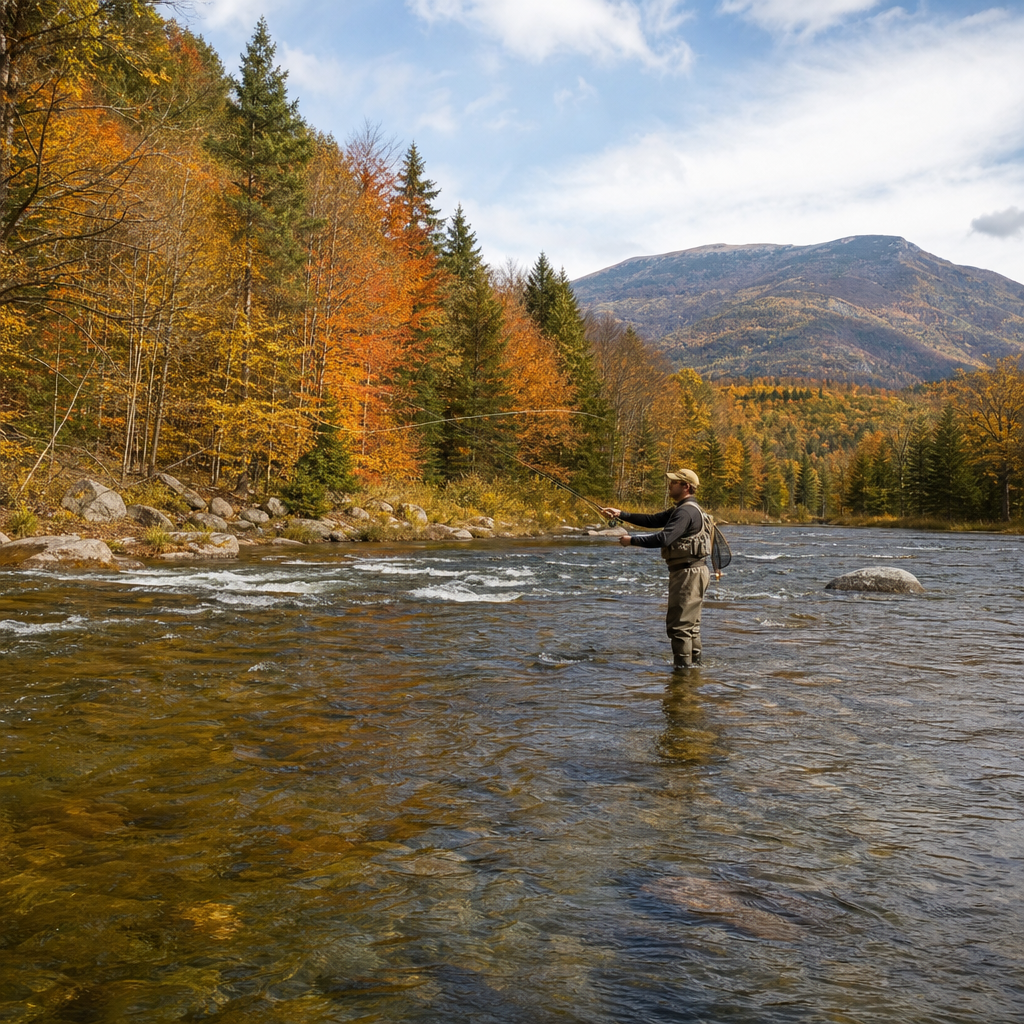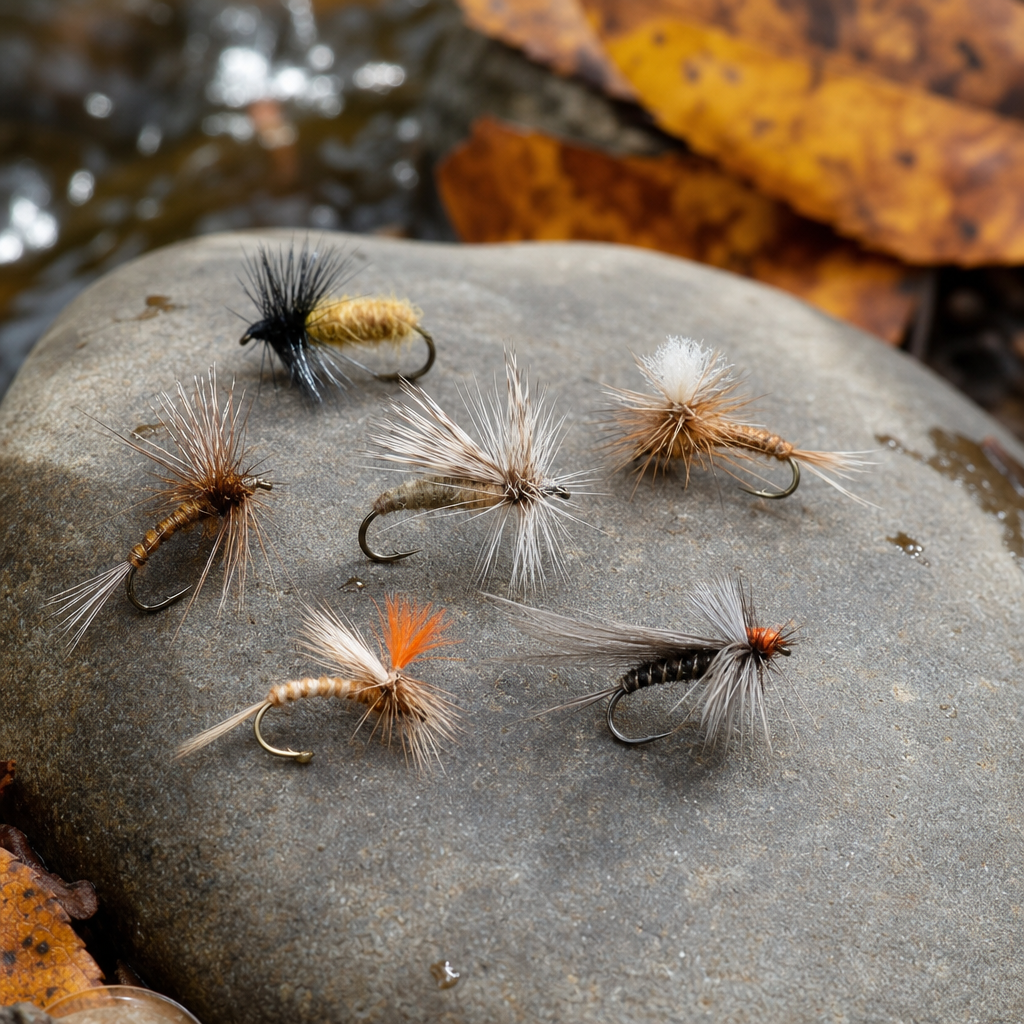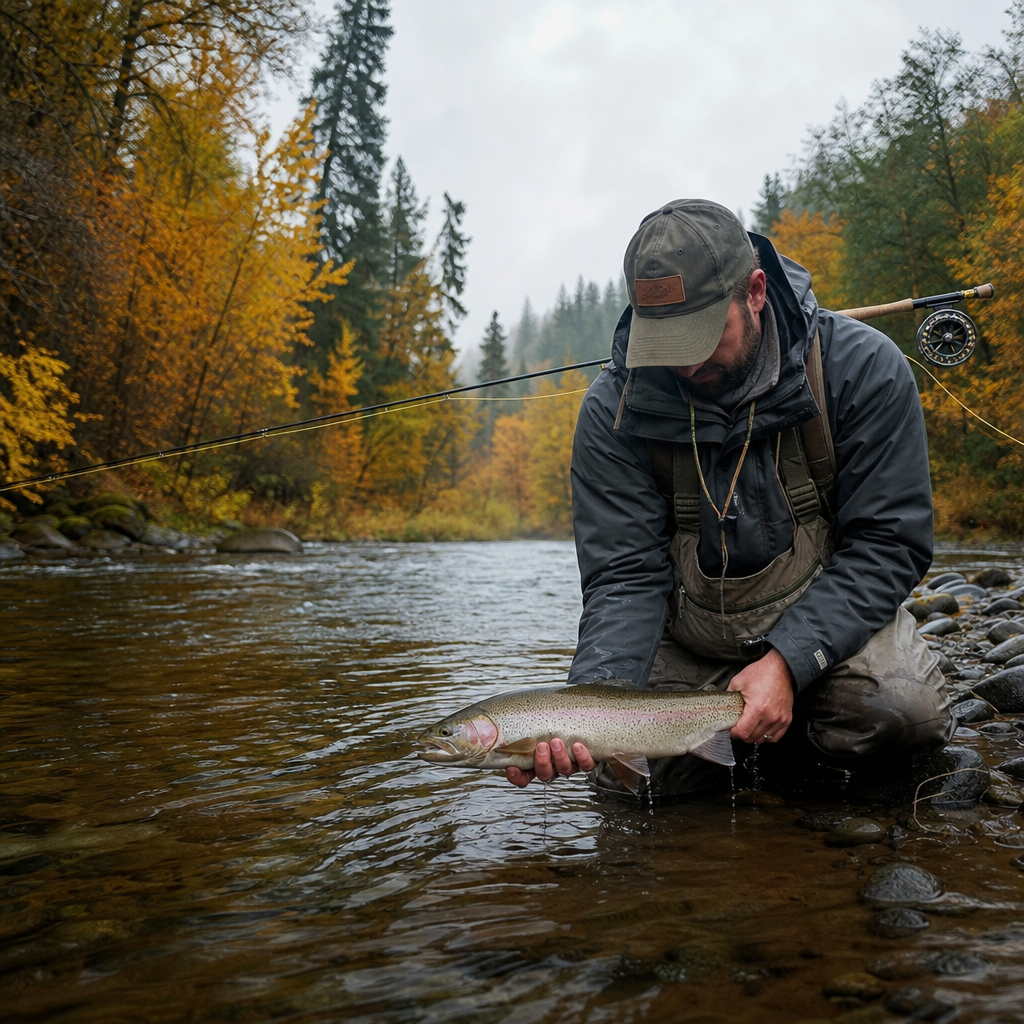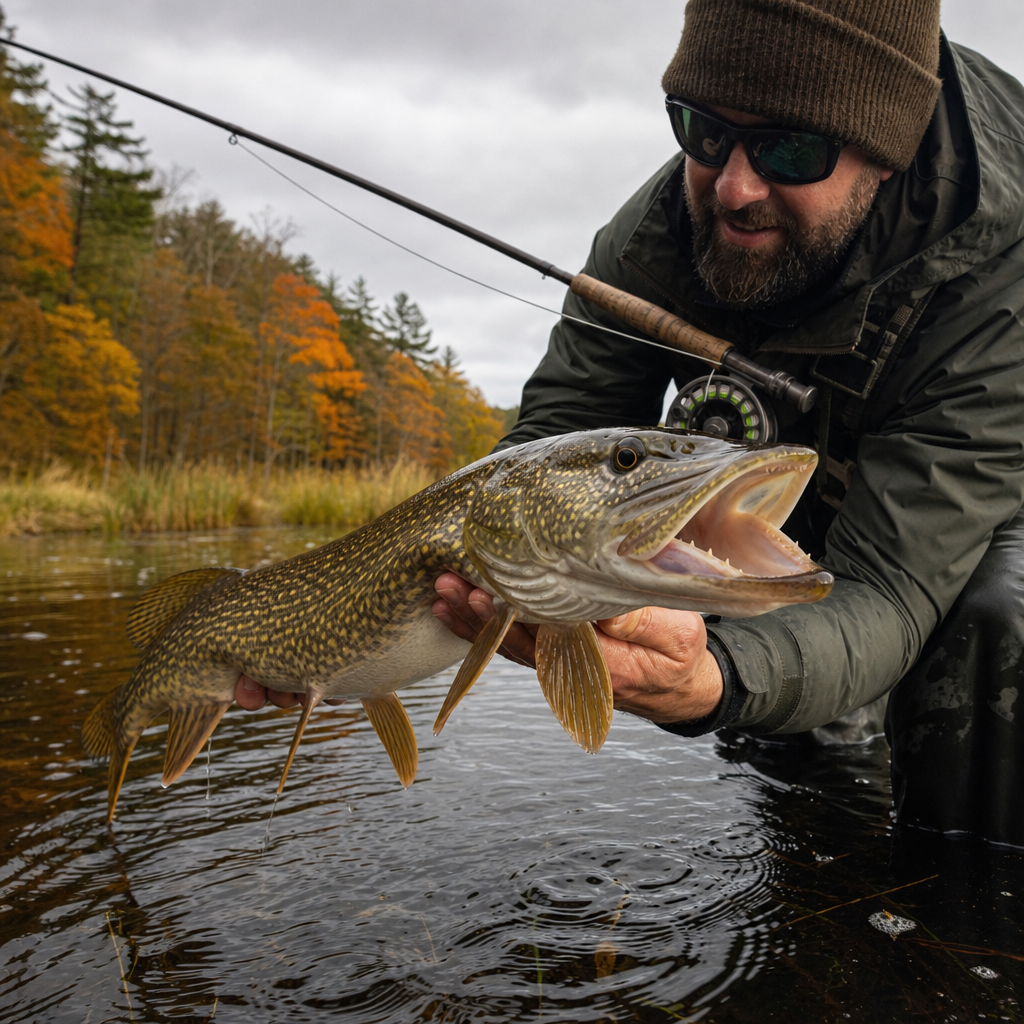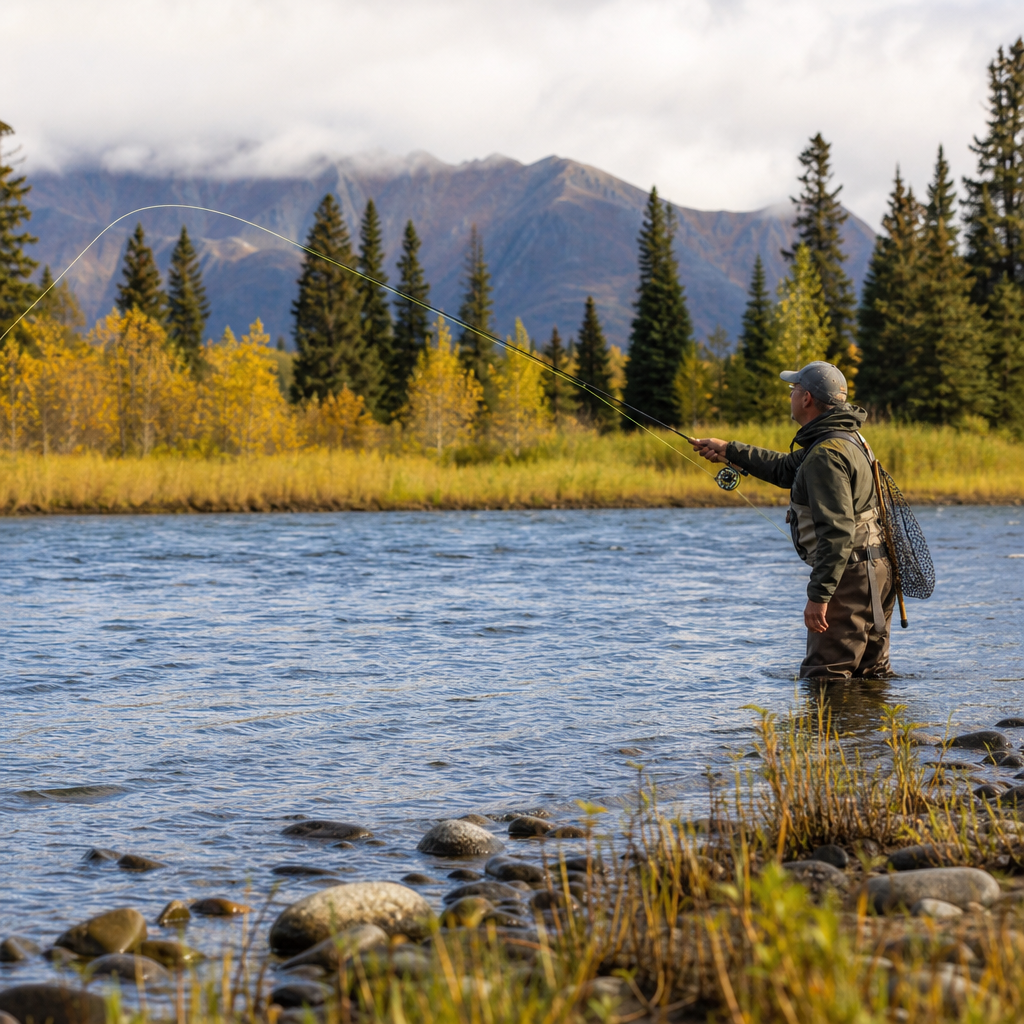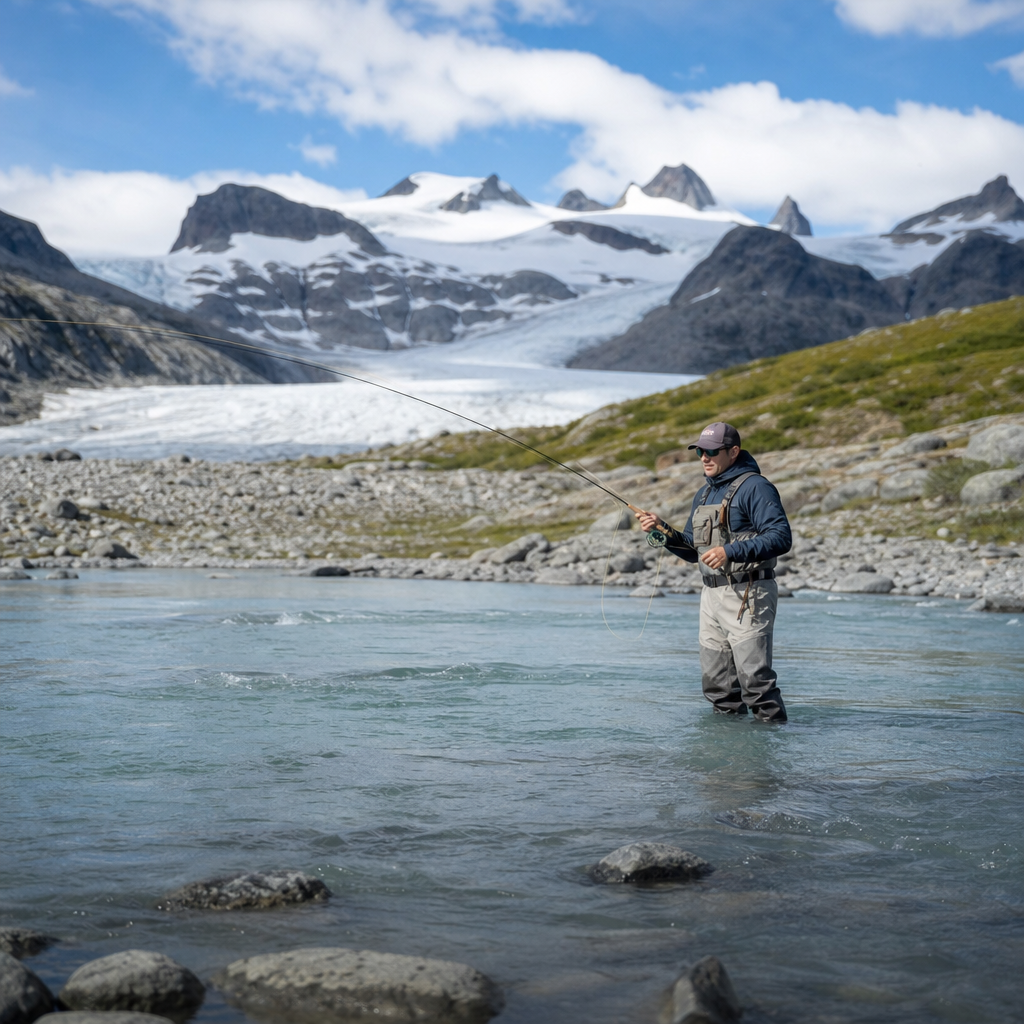
Fly fishing in glacial waters demands a different playbook than fishing freestone rivers, tailwaters, or spring creeks because the water is colder, denser with suspended sediment, and often far less predictable across a single day. Anglers usually use the term glacial waters to describe rivers, streams, and lakes fed directly by melting glaciers or permanent snowfields, where runoff carries fine rock flour that clouds the water and changes how fish feed. In practical terms, that means trout, char, grayling, and salmon in these systems often hold tighter to structure, shift location with water temperature, and respond best to flies presented close, slow, and with strong contrast. I have fished glacial drainages in Alaska, the Canadian Rockies, Iceland, and the Alps, and the same lesson repeats everywhere: success comes less from perfect casting distance and more from reading light, temperature, flow pulses, and visibility windows. This special conditions hub matters because glacial fisheries are some of the most scenic and rewarding in fly fishing, yet they also punish generic advice. If you understand the mechanics of melt cycles, fish positioning, gear selection, and safe wading, you can turn seemingly unfishable water into a highly structured problem with reliable solutions. That is exactly how experienced anglers approach these systems.
Glacial water is not simply cold water. It is typically cold, mineral rich, and seasonally volatile, especially in summer when afternoon melt increases discharge and turbidity. Water clarity may range from greenish translucent to fully opaque within hours. Insects may be sparse in the main channel but abundant in side braids, lake inlets, spring seeps, and slower edges where fish can feed efficiently. Because these rivers often look empty, many anglers move too fast and cast too broadly. The better strategy is to identify soft seams, inside bends, confluences, gravel bars, cutbanks, back eddies, and any place where clearer tributary water enters the main stem. As a hub page for special conditions, this article explains the core techniques and gear choices that apply across glacial streams, glacial lakes, braided outwash channels, and mixed systems where clear tributaries join milky main rivers. It also points you toward the larger framework you should use when evaluating weather, seasonal timing, fish behavior, and tackle decisions under difficult conditions. Once you grasp those patterns, the water stops feeling mysterious and starts giving up answers.
How glacial conditions change fish behavior
Fish in glacial systems conserve energy aggressively. In water that often sits just above freezing in the morning and may only warm a few degrees by afternoon, metabolism stays lower than in many summer freestones. That reduces the distance fish are willing to move for a fly. Visibility is the second major limiter. Suspended glacial silt, often called rock flour, can cut sight-feeding range dramatically, so trout and char rely more on silhouette, vibration, and flies placed near their holding lane. I consistently find fish clustered in predictable refuge water: softer buckets behind boulders, current breaks along gravel shelves, deep side channels, and transition lines where slightly clearer water enters the main flow. In glacial lakes, fish cruise drop-offs, delta edges, and inflow tongues where food is concentrated and temperature is marginally higher.
Daily timing is especially important. Morning often brings the clearest conditions because overnight cooling slows meltwater input. By midday and afternoon, sun on snowfields and glacier faces increases flow and turbidity. On warm summer days, a fishable river at 8 a.m. may be difficult by 2 p.m. Conversely, in cold shoulder seasons, the warmest and most productive window may come later in the day when insects become active and fish loosen up. This is why successful glacial-water anglers monitor water temperature with a stream thermometer, check USGS or local gauge trends where available, and treat each valley as a microclimate. A two-degree change can materially affect feeding behavior. If you want the short answer, fish glacial rivers early for clarity, fish confluences whenever possible, and expect trout to hold close to structure where they can intercept food without wasting energy.
Reading productive water in glacial rivers and lakes
The most productive glacial water is rarely the broad milky middle. It is the edge habitat that combines manageable current, marginally better visibility, and access to food. Start with tributary junctions. A clear or tea-stained creek entering a glacial main stem creates a mixing zone that often concentrates drifting insects, disoriented baitfish, and spawning activity. Fish position on the seam, inside the clear plume, or just below the junction where current slackens. Braided rivers also reward methodical exploration. One braid may be shallow and sterile while the next carries enough depth, slower pace, and clearer flow to hold dozens of fish. On outwash plains, side channels split and rejoin constantly, so walk high banks or gravel bars first and look for depth, softer tongue currents, and cut edges.
In glacial lakes, think like a stillwater angler but account for cold inputs. The best zones are often stream mouths, shelves adjacent to drop-offs, and shorelines warmed by sun and sheltered from direct melt inflow. Wind can improve fishing by pushing food toward a bank, but strong glacial winds can also muddy margins and make presentation difficult. Polarized glasses matter here because they reveal color changes that indicate depth, weed beds, or cleaner water bands. I also pay close attention to places where groundwater enters unnoticed. A subtle spring seep along the bank may create a warmer, clearer corridor that fish use repeatedly. Many anglers overlook these microfeatures because the surrounding landscape feels oversized, but glacial fisheries are won by reading small differences in current, color, and temperature.
| Situation | Where Fish Hold | Best Approach |
|---|---|---|
| Main glacial river running high and cloudy | Soft edges, back eddies, boulder pockets, inside bends | Short drifts with weighted nymphs or streamers in high-contrast colors |
| Clear tributary entering milky main stem | Seam line, lower tributary pool, transition shelf below confluence | Dead-drift nymphs, swung soft hackles, small streamers along the mixing edge |
| Braided outwash channel with moderate clarity | Deep side braid, cutbanks, tailouts with walking-speed current | Cover water methodically, fish from top of run to tail with indicator or tight-line rigs |
| Glacial lake inlet or delta | Drop-off edge, current tongue, cruising shelf near inflow | Strip baitfish patterns, suspend chironomids, or retrieve leeches slowly |
Fly selection and presentation that actually work
In glacial water, fly choice matters less than placement and visibility, but some patterns repeatedly outperform. For nymphing, I rely on dense anchor flies such as stonefly imitations, tungsten jig nymphs, Pats Rubber Legs, Perdigons, and Hare’s Ear variants tied with hot spots or UV collars. In clearer side channels and tributaries, mayfly and caddis nymphs in natural olive, brown, black, and cream produce well. For streamers, contrast is critical. Black, white, olive, and combinations with chartreuse or pink accents stand out in low visibility without looking unnatural. Woolly Buggers, Sculpzillas, Zonkers, Dolly Llamas, and compact articulated baitfish patterns all have a place. In lakes and slower glacial margins, leeches, chironomids, and small smelt or sculpin imitations are dependable choices.
Presentation should be deliberate and close to the fish. In cloudy flow, a perfect drag-free drift at the wrong depth is useless. I would rather tick bottom occasionally than drift too high all day. Split shot, tungsten beads, and multi-fly rigs are often necessary, though local regulations may limit them. Indicator nymphing is highly effective in broad glides and seams because it helps maintain depth and track subtle takes in uneven current. Tight-line methods excel in shorter pockets and side channels where contact matters. Streamers should usually be fished slower than many anglers expect: quarter across, mend to sink, then strip with pauses or swing through soft structure. In very cold water, long pauses trigger more fish than fast strips. When fish are concentrated at a confluence, make repeated casts from multiple angles before moving. In these systems, persistence around a prime lie often beats covering miles of marginal water.
Gear for cold, silty, abrasive conditions
A versatile rod setup for glacial rivers is a 9-foot 5-weight or 6-weight fast-action rod, depending on wind, fly size, and target species. A 5-weight handles most trout situations, but a 6-weight is often the better tool when heavy nymph rigs, sink tips, or larger streamers are part of the day. In Alaska or other places with large Dolly Varden, rainbows, or salmon, stepping up to a 7-weight is reasonable. Reels should have a reliable sealed drag, not because every fish will run deep, but because glacial silt destroys poorly protected components. The same is true for lines. Choose quality floating lines with durable coatings, and bring a spare spool or second outfit if you are traveling far from a shop. For lakes or deeper channels, a sink-tip or full intermediate line expands options considerably.
Leaders and tippet should be stronger and shorter than many anglers use on clear technical water. In milky current, fish are less tippet shy, and turnover matters more than delicacy. A 7.5-foot leader tapered to 3X or 4X is a practical default for nymphs and streamers, with 5X reserved for clearer tributaries and selective trout. Wading gear deserves equal attention. Studded boots provide substantially better grip on slick glacial cobble, and a wading staff is not optional in strong braided current. Breathable waders layered with merino or synthetic insulation are usually preferable because weather can swing from sun to sleet quickly. I also carry fingerless gloves, amber and copper lens options, hemostats that can handle barbless hooks with cold hands, and a thermometer clipped where it stays accessible. One more point from experience: rinse rods, reels, boots, and zippers after silty days. Glacial sediment acts like grinding compound, and neglected gear wears out fast.
Safety, timing, and a practical special conditions strategy
Glacial fisheries are beautiful but unforgiving, so safe timing is part of effective technique. Never assume a crossing that worked in the morning will be safe on the way back. Melt-driven rivers commonly rise through the day, and braided channels can reroute around gravel bars within a week or even after heavy rain. Fish with a partner when possible, unbuckle your pack waist belt before major crossings, and avoid water above knee level in fast current unless you have a very solid line and support. Weather compounds the risk. Cold rain can accelerate snowmelt at some elevations, while sudden sunny periods can raise afternoon flows sharply. In bear country, common in many glacial drainages, carry deterrent, make noise in low-visibility brush, and handle fish quickly near shore.
As the special conditions hub under seasons and conditions, use this framework whenever you approach glacial water. First, evaluate source and timing: direct glacier melt, snowfield input, or mixed watershed. Second, identify clarity windows by hour, weather trend, and tributary influence. Third, choose tactics that match visibility: weighted nymphs and streamers in dirty water, more natural imitations in clearer side channels. Fourth, fish the edges before the middle and the confluences before the long featureless runs. Fifth, protect yourself and your equipment from cold, current, and abrasive silt. The main benefit of understanding fly fishing in glacial waters is confidence. Instead of guessing, you can predict where fish will hold, when conditions will improve, and which gear will hold up under stress. Start with one accessible glacial river or lake, track temperature and clarity for a few trips, and apply these techniques systematically. The learning curve is real, but once you decode these waters, some of the most dramatic landscapes in fly fishing become productive, repeatable, and deeply satisfying places to fish.
Frequently Asked Questions
What makes fly fishing in glacial waters different from fishing freestone rivers, tailwaters, or spring creeks?
Glacial water changes nearly every part of the fly-fishing equation. Unlike clearer freestone rivers, stable tailwaters, or consistent spring creeks, glacial systems are heavily influenced by melt cycles, weather, and suspended sediment often called rock flour. That fine silt reduces visibility, gives the water a cloudy or milky appearance, and can make fish feed more by feel, silhouette, and short-range opportunity than by close visual inspection. In practical terms, trout, char, and grayling in glacial rivers often hold tighter to softer seams, slower edges, inside bends, side channels, and any pocket where they can avoid fighting heavy current while still intercepting food.
Temperature is another major factor. Glacial water is typically much colder, especially early in the season or during periods of strong melt. Cold water can suppress fish activity, shorten feeding windows, and concentrate fish in places where slightly warmer tributaries, shallow margins, or groundwater influence the main flow. On top of that, daily conditions can shift dramatically. A river that looks fishable in the morning may turn much higher, colder, and more opaque by afternoon as sun-driven melt increases. That unpredictability demands flexibility in both timing and approach.
Presentation also changes. In clear water, subtle drifts and fine tippets often matter most. In glacial water, getting flies close to fish and helping them stand out becomes more important than delicate long-range precision. Anglers often rely on larger patterns, darker silhouettes, brighter attractor elements, added weight, and indicator setups that keep flies in the strike zone longer. Success usually comes from reading microstructure carefully, covering water methodically, and recognizing that fish in glacial systems are often available in very specific soft-water lies rather than spread evenly throughout a run.
What are the best fly fishing techniques for glacial rivers and streams?
The most reliable techniques in glacial rivers are usually those that slow the presentation down, improve depth control, and keep the fly near likely holding water. Dead-drift nymphing is often the starting point because many fish in cold, sediment-laden flows stay near the bottom where current is softer and food naturally collects. A weighted two-fly rig under an indicator is a common choice, with enough split shot or tungsten weight to get down quickly. The key is not just adding weight, but matching it to the depth and speed of each seam so the flies drift naturally just above the substrate rather than dragging unnaturally or riding too high.
Short-line nymphing and high-sticking can be especially effective in pocket water, side channels, and close-range seams where strike detection is difficult. By keeping less line on the water, you reduce drag and maintain better contact with the flies. In heavily colored water, fish may only move a short distance to feed, so repeated drifts through the exact same lane can be more productive than constantly changing position. Fishing thoroughly and patiently often outperforms covering water too quickly.
Streamer fishing can also shine in glacial systems, particularly when visibility is poor and fish need a larger target to key on. Stripping or swinging compact streamers through softer edges, drop-offs, tributary mouths, and current transitions can trigger aggressive takes. In these conditions, bold movement and profile often matter more than exact imitation. Dry-fly fishing is usually less consistent in glacial mainstems, but it can be excellent in clearer side channels, spring-influenced areas, lake inlets, and calmer windows when insects are active. The biggest tactical advantage is adaptability: start with the water type most likely to hold fish, fish it thoroughly at the right depth, and be ready to switch methods as clarity, flow, and fish response change through the day.
What gear and setup work best for fly fishing in glacial waters?
A versatile rod in the 9-foot, 5- or 6-weight range covers most glacial-water trout and char situations, especially if you expect to nymph, throw moderate streamers, and handle wind. If the river is large, the current is heavy, or the fish are especially powerful, a 6-weight often gives better line control and turning power. For smaller tributaries or clearer side channels, a 4- or 5-weight may be enough, but in many glacial systems the ability to cast weighted rigs and mend line effectively is more important than ultra-light finesse. A dependable reel with a smooth drag matters most when targeting larger fish in broad, fast water.
Fly lines should match your main technique. A weight-forward floating line is the all-around choice because it handles indicator nymphing, dry-dropper rigs, and many streamer presentations. If streamer fishing is a priority, a sink-tip or integrated sinking line can help keep flies in the zone, especially in deeper buckets and strong edges. Leaders are typically shorter and sturdier than what many anglers use on clear spring creeks. Since fish have less visibility and presentations are often closer range, long delicate leaders are usually unnecessary. A practical setup might include a 7.5- to 9-foot leader with tippet in the 3X to 5X range depending on fly size, fish size, and water clarity.
Flies should emphasize visibility, profile, and depth. Productive nymphs often include stonefly patterns, worm imitations, egg patterns where appropriate, and attractor nymphs with tungsten beads or hot spots. Darker flies can create a strong silhouette in cloudy water, while selective use of bright colors like orange, pink, chartreuse, or white can help fish locate the fly. For streamers, leeches, sculpin-style patterns, and compact baitfish imitations are staples. Beyond the rod-and-reel setup, wading gear and outerwear are especially important. Glacial water is dangerously cold, and conditions are often slick, pushy, and changeable. Studded boots, a wading staff, layered clothing, rain protection, and polarized glasses for reading seams near the bank are not optional luxuries in many places—they are core safety and performance gear.
When is the best time to fish glacial waters, and how do daily melt cycles affect success?
Timing is one of the biggest advantages an angler can control in glacial systems. In many glacier-fed rivers and streams, the best fishing often happens during lower-light or cooler parts of the day, especially in the morning, before solar heating accelerates melt and increases turbidity. Overnight temperatures can reduce runoff, allowing the river to clear slightly and drop enough for fishable windows. By midday or afternoon, especially during warm weather, water levels may rise, color may intensify, and the mainstem can become much harder to fish effectively.
Seasonal timing matters too. Early and late in the melt season often produce the most stable opportunities, though this varies by latitude, elevation, and how directly a water body is connected to glacial runoff. In some regions, shoulder-season periods bring improved clarity and more predictable fishing, while peak summer melt creates the toughest conditions on the main river. That does not mean the area is unfishable—just that success may shift to side channels, tributary confluences, lake outlets, or stretches buffered by non-glacial inflow.
The best approach is to think in terms of windows rather than fixed all-day conditions. Watch weather trends, overnight lows, cloud cover, and recent rainfall. A cool, overcast stretch can extend fishable conditions considerably, while a hot sunny day can close the window fast. If you are on unfamiliar water, start by scouting multiple access points and looking for clarity differences between the main river and adjacent tributaries. Anglers who treat glacial fishing like a moving target—adjusting location, depth, and timing as the river evolves—consistently do better than those who commit too early to one run or one technique.
How do you find fish and stay safe when fly fishing in cold, silty glacial water?
Finding fish in glacial water starts with understanding that they rarely use the heaviest, fastest, most opaque current for long. Instead, they gravitate to places that offer current relief, predictable food lanes, and slightly better visibility. Focus on inside bends, bank edges, shallow shelves dropping into softer lanes, tailouts with moderate walking-speed current, side braids, tributary mouths, and any transition where clearer water mixes into the main flow. Fish often stack in these softer structures because they can hold efficiently and ambush food without spending unnecessary energy in frigid current. In lakes influenced by glacial melt, look for warmer margins, inlet shelves, drop-offs near clearer inflows, and wind lanes that concentrate food.
Because visibility is reduced, strike detection can be subtle or delayed. Watch your indicator carefully, maintain controlled contact, and set on anything unusual—hesitation, twitching, stopping, or a slight directional change. Cover likely holding water methodically from near to far and from soft to slightly faster seams. In many glacial rivers, anglers wade too aggressively and push fish out of the best near-bank lies before ever making a cast. Fishing the closest soft water first is often a smart rule.
Safety deserves equal attention. Glacial rivers are not just cold; they can be deceptively powerful, unstable, and numbing within minutes. Fine sediment can hide depth