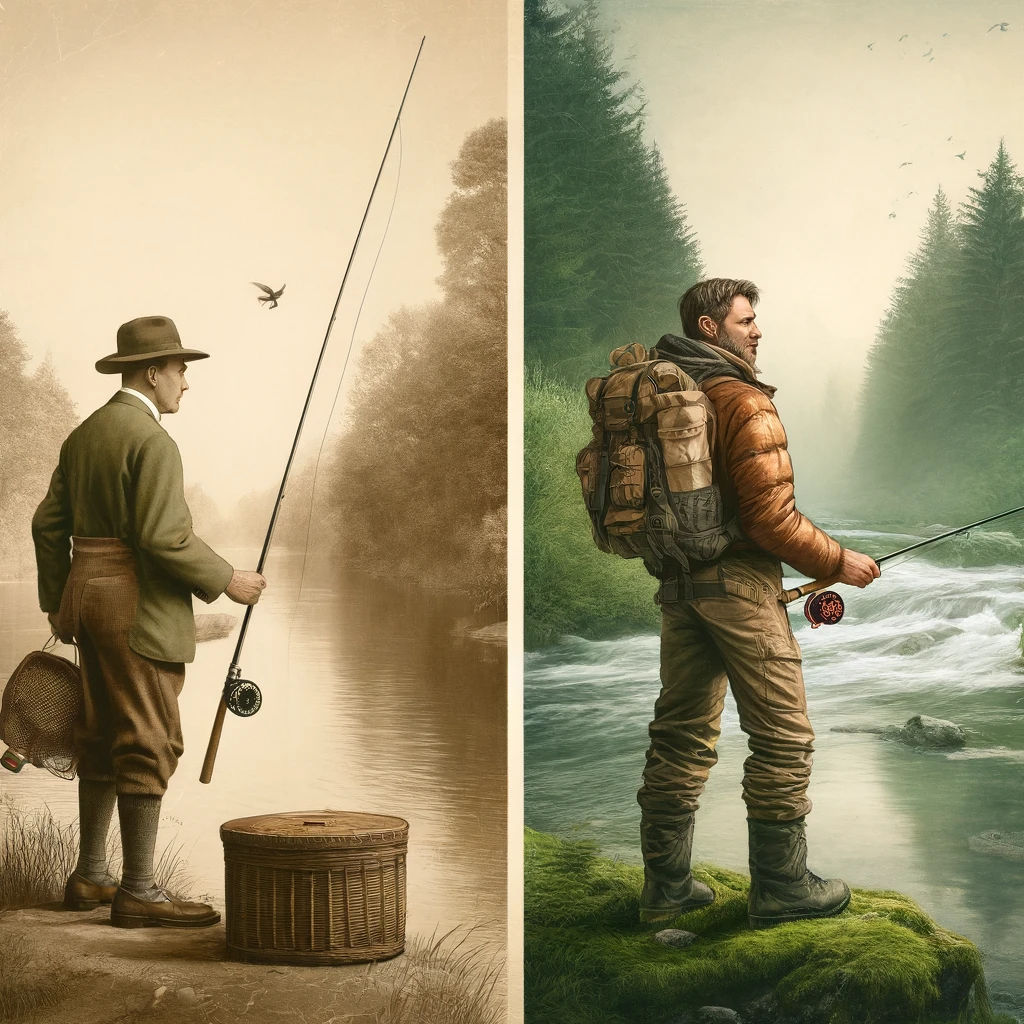
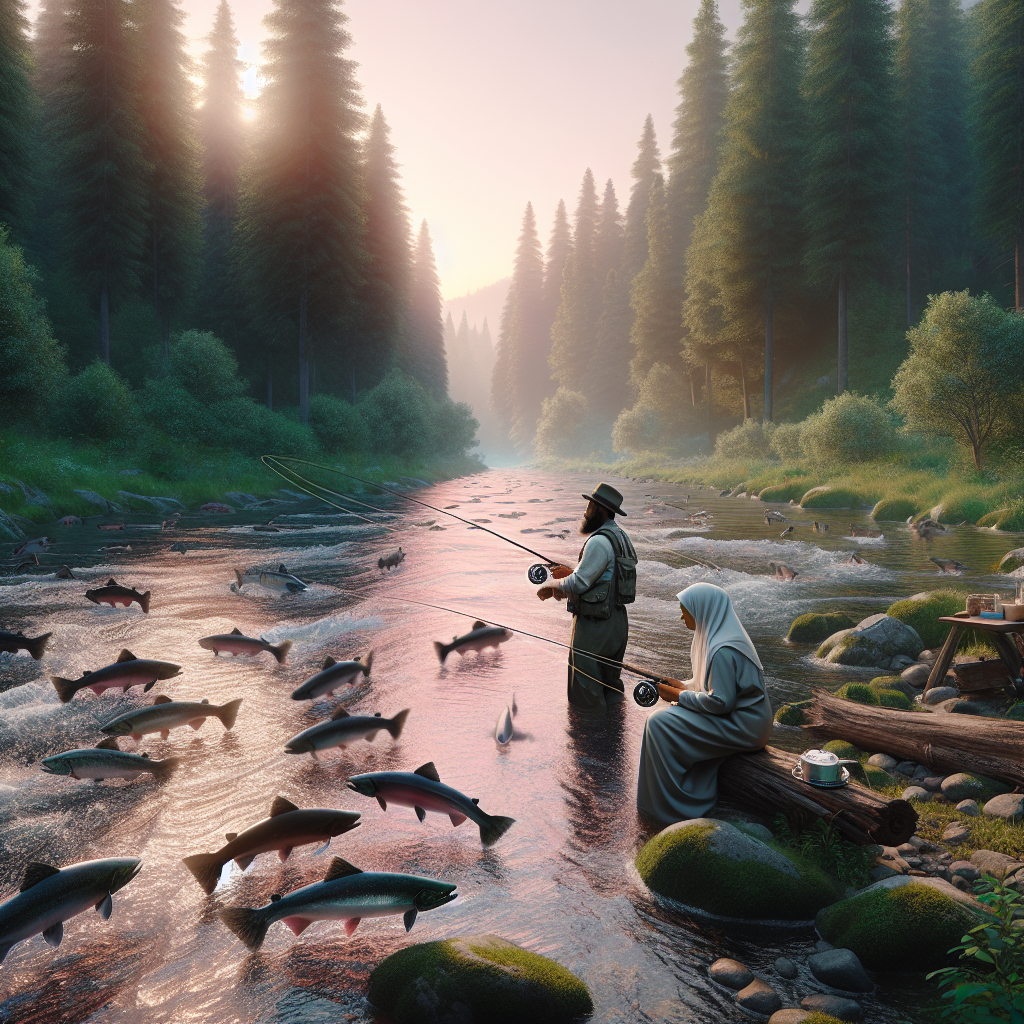
Fly fishing is an angling method that uses a light-weight lure—known as an artificial fly—to catch fish. Not just a sport, fly fishing is an art, a dance between angler and nature where precision meets patience. The essence of fly fishing lies within its complexity, offering both challenges and serenity. Sweden provides some of the most pristine environments for fly fishing enthusiasts, featuring numerous lakes, rivers, and streams brimming with opportunities to hone this craft. But why does fly fishing in Sweden matter? Because it allows anglers to experience untouched nature, connect with native aquatic life, and engage in a rewarding pursuit that demands both skill and mindfulness.
Understanding the appeal and challenge of fly fishing in Sweden is essential for anyone considering investing their time and patience into this sport. Not only does it offer the thrill of the catch, but it also promises the tranquility of nature’s untouched corners. Here, we’ll delve deep into the strategies that can enhance your fly fishing experience in Sweden, ensuring that each trip is both successful and fulfilling.
Optimal Locations for Fly Fishing in Sweden
Sweden is a country abundant with waters traversing its lush landscapes. The Tornio River, Vänern Lake, and Storsjön Lake are iconic fly fishing destinations within the country. Each location offers different fishing environments, from fast-flowing waters to tranquil lake surfaces.
Consider, for example, the Lainio River in Swedish Lapland, renowned for its plentiful stock of salmon and trout. The river’s ecosystem is robust, supporting an array of aquatic life that represents an angler’s paradise. Fly fishing here requires understanding the timing since the river sees differing peaks in fish activity. The months of June and July are when salmon make their significant runs, making these peak times for an unforgettable fishing experience.
When planning a trip to Sweden’s water bodies, research and timing are essential. Examine local fishing reports, engage with locals, and use online resources that can provide insights into which sites are currently yielding good results.
Ideal Equipment for Fly Fishing
Equipping oneself appropriately is fundamental to success in fly fishing. Considering Sweden’s varied waterscapes, you need gear that suits different conditions. Scandinavia requires a fly rod built to withstand the elements and seasonal shifts. Beginners should consider starting with a medium-action rod, which offers versatility across various fishing styles.
An example of required equipment includes:
- Fly Rod: Medium-action, able to handle different line weights.
- Reel: A well-made reel with a smooth drag system, important for playing larger fish.
- Lines: Floating lines for dry flies and sinking lines for nymphs.
- Flies: Selection of dry flies, nymphs, and streamers based on the target fish species and water conditions.
- Waders: Quality breathable waders to keep dry in cold waters.
These components together form a cohesive kit aimed at optimizing the Swedish fly fishing experience. Consider working alongside local suppliers or experts to ensure your setup is fine-tuned to the specific locale you’ll be fishing in.
Fly Selection and Matching the Hatch
In fly fishing, one of the most vital tactics is ‘matching the hatch,’ which means using flies that imitate the local insects fish are feeding on. Sweden’s waterways teem with life, and identifying the prevalent hatches can dramatically affect your success. Familiar bug varieties include mayflies, caddisflies, and stoneflies.
For example, along River Klarälven, anglers usually encounter a significant hatch of sedge flies in early summer. Matching this hatch can mean using foam-bodied flies or woolly buggers that mimic the size and color of natural insects swarming around the river.
Observing insect activity is equally essential. Use polarized glasses to watch fish behavior and see what’s hatching on the water’s surface. Local guides or angling forums often provide current hatch charts, helping you select the right fly pattern.
Techniques for Effective Casting
Mastering your cast is perhaps the most challenging aspect of fly fishing and is crucial to success. Effective casting allows for delicate fly presentation, which is important in not spooking fish, particularly in clear Scandinavian waters. Techniques such as the roll cast, the double haul, and the reach cast are indispensable in different conditions.
The roll cast is a reliable method in locations with limited casting space, such as heavily vegetated riverbanks. On broader horizons, like Lake Mälaren, the double haul provides added distance, essential for reaching far-off feeding areas.
Practice is the key to improving casting skills. Set aside time to practice on open water—focus on reducing your shadow, minimizing noise, and presenting the fly as naturally as possible.
Understanding Fish Behavior in Sweden’s Waters
Professional fly fishers understand the importance of interpreting fish behavior. In Swedish waters, fish, like the grayling or brown trout, demonstrate particular dispositions under various conditions. Water temperature, food availability, and weather patterns can all influence fish behavior significantly.
During colder months or upstream movements, fish become more lethargic, affecting how aggressively they feed. For instance, in Vättern Lake, pike fish are particularly active during springtime when water temperatures rise, thus increasing their feeding activity.
| Fish Species | Optimal Season | Preferred Flies |
|---|---|---|
| Salmon | June-July | Streamer Flies |
| Trout | April-September | Dry Flies |
| Grayling | May-October | Nymphs |
A successful fly fisher learns to adapt strategies based on fish behavior, using their knowledge of species habits to predict feeding times and locations effectively.
Complying with Swedish Fishing Regulations
Respecting local regulations is not just ethical but also ensures the sustainability of fishing practices. Sweden requires fishing permits for many of its waters, mandating adherence to specific catch limits and seasonal restrictions to protect fish populations.
The Alsterån Stream, for instance, enforces strict catch and release policies for trout to preserve its vibrant ecosystem. Therefore, checking regulations ahead of trips is crucial. Fishing permits are accessible in many local shops or via online services.
Engaging with local angling clubs or conservationists can provide additional updates and ensure compliance with any recent changes in regulations or environmental protections.
Developing a Mindful Approach to Fly Fishing
Ultimately, fly fishing is as much about mindset as it is about strategy. Mindfulness means appreciating the Scandinavian wilderness, the sport’s meditative qualities, and the opportunity to foster a deeper connection to nature.
Experience moments where you stand surrounded by Sweden’s expansive fjords, appreciating how the rhythms of nature influence both the angler’s state of mind and physical environment. This ensures a holistic enjoyment beyond simply the act of catching fish.
Take, for example, spending a day at Hornavan, Sweden’s deepest lake, surrounded by lush terrains and diverse wildlife. Here, the act of setting up your cast, observing the water, and simply being present becomes an enriching aspect of the overall experience.
Conclusion: Embracing the Full Swedish Fly Fishing Experience
In summary, fly fishing in Sweden offers a profound and rewarding experience. From understanding the ecosystems of Sweden’s waters, choosing the right equipment, matching local hatches, honing casting techniques, respecting fishing regulations, to adopting a mindful approach—all these aspects coalesce to enrich your fly fishing endeavors.
By immersing yourself fully and strategically, the rewards are multifaceted: a satisfying catch, a connection to nature, and personal enrichment. The essence of fly fishing in Sweden is about embracing the journey, learning from the environment, and refining one’s skill as both a fisherman and a naturalist.
Start planning your Swedish fly fishing adventure today, ensuring every detail aligns with the strategies and knowledge shared. The rewards of such an experience await you in the silent whispers of Sweden’s flowing rivers and mirrored lakes, waiting to offer you their most precious secrets.
Frequently Asked Questions
1. What are the best locations for fly fishing in Sweden?
Sweden offers a myriad of idyllic locations perfect for fly fishing enthusiasts. The country is renowned for its pristine natural environments and diverse aquatic life. Some of the top spots include the far northern regions, like Swedish Lapland, where the Torne and Kalix Rivers are both known for their abundant populations of grayling, trout, and salmon. Additionally, the Västerbotten region features the renowned Vindel River, a prime location for catching wild salmon and seatrout. Southern Sweden also offers great options, such as the Mörrum River in Blekinge, famous for its large salmon and sea trout runs. The country’s unique landscape, with over 100,000 lakes amidst untouched wilderness, provides countless opportunities for both wilderness and fly fishing aficionados to find their perfect spot.
2. What types of fish can I expect to catch while fly fishing in Sweden?
Sweden is home to a diverse array of fish species that are perfect for fly fishing. Commonly targeted species include grayling, brown trout, and char, all of which can be found in various rivers and lakes across the country. Depending on the season and location, you might also encounter Atlantic salmon, which are prized for their size and strength, and sea trout, which offer an exhilarating challenge for anglers. In some of the northern areas, you can also find arctic char and even pike, adding variety to your fly fishing experience. Whether you are drawn by the elusive grayling or challenged by the tenacity of the local salmon, Sweden presents ample opportunities for anglers of all levels.
3. What equipment is recommended for fly fishing in Sweden?
Fly fishing in Sweden necessitates specific gear tailored to the conditions and the types of fish you intend to catch. A robust 5 to 8 weight fly rod is typically recommended, with a higher weight better suited for larger species like salmon and sea trout. You should also pack a reliable fly reel with an adequate drag system, crucial for handling the weight and fight of bigger fish. As for the flies themselves, successful anglers often employ a mix of dry flies, nymphs, and streamers. Sweden’s variable weather conditions can make packing waterproof and moisture-wicking clothing essential, while polarized sunglasses are a must for spotting fish and reducing glare on the water. Lastly, don’t forget to bring the appropriate fishing license, as it is both a legal requirement and a measure to support sustainable fishing practices.
4. What is the best time of year to go fly fishing in Sweden?
Timing your fly fishing adventure in Sweden can significantly affect your success. The best time generally depends on the specific region you’ll be visiting and the species you wish to target. Spring, specifically late May to June, marks the start of the fishing season with rivers opening up, hosting large migrations of fish. This period is ideal for grayling and brown trout as they become active post-winter. Summer months, from June to August, bring long daylight hours, perfect for extensive fishing experiences in northern Sweden, particularly in Lapland. Autumn, usually from September to early October, is favorable for sea trout and salmon as they migrate upstream to spawn. Notably, the fall colors provide a breathtaking backdrop for your fishing endeavours. Winter is less popular due to colder conditions and frozen waters, but some die-hard enthusiasts still pursue certain species like pike in southern regions.
5. How can I increase my chances of success when fly fishing in Sweden?
Enhancing your success when fly fishing in Sweden involves a blend of preparation, knowledge, and adaptability. Familiarizing yourself with the local regulations and acquiring the proper fishing licenses is fundamental. It is equally important to research the specific species you’re targeting, understanding their habits and preferred times for feeding. Observing river conditions and weather patterns can provide insights into fish behavior. Additionally, leveraging local knowledge – whether through guided tours or conversations with in-country anglers – can offer tips on effective flies and techniques relevant to the waters you’re fishing. Practicing catch-and-release is highly encouraged throughout Sweden to ensure sustainable fish populations. Above all, patience and a willingness to adapt your strategy to the ever-changing conditions will be invaluable to your success on Sweden’s waters.