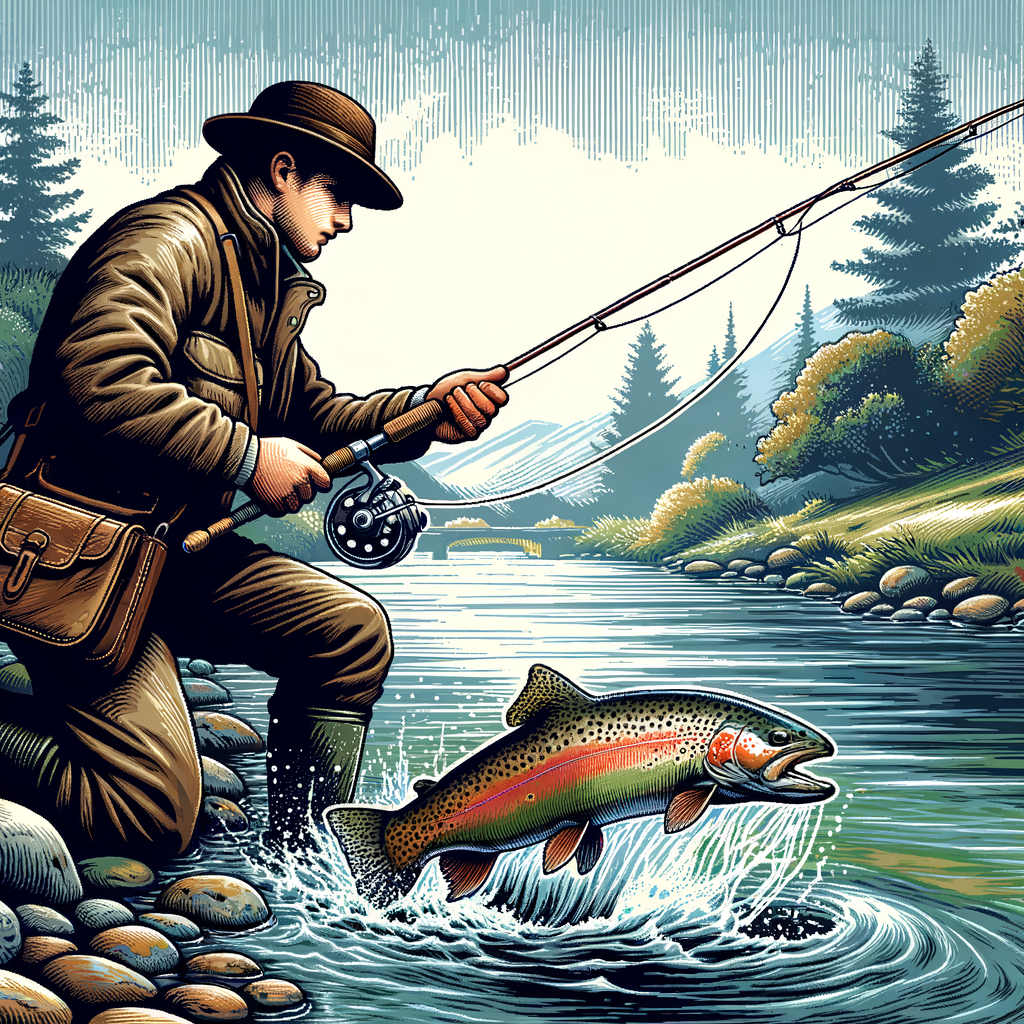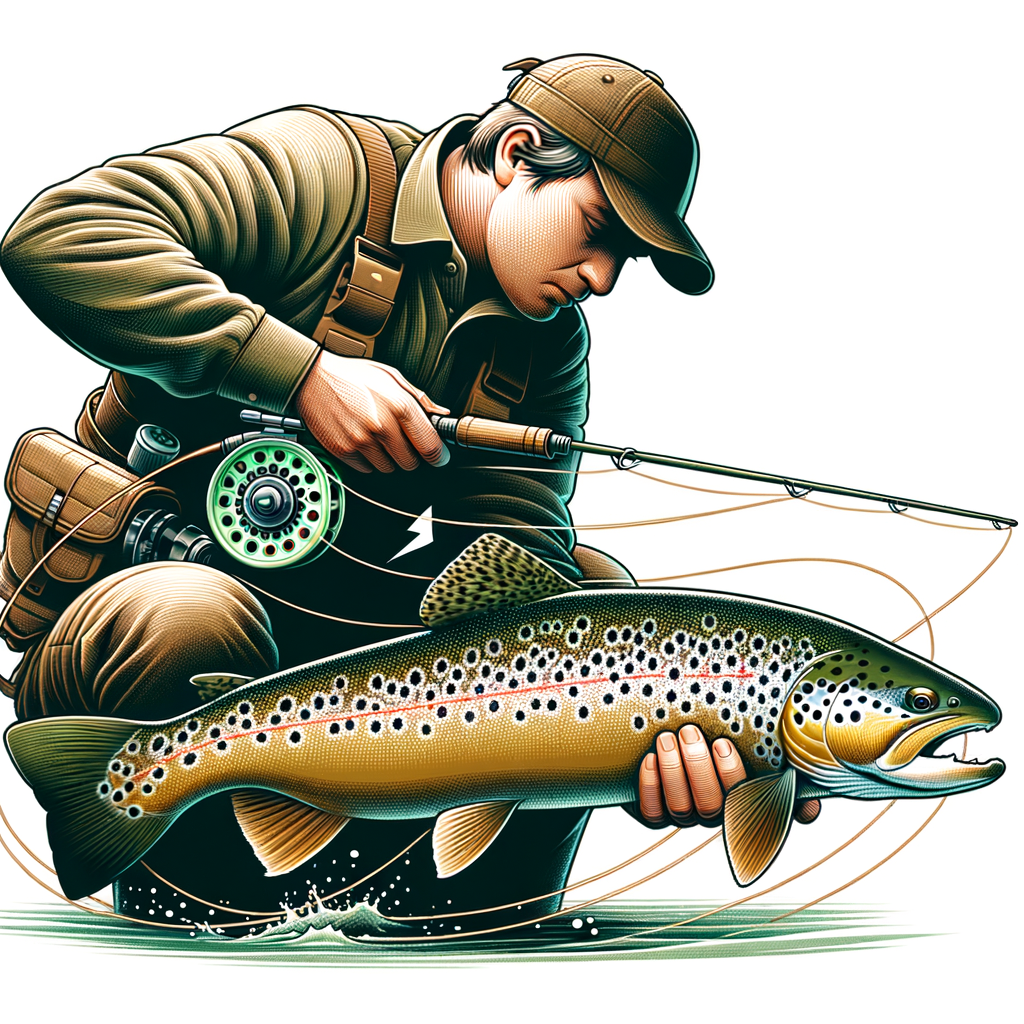
Fly fishing is an art form that combines sportsmanship with the tranquility of nature. When thinking of the best places to experience fly fishing at its finest, Argentina most often makes the top of the list. From the pristine waters of Patagonia to the bountiful streams in Tierra del Fuego, Argentina offers an unrivaled experience for fly fishing enthusiasts around the world. Understanding fly fishing—its nuances and the reasons for its growing popularity—can transform a casual fishing trip into an immersive journey.
Fly fishing can be described simply: the use of a fly rod, a weighted line, and artificial flies to catch fish. Unlike traditional fishing where the weight of the hook and bait pull the line into the water, in fly fishing, it’s the weighted line that carries the hook. What makes Argentina such a pivotal location for this sport is not just the abundance of fish, but also the beautiful and varied landscapes which add layers of significance to every cast. With golden Dorado, giant sea-run brown trout, and even rainbow trout waiting to provide the ultimate challenge, treating oneself to fly fishing in Argentina is a matter of indulgence, precision, and thrill combined.
This guide intends to arm you with the knowledge necessary to conquer Argentina’s rich fly fishing offerings like a seasoned professional. Here, we delve into the techniques, provide well-rounded tips, and highlight essential gear needed for a successful fly fishing adventure in Argentina. Let’s embark on this journey to make the most out of what Argentina’s waters can offer you.
The Best Locations for Fly Fishing in Argentina
Argentina’s diverse regions guarantee distinct fly fishing experiences. To fully appreciate what each locale offers, a well-rounded understanding of its unique challenges and exemplary rewards is essential. While Patagonia draws the most attention, it is important to explore all options. Let’s break down why certain areas in Argentina are considered hot spots for fly fishing.
| Location | Type of Fish | Best Season |
|---|---|---|
| Patagonia | Rainbow Trout, Brown Trout | November to March |
| Tierra del Fuego | Sea-Run Brown Trout | December to April |
| Ibera Wetlands | Golden Dorado | Year-round |
Patagonia: A fly fisher’s paradise, Patagonia is renowned for its crystal-clear rivers and lakes brimming with rainbow and brown trout. The Chimehuin River in Patagonia’s Neuquén Province, for example, is famous for yielding large trout. The season here is typically from November to March, where the weather is more conducive to long days out on the water.
Tierra del Fuego: This southernmost region of Argentina is steeped in natural beauty. Tierra del Fuego is celebrated for its sea-run brown trout. These magnificent fish are not only challenging but also immensely rewarding to catch. The Rio Grande River is renowned for its massive brown trout, where anglers have been known to reel in specimens exceeding 20 pounds with the best season running from December to April.
Ibera Wetlands: If your interest lies in catching the sought-after Golden Dorado, the Ibera Wetlands present a year-round opportunity to do so. Known as the “River Tiger” for its ferocity, catching Dorado is an exhilarating challenge best suited for those eager for a unique adventure.
Your choice of location may depend on the type of fish you wish to catch and the time of year you plan to visit. Each region provides a plethora of options, ensuring every angler finds their perfect match.
Perfecting Your Fly Casting Technique
One of the most critical skills in fly fishing is mastering the fly casting technique. While the fundamentals of casting can be learned fairly quickly, refining this skill means the difference between an average and a stellar fly fishing experience. The dynamics of fly casting involve proper timing, line control, and understanding the mechanics of the rod and line. This is particularly important in Argentina, where various environments may necessitate different styles of casting.
- Overhead Cast: Often the starting point for beginners, the overhead cast serves as the foundation for many other casting techniques. It involves drawing the fly line over your head and propelling it forward toward your target in a controlled manner. Practice landing the fly gently onto the water to avoid startling fish.
- Roll Cast: The roll cast is essential in situations where there is limited space behind you for a back cast. It can be especially useful when fishing among trees or bushes often found alongside Argentinian rivers and streams.
- Spey Casting: Best suited for the wide, open rivers in Patagonia or the broader sections of the Rio Grande River, spey casting is a longer, more fluid cast that allows for covering more water and can be executed without extensive back casting room.
Regardless of which casting style you use, accuracy and precision are crucial. Practice is vital, and understanding when and where to apply each type of cast will improve your success rate, especially in Argentina’s varied landscapes. Seeking guidance from local guides can also provide invaluable insight into the peculiarities of casting specific to particular locations.
Fly Selection and Tactics: Matching the Hatch
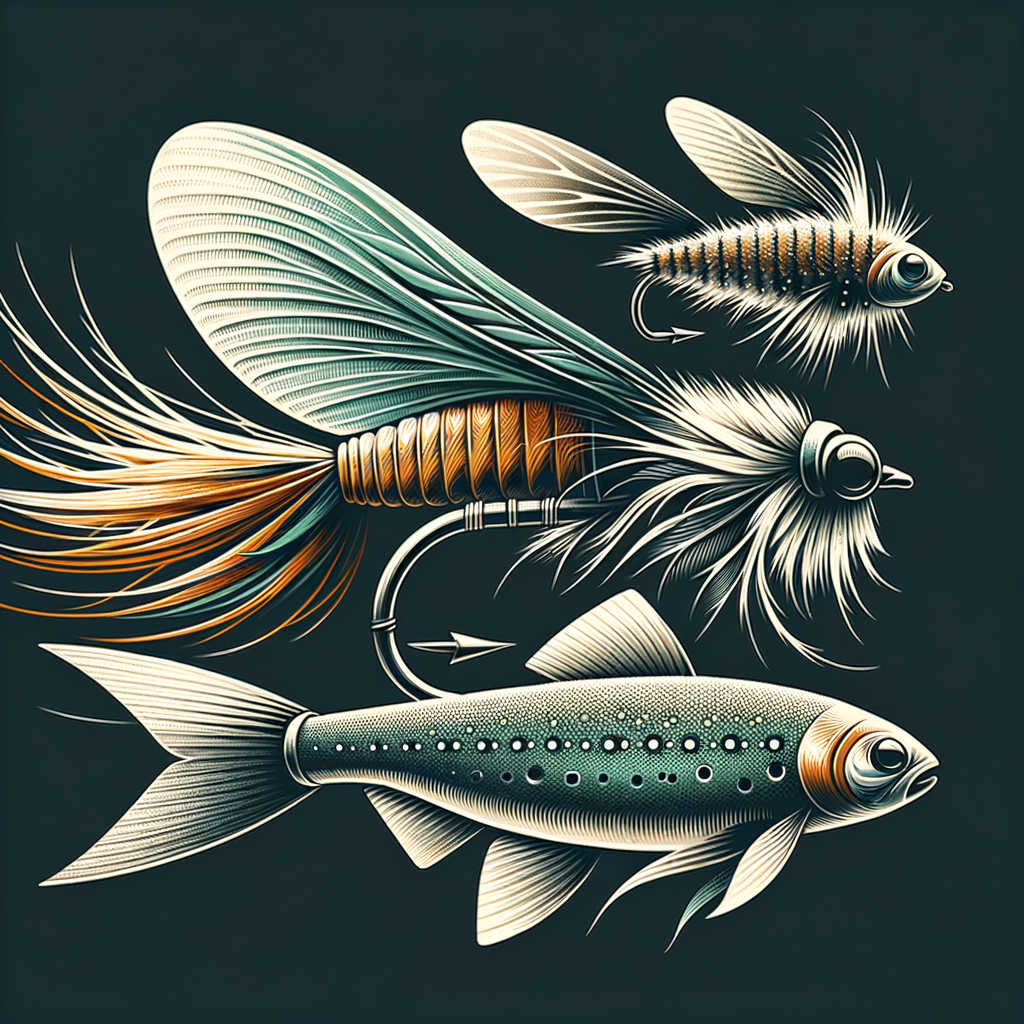
Fly selection is where art and is science meet in fly fishing. Understanding the ecosystem and what insects the fish feed on during specific periods can drastically affect your success. The concept of “matching the hatch” is critical, meaning selecting a fly that closely resembles the insects currently hatching on or near the water’s surface. In Argentina, this principle is as applicable as anywhere else, though local variations in entomology mean adjustments are necessary.
Real-World Example: In the popular Patagonian waters, anglers often favor flies like the Parachute Adams or Elk Hair Caddis to mimic prevalent terrestrial insects and aquatic life. On the other hand, when targeting Golden Dorado in the Ibera Wetlands, large streamer patterns such as the Andino Deceiver come into play, reflecting the Dorado’s preference for larger prey items.
The practice of presenting the fly naturally cannot be overstated. Strive to replicate the natural movement of insects on the water, using subtle twitching or a dead-drift technique to mimic natural drift patterns. Local knowledge of fly patterns, insect hatches, and water conditions enhances your strategy, providing the upper hand during your Argentine fly fishing expedition.
Proper Gear and Preparation
Effective fly fishing in Argentina requires not only skill but also the right gear and preparation. Each type of fish and location necessitates specific equipment to ensure you’re aptly equipped for whatever challenges arise.
Rod and Line: Choose a rod and line weight that corresponds to your targeted fish species and the environment you will be encountering. For trout in Patagonia, a 5-6 weight rod is sufficient, whereas a 9 weight rod with a sturdy reel is recommended for tackling the aggressive Golden Dorado.
Footwear and Clothing: The correct apparel can impact your comfort and safety. Waterproof boots and waders are crucial, especially in cold river waters like those found in Patagonia. Clothing that is both breathable and UV-protective guards against environmental elements, maximizing your endurance during long hours outdoors.
Travel and Logistics: Consideration of logistics is vital for ensuring your fly fishing trip in Argentina proceeds smoothly. Due to its diverse environments, connections from major cities must be managed proficiently. Hiring a professional guide familiar with the nuances of best fishing spots can provide not only valuable fishing insight but also cultural and logistical knowledge.
With your preparation in place, you can focus on the nuances of Argentine fly fishing with confidence and relish the triumph each catch brings.
Refining Your Skills: Practice and Learning
Fly fishing, much like any art form, improves vastly with patience, practice, and continuous learning. Argentina, with its wealth of fly fishing opportunities, serves as the perfect classroom for refining this skill.
Whether practicing casting techniques alongside the serene backdrop of Patagonia or experimenting with new flies in the bustling Ibera Wetlands, each outing presents an opportunity to hone your skills. Engage with local guides and fellow anglers to exchange knowledge and learn from their expertise. Fly fishing clubs and workshops are also a beneficial resource, providing structured learning environments with hands-on experience.
By willingly embracing the learning curve and seeking improvements at every cast, you commit to growth and ultimately mastering the intricacies of fly fishing in Argentina—and beyond.
Conclusion: Your Argentine Fly Fishing Adventure Awaits
In summary, fly fishing in Argentina offers an unparalleled experience with its vast array of pristine waters, magnificent fish, and breathtaking landscapes. From learning to adapt to diverse environments to perfecting different casting styles and selecting appropriate gear, fly fishing in Argentina is an adventure worth embarking upon.
The time and dedication you invest into your fly fishing techniques will undoubtedly enhance your skill level and enrich your experience in the Argentine waters. Use the insights gained here to navigate the intricacies of Argentine fly fishing, embracing both the triumphs and challenges that accompany this beloved past time. Now, it’s time to prepare your gear, practice your casts, and plan your expedition to explore the magnificent waters of Argentina where countless moments of excitement and tranquility await you.
Your journey is but a cast away—immerse yourself fully in the fly fishing paradise that is Argentina.
Frequently Asked Questions
1. What are the best regions in Argentina for fly fishing?
Argentina is renowned for its diverse and thrilling fly fishing destinations, with Patagonia and Tierra del Fuego being at the forefront. Patagonia, known for its majestic landscapes and crystal-clear waters, is a fly fishing haven. The Rio Limay, Rio Traful, and Rio Malleo are just a few of the prolific rivers in Patagonia that have captivated anglers with their abundant fish populations and spectacular scenery.
Tierra del Fuego, at the southern tip of Argentina, is famed for its sea-run brown trout, which attract fly fishers from all around the globe. This region offers a unique experience, combining the challenge of pursuing these elusive fish with the stunning backdrop of the rugged, windswept terrain. Factors such as climate, fish species, and accessibility make these regions the top choices for both novice and experienced fly fishers looking for the ultimate adventure in Argentina.
2. What fish species can I expect to catch when fly fishing in Argentina?
Argentina is home to a remarkably diverse array of fish species that appeal to fly fishing enthusiasts. In the cool, fast-flowing rivers of Patagonia, anglers can expect to encounter brown trout, rainbow trout, and brook trout. These species are renowned for their fighting spirit and the beautiful patterns they sport, making them a popular choice for those seeking both challenge and beauty.
In addition to the well-known trout, Tierra del Fuego is renowned for its sea-run brown trout. These fish are a sight to behold, often growing to impressive sizes, which makes them a highly sought-after target for fly fishers. Heading to the northern regions, anglers can also try their luck with the golden dorado in the Paraná River system. Known for their acrobatic leaps and aggressive strikes, golden dorado offer an exhilarating fly fishing experience that is sure to satisfy even the most seasoned angler.
3. What fly fishing techniques are most effective in Argentina?
Success in fly fishing often hinges on understanding and employing the right techniques tailored to the specific environment and target fish. In Argentina, one can employ a variety of methods to maximize their chances of a fruitful outing. Dry fly fishing is a popular technique, particularly in the tranquil, crystal-clear waters of Patagonia. This method involves floating a fly on the surface of the water to mimic a real insect, enticing trout to bite.
Nymphing is another effective approach, where anglers use weighted flies that sink below the water’s surface to attract fish feeding on underwater insects. This technique is particularly useful in deeper river pools or during colder months when fish are less likely to surface for food. Additionally, streamers are a versatile choice, used to imitate small fish and trigger aggressive strikes from larger predatory species like the famed sea-run brown trout in Tierra del Fuego.
4. When is the best time of year to go fly fishing in Argentina?
The fly fishing season in Argentina depends largely on the region and the species being targeted. In Patagonia, the prime fishing season typically runs from November to April, during the Southern Hemisphere’s spring and summer months. This period offers the most favorable weather conditions and coincides with the peak hatching periods for aquatic insects, which increases fish activity and feeding.
For those aiming to target the elusive sea-run brown trout in Tierra del Fuego, the best time tends to be from January to March. This period aligns with the migration of these remarkable fish as they journey upstream from the sea. It’s important to research specific regions and consider local fishery regulations, as some areas have restricted access during certain times to protect fish populations during spawning seasons.
5. What gear is essential for a successful fly fishing trip in Argentina?
A successful fly fishing adventure in Argentina begins with having the right gear. Start with a high-quality fly rod and reel, suitable for the type of fish you plan to pursue. For trout fishing in Patagonia, a 5 to 7 weight rod is commonly used, allowing anglers to cast with precision and handle the fight of a spirited trout. In contrast, for the larger sea-run brown trout of Tierra del Fuego, anglers may opt for 8 to 10 weight rods to manage the increased power and energy of these fish.
Other essential items include a selection of flies and lures tailored to local fish species and preferences, quality waders, and wading boots to navigate the often challenging river terrains. Layered clothing suitable for varying weather conditions is important too. The unpredictable climate of Argentina, particularly in the southern regions, calls for preparation against sudden rainfalls, strong winds, and temperature shifts. Don’t forget other necessities such as sunglasses with polarized lenses for better visibility into the water, and a sturdy fishing vest or waterproof backpack for carrying your gear during those extended hours on the water.