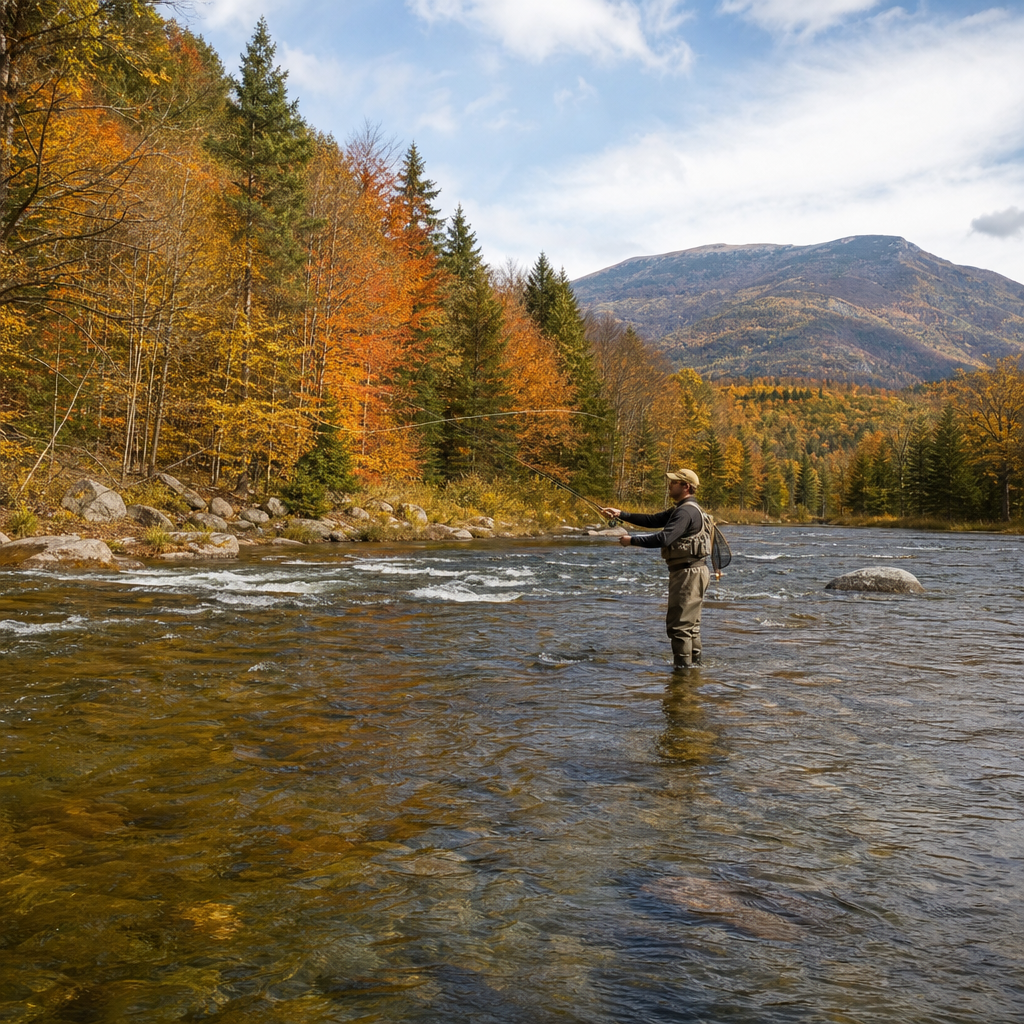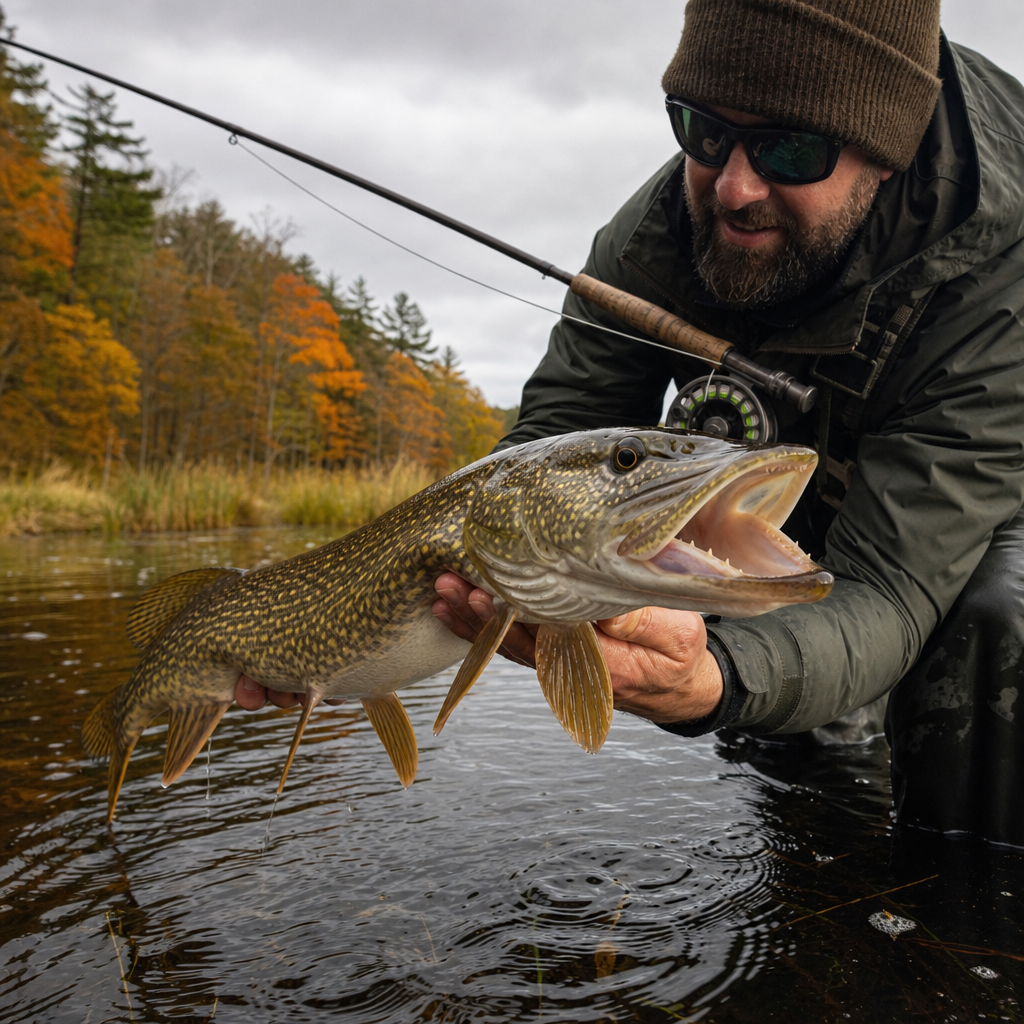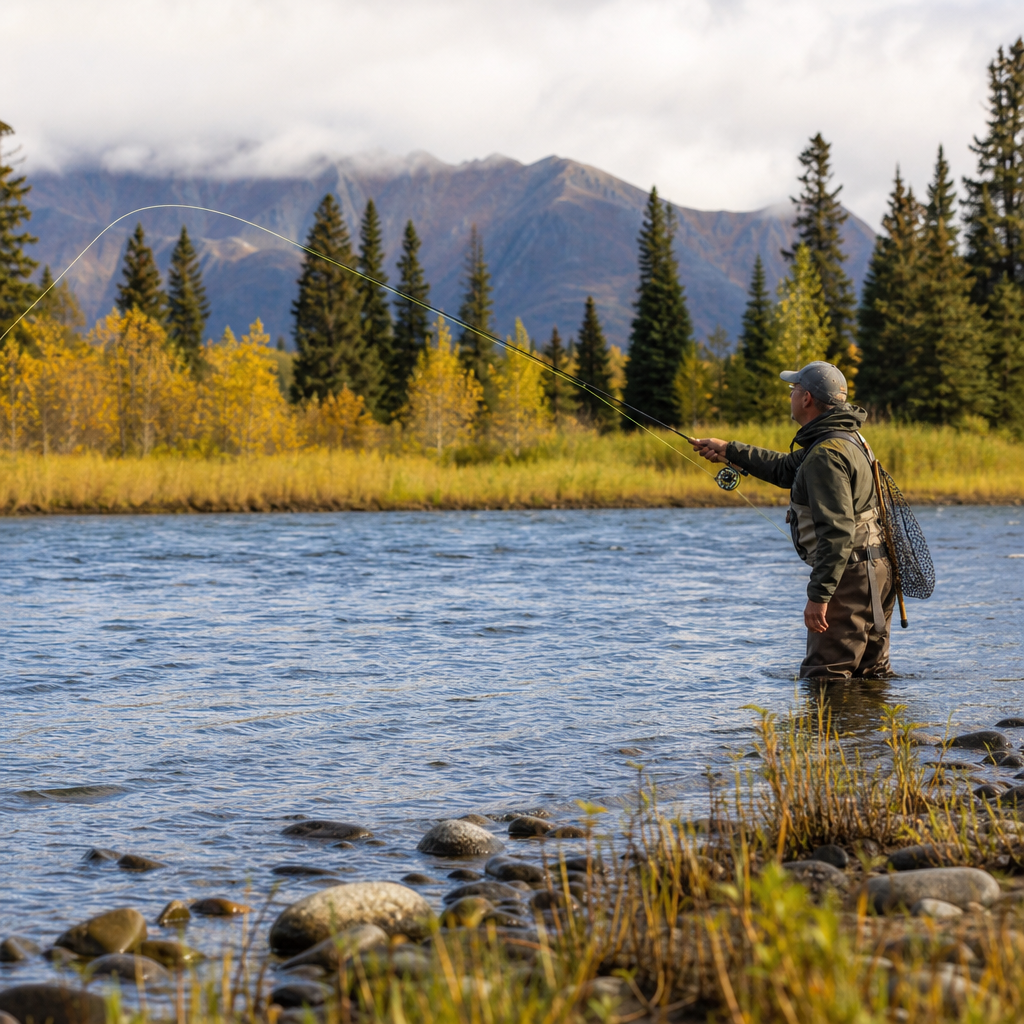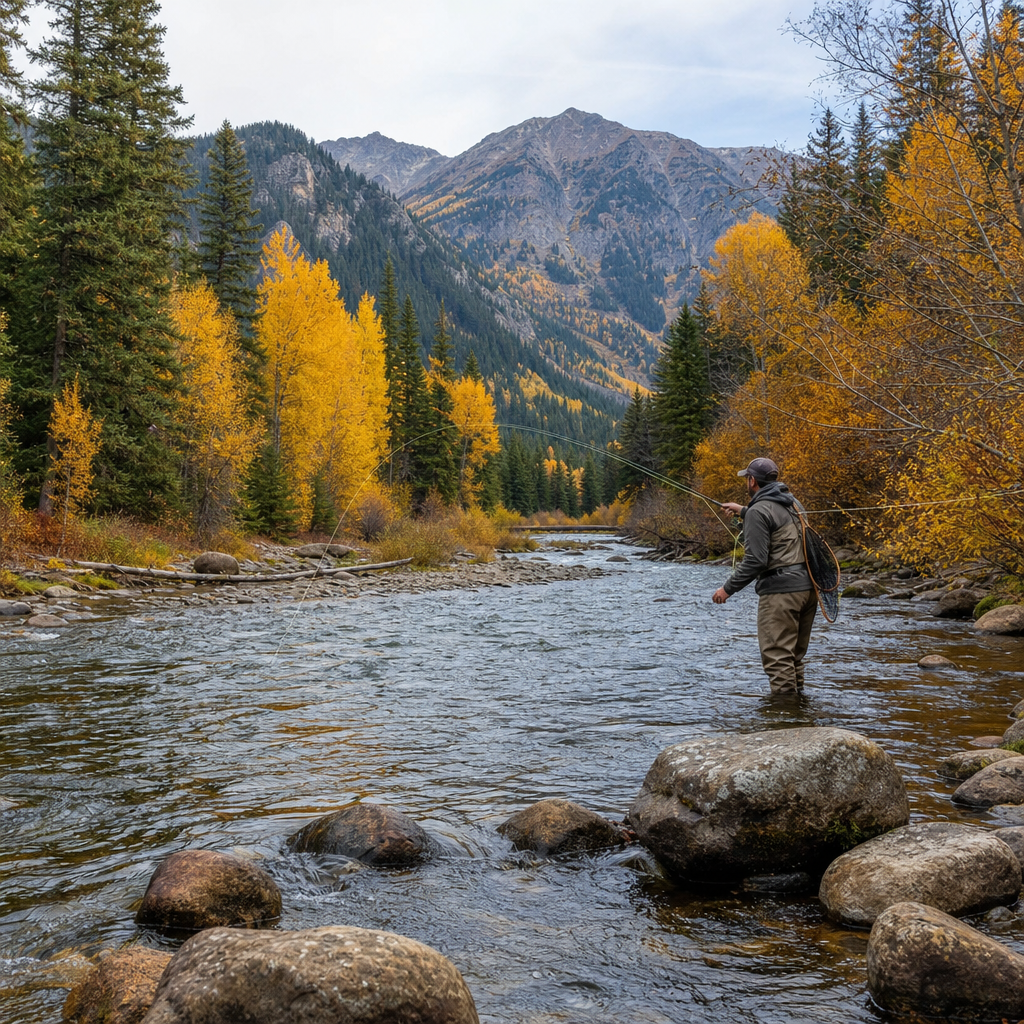
Fly fishing in mountain streams during fall is one of the most technically rewarding and visually striking periods of the trout year. Fall fly fishing refers to the window when shorter days, dropping water temperatures, changing insect activity, and pre-spawn fish behavior reshape how trout feed and where they hold. In mountain streams, that shift is amplified by altitude, gradient, cold nights, and fast-changing flows. Anglers who understand these seasonal signals can find aggressive trout, lighter crowds, and some of the clearest reading water of the season.
As a subtopic within seasons and conditions, fall fly fishing matters because it demands a different playbook than summer or spring. I plan trips differently in October than I do in June: I start later, check overnight lows more carefully than daytime highs, and expect fish to slide between riffles, seams, undercut banks, and tailouts based on temperature and light. The best days can deliver steady dry-fly action on Blue-winged Olives, opportunistic takes on terrestrials that linger into early fall, and strong nymph or streamer fishing when trout bulk up before winter. The hardest days can feel empty if you fish summer water at summer hours.
Mountain streams also compress decision-making. Water is smaller, currents are faster, and trout often have less time to inspect a fly, but they still react sharply to drag, poor approach angles, and heavy wading pressure in clear autumn flows. Success depends on reading hydrology, matching fall food sources, adjusting leader length and fly weight, and protecting spawning fish. This page serves as a practical hub for fall fly fishing, covering where trout move, what they eat, how to rig for changing conditions, and how to fish responsibly when brown trout and brook trout begin their spawning cycle in many systems.
For most anglers, the central question is simple: what changes in fall, and how should you respond? The short answer is that trout become more temperature-driven, more current-efficient, and often more willing to chase a meal, but they can also become more selective during stable hatches and more vulnerable around redds. Water between roughly 44 and 58 degrees Fahrenheit is generally productive for mountain trout, with many streams fishing best after the morning chill breaks. In practical terms, fall is not just another scenic backdrop. It is a season of precise timing, disciplined observation, and tactical versatility.
How Fall Changes Mountain Stream Trout Behavior
The first major shift in fall is metabolic. As water cools from summer highs, trout recover from warm-weather stress and feed more comfortably during daylight. In freestone mountain streams, I often see fish reposition from deep summer refuge lies into classic feeding water: riffle corners, mid-depth runs, plunge-pool lips, and current seams beside boulders. Oxygen is rarely the problem it can be in late summer; instead, energy efficiency and food availability drive location. Trout want a lie that lets them intercept drifting nymphs, emergers, and small baitfish without burning calories in the fastest current.
The second shift is light. Lower sun angles and longer shadows make fish less exposed than they feel under bright midsummer skies, especially in pocketwater and broken current. That can extend feeding windows into the middle of the day. On clear, cold mornings, however, trout in mountain streams commonly remain sluggish until water temperatures climb a few degrees. A stream that appears lifeless at 8:00 a.m. may fish extremely well from 11:00 a.m. through midafternoon. In fall, timing often matters more than total hours on the water.
Species-specific behavior also matters. Brown trout become increasingly aggressive as they approach the spawn, particularly in late fall. They may swipe at streamers out of territorial instinct as much as hunger. Brook trout, where native or wild populations exist, show similar seasonal intensity, often concentrating in tributaries and gravel-rich runs. Rainbow trout usually remain more food-focused, though they still shift with temperature and flow. Understanding whether fish are feeding, staging, or spawning changes not only fly choice but also where ethical anglers should and should not cast.
Best Water Types to Fish in Autumn
The best fall water in mountain streams is rarely a single feature. It is a progression of holding water that matches the day’s temperature, flow, and light level. Early in the day, deeper buckets below pocketwater, slow edges off the main current, and pools with overhead cover often hold the most responsive fish. As temperatures rise, trout frequently slide into riffle tails, broken glides, and defined seams where insect drift increases. During afternoon hatches, soft water beside current tongues can become prime dry-fly lanes.
One advantage of autumn is improved readability. Summer weed growth is reduced in many streams, glare can be lower under cloud cover, and lower flows expose structure clearly. I look for three things first: depth transition, current contrast, and cover. A knee-deep riffle entering a waist-deep run with a rock wall on one side is textbook fall water because it concentrates food and gives trout an escape lane. Similarly, plunge pools on steep gradient creeks often hold a dominant fish at the head, with smaller trout in the softer tailout below.
Do not ignore small water. Some of my most consistent fall days have come on tributaries that many anglers treat as backups. In these streams, trout use every bit of broken surface to hide, and a short, accurate cast often outperforms long-distance presentation. Still, low autumn flows make stealth critical. Approach from downstream, stay off the skyline, and avoid pushing wakes through flat water. In mountain streams, one careless step can alert every fish in a ten-yard lane.
| Condition | Best Water Type | Why It Produces |
|---|---|---|
| Cold morning after frost | Deeper runs, pool heads, soft buckets | Trout conserve energy until water warms slightly |
| Overcast midday | Riffles, seams, tailouts | Insect activity and fish confidence both increase |
| Low clear water | Undercut banks, shaded pockets, broken current | Cover reduces visibility and protects trout from predators |
| Rising flow after rain | Edges, inside bends, slower banks | Fish move out of heavy current but still expect food |
| Pre-spawn brown trout period | Staging pools below gravel runs | Larger fish pause near spawning areas without always being on redds |
Fall Hatches, Food Sources, and Fly Selection
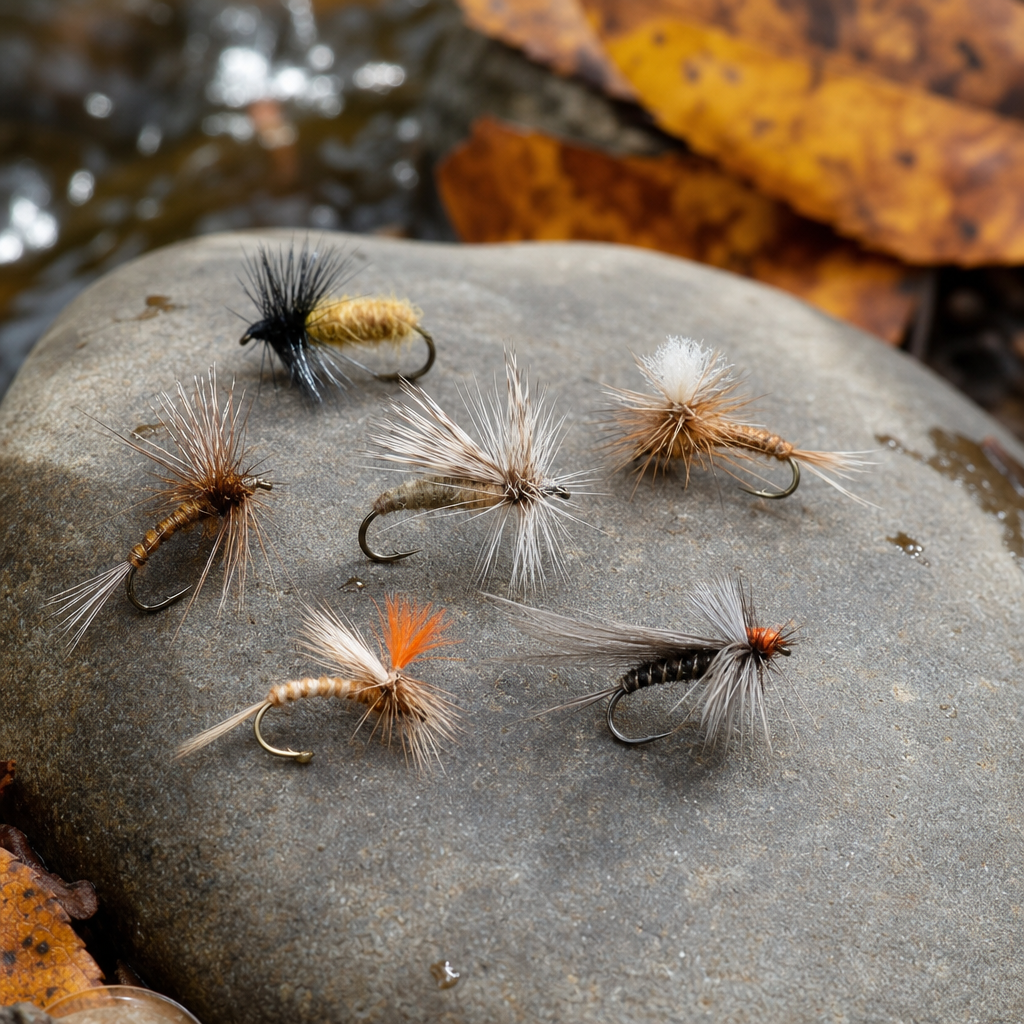
Fall fly selection in mountain streams should start with three food categories: aquatic insects, terrestrials, and baitfish or larger protein sources. The headline hatch in many regions is Blue-winged Olives, typically size 18 to 22, especially on cool, cloudy, damp days. These mayflies can produce excellent dry-fly fishing when air temperatures feel too cold for surface action. Matching them means more than choosing a small olive fly. Profile, stage, and presentation matter. Sparkle duns, parachute patterns, CDC emergers, and slim pheasant-tail style nymphs all play a role depending on where fish are feeding.
Mahogany Duns, October Caddis in parts of the West, midges, and small caddis can also matter. In the Rockies and Appalachians alike, I carry a narrow but disciplined fall box: BWO dries and emergers, caddis adults and pupae, zebra midges, small perdigons, pheasant tails, hare’s ears, and a few attractor nymphs for pocketwater. Early fall often still rewards beetles, ants, and hoppers, especially on warmer afternoons. Many anglers put terrestrials away too early. If daytime temperatures remain mild, trout often continue looking up for them along grassy banks and cutbanks.
Then there are streamers. Fall is one of the best seasons to fish them because larger trout are willing to move for a substantial meal. Woolly Buggers, Sculpzillas, Zoo Cougars, and slender baitfish patterns can all be effective. Color depends on water clarity and local forage, but black, olive, white, and natural sculpin tones cover most situations. In small mountain streams, streamer success usually comes from precision rather than size alone. A four-inch fly stripped through a one-foot-deep pocket is less important than placing a compact pattern tight to wood, rock shadows, or the depth break at a pool head.
Rigging, Tackle, and Presentation for Mountain Streams
A versatile fall setup for mountain streams is a 3- to 5-weight rod between 8 and 9 feet, depending on stream size and casting room. On tight, rhododendron-lined creeks, a shorter rod improves roll casting and bow-and-arrow casts. On broader streams with mixed dry-dropper, nymph, and light streamer fishing, a 9-foot 4-weight or 5-weight is often ideal. Floating line handles the majority of fall situations. Sinking lines are rarely necessary in small mountain water, though a poly leader or weighted streamer can help in deeper plunge pools.
Leader and tippet choices should reflect both clarity and method. For dries, I commonly fish 9- to 12-foot leaders tapered to 5X or 6X on technical water, shortening only when wind or larger flies justify it. For nymphing, a 9-foot leader to 4X with added tippet sections allows clean adjustment to split shot or euro-style tags. In freestone streams with many short drifts, strike detection matters more than elaborate rigging. A compact indicator setup, tight-line approach, or dry-dropper rig all work if they achieve regular bottom contact without constant snagging.
Presentation remains the deciding factor. In autumn’s clearer flows, drag-free drift is nonnegotiable for dry flies and nymphs alike. High-stick pocketwater closely, land flies softly on flats, and mend early in longer runs before currents separate leader from fly. With streamers, vary cadence before changing patterns. I have seen brown trout ignore a dead-drifted bugger, then crush the same fly on a short strip-pause retrieve that made it look like a fleeing sculpin. Fall rewards anglers who adjust angle, depth, and speed before blaming fly choice.
Weather, Water Temperature, and Daily Timing
If there is one variable that organizes fall fly fishing, it is water temperature. In mountain streams, overnight air can drop sharply, and shallow water cools fast. That is why afternoon often outperforms dawn. Carrying a stream thermometer is not optional if you want consistent results. A rise from 42 to 47 degrees can transform fish behavior, trigger nymph movement, and start a hatch. Conversely, a bluebird day after a hard freeze may look perfect while fishing poorly until the sun reaches the water.
Cloud cover, barometric shifts, and precipitation can improve autumn fishing more than many anglers expect. Overcast conditions favor Blue-winged Olive hatches and make trout less wary in clear flows. Light rain often brings excellent action, especially where leaf fall and dim light push fish into feeding mode. Heavy rain is different: mountain streams can spike quickly, stain overnight, and become unsafe at crossings. Always check USGS gauges where available, local snowmelt conditions, and recent watershed rainfall rather than relying on conditions in town.
Wind is another practical issue in fall. It affects casting, knocks leaves into the water, and can cool exposed reaches. Yet wind can also dislodge terrestrials and break up the surface enough to conceal your approach. Plan your day around the warmest, most stable feeding window, usually late morning through midafternoon, and be willing to switch methods as conditions change. Dry-dropper in the hatch window, nymph deeper when activity fades, and strip streamers low and slow when bigger trout start moving under evening shadows.
Ethics, Safety, and a Smart Fall Strategy
Responsible fall fly fishing in mountain streams requires special attention to spawning fish. Brown trout and brook trout often create redds in shallow gravel with clean flow, usually appearing as lighter, swept patches compared with surrounding streambed. Do not target trout actively paired on redds, and do not wade through spawning habitat. Instead, focus on fish holding downstream in staging water or on nonspawning species using adjacent lies. Ethical choices protect recruitment and preserve the quality of wild fisheries far more than any single day’s catch count.
Safety deserves equal emphasis. Wet leaves on steep banks are slicker than many anglers expect, and cold water reduces dexterity quickly after a fall. Felt, rubber with studs, or aluminum bar systems all have tradeoffs depending on local regulations and rock type, but secure footing matters more in autumn than style preferences. Layer clothing to manage cold starts and warm afternoons, pack a dry bag for spare insulation, and finish hikes out before darkness makes mountain trails difficult. Shorter days punish poor time management.
The smartest fall strategy is to treat each outing as a sequence: start by measuring temperature and observing bug activity, fish deeper and slower water first, move into riffles and seams when the stream wakes up, then adapt to hatch, nymph, or streamer opportunities. Keep notes on time, water temperature, weather, and productive flies. Patterns emerge quickly. If you want to improve your fall fly fishing, build your plan around these seasonal signals, explore related tactics within this seasons and conditions hub, and approach every mountain stream with both precision and restraint.
Frequently Asked Questions
What makes fall such a productive time for fly fishing in mountain streams?
Fall is productive because several seasonal changes come together at once in ways that often favor the fly angler. As days get shorter and nighttime temperatures drop, water temperatures in mountain streams begin moving back into a range that trout generally prefer for active feeding. After the stress of late summer heat and lower flows, many trout become more willing to hold in feeding lanes during daylight, especially in streams where oxygen-rich current and cooler overnight conditions restore energy and stability. In addition, changing light angles, reduced streamside vegetation, and clearer seasonal holding patterns can make trout behavior easier to interpret for anglers who pay attention to current seams, depth transitions, and cover.
Another major factor is food availability and fish behavior. Aquatic insect activity changes in fall, with many streams seeing important hatches of small mayflies, caddis, and midges, while terrestrials such as beetles, ants, and hoppers may still remain relevant during warm afternoons earlier in the season. At the same time, larger trout often shift toward more opportunistic feeding, including chasing streamers and taking bigger subsurface meals when they need to build energy before winter. In some waters, pre-spawn aggression also becomes a factor, particularly with brown trout, which can make fish respond strongly to well-presented flies. Put simply, fall offers a rare combination of comfortable water temperatures, concentrated food windows, and more defined trout positioning, which is why many anglers consider it one of the most technically rewarding times to fish mountain streams.
Where do trout usually hold in mountain streams during fall, and how should anglers adjust their approach?
In fall, trout often shift away from some of their late-summer survival lies and into positions that better balance feeding opportunity, security, and energy conservation. In mountain streams, that commonly means looking for deeper runs, the softer edges of riffles, plunge pool tails, undercut banks, current seams beside boulders, and the transitional water where fast current spills into slower depth. As water cools, trout may become more comfortable feeding in moderate current during parts of the day, but they still prefer spots where they can hold with minimal effort and intercept drifting food. Larger fish, in particular, often use structure and depth more predictably in fall, especially near cutbanks, log cover, pocket water cushions, and shaded slots with access to both security and food.
Anglers should slow down and read each piece of water more deliberately than they might during a broad summer search pattern. Instead of assuming trout are scattered everywhere, focus on high-percentage lies and fish them thoroughly from the best possible angle. Approach from downstream when practical, keep a low profile, and use the broken surface of riffles or pocket water to stay concealed. Start by covering likely feeding lanes with nymphs or dry-dropper rigs, then switch to streamers in deeper or more aggressive holding water if you suspect larger fish are nearby. In low, clear fall conditions, careful wading matters as much as fly choice. Trout in mountain streams can become extremely alert when flows are thin and visibility is high, so a measured approach, longer leaders, and thoughtful first casts often produce better results than repeatedly casting over fish that have already seen you.
What are the best fly patterns and presentations for fall fly fishing in mountain streams?
The best fall fly selection usually comes from matching three categories of food and behavior: seasonal insects, lingering terrestrials, and larger protein-rich offerings. For dry flies, small parachute mayflies, Blue-Winged Olive imitations, caddis adults, attractor dries, and ant or beetle patterns can all be effective depending on elevation, weather, and time of day. In many mountain streams, a dry-dropper setup remains one of the most efficient fall rigs because it allows you to cover pocket water, seams, and shallow feeding lanes while also drifting a subsurface pattern where many trout are actually feeding. For nymphs, think in terms of smaller, natural presentations: pheasant tails, hare’s ears, perdigons, midge larvae, caddis pupae, and attractor nymphs in sizes that fit the stream’s insect profile. Split shot and indicator adjustments matter more than many anglers realize because fall trout often reward precise depth control.
Streamers deserve special attention in fall, especially if you are targeting larger trout. Sculpin patterns, woolly buggers, baitfish imitations, and compact articulated streamers can trigger territorial or predatory responses when dead-drifted, swung, or stripped through deeper pockets and along structure. In cold mountain water, presentation usually matters more than simply using a bigger fly. Many anglers fish streamers too quickly; in fall, trout often respond better to patterns that enter the strike zone cleanly and move with purpose but not constant speed. Across all techniques, the key is adapting to the stream’s mood. If fish are feeding selectively in soft current, downsize and extend drifts. If they are slashing at moving prey or staging near cover, a well-placed streamer can outperform everything else. Let the water type, temperature trend, and visible fish behavior dictate whether you lead with dries, nymphs, or streamers.
How do weather and water conditions affect fall fly fishing in mountain streams?
Weather and water conditions shape nearly every part of fall fishing success in mountain streams. A few degrees of temperature change can affect insect activity, fish metabolism, and the time of day when trout feed most confidently. Cool nights followed by mild afternoons often create excellent windows, especially when water temperatures rise slightly from frigid morning lows into a more active feeding range. Overcast days can extend surface activity and make trout less cautious, while bright bluebird conditions may push fish into deeper lies or shorter feeding periods. Wind can also matter more in fall than many anglers expect, both because it affects casting in tight mountain corridors and because it can knock terrestrials into the water early in the season.
Flow changes are equally important. Mountain streams are highly responsive systems, and fall rain can improve fishing dramatically by adding color, depth, and cover, especially after clear, skinny conditions. Slightly elevated flows often let trout move more freely and feed with greater confidence. On the other hand, sudden cold snaps, early snowmelt pulses, or abrupt water level drops can make fish temporarily less predictable. Clear low water demands stealth, finer tippet, and precise drifts, while stained or rising water often favors larger flies and stronger visual profiles. Successful anglers treat fall as a season of daily adjustment rather than a fixed pattern. They check stream temperatures, look at recent overnight lows, watch for flow changes, and modify tactics accordingly. In mountain streams, the angler who responds to conditions in real time usually outperforms the one who follows a single fall formula all season long.
What special considerations should anglers keep in mind around spawning trout during fall?
Spawning season is one of the most important ethical and tactical considerations in fall, particularly in mountain streams that hold wild brown trout, brook trout, or other fall-spawning fish. During this period, some trout move onto shallow gravel areas known as redds, where eggs are deposited and fertilized. These redds often appear as lighter, cleaned patches of gravel in otherwise darker streambed sections, usually in tailouts, side channels, or gently flowing riffle transitions. Anglers should avoid wading through these areas and should not target trout actively paired on redds. Disturbing spawning fish wastes energy they need for reproduction, and crushing eggs in the gravel can reduce future recruitment in small mountain systems where every successful year class matters.
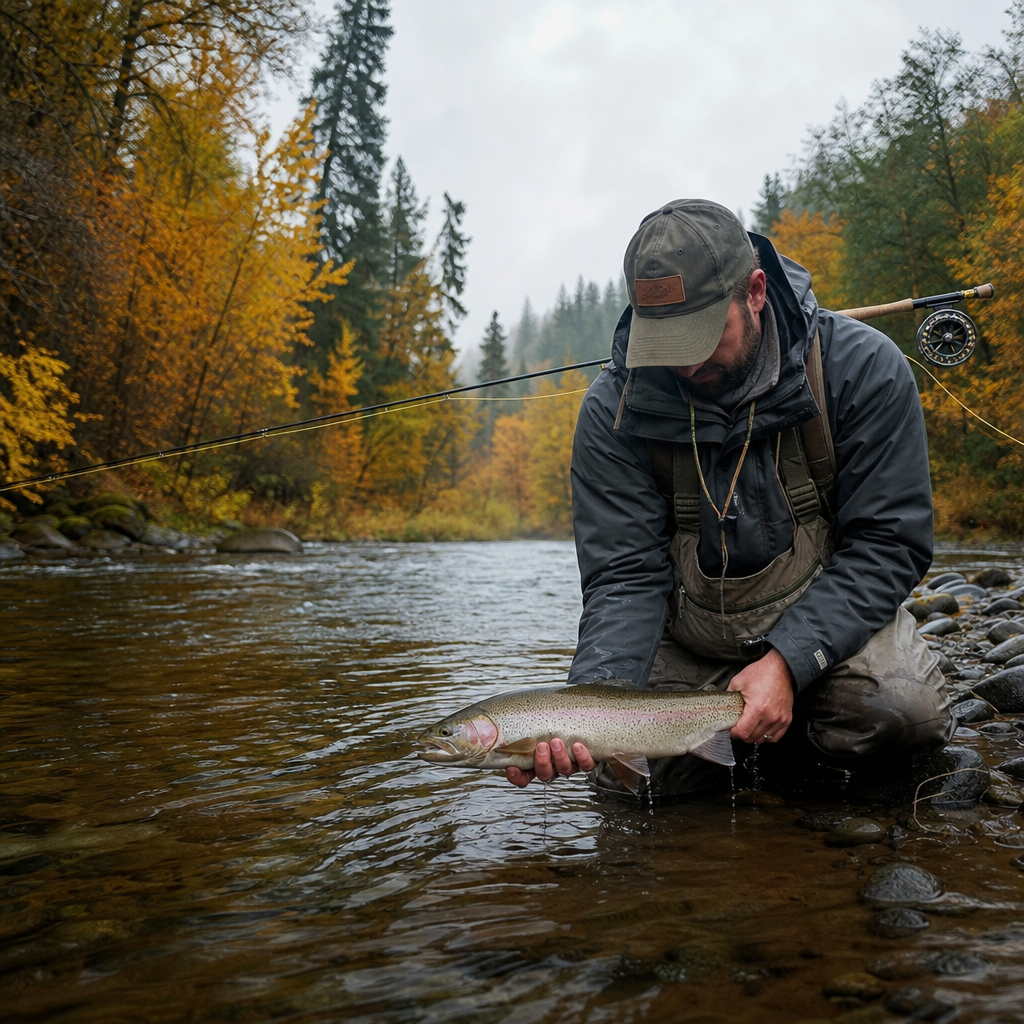
That said, anglers can still fish responsibly and effectively during the fall spawn by focusing on non-spawning water and fish that are feeding away from redds. Trout not actively engaged in spawning may hold in deeper runs below spawning areas, near woody cover, along banks, or in pocket water where they continue to feed normally or opportunistically. Streamer fishing can be effective for pre-spawn or posturing fish, but presentation and fish handling should remain conservative. Land fish quickly, keep them wet, and release them without unnecessary stress. It is also wise to know local regulations, since some waters close seasonally or prohibit fishing in specific spawning reaches. Responsible fall anglers understand that protecting spawning trout is part of protecting the quality of mountain stream fishing itself. Ethical decisions on where to walk, where to cast, and which fish to leave alone are every bit as important as technical skill in this season.