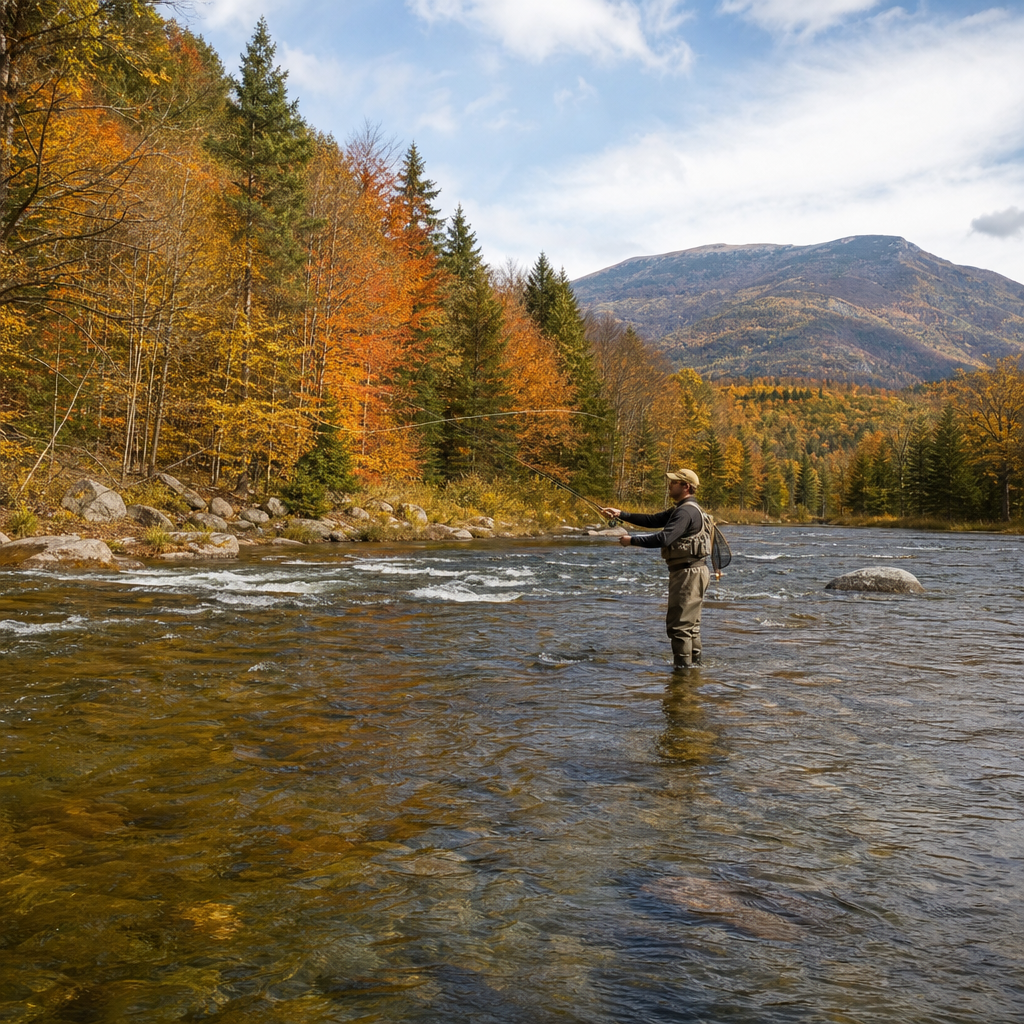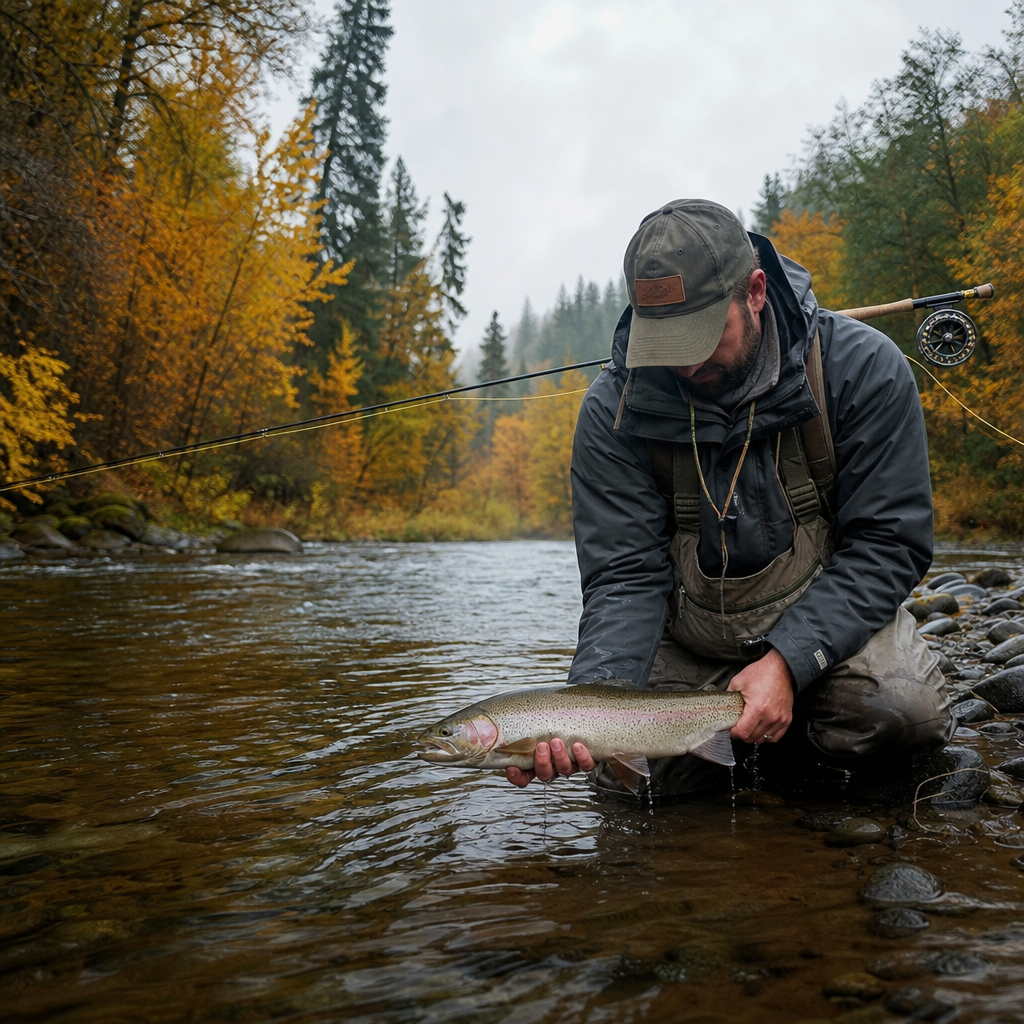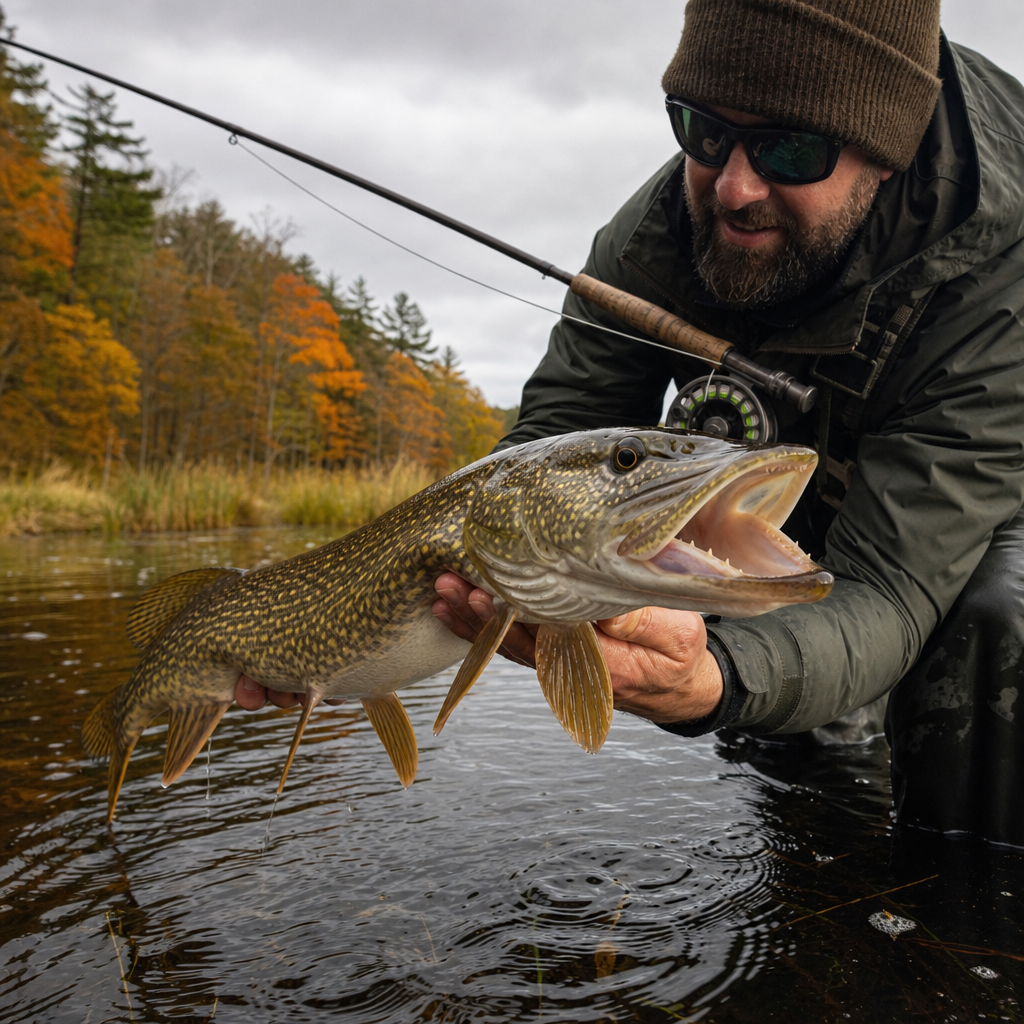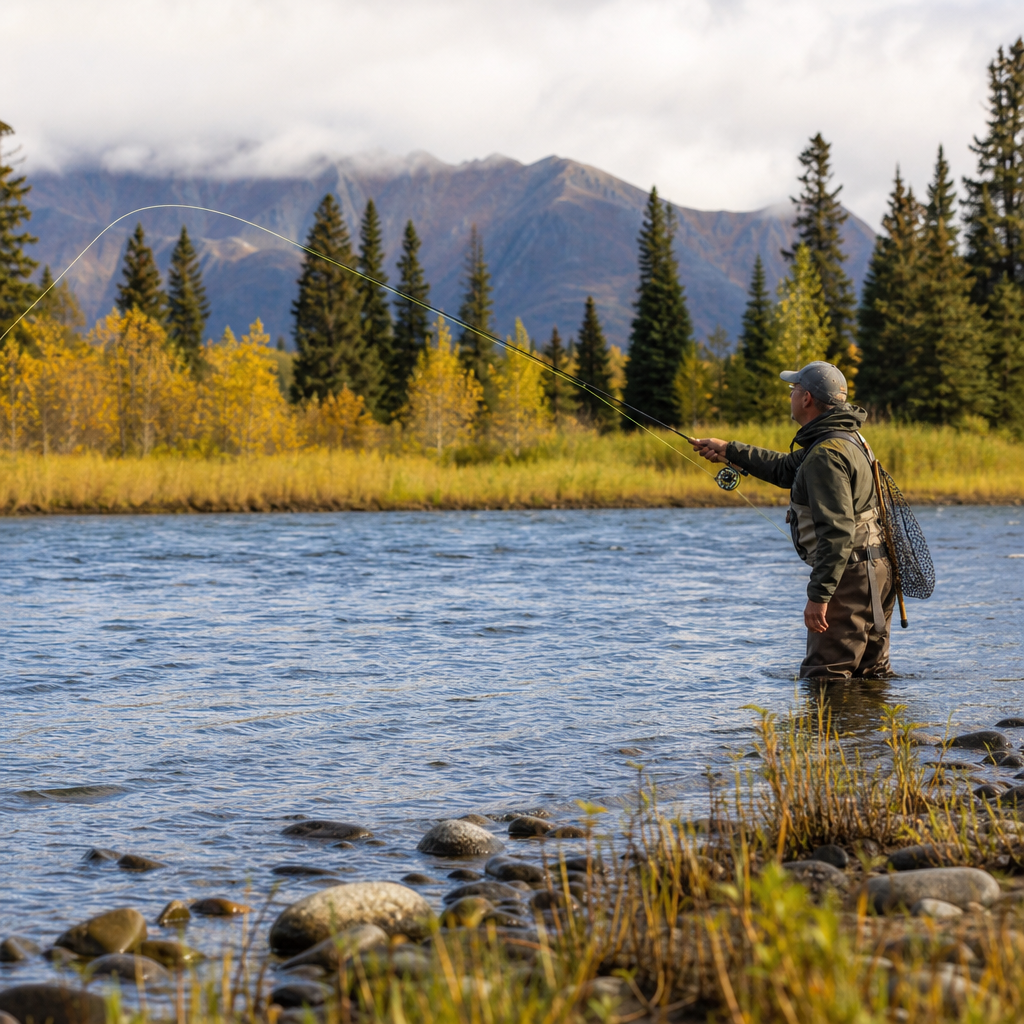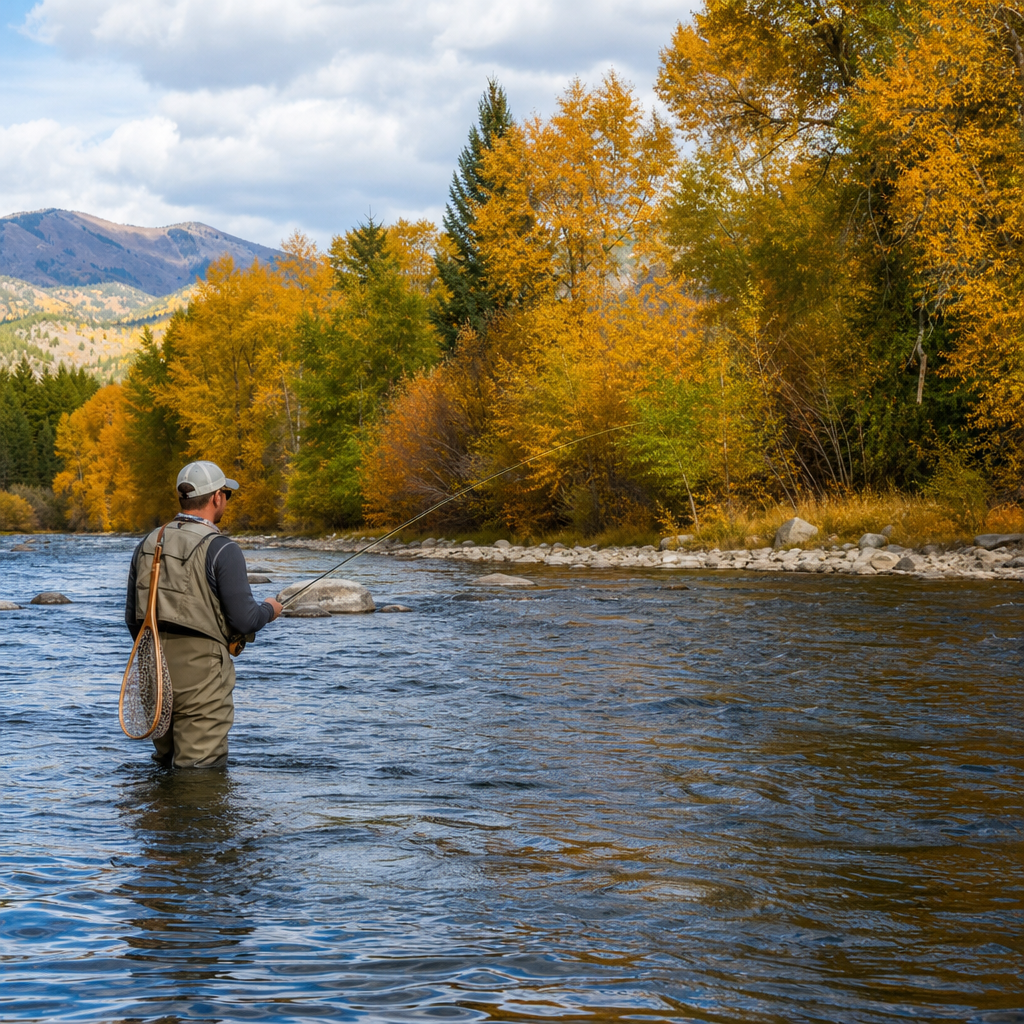
Fly fishing in tailwaters during fall is one of the most reliable ways to find cold, oxygen-rich water, concentrated trout, and predictable hatches when freestone rivers begin to cool and fluctuate. A tailwater is a river section directly below a dam, where releases from the reservoir control temperature, depth, and current more than weather alone. In autumn, that stability matters. Trout feed hard before winter, aquatic insects remain active, and changing daylight often triggers both stronger midday hatches and aggressive streamer takes. After years of fishing and guiding on tailwaters in Colorado, Arkansas, Tennessee, and the West Branch Delaware, I have found that fall rewards anglers who understand flow schedules, insect timing, and trout positioning far more than anglers who simply repeat summer tactics.
This hub article covers fall fly fishing on tailwaters from the practical angle that matters on the water: where trout hold, what they eat, how dam operations affect access, and which presentations consistently work. Fall fly fishing differs from summer in several important ways. Water temperatures usually become ideal, aquatic vegetation begins to thin, terrestrial activity fades, and spawning behavior enters the picture for brown trout and, in some systems, brook trout. At the same time, low-angle sunlight, leaf drop, shorter feeding windows, and hydropeaking schedules create new challenges. A good fall plan must combine river safety, hatch awareness, and seasonal fish behavior.
Tailwaters also deserve special treatment because they are often misunderstood. Many anglers assume a tailwater is always easy because trout remain active and the water stays cold. In reality, these fisheries can be technical. Clear water exposes poor drifts. Selective fish key on tiny midges, blue-winged olives, scuds, sowbugs, worms, eggs, and emergers. Sudden generation changes can move fish from soft edges into heavier seams in minutes. During fall, crowds may thin after summer, but the fish are not careless. Success depends on reading structure at multiple flow levels, matching small food sources precisely, and adjusting from nymphing to dries to streamers as conditions shift through the day.
For anglers building a complete fall fly fishing strategy, tailwaters belong at the center of the season. They offer consistency during early cold snaps, fish well through leaf-fall periods that can stain freestones, and often provide the best chance at quality trout on both numbers and size. This article serves as the main reference for the broader fall fly fishing topic, helping you connect seasonal conditions, insect activity, equipment choices, and tactical decisions into one workable approach.
Why tailwaters shine in fall
Tailwaters fish well in autumn because dam releases moderate temperature swings. On many freestone streams, warm late-summer afternoons can still stress trout in early September, while hard overnight drops later in October can suppress morning activity. A tailwater smooths those extremes. Bottom-release dams commonly send water downstream in the upper 40s to low 50s Fahrenheit, a range that supports steady trout metabolism and prolonged insect activity. That is why rivers such as the South Holston, White River, Green River, and San Juan can produce dependable fishing through changing fall weather.
Another advantage is food density. Productive tailwaters support year-round populations of midges, mayflies, caddis, scuds, sowbugs, and annelids because flows and temperatures remain relatively stable. In fall, trout exploit that dependable food while also taking advantage of seasonal opportunities like blue-winged olive emergences and, in some rivers, drifting eggs below spawning fish. Brown trout become especially aggressive as pre-spawn behavior intensifies. Even when they are not visibly chasing, they often move farther for streamers than they would in midsummer.
Fall also improves visibility for anglers who know how to use it. Lower sun angles can make shallow shelves, gravel transitions, and weed edges stand out more clearly during midday. Aquatic weeds that made summer drift lanes difficult often begin to die back, opening better nymphing seams. In addition, recreational pressure from tubers, boaters, and vacation traffic usually declines after Labor Day. Those factors combine to create longer, calmer windows for covering water methodically.
How trout position in fall tailwaters
Trout in tailwaters hold where current speed, oxygen, cover, and food intersect. In fall, that often means softer seams adjacent to stronger feeding lanes, especially from midmorning through late afternoon when insect activity increases. Rainbow trout commonly occupy riffle tails, gravel runs, and current cushions behind rocks where drifting midges and mayfly nymphs pass continuously. Brown trout tend to use undercut banks, drop-offs, logjams, and deeper buckets early, then slide into shallower ambush water as light fades.
Flow changes alter these positions quickly. Under low generation or steady base flow, fish often spread into flats, side seams, and knee-deep riffles because they can feed efficiently with less energy cost. When releases rise, trout usually shift toward banks, behind structure, or into newly flooded edges where dislodged food appears. I watch for the first ten to twenty feet off the bank after a bump in water, because that strip often becomes the best lane on a rising tailwater. Conversely, when water drops, fish vacate the edges and settle into defined slots and depressions where depth remains secure.
Spawning behavior adds another layer. In many fall tailwaters, brown trout stage near gravel suitable for redds well before actual spawning peaks. Anglers should recognize this without targeting fish actively on redds. The ethical and effective move is to fish downstream buckets, side slots, and deeper troughs where non-spawning trout intercept nymphs, eggs, and small baitfish washed from disturbed gravel. Knowing this distinction protects the resource and still produces excellent fishing.
Best fall hatches and food sources
The most important fall tailwater foods are usually smaller than anglers expect. Midges remain foundational on almost every tailwater and can hatch in enormous numbers, especially during stable weather. Blue-winged olives, often from Baetis species, are the classic autumn mayfly and frequently emerge on cloudy, cool, or lightly drizzly afternoons. Their nymphs are slim and active, and trout may feed on nymphs, emergers, duns, or cripples depending on current speed and surface tension. In some rivers, tan caddis still appear into early fall, while tiny black caddis can be locally important.
Subsurface foods often outproduce visible hatches. Scuds and sowbugs dominate many fertile tailwaters below limestone or nutrient-rich impoundments. Worms become important after flow spikes or bank erosion. Eggs can be effective in systems with spawning trout, but they should be used thoughtfully and never as an excuse to cast onto redds. Streamers imitate sculpins, juvenile trout, dace, or leeches, and fall is one of the few seasons when trophy browns may move several feet to kill them.
| Food source | Typical fall trigger | Best presentation | Common sizes |
|---|---|---|---|
| Blue-winged olive | Cloud cover, cool afternoons, light drizzle | Nymph, emerger, parachute dry | 18-22 |
| Midge | Stable flows, calm mornings, winterlike days | Zebra midge, midge pupa, Griffith’s Gnat | 20-26 |
| Scud or sowbug | Weed drift, steady nutrient-rich water | Dead-drift under indicator or tight-line rig | 14-20 |
| Egg pattern | Spawn activity nearby, disturbed gravel | Short-drift through buckets below spawning zones | 12-18 |
| Streamer | Low light, pre-spawn aggression, rising water | Swing, strip, or bank-shot dead drift | 4-10 |
If you are uncertain what trout are eating, start by turning over a few rocks in soft riffles, checking the drift in a seine, and watching for rises that suggest emergers rather than duns. On many fall afternoons, anglers miss the hatch by tying on a perfect dry too early. The fish are often taking ascending nymphs or trapped emergers just below the film.
Tactics that consistently work
Nymphing is the highest-percentage method on most tailwaters in fall. A two-fly rig with a slim attractor or food-match lead fly and a smaller dropper covers the majority of situations. Examples include a size 16 pheasant tail with a size 22 midge, a sowbug with a black zebra midge, or a small egg with a baetis emerger below it. Weight should be adjusted so the flies tick bottom occasionally without anchoring. In clear tailwater water, depth control matters more than extra split shot. A drift six inches too high can be ignored all day.
Dry-fly fishing peaks when hatches concentrate trout in softer surface lanes. During blue-winged olive events, use longer leaders, light tippet, and a reach cast to create slack before the fly enters the target lane. On smooth tailouts, an emerger trailing twelve to eighteen inches behind a dry usually outfishes the dry alone. Spinner falls are less famous on tailwaters than on freestones, but midge clusters and spent olives can bring steady evening rises on calm days.
Streamer fishing in fall deserves dedicated time, not just a few hopeful casts at dusk. Browns moving toward pre-spawn territory react to intrusion and opportunity. Fish streamers on overcast days, during flow changes, or in the first and last hour of light. I prefer compact patterns that sink predictably and can be fished tight to structure: sculpin heads, woolly sculpins, zonkers, and articulated streamers in olive, black, white, or rust. In clear water, slower strips and strategic pauses often beat fast retrieves. On some tailwaters, a swung streamer below a dead-drift through a shelf line triggers fish that refuse stripped flies.
Gear, safety, and reading dam operations
Most fall tailwater anglers need three rod setups: a 9-foot 5-weight for dries and light nymphing, a 10-foot 3- or 4-weight for technical nymphing, and a 6-weight for streamers or heavier rigs. Floating lines cover most situations, though a sink-tip helps on deep banks and ledges. Leaders should reflect clarity and fly size. For tiny midges and olives, 12- to 15-foot leaders tapered to 5X or 6X are common. For streamers, a shorter 0X to 3X leader turns over larger flies and handles aggressive takes.
Safety is non-negotiable on tailwaters because generation schedules can change wadable water into dangerous current quickly. Every serious tailwater angler should know how to read the managing agency’s release data, whether from the U.S. Army Corps of Engineers, Bureau of Reclamation, Tennessee Valley Authority, or a local utility dashboard. Learn the difference between cfs and generation units, how long water takes to reach your access point, and whether the river rises gradually or with a steep pulse. I have left productive runs immediately after hearing warning horns, and that habit prevents bad outcomes.
Leaf fall creates a final seasonal challenge. Drifting leaves can foul flies, disguise takes, and push trout slightly deeper. The solution is rarely to leave the river. Instead, move to cleaner current tongues below riffles, shorten drifts, and check flies constantly. Fall tailwater success usually belongs to the angler who adapts every hour rather than the one who waits for a perfect hatch.
Building a complete fall fly fishing plan
A strong fall tailwater plan starts before you drive to the river. Check overnight low temperatures, cloud cover, barometric trend, and generation forecasts. Then match those conditions to a realistic daily sequence. On bright mornings with stable low flow, begin with midge or scud nymphs in deeper slots. If clouds build by noon, shift attention to riffle seams where baetis nymphs become active. During late afternoon, cover undercut banks and ledges with streamers, especially if the water bumps or light levels fall. This simple progression mirrors how trout behavior often changes through autumn days.
As the hub for fall fly fishing, this approach connects directly to every related subtopic: reading autumn water, choosing nymph rigs, fishing blue-winged olive hatches, selecting streamers for brown trout, and handling low clear conditions. The main advantage of tailwaters is not that they remove seasonality, but that they make seasonal patterns more readable. Water stays fishable, food remains available, and trout respond to autumn cues in ways that skilled anglers can predict. If you want more consistent fall days, fewer weather-related setbacks, and a better shot at quality trout, prioritize tailwaters, study the release schedule, and build your next trip around what the river is actually telling you.
Frequently Asked Questions
What makes tailwaters so productive for fly fishing during fall?
Tailwaters stay productive in fall because they are controlled more by dam releases than by short-term weather swings. Unlike freestone rivers, which can rise, drop, stain, or cool rapidly after rain or overnight temperature changes, tailwaters often maintain steadier water temperatures, more consistent oxygen levels, and dependable current structure. That stability helps trout remain active longer through the season and makes their feeding behavior easier to predict.
In autumn, this matters even more. Trout are trying to feed efficiently before winter, and stable water encourages regular movement, defined holding lies, and repeatable hatch windows. Aquatic insects such as midges, Blue-winged Olives, and some caddis can remain active well into fall on many tailwaters, and trout often key in on them with surprising selectivity. The result is a fishery where anglers can often find a mix of subsurface nymphing opportunities, technical dry-fly fishing, and streamer action all in the same day. For many fly fishers, that combination of reliability, insect activity, and concentrated trout populations is exactly why tailwaters shine in autumn.
What are the best flies and techniques for tailwater trout in the fall?
Fall tailwater fishing usually rewards anglers who stay flexible and fish according to what the river is showing them. Nymphing remains the most consistent approach on most tailwaters because trout spend so much time feeding below the surface. Patterns such as Zebra Midges, Pheasant Tails, RS2s, sowbugs, scuds, small mayfly nymphs, and perdigons are all strong choices depending on the river. A two-fly rig under an indicator is often effective, especially when one fly matches the dominant food source and the other adds contrast in size, color, or depth. On clearer, lower flows, many anglers do better by shortening their indicator setup, reducing split shot, and fishing with finer tippet for a more natural drift.
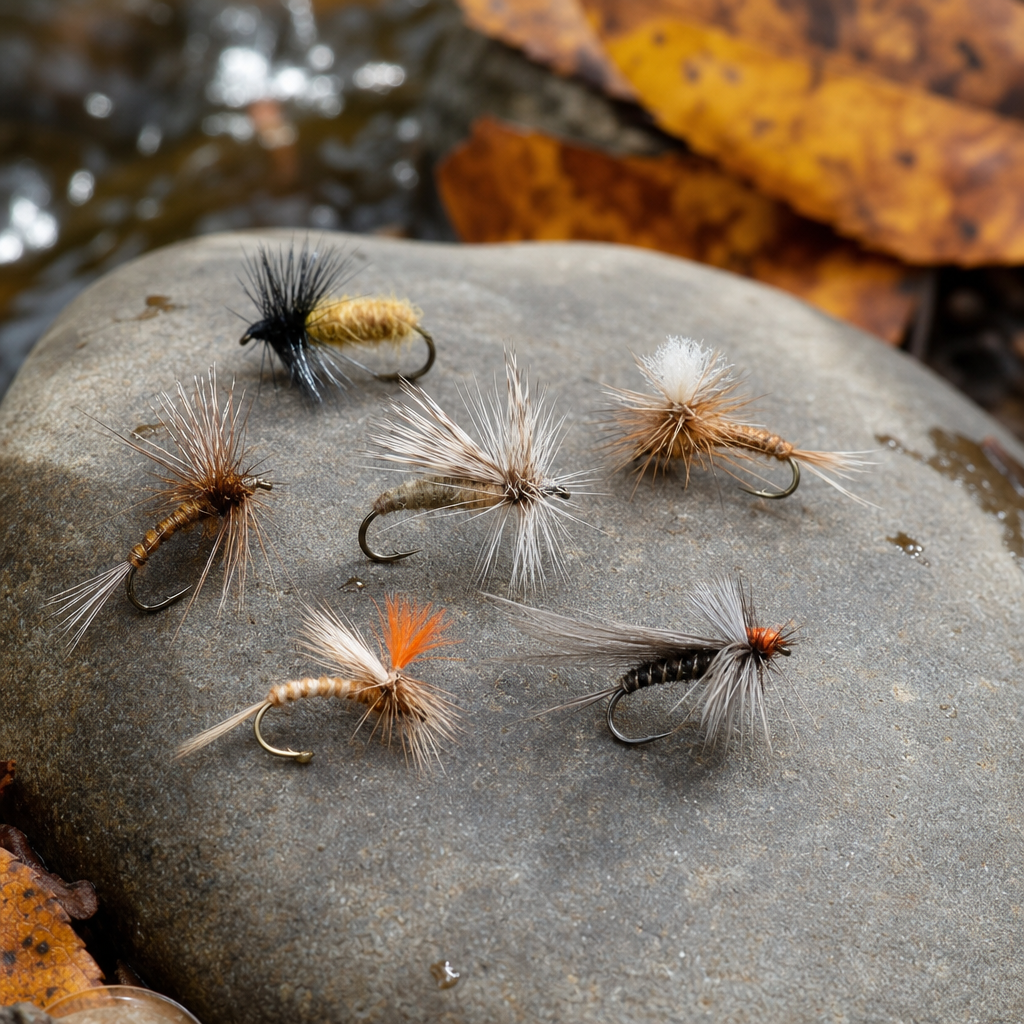
Dry-fly fishing can also be excellent in autumn, especially during midge and Blue-winged Olive hatches. When trout are rising steadily, matching size and profile becomes more important than simply choosing a generic dry. Small parachutes, comparaduns, emergers, and midge clusters can all produce. If fish are bulging just beneath the surface, trailing a tiny emerger behind the dry often increases hookups. Streamers are another major fall option, particularly when browns become aggressive during pre-spawn behavior or when trout start targeting larger meals. Woolly Buggers, sculpin patterns, leeches, and articulated baitfish flies can all work well. In many cases, the best technique is to begin with nymphs to locate fish, switch to dries when hatches appear, and use streamers early, late, or during cloud cover to target larger, more aggressive trout.
How do dam releases and changing fall conditions affect where trout hold in a tailwater?
Dam releases are one of the most important variables on a tailwater because they influence depth, current speed, drift lanes, and the amount of fishable water available to both trout and anglers. During lower, stable releases, trout often spread into softer seams, gravel runs, and transitional riffles where they can feed comfortably with less energy. These conditions can make sight fishing and technical presentations especially productive because fish become easier to locate and approach, even if they are also more selective.
When releases increase, trout usually adjust by sliding closer to banks, behind structure, along current breaks, and into softer water adjacent to faster feeding lanes. Higher water can also concentrate food and trigger stronger feeding windows, but it often requires heavier rigs, more weight, and a closer look at safety. In fall, changing daylight, cooler mornings, and occasional weather fronts can also shift feeding timing. Some days fish feed hardest during the warmest part of the afternoon, especially when insect activity picks up. Other days, especially under cloud cover, trout may remain active for longer stretches. Successful anglers pay close attention to flow schedules, watch how current changes the shape of runs, and treat each adjustment in release as a clue to where trout will reposition rather than assuming fish will stay in the same lies all day.
When is the best time of day to fly fish a tailwater in the fall?
The best time of day often depends on water temperatures, weather, insect activity, and generation schedules, but late morning through midafternoon is frequently the most dependable window in fall. On cold autumn mornings, trout may feed more slowly until light increases and air temperatures begin to rise. As the day warms, midges and Blue-winged Olives often become more active, and that can bring trout into more visible feeding lanes. On many tailwaters, this period offers the best combination of comfortable conditions, active insects, and fish willing to move for food.
That said, early and late hours should not be ignored. Streamer anglers often find their best opportunities at first light or near dusk, particularly when targeting larger browns that become more territorial and aggressive in fall. Cloudy, drizzly, or low-pressure days can also extend surface activity and improve midday dry-fly fishing. The key is to avoid thinking of fall tailwater fishing as a single-hour event. Instead, build your day around the river’s rhythms: check release timing, watch for rising fish, note water temperature if possible, and adjust methods as conditions change. A productive fall day might begin with nymphs, shift to dries during a hatch, and finish with streamers when light drops and bigger fish start hunting.
What should anglers watch out for when fishing tailwaters in autumn?
Safety and awareness are especially important on tailwaters because conditions can change quickly when dam releases begin or increase. Water that looks shallow and easy to cross can become deep, fast, and dangerous in a short time. Before fishing, anglers should check generation schedules, understand whether flows can change without notice, and identify safe exit routes from bars, islands, and side channels. Wading staffs, proper studded boots where legal, and conservative crossing decisions all matter. Tailwater rocks are often slick, currents are deceptively powerful, and cold water can sap strength quickly if someone falls in.
Anglers should also be aware of trout behavior and seasonal regulations in fall. On some tailwaters, brown trout may be staging or spawning, and it is important to avoid targeting fish actively on redds or wading through spawning areas. Clean gravel in shallow tailouts often indicates redds, and those zones should be left alone to protect future trout populations. In addition, clear autumn water can make trout more wary, so long leaders, careful approaches, and low-profile positioning often help. Finally, tailwaters can attract heavy fishing pressure because of their consistent conditions, so etiquette matters. Give other anglers room, avoid stepping into active runs someone is working, and rotate water respectfully. Good fall tailwater fishing is not just about catching trout; it is also about reading the system, fishing safely, and preserving the quality of the river for everyone else.