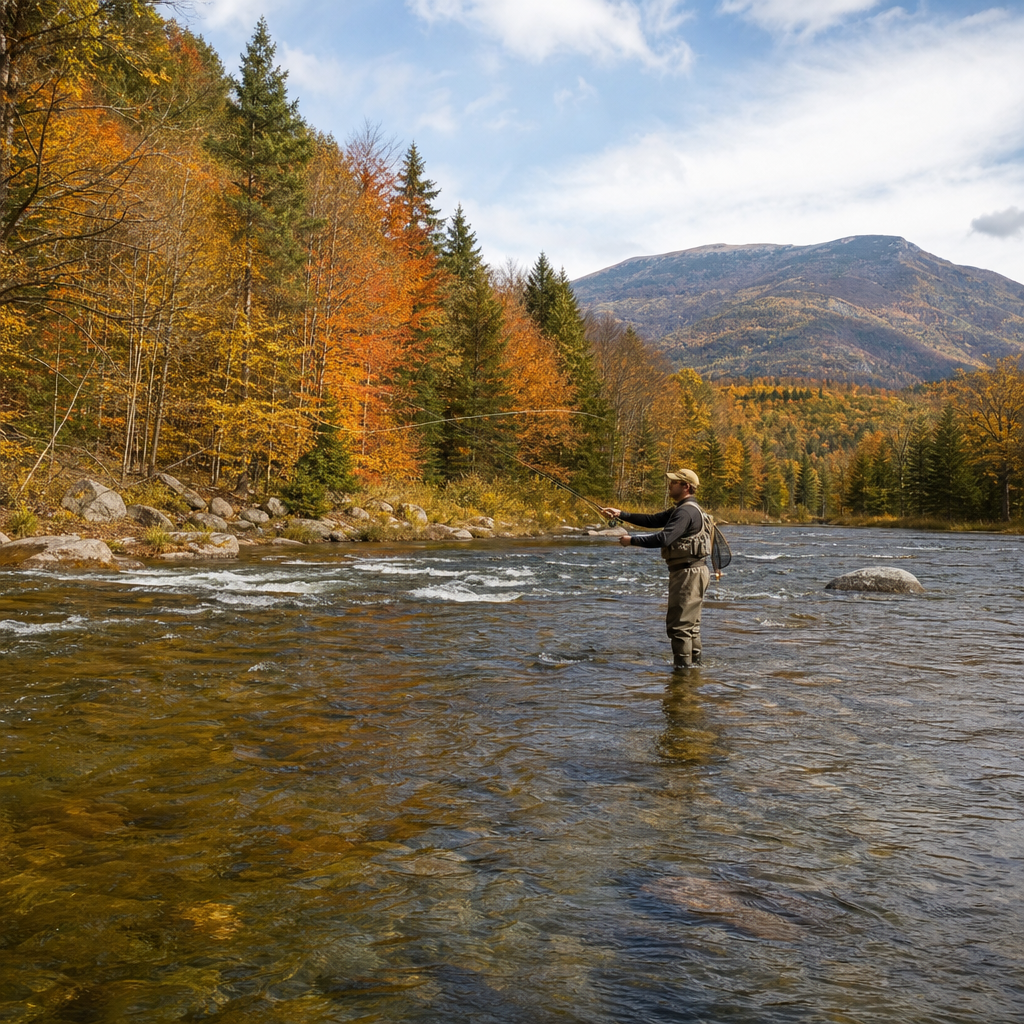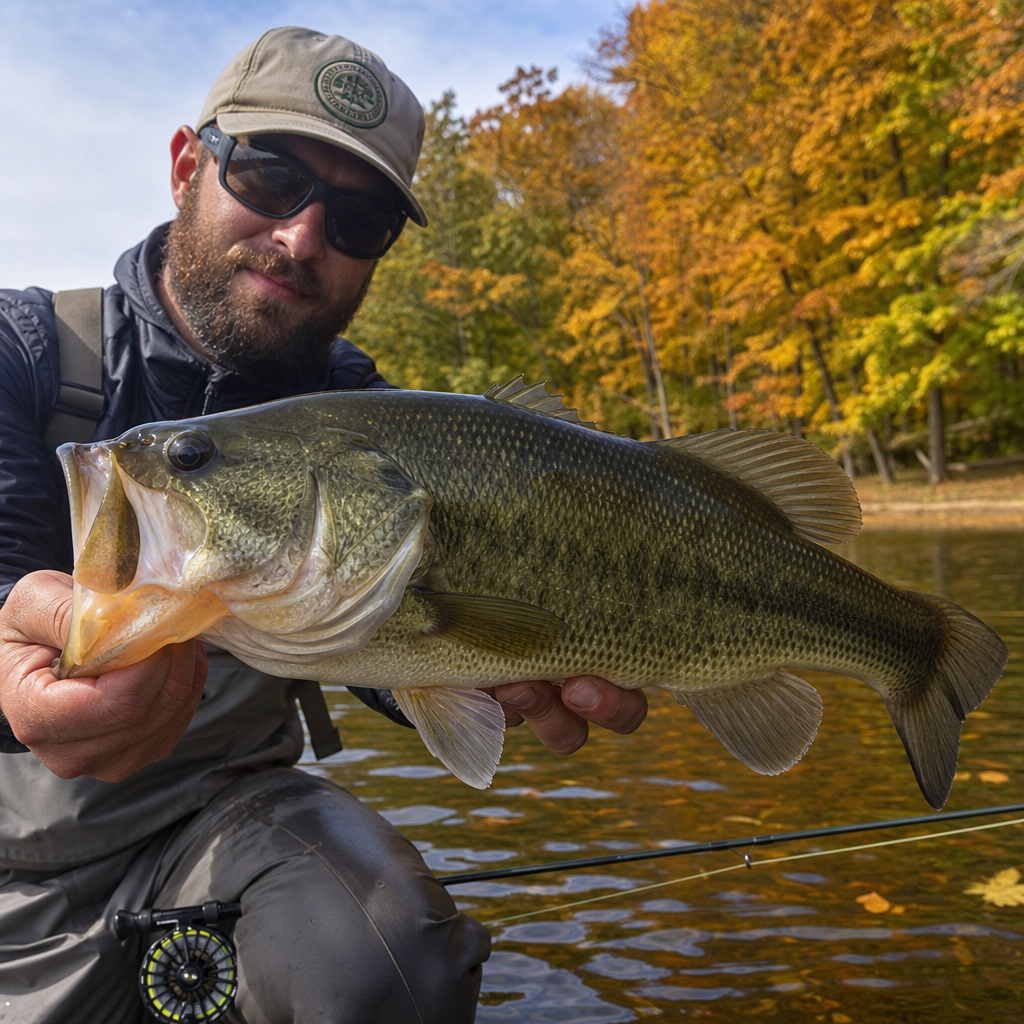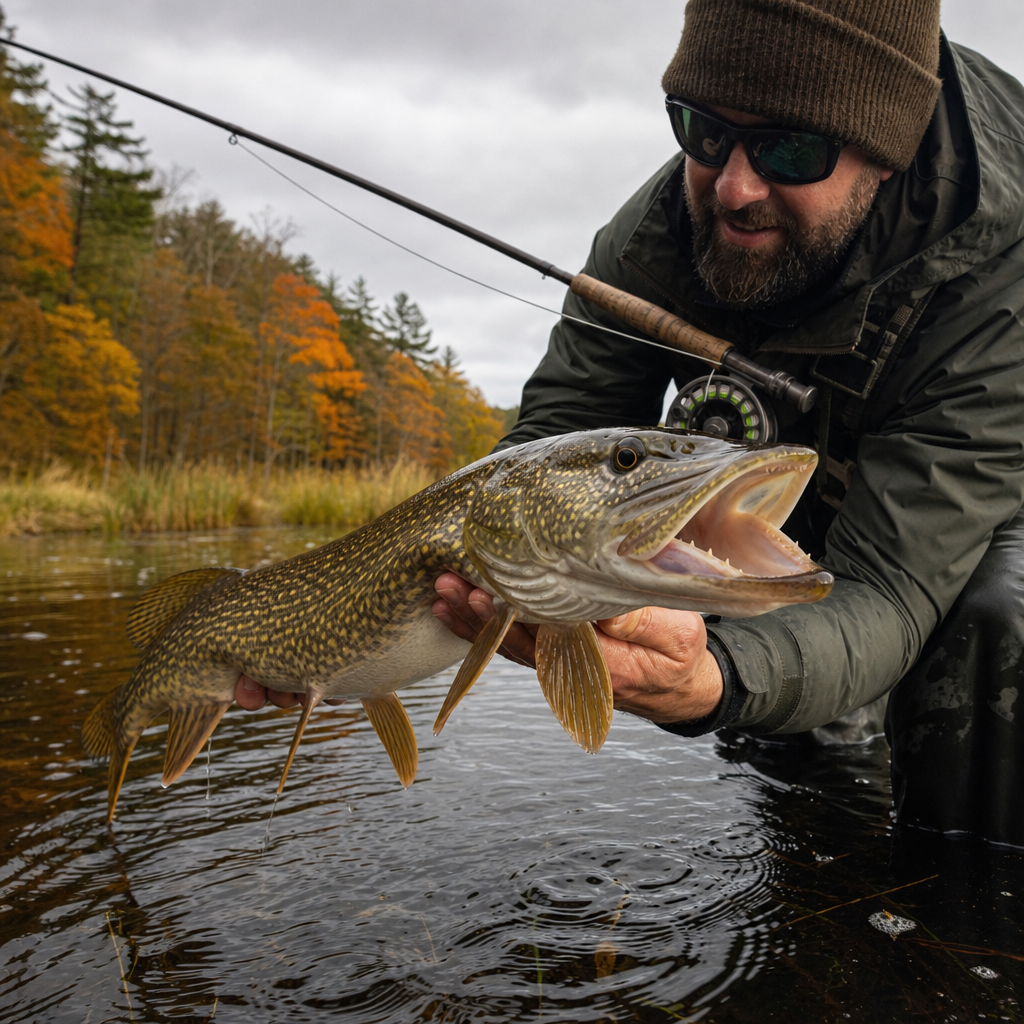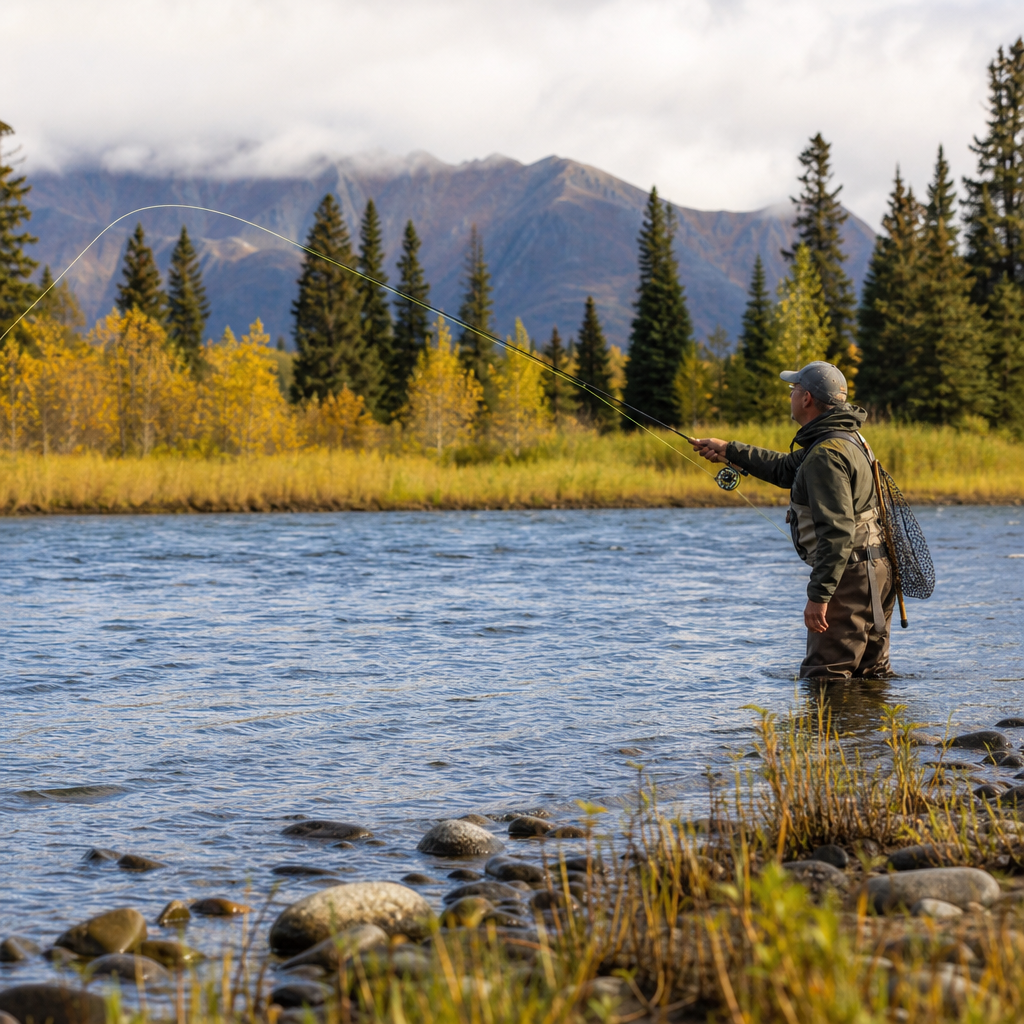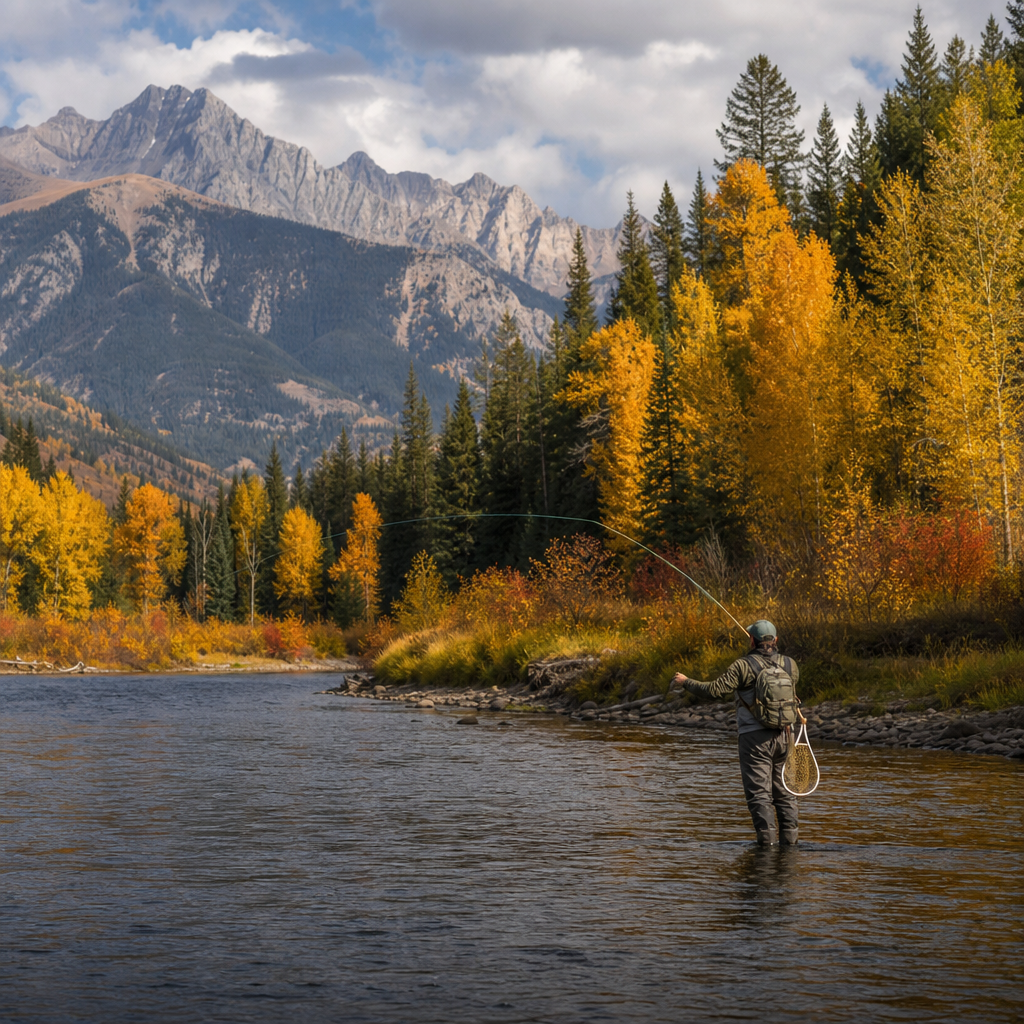
Fall fly fishing in North America combines the year’s most stable trout feeding windows, dramatic scenery, and the chance to match seasonal hatches with migratory fish behavior in ways that summer rarely delivers. In practical terms, fall fly fishing usually refers to the period from early September through late November, when water temperatures cool, dissolved oxygen rises, crowds thin, and both trout and salmonids shift into predictable feeding or spawning patterns. After guiding and planning autumn trips across western tailwaters, Great Lakes tributaries, Appalachian freestones, and Canadian rivers, I have found that the best fall fly fishing destinations share three traits: reliable flows, clear seasonal food sources, and regulations that protect fish during vulnerable spawning periods. Those factors matter more than postcard scenery alone.
For anglers searching for the best fall fly fishing destinations in North America, the question is not simply where the fish are. The better question is what kind of fall experience you want: technical dry-fly fishing on blue-winged olive hatches, streamer fishing for aggressive brown trout, salmon and steelhead runs in tributaries, or multi-species days that mix trout with mountain landscapes and easy wading. Fall also changes daily strategy. Mornings can be slow after cold nights, afternoons often bring the best insect activity, and pre-spawn fish may respond to larger meals like sculpins, baitfish, and crayfish. In many rivers, this season rewards anglers who understand water temperature, light angles, spawning etiquette, and the difference between targeting actively feeding fish and harassing fish on redds.
This hub article covers the major regions, river types, and planning decisions that define fall fly fishing across North America. It is designed to help you choose a destination, understand why that fishery peaks in autumn, and recognize the tradeoffs between famous rivers and overlooked alternatives. You will see where hatches are strongest, where migratory runs create short but intense windows, and where weather can either elevate a trip or shut it down overnight. If you are building a full fall calendar, this page also serves as a foundation for deeper destination-specific trip guides, hatch breakdowns, and gear recommendations within the broader seasons and conditions topic.
What makes a great fall fly fishing destination
The best fall fly fishing destinations are defined by biological timing and water management, not marketing. Cooling water is the first driver. Trout generally feed most comfortably when temperatures drop into the 50s Fahrenheit, and many rivers that become marginal in summer rebound sharply in September and October. The second driver is food availability. Fall often brings blue-winged olives, caddis, October caddis in select western systems, mahogany duns in some regions, and heavy baitfish or egg opportunities near spawning runs. Third is fish behavior. Brown trout become more territorial ahead of spawning, migratory salmon and steelhead push into tributaries, and resident rainbows often feed behind spawning fish where legal and ethical. Finally, good destinations maintain fishable flows through seasonal storms or reservoir releases.
From experience, access and ethics matter just as much as fish numbers. Some famous autumn rivers decline in quality when anglers crowd obvious pools, walk through redds, or target visible spawning fish. A truly strong destination offers enough water variety to spread pressure: riffles for dries, soft edges for nymphing, deeper banks for streamers, and side channels that can be rested. It should also have clear regulations on seasonal closures, single-hook restrictions, or sanctuary zones. Rivers that protect spawning habitat tend to fish better over time. That is why tailwaters like the Bighorn and Missouri, freestones like the Delaware, and selected Great Lakes tributaries remain productive year after year despite pressure.
Western trout rivers: consistent fall action and long fishing windows
The American West holds many of the best fall fly fishing destinations because cool nights, lower angling pressure, and strong trout populations align over a long season. Montana’s Missouri River near Craig is one of the most dependable options. It offers prolific rainbow and brown trout numbers, stable tailwater flows from Holter Dam, and excellent autumn nymphing with sow bugs, mayflies, and streamer opportunities when cloud cover moves in. The Bighorn River in Montana is similarly reliable, especially for anglers who value consistency over romance. Its weed beds sustain rich invertebrate life, and in fall the river often fishes best from late morning through afternoon as temperatures rise.
Yellowstone country adds more variety but also more weather risk. The Madison, Yellowstone, and Gallatin can all fish very well in September and early October, especially with terrestrial leftovers, blue-winged olives, and streamer patterns for brown trout. The Henry’s Fork in Idaho deserves equal mention. Although famous for technical summer dry-fly fishing, fall on the Ranch and lower river can reward precise anglers with less crowded BWO sessions and strong nymphing. In Wyoming, the North Platte below Grey Reef and the Green River below Flaming Gorge offer classic tailwater advantages: controlled flows, healthy biomass, and enough fish density to make shoulder-season travel worthwhile.
Alberta and British Columbia expand the western map for anglers willing to cross into Canada. The Bow River near Calgary is a serious fall destination because large brown trout turn predatory and streamers become a realistic shot at fish over twenty inches. British Columbia’s interior trout lakes and rivers can also be excellent in early fall before winter arrives, though weather compresses the season. Across the West, the most consistent pattern is simple: fish later in the day, carry both BWO dries and subsurface imitations, and do not ignore undercut banks and structure where larger trout slide in as light drops.
Great Lakes tributaries: salmon, steelhead, and powerful seasonal migrations
If your idea of fall fly fishing means migratory fish rather than resident trout, the Great Lakes region offers some of the most dynamic action in North America. Michigan, New York, Ohio, Pennsylvania, and Ontario all have tributaries where Chinook salmon, coho salmon, lake-run brown trout, and steelhead move upstream from late summer into fall. New York’s Salmon River is the best-known example. Powered by controlled releases from the Lighthouse Hill Reservoir system, it provides extended access to staging and migrating fish. Early autumn often brings Chinook and coho, while later windows can include steelhead and brown trout. It is productive, but it is also crowded, technical, and best approached with a clear understanding of legal presentation rules and fish handling.
Michigan offers a broader, often more balanced experience. Rivers such as the Pere Marquette, Manistee, Muskegon, and Betsie can produce salmon and early steelhead while retaining enough water diversity for swinging flies, indicator fishing, or stripping streamers. The Pere Marquette, in particular, remains one of the most complete fall fisheries because it combines strong runs with scenic access and genuine chances at migratory browns. Ontario tributaries feeding Lake Ontario and Georgian Bay are also prime, but conditions can shift quickly with rain events. These fisheries reward timing more than calendar dates. A fresh push after precipitation can transform a quiet river overnight.
The biggest mistake I see anglers make in Great Lakes tributaries is focusing only on numbers. The better approach is matching destination to style. Anglers who enjoy indicator nymphing with eggs, stones, and small attractors may prefer larger, controlled-flow systems. Those who like swinging intruders, leeches, or traditional wet flies often do better on rivers with long runs and moderate gradients. In every case, ethics are central. Avoid casting repeatedly to paired fish on redds. Target traveling fish, holding fish in legal water, and opportunistic trout feeding downstream of spawning zones where regulations allow. That approach protects the resource and usually leads to cleaner, more aggressive takes.
Northeast and Appalachia: wild trout, selective hatches, and classic scenery
The Northeast delivers some of the best fall fly fishing destinations for anglers who care as much about atmosphere and technical trout fishing as trophy potential. The Delaware River system, spanning New York and Pennsylvania, is at the top of that list. Its upper branches and main stem support wild trout, complex hatches, and broad flow regimes that can remain fishable deep into autumn. Blue-winged olives are a major draw, but streamer fishing for large browns is what pulls many experienced anglers in October and November. The Delaware is not easy water. It demands good boat positioning or disciplined wading, fine tippet management, and close attention to weather-driven flow changes.
Further east, Vermont and New Hampshire offer smaller river experiences with vivid foliage and lower crowds. While not every stream maintains ideal late-season flows, selected tailwaters and spring creeks can fish beautifully on overcast days with mayfly activity. In Pennsylvania, limestone systems such as Penns Creek and Spring Creek remain important autumn options. Their stable temperatures extend productive windows, and hatches can become surprisingly concentrated as terrestrial activity fades. These are places where a small BWO emerger, soft hackle, or precise nymph rig often outperforms bigger, flashier choices.
The Appalachian region, including parts of Virginia, Tennessee, and North Carolina, is often overlooked in conversations about the best fall fly fishing destinations in North America. That is a mistake. Southern tailwaters such as the South Holston and Watauga can be outstanding in fall thanks to sulfur remnants, midge activity, and cool release schedules. Meanwhile, Great Smoky Mountains streams offer wild trout in peak color, though rainfall and leaf drop can complicate visibility and access. For anglers who value solitude, walk-and-wade flexibility, and mixed dry-dropper opportunities, the Appalachians offer a quieter but highly rewarding version of fall fly fishing.
Choosing the right destination by species, tactics, and conditions
The right fall destination depends on what you want fish to do, not just what species you want to catch. If you want dependable numbers and long feeding windows, choose a western tailwater. If you want the chance at a heavyweight brown trout on a streamer, rivers with strong pre-spawn fish behavior such as the Bow, Delaware, or Madison deserve attention. If you want raw power and seasonal runs, Great Lakes tributaries are the obvious choice. If you prefer technical dry-fly afternoons, look for BWO-rich systems with stable flows and moderate autumn weather. Matching your expectations to river type is the fastest way to improve trip quality.
| Destination type | Best for | Typical fall strength | Main caution |
|---|---|---|---|
| Western tailwater | Consistent trout numbers | Stable flows, long afternoon bite | Cold mornings can delay action |
| Freestone trout river | Scenery and varied tactics | Streamers, opportunistic hatches | Weather and runoff swings |
| Great Lakes tributary | Salmon, steelhead, migratory browns | Run timing creates intense action | Crowds and rapidly changing water |
| Appalachian tailwater | Technical trout fishing | Cool flows and selective hatches | Generation schedules affect access |
Conditions should guide your destination choice as much as reputation. Early fall often favors higher-elevation western rivers and salmon runs beginning to build. Mid-fall is prime for many brown trout streamer fisheries and peak BWO windows. Late fall can be exceptional on tailwaters and steelhead tributaries but less forgiving on freestones after hard freezes or storms. Before booking, check historical hydrographs, dam release schedules, average daytime temperatures, and state or provincial regulations. I also recommend reviewing dissolved oxygen and thermal stress reports where available, especially in regions that have experienced warm summers. Strong autumn fishing usually begins where summer stress finally ends.
Gear and logistics also influence destination fit. A drift boat or guide unlocks more of the Missouri, Delaware, and larger western systems. By contrast, many Appalachian streams and smaller Great Lakes tributaries are accessible to walk-and-wade anglers. For trout-focused fall trips, a 5-weight handles most dry-fly and nymph scenarios, while a 6-weight is better for streamers and windy conditions. For salmon and steelhead, most anglers step up to 7- or 8-weight rods with stronger tippet and larger reels. Layering matters more in fall than in any other season. Frosty launches can turn into warm afternoons, and safe planning means carrying rain gear, finger dexterity solutions, and a spare dry layer in the vehicle.
How to fish fall water effectively and protect the resource
Successful fall fly fishing depends on reading seasonal water correctly. In trout rivers, focus first on transitional structure: seams beside deeper buckets, banks with wood or undercut edges, and tailouts below riffles where fish can intercept drifting food without spending much energy. On cloudy days, blue-winged olives often hatch over softer flats and moderate current, especially from late morning into afternoon. Streamer fishing usually improves in low light, rising flows, or just before weather changes. Retrieve speed matters. In cold water, many anglers strip too quickly. Short pauses, angle changes, and presentations tight to cover regularly outperform aggressive blind casting.
On migratory systems, think in terms of movement lanes and rest water. Salmon and steelhead pause behind boulders, in walking-speed runs, and along softer inside bends after pushing through faster current. Fresh fish are often more responsive than stale fish, so watch water levels and recent rainfall rather than relying solely on old reports. Presentation should be controlled and legal, with enough weight to reach the zone but not so much that flies drag unnaturally. In clear water, smaller egg patterns, sparse nymphs, and natural leeches often outfish oversized flies. In stained water, profile and contrast become more important than exact imitation.
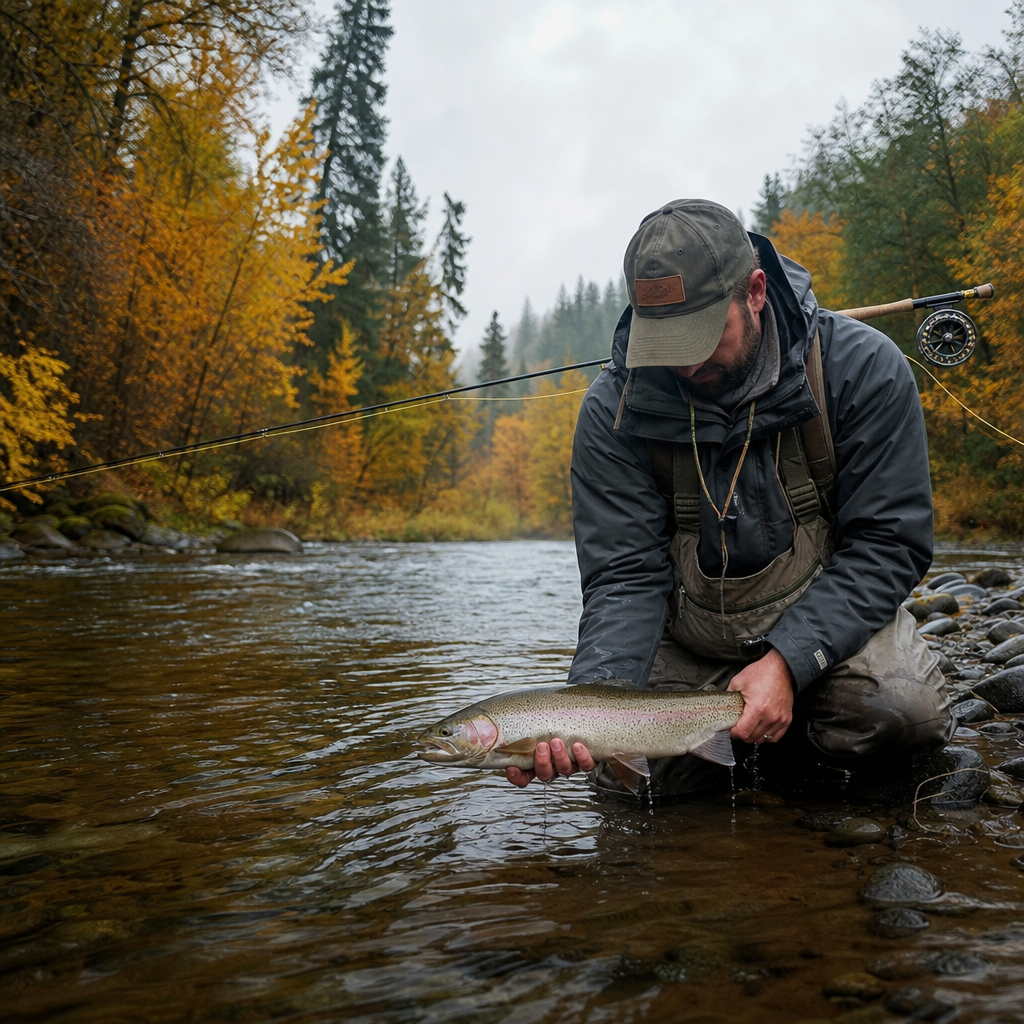
Protection is part of becoming a better fall angler. Brown trout and brook trout spawn in autumn, and salmon create redds that later attract feeding trout. Learn to identify redds as cleaned, lighter gravel patches, usually in shallow tailouts or side channels. Do not stand on them, drift over them carelessly, or cast repeatedly to fish actively spawning there. Fight fish quickly in cold but not freezing air, keep them wet, and avoid extended photo sessions. These practices are not optional etiquette points; they are the reason many of the best fall fly fishing destinations in North America continue producing year after year. Choose a destination, study its seasonal patterns, and fish it with intent this fall.
Frequently Asked Questions
What makes fall one of the best seasons for fly fishing in North America?
Fall is widely considered one of the most productive and enjoyable times to fly fish because several favorable conditions come together at once. As air temperatures drop from early September through late November, many rivers, creeks, and tailwaters settle into cooler, more stable water temperatures. That matters because trout and other salmonids feed more consistently when water is comfortably oxygenated and no longer stressed by summer heat. In many regions, dissolved oxygen rises, aquatic insect activity becomes more predictable, and fish move into classic holding water with more regularity. Instead of the feast-or-famine pattern anglers sometimes face in mid-summer, fall often delivers longer and more dependable feeding windows.
Another major advantage is reduced pressure. Popular fisheries that can feel crowded in June, July, and August often become far quieter once school schedules resume and vacation traffic fades. Fewer anglers on the water usually means less educated fish, more open access points, and a better chance to fish prime runs thoroughly. On top of that, fall scenery is hard to overstate. Whether you are fishing the Rockies, the Appalachians, New England, or the Pacific Northwest, autumn color adds a visual dimension that makes the entire trip feel special.
Biologically, fall can also be dynamic because fish behavior changes with the season. Brown trout become more aggressive as they approach the spawn, brook trout show strong movement and coloration, and in some destinations migrating salmon and steelhead create opportunities around eggs, baitfish, and movement-based patterns. For the fly angler, that means a broader menu of effective tactics: dry flies during late-season hatches, nymphing through transitional seams, stripping streamers for territorial fish, and matching egg-focused feeding behavior where regulations and ethics allow. Put simply, fall combines better fish behavior, improved water conditions, fewer crowds, and beautiful landscapes in a way that very few other times of year can match.
Which North American destinations are especially strong for fall fly fishing?
Several regions stand out year after year, and the best choice depends on whether you want technical trout fishing, aggressive streamer action, migratory runs, or a scenic road-trip experience. In the Rocky Mountain West, Montana remains a classic fall destination, particularly on rivers like the Madison, Yellowstone, Missouri, Bighorn, and the area around Bozeman and Livingston. These waters can fish exceptionally well in autumn because cooler temperatures improve trout activity and streamer fishing for brown trout often turns on as the season progresses. Idaho and Wyoming also deserve serious attention, especially around the Henry’s Fork, South Fork Snake, and select Yellowstone-area waters where shoulder-season conditions can be excellent.
In Colorado, tailwaters and freestones can both produce in fall, with rivers such as the Fryingpan, Roaring Fork, Arkansas, South Platte, and Gunnison system drawing anglers who want dependable trout fishing and varied techniques. The Pacific Northwest offers a different type of autumn experience. Parts of British Columbia, Washington, and Oregon can provide outstanding opportunities for trout, steelhead, and salmon-related fisheries depending on timing and local regulations. These destinations often reward anglers who are comfortable adapting to changing water levels and weather systems.
In the East, the Great Lakes region is a major player in fall. Tributaries in Michigan, New York, Ohio, Pennsylvania, and Ontario can offer memorable fishing for steelhead, salmon, and resident trout. The timing can be highly specific, but when flows and fish movement line up, these systems are among the most exciting fall fisheries on the continent. New England and the Adirondack region also provide excellent autumn trout fishing, especially where wild brook trout, landlocked salmon, and classic freestone rivers are involved.
For anglers who value atmosphere as much as fish numbers, the mountain streams of North Carolina, Tennessee, and Virginia can be fantastic in fall, especially when foliage peaks and hatches still provide dry-fly windows. The best destination is ultimately the one that matches your goals: trophy browns often point you west, migratory fish may lead you toward the Great Lakes or Pacific coast, and technical dry-fly or mixed-method trout fishing can be found across both mountain and tailwater systems. A smart trip plan starts with identifying whether you want consistency, size, solitude, scenery, or species diversity.
What flies and techniques work best during fall fly fishing trips?
Fall rewards versatility. While there is no single “best” setup for every destination, the most consistently effective anglers usually build their day around three categories: nymphs, streamers, and seasonal hatch patterns. Nymphing remains a reliable baseline because trout continue to feed subsurface even when surface activity looks quiet. Pheasant tails, hare’s ears, perdigons, midges, small stonefly patterns, caddis larvae, and mayfly nymphs all deserve space in a fall box. On many rivers, especially tailwaters, small and natural-looking patterns become increasingly important as flows stabilize and fish feed selectively in clear water.
Streamers are often the headline tactic in autumn, particularly for larger brown trout. As spawning season approaches, fish may become more territorial and more willing to chase larger meals. Sculpin patterns, baitfish imitations, woolly buggers, articulated streamers, and darker profiles in olive, black, rust, and white can all produce. The key is adapting retrieve speed, depth, and angle to water temperature and fish mood. Some days call for aggressive strips near banks and structure; other days require slow swings or deep, deliberate presentations through buckets and tailouts.
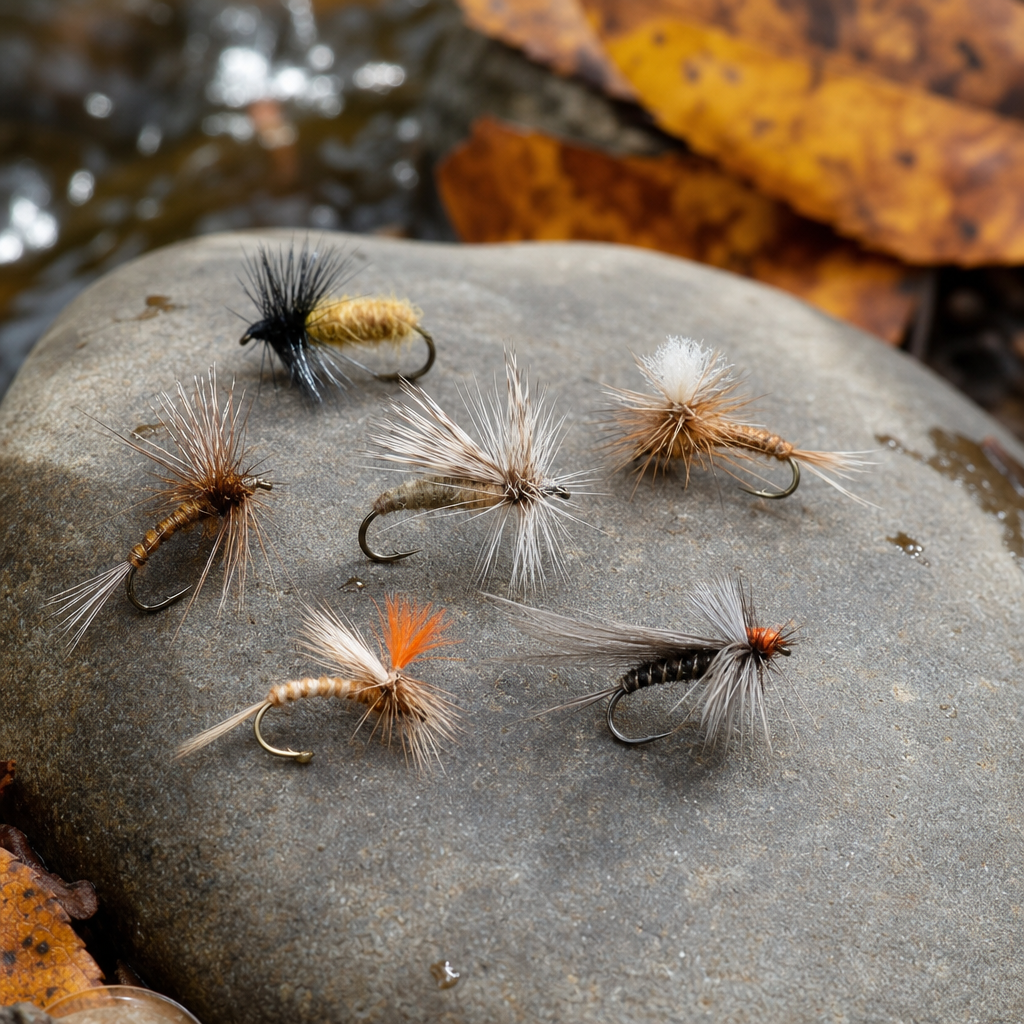
Dry-fly fishing is still very much part of the fall picture, especially during blue-winged olive hatches, late caddis activity, mahogany duns in certain regions, and terrestrial carryover on warmer afternoons. Ants, beetles, small hoppers, parachute dries, and emerger patterns can all be relevant depending on location and weather. In places with salmon or steelhead influence, egg patterns may become important where legal and appropriate, especially when trout key in on nutrient-rich food sources drifting downstream of spawning fish.
Technique-wise, success usually comes from letting the season shape your approach. Early fall may still include dry-dropper fishing and terrestrials, while mid- to late fall often shifts more heavily toward nymph rigs and streamers. Focus on transitional water: riffle corners, undercut banks, slower seams beside faster current, and the deeper heads and tails of pools. Cover water methodically, fish the warmest and most stable parts of the day when necessary, and don’t assume all feeding happens in the same places it did in summer. Fall fish often reposition in response to spawning instincts, cooling temperatures, and changing current speed, so staying observant matters as much as fly selection.
How should anglers plan a fall fly fishing trip to account for weather, water conditions, and fish behavior?
Planning a successful fall trip starts with understanding that autumn is stable compared to summer in many places, but it is not static. Conditions can shift quickly. A destination that fishes beautifully in early October may be very different by early November due to water temperatures, storms, reservoir releases, spawning activity, or leaf fall. Before choosing dates, identify the species and style of fishing you want most. If your priority is streamer fishing for aggressive brown trout, target the pre-spawn window in that region. If you prefer classic trout feeding and hatch activity, aim for the period when water has cooled but winter conditions have not yet reduced insect movement too sharply. If migratory fish are the goal, historical run timing and precipitation trends become even more important.
Water conditions should be monitored closely in the days leading up to the trip. Streamflows, water temperatures, clarity, and recent weather often tell you more than a calendar ever will. A cold snap can delay or compress feeding windows, while a moderate warm spell can bring fish onto the feed in a big way. Rain can improve migratory movement in tributary systems or make smaller streams temporarily unfishable. In western freestones, early snow or runoff events may influence access and safety. On tailwaters, dam-release schedules can change wading opportunities significantly. Checking state agency reports, USGS gauges, local fly shops, guide reports, and weather models is not overkill in fall; it is part of good planning.
Logistics matter too. Daylight gets shorter, mornings can be cold, and roads in mountain or northern destinations may be affected by frost, ice, or sudden storms. Pack layered clothing, rain gear, gloves, spare socks, and traction options for slick banks and leaf-covered rocks. Build flexibility into your itinerary so you can pivot between rivers or shift from wading to floating if needed. If you are fishing around spawning periods, understand local closures and ethical considerations. Many excellent fall fisheries have specific protections in place, and respecting them is part of being a responsible angler. The best fall trips are usually the ones built around conditions rather than rigid expectations.
Are there any special ethical or regulatory considerations when fly fishing in the fall?
Yes, and they are especially important in autumn because this is the time of year when fish behavior changes most dramatically. In many trout and salmon fisheries, fall overlaps with spawning activity or pre-spawn movement. That means anglers need to be careful not to confuse “easy targets” with ethical opportunities. Sight-fishing to trout actively on redds, wading through spawning habitat, or