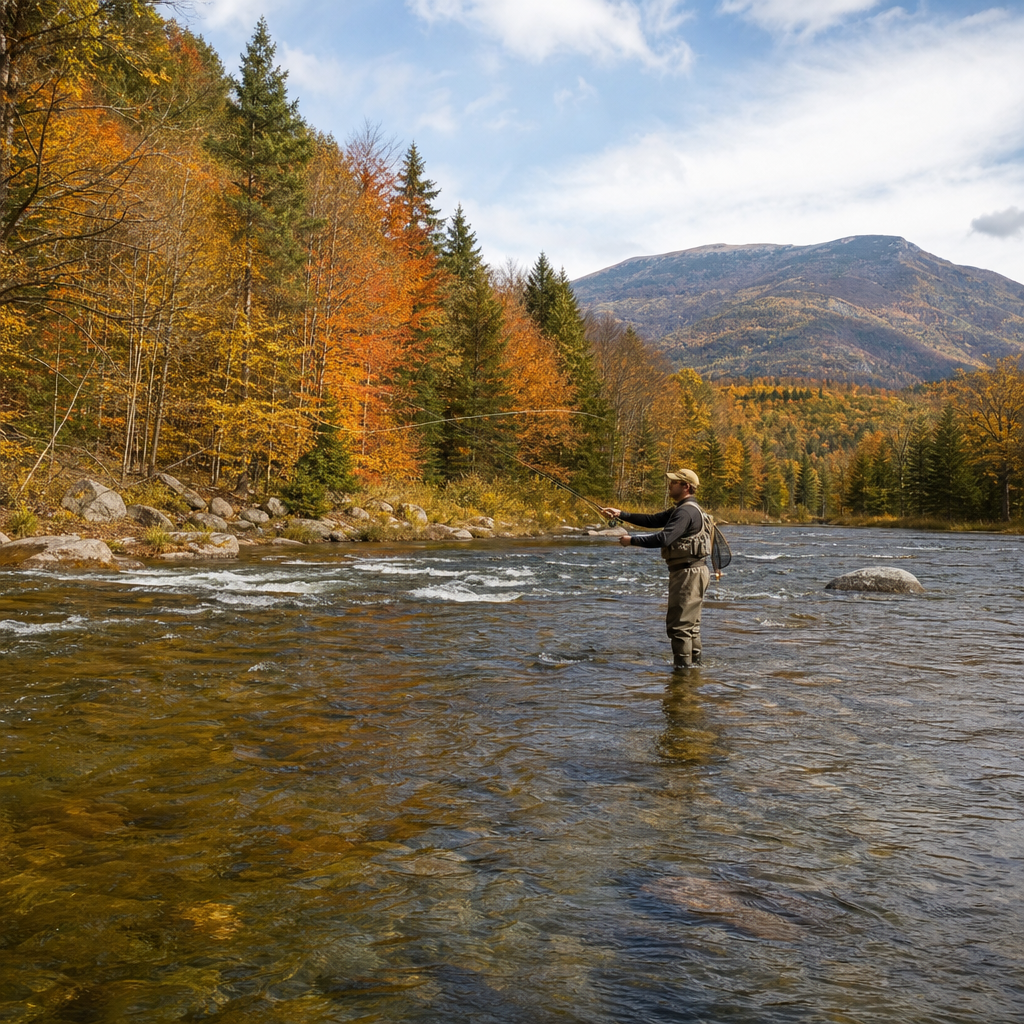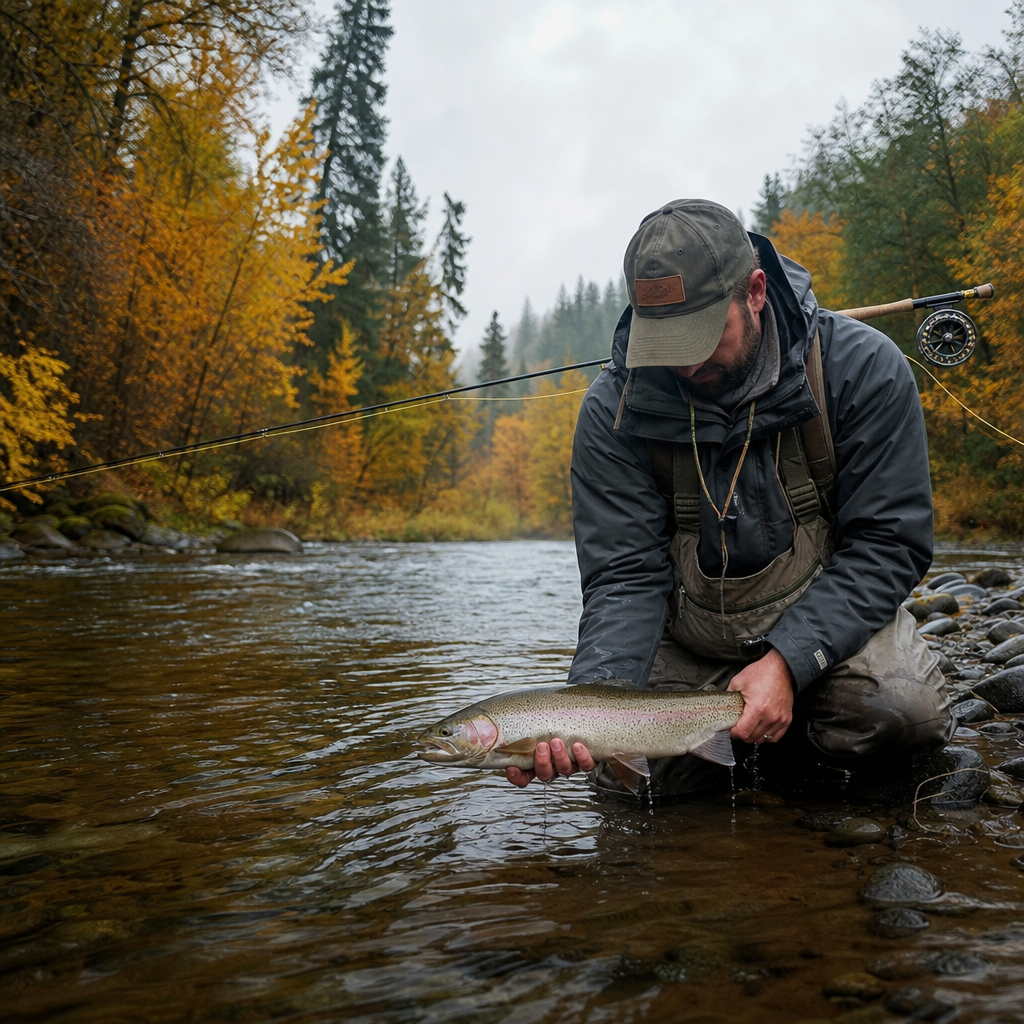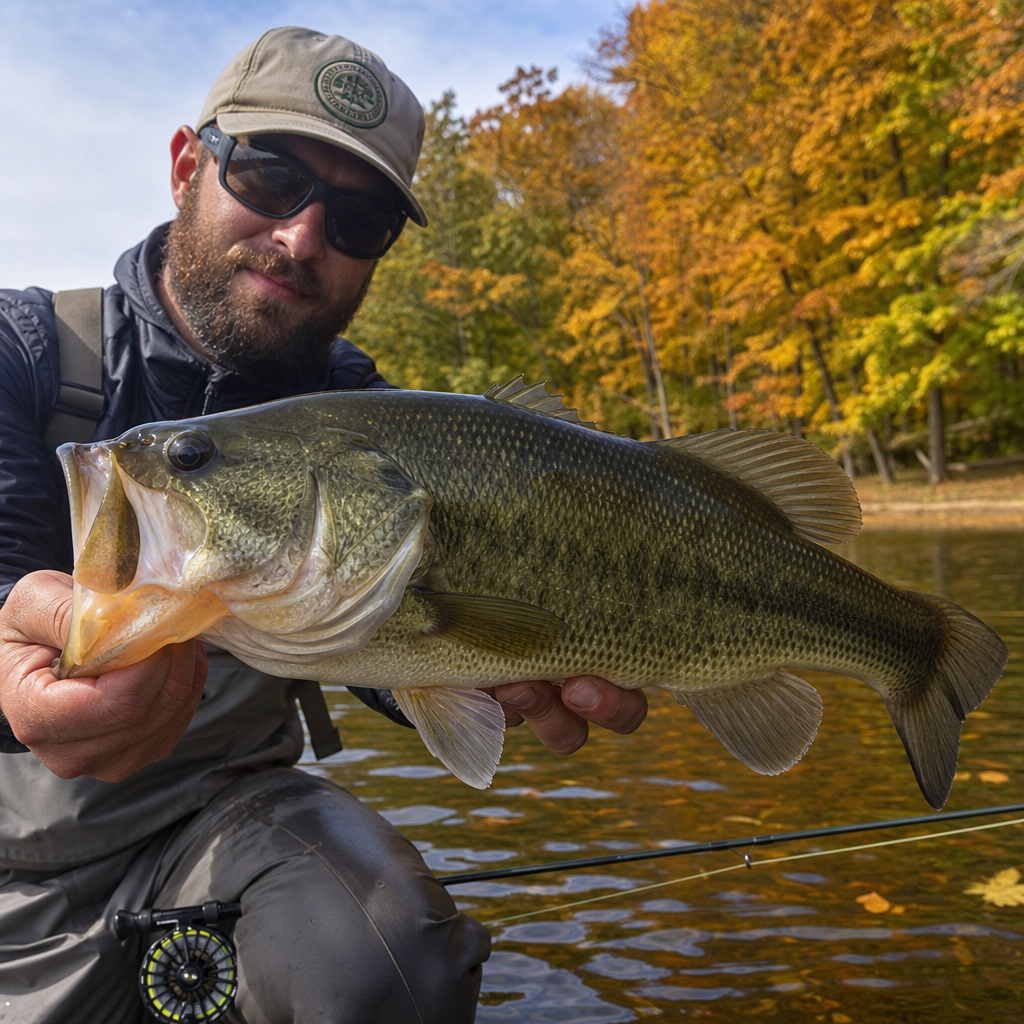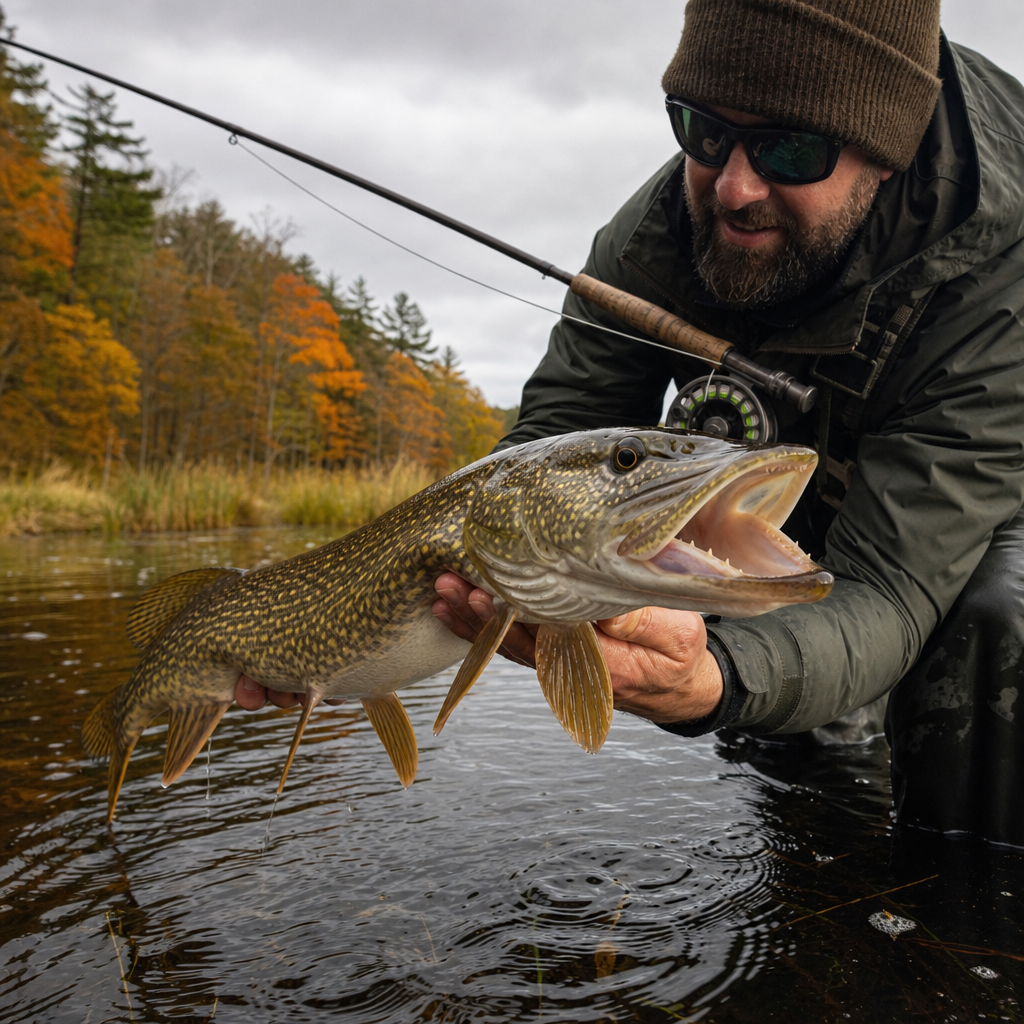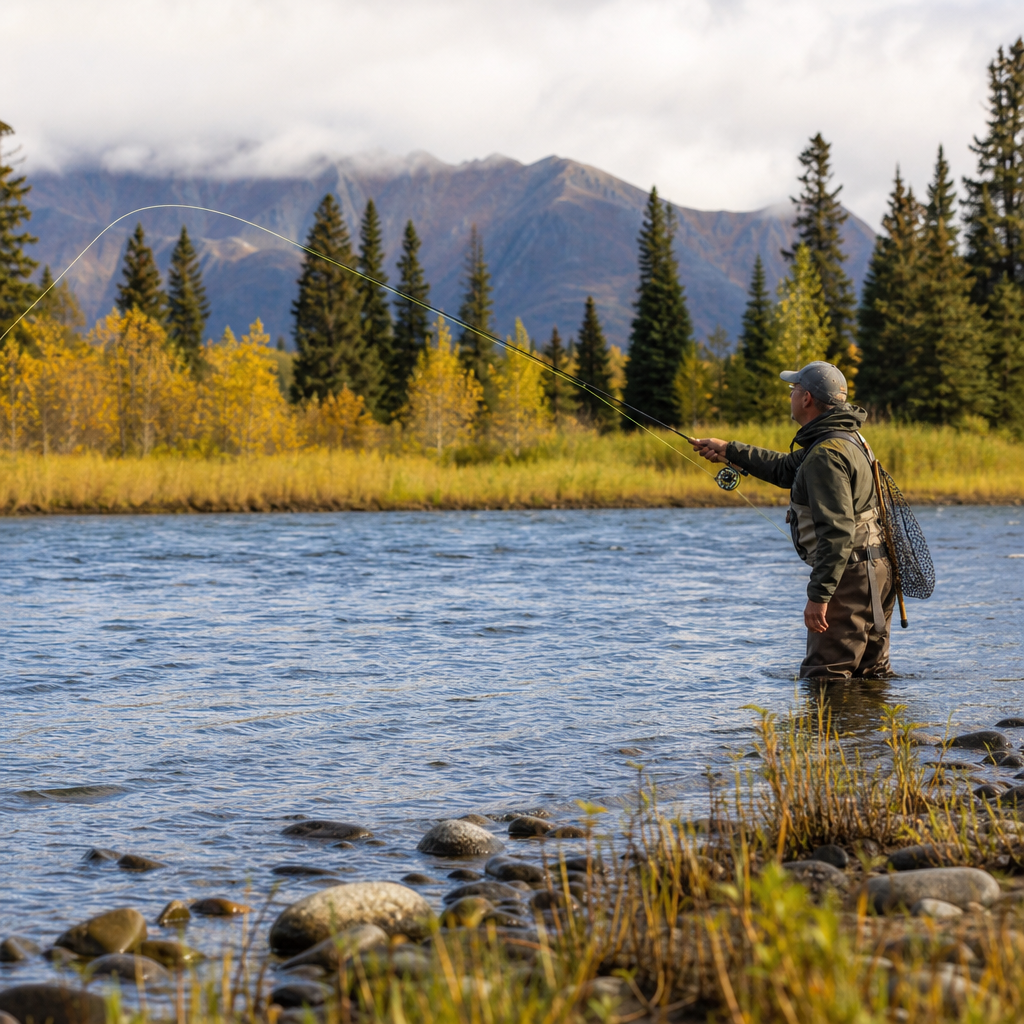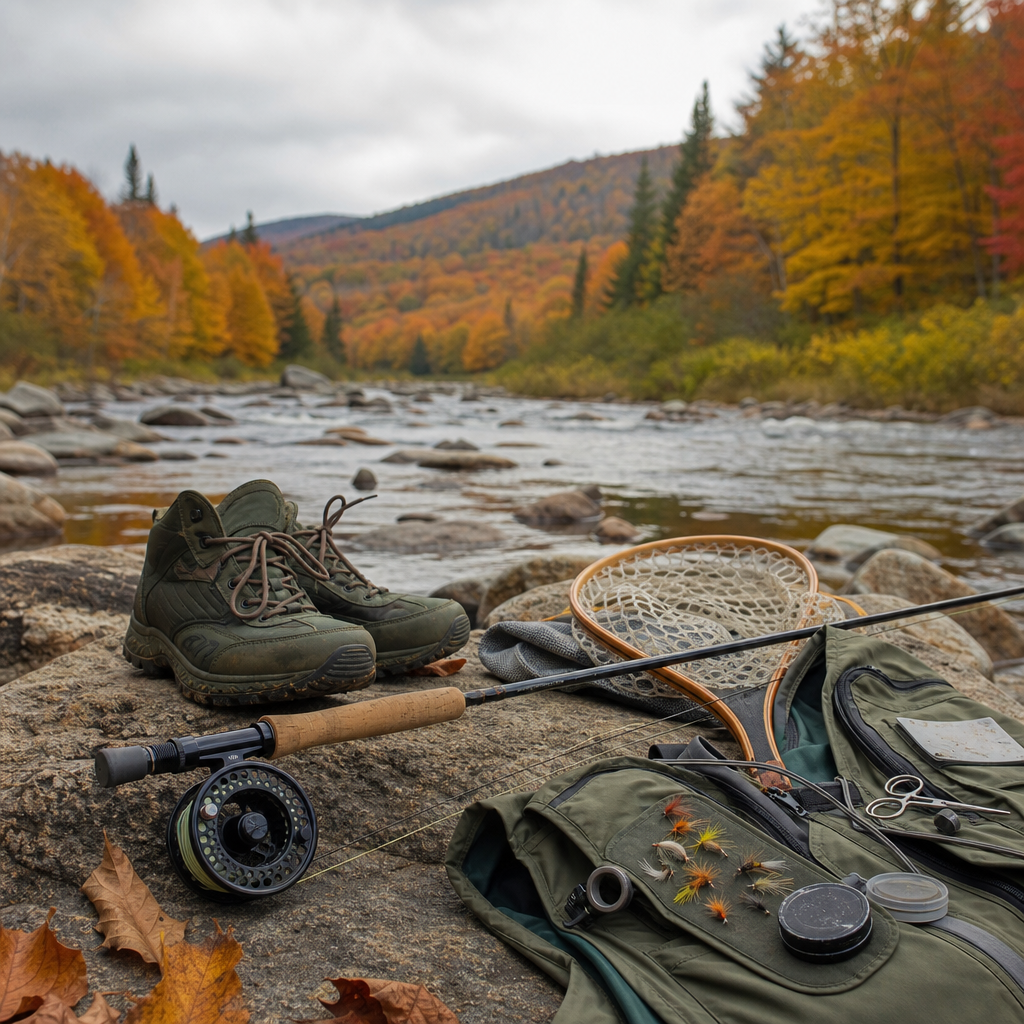
Fall fly fishing gear matters more than many anglers realize because autumn compresses changing water temperatures, shifting insect activity, aggressive pre-spawn fish behavior, and unstable weather into a short, high-opportunity season. In practical terms, fall fly fishing means targeting trout, bass, and other game fish as days shorten, nights cool, and aquatic food sources change. The right setup is not simply “summer gear plus a jacket.” It is a deliberate system built for colder mornings, lower light, variable flows, and fish that often feed hard but refuse sloppy presentations.
I have found that anglers succeed most in fall when they stop thinking about single items and start thinking in layers: rod and reel choices that match seasonal conditions, lines and leaders that control depth and drift, flies that imitate the foods fish actually key on in autumn, and clothing that keeps hands functional through wind, rain, and near-freezing starts. Good fall fly fishing gear also improves safety. Wet rocks get slicker under leaves, temperatures drop fast after sunset, and cold-water exposure turns minor mistakes into serious problems quickly.
This article serves as a hub for fall fly fishing. It explains what gear you need, why each category matters, and how to adapt for rivers, streams, lakes, and changing conditions. If you are building a complete seasonal setup, use this page as the foundation for your fall fly fishing plan and connect it with species-specific tactics, streamer presentations, nymphing systems, and cold-weather wading guidance elsewhere in your seasonal library. The goal is simple: carry gear that helps you cover water efficiently, present flies naturally, and stay comfortable enough to fish well all day.
At its core, fall gear selection is about matching equipment to three realities. First, water temperatures usually fall into a range that can increase trout feeding activity, especially before winter slows metabolism. Second, food sources shift. Late-season mayflies still matter, but midges, caddis, terrestrials lingering into warm afternoons, eggs in spawning systems, and baitfish imitations often become central. Third, weather volatility increases. A calm bluebird afternoon can follow a frost, and a productive streamer session can happen under rain, cloud cover, and rising flows. Your gear has to handle all of it without constant compromise.
Rod, reel, and line choices for fall fly fishing
If you own one dedicated fall trout outfit, make it a 9-foot 5-weight. That rod handles dry-dropper rigs, indicator nymphing, light streamer work, and small stillwater presentations well enough to function as the backbone of your fall fly fishing gear. On larger rivers or wherever streamers are a primary plan, a 6-weight often performs better. The extra power turns over weighted flies, manages sink-tip lines more cleanly, and helps control bigger fish in stronger current. Small technical creeks still reward a 3-weight or 4-weight, but for a sub-pillar hub, the 5-weight remains the most useful default recommendation.
Reels matter less for drag on average trout water than they do for balance, line management, and cold-weather durability. A large-arbor reel is especially useful in fall because it reduces line memory on cold mornings and speeds retrieval when fish chase streamers toward you. Sealed drags become more important if your fall fly fishing includes steelhead, salmon, or warmwater species in larger systems. For trout, prioritize a reel with smooth startup inertia, dependable frame tolerances, and enough capacity for your primary fly line plus backing. Popular proven choices include reels from Lamson, Ross, Orvis, and Hardy because they combine reliability with readily available spare parts.
Fly line selection determines how flexible your setup really is. A weight-forward floating line remains essential because much of fall success still comes from dead-drift nymphing, dry-fly windows, and small indicator rigs. But many anglers fish too shallow in autumn. Carry at least one sinking option if streamers are part of your strategy. For river streamer fishing, a sink-tip line in the 5 to 10 foot tip range often gives better control than a full-sink line, especially when you need to mend around seams and structure. In lakes, full intermediate or type III sinking lines cover more water methodically. Good line families from Scientific Anglers, Rio, and Airflo offer cold-tolerant coatings that resist coiling better than bargain lines in low temperatures.
Leaders, tippet, and flies that match autumn feeding behavior
Fall leaders should support two primary jobs: natural drift for subsurface rigs and decisive turnover for larger flies. For dry flies and light dry-dropper fishing, a 9-foot 4X or 5X tapered leader is the standard starting point. For nymphing, many anglers shorten and strengthen leaders to improve turnover with indicators, split shot, and multiple flies. For streamers, a simple 4- to 7-foot leader tapered to 0X, 1X, or 2X is often better than a long delicate taper because it moves big flies cleanly and reduces hinge points. Fluorocarbon tippet is useful for nymphs and streamers because it sinks faster and resists abrasion around rocks, while nylon still excels for dry flies because it floats better and offers softer presentation.
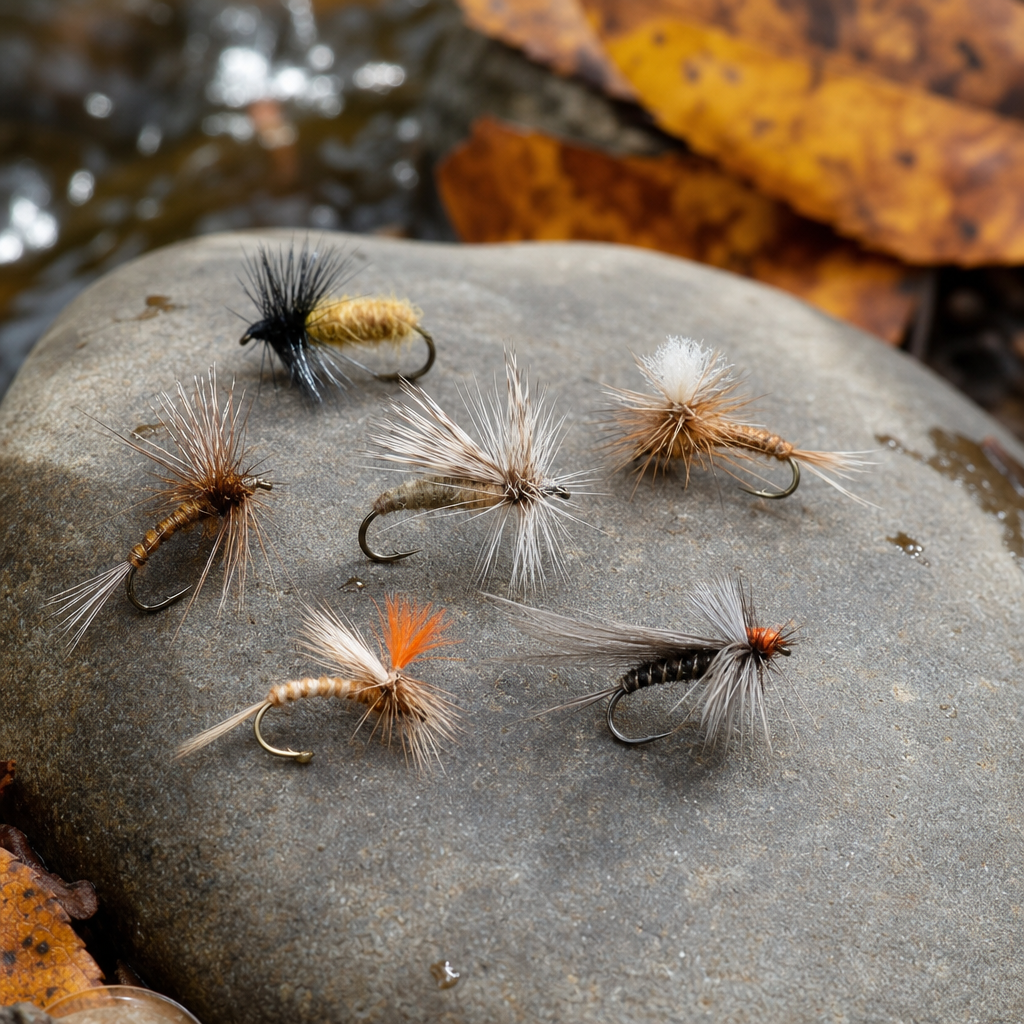
Your fall fly assortment should reflect what fish actually eat between early cooling and pre-winter conditions. In my own boxes, I never start the season without beadhead pheasant tails, hare’s ears, zebra midges, perdigons, caddis pupae, and small baetis nymphs in sizes 16 through 22. For dry flies, parachute Adams, blue-winged olive patterns, elk hair caddis, small terrestrials, and midge clusters cover a wide range of hatches. Streamer boxes should include woolly buggers, sculpin patterns, leeches, zonkers, and articulated baitfish in black, olive, white, and natural brown. Egg patterns also belong in many regional fall kits, especially below spawning runs where legal and ethical use aligns with local regulations.
Color and profile matter more than anglers sometimes admit. Fall water can run low and clear, calling for sparse nymphs and modest streamers, or stained after rain, favoring darker silhouettes and larger movement. Black streamers are famously effective under cloud cover because they create strong contrast. Olive and natural baitfish colors excel in clear water with stable flows. Blue-winged olive hatches often intensify on cool, overcast days, so carrying multiple life stages is smart rather than optional. If you want one rule that consistently improves fall fly selection, match water clarity first, food source second, and fly size third.
Waders, boots, and layered clothing for comfort and safety
Fall comfort is performance. Cold hands reduce knot strength, wet feet shorten sessions, and overheating on a hike in can leave you chilled for the rest of the day. Breathable chest waders remain the most versatile choice because they let you layer according to temperature swings. On early fall afternoons in milder climates, wet wading may still be possible, but a hub article should emphasize versatility, and waders win clearly. Fit matters. You need room for insulating layers without restricting movement or crushing socks, which reduces circulation and makes feet colder.
Layering should start with moisture management. Merino wool or synthetic base layers move sweat away from the skin far better than cotton, which stays damp and accelerates heat loss. Mid-layers can be grid fleece, light puffy insulation, or softshell pieces depending on air temperature and wind. Outer weather protection matters even when you already wear waders. A waterproof wading jacket with a good hood, high collar, and cuff seals protects your core from rain and spray while keeping fly line from snagging on bulky fabric. Simms, Patagonia, Orvis, and Grundens all make purpose-built options with fishing-specific pocket layouts and articulated sleeves.
Boots deserve more attention than most gear lists give them. Felt soles still grip well on many slick rocks, but they are restricted in some states because of invasive species concerns. Rubber soles with carbide or aluminum studs are now the practical standard in many regions. They perform better on muddy banks, leaf-covered trails, and mixed terrain than plain felt. Proper ankle support is valuable in fall because banks get slick, daylight fades earlier, and fatigue increases the chance of a bad step. Neoprene guard socks, quality wool socks, and spare dry socks in the truck are small details that have saved many late-season outings.
| Gear Category | Best Fall Default | When to Upgrade or Change |
|---|---|---|
| Rod | 9-foot 5-weight | Use a 6-weight for streamers, wind, or larger rivers |
| Line | Weight-forward floating | Add sink-tip or intermediate line for streamer and lake fishing |
| Leader | 9-foot 4X or 5X | Shorten and strengthen for nymph rigs or streamers |
| Waders | Breathable chest waders | Add heavier layers for frosty mornings and cold tailwaters |
| Boots | Rubber soles with studs | Choose region-legal traction based on rock, mud, and invasive rules |
Accessories that solve real fall fishing problems
The best fall accessories are the ones that keep you fishing effectively when conditions deteriorate. Polarized glasses remain mandatory, but lens color should match the season. Copper, amber, and rose-based lenses often improve contrast under autumn clouds and low-angle light better than dark gray lenses. A warm hat, fingerless gloves, and a neck gaiter do more than add comfort; they preserve dexterity and reduce heat loss from exposed areas. I strongly recommend carrying a second pair of gloves because once the first pair is soaked from landing fish or handling anchor lines, warmth drops fast.
Pack organization matters more in fall because you often carry more gear than in midsummer. A sling, hip pack, or compact vest should hold indicators, split shot, extra tippet, floatant, sink paste, hemostats, nippers, forceps, and at least one spare leader wallet. Add a waterproof pouch for keys, phone, and licenses. Headlamps become a genuine safety item in autumn due to shorter days, especially if you hike out through wooded public access or finish an evening hatch after sunset. A small thermos, hand warmers, and a microfiber towel also earn their place surprisingly often during cold, wet sessions.
Landing and release tools also change in importance as temperatures drop and fish behavior shifts. A rubber-mesh net supports quick, low-stress releases and reduces tangles with multi-fly rigs. Fish handling is usually less heat-sensitive in cool water than in summer, but spawning fish and pre-spawn fish still deserve careful treatment. Hemostats with a fine tip help remove small midge hooks cleanly. If you fish barbless, release speed improves. If you fish streamers with larger hooks, strong pliers may be worth carrying. None of this is glamorous equipment, but these tools prevent minor problems from stealing prime feeding windows.
How to adapt your setup for rivers, streams, and lakes
Not all fall fly fishing is the same, and gear should reflect where you fish. On freestone rivers, flow fluctuations after rain can make a floating line plus indicator rig the most efficient choice in the morning, then shift you to streamers by afternoon as color enters the water. Tailwaters often demand finer tippet, smaller flies, and more exact depth control because flows are stable and fish see heavy pressure. Small streams usually reward simpler kits: a lighter rod, shorter leaders, compact fly boxes, and enough layering to handle cold hollows and shaded canyons where temperatures lag behind open valleys.
Stillwater gear deserves specific attention because many anglers overlook some of the best fall opportunities on lakes and ponds. Cooling surface temperatures can push trout into more reachable zones, especially during turnover periods when oxygen and forage distribute differently through the water column. An intermediate line, balanced leech or chironomid patterns, and a stripping basket for shore anglers can transform your efficiency. Float tubes and pontoon anglers should pack waterproof insulated layers, because exposure to wind over open water drains heat much faster than river fishing from a gravel bar.
If you are building a fall fly fishing hub for future internal guides, the most useful next-step topics are straightforward: fall trout flies, streamer tactics, blue-winged olive hatch strategy, best fall wading layers, and how to read autumn water. This page gives the gear framework for all of them. Start with a versatile rod, dependable reel, floating line, sink option, layered clothing, safe traction, and fly boxes built around nymphs, baitfish, and late-season dries. Then tune the details to your home water. That approach saves money, reduces clutter, and puts you on the water with equipment that matches how fish actually feed in fall. Build your kit before the first hard frost, check local regulations, and fish the season prepared.
Frequently Asked Questions
What essential fall fly fishing gear should I bring for changing autumn conditions?
Fall fly fishing is at its best when your gear is built around volatility. Unlike summer, when conditions can stay fairly stable for long stretches, autumn often packs cold mornings, warmer afternoons, shifting wind, lower light, and sudden weather changes into a single day. A dependable fall setup starts with the basics: a rod and reel matched to your target species, quality fly line, leaders and tippet in multiple sizes, a practical fly selection, and layered clothing that can adapt quickly. For trout, many anglers rely on a 4- to 6-weight rod that can handle nymphs, streamers, and dry flies if a hatch develops. For bass or larger fish, a 6- to 8-weight often gives better control, especially when casting bigger flies in wind.
Beyond the standard rod-and-reel pairing, fall anglers should pay close attention to line management and presentation tools. Floating line remains the most versatile choice for many scenarios, but sink-tip or full sinking lines can become extremely useful when fish move deeper in colder water or when streamer fishing is the main strategy. Carrying multiple leader lengths and tippet diameters matters because fall fish can feed in very different ways depending on water clarity, pressure, and forage. Add essentials such as nippers, forceps, floatant, split shot, strike indicators, and a landing net. A waterproof pack or sling is especially helpful in fall because extra layers, gloves, and rain gear take up more space than in warmer months.
Clothing is equally important and should be treated as core fishing gear, not an afterthought. Breathable waders, quality wading boots with dependable traction, moisture-wicking base layers, insulating mid-layers, and a waterproof shell help you stay focused and safe. Cold hands can end a good day quickly, so fingerless gloves or lightweight fishing gloves are worth carrying. A warm hat, polarized sunglasses, and dry socks round out a smart autumn kit. In short, the essential fall fly fishing loadout is one that helps you cast effectively, adapt to changing fish behavior, and stay comfortable enough to fish well from the first cold hour of the morning through the last light of the evening.
How does fall weather affect my fly rod, line, and leader choices?
Fall weather changes tackle decisions more than many anglers expect. As air and water temperatures drop, fish often shift between shallow feeding windows and deeper holding water, which means your rod, line, and leader setup should support a wider range of presentations. A moderate-to-fast action rod is often a strong choice in autumn because it gives enough touch for delicate presentations while still offering the backbone needed for weighted flies, longer casts, and windy conditions. Wind is a major factor in fall, especially on open rivers, lakes, and tailwaters, so many anglers prefer a rod with enough power to maintain loop control when weather turns rough.
Line choice becomes especially important as fish feeding patterns change. A weight-forward floating line remains the most flexible option for general trout fishing because it handles dry-dropper rigs, indicator nymphing, and unweighted streamers well. However, fall often brings opportunities to fish larger baitfish patterns, woolly buggers, or other streamers, and that is where a sink-tip line can dramatically improve depth control and consistency. In lakes or deeper runs, a full sinking line may help keep flies in the strike zone longer. For bass in cooling water, a line that helps you slow down and maintain depth can make a major difference as fish become more selective about where they hold.
Leader and tippet decisions should follow water clarity, fly size, and fish mood. Fall water can be exceptionally clear, especially when flows are stable, so longer leaders and finer tippet may be needed for wary trout feeding on smaller insects. At the same time, pre-spawn aggression and baitfish feeding can make fish willing to chase larger flies, in which case shorter, stouter leaders are often better for turnover and control. A good fall angler does not lock into one setup all season. Instead, they carry options and make decisions based on the day’s combination of temperature, light, wind, water depth, and the type of feeding behavior they are seeing.
What flies work best in the fall, and how should I organize my fly box?
Fall fly selection should reflect the season’s transition from broad summer feeding to more concentrated, high-value food sources. Trout, bass, and other game fish often key in on nymphs, minnows, sculpins, leeches, and opportunistic surface food when conditions line up. For trout, a strong fall box usually includes mayfly nymphs, caddis larvae and pupae, midges, stonefly patterns where appropriate, and egg patterns in systems where spawning activity influences feeding. Streamers are especially important in autumn because fish frequently become more territorial and more willing to attack baitfish-style flies. Patterns such as woolly buggers, sculpins, zonkers, and articulated streamers can be extremely productive when presented with intent and variation.
Dry fly opportunities still exist in fall, even if they are less constant than in peak summer. Blue-winged olive patterns, small parachutes, caddis, terrestrials lingering into early fall, and attractor dries can all matter depending on region and weather. On warmer afternoons or during overcast weather, insect activity can surprise you, so it is smart to carry a compact but thoughtful dry fly selection. For bass, fall often means baitfish, crawfish, and leech patterns deserve top billing, with poppers and divers still worth trying during warmer periods or low-light feeding windows. The key is to match your box to realistic seasonal feeding, not just fill it with generic patterns that worked in another month.
Organization matters because fall can require fast adjustments. A well-built fly box should separate nymphs, dries, and streamers clearly so you can change tactics without wasting time in cold conditions. Many anglers benefit from carrying one dedicated box for small bugs and another for larger streamers and warmwater flies. Include multiple sizes and weight options, especially for nymphs and streamers, because depth control is critical in autumn. If your waters see spawning fish or heavy egg presence, keep egg patterns contained in a distinct section so they are easy to find when needed. Efficient organization helps you respond to what fish are doing right now, which is often the difference between a slow day and a highly productive one in fall.
Do I need different waders, boots, and clothing for fall fly fishing?
Yes, and this is one of the most overlooked parts of a good fall fly fishing setup. Many anglers assume they can simply wear their usual gear and add a heavier jacket, but autumn comfort and safety depend on a more deliberate layering system. Cold mornings, chilly water, wind exposure, and rapidly changing weather can turn a casual setup into a miserable one fast. Breathable chest waders remain a smart choice for most fall conditions because they allow you to layer underneath without trapping too much moisture. What changes is what you wear beneath them: moisture-wicking base layers to move sweat away from the skin, insulating fleece or wool mid-layers for warmth, and outer rain protection when needed.
Wading boots are just as important because slippery leaves, algae, cold-numbed feet, and uneven river bottoms can increase fall hazards. Your boots should provide reliable support and traction, whether you prefer felt where legal or modern rubber soles with studs for mixed terrain. Good fit matters more in fall because thicker socks and layered lower-body clothing can affect circulation and comfort. If your feet get cold quickly, consider wool socks and make sure your wader-boot combination does not compress them too tightly. Restricted circulation often makes feet colder, even with better insulation. For anglers covering long distances on foot, stability and ankle support become especially valuable on muddy banks and leaf-covered trails.
Upper-body clothing should be built around flexibility. Start with a synthetic or merino wool base layer, add a fleece or light insulated layer, and top it with a waterproof or wind-resistant shell. Fingerless gloves help with knot tying and line control, while a beanie or brimmed cap can preserve warmth and improve focus. Polarized sunglasses remain important in fall for eye protection and reading water, even under cloud cover. The goal is not to overdress at the truck, but to create a system that keeps you dry, mobile, and prepared. When you stay warm and comfortable, your casting, wading judgment, and patience all improve, which directly affects your success on the water.
What accessories and backup items are most useful for fall fly fishing trips?
Fall rewards anglers who prepare for small problems before they become trip-ending issues. In addition to standard tools like forceps, nippers, and a net, several accessories become especially valuable in autumn. A waterproof jacket is near the top of the list because light rain, sudden wind, and cold spray can quickly drain body heat. Extra leaders, tippet spools, and split shot are also important because fall often involves changing from delicate presentations to heavier nymph rigs or streamers as conditions shift. Strike indicators, floatant, and sink treatments should all be within easy reach if you want to adapt without digging through your pack every few minutes.
Backup clothing and personal comfort items also matter more in fall than in warmer seasons. Pack an