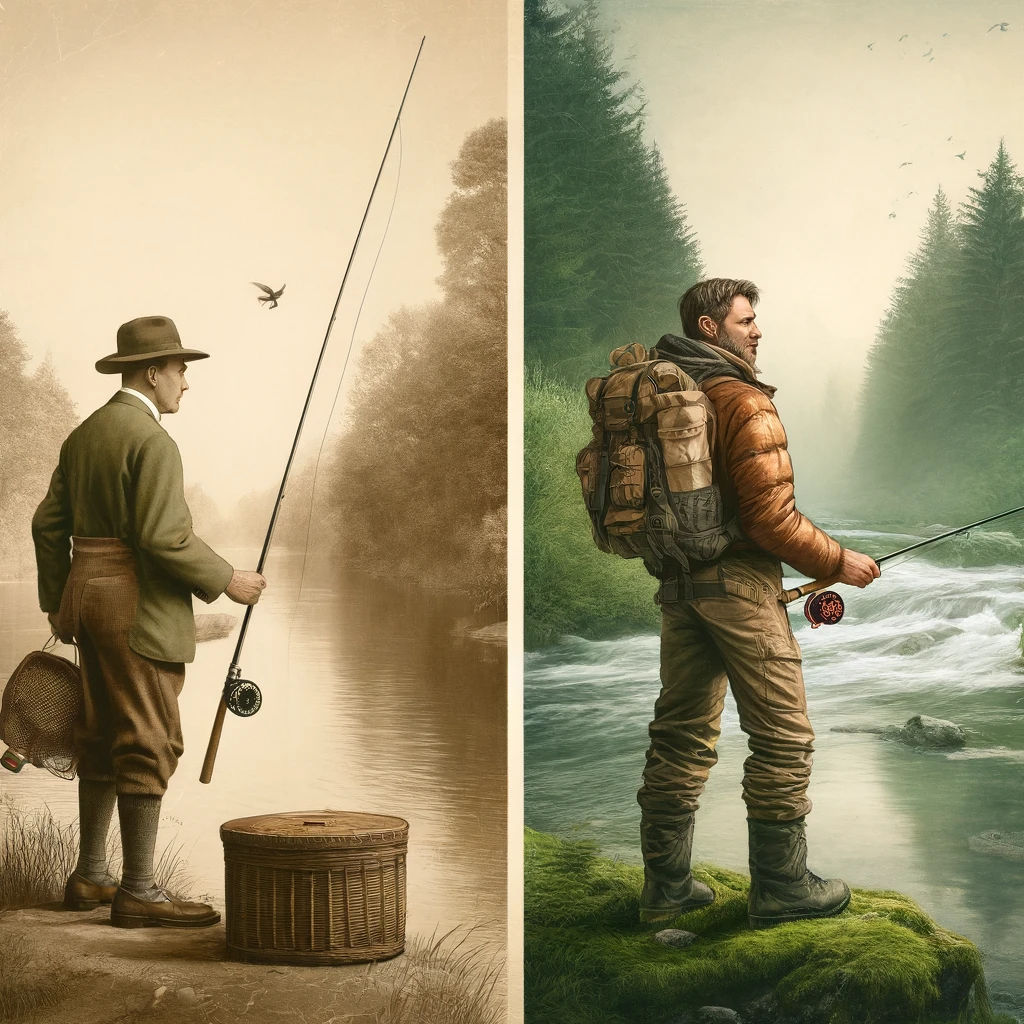
Fly fishing is a captivating and rewarding sport that requires skill, patience, and an understanding of various fishing techniques. While many anglers prefer the calm and serene waters of a slow-moving stream, others seek the challenge and excitement of fly fishing in fast water. Fast water fishing can be particularly exhilarating, as it demands quick reflexes, a sharp eye, and a solid grasp of the underlying principles. In this article, we will dive into the world of fly fishing in fast water, offering valuable techniques and strategies to help you succeed.
Fast water, characterized by its swift currents and turbulent surface, can seem intimidating to the novice angler. However, with the right approach and mindset, even the most turbulent streams can turn into productive fishing grounds. The key lies in understanding how fish behave in such environments and being able to adapt your techniques accordingly. As you read on, you’ll discover the tools and tips necessary to master the art of fast water fly fishing, allowing you to make the most of your time on the water, and ultimately, enhance your overall fishing experience.
Whether you’re new to fly fishing or a seasoned pro looking for a new challenge, this comprehensive guide will provide you with the insights and strategies needed to navigate fast-water scenarios effectively. From choosing the right gear and flies to mastering presentation and reading water currents, we have you covered. Let’s get started on this exciting journey and unlock the secrets of successful fly fishing in fast water.
Understanding Fast Water
To succeed in fast water, it’s crucial to understand what sets it apart from slower, more placid stretches. Fast water is typically found in rivers and streams with steep gradients, where the water flows swiftly and often churns over rocks and other obstacles. This creates a dynamic environment where fish behave differently compared to calmer waters.
One key point to remember is that fish in fast water tend to use less energy. They seek out sheltered spots like eddies, behind boulders, and submerged logs where the current is weaker. These areas allow them to conserve energy while still being close to the main current, which brings food.
Another aspect to consider is water oxygenation. Fast-moving water is usually well-oxygenated, which is beneficial for fish, especially those like trout and salmon that thrive in such conditions. This means that fast water can be incredibly productive, as long as you know where to find the fish.
Additionally, fast water often means clearer water, making fish more wary. Your movements, as well as the presentation of your fly, need to be more precise. Each cast and each step should be meticulously planned to avoid spooking the fish. By understanding these elements, you lay the foundation for a more successful and enjoyable fast-water fishing experience.
Choosing the Right Gear
When it comes to fast-water fly fishing, your gear can make a significant difference in your success rate. The dynamic environment demands equipment that can handle the challenges of swift currents and unpredictable conditions.
Firstly, your rod should be versatile enough to allow for quick, accurate casts yet sturdy enough to manage the force of the current and the fight of a strong fish. A mid-length rod (9-10 feet) with a medium to fast action is typically a good choice. This length provides enough leverage to control the line in faster currents while not being too cumbersome.
Your reel should have a reliable drag system, as fish caught in fast water often put up a strong fight. A smooth, adjustable drag allows you to control the pressure exerted on the fish, reducing the risk of break-offs.
As for the line, a weight-forward floating line is generally recommended. This type of line aids in casting against the wind and making long casts without exerting too much effort. It’s also helpful for achieving proper fly presentation in swift currents.
Lastly, consider your fly selection. Nymphs and streamers are often more effective in fast water than dry flies. Weighted nymphs can get down quickly to the fish’s level, while streamers imitate baitfish, which are a common food source in turbulent water. Be sure to have a variety of patterns and sizes to match the local aquatic insects and baitfish.
Techniques for Fast Water Fly Fishing
Armed with the right gear, it’s time to focus on the fundamental techniques that will make your fast-water fly fishing endeavors successful.
One of the most effective techniques is dead drifting. This involves allowing your fly to drift naturally with the current, mimicking the movement of food sources like insects or small fish. To achieve a good dead drift, cast upstream and allow the fly to drift back towards you, mending the line as needed to counteract any drag.
Another essential technique is called “high-sticking.” This method involves holding your rod tip high to keep your line off the water, helping to reduce drag and achieve a more natural drift. This is particularly useful in fast water, where maintaining control over your fly can be challenging.
In addition, don’t be afraid to use short, controlled casts. The more line you have in the water, the more difficult it is to manage. Short casts allow for better accuracy and control, ensuring your fly lands in the right spot without spooking the fish.
Lastly, practice the art of reading the water. Look for seams where fast and slow water meet, as these are prime feeding spots for fish. Also, pay attention to any surface disturbances or changes in water color, which can indicate underwater structures or variations in depth.
Presentation and Stealth
In fast water, presentation and stealth become even more critical. The speed and clarity of the water mean that fish can be easily spooked, so your approach must be cautious and deliberate.
When presenting your fly, ensure it lands softly on the water’s surface. A noisy splash can alert fish to your presence, sending them darting for cover. Practice your casting to achieve gentle landings, especially when targeting skittish fish.
Stealth also involves your movements in the water. Move slowly and deliberately, avoiding sudden motions that can create waves or disturbances. Wear neutral-colored clothing to blend in with your surroundings, minimizing the chances of being detected by the fish.
Consider using longer leaders and tippets, as these provide a more natural presentation and reduce the visibility of your line. Fluorocarbon tippets are particularly useful in clear, fast water due to their low visibility and high abrasion resistance.
Finally, take advantage of natural cover. Position yourself behind rocks, trees, or other structures to break up your outline and reduce the likelihood of being spotted by the fish. By combining these presentation and stealth techniques, you can significantly improve your chances of a successful catch.
Safety Considerations
Fly fishing in fast water can be thrilling, but it’s essential to prioritize safety. Swift currents and slippery rocks present various hazards that you need to be aware of.
First and foremost, always wear a life jacket or personal flotation device (PFD), especially if you’re wading in deeper or swifter waters. Even experienced anglers can find themselves in dangerous situations, and a PFD can be a lifesaver.
Invest in a reliable pair of wading boots with good traction. Felt-bottomed or rubber-soled boots with metal studs can help you maintain stability on slippery surfaces. A sturdy wading staff can also provide additional support, helping you maintain balance as you navigate the water.
Be mindful of changing water levels and weather conditions. Fast water can rise quickly due to rainfall or snowmelt, creating hazardous conditions. Always check weather forecasts and water levels before heading out, and be prepared to adjust your plans if necessary.
Lastly, fish with a buddy whenever possible. Having someone with you adds an extra layer of safety, as help is readily available in case of an emergency. If you do fish alone, always let someone know where you’ll be and when you plan to return.
Conclusion
Fly fishing in fast water presents unique challenges and demands a higher level of skill and adaptability. However, the rewards can be immense, offering some of the most thrilling and satisfying fishing experiences an angler can have.
By understanding the characteristics of fast water, selecting the appropriate gear, and mastering essential techniques, you can significantly improve your chances of success. Remember to prioritize presentation and stealth, as well as safety considerations, to ensure a productive and enjoyable outing.
The dynamic nature of fast water means that no two days on the river are ever the same. Each trip offers new opportunities to learn, adapt, and grow as an angler. Embrace the challenge, stay patient, and keep refining your skills, and you’ll find that the rewards of fly fishing in fast water are well worth the effort.
So, the next time you find yourself faced with the rush of a fast-moving stream, don’t be intimidated. Armed with the knowledge and strategies shared in this guide, you’ll be ready to tackle the fast water with confidence, precision, and success.