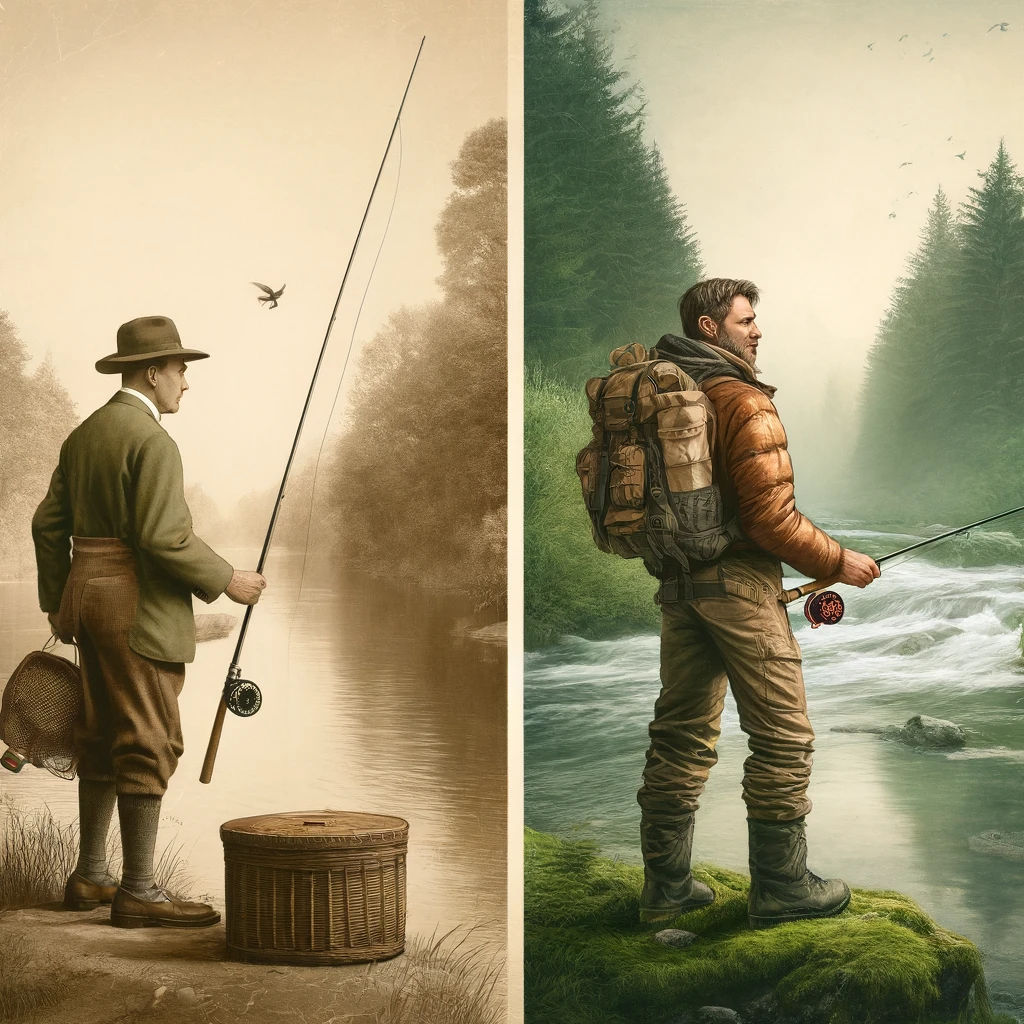
Fly fishing can present a curious mix of challenge and reward, much like solving a puzzle. Among the various methods fishermen use, Euro Nymphing stands out for its simplicity and effectiveness. This technique, honed and perfected by European anglers, is becoming increasingly popular in the United States for good reason. It offers a strategy tailored to catching fish in various water conditions using specialized, high-sensitivity gear.
Introduction
Euro Nymphing is a sub-discipline of fly fishing famous for its efficiency, delicate presentation, and increased catch rate. Unlike conventional fly-fishing techniques, Euro Nymphing allows the angler to maintain direct contact with their fly—resulting in improved sensitivity and responsiveness to strikes. This technique arose in the competitive fishing circuits of Europe, particularly in countries like France and the Czech Republic. By eschewing traditional casting for short, precise drifts close to the riverbed, Euro Nymphing maximizes the amount of time your fly is in the strike zone. The result is a practical but technical method that can drastically improve your fly-fishing results.
For those new to fly fishing or those looking to refine their skills, Euro Nymphing offers an exciting and rewarding challenge. Even seasoned anglers can benefit from this specialized technique. Its principles can be universally applied, whether you are fishing in small streams, large rivers, or even still water. This article aims to provide a comprehensive understanding of Euro Nymphing, covering the essentials from gear selection to advanced techniques. Whether you’re a novice or a seasoned pro, these tips and strategies will give you the edge you need to become proficient in Euro Nymphing.
Understanding the Basics of Euro Nymphing
Euro Nymphing is different from traditional fly fishing in several ways, mainly in its gear setup and fishing strategy. The technique focuses on using weighted flies and a specialized line system to get the nymphs, or flies, down to the riverbed where fish are more likely to feed. Here are the core components:
- Rod: Typically, anglers use longer rods, usually around 10 to 11 feet. The extra length helps in maintaining control over the fly’s drift and assists in quicker strike detection.
- Line: A specialized Euro Nymphing line is used, which is thinner and more sensitive. This helps in reducing drag and enhancing the detection of subtle bites.
- Leader: A long, fine leader—often exceeding 20 feet—is used to aid in presenting the fly naturally.
- Flies: Weighted nymphs such as tungsten beaded flies are commonly used. The weight helps get the fly down quickly to the fish.
The basic casting technique involves a high rod position, keeping most of the line off the water to reduce drag. This setup ensures that the fly drifts naturally with the current, maximizing its time in the strike zone.
Mastering the Drift
The essence of Euro Nymphing lies in achieving the perfect drift. Unlike other forms of fishing where you cast and wait, Euro Nymphing requires active participation throughout the drift. Here’s how you can master it:
- Short Casts: In Euro Nymphing, casts are generally short—often no more than the rod’s length. This allows for better control and accuracy.
- High Rod Position: Maintain a high rod position throughout the drift to keep most of the line off the water, thereby reducing drag.
- Contact with Fly: Focus on maintaining direct contact with the fly during its drift. This means keeping the line taut but not too tight.
- Adjust Depth: Be prepared to frequently adjust your depth, depending on the water flow and where the fish are likely to be feeding.
Proper drift management also involves frequent mends to the line and leader to keep your fly in the optimal position. This nuanced approach ensures that your nymphs behave naturally, which is crucial for enticing wary fish to bite.
Selecting and Using Flies
Choosing the right flies can make or break your Euro Nymphing experience. Typically, weighted nymphs are used, but the specifics can vary depending on the water conditions and the fish you’re targeting. Here, we’ll discuss some go-to flies and how to use them effectively:
- Perdigon Nymph: Streamlined and heavily weighted, this fly is designed to sink quickly and withstand turbulent waters. It’s great for fast currents.
- Frenchie Nymph: Known for its versatility, the Frenchie can be effective in various water conditions. Its flashy design often attracts fish.
- Sexy Walt’s Worm: This is a more natural-looking fly that works well in clear waters where fish are wary.
When Euro Nymphing, always carry a variety of flies to adapt to different conditions. It’s also crucial to understand when to switch flies. If you aren’t getting bites after several drifts, it may be time to change your pattern or color.
Fine-Tuning Your Euro Nymphing Setup
The gear setup in Euro Nymphing can be adjusted for various scenarios to optimize your success. Here are some aspects to consider:
- Leader Length: Adjust your leader length depending on water depth and flow. A longer leader allows a more natural drift but can be harder to control.
- Weight Distribution: Experiment with split shots and weighted flies to get the right balance that suits the fishing conditions.
- Indicator: Some anglers prefer using an indicator for better strike detection, though purists often go without one to maintain direct contact with the fly.
Fine-tuning your setup involves constant adjustments. Pay attention to how your rig performs and be willing to make small tweaks to improve your drift and presentation.
Common Challenges and How to Overcome Them
Euro Nymphing isn’t without its challenges. From managing long leaders to dealing with complex water conditions, it demands a high level of skill and attention. Here are some common obstacles and solutions:
- Line Tangling: Long leaders can easily tangle. Keep your casts short and efficient to minimize tangles.
- Detecting Strikes: The sensitivity of Euro Nymphing makes detecting subtle strikes crucial. Focus on maintaining contact with the fly and watching for any irregularities in the drift.
- Dealing with Wind: Wind can make it difficult to maintain a high rod position. In such conditions, adjust your casting angle and be prepared to mend more frequently.
Persistence and practice are key. The more you fish, the more attuned you will become to the subtleties of Euro Nymphing.
Conclusion
Euro Nymphing has breathed new life into the art of fly fishing, offering a blend of precision, sensitivity, and adaptability. This sophisticated technique, rooted in the competitive fishing landscapes of Europe, provides anglers with a unique set of tools to increase their catch rates dramatically. By focusing on direct contact with the fly and mastering short, controlled drifts, anglers can significantly elevate their fishing experience.
Whether you’re standing in a gently flowing stream or battling currents in a fast river, Euro Nymphing equips you with the strategies needed to succeed. From selecting the right gear to fine-tuning your drift, every aspect of this technique is designed to maximize your chances of landing fish. The high rod position and minimal line on the water might seem counterintuitive at first, but these elements are crucial for reducing drag and improving strike detection.
If you’re new to Euro Nymphing, start with the basics—understand your gear, practice your drifts, and pay attention to your fly selection. As you gain experience, you’ll develop the intuition to make on-the-fly adjustments, enhancing both your skills and enjoyment. For seasoned anglers, the advanced techniques and nuanced adjustments offer fresh challenges and significant rewards.
Fly fishing is as much about the journey as it is about the catch. Euro Nymphing enriches that journey, adding layers of strategy and skill that make every moment on the water more engaging. So the next time you pick up your rod, consider trying Euro Nymphing. You’ll likely find that this refined technique brings a new and exhilarating dynamic to your fly-fishing adventures.