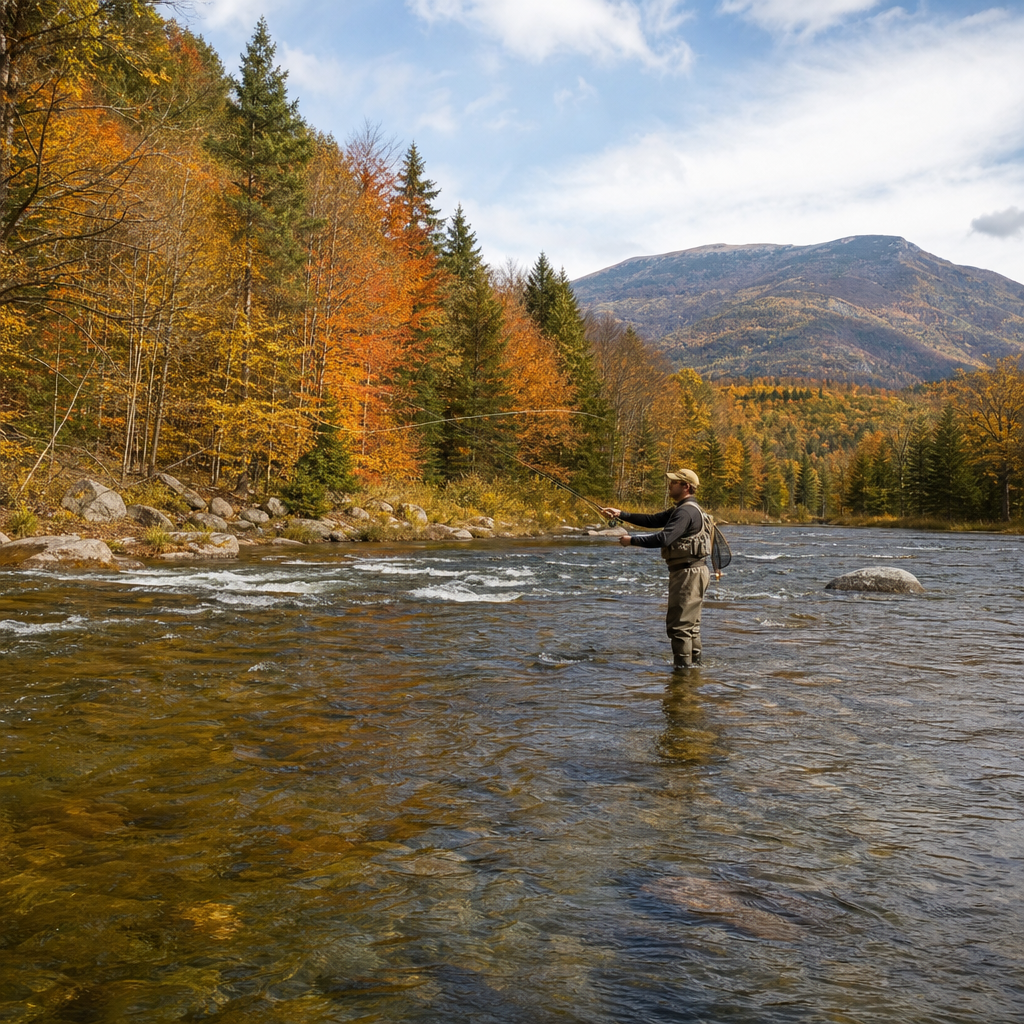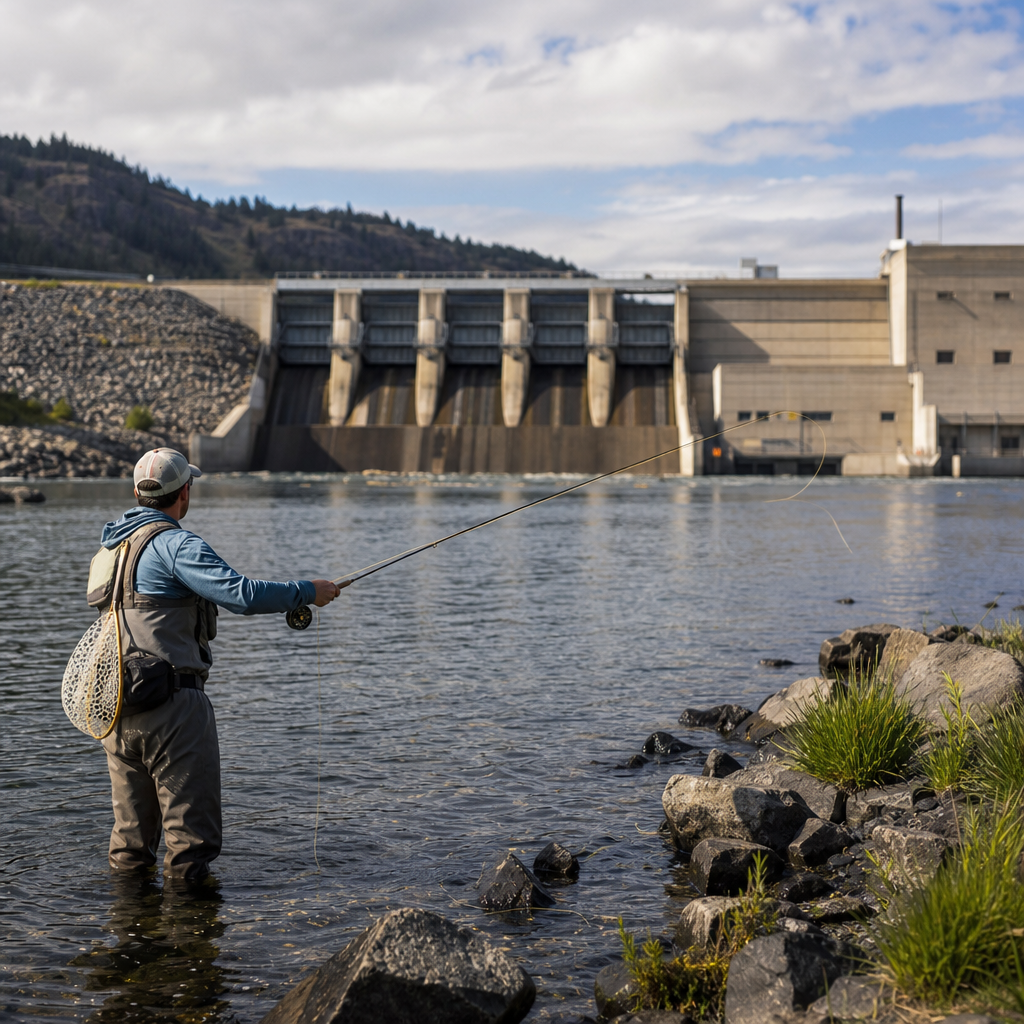
Fly fishing in dam-impacted rivers demands a different mindset than fishing free-flowing water because current, temperature, clarity, and insect activity can change by the hour based on release schedules rather than weather alone. A dam-impacted river is any tailwater or regulated stream where upstream infrastructure controls flow volume, timing, and often water temperature. Special conditions in this context include hydropeaking, sudden water-level rises, cold hypolimnetic releases, fluctuating dissolved oxygen, sediment pulses, and unnatural daily current swings. For anglers, those conditions shape where trout hold, what they eat, how safely you can wade, and when a productive run turns empty. I have spent many days on Western tailwaters, southeastern hydropower rivers, and low-gradient regulated trout streams where a generation pulse transformed a calm gravel bar into a hazardous channel in minutes. The anglers who do best are rarely the ones with the largest fly boxes; they are the ones who read the release pattern, understand the river’s hydraulic structure, and adapt their presentation before the river forces them to. This article serves as a hub for special-condition fly fishing by explaining the core mechanics of dam-impacted systems, the tactics that consistently work, the gear adjustments that matter, and the safety decisions that should always come first.
How Dam Operations Change Trout Behavior and River Structure
The first question most anglers ask is simple: what makes fly fishing in dam-impacted rivers different from ordinary river fishing? The answer is regulation. In a freestone river, flow usually rises and falls with storms, snowmelt, and seasonal groundwater input. In a regulated river, dam managers may release water for hydropower, irrigation, flood control, municipal supply, or ecological targets, and each purpose creates fishable patterns and disruptions. Tailwaters below deep reservoirs often run colder and more stable in summer because water is drawn from the reservoir’s lower layers. That can produce exceptional trout growth and year-round insect hatches, as seen on famous systems like the Green River below Flaming Gorge, the South Holston, and the White River. However, the same stability can be deceptive because daily peaking cycles reposition fish repeatedly.
Trout in these rivers respond less to broad weather trends and more to microhabitat changes. When discharge rises, soft edges shrink, mid-river shelves disappear, and fish slide toward banks, behind structure, or into slower seams just off the main current. When discharge drops, trout often spread back across gravel bars, riffle tails, and feeding lanes that were previously too fast. The insect community changes too. Stable cold releases favor midges, sowbugs, scuds, blackflies, and small mayflies; nutrient-rich tailwaters can produce dense drift that keeps trout feeding selectively. But abrupt peaking can interrupt emergence windows and increase drift volume, turning fish opportunistic for short periods. Anglers who understand these patterns stop thinking of a run as fixed water. In regulated rivers, every bucket, seam, and foam line is temporary, and strategy begins with predicting what the next release will do to the holding water in front of you.
Reading Release Schedules, Flow Data, and Water Temperature
If there is one habit that consistently improves success, it is checking flow information before leaving home and again before stepping into the river. Most dam-impacted rivers publish release schedules through the U.S. Army Corps of Engineers, Bureau of Reclamation, local power utilities, or river management agencies. Real-time and historical discharge data are often available through USGS gauges. Use both sources. Schedules tell you intended generation or release windows, but gauges show what the river actually did. Wind demand, power-market shifts, maintenance, spill, and unannounced operational changes can all alter the plan.
Look at three variables together: cubic feet per second, stage height, and temperature. Cubic feet per second tells you the volume moving downstream. Stage height tells you how much vertical rise that volume creates at your access point, which matters because some channels spread slowly while others rise fast across broad gravel bars. Temperature affects fish metabolism and hatch timing. In many tailwaters, a two- to four-degree change can move trout from lethargic bottom-holding to active feeding, especially during shoulder seasons. On summer tailwaters, 48 to 55 degrees Fahrenheit often supports long feeding windows, while warmer regulated rivers may fish best during the coolest morning periods if releases are not strongly bottom-drawn.
One practical rule I use is to map how long it takes a release pulse to reach each access. Water generated at the dam may not affect your section for thirty minutes, two hours, or more depending on distance and channel shape. Local fly shops often know this timing precisely. Keep notes on your phone after every trip: dam release start time, gauge increase time, first visible edge loss, and when fish repositioned. After a few outings, you will have a far better planning tool than a generic forecast.
Where to Find Fish at Low, Moderate, and Rising Flows
Location is the central tactical problem in special-condition fishing. During low stable flows, trout commonly occupy classic feeding water: riffle seams, tailouts, gentle drop-offs, weed lanes, and gravel transitions where current brings constant food without excessive energy cost. Sight-fishing is often best in this window, especially on clear tailwaters with technical dry-fly opportunities. Long leaders, fine tippet, and controlled approach matter because low releases usually mean reduced depth and little cover.
At moderate flows, many dam-impacted rivers fish at their most versatile. Trout can spread into more lanes, drift boats gain access, and nymphing, streamer fishing, and dry-dropper rigs all become viable. Focus on transition water where fast current meets walking-speed flow. Fish hold on the soft side of ledges, behind boulders, along submerged grass edges, and inside broad seams that form where the main channel bends. This is also when side channels and bank shelves can become highly productive because drifting food is concentrated there.
Rising water changes the map quickly. Trout generally do not want the fastest current in a generation pulse; they want refuge with food delivery. Fish the margins first: flooded banks, soft pockets behind root wads, eddies below islands, back-current cushions behind rocks, and the inside of bends. In some hydropeaking rivers, the best fishing during a rise occurs surprisingly close to shore because worms, scuds, sowbugs, and dislodged nymphs wash from vegetation and cobble into newly formed edges. Streamer anglers should target these ambush lanes aggressively. Wade anglers should also remember that fish may occupy water too shallow to look important. On more than one peaking river, I have watched quality trout slide into knee-deep soft water as the center channel became pushy and sterile.
Effective Rigs, Flies, and Presentations for Regulated Water
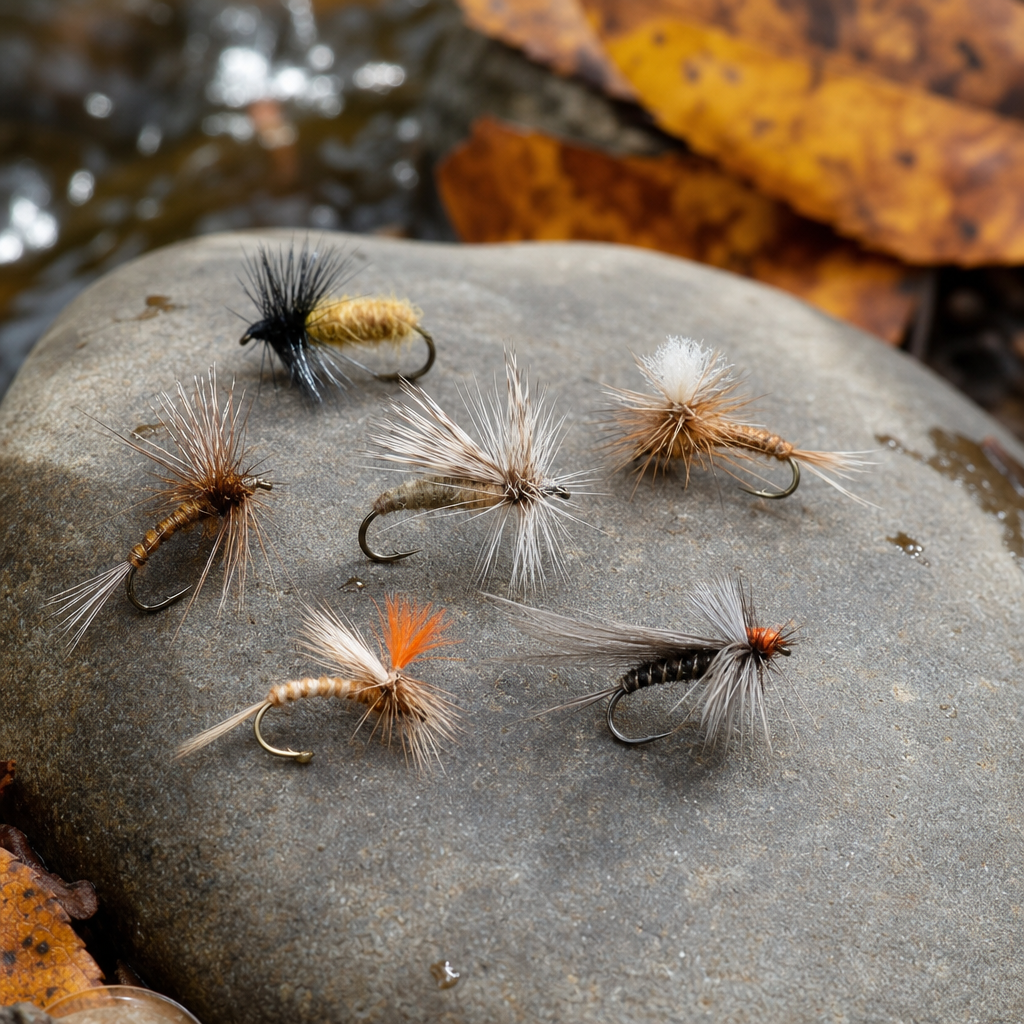
Successful fly selection in dam-impacted rivers is less about novelty and more about matching the dominant food base created by stable cold water and altered drift. On many tailwaters, small subsurface patterns catch fish every month of the year. Zebra midges, RS2s, pheasant tails, thread midges, blackfly larvae, scuds, sowbugs, and tiny baetis nymphs belong in every box. Where flows fluctuate and substrate is rich, San Juan Worms and egg patterns can be highly effective, especially during release changes, spawning periods, or substrate disturbance. Streamers become important whenever rising water reduces visibility, pushes baitfish from cover, or triggers territorial behavior.
Rigging should match both depth and current speed. Under low clear flows, I prefer longer leaders, smaller indicators or tight-line setups, and split shot sized as lightly as possible so the drift remains natural. In deeper moderate flows, a two-fly nymph rig with adjustable weight covers the widest range of holding depths. During generation pulses, add enough mass to maintain contact near the bottom but shorten the distance between indicator and flies so the rig stays manageable in turbulent seams. Dry-fly windows can be exceptional on regulated rivers, especially during midge clusters, blue-winged olive emergences, caddis events, and terrestrial falls, but they are often narrow. Be ready to switch quickly rather than forcing dries through a subsurface feeding period.
| Condition | Best Holding Water | Recommended Flies | Presentation Priority |
|---|---|---|---|
| Low clear flow | Riffle seams, tailouts, weed edges | Midges, RS2, small baetis nymphs | Long drifts with light tippet |
| Moderate stable flow | Ledges, buckets, broad seams | Scuds, sowbugs, pheasant tails, caddis larvae | Depth control and consistent bottom contact |
| Rising generation pulse | Bank edges, soft pockets, inside bends | Worms, eggs, streamers, larger attractor nymphs | Target soft refuge water tight to structure |
| Falling water | Reopening gravel bars and riffle tongues | Midges, emergers, small dries | Cover expanding feeding lanes methodically |
Presentation matters more than pattern on pressured tailwaters. Achieve a dead drift first. If fish refuse standard nymph rigs, reduce indicator splash, lengthen the leader, drop fly size, or switch to an unweighted or lightly weighted point fly. For streamers, use the current instead of fighting it. Quarter casts, downstream swings, and short strips along flooded edges regularly outproduce heroic casts into the main push. The river is telling you where fish can comfortably feed; your rig should enter that lane cleanly and stay there long enough to matter.
Safety, Access, and Ethical Fishing in Special Conditions
The most important strategy in dam-impacted rivers is knowing when not to wade. Sudden releases can strand anglers on bars, cut off return routes, and turn shin-deep crossings into dangerous channels. Wear a wading belt, carry a staff, and identify your exit path before stepping away from shore. If the river is scheduled to rise, fish with the rise in mind rather than waiting to react to it. I treat any unexplained increase in turbidity, floating debris, or shoreline creep as a warning to move immediately. Water often arrives at the edges before the mid-channel change looks dramatic from where you stand.
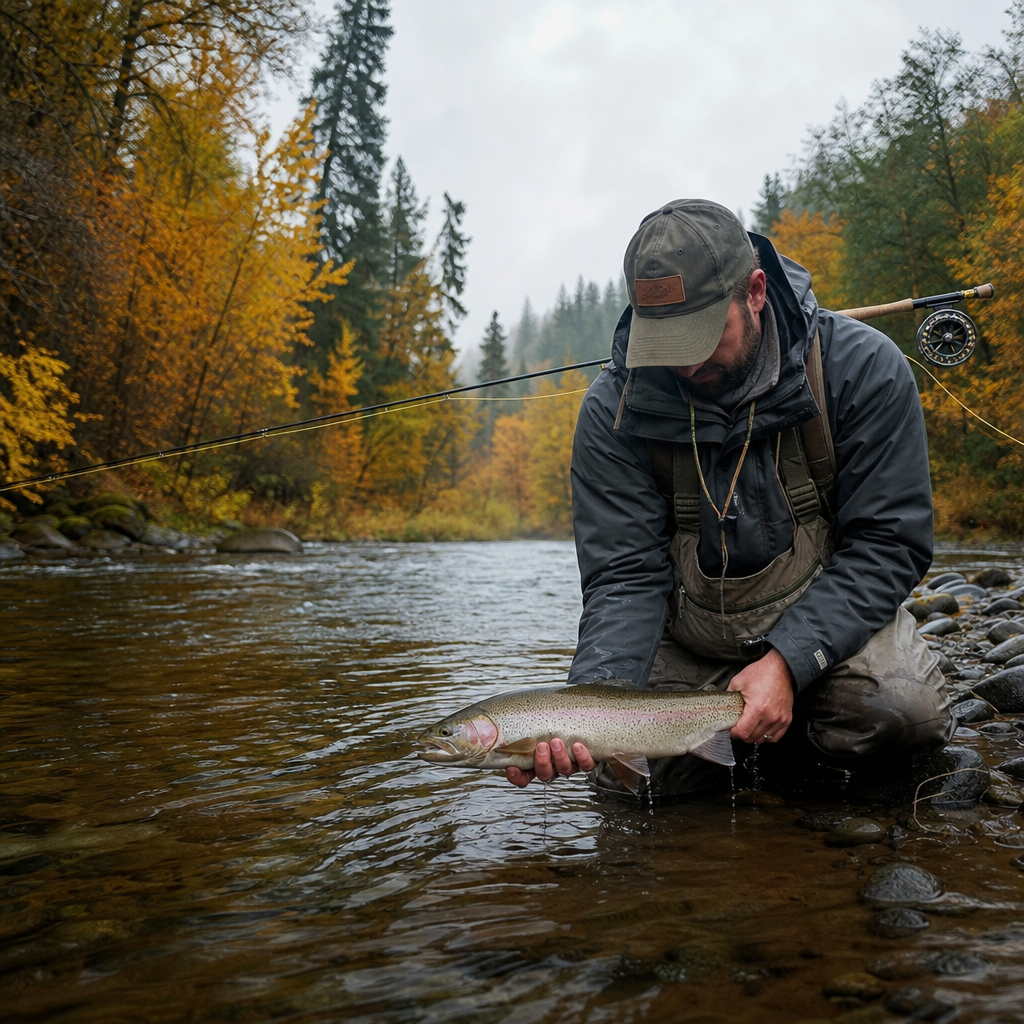
Access rules also vary widely. Some regulated rivers include private-bank sections, powerhouse exclusion zones, seasonal spawning closures, or mandatory life-jacket requirements for boaters during generation. Check local regulations every trip, not just once per season. Ethical fishing matters even more on productive tailwaters because concentrated trout populations can attract heavy pressure. Avoid repeatedly casting to redds, give anchored or wading anglers room in narrow runs, and handle fish quickly in warm periods or low dissolved-oxygen events. In heavily stocked tailwaters, harvest rules may differ by section, but selective release of larger holdover trout usually supports the quality that makes these rivers famous.
As a hub for special conditions, this topic connects directly to fishing during high water, low clear flows, cold snaps, heat stress, and sudden turbidity events. The common thread is adaptation. On dam-impacted rivers, success comes from understanding why the river changed, how fish respond, and what adjustments keep you both effective and safe. Check release data, learn the travel time of flow pulses, fish the soft water that forms around change, and let conditions dictate your rig instead of habit. Do that consistently, and regulated rivers stop feeling unpredictable. They become readable systems with repeatable opportunities. Before your next trip, review the gauge, call a local shop, and build your plan around the river the dam will create that day.
Frequently Asked Questions
What makes fly fishing in a dam-impacted river different from fishing a free-flowing river?
Fly fishing in a dam-impacted river is fundamentally different because the river is being shaped by infrastructure, not just by natural weather patterns and seasonal runoff. In a free-flowing stream, anglers can often predict water levels, temperature trends, insect activity, and fish positioning based on recent rain, snowmelt, sunlight, and time of year. In a tailwater or regulated river, those same factors still matter, but dam operations frequently override them. Release schedules can increase or decrease flow within hours, alter current speed across entire runs, change water clarity, and shift water temperature dramatically depending on whether the dam is releasing from the surface or from deeper, colder layers.
That means trout and other gamefish in dam-impacted rivers often behave according to hydropower generation, irrigation demands, flood-control releases, or reservoir management goals rather than the more stable rhythms anglers expect elsewhere. One hour, fish may be feeding in soft seams and shallow riffles under low flow; the next, rising water can push them tight to banks, into eddies, behind large structure, or into deeper holding water. Aquatic insect hatches can also become less predictable when cold hypolimnetic releases suppress water temperatures or when flow pulses interrupt emergence. Successful anglers adjust by watching release data, understanding how flow changes reposition fish, and treating each outing as a dynamic system rather than a static river. In short, fishing regulated water well is less about simply reading classic trout habitat and more about reading the relationship between dam operations and river response.
How do release schedules and hydropeaking affect fish behavior and fly selection?
Release schedules are one of the most important variables in a dam-controlled river because they influence virtually every part of the fishing equation. Hydropeaking, in particular, refers to rapid flow increases and decreases caused by hydropower generation, and it can transform river conditions in a very short period of time. When flows rise quickly, fish often stop feeding aggressively in exposed current lanes and shift toward refuge water where they can conserve energy. Look for soft inside seams, current breaks behind boulders, slower edges near the bank, side channels, and transition zones where heavy current meets calmer water. When releases taper off and the river drops, fish may slide back into riffles, buckets, ledges, and feeding lanes where drifting insects become easier to intercept.
These changes should influence fly selection just as much as presentation. During stable, fishable low flows, matching insect activity with nymphs, emergers, dries, or small streamers often makes sense, especially if fish have time to settle into regular feeding behavior. During active generation or quickly rising water, larger and more visible subsurface patterns are often more effective because fish have less time to inspect a fly and may respond better to food items that stand out in stronger current or reduced visibility. Heavier nymph rigs, anchor flies, worm patterns, egg patterns where appropriate, sculpin imitations, and streamers can all become productive during or immediately after a flow change. The key is to think less in terms of a fixed hatch chart and more in terms of what fish can realistically see, reach, and eat under changing current speed, depth, and clarity. Anglers who align fly choice with flow phase instead of just season usually perform much better on regulated water.
How should I approach safety when water levels can rise suddenly below a dam?
Safety should be a top priority on any dam-impacted river because flow changes can happen fast, and even modest releases can dramatically increase current strength, depth, and wading risk. Before you fish, check official release schedules, generation forecasts, and river gauge data, but do not treat those resources as guarantees. Schedules can change due to power demand, weather events, emergency operations, or reservoir management decisions. If the river has sirens, lights, warning signs, or marked evacuation routes, take them seriously. Many dangerous situations happen when anglers assume they have more time than they actually do.
On the water, continuously monitor your surroundings. A sudden change in shoreline coverage, debris movement, current speed, or the sound of increasing water can signal an incoming release. If you are wading on gravel bars, islands, side channels, or broad flats, always know your exit path before conditions change. What is ankle-deep on the way in can become thigh-deep, fast, and unsafe on the way out. Avoid wading farther than necessary, especially in rivers known for hydropeaking. Fish from the bank when possible during uncertain release windows, and use a wading staff and properly fitted wading belt if you do enter the water. It is also smart to fish with a partner in unfamiliar regulated systems.
One of the best safety habits is to plan your session around flow stability instead of trying to maximize time in the river regardless of conditions. If a major release is expected, position yourself where rising water will not trap you, or simply wait until flows stabilize. Dam-impacted rivers can be exceptionally productive, but no fish is worth gambling against a fast-rising tailwater. The most experienced anglers below dams are usually the ones who are disciplined enough to leave the water early rather than react late.
What are the best tactics for reading water and locating fish in a regulated tailwater?
Reading water in a regulated tailwater requires you to combine classic trout-stream logic with an understanding of how controlled flows alter holding and feeding structure. Start by identifying whether the river is in a low, stable period, a rising phase, a peak release, or a dropping phase. Fish position differently in each one. Under low and stable flows, expect trout to use defined feeding lies such as seams, riffle transitions, drop-offs, undercut banks, weed edges, and tailouts where food drifts predictably. In these conditions, fish may spread out more and feed in shallower water than many anglers expect.
As water rises, the best holding water often shifts closer to the bank and into areas with reduced current stress. Fish seek places where they can avoid fighting the main push while still intercepting food. That often means softer edges, back eddies, flooded margins, downstream pockets behind structure, and the inside bends of runs. During high generation, many anglers make the mistake of casting to obvious heavy current that looks “fishy” from a distance, when the real productive water is the narrow cushion of manageable flow adjacent to that current. The fish are usually where they can save energy, not where the current looks dramatic.
Depth control is equally important. In regulated rivers, a few inches of depth change can determine whether your flies drift through a feeding lane or pass above inactive fish. Adjust split shot, indicator placement, leader length, and casting angle as flows change. Longer drifts are not always better; often, short controlled drifts through compact soft water produce more consistent results. If insect activity is limited by cold releases, nymphing may dominate for much of the day, but do not ignore streamer opportunities when flow changes dislodge baitfish, sculpins, or large food items. Productive tailwater anglers are methodical: they watch current speed, identify soft structure within changing flows, and constantly refine depth and drift to match what the river is doing right now, not what it was doing an hour ago.
How do water temperature and clarity changes influence timing, insect activity, and overall strategy?
Water temperature and clarity are major strategic factors in dam-impacted rivers because both can change independently of local weather. In many tailwaters, cold hypolimnetic releases from deep in the reservoir create water temperatures that remain cooler and more stable than nearby freestone systems. That can be beneficial for trout survival and year-round productivity, but it also changes the pace and timing of insect development. Hatches may occur later, be more compressed, or become less intense if water stays unusually cold. Fish may feed heavily subsurface for long periods, making nymphing and emerger presentations more consistently reliable than waiting for obvious surface action.
Clarity can be just as important. Some dam releases run remarkably clear, which can make fish selective and leader-shy, especially under low stable flows and bright light. In that situation, longer leaders, finer tippet, smaller flies, and more precise drag-free drifts often matter. On the other hand, fluctuating releases, turbine startup, tributary inputs, or sediment disturbances can reduce visibility. Slightly stained water often improves streamer and larger nymph fishing because fish feel more secure and have less time to inspect a fly. Heavier or higher-contrast patterns may outproduce tiny imitations when visibility drops.
Timing your trip around these variables can dramatically improve success. Early and late in the day may still be productive, but on cold-release rivers the best fishing sometimes aligns more closely with flow stability and mid-day temperature moderation than with low-light periods alone. Watch for subtle clues: midges clustering in soft water, small mayflies emerging in slower edges, fish rising briefly in sheltered slicks, or a sudden improvement in subsurface takes as water warms a degree or two. The broader lesson is that strategy in a regulated river should be built around real-time conditions rather than assumptions. If temperature is suppressing surface activity, fish deeper. If clarity is exceptional, scale down and refine presentation. If stained water arrives with increased flow, consider larger profiles and more aggressive patterns. Adapt