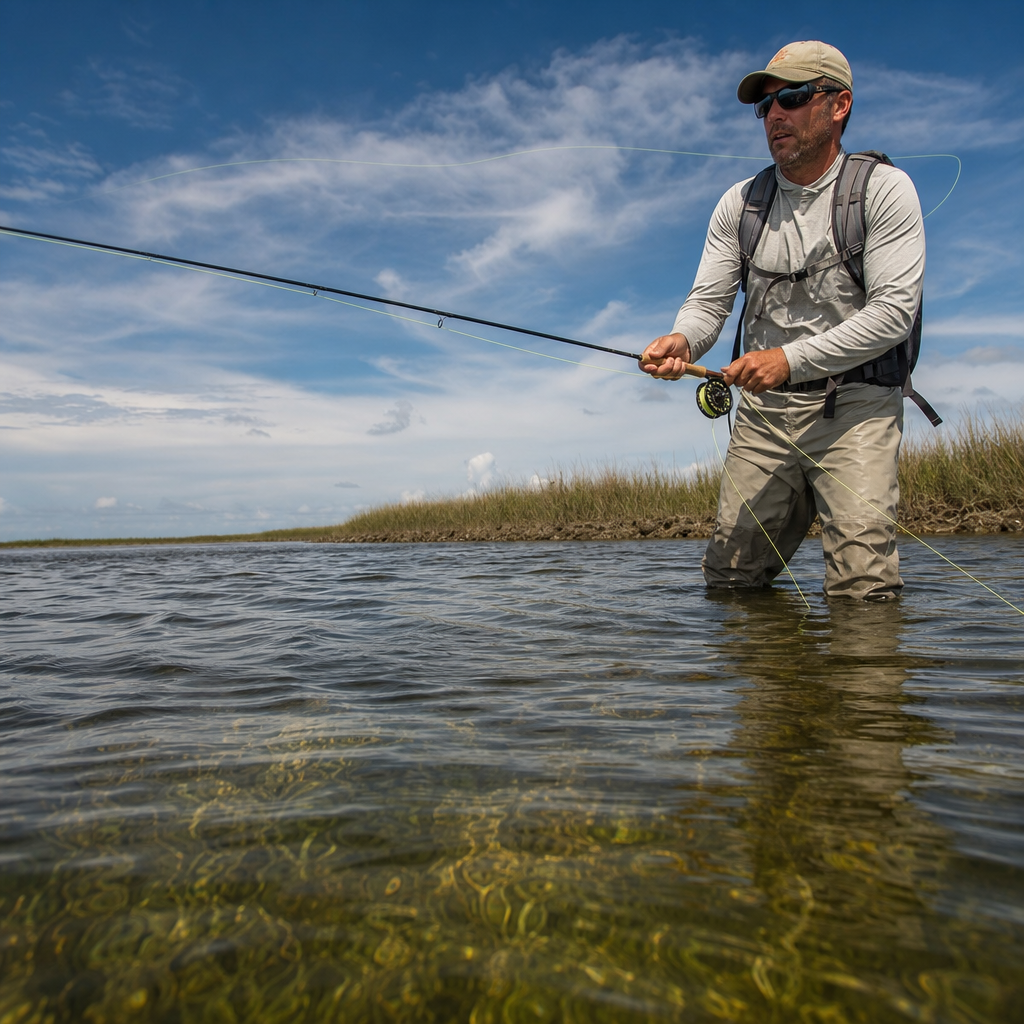
Fly fishing in brackish waters sits at the intersection of freshwater finesse and saltwater strategy, and that mix is exactly why it challenges and rewards anglers. Brackish water is water with salinity between freshwater and seawater, usually found in estuaries, tidal creeks, mangrove shorelines, delta channels, and coastal marshes where rivers meet the sea. In these transition zones, species from both environments overlap, bait concentrates, tides reshape feeding windows, and conditions change faster than many anglers expect. I have fished these systems in Gulf marshes, Atlantic back bays, and river mouths, and the same lesson holds everywhere: success comes from reading movement, salinity, and structure together rather than treating the water like a lake or a surf flat.
That matters because brackish environments are among the most productive fisheries on the planet. Nutrients wash in from upstream, tides deliver oxygen and forage, and shallow habitat creates nurseries for shrimp, crabs, mullet, glass minnows, and juvenile baitfish. Predators follow. Depending on region, a fly angler may encounter striped bass, redfish, sea trout, flounder, snook, schoolie tarpon, black drum, ladyfish, white perch, and even largemouth bass holding surprisingly close to saline influence. The opportunity is broad, but so is the complexity. Water clarity can swing from clear to coffee-colored in hours. Current direction reverses. Wind stacks water. Salt accelerates corrosion. Fish position differently on flood and ebb tides. A good brackish-water approach therefore requires specialized gear, adaptable presentation, and a working understanding of how special conditions shape feeding behavior.
As a hub for special conditions, this article covers the core principles that make brackish fly fishing productive across seasons and locations. The essential idea is simple: fish where food is forced to move, choose tackle that handles wind and current without sacrificing presentation, and match fly size, depth, and retrieve speed to the prey fish are actively hunting. Everything else builds from those fundamentals. If you can interpret a tide chart, identify salinity breaks, and keep your gear protected from salt, you can fish these waters efficiently whether you are wading a marsh drain, poling a skiff along spartina edges, or casting from a jetty into a moving river mouth.
Brackish fly fishing also rewards anglers who think in systems. Instead of asking only where fish are, ask what the tide is doing to bait, what recent rain has done to salinity, and how light levels affect ambush points. That mindset turns a difficult-looking expanse of reeds, mud, channels, and current seams into a readable map. Once you understand the system, the gear and techniques become logical rather than complicated.
How Brackish Water Changes Fish Behavior
The first key to fly fishing in brackish waters is understanding that salinity is not uniform. It shifts with rainfall, upstream flow, tide strength, wind direction, and depth. After heavy rain, upper estuaries may freshen dramatically, pushing species like sea trout or snook lower in the system while drawing striped bass, white perch, and bass farther down than usual. During dry periods, salt wedges can push miles upstream, and fish that normally hold near an inlet may spread through creeks and back channels. In practice, this means yesterday’s productive bank can be empty today for reasons that have nothing to do with lure choice.
Tides are the main engine. On a flooding tide, fish often push shallow to feed on newly accessible shrimp, crabs, worms, and baitfish around grass edges, oyster bars, mangrove roots, and flooded mud flats. On an ebb tide, that food drains out through cuts, creek mouths, ditches, and troughs, concentrating predators in predictable choke points. If I had to choose one universal pattern for brackish fly fishing, it would be the last half of the outgoing tide around marsh drains. Bait is forced through narrow openings, fish stack on down-current edges, and a well-placed fly can drift naturally into the strike zone.
Water clarity matters as much as salinity. In clear brackish water, fish can track small, sparse flies and subtle retrieves, especially under bright skies. In stained water, profile and vibration matter more than fine detail, so larger baitfish patterns, weighted shrimp, and darker silhouettes outperform delicate presentations. Temperature adds another layer. Shallow marsh water may warm quickly on sunny winter afternoons, concentrating redfish and black drum in mud-bottom ponds, while summer heat can reduce oxygen in backwater corners and push fish toward current-rich channels and tidal passes.
Current seams, not just visible structure, are the real highways. Look for places where fast water meets slow water, where a creek enters a larger basin, or where wind-driven chop collides with tidal flow. Predators save energy by sitting just outside heavy current and intercepting food as it sweeps past. A fly angler who learns to cast across or slightly up-current and control the swing will catch more fish than one who simply blind-casts shoreline after shoreline.
Best Gear for Brackish-Water Fly Fishing
A versatile brackish setup balances power, corrosion resistance, and presentation. For most situations, an 8-weight rod is the best starting point because it handles wind, throws weighted flies, and still protects tippets for schoolie-sized fish. In lighter marsh creeks or where species run smaller, a 6- or 7-weight works well. For larger striped bass, snook, slot redfish in stiff wind, or juvenile tarpon around inlets, a 9-weight gives better line control and lifting power. Fast-action rods are useful because brackish environments often demand quick shots, narrow casting lanes, and tight loops under wind pressure.
Reels matter more here than many freshwater anglers assume. You need a sealed drag or at minimum a well-shielded drag system, anodized construction, and enough backing for surprise runs. Salt and silt can ruin unprotected internals quickly. Trusted examples include the Lamson Litespeed, Hatch Finatic, Nautilus X-Series, and Orvis Mirage. Whatever reel you use, rinse it after every trip with low-pressure fresh water and let it dry before storage. I have seen solid reels fail not from one dunking but from repeated neglect.
Lines should match the depth and current. A weight-forward floating line covers shallow flats, flooded grass, and surface-feeding fish. An intermediate line is often the most useful single choice in open estuary water because it cuts surface chop, tracks better in wind, and keeps shrimp and baitfish flies in the top few feet where many predators feed. Sink-tip lines help in deeper channels, river mouths, and colder conditions when fish hold lower. Tropical-core lines are best in hot climates; coldwater lines stay supple for northern estuaries in spring and fall.
| Condition | Recommended Line | Typical Fly Style | Main Advantage |
|---|---|---|---|
| Flooded grass or shallow flat | Floating | Unweighted crab, shrimp, small baitfish | Quiet presentation and easy mending |
| Open bay, creek mouth, light chop | Intermediate | Clouser, Deceiver, shrimp patterns | Better contact and depth control |
| Deep channel, strong ebb, cold water | Sink tip | Weighted baitfish, larger Clouser | Reaches fish holding near bottom |
Leaders should be simpler than many trout anglers expect. A 7.5- to 9-foot leader tapered to 12- or 16-pound fluorocarbon handles most brackish situations. Step up to 20-pound for oysters, mangroves, larger stripers, or snook. Fluorocarbon resists abrasion and sinks slightly, which helps with subsurface flies, though nylon can be useful with topwater patterns. Carry hemostats, a stripping basket for current or surfy shorelines, polarized glasses in copper or amber lenses, and footwear that handles mud, shell, and slick banks safely.
Effective Techniques, Fly Selection, and Seasonal Special Conditions
The most effective brackish technique is rarely a long blind retrieve. Instead, use short controlled presentations aligned with current. Cast quartering up-current, allow the fly to sink or drift naturally, then animate it with strips that match the prey. Shrimp patterns usually work best with short twitches and pauses. Baitfish flies often produce on two-strip bursts followed by a stall. Crab flies are more specialized; they shine when fish tail or root along bottom edges, and the best retrieve is often almost no retrieve at all.
For fly selection, proven standards consistently outperform novelty. A chartreuse-and-white Clouser Minnow remains one of the best brackish flies ever designed because it casts reasonably well, rides hook point up around shell and grass, and imitates many prey forms. Lefty’s Deceiver, EP baitfish patterns, spoon flies for redfish, and shrimp imitations such as the Gotcha, Veverka’s Mantis Shrimp, or local marsh variants cover most scenarios. In stained water, black-purple, tan-orange, and root beer tones create stronger contrast than pale translucent patterns. Match hook size to prey size first; anglers often fish flies that are too large for estuary forage.
Season changes everything. In spring, warming shallows draw bait and feeding fish into marsh edges and creek mouths. This is a prime time for intermediate lines, medium-size baitfish flies, and searching water around warming flats. Summer brings abundant life but also heat, boat traffic, algae, and thunderstorms. Fish early, late, or around moving water, and do not ignore oxygen-rich rips near passes and bridge shadow lines. Fall is often the peak season because bait migrations intensify and predators feed aggressively before colder weather. In many estuaries, this is the best window for larger profile flies and fast-moving baitfish presentations. Winter narrows the pattern but can be excellent. Focus on sunny mud flats for redfish and drum, deeper channels for stripers, and the warmest stable water available after cold fronts.
Special conditions deserve their own planning. Wind is the constant one. Shorten your casting stroke, carry the back cast high only when safe, and favor flies with less air resistance when gusts exceed comfortable levels. Muddy water from storms or boat wakes reduces visibility; compensate with darker flies, louder strips, and tighter focus on points where fish have less room to miss, such as drain mouths. Extremely high tides spread fish into marsh interiors and make them harder to reach; very low tides can strand bait and expose channels that funnel predators. During major freshwater discharge events, salinity may collapse in upper systems, and the best move is often to fish lower toward the bay or inlet rather than force a pattern where the forage base has shifted.
Finally, treat brackish water as a network of linked conditions, not a single destination. Keep notes on tide stage, water temperature, wind direction, rainfall, and clarity. Over time, those records reveal repeatable patterns more valuable than any single hot fly. If you want to improve quickly, pick one estuary, learn its drains, bars, and seasonal salinity shifts, and fish it through changing conditions. That deliberate approach turns uncertainty into timing, and timing is the real advantage in brackish-water fly fishing.
Fly fishing in brackish waters rewards anglers who blend observation with adaptable tackle. The core lessons are consistent: understand how salinity and tide reposition fish, prioritize current seams and drain mouths, carry corrosion-resistant gear, and choose lines and flies that match depth, clarity, and forage. An 8-weight, a reliable sealed-drag reel, floating and intermediate lines, and a box built around Clousers, Deceivers, shrimp, and crab patterns will cover most situations effectively.
The broader benefit of learning these waters is versatility. Once you can read an estuary, you can apply the same thinking across seasons and special conditions, from muddy post-storm creeks to clear autumn bays and winter mud flats. Brackish systems are dynamic, but they are not random. Fish respond predictably to food movement, oxygen, temperature, and access to shallow habitat. Your job is to identify which factor matters most on that day and present the fly where those forces intersect.
As the hub for special conditions within seasons and conditions, this topic should guide your next steps. Build on it by studying tide-driven feeding windows, wind management, cold-front adjustments, and muddy-water presentation in more detail, then test each principle on the water. Start with one creek mouth or marsh drain on a moving tide, fish it carefully, take notes, and let the system teach you. Few forms of fly fishing offer a better mix of problem-solving and opportunity.
Frequently Asked Questions
What makes fly fishing in brackish water different from fishing strictly freshwater or saltwater?
Brackish water fly fishing is different because it blends the variables of both freshwater and saltwater into one constantly shifting environment. In estuaries, tidal creeks, marshes, mangrove edges, and delta channels, salinity can change with the tide, rainfall, river flow, wind direction, and season. That means the fish community is often more diverse and less predictable than in a purely freshwater river or an offshore saltwater flat. On a single outing, an angler may encounter species that tolerate a range of salinity levels, and those fish may change feeding locations quickly as water levels rise and fall.
The biggest adjustment is learning to fish moving water that is influenced by tides rather than only current or structure. In freshwater, anglers often focus on seams, riffles, pools, and seasonal hatches. In brackish water, tides create feeding windows by pushing bait into shorelines, drains, creek mouths, points, oyster bars, and submerged grass. Predators use those changes efficiently. A shoreline that looks dead at slack tide may turn active as soon as water starts moving. Likewise, a productive flat can empty out when the tide gets too low or too high.
Another major difference is gear exposure. Even though brackish water is not full-strength saltwater, it still contains enough salt and suspended sediment to be hard on reels, guides, hooks, and fly lines if they are not cleaned and maintained properly. Anglers need to think like saltwater fly fishers when it comes to corrosion prevention, but still keep the finesse and presentation control often associated with freshwater tactics. In practical terms, that means balanced tackle, strong leaders, flies that imitate local bait, and a willingness to adapt quickly to tidal movement, water clarity, and fish positioning.
What fly rod, reel, line, and leader setup works best for brackish water?
The best setup depends on the species, bait size, and typical wind conditions, but a versatile all-around brackish water outfit is usually a 7- to 9-weight rod paired with a corrosion-resistant reel and a quality weight-forward line. For smaller estuary species, school fish, and light presentations in protected creeks, a 6- or 7-weight can be excellent. For larger fish, wind, heavier flies, or fishing around current and structure, an 8- or 9-weight gives better line control and lifting power. Many anglers consider an 8-weight the sweet spot because it can throw streamers, baitfish patterns, crab flies, and shrimp imitations while still feeling manageable over a full day.
Your reel should have a smooth drag and, ideally, sealed or well-protected internal components. Brackish water may seem less demanding than open saltwater, but repeated exposure to salinity and fine grit can damage cheaper reels quickly. A large-arbor reel helps with faster line pickup when fish run toward you or current creates slack. Matching the reel to the rod matters, but durability matters just as much. If you fish brackish water often, treat the reel like saltwater gear and rinse it after every trip.
Fly line choice is especially important because water depth, current speed, and fish position change constantly. A floating line is the most versatile starting point for shallow marshes, creek mouths, mangrove edges, and surface-oriented feeding. It allows easy mending, quick recasts, and effective presentations with unweighted or lightly weighted flies. An intermediate line becomes useful when fish are suspended slightly deeper, when wind creates chop, or when you need to keep the fly below the surface without dropping too fast. In deeper channels, stronger current, or cold conditions when fish hold low, a sink-tip or full-sinking line may be the better tool.
Leader and tippet should match both fly size and fish behavior. In clearer water or for pressured fish, a 9- to 12-foot leader can improve presentations. In stained water, wind, or when throwing bigger flies, a shorter leader often turns over better. Fluorocarbon is popular because of its abrasion resistance around oysters, shell, mangrove roots, and dock structure. Tippet strength often ranges from 10- to 20-pound test for general use, but you may need heavier material for larger predators or toothy species. If fish have abrasive mouths or sharp gill plates, stepping up leader strength is often smarter than risking break-offs around cover.
What are the most effective flies and presentations for brackish water species?
The most effective flies in brackish water are usually practical imitations of what fish actually see every day: baitfish, shrimp, crabs, juvenile mullet, minnows, glass minnows, and small crustaceans. Because brackish systems are transition zones, forage can vary tremendously from one creek or estuary to another. That is why local observation matters more than carrying dozens of overly specialized patterns. If bait is flickering near the bank, a slim baitfish fly in natural tones may outperform everything else. If fish are tailing or rooting near mud, grass, or shell, a shrimp or crab pattern may be the better choice.
Productive baitfish flies often include clouser-style patterns, Deceiver-style streamers, and other profiles with good movement and durable construction. White, olive, tan, gray, and chartreuse are reliable colors because they imitate a wide range of prey and remain visible in changing water clarity. For shrimp patterns, lightly weighted flies with subtle movement are often deadly in creeks, marsh drains, and along grass edges. Crab patterns work well where fish are feeding near bottom on flats, oyster edges, or mangrove lines. The key is not just matching the prey type, but matching how that prey behaves in current.
Presentation usually matters more than exact pattern choice. In brackish water, fish often set up based on moving water, so casting across or slightly up-current and letting the fly swing, sink, or drift naturally can be far more effective than stripping nonstop. At other times, especially when predators are actively chasing bait, a more aggressive retrieve with short, sharp strips will trigger reaction strikes. The right retrieve may be a slow crawl, a hop, a twitch-pause sequence, or a steady strip. Watch how bait moves and how fish respond. If fish are refusing the fly, adjust depth, speed, angle, and pause length before changing patterns immediately.
It also pays to think in terms of lanes and ambush points. Cast to creek mouths, outflows, points, current seams, undercut banks, grass edges, shell bars, and pockets beside structure where bait gets trapped or redirected. Predators in brackish water often feed efficiently rather than randomly. A fly presented through the narrow zone where current carries vulnerable prey will usually outfish a cast that simply lands in the general area. Good anglers in these systems are not just casting at fishy-looking water; they are reading where tide and structure concentrate food.
How important are tides, water clarity, and weather when planning a brackish water fly fishing trip?
They are absolutely critical. In brackish water, tides often determine whether fish are present, active, and reachable. Unlike many freshwater environments where fish may stay in roughly similar holding water for long periods, estuary fish frequently move with water level and current strength. Incoming tides can flood grass, shorelines, mangrove roots, and marsh edges, giving predators access to new feeding areas. Outgoing tides can concentrate bait in drains, cuts, and channel edges, creating some of the best ambush opportunities of the day. Slack tide, by contrast, often reduces feeding intensity because there is less water movement to deliver food.
Water clarity influences both fly choice and presentation style. After heavy rain, strong wind, or extreme tidal flow, brackish water can become muddy or heavily stained. In those conditions, fish may rely more on vibration, silhouette, and proximity than on fine visual detail. Larger profiles, darker patterns, brighter accents, or flies that push water can help. In clearer water, especially on calm days, more natural colors, longer leaders, and softer presentations often produce better results. Clear water also makes fish more cautious, so accurate casting and controlled retrieves become even more important.
Weather affects more than comfort. Wind can reposition bait, dirty up shorelines, and make casting difficult, but it can also improve fishing by breaking up the surface and giving predators confidence. Rainfall changes salinity and can push fish toward or away from certain zones, especially in smaller estuaries and tidal creeks. Temperature also plays a major role. Cooler conditions may pull fish into deeper channels or slower water, while warmer periods can increase activity on flats and flooded edges, especially during favorable tide stages.
Successful trip planning usually means combining tide charts with local knowledge of access, target species behavior, and recent conditions. Rather than asking only, “What time is high tide?” experienced anglers ask, “What spots fish well on the first half of the outgoing tide?” or “Which marsh drains become active as the incoming tide starts covering bait-rich edges?” That level of thinking helps you arrive where fish are going to feed, not where they were feeding an hour ago. In brackish water, timing is often the difference between a slow outing and a memorable one.