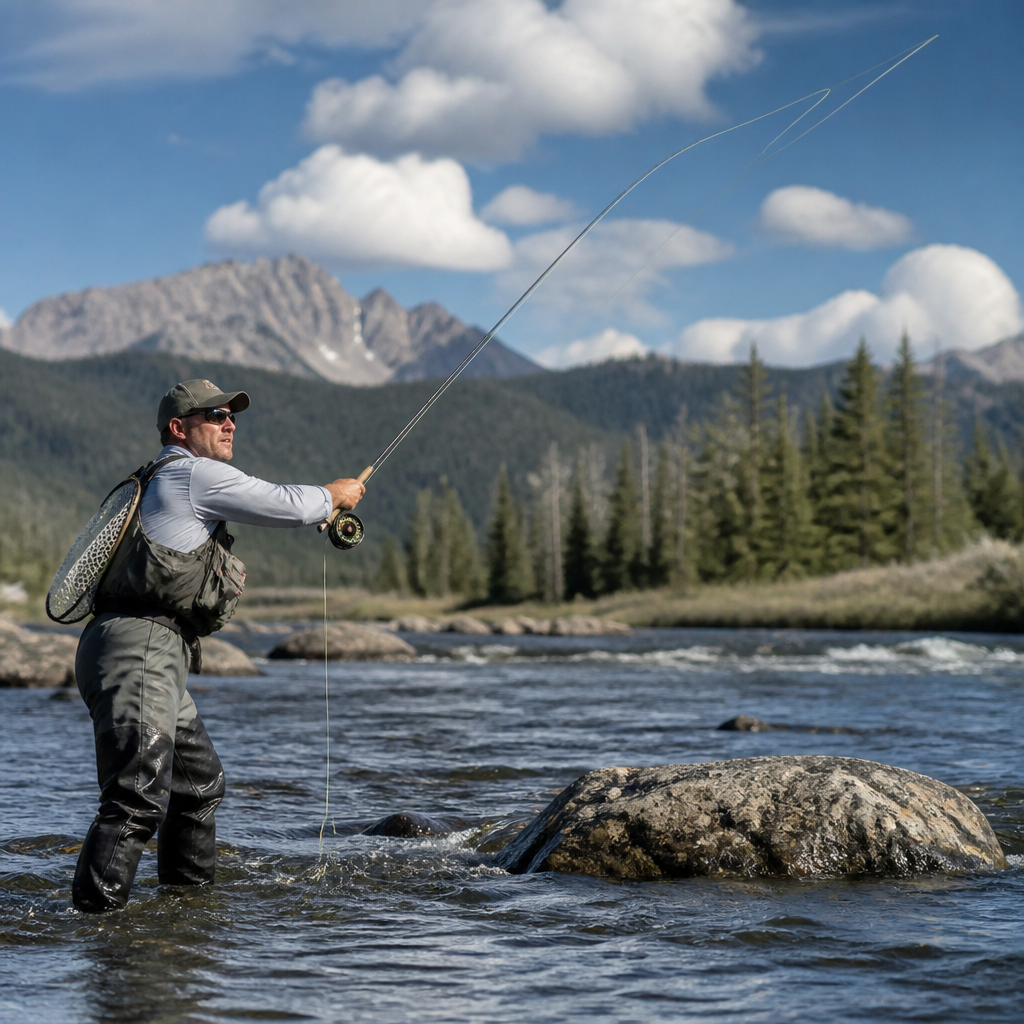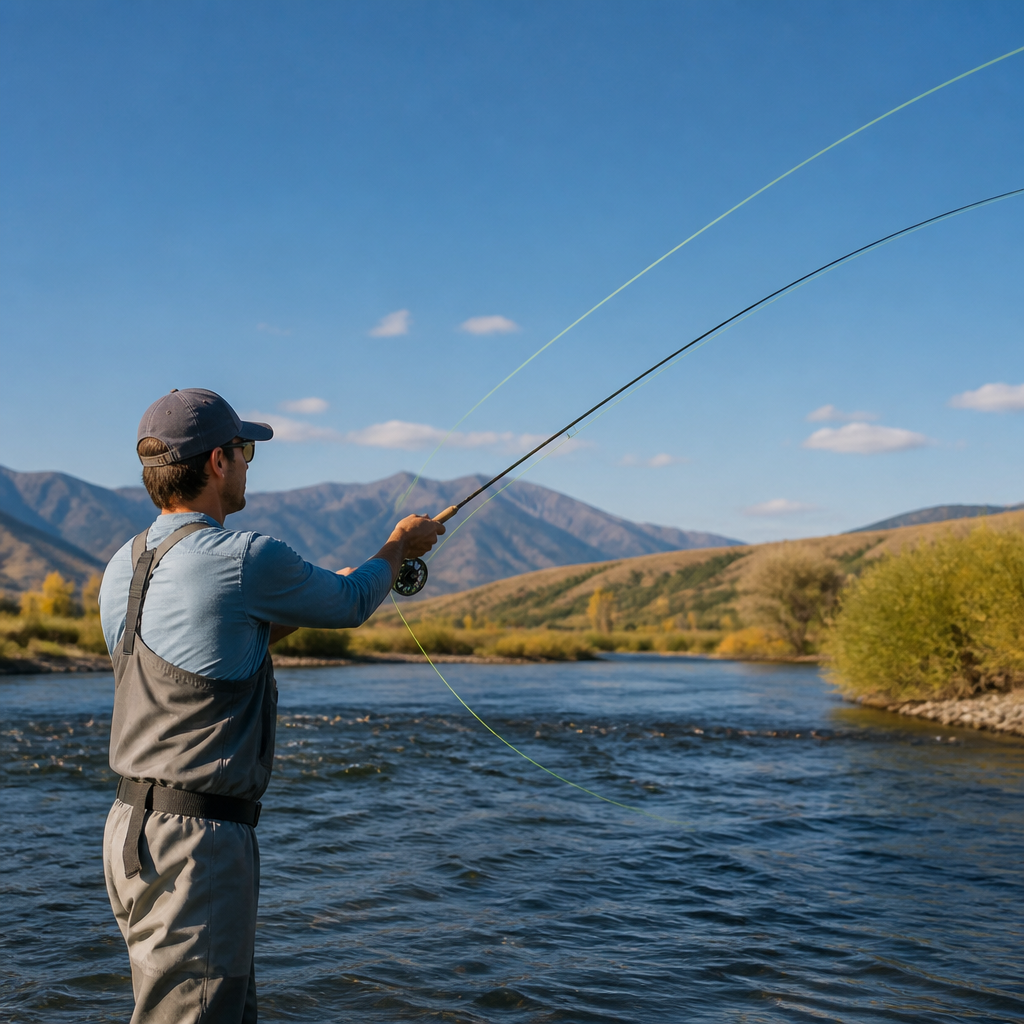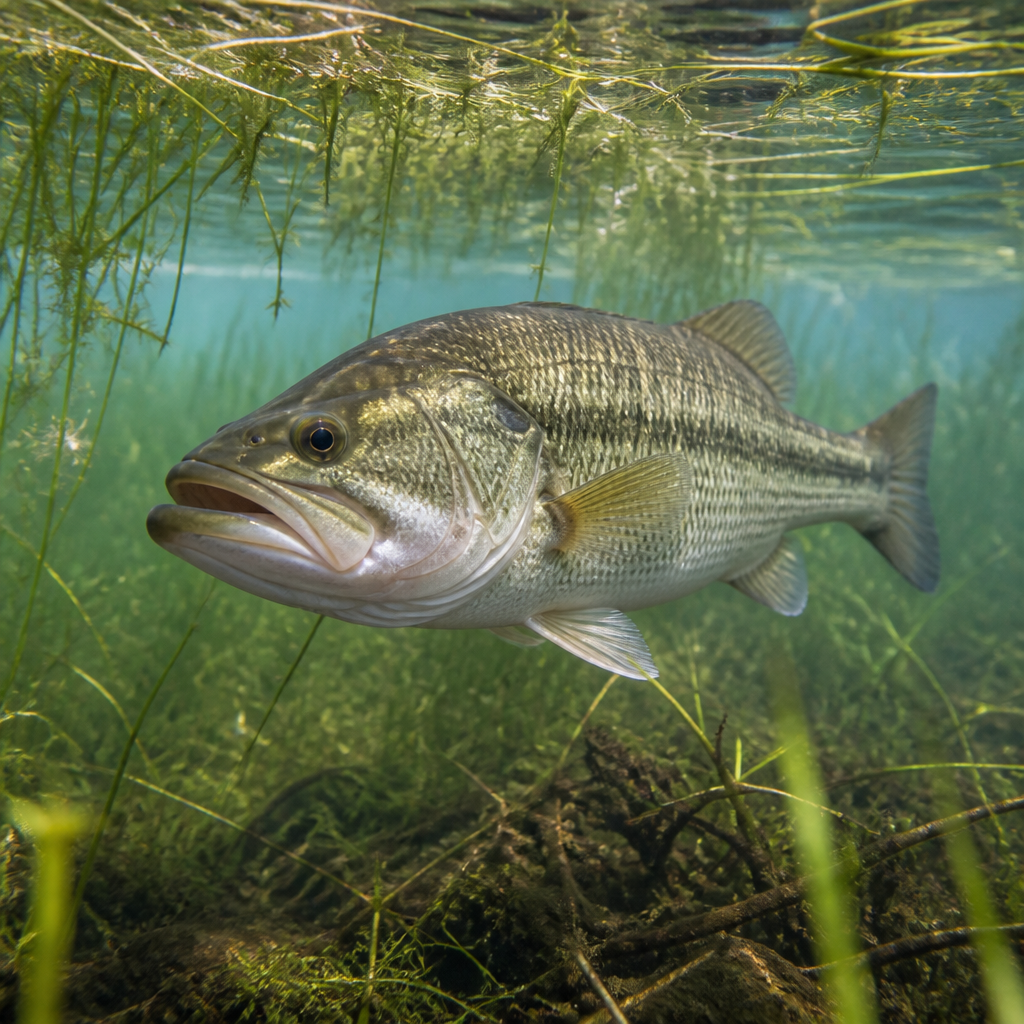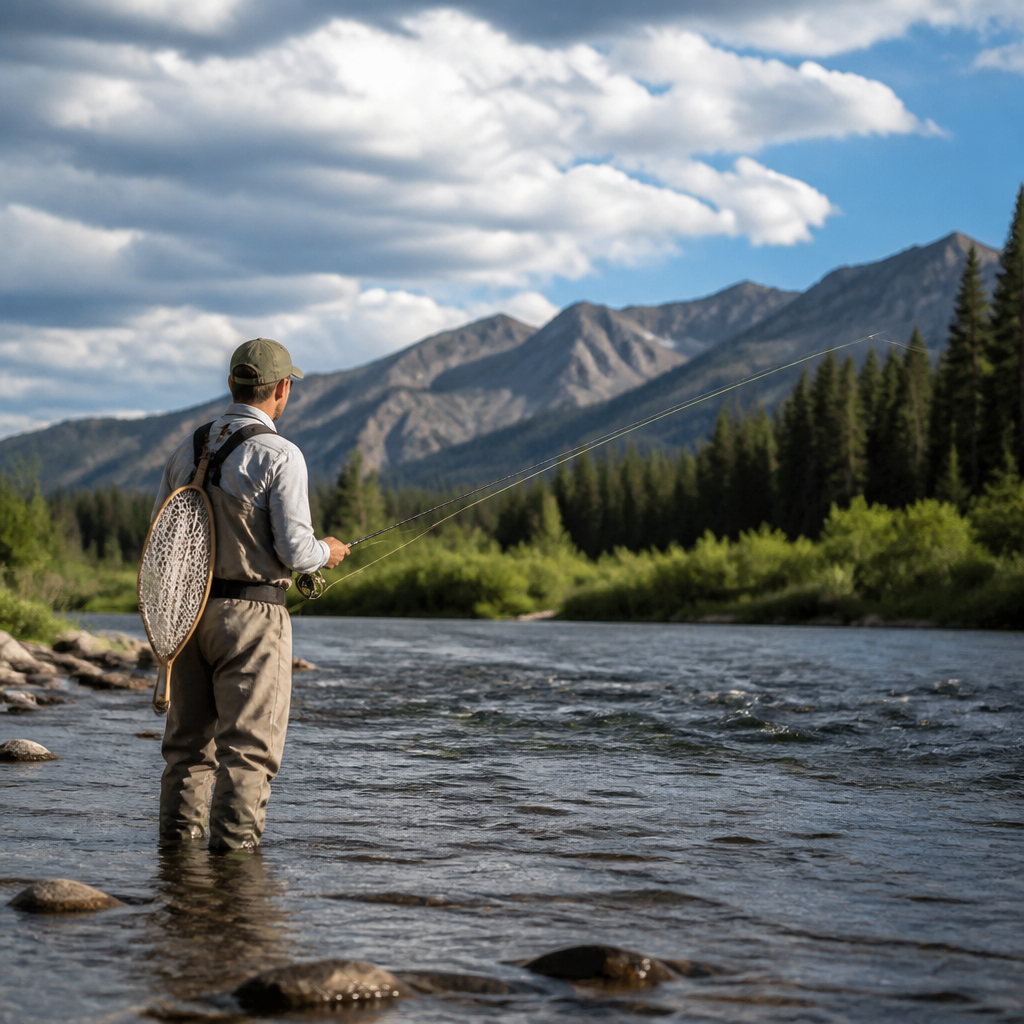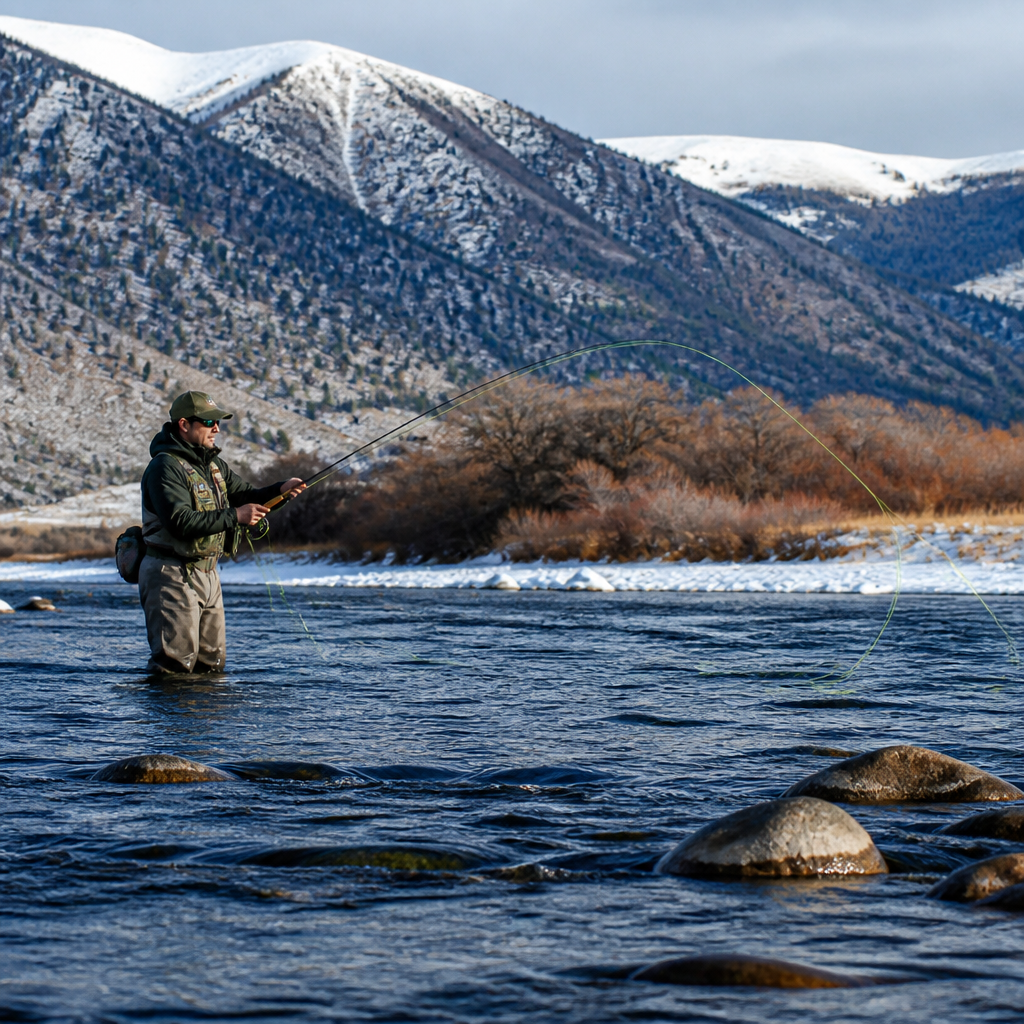
Fly fishing in cold water demands a different mindset than summer angling because trout, char, and other game fish conserve energy, hold in narrower feeding lanes, and respond best to presentations that match reduced metabolism. In practical terms, cold water usually means temperatures below about 50 degrees Fahrenheit, with the toughest periods often arriving below 40, when insect activity drops, fish move less, and strike windows become shorter. I have spent enough winter mornings breaking ice from rod guides to know that success comes less from casting distance and more from reading water types and conditions with precision. This article serves as a hub for cold-water strategy, focusing on how rivers, streams, spring creeks, tailwaters, lakes, and stillwaters fish differently when temperatures fall.
Understanding water types and conditions matters because cold water magnifies every decision. A run that produces all June can feel empty in January if current speed is too heavy for fish to hold comfortably. A shallow flat that teems with rising fish on an October afternoon may become sterile after a hard overnight freeze. Gear choices also change with conditions: weighted nymphs, sink-tip lines, breathable layered clothing, gloves that preserve dexterity, and fluorocarbon tippet all have roles, but only when matched to current speed, depth, clarity, wind, and temperature trend. The anglers who stay consistent are the ones who interpret those variables together rather than treating cold water as one generic season.
Cold-water fly fishing is also a safety and efficiency game. Water in the mid-30s can turn a routine wade into a dangerous mistake, and fish played too long in near-freezing conditions can still suffer unnecessary stress. Good technique means covering likely holding water methodically, minimizing wasted casts, and using tackle strong enough to land fish quickly. Good judgment means recognizing when slush ice, anchor ice, or unstable banks should end the day. By the time you finish this guide, you should have a clear framework for approaching major cold-water environments, selecting dependable gear, and adjusting tactics to the exact conditions in front of you.
How Cold Water Changes Fish Behavior
The first principle is simple: as water temperature drops, fish seek the best balance of oxygen, security, and calories while spending as little energy as possible. In most trout streams, that means slower seams beside faster current, softer buckets at the tail of pools, deeper slots, undercut banks, and transitional water where food drifts close without forcing the fish to fight heavy flow. You will still find active fish in riffles during midge or blue-winged olive hatches, but in genuinely cold conditions, the center of gravity shifts toward softer, more stable holding lies. This is why anglers who keep pounding obvious pocket water often struggle in winter while those who fish edges, depth changes, and current breaks quietly pick up fish.
Feeding windows also tighten. On many freestone rivers, the most productive period runs from late morning into midafternoon, when a few degrees of solar warming increase insect activity and fish comfort. Tailwaters can be more stable, especially below bottom-release dams, but even there generation schedules and dissolved oxygen patterns affect feeding. In lakes and reservoirs, fish may slide deeper during bright cold spells, then cruise shoals or drop-offs when a stable weather pattern holds for several days. I plan cold-water sessions around trends rather than single readings. A river at 42 degrees and rising is usually more promising than the same river at 42 and falling after a snowmelt pulse.
Reading Rivers, Streams, and Stillwaters in Winter
Water type determines how cold conditions express themselves. Freestone rivers respond quickly to air temperature, rain, and snowmelt, so they can swing from fishable green to icy and off-color in a day. Spring creeks are the opposite: groundwater moderates temperature, weed beds shelter invertebrates, and fish often feed selectively even in winter. Tailwaters below dams offer the greatest thermal stability in many regions, which is why they become cold-season anchors for consistent nymphing and midge fishing. Small streams can be excellent after a few sunny days because fish concentrate in the deepest pools and softer plunge-pool tails. Stillwaters add another layer, with wind exposure, stratification, and shoreline temperature differences shaping where fish roam.
Current speed matters as much as water source. In cold flows, fish usually favor moderate depth with overhead security and nearby soft current. On a broad run, that often means the inside seam rather than the fast middle. On a pocket-water creek, it means the cushion behind boulders and the green tongue entering a plunge pool. In a lake, it may mean the first sharp break off a shallow shelf that receives afternoon sun. Clarity is equally important. Clear water demands longer leaders, finer tippet, dull clothing, and careful positioning. Slightly stained water often improves fishing because trout feel safer and key less tightly on small imperfections, but heavily turbid water reduces visibility and shrinks the productive window to slow margins where fish can detect flies at short range.
| Water type | Typical cold-water behavior | Best starting tactic | Key caution |
|---|---|---|---|
| Freestone river | Fish hold deep and soft; conditions change quickly with weather | Indicator nymphing slow seams, tailouts, and drop-offs | Watch for sudden temperature drops and rising flows |
| Spring creek | More stable temperatures; selective feeding on midges and small mayflies | Long leaders, small nymphs, and precise dry-dropper or emerger rigs | Avoid drag and heavy foot traffic near clear banks |
| Tailwater | Consistent temperatures and year-round insect life | Midges, sow bugs, scuds, eggs, and small baetis patterns | Check generation schedules before wading |
| Small stream | Fish stack in deepest pools and protected slots | Short-line nymphing and small streamers through prime lies | Stealth is critical in confined clear water |
| Lake or stillwater | Fish cruise depth edges, shoals, and warmer pockets during stable weather | Slow retrieves with balanced leeches, chironomids, or baitfish imitations | Wind chill and launch safety become major factors |
Core Techniques for Cold-Water Fly Fishing
Nymphing is the most reliable cold-water technique because subsurface food remains available even when surface activity is sparse. The goal is not simply getting deep; it is getting to the fish’s level at the right speed. In winter, I favor two-fly rigs with a compact anchor fly such as a tungsten pheasant tail, hare’s ear, jig scud, or perdigon, followed by a smaller midge larva, zebra midge, RS2, or soft hackle. Strike indicators still work well, especially on broad runs, but tight-line methods excel in shorter drifts where direct contact reveals soft takes. Split shot should be added deliberately. Too little weight leaves flies above the feeding lane; too much causes repeated snagging and unnatural drifts. The right amount ticks bottom occasionally without hanging every cast.
Streamer fishing can be excellent, but cold-water streamer tactics are slower and more exact than the aggressive strip game of fall. Fish often respond best to short swings, dead drifts with occasional twitches, or very slow strips along depth transitions and bank structure. Smaller streamers, particularly sculpin, leech, or juvenile trout patterns in olive, black, and white, often outproduce oversized profiles in near-freezing water. Dead-drifting a weighted streamer under an indicator in deep slots is underused and surprisingly effective on rivers where fish refuse fast retrieves. Dry-fly opportunities do exist, mainly during midge hatches and blue-winged olive emergences, but success depends on timing. If you see one rise, do not assume a hatch has fully developed; watch for several minutes and identify whether fish are taking adults, emergers, or cripples.
Gear That Performs in Cold Conditions
A dependable cold-water setup balances sensitivity, line control, and weather resistance. For most trout situations, a 9-foot 4- or 5-weight rod handles nymphing, dries, and light streamers well, while a 6-weight becomes useful for heavier streamers or windy stillwaters. Large-arbor reels matter less for fish-fighting leverage than for quick line pickup and reduced line memory in cold air. Floating lines remain the default on rivers, but a sink-tip or full intermediate line is often the best choice in lakes and deep slow runs. Leaders should match water clarity and technique: 9- to 12-foot leaders tapering to 4X through 6X for small nymphs and dries, shorter stronger leaders for streamers, and fluorocarbon tippet when abrasion resistance and sink rate help.
Clothing and accessories are just as important as flies. Layering starts with a moisture-wicking base layer, then fleece or synthetic insulation, then a shell or breathable waders suited to wind and precipitation. Neoprene socks, quality wading boots with legal traction, and fingerless or convertible gloves preserve mobility without sacrificing knot-tying ability. I carry two small items on every winter outing: a microfiber cloth for drying hands before tying knots and line dressing or guide lubricant to reduce ice buildup. Polarized glasses remain essential even under gray skies because they reveal seams, bottom contours, and shelf edges. Finally, bring a stream thermometer. Guessing water temperature leads to poor timing, while real readings help explain why a run turned on at 1 p.m. and died by 3.
Matching Tactics to Specific Water Conditions
Cold water is not one condition; it is a matrix of temperature, flow, clarity, sunlight, and weather trend. On bright bluebird days after a freeze, start late and target deeper slower holding water. Fish will often slide a little shallower only after the sun reaches the water. During overcast periods with light snow or drizzle, trout may roam more broadly and feed longer, especially on tailwaters and spring creeks with active midge life. When flows are elevated but clear enough to fish, target inside bends, current shelters behind midstream structure, and flooded edges where food collects. If water is dropping after a runoff event, the first stable day can be exceptional because fish regain visibility and confidence while dislodged food remains abundant.
Stillwaters require equally specific adjustments. In very cold lakes, trout commonly suspend near the first breakline or patrol shoals during the warmest part of the day. Count-down presentations with balanced leeches, chironomids under indicators, or slow figure-eight retrieves let you maintain depth without overworking the fly. Wind can help by pushing food into one bank, but strong winter gusts can also make boat control unsafe and destroy presentation. In moving water and stillwater alike, use hook strength and tippet diameter that match the fish and cover. Landing fish quickly limits exposure and gets them back into the water sooner. The practical advantage is also real: in cold air, less fumbling means fewer numb fingers and more time fishing likely water. Build your own checklist, then apply it river by river, lake by lake, trip by trip.
Common Mistakes and a Smarter Hub Strategy
The biggest cold-water mistake is fishing too fast. Anglers rush through productive lies, mend too aggressively, strip streamers like it is October, or move on after three casts when winter fish may need repeated perfect drifts. Another common error is ignoring microstructure. In January, a feeding trout may shift only a foot or two to intercept food, so your fly must travel through that exact lane. Poor weighting, sloppy line control, and wading too close ruin many otherwise good runs. Safety errors matter too. Ice shelves collapse, felt or rubber traction behaves differently on frozen rock, and numb hands make knot failure more likely. Check dam releases, tell someone where you are going, and treat cold exposure as a real hazard rather than a minor inconvenience.
As the hub page for water types and conditions within cold-water fly fishing, this guide should anchor how you think about every trip. Start by identifying the water type: freestone, spring creek, tailwater, small stream, or stillwater. Then assess temperature trend, flow level, clarity, and available food sources. From there, choose the technique that best fits fish behavior, not the one you most enjoy. Usually that means controlled nymphing first, streamers second, and dries only when insects or visible rises justify them. The reward for this disciplined approach is consistency. You stop fishing random water, your gear choices become purposeful, and each outing teaches something transferable to the next. Use this framework, refine it on your home water, and your cold-water days will become far more productive.
Frequently Asked Questions
What changes when you fly fish in cold water compared with warmer seasons?
Cold water changes fish behavior in ways that affect almost every part of your approach. Once water temperatures drop below roughly 50 degrees Fahrenheit, trout, char, and similar game fish begin conserving energy more aggressively. They do not usually roam as widely, chase as far, or feed as often as they do in spring runoff or summer hatches. Instead, they tend to hold in softer current, along narrow feeding lanes, near depth transitions, and in spots where they can get access to food without spending much energy. That means your presentation has to become more precise. Rather than covering water quickly and expecting active fish to move several feet to eat, you are often trying to drift a fly directly through a smaller strike window.
Another major change is timing. In cold conditions, feeding windows are often shorter and more influenced by small increases in water temperature, sunlight, and stable weather. A frigid early morning can be far less productive than late morning or early afternoon, especially after a few hours of sun have slightly warmed the water. Insect activity also becomes less consistent, so dependable cold-water tactics often revolve around subsurface methods such as nymphing, small streamers, and egg patterns where appropriate, rather than waiting for long dry-fly sessions. Overall, success comes from slowing down, fishing deeper, tightening up your drifts, and focusing on high-percentage lies instead of relying on aggressive fish behavior.
Where do fish usually hold in cold water, and how should you target those spots?
In cold water, fish commonly shift into areas that offer maximum efficiency: enough food to justify holding there, enough cover to feel secure, and currents soft enough that they do not have to burn energy. On rivers and streams, that often means slower seams beside faster current, the insides of bends, tailouts with moderate depth, deeper runs, buckets below riffles, soft pockets behind structure, undercut banks, and wintering holes with stable flow. In freestone systems during severe cold, fish are frequently less scattered than in warmer months, and multiple fish may stack in a relatively small section of suitable holding water. Lakes and stillwaters can be different, but even there, fish often favor depth edges, shoals that receive sun, inlets, or areas where food concentrates without requiring long chases.
To target these spots effectively, think in terms of lane control and depth before fly changes. In winter, being one foot too shallow or two feet too far from the holding seam can be the difference between no action and a productive day. Position yourself so your drift enters the zone naturally and stays there as long as possible. High-stick nymphing, indicator rigs, or tight-line methods can all work if they keep flies near the bottom while minimizing drag. With streamers, focus on slow strips, controlled swings, or short pulses through deeper lies rather than fast, flashy retrieves. It also helps to fish methodically. Instead of making a few casts and moving on, cover each likely holding lane at multiple depths and angles. Cold-water fish often need the fly to pass them more than once before committing.
What are the best fly patterns and presentations for trout and char in water below 50 degrees?
The best cold-water flies are usually the ones that present an easy meal and stay in front of fish long enough to trigger a response. Subsurface patterns dominate for a reason. Small to medium nymphs that imitate winter-available food sources such as midges, mayfly nymphs, caddis larvae, and stoneflies are reliable staples. Zebra midges, pheasant tails, hare’s ears, small perdigons, scuds, sowbugs, and simple attractor nymphs all belong in a cold-water box. In tailwaters and spring creeks, tiny midge patterns can be especially effective. In systems with spawning activity or where eggs are naturally present and legal to imitate, egg patterns can be excellent because they offer high nutritional value with very little effort required from the fish.
Presentation matters even more than pattern selection. Dead-drift nymphing is often the most consistent tactic because it matches the slow, opportunistic feeding behavior of fish in cold water. Use enough weight to get down quickly, adjust your indicator or leader setup so flies ride near the bottom, and expect subtle takes rather than hard strikes. Streamers can also be highly effective, particularly when larger fish are keying on baitfish, juvenile trout, or leeches, but the retrieve should usually be slower and more deliberate than in warmer water. Think crawl, pause, twitch, and hover rather than long, fast strips. Dry-fly opportunities do exist, especially during midge hatches or brief blue-winged olive activity, but they tend to be narrow in timing. When fish are rising, scale down your fly, refine your tippet, and fish the calmest water carefully because cold-water surface feeders are often selective and less willing to move far.
What gear setup works best for fly fishing in very cold conditions?
A practical cold-water setup starts with control, sensitivity, and comfort. For most trout and char fishing, a 9-foot 4- to 6-weight rod covers a wide range of winter situations, though a 10-foot rod can offer extra reach for nymphing and line control. Your line should match your primary tactic: a standard floating line for indicator nymphing, dry flies, and many streamer situations; specialized euro-nymphing lines or long leaders for tight-line techniques; and, in some stillwater or deeper river scenarios, a sink-tip or full-sink line for consistent depth with streamers. Leaders and tippet should be adjusted for slower water and wary fish, often with finer diameters than you might use during runoff, but not so light that you lose control over weighted rigs or larger fish in current.
Beyond rod and reel, cold-weather gear can make or break your day. Layering is essential because winter fishing often means alternating between inactivity and short bursts of movement. Moisture-wicking base layers, insulating mid-layers, and a windproof, waterproof shell help regulate body temperature. Quality breathable waders paired with warm socks and properly fitted boots matter more than most anglers realize; cramped boots reduce circulation and make feet colder. Fingerless gloves or convertible mitts preserve dexterity while still protecting your hands, and hand warmers can be invaluable. Polarized glasses remain important in winter for spotting structure, seams, and even fish in clear flows. You should also carry floatant that works in low temperatures, tippet material that stays manageable in the cold, split shot in multiple sizes, and tools for dealing with ice buildup on guides. A landing net with rubber mesh, forceps that operate easily with gloves, and a small pack organized for quick access all help you stay efficient when temperatures are low.
How can you improve your catch rate and stay safe during cold-water fly fishing trips?
Improving your catch rate in cold water usually comes down to discipline. Fish during the warmest, most stable part of the day whenever possible, and pay close attention to subtle environmental changes such as sunshine reaching the water, a slight rise in temperature, or brief insect activity. Start with likely winter holding water instead of prospecting random runs. Fish slowly and thoroughly, and make depth adjustments before making major fly changes. Many anglers are not actually fishing as deep as they think, especially in slower winter flows where strikes can be little more than a hesitation in the indicator or a tiny tick on a tight line. If nothing happens, change one variable at a time: add a small amount of weight, shorten or lengthen the drift, reduce fly size, switch to a more natural color, or move from a dead drift to a subtle streamer presentation. Cold-water success often rewards patience more than experimentation for its own sake.
Safety is just as important as tactics. Cold water is unforgiving, and a simple slip can become dangerous quickly. Wear wading boots with strong traction, use a wading staff in icy or uneven flows, and avoid unnecessary crossings when temperatures are low or banks are slick. Be especially cautious around shelf ice, snow-covered rocks, and river edges that appear solid but are undermined by current. Dress in layers and protect extremities, but also avoid sweating excessively during hikes because damp clothing accelerates heat loss once you stop moving. Let someone know where you are fishing, keep a dry bag with spare gloves or socks, and know the signs of hypothermia. If guides ice up, clear them regularly rather than forcing casts that can damage tackle. Finally, handle fish carefully. In very cold conditions, minimize air exposure, keep fish in the water while unhooking when possible, and release them quickly so they do not spend additional energy recovering in already stressful seasonal conditions.