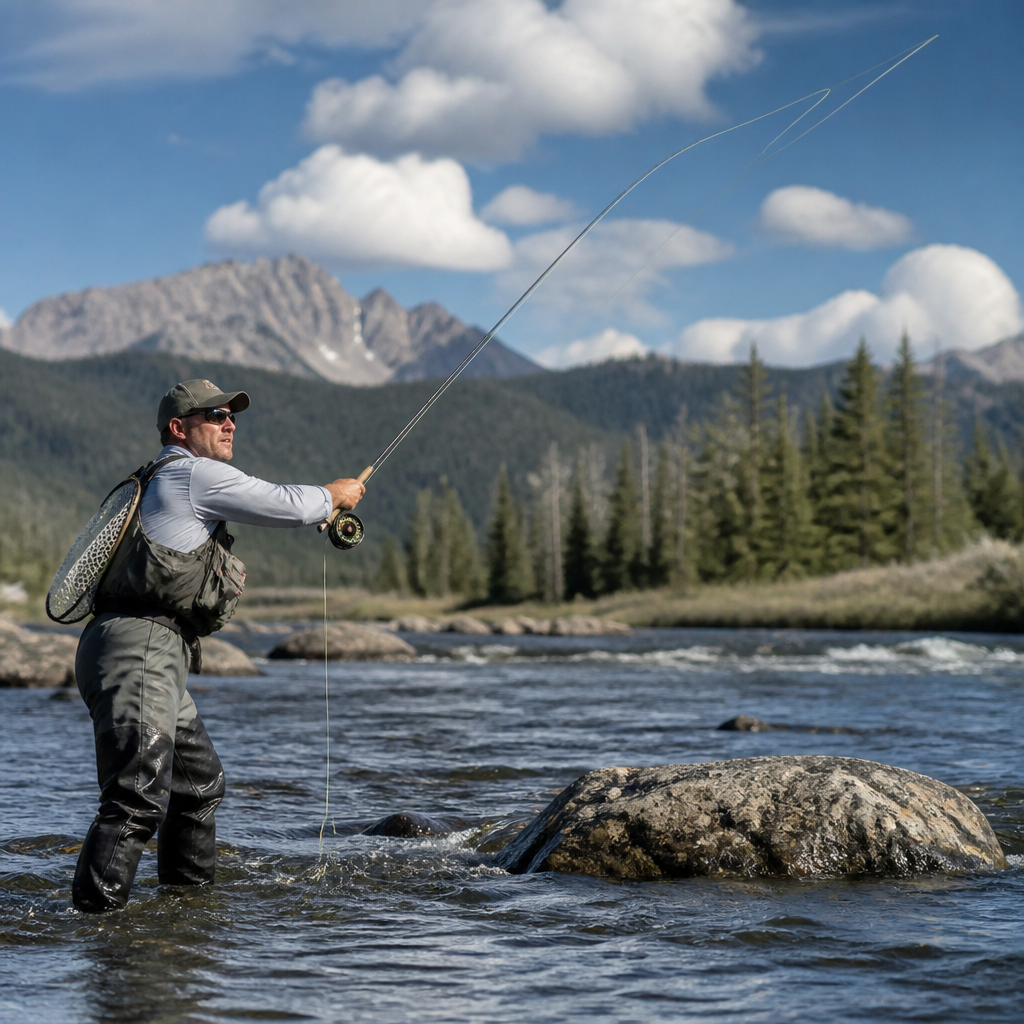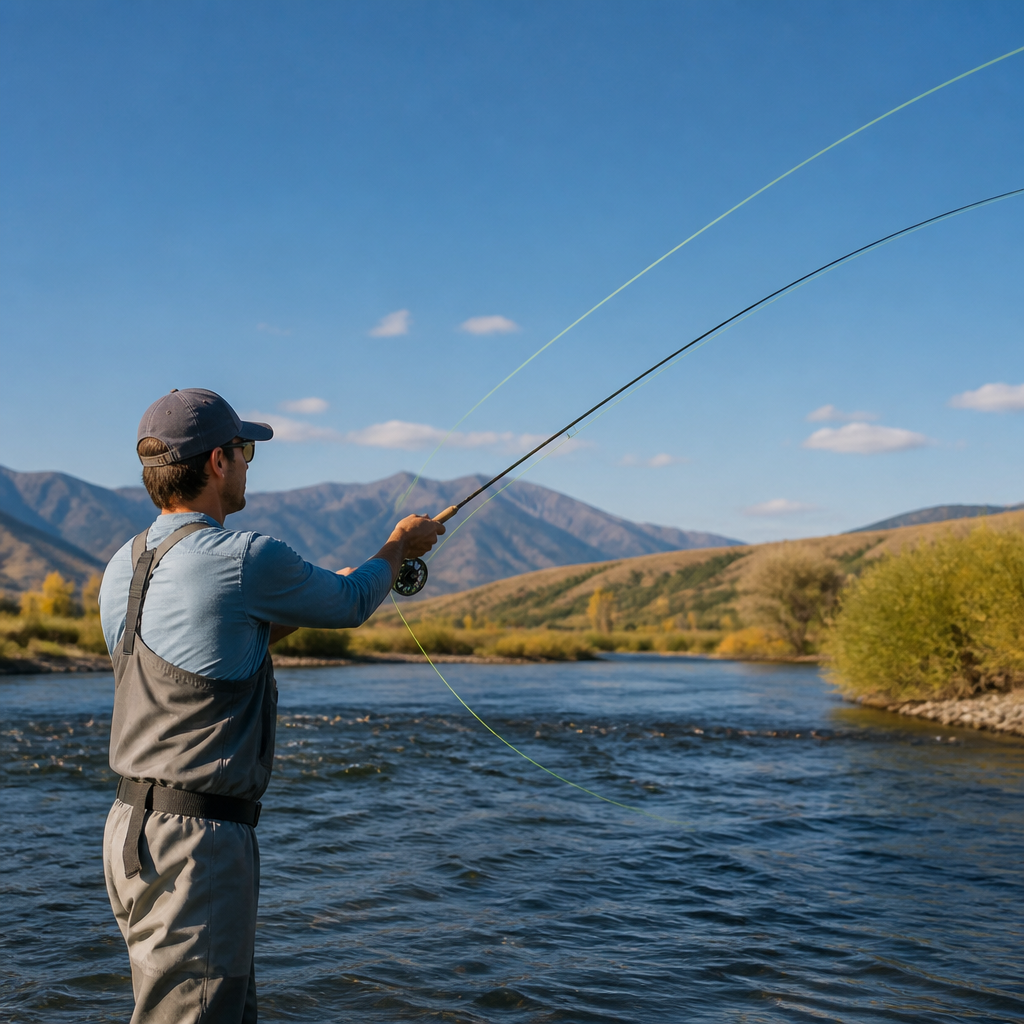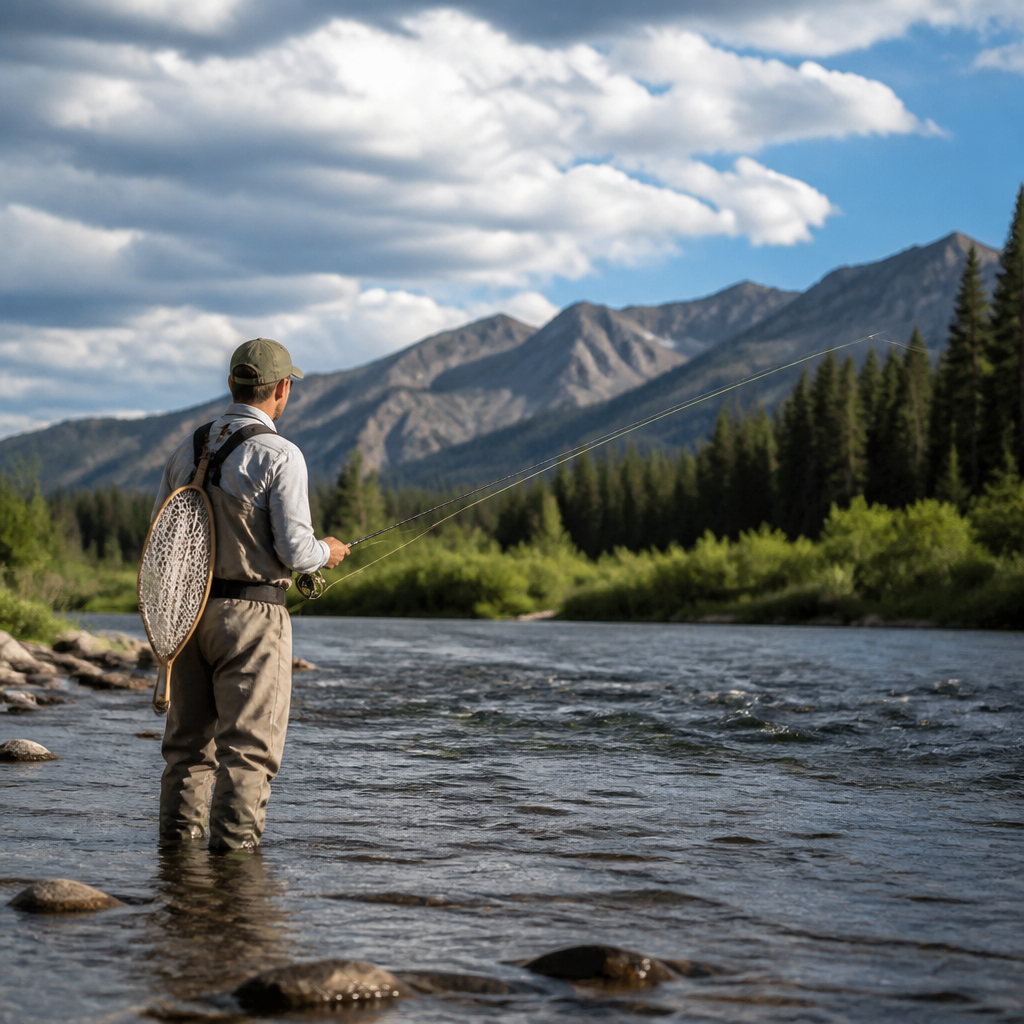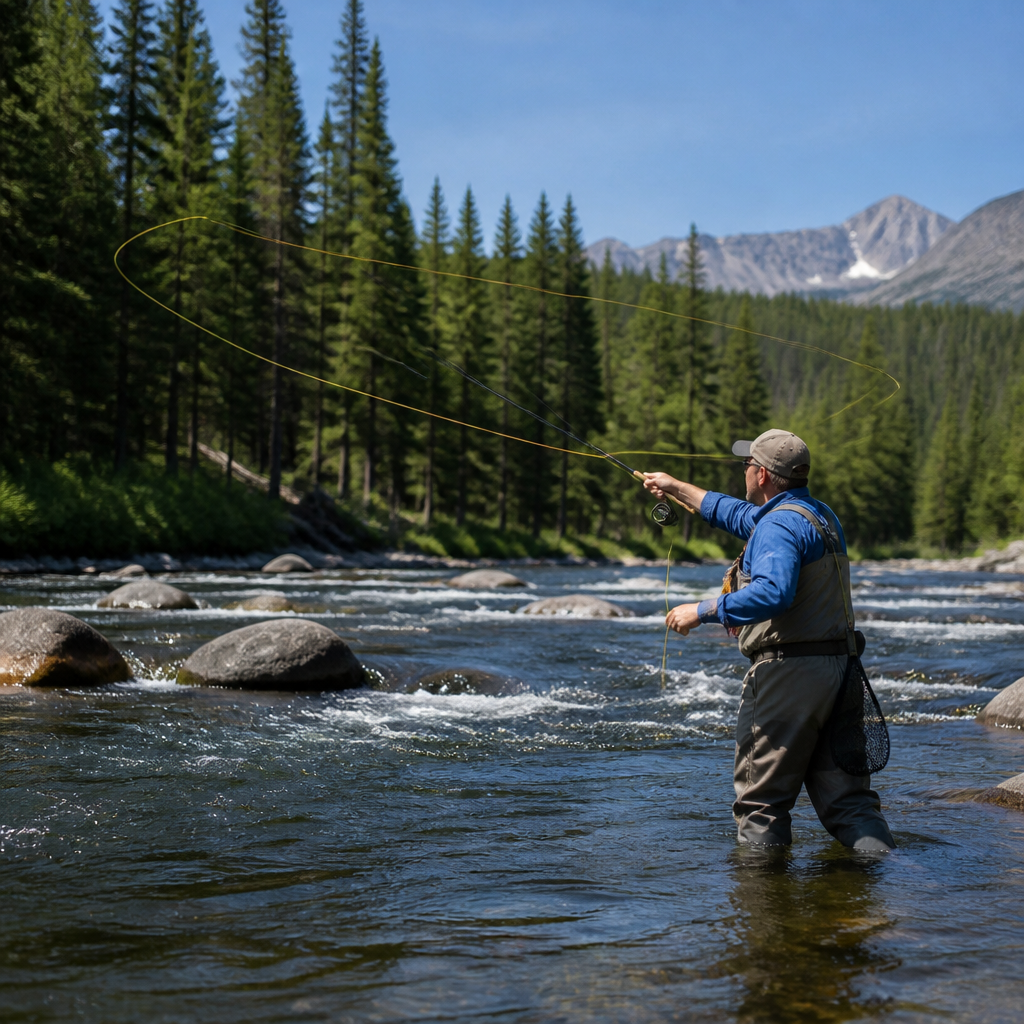
Fly fishing in moving water rewards anglers who understand how current shapes trout behavior, fly presentation, and feeding lanes. In practical terms, moving water includes freestone rivers, spring creeks, tailwaters, pocket water, riffles, runs, pools, and side channels, each with distinct depth, speed, oxygen levels, and insect activity. Water types and conditions matter because fish do not hold randomly; they position where they can conserve energy while intercepting food. After years of guiding and scouting rivers in changing flows, I have found that success comes less from blind casting and more from reading current seams, matching drift speed, and selecting patterns that suit the hydraulic situation. This hub article explains the essential moving-water categories, the conditions that alter fish location, and the techniques and fly patterns that consistently produce in each setting. If you want a reliable framework for fly fishing in rivers and streams, start with the water itself.
How moving water controls trout position and feeding
Current is the first variable to read because it determines both food delivery and energy cost. Trout, grayling, and many river-dwelling species seek spots where they can hold in softer water while feeding from faster adjacent currents. That is why seams, eddies, cushion water ahead of boulders, and the inside edges of runs produce so consistently. In classic stream hydraulics, riffles oxygenate the water and dislodge nymphs, runs provide steady conveyor-belt feeding, and pools offer security but often require more exact presentations. On a freestone river after snowmelt, for example, trout may slide to banks, back eddies, and soft pockets because the main flow is too powerful. On a stable summer tailwater, those same fish often spread through riffles and mid-depth runs because temperature and clarity are favorable.
Reading feeding lanes means identifying where natural drift converges. Bubbles are a useful clue, but not the whole story; subsurface currents can differ dramatically from the surface. I watch foam lines, depth transitions, and color changes, then make short drifts first to test speed. If my indicator or dry fly drags faster than the bubbles beside it, I adjust angle, mend earlier, or change position. Fish face into the current, so approach from downstream or quartering downstream when possible. In clear, low water, that angle reduces visibility and buys time before fish detect movement. Understanding this relationship between velocity, depth, and structure is the foundation for every other decision in moving water fly fishing.
Riffles, runs, and pocket water: high-percentage river structure
Riffles are shallow, broken sections where current tumbles over cobble and gravel. They are often the most forgiving water for intermediate anglers because surface chop hides the leader and the fish are less selective. Aquatic insects such as mayfly nymphs, caddis larvae, and stoneflies are regularly displaced here, making riffles ideal for nymphing with a tight-line rig or a short indicator setup. In moderate flows, trout often hold at the tail of riffles where food concentrates before entering a run. A bead-head pheasant tail, hare’s ear, or perdigon in sizes 14 to 18 covers a wide range of mayfly and general nymph situations. During caddis activity, a soft hackle swung just below the riffle can be deadly because emerging insects rise and dart in the current.
Runs are smoother and deeper than riffles, with more uniform current and well-defined lanes. They reward control. I usually start at the near seam, then work progressively farther and deeper, because many anglers cast past fish holding close. Runs are excellent for indicator nymphing, dry-dropper rigs, and dry fly fishing during hatches because trout can feed efficiently without expending much energy. Pocket water, by contrast, is chaotic and highly segmented. Every boulder creates a mini-lie, with cushion water in front, soft slots behind, and narrow chutes between rocks. The key is short, repeated presentations rather than long elegant drifts. High-stick nymphing with heavily weighted flies works especially well because line stays off conflicting currents. In pocket water, attractor patterns like stonefly nymphs, jigged perdigons, and buoyant dry flies such as stimulators and chubby-style terrestrials help fish notice the offering quickly.
Pools, seams, and undercut banks: where fish hold with purpose
Pools often intimidate anglers because they look fishy yet fish can be selective. The mistake is treating a pool as one feature. Most pools have distinct zones: the head, where oxygenated current enters; the mid-pool, which may be slow and deep; and the tailout, where water thins and accelerates. The head of the pool frequently holds active trout willing to eat nymphs and streamers, especially in bright conditions. The tailout is a classic dry fly zone because insects gather there and fish line up in predictable lanes, but it also demands long leaders and drag-free drifts. Mid-pool fish can be the hardest because they have time to inspect a fly. In those cases, finer tippet, a smaller pattern, and a reach cast make a measurable difference.
Seams are edges between currents of different speed and they deserve special attention. In moving water, seams are food highways. Trout sit just inside softer current and slide inches to intercept drifting prey. I target the soft side first, then the exact seam, then the faster edge, because fish shift position with light and flow. Undercut banks add depth, shade, and overhead cover, making them prime lies, especially in summer and during bright afternoons. A hopper drifted tight to the grass, a weighted nymph under a small indicator, or a stripped streamer can all work, but precision matters more than pattern changes. If your cast lands six inches too far from the cut bank, you may be out of the strike zone entirely.
Water conditions: flow, clarity, temperature, and season
Water conditions change faster than fly boxes do, so adaptation matters more than loyalty to one tactic. Flow is the main driver. During high water, fish seek refuge from heavy current near banks, behind large structure, in side channels, and along flooded edges. Shorten casts, use more weight, and fish slower water than looks ideal at summer levels. During low water, fish become concentrated but wary. Longer leaders, lighter tippet, drabber clothing, and careful wading pay off. Clarity influences fly size and profile. In stained water, trout rely more on silhouette and vibration, so larger nymphs, darker streamers, and buoyant attractor dries are easier to detect. In clear water, slim patterns and exact drifts usually outperform gaudier choices.
Temperature is equally important because it governs metabolism and dissolved oxygen. Many trout feed most actively when water is roughly 50 to 60 degrees Fahrenheit, though species and river type matter. On hot summer afternoons, freestone rivers can warm into the upper 60s or beyond, pushing fish into faster oxygen-rich water, tributary mouths, shaded banks, or deeper slots. Ethical anglers carry a thermometer and stop targeting trout when water temperatures approach stressful levels, often around 68 degrees and certainly if they continue climbing. Seasonal changes shift patterns too. Spring flows often favor stoneflies, caddis, and larger nymphs. Summer brings terrestrials, morning and evening dry fly windows, and technical low-water presentations. Fall improves streamer fishing and can trigger blue-winged olive hatches in cool, overcast weather. Winter compresses feeding windows, making slow deep nymphing in softer current the standard play.
Matching techniques to water type and condition
There is no single best method for moving water; there is only a method that fits the depth, speed, and fish behavior in front of you. Tight-line nymphing excels in riffles, pocket water, and defined seams where direct contact improves strike detection and line control. Indicator nymphing shines in deeper runs, pool heads, and broad glides where longer drifts and suspended depth control matter. Dry-dropper rigs are outstanding in broken water from late spring through early fall because the dry fly acts as both indicator and food. Dry fly tactics dominate during concentrated hatches in tailouts, seams, slicks, and spring creek currents where trout rise predictably. Streamers come into their own in off-color water, high flows, low-light periods, and whenever larger trout are hunting baitfish rather than sipping insects.
The most useful adjustment is often depth, not fly pattern. If fish are present and your drift is clean, add weight before changing flies. If you are ticking bottom every cast, remove weight or adjust the indicator. Mending is the other decisive skill. An upstream mend slows the drift; a downstream mend can align line below the indicator or dry fly in certain crosscurrents. Reach casts, tuck casts, and slack-line presentations each solve different current problems. I regularly rotate through this sequence on new water: short close-range nymph drifts, then a dry-dropper through broken water, then a streamer pass along cover if conditions suggest larger fish. That progression covers subsurface feeding, opportunistic surface takes, and aggressive predation without wasting time.
Productive fly patterns by water type
Pattern choice should reflect what current is doing to available food. In fast riffles and pocket water, heavily weighted nymphs such as perdigons, jig pheasant tails, and pats rubber legs get down quickly and stay visible to fish in turbulent flow. In moderate runs, classic mayfly and caddis imitations remain staples: hare’s ear, Frenchie, zebra midge, caddis pupa, and pheasant tail. During emergences, soft hackles and unweighted or lightly weighted flies become important because insects rise through the water column rather than hugging bottom. In pools and tailouts, smaller, slimmer patterns often win, especially on pressured tailwaters where trout inspect everything. Midges, RS2-style emergers, tiny baetis nymphs, and sparse comparadun dries are dependable choices.
| Water type | Best techniques | Reliable patterns | Key presentation note |
|---|---|---|---|
| Riffles | Tight-line nymphing, soft-hackle swing | Pheasant Tail, Hare’s Ear, Caddis Pupa | Target the transition into the run |
| Runs | Indicator nymphing, dry-dropper | Frenchie, Zebra Midge, Parachute Adams | Cover near seam first, then mid-run |
| Pocket water | High-stick nymphing | Perdigon, Pat’s Rubber Legs, Stimulator | Make many short drifts from close range |
| Pools and tailouts | Dry fly, light nymphing | RS2, Baetis, Comparadun, Midge | Use long leaders and reduce drag |
| Undercut banks | Dry-dropper, streamer | Hopper, Jig Nymph, Woolly Bugger | Land tight to cover on the first cast |
For surface fishing, attractor dries like stimulators, elk hair caddis, and parachute Adams cover broad moving-water situations, while more exact imitations matter during selective feeding. Terrestrials deserve a permanent place in any river box because grasshoppers, beetles, and ants regularly fall into current from midsummer into early fall. For streamer fishing, woolly buggers, sculpin patterns, and articulated baitfish flies produce across many river types. Color should follow conditions: olive, black, and natural tones for clear water; black, white, or chartreuse accents for stained conditions. The guiding principle is simple: choose flies that reach the feeding level, match the broad food form, and remain visible in the water type you are fishing.
Common mistakes and a smarter approach on unfamiliar water
The most common moving-water mistake is fishing the obvious fast current while ignoring adjacent soft water where trout can actually hold. Another is wading too quickly into productive lies near the bank. I have watched anglers step through fish in the first ten feet, then cast beautifully to empty middle water. Poor depth control is equally costly. If your nymphs never touch near-bottom current in cold water or heavy flow, many fish will never see them. Dry fly anglers often misread refusals as pattern problems when the real issue is micro-drag. Streamer anglers frequently strip too fast in cold water, turning a good searching method into a low-percentage exercise.
On unfamiliar water, simplify your plan. First, identify the dominant structure: riffle-run-pool sequence, pocket water, broad glide, or cut-bank bend. Second, assess flow, clarity, and temperature. Third, fish the highest percentage lies before experimenting: seams, depth changes, bank cover, and current breaks. Fourth, let the water tell you what to change. No takes might mean depth. Brief ticks without hookups may mean you are close and should alter weight or fly size slightly. Follows on a streamer often call for a pause or change in retrieve angle rather than a different pattern. This water-first mindset is what makes a sub-pillar topic like water types and conditions so central to river success. Learn to classify the water quickly, and every future decision on technique, pattern, and presentation becomes easier.
Fly fishing in moving water gets simpler once you stop chasing random advice and start organizing rivers by water type and condition. Riffles, runs, pockets, pools, seams, and undercut banks each hold fish for clear hydraulic reasons. Flow, clarity, temperature, and season then shift how trout use those features from day to day. The practical benefit of understanding this system is consistency: you spend less time guessing, choose techniques that fit the current, and present patterns where fish can actually eat them. Weighted nymphs and short-line control dominate fast broken water, suspended rigs excel in deeper runs, accurate dry fly drifts win in tailouts and slicks, and streamers shine when visibility, cover, or predatory behavior favor larger meals.
As a hub for water types and conditions, this guide should help you diagnose almost any moving-water situation before you tie on a fly. Start every outing by reading speed, depth, structure, and temperature. Fish the soft edges of fast water, the seams beside main current, and the cover that offers shade or relief. Adjust depth before changing patterns, and never overlook how clarity and season alter visibility and feeding mood. Master those fundamentals and the rest of river fishing becomes more logical, more efficient, and more productive. The next time you step into a stream, read the water first, then match your technique and pattern to what the current is telling you.
Frequently Asked Questions
What is the biggest difference between fly fishing in moving water and still water?
The biggest difference is that current controls almost everything. In lakes and ponds, anglers often focus on depth, retrieve speed, and covering water until they locate fish. In moving water, trout position much more predictably because the current constantly delivers food while also forcing fish to spend energy to hold their place. That means successful fly fishing in rivers, creeks, and tailwaters starts with reading current seams, depth changes, and soft holding water rather than simply casting at random likely-looking spots.
In practical terms, trout in moving water usually look for places where they can conserve energy and still intercept drifting insects, nymphs, baitfish, or terrestrials. They often hold behind rocks, along current seams, at the heads and tails of pools, in softer edges beside heavy flow, and in slots where food funnels naturally. Presentation becomes more technical because the fly has to drift naturally at the same speed as the current lane the fish is watching. If the fly drags, skates unnaturally, or swings when it should drift, trout often refuse it.
Moving water also changes from one section to the next. Freestone rivers may fluctuate with rain and snowmelt, spring creeks tend to be clearer and more stable, and tailwaters can offer consistent temperatures and steady insect activity. Riffles, runs, pools, pocket water, and side channels all fish differently because they each combine speed, depth, oxygen, and food availability in their own way. Anglers who understand those variables can predict trout lies more accurately, choose better angles, and make more effective drifts. That is the real key distinction: in moving water, success is less about blind searching and more about understanding how current organizes fish, food, and presentation.
How do trout use current in moving water, and where should anglers look first?
Trout use current strategically. They want maximum food with minimum effort, so they rarely sit in the strongest flow unless there is a very specific reason. Instead, they look for hydraulic advantages: soft water beside fast water, structure that breaks the current, depth that offers security, and lanes where drifting food is concentrated. If you keep that simple rule in mind, trout locations become much less mysterious.
The first places to check are current seams, which are boundaries between faster and slower water. These seams act like conveyor belts, carrying insects and other food downstream while giving trout a softer place to hold. Fish may sit just inside the slow side, under the seam, or along the edge where they can slide a few inches to eat without fighting the main current. Behind boulders, submerged wood, ledges, and undercut banks are also high-percentage spots because those features create cushions of slower water and protected holding lies.
Riffles often hold active trout because they are oxygen-rich and constantly supply drifting nymphs. Runs are classic feeding water, especially when they have moderate depth and a defined seam. Pools can hold larger trout, particularly near the head where current enters with food or at the tailout where insects funnel through. Pocket water is excellent because each rock can create its own feeding lie, allowing anglers to target one small current break after another. Side channels are worth attention as well, especially during higher flows when fish move into softer water to avoid heavy current.
Season and water level matter, too. In high water, trout often shift closer to banks, into side channels, or behind larger current breaks. In low, clear conditions, they may hold deeper, become more selective, and feed most confidently in broken water with surface texture. A good angler starts by identifying where fish can rest comfortably while watching a dependable food lane. Once you stop thinking of the river as one piece of water and start seeing individual holding lies, your efficiency and catch rate usually improve fast.
What fly presentation techniques work best in moving water?
The best presentation in moving water is usually a natural drift. Whether you are fishing dry flies, nymphs, emergers, or small streamers, the goal is to make the fly behave the way the current would carry real food. That means controlling drag, matching the speed of the current lane, and choosing a casting angle that supports the drift rather than fighting it. In most trout situations, presentation matters at least as much as fly choice, and often more.
For dry flies and nymphs, a drag-free drift is the foundation. Mending line upstream after the cast helps reduce conflicting currents that pull the fly unnaturally. Reach casts, curve casts, and slack-line presentations can buy extra drift time before the line tightens. In pocket water and short-range situations, high-sticking or tight-line methods keep more line off the water so fast currents do not immediately create drag. In longer runs, careful line management is critical because different current speeds between you and the fly can ruin an otherwise perfect cast.
Depth control is equally important when nymphing. If your flies are not near the trout’s feeding level, even a perfect drift may go unnoticed. Split shot, weighted flies, tungsten beads, and indicator placement all affect whether the flies tick the bottom occasionally or ride too high. In faster water, getting down quickly matters because the strike window may only be a few feet long. In slower spring creeks or gentle tailouts, a lighter, more subtle presentation often produces better results than heavily weighted rigs that crash through the lie.
There are also times when a dead drift is not the only answer. Swinging soft hackles across riffles can be deadly during emergences, and streamers often benefit from controlled movement that suggests a fleeing baitfish or sculpin. Even then, the current still dictates how the fly should move. The most effective anglers adjust their technique to the specific water type in front of them, using dead drifts, tight-line approaches, induced takes, or controlled swings based on how trout are feeding and where they are positioned.
Which fly patterns are most effective for moving water across different river types?
The most effective fly patterns in moving water are the ones that cover the major food categories trout see consistently: mayflies, caddis, midges, stoneflies, terrestrials, and small baitfish or sculpins. Exact hatches matter, especially on spring creeks and technical tailwaters, but a strong core selection of proven patterns will catch trout in most moving-water situations if they are presented well and fished at the correct depth.
For nymphing, reliable patterns include Pheasant Tails, Hare’s Ears, Prince Nymphs, Zebra Midges, Perdigons, stonefly nymphs, and caddis larvae or pupae. These flies work because they imitate common subsurface food forms found in freestones, tailwaters, and creeks throughout the season. In pocket water and riffles, heavier flies or tungsten patterns often help get down quickly. In smoother runs and spring creeks, slimmer and more natural-looking nymphs may be better, especially when trout have more time to inspect what drifts by.
For dry-fly fishing, keep versatile searching patterns along with hatch-specific imitations. Parachute Adams, Elk Hair Caddis, Purple Haze-style attractors, Comparaduns, CDC emergers, and small mayfly or midge dries all deserve space in a moving-water fly box. In freestone rivers, attractor dries can be excellent in broken water where trout make fast decisions. In spring creeks and clear tailwaters, more precise matching of size, profile, and stage of emergence often matters more. During summer, hopper patterns, beetles, and ants can be especially effective along grassy banks and side channels.
Streamer anglers should carry Woolly Buggers, sculpin patterns, zonkers, and other baitfish imitations for deeper runs, undercut banks, and low-light periods. These patterns can draw aggressive takes from larger trout, especially when fish are not focused on surface feeding. The important point is not to obsess over having hundreds of exact patterns. Instead, build confidence in a handful of flies that cover major insect groups and water conditions. Then learn when to use them in riffles, runs, pools, pocket water, and side seams. In moving water, the best pattern is often the one that matches the feeding zone, the current speed, and the behavior of the fish at that moment.
How should anglers adjust their strategy for riffles, runs, pools, pocket water, and changing river conditions?
Each water type calls for a different approach because trout behavior shifts with depth, speed, oxygen, and visibility. In riffles, trout are often spread out and actively feeding because the water is oxygenated and food is constantly tumbling through. This is a great place to cover water with nymphs, soft hackles, or attractor dries. Trout in riffles usually have less time to inspect a fly, so clean drifts and broad coverage are often more important than hyper-precise matching.
Runs are classic teaching water because they are readable and productive. Focus on seams, slots, and transitions in speed or depth. Fish can hold in moderate current where they feel secure but still receive a steady food supply. Indicator nymphing, tight-line presentations, and dry-dropper rigs all work well here depending on depth and trout activity. Runs reward anglers who break