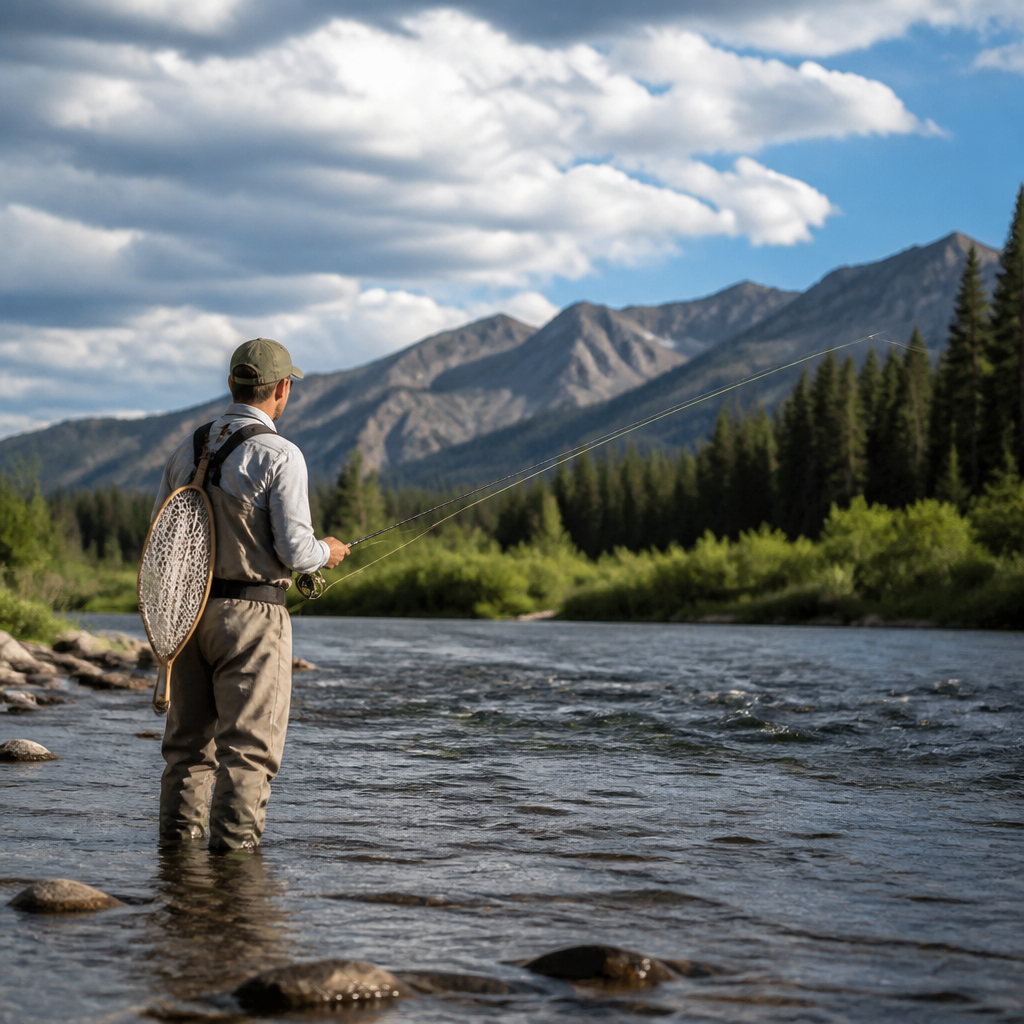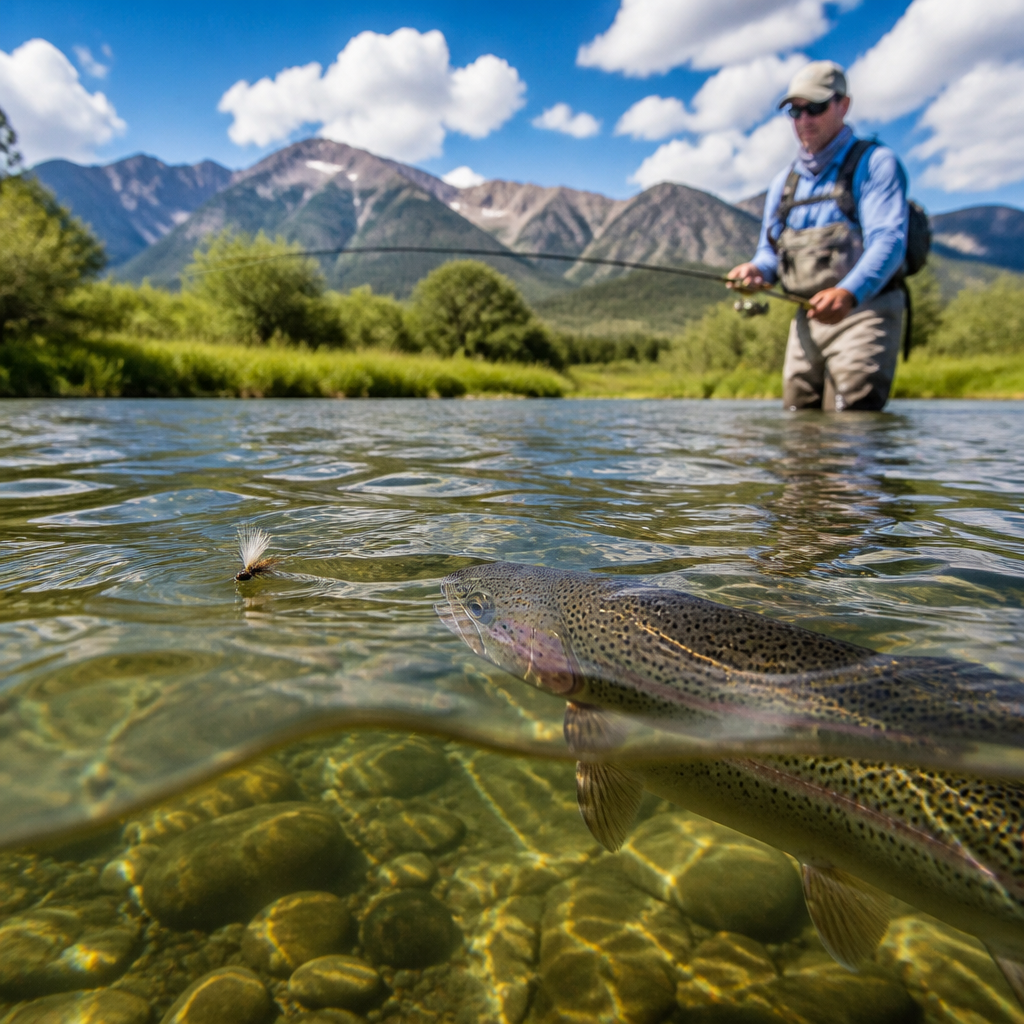
Dry fly fishing with parachute patterns sits at the heart of modern trout technique because it combines precise imitation, clean visibility, and delicate presentation in one of fly fishing’s most demanding disciplines. Dry fly fishing means presenting a floating artificial fly so a fish takes it from the surface film, while parachute patterns are dry flies tied with a horizontal hackle wound around an upright post, usually calf hair, polypropylene, or synthetic yarn. That structure lets the fly land low, ride naturally, and remain easy for the angler to track in riffles, slicks, and broken seams. I have relied on parachute dries on freestone creeks, spring creeks, and tailwaters for years because they solve two constant problems at once: matching the insect profile fish expect and helping the angler actually see the fly through glare and current.
This approach matters because dry fly fishing rewards exactness more than almost any other trout method. Trout inspect the surface closely. A fly that drags, lands heavily, or sits unnaturally often gets refused. Parachute flies reduce those errors. Their low-riding body imitates duns, emergers, and crippled insects trapped in the meniscus, while the post acts as a visual indicator. Patterns like the Parachute Adams, Parachute Blue Winged Olive, and Purple Haze have become standards not through fashion but through repeated effectiveness across insect categories. As a hub for dry fly fishing, this guide explains when parachutes excel, how to choose sizes and colors, how to rig and present them, and how they connect to broader surface strategies including hatch matching, prospecting, and technical drifts.
Why Parachute Patterns Work in Dry Fly Fishing
Parachute patterns work because their design aligns with how trout feed in the surface film. The hackle wound around the post spreads support evenly, allowing the hook shank and abdomen to sit lower than a traditional Catskill-style dry. Trout often key on that low silhouette because many naturals do not ride high and perfect. Emerging mayflies, crippled duns, spent insects, and adults struggling in rough water all sit partially in the film. A standard parachute can suggest several of those states without looking wrong. That versatility is the main reason many experienced anglers begin with a parachute Adams when they are unsure which mayfly is active.
Visibility is the second advantage. The white, pink, orange, or chartreuse post lets you track the fly at distance and in broken current. On technical water, seeing the fly matters as much as matching the hatch, because micro-drag and subtle eats happen in fractions of a second. I often fish a fluorescent-topped post on cloudy days, then switch to white in bright sun when trout become selective. Better tracking also improves hook timing. Anglers miss fish when they strike late after losing sight of the pattern or early because glare creates a false take signal. Parachutes cut both errors.
They also land softly. Because the hackle acts almost like a tiny shock absorber and the center of mass sits low, many parachute ties settle more gently than heavily hackled dries. On spring creeks where trout reject sloppy entries, that subtle landing can be the difference between confidence and refusal. The tradeoff is durability. A parachute post can twist, and hackle can become waterlogged after several fish. Good floatant management and occasional drying with amadou, desiccant powder, or silica patches keeps them fishing correctly.
Core Parachute Dry Fly Patterns Every Angler Should Know
The essential parachute dry fly lineup starts with the Parachute Adams. It is not a direct match to one insect, which is exactly why it catches so many trout. The grizzly and brown hackle, gray body, and balanced silhouette suggest mayflies broadly, especially when fish are feeding on medium-sized duns in sizes 12 through 20. If I could carry one dry fly for uncertain mayfly situations, it would be a Parachute Adams in size 16. It works on freestones during mixed hatches and on tailwaters when trout are taking general mayfly forms rather than one exact species.
The Parachute Blue Winged Olive is more specific. With an olive body and usually a dun hackle, it targets one of the most important mayfly groups in trout fishing. Blue-winged olives hatch in cool, overcast, and often windy conditions, and trout can feed on them with remarkable consistency. Sizes 18 to 22 are common. A low-riding parachute version excels because many BWO hatches produce fish feeding on emergers and crippled duns just as much as fully upright adults. Similar logic applies to parachute PMDs, sulfur parachutes, and pale evening dun imitations, each tuned to regional mayfly species.
Then there are attractor and crossover patterns. The Purple Haze, essentially a purple-bodied parachute Adams variant, has proven itself throughout the Rockies and beyond as a searching fly and a mayfly stand-in. The Parachute Hopper is less common but useful in late summer when fish respond to terrestrial shapes with a visible post. Ants and beetles tied parachute-style can also work well in flat water because the post improves tracking without adding too much bulk. These patterns make parachutes relevant beyond strict hatch matching and turn them into everyday dry fly tools.
Matching the Hatch with Parachute Flies
Matching the hatch in dry fly fishing means identifying the insect stage, size, color, and behavior that trout are feeding on, then choosing a fly that matches the important signals. With parachute patterns, size is usually the first priority, profile the second, and body tone the third. Trout commonly reject a size mismatch before they reject a slight shade difference. If naturals are size 18 olives and you present a size 14 gray parachute, refusals are likely. If you offer a size 18 olive-gray parachute that rides low, trout often accept it even if the exact thorax tint differs.
Observe before casting. Watch rise forms. A nose-and-dorsal rise often signals surface adults, while bulging or porpoising can indicate emergers just under the film. Look for shucks on rocks, adults in eddies, and spent spinners above the water late in the day. I spend more time scanning during technical hatches than I did early in my fishing career, and that patience consistently improves first-fly choice. Carrying a small seine or even examining insects caught in streamside spiderwebs can confirm species. On rivers with heavy pressure, those details matter.
Parachutes are especially effective when trout are feeding on mayflies during uncertain transitions. Early in a hatch, fish often take emerging insects. Mid-hatch, they may eat upright duns. Late in rough water, cripples remain vulnerable while clean adults escape. A parachute can cover all three moments better than a stiff high-floating dry. That said, there are limits. During spinner falls, a flush spent-wing pattern usually outfishes a parachute. During caddis skittering events, an elk hair caddis or CDC caddis is often better. The best dry fly anglers know when parachutes are ideal and when another surface fly should take over.
Rigging, Tippet, and Presentation Tactics
Successful dry fly fishing with parachute patterns depends on leader design and drift control more than on pattern choice alone. For most trout dry fly situations, a 9-foot leader tapered to 4X or 5X is the baseline. On larger rivers with size 12 to 16 parachutes, 4X gives turning power and enough finesse. On spring creeks and tailwaters where size 18 to 22 olives dominate, 5X or 6X usually produces better drifts. I add 18 to 24 inches of matching tippet when fish are refusing a fly that otherwise looks right. That extra separation from the thicker butt and taper often removes the final hint of drag.
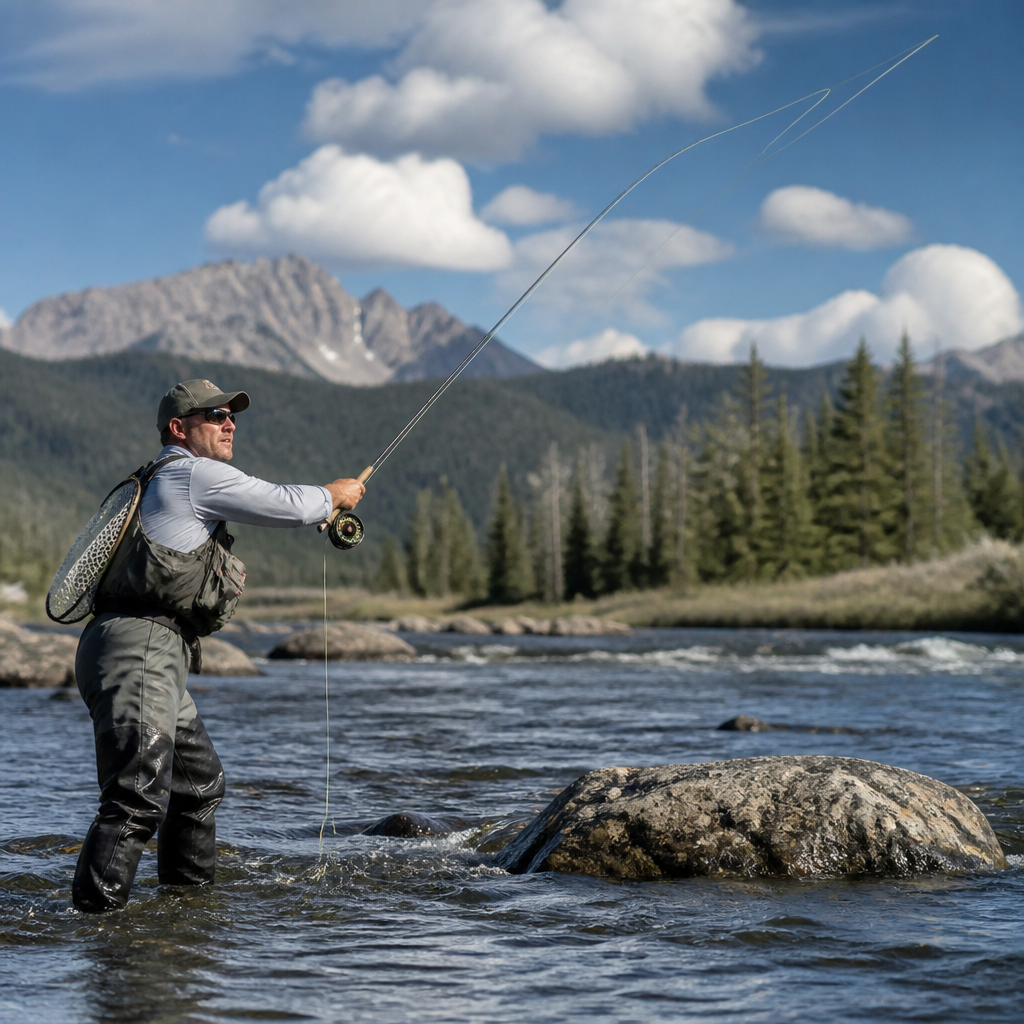
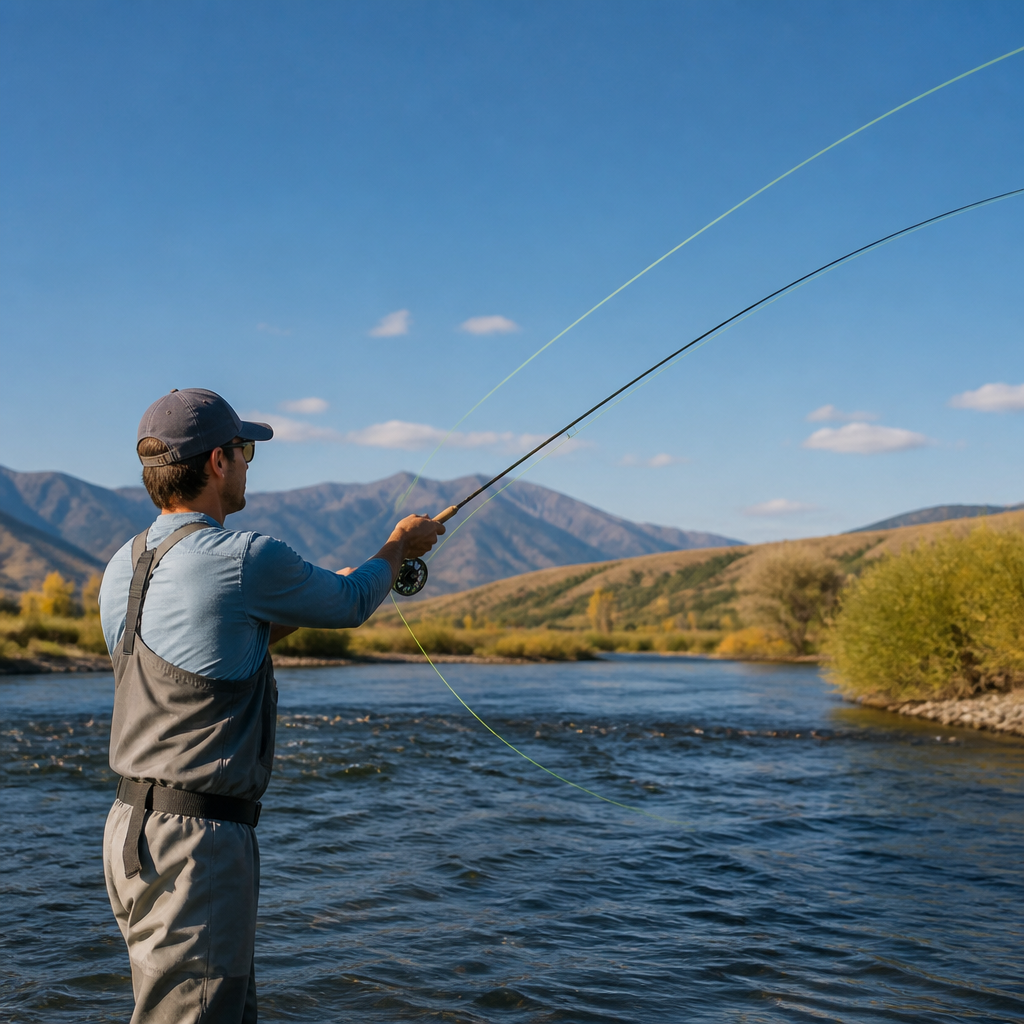
Presentation starts before the cast lands. Position yourself to reduce conflicting currents between the fly line, leader, and target seam. Quartering upstream is generally the highest percentage angle because it lengthens the natural drift and keeps line off the fish. Reach casts, wiggle casts, and aerial mends all help place slack where currents demand it. Once the fly lands, the goal is a dead drift unless insects are actively moving. Parachute patterns shine in pocket water because their post remains visible through short drifts, but they are just as valuable in smooth glides where the smallest leader pull can ruin the take.
| Situation | Recommended Setup | Why It Works |
|---|---|---|
| Freestone riffles, size 14 to 16 mayflies | 9-foot leader, 4X tippet, Parachute Adams | Turns over cleanly, stays visible in broken water |
| Spring creek BWO hatch, size 20 | 12-foot leader, 6X tippet, olive parachute | Reduces drag and matches small low-riding naturals |
| Evening PMD hatch on a tailwater | 10-foot leader, 5X tippet, PMD parachute | Balances delicate presentation with reliable turnover |
| Prospecting mixed pocket water | 9-foot leader, 4X tippet, Purple Haze | Acts as a searching fly and remains easy to track |
Set the hook on any disappearance, stall, or unnatural movement. Trout often sip parachutes quietly. Many anglers wait to see a splash, especially if they learned on attractor dries in fast water. That delay costs fish. Lift with the rod hand rather than striking hard, particularly on fine tippet. If the fly starts to sink after repeated drifts, dry it, apply powder to the hackle and post, and use gel only on materials that benefit from it. CDC-heavy parachute variants need different care than traditional hackled ties.
Where Parachute Dry Flies Excel Across River Types and Seasons
Parachute patterns excel on freestone streams because broken currents hide imperfections and the visible post helps manage short, quick drifts. In pocket water, trout have little time to inspect a fly, so a well-presented size 14 or 16 parachute can function as both hatch match and general search pattern. On these rivers I often target current seams beside boulders, foam lines entering buckets, and softer edges behind ledges. A parachute Adams or Purple Haze covers these lies efficiently, especially from late spring through early fall when mayflies are frequent and trout are willing to rise opportunistically.
Spring creeks present a different challenge. Their consistent flows, weed beds, and flat surfaces expose drag immediately. Here, parachutes still work, but only if they are sized correctly and supported by long leaders, fine tippet, and disciplined wading. Low-riding BWO and midge-cluster-adjacent parachute ties are useful in cool months, while PMD or sulfur parachutes dominate certain summer windows. On famed technical waters such as Armstrong’s Spring Creek, Silver Creek, or Letort-style limestone systems, anglers often trim hackle slightly on one side or choose sparse parachute ties so the fly sits deeper and more vulnerable in the film.
Tailwaters may offer the broadest parachute application because stable temperatures create reliable insect cycles. Blue-winged olives, midges, PMDs, and sulfurs can all bring trout up, especially during shoulder seasons and overcast days. On rivers like the Delaware, the Missouri, or the South Platte, parachute patterns are standard issue. Seasonal timing matters. Spring and fall favor olives; summer brings PMDs, caddis overlaps, and terrestrials; late season can shift back to small olives and midge activity. If you build a dry fly box around parachutes, size range and post visibility options matter more than carrying endless body-color variations.
Common Mistakes and How to Fish Parachutes More Effectively
The most common mistake in dry fly fishing with parachute patterns is blaming the fly when the real problem is drag. Trout that rise short, refuse at the last instant, or flare under the pattern are often reacting to tension from the leader, not the dressing itself. Watch the fly relative to bubbles or foam. If it moves faster, slower, or at a slightly different angle than the surface current, the drift is compromised. Mend earlier, change casting angle, lengthen tippet, or move your feet. In guided days and on my own trips, those adjustments have solved more refusals than changing from one nearly identical parachute to another.
A second mistake is carrying the wrong size range. Many anglers stock 12s, 14s, and 16s, then arrive at a river where trout are feeding on 20s and 22s. Parachutes are powerful, but not magical. Match the scale of the hatch. Another issue is overdressing the fly. Too much gel floatant mats hackle, adds shine, and makes a delicate fly sit unnaturally. Use a small amount, then revive with powder desiccant after fish or false casts. Finally, do not overlook hook quality. Fine-wire dry fly hooks penetrate better on light tippet, but oversized barbs or dull points cost landed fish.
The best way to improve is to treat parachute patterns as part of a full dry fly system. Study insects, practice slack-line casts, learn to read rise forms, and rotate among searching flies and exact imitations based on evidence. Build confidence with a few proven patterns instead of dozens of marginal variants. Start with the Parachute Adams, BWO parachute, PMD or sulfur parachute, and one attractor like Purple Haze. Fish them on appropriately tapered leaders, maintain flotation carefully, and let the trout tell you whether to change size, silhouette, or presentation. Master that process and parachute patterns become not just another fly style, but a central tool for consistent dry fly success.
Dry fly fishing with parachute patterns rewards anglers who combine observation with disciplined presentation. The key points are straightforward: parachute flies ride low, remain visible, and imitate a wide range of vulnerable surface insects; size and drift matter more than tiny color differences; and leader control usually determines success before pattern changes do. As a hub within dry fly fishing, parachutes connect hatch matching, prospecting, technical spring creek tactics, and rough-water searching into one practical system. That makes them valuable for beginners learning surface takes and for advanced anglers refining selective trout tactics.
Use this foundation to build the rest of your dry fly strategy. Organize your box around proven parachute patterns in relevant sizes, fish them where mayflies and mixed surface feeders create opportunity, and pay close attention to currents, rise forms, and insect stage. When conditions call for another dry style, switch confidently, but keep parachutes near the front of the box because few flies cover more situations as effectively. If you want to become more consistent on top, spend your next few outings fishing parachutes deliberately, taking notes on size, drift, and water type, and you will learn faster than by changing flies at random.
Frequently Asked Questions
What makes parachute dry flies so effective for trout fishing?
Parachute dry flies are effective because they solve several important problems at once: they imitate a natural insect well, they land softly, and they are easy for anglers to see on the water. Unlike traditional upright-hackle dry flies, a parachute pattern uses hackle wrapped horizontally around a visible post. That design lowers the fly into the surface film so it sits more like a natural mayfly dun, emerger, or cripple. Trout often key on insects trapped low in the film, and parachute flies present that vulnerable profile convincingly.
Another major advantage is balance. The parachute hackle acts like a stabilizing platform, helping the fly land upright and drift cleanly. That matters in technical dry fly fishing, where drag-free presentation often means the difference between a refusal and a confident rise. Because the post stands upright above the body, anglers can also track the fly better in glare, riffles, or fading light. In practical terms, that means you spend less time guessing where your fly is and more time reacting accurately to takes. For modern trout fishing, that combination of realism, visibility, and dependable flotation is exactly why parachute patterns remain such a core part of a dry fly box.
When should I choose a parachute pattern instead of a standard dry fly?
A parachute pattern is usually the right choice when trout are feeding selectively at or just in the surface film, especially during mayfly hatches or whenever fish are inspecting flies closely. If the water is flat, slow, clear, or heavily pressured, trout often get a long look at your imitation. In those situations, the lower-floating profile of a parachute can appear more natural than a high-riding traditional dry. Parachute flies are also excellent when you need better visibility without sacrificing presentation, which is why many anglers favor them for technical spring creeks, tailwaters, and medium-speed riffles alike.
They also shine when matching insects that naturally sit low on the water. Parachute Adams, PMDs, BWOs, and sulfur patterns are all reliable hatch-matching options because they cover a broad range of mayfly situations. If you are unsure whether fish are taking fully emerged adults or insects struggling in the film, a parachute is often a smart middle ground. It can suggest both. On the other hand, if you are fishing very turbulent pocket water, fast freestone currents, or attractor-style dry fly situations, a higher-floating pattern may sometimes be easier to support and track. Even then, many anglers still start with a parachute because it offers such a good blend of realism and fishability.
How do I fish a parachute dry fly for the most natural presentation?
The key to fishing a parachute dry fly well is achieving a drag-free drift. Trout that feed on the surface are usually looking upward with great precision, and even slight unnatural movement can cause refusals. Start by positioning yourself for the cleanest possible drift rather than the easiest cast. Cast upstream, up-and-across, or down-and-across depending on the current seams, but always think about how the fly will travel over the fish. In most situations, a longer leader and a controlled slack presentation help the fly land delicately and drift naturally without the tippet immediately pulling it off line.
Mends matter just as much as the cast itself. If conflicting currents grab your line, the fly will skate or wake unnaturally. Reach casts, parachute casts, aerial mends, and on-water mends are all useful tools for protecting the drift. Once the fly is on the water, track the post carefully and set the hook with restraint. Many anglers strike too hard on dry fly takes, especially with visible parachutes. A smooth lift is usually enough. It also helps to observe rise forms: a slow sip often suggests the trout is taking duns or emergers calmly, while splashy rises may indicate more aggressive feeding. Matching your presentation to the trout’s behavior will make the parachute pattern far more effective.
What sizes and colors of parachute flies should I carry?
A practical parachute selection should cover both general searching duties and specific hatch situations. If you want a strong all-around foundation, start with sizes 12 through 20. A Parachute Adams is the classic do-everything option because its neutral gray profile can imitate many mayflies and even suggest midges in smaller sizes. For more exact matching, carry pale parachutes for PMDs and sulfurs, olive patterns for Blue-Winged Olives, and darker-bodied versions for ants, beetles, or general attractor use. On many trout streams, those few categories handle the majority of surface-feeding scenarios.
Color should be chosen with both the fish and the angler in mind. The body and tail should match the insect as closely as needed, but the post should be visible enough for you to track. White posts are common and effective, though pink, orange, or chartreuse posts can help in low light or rougher surfaces. Some anglers worry that bright posts will spook trout, but in most standard dry fly situations the post sits above the fish’s window of focus more than the body itself. The real priority is selecting a fly size and silhouette that fit the hatch. If trout are refusing a well-drifted parachute, size is often the first thing to adjust, followed by body color and then overall profile.
How do I keep parachute dry flies floating and visible throughout a day on the water?
Keeping parachute patterns floating properly starts before the first cast. Treat new flies with an appropriate dry-fly floatant, but apply it carefully. Paste, gel, or liquid floatants should go primarily on the hackle, post, and thorax area unless the pattern is meant to sit lower in the film. Too much product on the fly body can create an unnatural sheen or alter the intended posture. Once a fish takes the fly, or after repeated drifts, the pattern may become waterlogged from slime, current pressure, or false casting. At that point, drying and reviving the fly is often more effective than adding more floatant immediately.
A simple routine works best: blot the fly dry with amadou, a drying patch, or a clean cloth; use desiccant powder if needed; then reapply floatant sparingly. If the fly is badly chewed up or the hackle becomes matted, replace it. Visibility can also be improved by choosing the right post material and keeping your line off the fish’s lane. Sometimes anglers think they have lost sight of the fly when the real issue is poor positioning or glare. Changing your casting angle, lowering your stance, or wearing high-quality polarized glasses can make a major difference. Good maintenance, smart fly rotation, and attention to water conditions will keep parachute dries floating higher, drifting better, and remaining visible when it matters most.