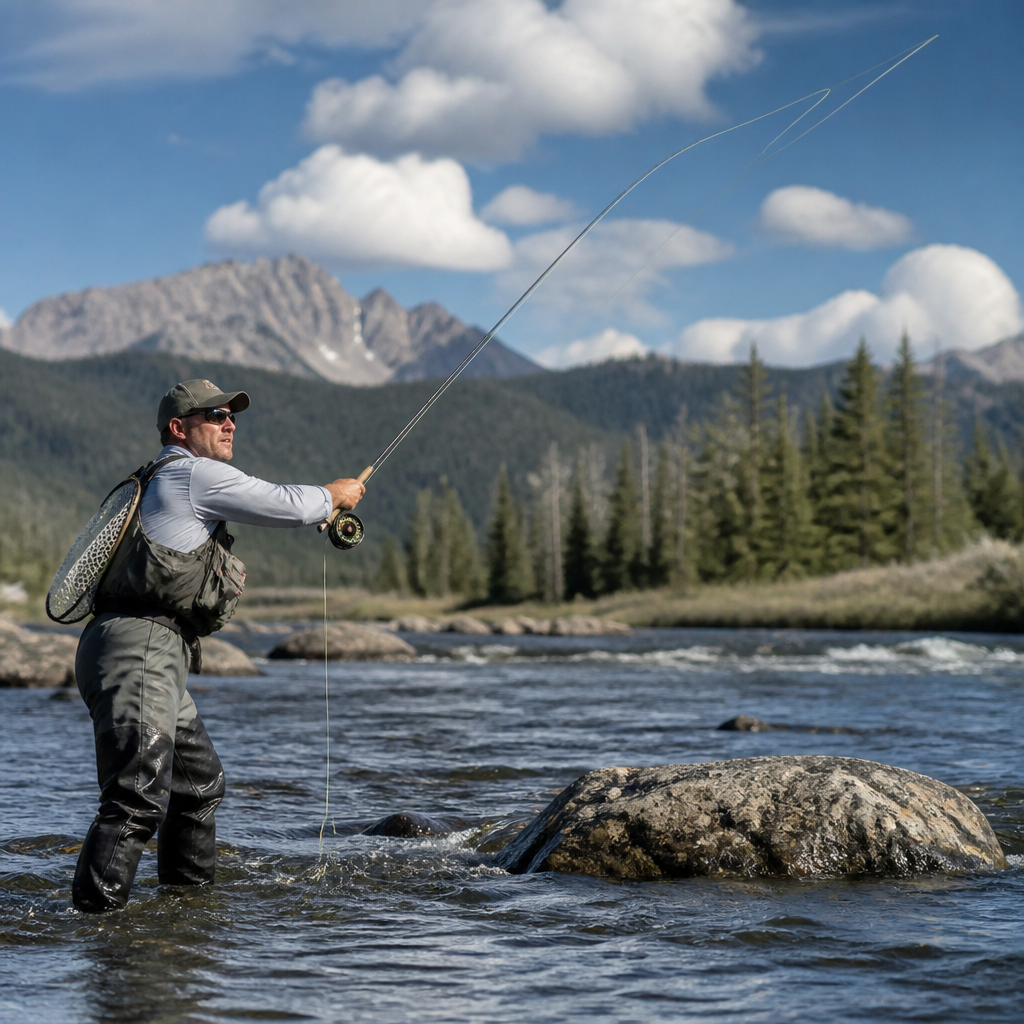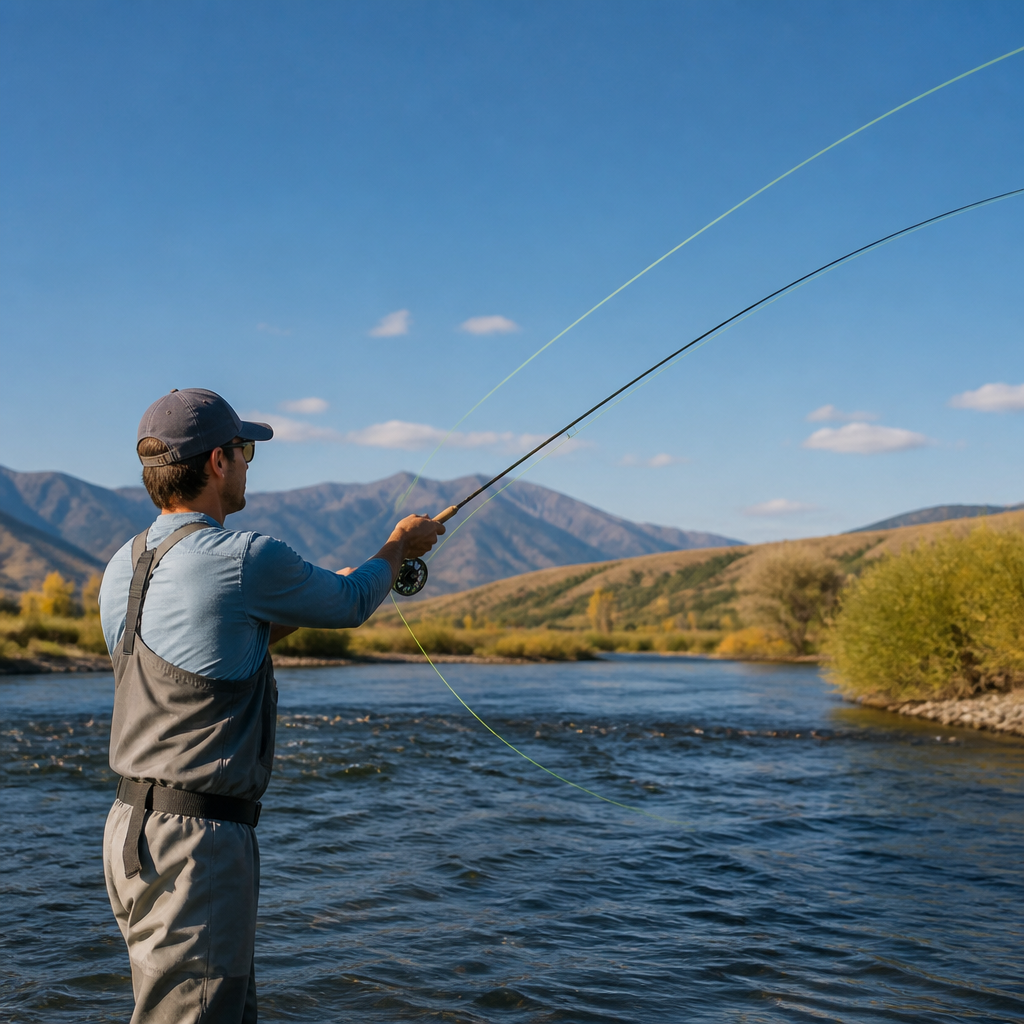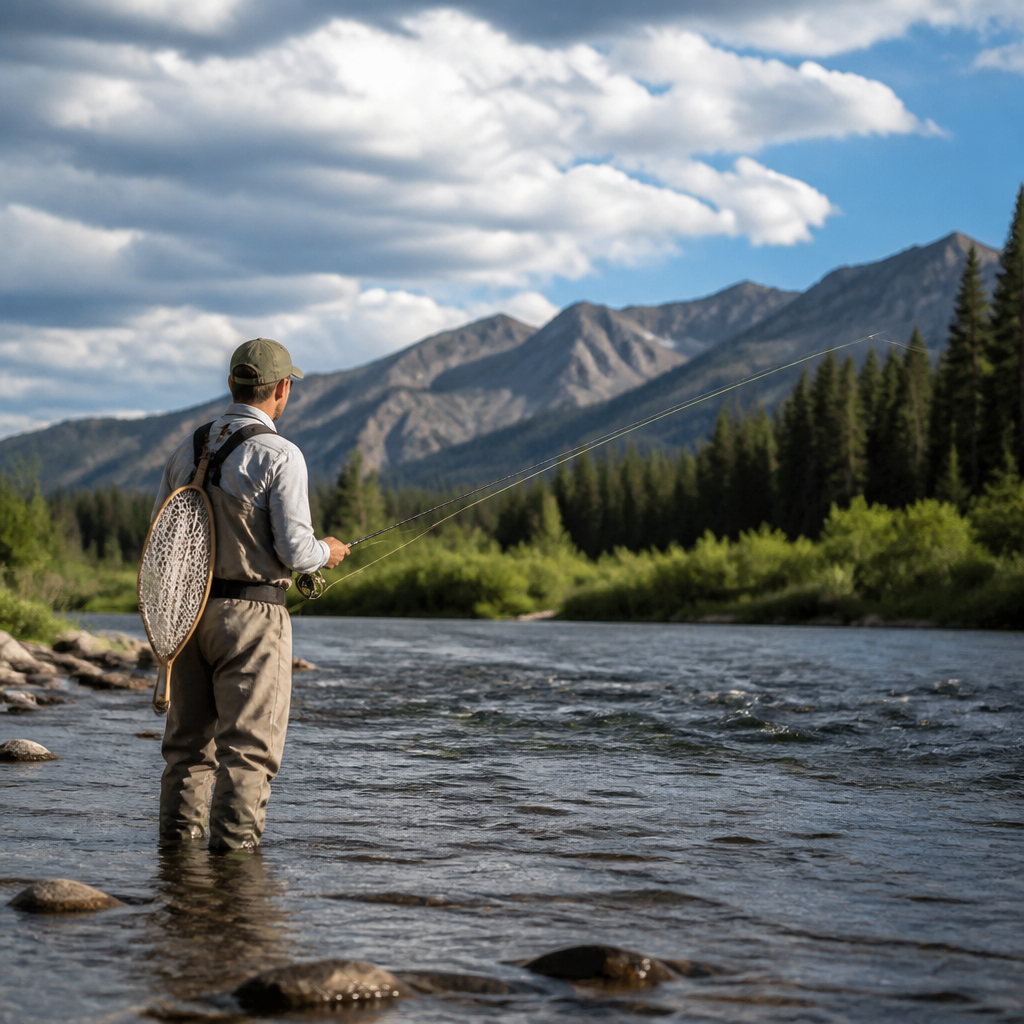
Dry fly fishing in slow water is one of the most technical and rewarding forms of trout angling because calm surfaces expose every mistake while also revealing the fish’s full behavior. In this setting, “slow water” includes spring creeks, tailwater glides, meadow streams, slicks below riffles, eddies, and flat pools where current speed is low enough that trout inspect a floating fly closely before committing. “Dry fly fishing” means presenting an artificial fly that rides on the surface and imitates an adult aquatic insect, terrestrial, or spent insect trapped in the film. I have spent many seasons guiding and fishing these conditions, and the same lesson returns every year: success depends less on heroic casting distance and more on observation, precision, and control. Slow water matters because it is where selective trout often grow large, where hatches become highly visible, and where anglers either learn finesse or get refused repeatedly. As a hub within dry fly fishing, this article covers the core decisions that shape results: how trout behave in gentle currents, how to approach them without alerting them, which casts prevent drag, what fly patterns solve common hatch situations, and how to build a dependable dry fly system. Mastering these fundamentals makes every related tactic easier, from matching olives on spring creeks to fooling evening sippers on tailwaters.
The defining challenge of slow-water dry fly fishing is time. In fast pocket water, trout often make instinctive choices; in a flat glide, they can track a fly for several feet, compare it to naturals, and reject it over tiny differences in profile, drift, or posture. That is why anglers talk about “matching the hatch,” but the phrase is incomplete. You are also matching the lane, the speed, the silhouette, the stage of the insect, and the fish’s angle of view through the surface window. Trout in these lies conserve energy by feeding in soft seams and steady currents where food arrives predictably. Because the surface is smooth, they notice leaders, false casts, rod flash, wading vibrations, and micro-drag almost immediately. The upside is that the water gives you information. Rise forms, naturals in the film, spent spinners on the surface, and subtle current tongues all become readable. If you want a practical definition, good dry fly fishing in slow water is the art of making a trout believe your floating fly belongs to the exact drift it is already trusting. Everything in this guide supports that goal, and each section can lead naturally to deeper articles on leaders, hatches, presentation casts, and fly selection.
How Trout Feed in Slow Water
Trout in slow water are usually efficient rather than aggressive. They hold where current brings food with minimal effort: the inside edge of a seam, the foam line beside weed beds, the tail of a pool, or a spring creek slot just deep enough to offer security. When they rise steadily, look at the shape of the rise before changing flies. A confident head-and-tail rise often indicates duns or cripples; a gentle sip with barely a dimple may mean midges, spent spinners, or tiny emergers in the film. Splashy rises can still happen, especially during caddis activity, but on most flat water, the trout tells you what stage it prefers. I watch the fish first, not my box. One trout feeding every eight seconds in the same lane is easier to solve than ten random rises across a pool. Count the rhythm, mark the lane against a bank feature, and determine whether the fish shifts left or right between takes. That information guides your approach and casting angle more than the insect name alone.
Current complexity is another reason slow water fools anglers. A pool that looks flat from twenty feet away often contains several speeds: faster surface flow over a slow subsurface cushion, a reverse near the bank, or a soft tongue entering from a riffle. Drag starts when your fly and leader cross currents moving at different rates. In practical terms, a perfect fly choice with a poor drift fails faster than a decent fly choice with a natural drift. Trout commonly station themselves where they can inspect long drifts, so your setup must allow the fly to travel untouched through the feeding lane. This is why experienced anglers often fish longer leaders, finer tippets, and slack-line presentations in calm water. They are buying time before drag takes over.
Stealth, Position, and Reading the Surface
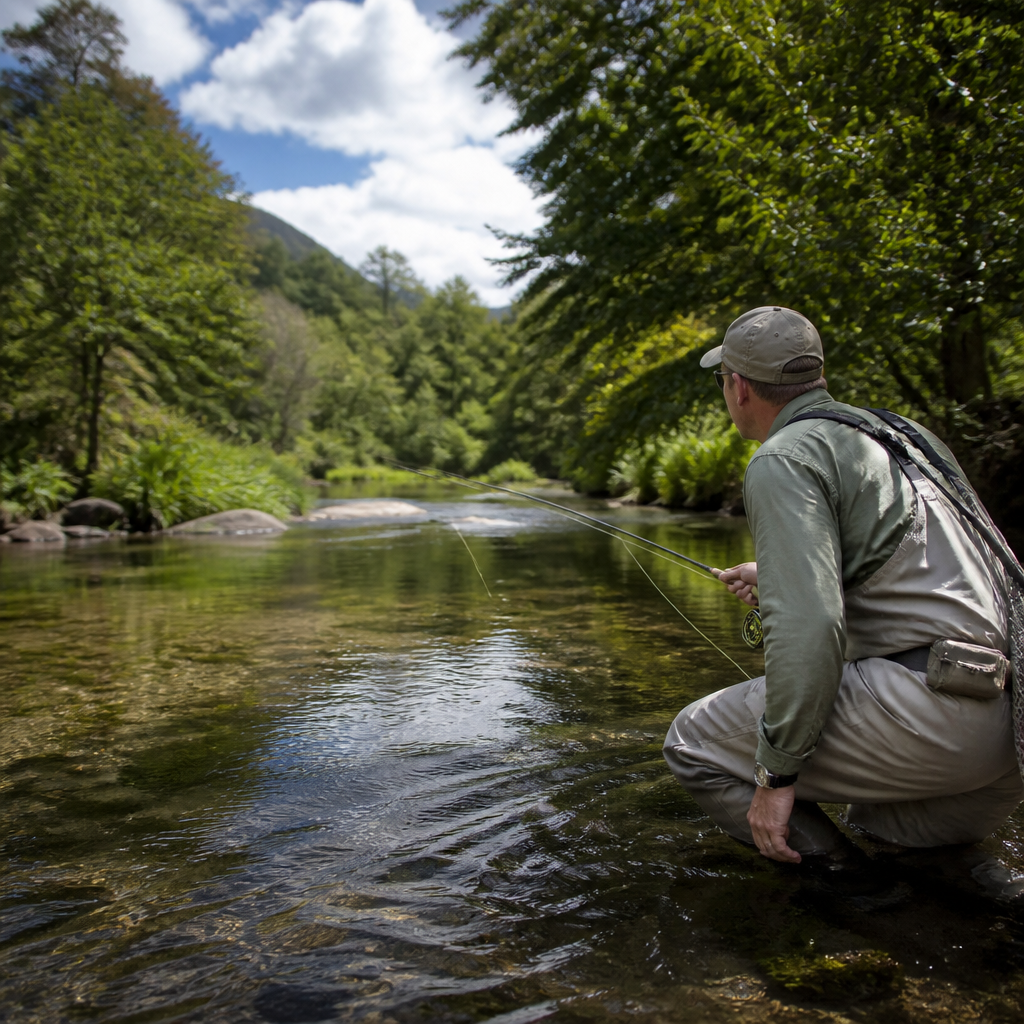
Approach determines whether you get a chance at all. In clear glides and spring creeks, trout feel pressure waves through their lateral line and see movement above the horizon line. I stay low, use bankside cover when available, and enter the water only if casting from shore is impossible. On bright days, your shadow matters; in flat evening light, even the flash of a rod tip can put down a fish. The best position is usually slightly downstream and to the side of the feeding lane, which keeps your leader off the trout and allows a longer dead drift. Casting directly upstream can work, but only if you can keep line off conflicting currents. Directly downstream presentations are often the riskiest because fish may inspect the tippet first.
Reading the surface is a practical skill, not a romantic idea. Foam reveals the true current path. Tiny dimples clustered in one lane often indicate spent insects collecting in a slick. Swirls near weeds may show trout taking emergers just under the film rather than adults. If naturals are visible, capture one briefly with a small seine or by wetting your fingers and lifting a dun from the surface. Size matters more than exact color in many situations, but silhouette and posture matter most in calm water. A mayfly riding high on stiff hackle looks different from a cripple with a trailing shuck. When refusals are close but consistent, posture is often the missing piece.
Presentation Techniques That Prevent Drag
The best cast in slow-water dry fly fishing is the one that creates a natural drift with the least disturbance. Most anglers need three tools first: reach casts, parachute casts, and aerial mends. A reach cast places line upstream or downstream of the fly before it lands, building slack without moving the fly afterward. A parachute cast, in presentation terms, means checking the forward cast so leader and line fall with controlled slack, useful at medium range when fish are feeding near the surface film. An aerial mend repositions line in the air before it lands, especially helpful when one current seam is faster than another. These casts are not for style points. They extend drag-free time, which is the real currency in slow water.
Length control matters as much as cast shape. If the fish is twenty-five feet away, do not cast thirty-five feet and then strip line over a feeding trout. Measure the drift, then cast only what the drift requires. False casting over the fish is another common error. In slick water, one or two false casts away from the target are enough. Then deliver. After the fly lands, follow it with the rod tip just enough to recover slack without pulling. If you see the tippet twitch or the fly wake unnaturally, recast immediately. Hoping a dragging fly will still get eaten wastes a good trout.
| Situation | Best Presentation | Why It Works |
|---|---|---|
| Fish rising in a steady lane below you | Up-and-across reach cast | Keeps line off the main seam and extends dead drift |
| Flat pool with conflicting currents | Aerial mend with extra slack | Separates fly from faster line sections before landing |
| Single sipper close to the bank | Short parachute-style delivery | Lands softly and avoids lining the trout |
| Trout feeding on spent insects at dusk | Downstream angle with long leader and controlled slack | Lets the fly arrive first and sit naturally in the film |
Leaders, Tippet, and Fly Floatation
For slow water, I rarely start with the leader I would use on a freestone riffle. Longer leaders, often 12 to 15 feet, give the fly room to drift independently from the thicker fly line. Tippet diameter is a balance between invisibility, turnover, and fly behavior. For size 12 to 16 mayflies or terrestrials, 5X is a common starting point. For tiny olives, Tricos, or midges, 6X and 7X can be necessary, especially on spring creeks. The tradeoff is fragility and slower turnover in wind. Good anglers adjust rather than cling to a formula. If a fish refuses three clean drifts on the correct bug size, dropping one tippet diameter is often smarter than changing to a dozen random patterns.
Floatation is part fly selection. A high-riding attractor may work during rough caddis activity, but selective trout in slick water often want a lower profile. Dress only the hackle and wing on patterns meant to sit in the film, and keep floatant off CDC or emerger bodies unless the material specifically benefits from it. Desiccant powders restore many modern dry flies better than greasy pastes after a fish or two. I carry amadou and powder because a half-drowned fly can be perfect in one moment and useless in the next. Treat the fly according to what the trout are actually eating, not according to habit.
Essential Dry Fly Patterns for Slow Water
A true hub page for dry fly fishing needs a disciplined pattern list, not a box stuffed with duplicates. In slow water, I rely on categories that solve feeding problems. For mayfly duns, a Parachute Adams remains foundational because it suggests many species and lands gently. For exact matches, Sparkle Duns, Comparaduns, and CDC duns cover most mayfly situations from Blue-Winged Olives to PMDs. For cripples and emergers, the Film Critic, RS2, CDC emerger, and cripple variations with trailing shucks are indispensable because trout often key on vulnerable insects trapped in the film. For spinner falls, rusty spinners in several sizes are mandatory. Many anglers leave fish feeding happily during a dusk spinner fall simply because they keep casting a dun.
Caddis require a different mindset. When adults are active and skittering, an Elk Hair Caddis can still be excellent, but in flat water trout often prefer an adult sitting low or an emerger half in and half out of the film. X-Caddis, CDC caddis, and sparse spent-wing caddis patterns solve many refusals. Midges matter on tailwaters and spring creeks year-round. Griffith’s Gnat, CDC midge adults, and tiny parachutes cover visible clusters and singles, while the rise form often tells you whether you should switch to an emerger. Terrestrials deserve space as well because calm banks and undercut grass produce dependable summer fishing. Small black ants, cinnamon ants, beetles, and low-riding hoppers are not just prospecting flies; in many meadows they are the primary food source by afternoon.
Matching Common Hatches and Seasonal Windows
Slow-water dry fly fishing becomes easier when you think in seasonal menus. Early spring often means midges and small olives, especially on overcast days. During this period, trout may feed longest in the warmest part of the afternoon, and size usually matters more than bright color. Late spring and early summer bring broader mayfly diversity, including PMDs, Sulphurs, and various caddis depending on region. On fertile tailwaters, spinner falls can outfish the hatch itself because trout settle into slow slicks and pick off spent adults with methodical confidence. Summer adds terrestrials, Tricos, and evening caddis. Trico fishing is a classic slow-water challenge because fish often ignore duns and feed almost exclusively on the spent spinner cloud after sunrise. Fall frequently returns anglers to olives and midges, with long gentle glides offering some of the year’s most technical fishing.
If you are unsure what to tie on, answer three questions in order. What size are the naturals? What stage are trout taking? Where in the drift are refusals happening? A fish that rises under your fly and turns away is often rejecting profile or size. A fish that never moves may simply not have seen the fly in the correct lane. This diagnostic sequence prevents random changes and shortens the learning curve. It also creates a repeatable process you can carry into every dry fly fishing situation.
Hooking, Fighting, and Learning From Refusals
Set the hook with restraint. In calm water, trout often sip a dry fly delicately, and a violent strike pulls the fly away. A smooth lift with the line hand tightening first is enough. Once hooked, angle the rod to the side and move the fish away from the main pod if possible. On spring creeks and technical tailwaters, one badly handled fish can put down several others. Fine tippet demands patience, especially with 6X and 7X. Let the rod protect the connection and avoid high sticking at close range.
Refusals are not failures if you read them correctly. A downstream refusal often points to tippet visibility. A last-second turn can indicate drag. Repeated inspection without eating usually means the fly is close but wrong in stage or posture. Keep notes after trips. I do, and the patterns repeat: fish on smooth tailwater glides reject overdressed flies, evening risers prefer spinners more often than anglers expect, and the first accurate cast beats the fifth clever adjustment. Dry fly fishing in slow water rewards disciplined observation more than constant motion.
Dry fly fishing in slow water distills trout angling to its clearest essentials: read the fish, control the drift, and present the right surface posture without alerting the target. The water is calm, but the demands are exacting. Trout in glides, slicks, spring creeks, and tailouts have time to inspect everything, so small improvements in stealth, leader design, and presentation produce outsized results. If you remember one principle from this hub, make it this: natural drift outweighs perfect imitation in most slow-water situations, and perfect imitation matters most when your drift is already correct.
Build your system around observation. Identify the feeding lane, decode the rise form, choose a fly that matches size and stage, and use reach casts, aerial mends, or controlled slack to buy a few extra feet of drag-free drift. Carry a focused box with proven patterns: parachute mayflies, low-riding duns, cripples, spinner patterns, caddis adults and emergers, midges, ants, and beetles. Pair them with leaders long enough to separate fly from line, and adjust tippet diameter when refusals tell you the fish are seeing too much. These habits turn guesswork into a process you can repeat on any technical dry fly water.
As the central guide in this subtopic, this article sets up the deeper skills that make dry fly fishing truly consistent: leader formulas, hatch-specific pattern selection, presentation casts, and reading rises under changing light. Revisit those related topics, then apply this framework on your next flat-water session. Pick one fish, solve one drift, and let the surface tell you the rest.
Frequently Asked Questions
What makes dry fly fishing in slow water more difficult than fishing faster currents?
Dry fly fishing in slow water is more technical because trout have far more time to inspect both the fly and everything connected to it. In fast pocket water, a fish often has only a split second to decide whether to eat, so minor drag, a slightly heavy tippet, or an imperfect cast may go unnoticed. In spring creeks, tailwater glides, meadow streams, flat pools, eddies, and slicks below riffles, the surface is calm enough that trout can study the fly, detect unnatural movement, and even notice the leader if the presentation is not clean. That means success depends less on simply putting a fly near a fish and more on making the entire drift believable.
Another reason slow water is challenging is visibility. Calm surfaces magnify errors. A micro-drag that would be hidden in broken current becomes obvious in a glassy seam. The fish can also see your silhouette, rod motion, and the disturbance from a careless wading approach much more easily. In many slow-water situations, the first mistake is not the cast but the setup: approaching too close, standing too high on the bank, false casting over the fish, or letting the fly line land too heavily.
At the same time, slow water gives anglers valuable information. You can often watch a trout’s lane, rhythm, posture, and feeding confidence. You may see whether it is eating duns, cripples, emergers trapped in the film, spent spinners, or tiny terrestrials. That feedback is what makes this style of fishing so rewarding. The challenge is real, but the clarity of the situation allows thoughtful anglers to solve the puzzle by adjusting angle, distance, fly pattern, leader length, and drift control until the fish finally accepts the fly.
How should I approach trout and present a dry fly in slow, clear water?
The best approach in slow, clear water is cautious, deliberate, and built around line control before the cast is ever made. Start by observing from a distance. Watch the fish’s feeding lane, count the rise interval, and determine exactly where the trout is taking insects. In slow water, a trout may hold only inches off its preferred path, so identifying the true lane matters. Once you know where the fish is feeding, plan a position that lets you cast from below or slightly across-and-below whenever possible. This reduces the chance of lining the fish and usually gives you a better natural drift.
Keep a low profile as you move into range. Slow water magnifies disturbance, so avoid abrupt steps, wake-like pushes from wading, and unnecessary false casts. Often the best anglers make one or two controlled false casts at most, then deliver. A longer leader is usually helpful because it places the fly line farther from the trout and allows a subtler presentation. Reach casts, pile casts, and slack-line presentations are especially useful because they build in extra drift time and help the fly float naturally before the leader and line begin to influence it.
Accuracy is important, but drift matters more than pure precision. It is better to land a fly slightly farther from the fish with perfect slack and a clean path than to land directly over the rise form with immediate drag. In many slow-water situations, the ideal cast lands the fly upstream of the trout’s window and lets it drift untouched into view. Watch not only the fly but also the tippet and the water around it for signs of drag. If the fish refuses, do not assume the pattern is wrong right away. Consider whether the cast angle, drift speed, or leader placement gave the trout a reason to reject the fly.
What dry fly patterns work best in slow water for selective trout?
The best dry flies for slow water are usually realistic, sparse, and matched closely to the stage of insect activity the trout are actually feeding on. Because fish in calm water can examine a fly carefully, oversized hackle, bulky profiles, and overdressed patterns often perform poorly unless visibility or rougher chop makes them necessary. Comparaduns, CDC duns, low-riding parachutes, thorax-style dries, spent spinner patterns, and carefully tied cripple imitations are all strong choices because they create a natural silhouette and sit in or on the film in a convincing way.
Matching the hatch in slow water is often less about exact entomological perfection and more about matching the impression the trout is keying on. If fish are taking mayfly duns, a clean upright-profile dun may be ideal. If they are refusing standard duns, they may be focused on cripples, emergers, or stillborn insects trapped in the surface film, which are often easier meals and therefore preferred by selective trout. During evening spinner falls on flat water, a spent spinner pattern can be vastly more effective than a standard upright mayfly dry. Midges and tiny baetis are common on many technical waters, so having small, sparse patterns in appropriate sizes and shades is essential.
Terrestrials also matter in slow water, especially on meadow streams and spring creeks. Ants, beetles, and small hoppers can produce steady action when no obvious aquatic hatch is underway. In these cases, simple patterns with a clean footprint often outperform overly complicated designs. Floatation should be managed carefully; a fly that rides too high can look wrong in flat water, while one that sits flush in the film can be deadly. A reliable slow-water fly box should include duns, emergers, cripples, spinners, midges, and a few terrestrial options, all tied with restraint and in sizes small enough to match what selective trout commonly see.
How do I prevent drag and get a natural drift when fishing dry flies in slow water?
Preventing drag in slow water starts with understanding that even tiny tension between the fly, tippet, leader, and fly line can ruin the drift. On calm surfaces, trout are extremely sensitive to a dry fly that wakes, skates unintentionally, or moves at a speed different from the surrounding current. The first step is choosing the right casting angle. Casting straight upstream can work, but in many situations a slight angle from below or across-and-up allows better line placement and mending options without putting too much line over the fish.
Slack is your friend in slow-water dry fly fishing. Reach casts, curve casts, wiggle casts, and aerial mends can all introduce controlled slack that buys the fly a few extra feet of drag-free drift. Longer leaders and fine tippets help by reducing how quickly surface tension transfers movement from the line to the fly. However, leader design matters as much as total length. A leader that turns over too aggressively may straighten completely and pull the fly immediately, while a more supple setup can land with enough softness to preserve a natural float.
Line management after the cast is equally important. In extremely slow current, aggressive mending can disturb the water and move the fly unnaturally, so the best solution is often to make a cast that needs very little correction. Watch multiple current seams, not just the one the fly is in. Drag frequently comes from faster or slower water acting on the line or butt section of the leader outside the trout’s lane. If refusals continue, shorten the drift problem rather than forcing a bad one: reposition, change your angle, or cast to a closer feeding window. In technical slow water, a short perfect drift is far more effective than a long mediocre one.
What should I do when trout are rising in slow water but keep refusing my dry fly?
Repeated refusals in slow water usually mean one of three things: the fly is wrong, the drift is wrong, or the trout is seeing something else that makes it suspicious. The most common issue is drift. Many anglers change patterns too quickly when the real problem is subtle drag or poor fly-first presentation. If a trout rises, approaches, and then turns away at the last instant, first ask whether the fly moved unnaturally, whether the tippet created a faint V-wake, or whether the leader landed too close to the fish. In technical water, even tiny mistakes are enough to cause a refusal.
If the drift looks clean, focus on the trout’s feeding behavior. Is it consistently eating adults off the top, or is it bulging just under the surface and only occasionally breaking through? Fish that seem to be rising may actually be taking emergers in the film. In that case, switching from a high-floating dry to a cripple, emerger, or low-riding CDC pattern can make an immediate difference. Also consider size before color. Trout often reject a fly that is one size too large more readily than one that is slightly off in shade. Downsizing and choosing a sparser pattern is a classic solution on slow water.
Presentation angle can also change everything. A fish that refuses repeated upstream casts may eat confidently when shown the same fly from a slightly different lane. Repositioning can improve both drift and visibility. If the fish has become alert after several refusals, rest it and move on if possible, then return later with a fresh approach. Finally, stay observant and patient. Selective trout in slow water reward anglers who diagnose the problem methodically rather than changing everything at once. One careful adjustment in leader length, fly stage, size, or casting angle is often all it takes to turn a refusal into a confident take.