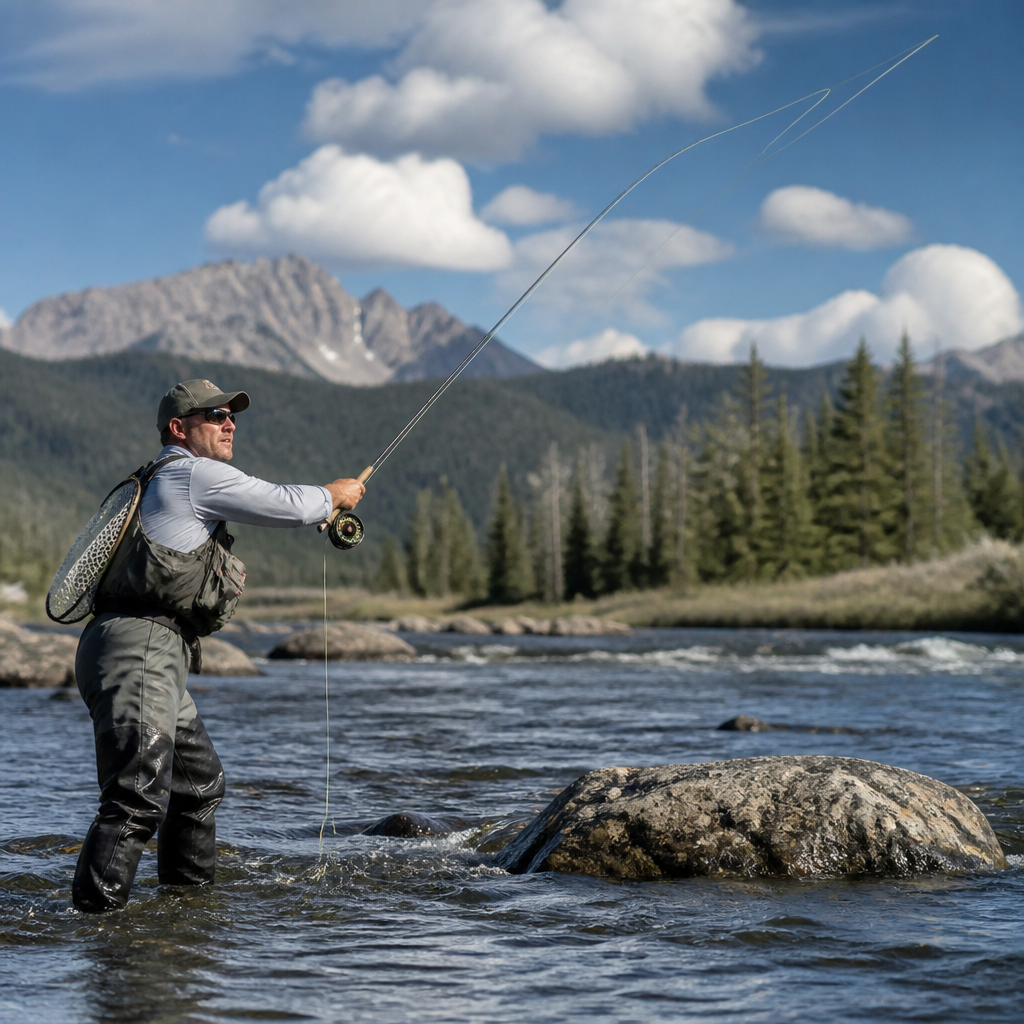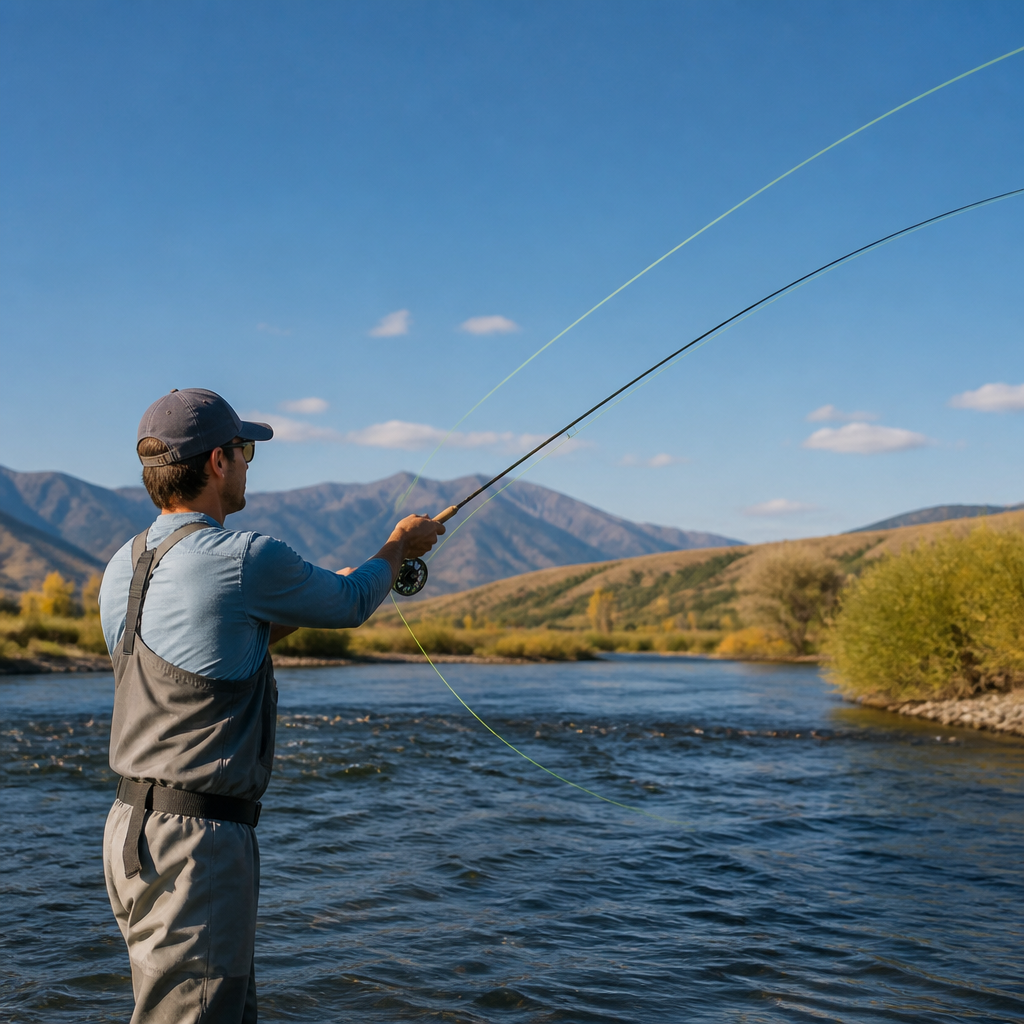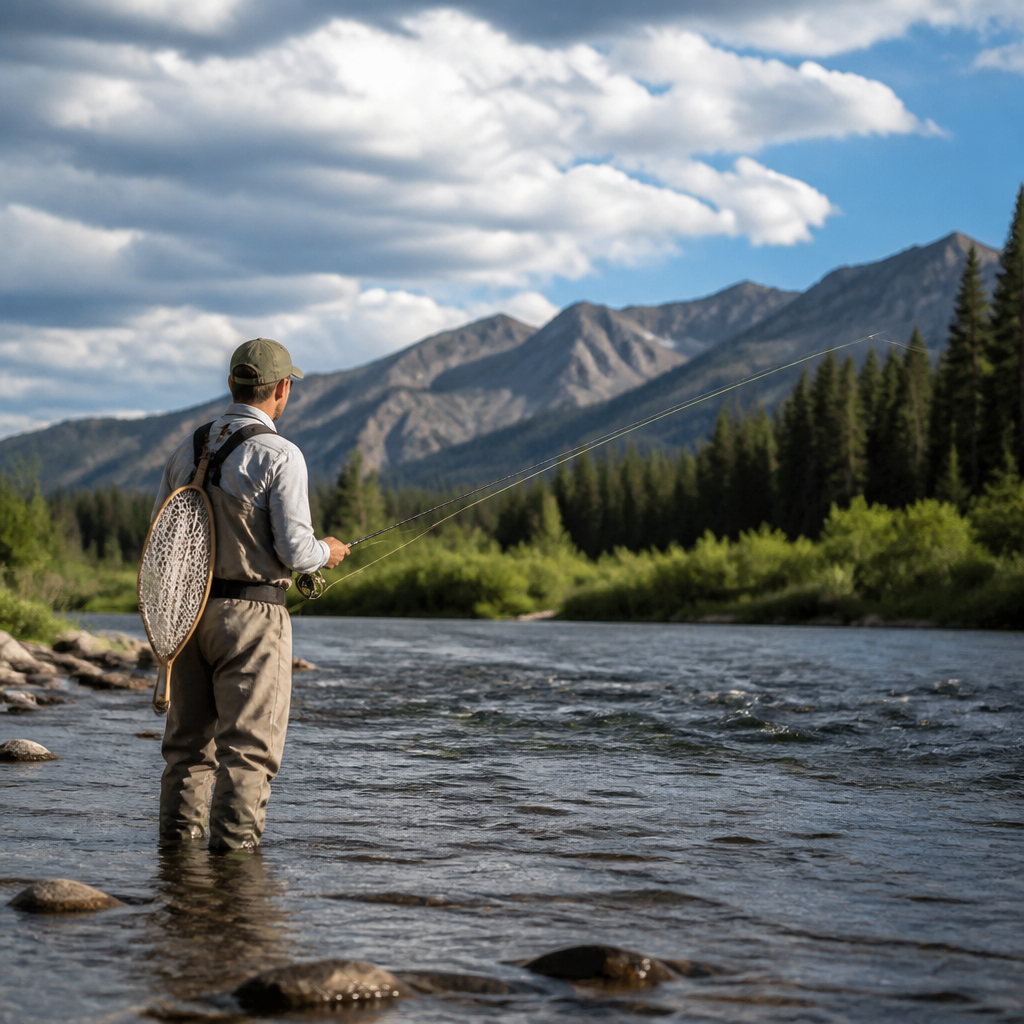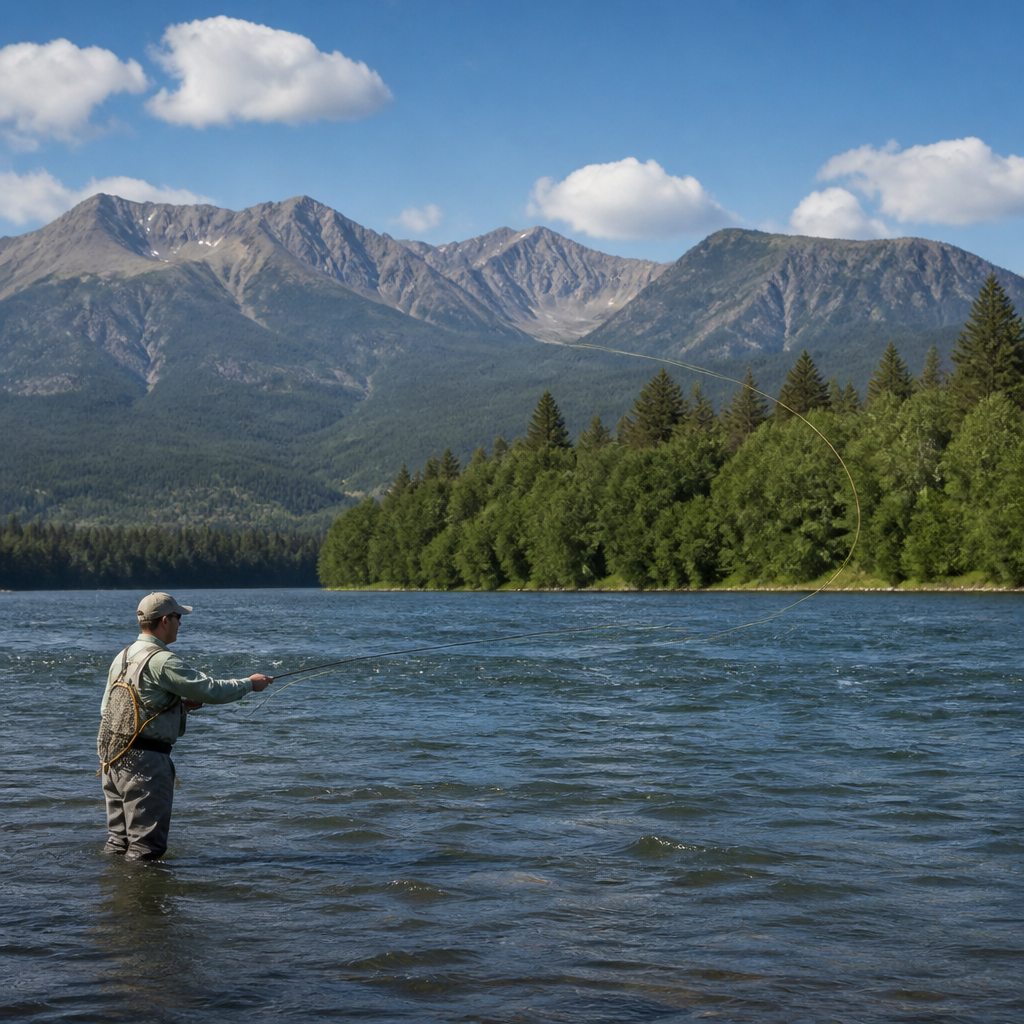
Dry fly fishing in large rivers demands a different mindset than the intimate, short-range dry fly work many anglers learn on small streams. In this setting, “dry fly fishing” means presenting an artificial fly that floats on the surface and imitates adult insects, terrestrials, or other surface food so trout rise and take it cleanly. “Large rivers” usually means broad currents, multiple seams, deep runs, long slicks, complex eddies, and fish that can feed selectively while still having many escape lanes. I have spent enough dawns and evening hatches on big tailwaters and freestones to know that success rarely comes from luck. It comes from reading water precisely, matching feeding behavior, controlling line over distance, and understanding how current layers affect a drifting fly. For anglers building a dependable surface game, this subject matters because large rivers often hold the biggest, most educated trout in a system, and those fish regularly feed on top when conditions line up. A strong dry fly approach turns intimidating water into readable water, and it creates some of the most visual, exacting, and rewarding trout fishing available. This hub explains the core principles, the major dry fly categories, essential gear choices, seasonal strategy, presentation methods, and the common mistakes that prevent consistent success on broad rivers.
What Makes Dry Fly Fishing on Large Rivers Different
Large rivers magnify every technical error. On a twenty-foot pocket, a slightly dragging fly may still get eaten. On a hundred-foot slick below a weed bed, one inch of micro-drag can ruin the drift. Wide channels create conflicting current speeds between your fly line, leader, and fly, so the surface presentation is rarely controlled by a simple cast-and-wait approach. Big rivers also hold more complex trout positions. Fish can sit on inside seams, foam lines, shelf drops, side channels, drowned grass edges, back eddies, and mid-river buckets, often moving only inches to intercept food. That means the angler has to identify not only where fish are, but where they can feed efficiently without spending excess energy.
Another defining factor is visibility. On large rivers, trout often have longer windows to inspect a floating imitation. They may see naturals drift over them for several feet, especially during flat-water hatches of mayflies like Pale Morning Duns, Blue-Winged Olives, or Tricos. As a result, fly profile, stage of emergence, drift speed, and leader refinement matter more than many anglers expect. The river’s size also changes access and angles. Wading is often limited, and productive dry fly fishing may depend on boat positioning, side-channel approaches, or long downstream presentations from gravel bars. In practical terms, the big-river dry fly angler must solve three problems at once: locate surface-feeding trout, choose a pattern that matches what they are eating, and deliver a drag-free drift through several current lanes.
Reading Water for Surface-Feeding Trout
The fastest way to improve dry fly fishing in large rivers is to stop casting at “good-looking water” and start casting at specific feeding lanes. Surface-feeding trout prefer places where food is concentrated and current speed is manageable. The classic examples are seam edges, foam lines, and tailouts where drifting insects funnel predictably. On broad riffles, fish commonly set up in softer cushions beside faster tongues because they can intercept mayflies without holding in the strongest current. On long flats, subtle depth changes matter. A depression of even a foot can provide enough cover for a trout to rise repeatedly with confidence.
Watch before you cast. Rising fish reveal tempo and intent. A splashy rise often signals caddis or emergers taken aggressively; a slow dimple usually suggests spent mayflies, cripples, or tiny adults in calm water. If you see head-and-tail rises, fish may be feeding confidently on duns. If only the snout appears, they may be sipping midges or Tricos, requiring much smaller patterns and finer tippet. I routinely spend five to ten minutes observing a pod on large rivers before making the first cast, because one accurate read saves twenty poor presentations. Wind lanes also deserve attention. Even on big, rough water, bankside eddies and converging currents collect beetles, ants, hoppers, and spent insects. These are high-value targets during low hatch activity, especially in summer.
Matching the Hatch and Choosing Productive Dry Flies
Matching the hatch on large rivers does not mean carrying hundreds of patterns without a system. It means identifying insect type, size, color tone, and life stage, then choosing a fly that matches the feeding behavior you observe. The core categories are mayflies, caddisflies, stoneflies, midges, and terrestrials. Within those, the most productive dry fly styles are comparaduns, parachutes, cripples, emergers that ride high enough to see, CDC patterns, skaters, and buoyant attractors.
Mayfly hatches demand the most exact imitation because trout on large rivers often key on one stage. During a PMD hatch, for example, fish may refuse upright duns but eat cripples every drift because vulnerable insects are trapped in the film longer. Caddis hatches are different. Adults skitter, bounce, and return to lay eggs, so a dead drift is not always best. In late summer, terrestrials become central. Foam hoppers, fur ants, and simple beetles can outfish hatch-matching mayflies when bankside grass and windy afternoons put land insects on the water. I also rely on attractor dries such as a Chubby Chernobyl or high-floating stimulator when prospecting broken banks, side channels, and pockety runs where exact matching matters less than visibility and buoyancy.
| Food Source | Typical Conditions | Best Dry Fly Styles | Presentation Priority |
|---|---|---|---|
| Mayflies | Cloud cover, stable flows, flats and tailouts | Comparaduns, parachutes, cripples, spinners | Exact size and drag-free drift |
| Caddis | Evening activity, riffles, broken seams | Elk hair caddis, CDC caddis, egg-layers | Dead drift first, then slight movement |
| Stoneflies | Fast banks, summer salmonfly or golden periods | Stimulators, foam stoneflies, chubby patterns | Bank-shot accuracy and splash tolerance |
| Midges/Tricos | Calm mornings, slick water, selective fish | Clusters, tiny parachutes, spent patterns | Long leaders and precise placement |
| Terrestrials | Windy afternoons, grassy banks, late summer | Hoppers, beetles, ants | Bank drift, undercut edges, opportunistic coverage |
Gear, Leaders, and Line Control That Actually Matter
For most large-river dry fly fishing, a 9-foot 5-weight is the best starting rod because it balances reach, line control, and fish-fighting authority. A 4-weight excels during technical mayfly hatches on gentle flats, while a 6-weight becomes useful for heavy wind, large foam flies, and strong fish in wide currents. Rod action should help you carry line and mend efficiently, but ultra-stiff fast-action rods can hurt delicate close presentations if your timing is poor. The fly line should be a true-to-weight floating line with a taper that turns over long leaders cleanly rather than a specialty line that overpowers them.
Leader design is more important on large rivers than many anglers realize. For technical dry fly fishing, I usually fish 12- to 15-foot leaders tapered to 4X, 5X, or 6X depending on fly size and water clarity. Long leaders separate the fly from the line splash and buy extra drag-free drift. Tippet choice should match both the insect and the fish. Stiff nylon turns over hoppers and caddis better; supple material often helps tiny mayflies land naturally. Floatant strategy also matters. Paste floatant belongs on leaders and hackled dries, while desiccant powder revives CDC and small mayflies after a fish or a bad drift. The most overlooked skill is line control after the cast. Reach casts, stack mends, aerial mends, and controlled slack are not advanced extras on big rivers; they are standard tools for keeping a dry fly moving at the current speed trout expect.
Presentation Tactics for Long, Clean Drifts
The best presentation on a large river is the one that produces a drag-free drift through the fish’s feeding window. Upstream casts are often the cleanest option in wadeable side channels and riffle seams because the fly reaches the trout before the line does. Across-and-up presentations work well when you need mending room to adjust multiple current lanes. Downstream or down-and-across casts can be deadly on slick, selective fish because the leader lands first and the trout sees the fly without line interference, but they require careful rod positioning and quick slack feeding to avoid immediate tension.
The reach cast is the foundational dry fly cast for large rivers. By repositioning line upstream or downstream in the air before it lands, you create built-in slack that delays drag. Stack mends extend this principle at longer range. Instead of trying to make one heroic mend after the line lands, you intentionally pile controlled slack into the drift from the start. When fishing pods, cast to the nearest fish first if possible; lining fish farther upstream can shut the whole group down. For bank-feeding trout on terrestrials or stoneflies, accuracy matters more than delicacy. Put the fly close to grass, undercuts, log edges, or boulders where naturals actually fall. In caddis scenarios, do not assume every take needs a dead drift. A slight skate at the end of the drift can trigger fish that ignore static patterns, especially in riffled evening water.
Seasonal Strategy on Big Freestones and Tailwaters
Season changes everything in dry fly fishing. On spring freestones, flows are often unstable and cold, so surface windows can be short. Focus on softer edges, side channels, and midday hatches when water temperatures rise. Blue-Winged Olives, March Browns, and early caddis frequently provide the first consistent dry fly opportunities. As runoff drops, large rivers open up. Banks become wadable, visibility improves, and trout spread into classic seams and flats. Early summer is often prime time for larger mayflies and stoneflies, and these events can pull the biggest fish of the season to the surface.
Summer broadens the menu. Morning Tricos, midday PMDs, evening caddis, and all-day terrestrials can overlap. This is when dry fly fishing in large rivers becomes less about waiting for one hatch and more about moving through several feeding windows. On fertile tailwaters, stable releases often produce highly predictable surface activity, but the fish can become extremely selective because they see endless imitations. Autumn brings lower light, cooler water, and excellent Blue-Winged Olive and midge fishing, especially on cloudy days. Terrestrials may remain relevant until the first hard frosts. Winter is the most technical season. Midges and tiny olives dominate, trout feed more slowly, and you must fish the softest currents, warmest hours, and calmest surfaces. The reward is that large-river trout still rise in winter when conditions align, and there is far less angling pressure.
Common Mistakes and How to Build a Reliable System
The most common mistake is fishing too quickly. Anglers step into a run, make long casts immediately, and miss the rise forms, current breaks, and approach angles that should guide every decision. The second mistake is using the wrong leader length for the water. On broad, clear flats, a 9-foot leader often puts the fly line too close and causes refusals. Another frequent problem is false confidence in pattern changes when the real issue is drag. If trout inspect and refuse repeatedly, check drift speed first, then fly stage, then size. Order matters.
A reliable system starts with observation, then narrows variables one by one. First, identify where fish are feeding. Second, determine what they are eating by watching rises, checking the air above the water, and inspecting naturals in the film. Third, choose a fly that matches the likely stage. Fourth, select the cast that gives the longest natural drift. Fifth, evaluate each refusal honestly. I have found that anglers improve fastest when they keep notes by river section, hatch timing, weather, and successful leader formulas. Over one season, those notes become a practical map of dry fly fishing opportunities. As the hub for the broader dry fly fishing topic, this article should send you into specialized subjects with a solid framework: read feeding lanes carefully, match behavior before appearance, use leaders and mends to defeat drag, and adapt your tactics to season, river type, and insect activity. Master those fundamentals and large rivers stop feeling overwhelming. They become places where you can predict rises, solve problems methodically, and enjoy the most visual trout fishing in the sport. The next step is simple: pick one local large river, focus on one hatch or terrestrial pattern this week, and practice building perfect drifts before changing flies.
Frequently Asked Questions
What makes dry fly fishing in large rivers different from fishing dry flies on small streams?
Dry fly fishing in large rivers is different because scale changes almost everything. On a small stream, you are often making short casts to obvious lies at close range, with relatively simple current lanes and limited drag. On a large river, trout may feed in broad slicks, along long seam lines, at the edges of deep runs, or in subtle soft water that is harder to identify from a distance. Instead of focusing only on a single pocket or undercut bank, you are reading wide sections of water and deciding where fish can rise efficiently without expending too much energy. That means current speed, depth transitions, foam lines, and changing light conditions become even more important.
Presentation also becomes more demanding. Longer casts are common, and the farther your fly travels, the more likely conflicting currents will pull the line and create drag. A technically correct drift matters more in large rivers because trout often have more time to inspect a floating fly. In clearer, slower surface currents, fish can become highly selective and refuse a pattern that is only slightly off in size, profile, or drift. As a result, success often depends less on simply putting a fly near a fish and more on managing line, controlling slack, and positioning yourself for the best angle.
There is also a strategic difference in mindset. In small-stream dry fly fishing, anglers often cover water quickly and rely on close, opportunistic presentations. On large rivers, you frequently need to slow down, observe rising fish, watch the insect activity, and build a plan before making a cast. You may spend several minutes studying a feeding lane, timing rises, and figuring out how to get a dead drift over one specific trout. In other words, large-river dry fly fishing is often a more deliberate game of observation, positioning, drift control, and patience.
How do you identify the best water for dry fly fishing on a large river?
The best water for dry fly fishing on a large river is usually water that concentrates food on the surface while giving trout a comfortable feeding position. Start by looking for seams where fast and slow currents meet, because these lanes naturally funnel insects and other surface food. Trout can hold just off the main push of current and slide a short distance to feed. Long slicks can also be excellent, especially during hatches, because emerging and drifting insects become easy for fish to target. The challenge is that slick water often exposes flaws in your drift, so it can be productive but technical.
Soft edges beside heavy current are another prime category. Bankside cushions, inside bends, tailouts, current tongues, and the soft margins below riffles often provide trout with an ideal balance of security and access to food. In many large rivers, fish rise best where the river transitions from one speed or depth to another. A shallow riffle entering a deeper run can deliver insects downstream in high numbers, and trout often set up in the receiving water to intercept them. Likewise, eddies and foam pockets can trap surface insects and create feeding stations, though they demand careful casting because currents may swirl in multiple directions.
One of the most overlooked skills is learning to distinguish fishy-looking water from truly productive dry fly water. Not every deep run is a dry fly run, and not every beautiful riffle has fish willing to feed on top. Look for actual signs of surface activity: steady rises, dimples, splashy takes on caddis, or subtle head-and-tail rises during mayfly hatches. If you do not see fish rising, watch for insect life. Floating adults, spent spinners, drifting terrestrials, and birds working the surface can all indicate that surface feeding is likely. On large rivers, the best dry fly water is rarely random; it usually has a clear combination of food delivery, manageable current, and a secure holding lie for trout.
What fly patterns work best for dry fly fishing in large rivers?
The best fly patterns for large-river dry fly fishing are the ones that match the food source trout are actually keyed on, while still remaining visible enough for you to fish effectively. In practical terms, that usually means carrying a broad but purposeful selection: mayfly duns and spinners, caddis adults, attractor dries, terrestrials like ants and beetles, and larger searching patterns such as hoppers if the season supports them. In many large rivers, trout feed on prolific hatches, so matching size, silhouette, and posture often matters more than using an overly complicated fly.
Mayfly patterns are especially important because large rivers often produce sustained hatches of blue-winged olives, Pale Morning Duns, sulfurs, Green Drakes, or local equivalents depending on region and season. In those situations, a parachute pattern, low-riding dun, comparadun, or spinner can be extremely effective. Caddis are another major category, and an elk hair style caddis, X-caddis, or sparse adult imitation often covers a lot of situations. For selective trout feeding in flat water, smaller and more refined patterns may outperform bushier, higher-floating flies.
That said, large rivers also reward practical visibility. If you cannot track your fly at distance, you will struggle to detect subtle takes and maintain confidence in the drift. Many anglers solve this by fishing patterns with a visible post, a slightly larger lead fly in a dry-dropper-free context where legal and appropriate, or a two-fly dry setup with a more visible pattern trailing a smaller imitation. Terrestrials can be outstanding on large rivers during warm weather, especially along grassy banks, under overhanging vegetation, and on breezy afternoons when ants, beetles, and hoppers get blown in. Ultimately, the best pattern is not just the one trout may eat in theory, but the one that matches the hatch, floats correctly in the water type you are fishing, and can be presented naturally at the distance required.
How important is presentation and drift when fishing dry flies on big rivers?
Presentation and drift are absolutely critical on big rivers, often more important than the exact fly pattern. Trout feeding on the surface have a long look at your imitation, especially in broad slicks and softer current where the water is clear and the fish are not forced to make split-second decisions. If your fly drags, skates unnaturally when it should drift dead, or lands with too much disturbance, even a perfect hatch match may be refused. On a large river, the problem is that multiple current speeds are often acting on your leader, fly line, and fly all at once, so achieving a natural drift requires active line management rather than just making a cast and watching.
The first key is angle. Position yourself so the fly reaches the fish before the line does, and so you can minimize the amount of conflicting current between you and the target. Sometimes that means wading to improve your lane, approaching from downstream and across, or even changing banks or boat position entirely. The second key is slack control. Reach casts, aerial mends, pile casts, and immediate on-water mends all help build or reposition slack so the fly can float freely for the crucial first few feet of drift. Without that, the current will quickly pull the line tight and drag the fly off course.
Another major factor is distance management. Many anglers assume big rivers automatically demand long casts, but the better strategy is often to get closer when possible and shorten the cast to improve control. A shorter cast usually means better accuracy, cleaner drifts, and more effective hook sets. If fish are rising at long range and you cannot get closer, then casting skill and mending become even more important. In short, on large rivers, successful dry fly fishing is really the art of delivering the right fly in the right lane with the right drift for long enough that the trout accepts it naturally.
What are the most common mistakes anglers make when dry fly fishing large rivers?
One of the most common mistakes is fishing too fast. Large rivers can feel overwhelming, so anglers often respond by covering water quickly and making many casts instead of slowing down to observe. That usually leads to fishing unproductive water or casting at trout without understanding what they are feeding on. A better approach is to pause, scan for rises, identify current structure, and watch for insect activity before stepping in. A few minutes of observation can save a great deal of ineffective casting.
Another major mistake is poor positioning. Anglers frequently cast from the first place they can stand rather than from the best angle for a drag-free drift. On large rivers, a small change in position can completely transform the presentation. Fishing with too much line on the water is also a common issue, because it increases drag and reduces control. Many refusals that anglers blame on fly choice are actually caused by line placement, bad mends, or a drift that does not match the surrounding surface current.
Fly selection errors matter too, but usually in a specific way. The mistake is not always choosing the wrong species imitation; more often it is choosing the wrong size, profile, or visibility balance for the conditions. Fishing a pattern you cannot see well enough to manage is a problem, and so is stubbornly sticking with an attractor when trout are clearly feeding selectively on a hatch. Other frequent mistakes include striking too hard on subtle rises, setting before the fish has actually taken the fly, and neglecting leader length and tippet diameter