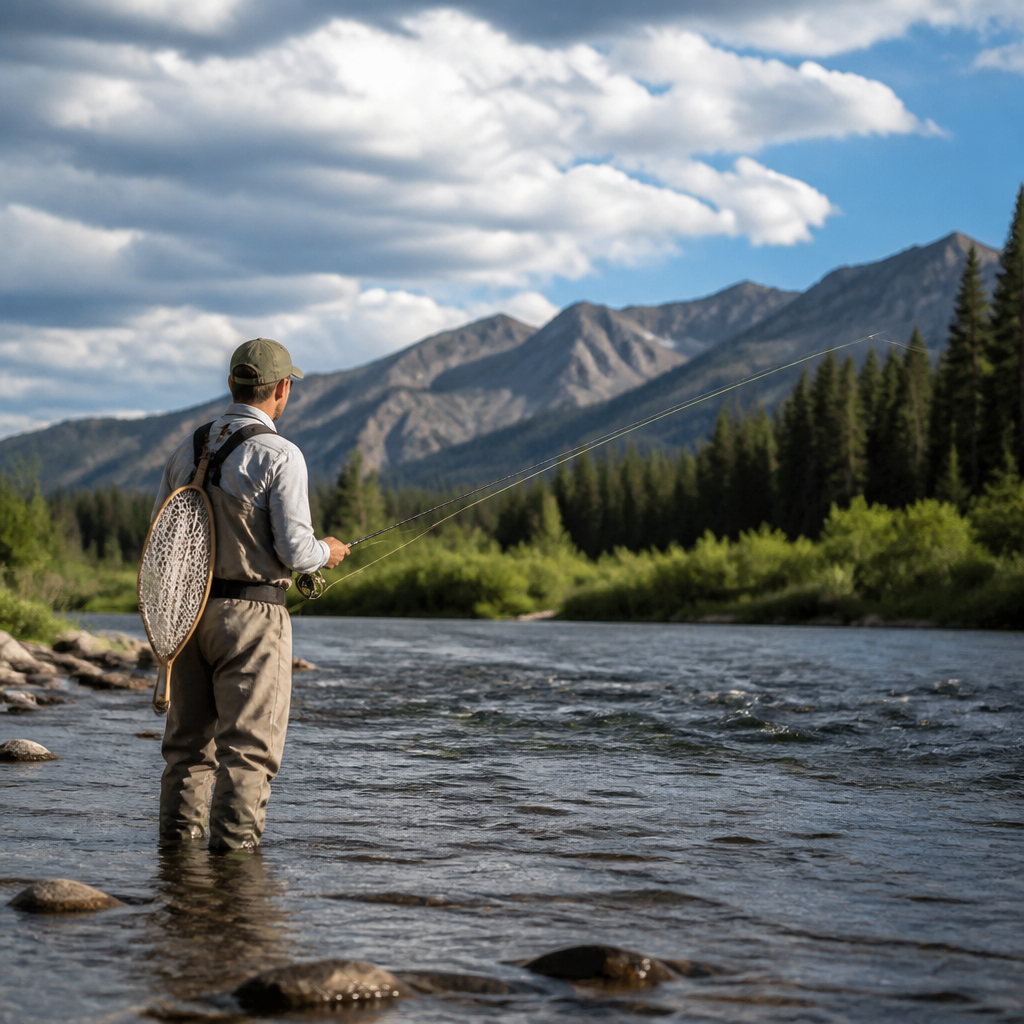
Dry fly fishing in the rain sounds contradictory to many anglers, yet some of the most consistent surface takes I have ever seen happened under low clouds, steady drizzle, and rings spreading across a river seam. Dry fly fishing means presenting an artificial fly that floats on the water and imitates an adult insect, terrestrial, or other surface food item. Fishing in the rain changes nearly every variable that matters to that presentation: visibility, insect behavior, current speed, angler positioning, leader choice, and the trout’s willingness to break the surface. For anglers building skill within techniques and strategies, this topic matters because rainy conditions often separate casual casting from deliberate problem solving. A good dry fly angler understands not just what fly to tie on, but why fish rise during some storms, refuse during others, and shift feeding lanes as light, temperature, and oxygen change.
Rain can improve dry fly fishing by dimming light, masking drag, washing terrestrials into the current, and stimulating hatches such as Blue-Winged Olives. It can also ruin the surface game when heavy runoff muddies the river, when pounding drops make natural insects hard to identify, or when fish drop subsurface to intercept emergers instead of fully formed duns. The key term is not simply rain, but rain intensity. A fine drizzle often creates ideal conditions for selective surface feeding, while a warm summer downpour on a freestone stream may raise and discolor water within an hour. Another essential distinction is between stillwater and moving water. On lakes, rain can flatten or dimple the surface in ways that alter how fish track a fly. On rivers, the same rain may create soft edges, foam lines, and bank-side food conveyors that reward careful presentations.
In practice, success comes from reading signals before you cast. Are rises splashy, nose-up, or subtle sips? Are naturals visible on the surface, trapped in the film, or absent entirely? Is the rain cooling the air after heat, or accompanying a frontal drop that suppresses insect activity? I have learned to treat rainy dry fly sessions as a sequence of decisions rather than a single tactic. Start by identifying whether trout are feeding confidently on top. Then match the food source, choose a fly that remains visible enough to track, and fish a lane where drag is manageable despite changing currents. This article serves as the hub for dry fly fishing within the broader techniques and strategies category, covering the conditions, flies, gear adjustments, presentations, and on-water decisions that make rain a challenge worth embracing.
Why Rain Can Improve Dry Fly Fishing
Rain often helps dry fly fishing because it alters three things at once: insect availability, trout security, and surface texture. Trout are more likely to rise when reduced light makes them feel safer from overhead predators. Even on heavily pressured rivers, a gray sky and soft rain can turn cautious fish into regular feeders. The broken surface also obscures minor leader flash and micro-drag, letting a decent drift pass where a bright calm day would expose every mistake. This is one reason anglers frequently do well with parachute patterns, CDC emergers, and comparaduns during overcast weather.
Insect behavior matters just as much. Blue-Winged Olive hatches are famous for occurring in cool, damp, unsettled weather, especially on tailwaters and spring creeks. Mahogany duns and midges can also overlap with drizzly conditions. During summer storms, ants, beetles, and inchworms may be knocked from streamside vegetation, creating opportunistic surface feeding along undercut banks and foam lines. I have seen trout ignore a sparse mayfly hatch while eating every black ant swept downstream after ten minutes of rain. When that happens, pattern category matters more than exact hatch matching.
Rain also redistributes food. Slightly elevated flows can concentrate drifting insects along seams, inside bends, and current cushions in front of rocks. On many rivers, the first hour of rain is better than the fourth because water color has not yet changed, while terrestrials and loosened nymphs are already entering the drift. That timing window is important. If you wait until the river is visibly rising and tea-colored, the best dry fly period may be over. Experienced anglers monitor cloud build-up, radar, and tributary influence so they can fish the productive edge before runoff dominates.
When Dry Flies Work in the Rain, and When They Do Not
Dry flies work in the rain when trout are visibly feeding near the surface, when insects are hatching or falling in, and when water clarity remains good enough for fish to track a floating fly. Light rain, drizzle, and intermittent showers are usually favorable. Cold autumn rain on a stable tailwater can be excellent because it aligns with olive hatches and reduces glare. Warm summer rain can be productive at first on meadow streams and moderate rivers, especially where bankside grass and overhanging brush contribute terrestrials.
Dry flies become less effective in hard rain that churns the surface so violently fish cannot isolate individual items, or when runoff muddies the upper water column. They also struggle during conditions where trout shift to emergers just below the film. This is common during weather-driven mayfly activity: anglers see occasional rises, cast standard dries, and conclude fish are refusing, when in reality the trout are taking cripples and ascending nymphs an inch under the surface. In those moments, a lightly dressed emerger or dry-dropper with an unweighted pupa often outperforms a high-floating adult imitation.
Wind is another deciding factor. Rain with moderate chop can still fish well on lakes if trout are cruising margins and chironomids or callibaetis are active, but strong gusts make drag control and line management difficult on rivers. Water temperature can also override every surface-friendly signal. In very cold rain events, especially on mountain freestones, insect activity may shut down despite cloud cover. The practical rule is simple: if you see consistent rises, fish dries confidently; if rises disappear and clarity drops, transition quickly rather than forcing the method.
Best Flies, Rigging, and Gear Adjustments
Rainy-condition dry fly selection should prioritize visibility, flotation, and food-source relevance. My standard box for wet-weather surface fishing includes Parachute Adams, CDC Blue-Winged Olive patterns in sizes 18 to 22, Elk Hair Caddis, black and cinnamon ant imitations, small beetles, Griffith’s Gnats, Sparkle Duns, and a few high-floating attractors such as a Purple Haze or small Chubby Chernobyl. The goal is not to carry hundreds of patterns, but to cover mayflies, caddis, midges, and terrestrials with flies you can track against a broken surface.
Floatant choice changes in rain. Powder desiccants and silica shake products help revive CDC and delicate mayfly patterns after fish or repeated false casting. Paste or gel floatant works well on hackled dries and hair-wing caddis, but it should be applied before the fly gets soaked. For leaders, I usually shorten slightly and fish stronger tippet than I would on flat calm water because the fish see less and weather often pushes them tight to structure. A 9-foot leader tapering to 4X or 5X covers many rainy river situations; spring creek olive fishing may still demand 6X.
| Condition | Recommended Dry Fly | Leader/Tippet | Why It Works |
|---|---|---|---|
| Light drizzle during olive hatch | CDC BWO emerger or Parachute BWO | 10 ft leader, 5X-6X | Matches small mayflies and lands softly in slow seams |
| Summer shower near grassy banks | Black ant or small beetle | 9 ft leader, 4X-5X | Imitates terrestrials washed from vegetation |
| Broken pocket water in steady rain | Parachute Adams or Purple Haze | 9 ft leader, 4X | High visibility and good flotation in textured water |
| Evening caddis with intermittent rain | Elk Hair Caddis | 9 ft leader, 4X-5X | Skates or dead-drifts well when adults are active |
Other gear adjustments are straightforward but important. Dress for water from above and below: breathable waders, a reliable wading jacket, and a brimmed cap keep you focused on drifts instead of discomfort. Keep fly boxes and tippet protected, because soaked materials slow every change. Polarized lenses still matter in the rain, though amber or copper tints usually outperform dark gray under cloud cover. Most importantly, maintain your fly line. A clean floating line lifts more efficiently for short, accurate dry fly shots when weather closes the casting window.
Presentation Tactics for Rivers, Streams, and Stillwater
The best presentation in the rain is usually the simplest one you can control. On rivers, target feeding lanes where the fish can rise with minimal effort: soft seams beside faster current, foam lines, the insides of bends, tailouts during hatches, and bank edges where terrestrials gather. Short upstream or up-and-across casts reduce drag and let you mend early. Because the rain roughens the surface, many anglers cast too far in search of obvious rises. That is a mistake. Close, controlled drifts over likely lies catch more fish than hero casts in bad weather.
In pocket water, a visible attractor dry is often enough. Rain and chop shorten a trout’s inspection time, so placement matters more than exact detail. Land the fly first, keep leader slack minimal, and let it ride naturally through current pillows and micro-eddies. In smoother glides or spring creeks, the opposite applies. Fish may feed rhythmically on small olives or midges, and your fly must arrive on a precise lane with little disturbance. Here I rely on reach casts, longer leaders, and downstream positioning whenever possible.
Stillwater dry fly fishing in the rain requires a different approach. Watch for rise forms near shoals, weed edges, and wind lanes. Trout often cruise with a clear route, so intercepting their path is better than dropping a fly directly on top of them. During callibaetis or midge activity, let the dry sit long enough. Rain makes anglers impatient, but many lake trout inspect a stationary fly before taking. If no hatch is visible, fish a beetle or ant near reeds and shoreline cover after a shower, especially on smaller lakes where shoreline food enters easily.
Reading Trout Behavior and Making Smart Adjustments
Rain exposes whether an angler is observing or guessing. Rise form is the first clue. A full head-and-tail rise often signals mayflies or larger items taken confidently from the top. Splashy takes can indicate caddis or opportunistic feeding in rough water. Tiny dimples or bulges usually point to midges or emergers in the film. Matching the rise form to the feeding level saves time and prevents the common error of changing flies endlessly when the real problem is depth.
Location shifts are the next clue. In steady rain, trout frequently slide shallower and closer to banks because light penetration drops and food collects there. On rivers with defined structure, look at current breaks behind boulders, undercut sod, submerged logs, and soft shelves beside stronger channels. On tailwaters, pods may appear in tailouts where drifting insects funnel predictably. On freestones, fish may spread through softer margins as flow inches upward. I have had many rainy sessions improve only after moving six feet closer to the bank and casting parallel to the edge.
Adjustment discipline matters. Change one variable at a time: first the lane, then the fly stage, then the size, then the tippet. If fish are rising but not taking, switch from a fully hackled dry to a cripple or emerger before downsizing three fly sizes. If fish take once and then refuse, inspect for micro-drag, waterlogged hackle, or tippet spray. If the hatch intensifies, match the dominant insect more closely. If the river colors up, stop pretending a dry is still the answer. Good anglers preserve confidence by adapting early, not by defending the first plan.
Common Mistakes, Safety, and a Practical Rain Plan
The most common mistake in rainy dry fly fishing is assuming any rise means any dry will work. Surface feeding is specific. Another mistake is fishing a soaked fly too long. In rain, even good patterns lose flotation quickly, and a half-drowned dry often behaves like neither a proper adult nor a convincing emerger. Poor line control is also common. Anglers focus on the weather, forget mending, and blame refusals on fly choice. Finally, many people stay in the same run after conditions have clearly changed, even though rain regularly shifts the best water from midstream to edges or from riffles to tailouts.
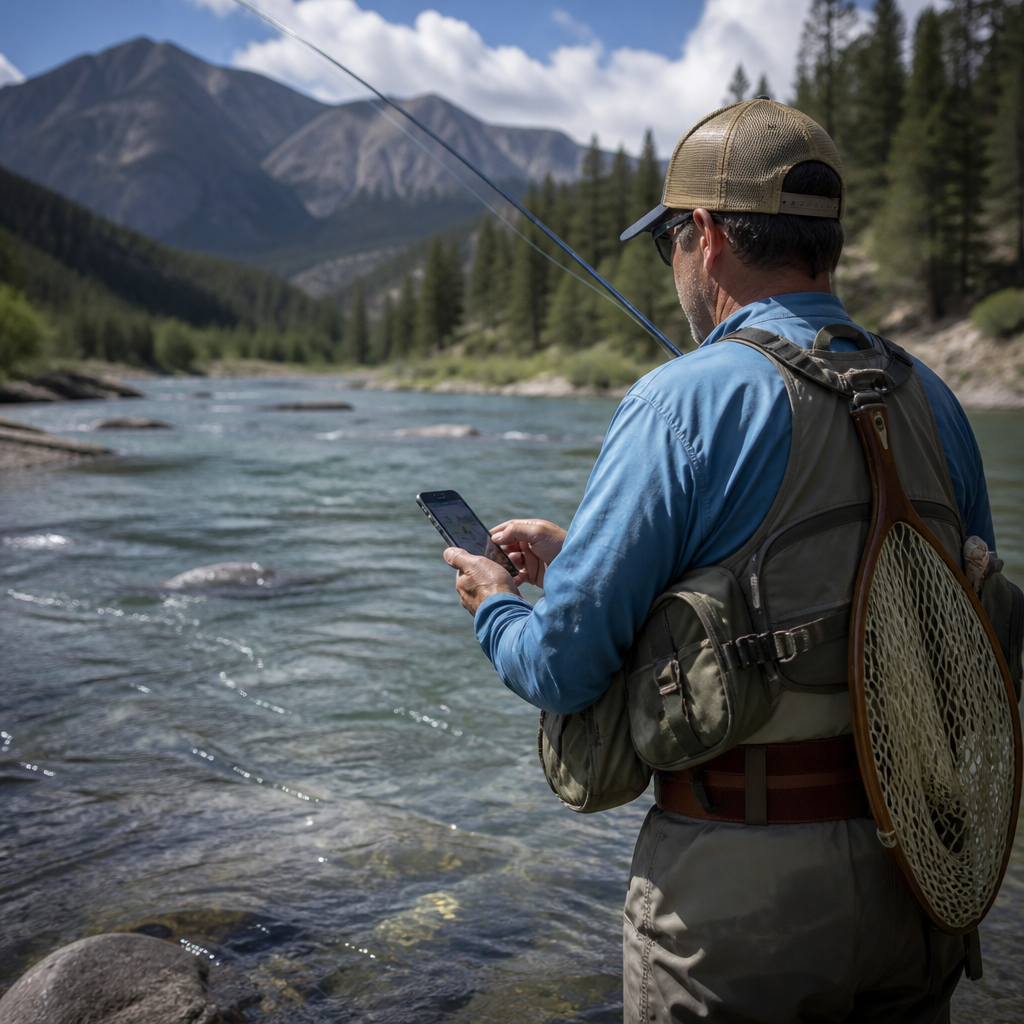
Safety deserves equal attention. Rain can raise flows quickly, especially below tributaries and on small freestone systems. Wading that felt easy an hour earlier may become risky with only a few inches of added water. Wet rocks, reduced visibility, and the distraction of hoods and raindrops increase the chance of falls. Lightning ends the session immediately; graphite rods are not compatible with hesitation. Keep a weather app active, know your access points, and favor conservative crossings. Productive fishing is never worth gambling on fast-changing water.
A practical rain plan is simple. Start with observation, not casting. Look for insects on the water, in the air, and on your jacket sleeve. Identify whether fish are truly rising. Begin with a visible, seasonally relevant dry in the highest-probability lane. If trout show but refuse, shift to an emerger or terrestrial based on what the river is giving you. As rain increases, monitor clarity and current speed. Leave before runoff or lightning removes the margin for safe, effective dry fly fishing. When approached this way, rainy weather stops being a nuisance and becomes one of the most useful conditions an angler can learn to exploit.
Dry fly fishing in the rain rewards anglers who combine hatch knowledge, presentation control, and fast observation. The biggest lesson is that rain is not one condition but a spectrum, from ideal drizzle that triggers olives and softens fish caution to hard runoff that ends surface feeding altogether. Your success depends on reading that spectrum accurately. Choose flies that match likely food sources and remain visible, adjust leader length and tippet to the water type, and fish the lanes where trout can feed efficiently. Watch rise forms, track water clarity, and change tactics as soon as fish behavior tells you the feeding level has shifted.
As a hub within dry fly fishing techniques and strategies, this topic connects directly to hatch matching, leader design, reading water, and seasonal trout behavior. Mastering rainy conditions improves all of those skills because it forces clear decisions under changing variables. If you want better dry fly results, do not wait for perfect blue-sky weather. Use the next drizzle or overcast shower as a training ground, keep notes on what insects appear, and refine your approach one condition at a time.
Frequently Asked Questions
Can you really catch fish on dry flies in the rain?
Yes, absolutely. Rain does not automatically shut down dry fly fishing, and in many situations it can actually improve surface action. Light rain, drizzle, and overcast conditions often make trout and other surface-feeding fish feel more secure because the broken surface and reduced light help conceal them from predators. That added confidence can push fish into softer seams, tailouts, and shallow feeding lanes where they may rise more steadily than they do under bright sun. Rain can also trigger insect activity, especially midges, mayflies, caddis, and terrestrials that get blown or washed onto the water.
The key is understanding that not all rain is equal. A gentle drizzle that dimples the surface is very different from a pounding downpour that muddies the water, knocks down your fly, and makes drag detection nearly impossible. During moderate rain, fish may continue feeding on top even if their rises are harder to see. In those moments, success comes from covering likely holding water carefully, watching for subtle sips instead of splashy takes, and choosing flies that remain visible and buoyant. If the water becomes heavily stained or the surface too chaotic, fish may shift their focus lower in the column, but until that happens, dry fly fishing can be surprisingly productive. Many anglers leave surface tactics too early in wet weather, and that often means they miss some of the best windows of the day.
What dry flies work best when fishing in rainy conditions?
The best dry flies for rainy conditions are usually the ones that stay afloat reliably, remain visible in broken surface texture, and match the food sources fish are actually seeing. High-floating attractor patterns are often excellent starting points because rain makes both natural insects and artificial flies harder to track. Parachute patterns, thorax-style dries, foam-bodied flies, and well-hackled classics all earn their place here. A parachute Adams, Elk Hair Caddis, Stimulator, Chubby Chernobyl, or a small foam ant or beetle can be especially effective depending on the season and water type. If fish are feeding selectively, then matching the hatch still matters, but in rain you usually benefit from choosing a version of that hatch with a visible post or slightly better flotation.
It also helps to think in categories rather than only specific names. If rain is bringing caddis activity, use a buoyant caddis dry that skates or twitches naturally in likely lanes. If mayflies are emerging in soft water under cloud cover, a parachute emerger or low-riding dun can be deadly. If bankside vegetation is dripping and wind is contributing, terrestrials become increasingly important because beetles, ants, and hoppers often end up on the surface during unsettled weather. In rougher rain conditions, a larger searching pattern can outperform a tiny technical dry simply because fish can find it more easily and you can track it better. Many experienced anglers also fish a visible dry with a smaller, more exact imitation behind it, letting the larger fly serve as both an attractor and a strike indicator. That approach can be especially effective when rain reduces visibility but fish are still feeding on small insects.
How should you adjust your presentation and drift when dry fly fishing in the rain?
Rain changes presentation in subtle but important ways. The biggest adjustment is usually slowing down and becoming more deliberate with line control, because the surface disturbance created by rain can hide drag until it is too late. Fish may still inspect a dry closely even when the water is peppered with raindrops, so a natural drift remains essential. Shorter casts often help because they give you better control, improve hook-setting speed, and reduce the amount of fly line exposed to conflicting currents. Positioning becomes even more important in the rain; if you can wade or approach to create a cleaner angle across a seam, you will often get a better drift than you would with a longer hero cast.
You should also expect takes to be harder to detect. In calm weather, a rise is often obvious, but in rain a fish may simply dimple the surface or the fly may vanish with almost no warning. Because of that, keep your eyes locked on the fly or on the area where it should be drifting, and be ready to lift gently at any hesitation, flash, swirl, or unnatural movement. Reach casts, slack-line presentations, and aerial mends become especially valuable because they buy you extra drag-free drift before currents take over. At the same time, do not be afraid to add a slight twitch or skate when conditions and insect behavior support it, particularly with caddis or terrestrials. Rain does not mean every fly must float dead still. The best presentation is the one that matches what fish are keyed on and allows your fly to remain believable in the water type you are fishing.
How do you keep a dry fly floating and visible during rainy weather?
Keeping a dry fly afloat in the rain starts with fly selection, but it also depends heavily on maintenance. Foam flies naturally excel because they resist saturation, but even traditionally tied dries can perform well if prepared properly. Use a quality floatant before the fly gets wet when appropriate for the pattern, and carry both gel and powder options since each has strengths. Gel floatant works well on hackled dries, hair-wing flies, and many attractors, while powder desiccants are excellent for reviving a soaked fly after a fish or a long drift. False casting alone often is not enough once a fly gets waterlogged in steady rain, so dry it manually, treat it again, or switch to a fresh fly sooner than you might on a dry day.
Visibility is just as important as buoyancy. In rainy conditions, anglers often lose fish not because the fish refuse the fly but because the angler cannot see it clearly enough to react. Choosing patterns with a visible post, wing, or indicator tuft can solve that problem without ruining the natural silhouette too much. White, pink, or orange posts can be highly effective depending on the background light and glare. You can also improve tracking by fishing slightly larger versions of the same insect, as long as fish are not hyper-selective. Leader and tippet management matter too: if your tippet sinks and drags the fly under, grease the butt and midsections appropriately while leaving the terminal end untreated if needed for a natural presentation. Ultimately, in the rain, a dry fly must do two jobs at once: convince the fish and remain trackable to the angler. The best setup balances both.
When should you stop fishing dry flies in the rain and switch tactics?
You should switch from dry flies when the conditions no longer support a believable or effective surface presentation. The most common sign is a clear loss of visibility and water clarity. If rain turns the river off-color, swells flows significantly, or creates so much surface disturbance that fish can no longer spot surface food efficiently, subsurface tactics usually become more productive. Another sign is a complete absence of rising fish combined with repeated refusals or no interest in well-presented dries through prime holding water. Sometimes the insects that drove surface feeding simply disappear once the rain intensifies, and fish respond by sliding deeper and feeding on emergers, nymphs, or dislodged food.
That said, switching does not have to be an all-or-nothing decision. A smart progression is often to move from a single dry to a dry-dropper, then to an emerger or soft hackle, and only later to a full nymph or streamer setup if conditions continue deteriorating. This lets you stay in touch with fish that may still be looking upward while covering more of the water column. Pay attention to the cues: are fish still porpoising softly in seams, are insects still present, and can you still track your fly and control drag? If yes, stay with dries longer than most anglers would. If the answer becomes no across the board, adapt quickly. The best rainy-day anglers are not stubbornly committed to the surface, but they also do not abandon it too early. They let fish behavior, insect activity, and water conditions make the call.