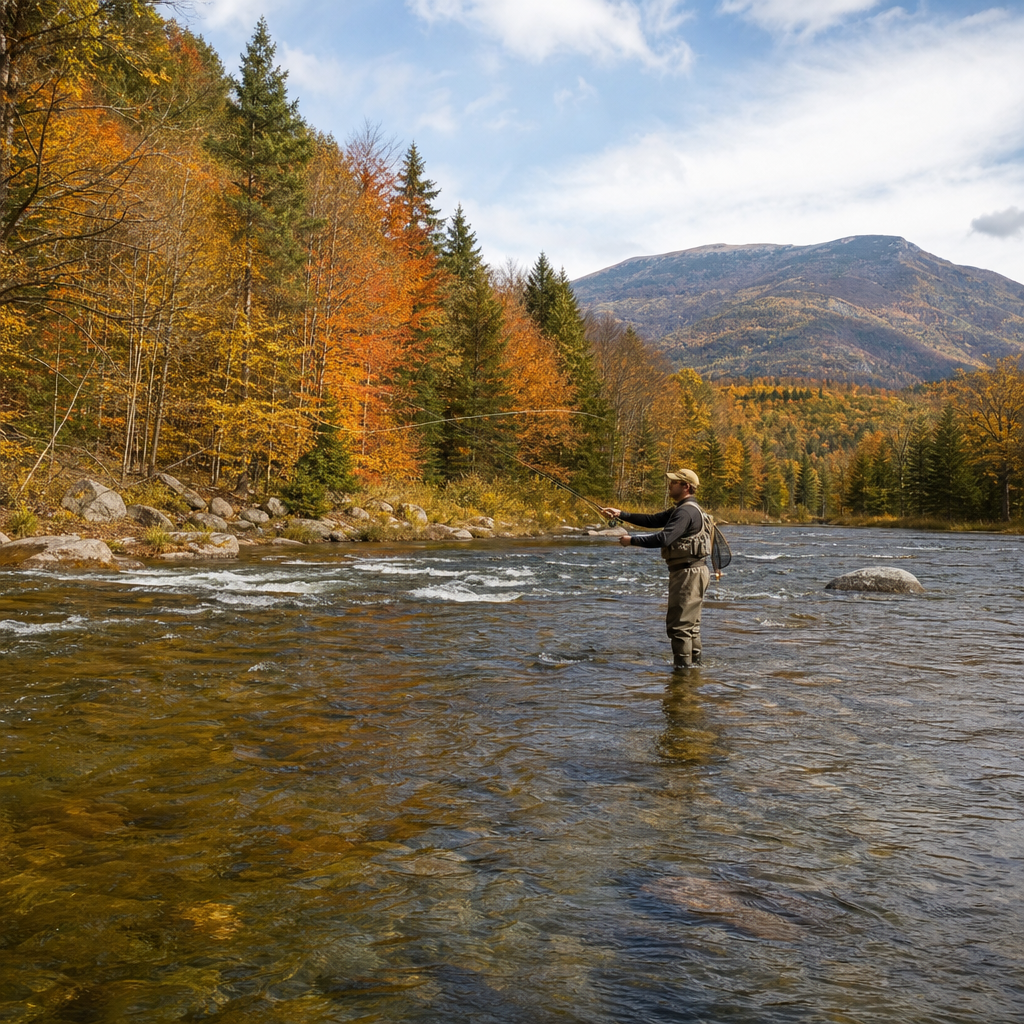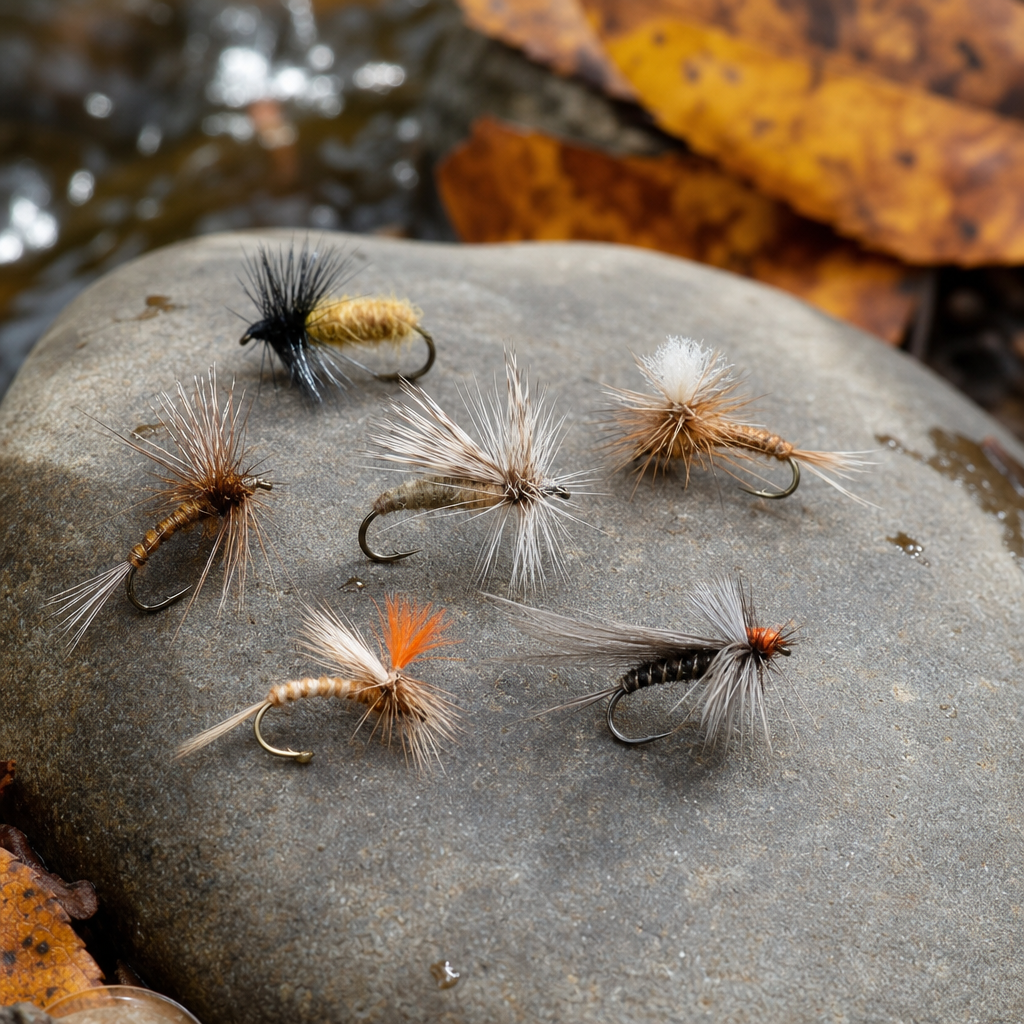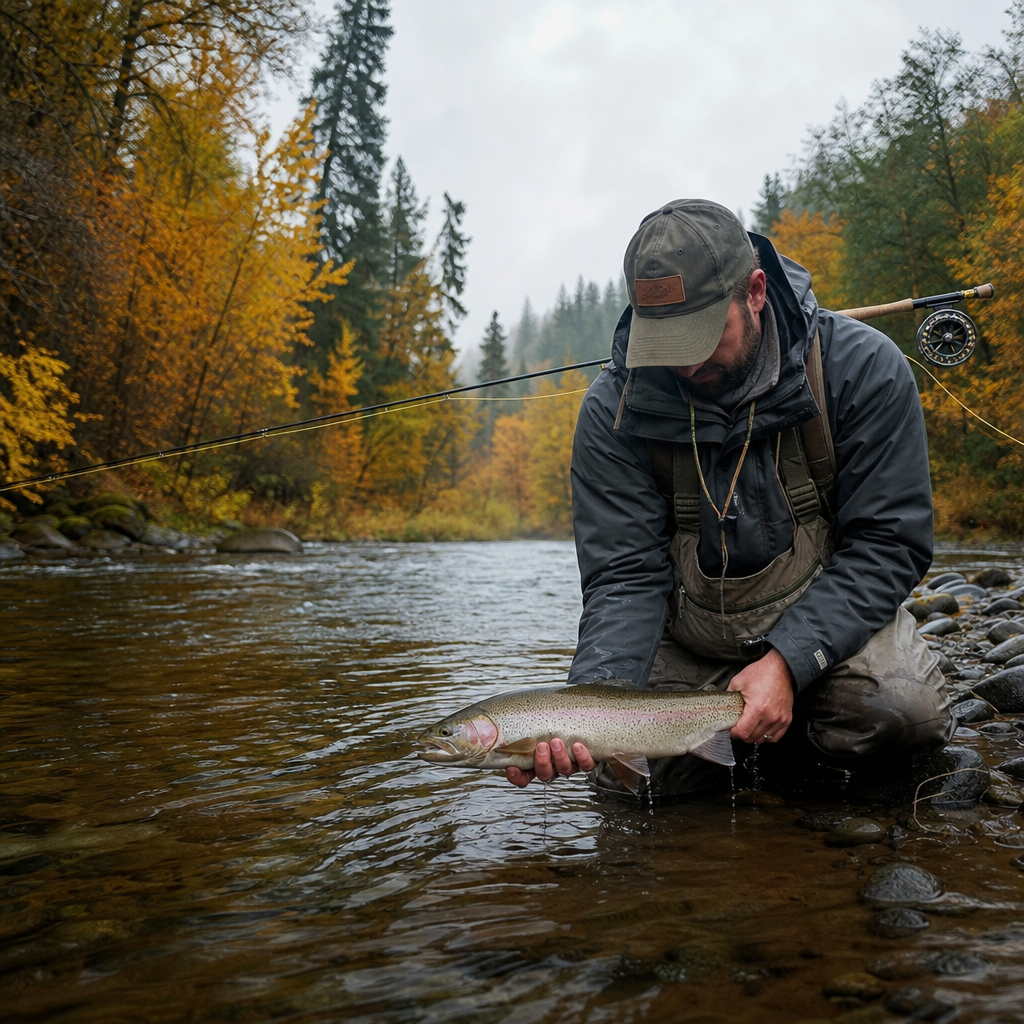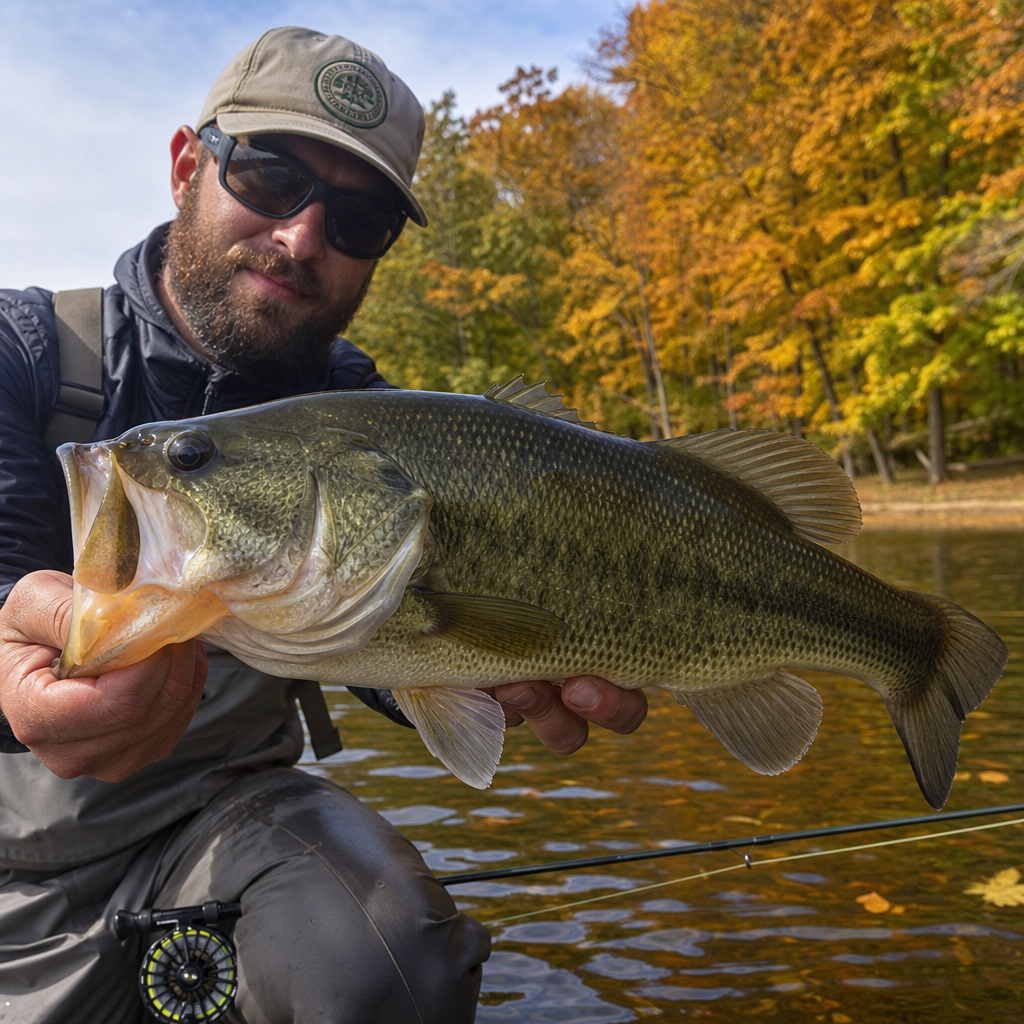
Seasonal hatches dictate some of the most productive fishing windows of the year, because insect emergence concentrates fish, narrows feeding behavior, and creates predictable patterns that anglers can plan around. In practical terms, a hatch is the synchronized emergence of aquatic or shoreline insects such as mayflies, caddisflies, midges, stoneflies, damselflies, or terrestrials, and the best times to fish seasonal hatches are the periods when fish switch from opportunistic feeding to focused feeding. I have planned entire spring and summer calendars around hatch timing on rivers, reservoirs, and natural lakes, and the payoff is consistent: when you match the timing, water type, and forage stage, catch rates increase sharply. This matters for trout, panfish, bass, and even carp, because each species responds to insect abundance with identifiable position changes, feeding lanes, and strike preferences.
Understanding seasonal hatches is essential within the broader seasons and conditions category because hatch timing sits at the intersection of temperature, daylight, water flow, dissolved oxygen, and food availability. Many anglers ask a simple question: when should I be on the water? The direct answer is that the best hatch fishing usually happens during warming trends, stable weather, and the specific emergence window for the dominant insect in that fishery. On many trout streams, that means late morning through afternoon in early spring, evening in summer, and midday during cool shoulder seasons. On lakes, it often means the first calm hour after sunrise for damselflies, the warmest part of the day for chironomids in spring, and dusk for mayflies. The exact answer changes by species and water type, but hatch timing is never random.
Key terms make the subject easier to apply. Emergence is the transition from larva or nymph to adult insect. Spinner fall refers to spent mayflies returning to the water to die after mating, often creating exceptional surface feeding. Degree days describe accumulated warmth that helps predict biological timing more reliably than calendar dates alone. Matching the hatch means presenting a lure, fly, or live bait that imitates the size, silhouette, color, depth, and behavior of the insect fish are targeting. Selective feeding occurs when fish reject most food items and lock on one stage, such as ascending pupae or crippled adults. Once anglers recognize these stages, they stop guessing and start fishing the highest-value windows.
This hub page covers the full seasonal hatch calendar, how to identify the best times to fish each major hatch, and how to adapt across rivers, streams, ponds, and lakes. It also serves as a foundation for deeper articles on mayflies, caddisflies, midges, stoneflies, and warmwater insect cycles. If you want a reliable rule before diving into the details, use this one: fish the hour before peak emergence, the peak itself, and the immediate post-hatch feeding period, because fish often feed hardest during transition. The sections below break down that rule by season, insect group, and on-the-water conditions so you can turn hatch activity into repeatable success.
Spring hatches: the first major feeding windows
Spring is when many fisheries wake up. Water temperatures rise from winter lows, invertebrate metabolism increases, and fish shift from energy conservation to active feeding. On cold rivers, the best times to fish spring hatches are commonly from late morning into midafternoon, when sunlight nudges water temperatures up a few critical degrees. Blue-winged olives, midges, early caddis, and Hendricksons often appear in this period. I have seen otherwise quiet trout water turn alive between 11 a.m. and 2 p.m. after a frosty start, simply because the water moved from 42 to 46 degrees. That small change matters.
For trout streams, blue-winged olive hatches excel on overcast, damp, or drizzly days. These mayflies often emerge in cool conditions, and fish feed confidently because cloud cover reduces light penetration and increases security. Midges are even more temperature tolerant and can hatch nearly year-round, but spring midge activity is especially important on tailwaters and stillwaters. In lakes, chironomid hatches can dominate spring fishing. Fish suspend over shoals or soft-bottom basins and intercept ascending pupae. The best window is usually when surface temperatures are climbing but before heavy recreational boat traffic disturbs the zone.
Warmwater anglers should not ignore spring hatches. Crappie, bluegill, and pre-spawn bass frequently key on small mayflies and midge clusters around emerging vegetation and wind-protected banks. On many ponds, the most productive time is the warmest calm period of the day, especially after two or three stable weather days. If a cold front arrives, hatch intensity and fish commitment often fall together. That is a recurring pattern across waters: hatches like stability.
Summer hatches: longer days, tighter feeding windows
Summer brings the greatest insect abundance, but not always the longest bite. In many fisheries, high sun, warm water, and increased angling pressure compress the best hatch fishing into early and late windows. The best times to fish summer hatches are often dawn for lake insects, evening for river mayflies and caddis, and overnight into first light for large species that feed shallow under low light. Sulfurs, PMDs, tricos, caddis, hexagenia, damselflies, dragonflies, and terrestrials all become important depending on region and water type.
Evening caddis hatches on freestone rivers are among the most dependable summer events. Adult caddis skitter, dive, and lay eggs in low light, drawing aggressive surface takes. Anglers who leave at dinner miss some of the best action of the day. Trico hatches differ: they are often a morning game, with the spinner fall becoming the main event after sunrise once air temperatures rise enough for mating flights. Timing matters down to minutes. Too early and fish are subsurface on emergers; too late and the fall is over.
On lakes, damselfly nymph migrations create excellent summer fishing along reed lines, tules, and shallow weed beds. Trout, bluegill, and bass cruise edges looking for slow-swimming nymphs moving toward emergent vegetation. The top window is usually calm morning through midmorning before wind muddies presentation angles. Hex hatches on fertile lakes are a different world altogether: brief, dramatic, and often best at dusk into darkness when giant mayflies bring large trout and walleye shallow. Because these hatches are localized and weather sensitive, local reports and a notebook are invaluable.
Fall and winter hatches: fewer insects, more concentrated opportunities
Fall and winter offer fewer major hatches, but they can be incredibly efficient because fish have less competing food. In autumn, blue-winged olives return as a key player, especially on cool, cloudy afternoons. Mahogany duns, October caddis in some western systems, and lingering midges can all trigger focused feeding. The best times to fish fall hatches are usually midday through afternoon after overnight cold eases and insect activity starts. Fish are often less willing to move far than in summer, so precise presentation matters more.
Winter hatch fishing belongs largely to midges and small olives. Tailwaters and spring creeks can fish exceptionally well from late morning to early afternoon if water temperatures creep upward and wind stays manageable. The common mistake is fishing too fast and too large. During sparse winter hatches, fish inspect everything. On several technical rivers I fish, the difference between blanking and catching is often reducing size, extending the drift, and recognizing that rising fish may be eating pupae inches below the film rather than adults on top.
For warmwater species, fall insect events often overlap with baitfish feeding, so hatches become one part of a broader menu. Bluegill and crappie still respond to midges and small mayflies on calm afternoons, particularly in coves that hold residual warmth. Bass may not become purely hatch-driven, but they absolutely exploit concentrated insect life around weed edges and marinas. In colder months, choose sheltered water, watch for subtle dimples, and treat every riseform as information.
Best times by insect type and fish behavior
Specific insects create specific timing patterns. Mayflies typically produce three prime windows: nymphal ascent before emergence, the surface emergence itself, and the spinner fall. Caddis often add a fourth window, the egg-laying return at dusk. Midges can hatch in waves and keep fish feeding subsurface for hours. Stoneflies are often strongest along banks during nymph migration and adult egg-laying periods. Damselflies create horizontal movement in shallow water, which is why fish patrol edges instead of holding in current seams.
When anglers ask for the best times to fish seasonal hatches, they are really asking when fish are easiest to predict. The answer depends on the stage fish can capture with the least effort. During a heavy mayfly emergence, trout often ignore fast adults and feed on helpless emergers trapped in the film. During a caddis egg-lay, they may slash at skittering adults. During a chironomid hatch, stillwater trout suspend at a narrow depth band and pick ascending pupae one after another. Every one of those situations demands different timing and presentation.
| Insect type | Best time window | Typical fish behavior | Best water areas |
|---|---|---|---|
| Blue-winged olives | Late morning to afternoon, especially cloudy days | Steady rises, selective surface or film feeding | Soft seams, tailouts, slicks |
| Caddis | Late afternoon to dusk | Aggressive takes on emergers and egg-layers | Riffle edges, pocket water, banks |
| Tricos | Early morning spinner fall | Highly selective sipping | Glides, foam lines, slow flats |
| Chironomids | Late morning to afternoon in spring lakes | Suspended feeding at exact depths | Shoals, drop-offs, soft basins |
| Damselflies | Calm morning to midmorning in summer | Cruising along vegetation | Weed edges, reeds, shallow bays |
| Stoneflies | Early morning or evening near banks | Bank-oriented feeding and ambush | Shorelines, boulders, log edges |
How weather, water, and location change hatch timing
No hatch calendar works without environmental context. Water temperature is the strongest single trigger, but flow, light, barometric trends, wind, and water clarity all influence when insects emerge and how fish feed. Stable warming trends generally improve hatch consistency. Sudden cold fronts delay emergence, shorten feeding windows, and push fish deeper or tighter to cover. On rivers, rising flows can dislodge nymphs and boost pre-hatch feeding, yet muddy water may suppress visible surface action. On lakes, wind can both help and hurt by concentrating insects on leeward shores while making precise presentation difficult.
Geography matters just as much. Tailwaters often produce longer, more reliable hatch seasons because discharge moderates temperature swings. Freestone streams are more responsive to weather and snowmelt, making hatch timing less predictable but sometimes more intense. Spring creeks can show textbook emergences at nearly the same hour over consecutive days. Natural lakes with fertile weed growth support stronger chironomid and damselfly cycles than sterile reservoirs, though reservoirs can still produce excellent midge and mayfly events on warming flats.
The practical takeaway is to build a local hatch log. Record date, air temperature, water temperature, cloud cover, wind, river level, insect species, and first rise time. After one season, patterns become obvious. I rely on logs more than memory because memory exaggerates standout days and forgets the quiet clues. If you are new to a fishery, pair your observations with state hatch charts, USGS river gauges, weather archives, and reports from local fly shops or bait shops. Together, those sources turn guesswork into planning.
Tactics for fishing a hatch successfully
Being present at the right time is only half the job. During hatches, fish often become more selective, not less. The best approach is to identify the insect, determine the life stage being eaten, and place your presentation in the exact feeding lane or depth zone. For fly anglers, that may mean carrying nymphs, emergers, duns, spinners, and pupae in the same hatch family. For conventional anglers, it can mean downsizing marabou jigs, using a float-and-fly, drifting live bait naturally, or retrieving micro soft plastics at the same speed and depth as the real forage.
Positioning is critical. On rivers, set up below or across from feeding fish so your drift reaches them before your line does. During spinner falls, target slicks and back eddies where spent insects accumulate. On lakes, use a sounder to hold the depth where trout are intercepting chironomids, and fish that level precisely. With damselflies, cast parallel to weed edges rather than straight into them, because fish patrol lanes. With caddis, do not be afraid of motion; a slight skate or lift can imitate natural behavior better than a dead drift.
Common mistakes include arriving after the peak, fishing only adults, ignoring non-surface feeding, and changing patterns before solving depth. Another mistake is forcing a hatch pattern when fish are clearly eating something else. Hatch fishing rewards observation over attachment. Watch the bugs, watch the rises, inspect the surface, and seine or net samples when legal. Small clues decide everything.
Using this hub to plan your seasonal hatch calendar
As a sub-pillar hub under seasons and conditions, this page should help you organize the year rather than treat each trip in isolation. Start by mapping your local waters by type: freestone river, tailwater, spring creek, pond, natural lake, or reservoir. Then assign likely hatch windows by month and dominant insect. Early spring may center on midges and olives; late spring on Hendricksons and caddis; summer on PMDs, sulfurs, tricos, damsels, and terrestrials; fall on olives and mahogany duns; winter on midges. Once those broad windows are on paper, refine them with local temperature trends and actual observations.
This is also the right place to connect related topics in your fishing system. Water temperature articles help explain why one hatch starts a week earlier than normal. River level guides clarify why fish slide from riffles into softer seams during emergence. Cloud cover, moon phase on lakes, and wind direction all influence whether a hatch becomes fishable. The more you connect these conditions, the easier it becomes to choose the right water on the right day.
The best times to fish seasonal hatches are the moments when biology, weather, and fish behavior line up, and those moments can be learned. Use this hub as your starting framework, then drill down into each hatch-specific article for rigging, identification, and regional timing. Keep a log, fish the transitions, and let the insects tell you when to go. Plan your next month around the hatch calendar, not convenience, and your results will improve.
Frequently Asked Questions
What does a seasonal hatch actually mean, and why does it matter so much for fishing success?
A seasonal hatch is the concentrated emergence of insects that fish regularly feed on, such as mayflies, caddisflies, midges, stoneflies, damselflies, and even land-based insects that become important at certain times of year. What makes hatches so valuable to anglers is not just that food is present, but that food becomes abundant, specific, and predictable. During these windows, fish often stop feeding randomly and begin keying in on one life stage, one size, and sometimes even one narrow section of the water column. That shift creates some of the most reliable feeding opportunities of the season.
In practical fishing terms, hatches matter because they simplify fish behavior. Instead of searching an entire river, lake, or shoreline for scattered, inactive fish, anglers can focus on where the insects are emerging and where fish are positioning to intercept them. Trout may slide into softer seams, riffle tails, or current edges to feed on duns and emergers. Panfish and bass may cruise weedlines during damselfly activity. Fish that seem difficult to pattern outside a hatch can become highly visible and much easier to target once a major emergence begins.
Hatches also affect timing. Some occur in the first hour of daylight, some build in late morning as water warms, and others peak near dusk when light levels drop and insect activity intensifies. Because these patterns often repeat over days or weeks during the hatch period, anglers can plan trips around them instead of relying on guesswork. That is why understanding seasonal hatches is one of the most effective ways to improve consistency on the water.
What are the best times of day to fish seasonal hatches?
The best times of day depend on the insect species, water temperature, weather conditions, and the stage of the hatch, but a few broad patterns hold true. Morning can be excellent for midges and certain mayfly emergences, especially on cool days or in tailwaters where temperatures remain stable. Late morning through midafternoon often becomes productive in spring when sunshine slightly warms the water and triggers increased insect activity. Evening is famous for strong hatch fishing because many insects emerge or return to the water in lower light, and fish feel more comfortable feeding aggressively near the surface.
Dusk is often the most consistent window for visible feeding. As light fades, fish move confidently into shallow lanes and slicks, and surface activity can become intense. This is especially true during caddis flights, spinner falls, and many summer mayfly events. However, anglers should not assume evening is always best. On cold spring rivers, a hatch may not begin until the warmest part of the day. On very hot summer afternoons, insect activity can slow until temperatures moderate again later. Wind, cloud cover, and water clarity can also shift the timing by an hour or more.
The most effective approach is to think in phases rather than a single clock time. The pre-hatch period can be productive because fish begin looking up and moving into feeding lanes. The emergence itself is often the main event, especially for fish feeding on ascending nymphs and emergers. The post-hatch period may be just as good if adults return to the water to lay eggs or if a spinner fall develops. Anglers who arrive early, observe carefully, and stay through the transition usually do far better than those who only fish a fixed time block.
How can I tell when a hatch is starting and when fish are truly keyed in on it?
The first clue is usually subtle. Before obvious surface rises begin, you may notice shucks on rocks, insects drifting in the film, swallows working low over the water, or occasional splashy rises in a single seam. Fish often start feeding just below the surface before they fully commit to visible topwater behavior. That is why paying attention to drift, current edges, and small signs of life matters so much. A hatch rarely appears out of nowhere if you are watching closely.
Once the hatch builds, the evidence becomes clearer. You may see mayflies lifting off the water, caddis skittering, midge clusters, or fish rising repeatedly in the same lane. The type of rise can also tell you what fish are eating. Soft, deliberate dimples often suggest emergers or small insects trapped in the film. Splashier rises may indicate caddis or actively pursued adults. If fish are rising rhythmically in one place, that usually means they are locked onto a concentrated food source rather than wandering and feeding opportunistically.
Fish are truly keyed in when selectivity increases. That means they may ignore larger attractors, chase less, and feed in a very repeatable rhythm on a narrow profile or life stage. You might see fish refuse a pattern that is close but not quite right in size, silhouette, or presentation. When that happens, it is a strong sign the hatch is mature and fish are focused. At that point, matching the insect more carefully and improving drift or retrieve often matters more than simply changing spots.
Which seasons usually produce the most important hatches, and how should anglers adjust through the year?
Spring is often the first major hatch season and, in many waters, one of the most exciting. As temperatures rise, insect activity increases rapidly and fish become more active after winter. Early spring often features midges and small mayflies, followed by larger mayfly and caddis events as conditions stabilize. Because water temperatures are still climbing, timing is frequently linked to the warmest part of the day. Anglers should focus on late morning through afternoon and watch for transitional water where current, depth, and sunlight combine to trigger emergence.
Summer brings variety and, on many fisheries, the broadest hatch menu of the year. Mayflies, caddis, stoneflies, damselflies, and terrestrials can all become important depending on the region and water type. In rivers, early morning and evening often dominate because midday heat can reduce comfortable feeding conditions in some systems. In lakes and ponds, weed growth and calm periods can make damselfly and midge activity highly predictable. Summer also rewards mobility and observation because hatch timing can vary from one section of water to another.
Fall usually offers fewer massive emergences than peak spring or summer, but the hatches that do occur can be excellent because fish feed hard before winter. Smaller mayflies, midges, and caddis often become especially important, and fish may feed more selectively in lower, clearer water. Presentation tends to matter more, and subtle surface patterns can outperform larger searching flies or lures. Winter is generally quieter, but not lifeless. Midges and occasional small insect activity can still create productive windows, especially during mild afternoons or on stable tailwaters. Across all seasons, the key adjustment is matching timing to temperature trends and fish comfort rather than assuming the same schedule works year-round.
What is the best strategy for fishing a hatch if I want to maximize my chances during that short feeding window?
The best strategy begins before the hatch actually starts. Arrive early enough to scout, check water temperature if possible, and identify likely feeding lanes, seams, slicks, weed edges, or current transitions where insects and fish will concentrate. Watch for insect shucks, airborne adults, and early risers. If you wait until fish are already feeding heavily, you may miss the chance to position yourself well and understand the pattern as it develops. Preparation is especially important during famous hatches, when fishable water can get crowded and the prime zones fill quickly.
During the hatch, stay flexible and match the stage fish are feeding on. Many anglers focus only on adults floating on the surface, but fish frequently feed most efficiently on nymphs rising toward the film, emergers trapped in the surface, or egg-laying adults returning later. If fish are refusing a clean dry-fly drift, they may be taking insects just under the surface instead. In lakes, a slow hand-twist retrieve or precise presentation along vegetation can outperform random casting. In rivers, drag-free drift, lane control, and current-aware positioning usually matter more than constant pattern changes.
Finally, fish the entire cycle rather than just the obvious peak. The minutes before the hatch, the main emergence, and the trailing spinner fall or egg-laying return can all produce different but equally strong opportunities. Keep an eye on how fish behavior changes as light, wind, and insect density shift. If surface feeding stops, that does not always mean the window is over; it may mean the fish have changed depth or prey stage. Anglers who observe, adapt, and remain patient through the full hatch sequence consistently catch more fish than those who only react to the first rise they see.