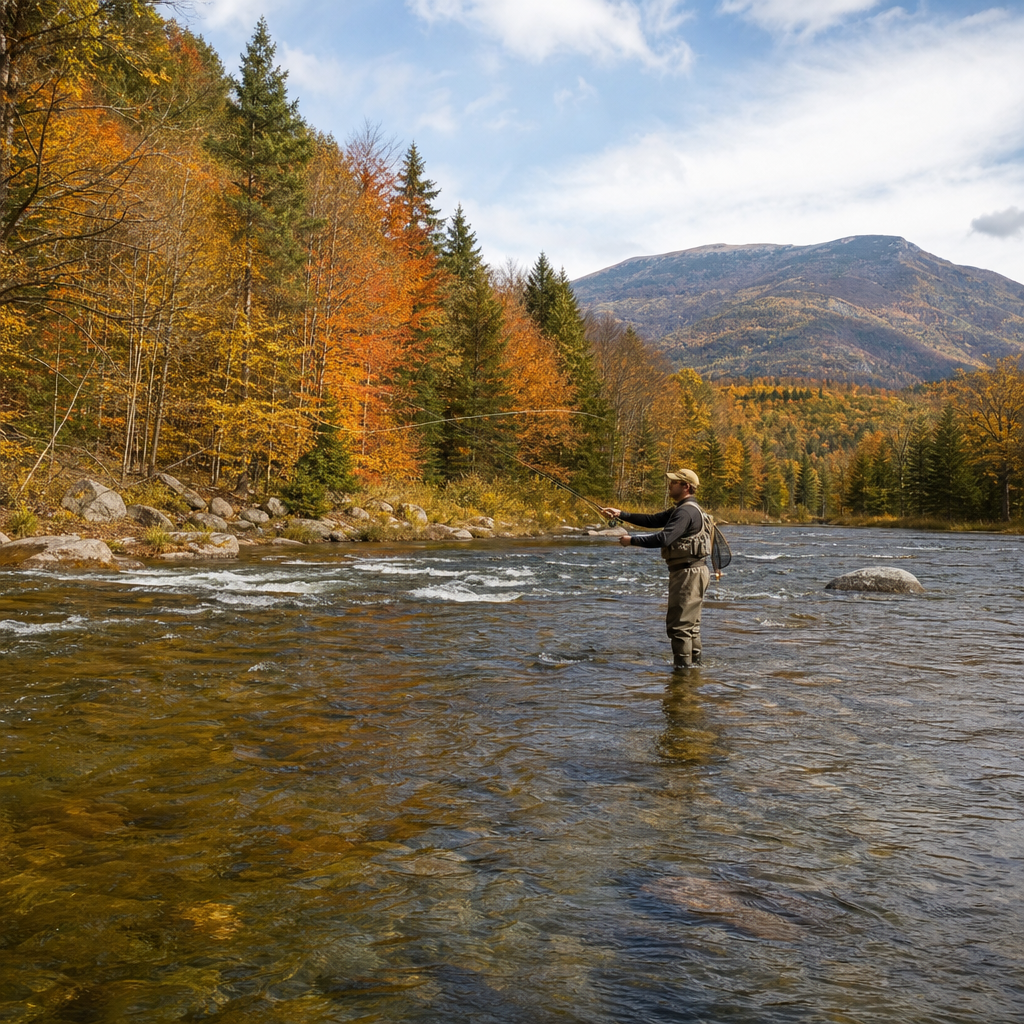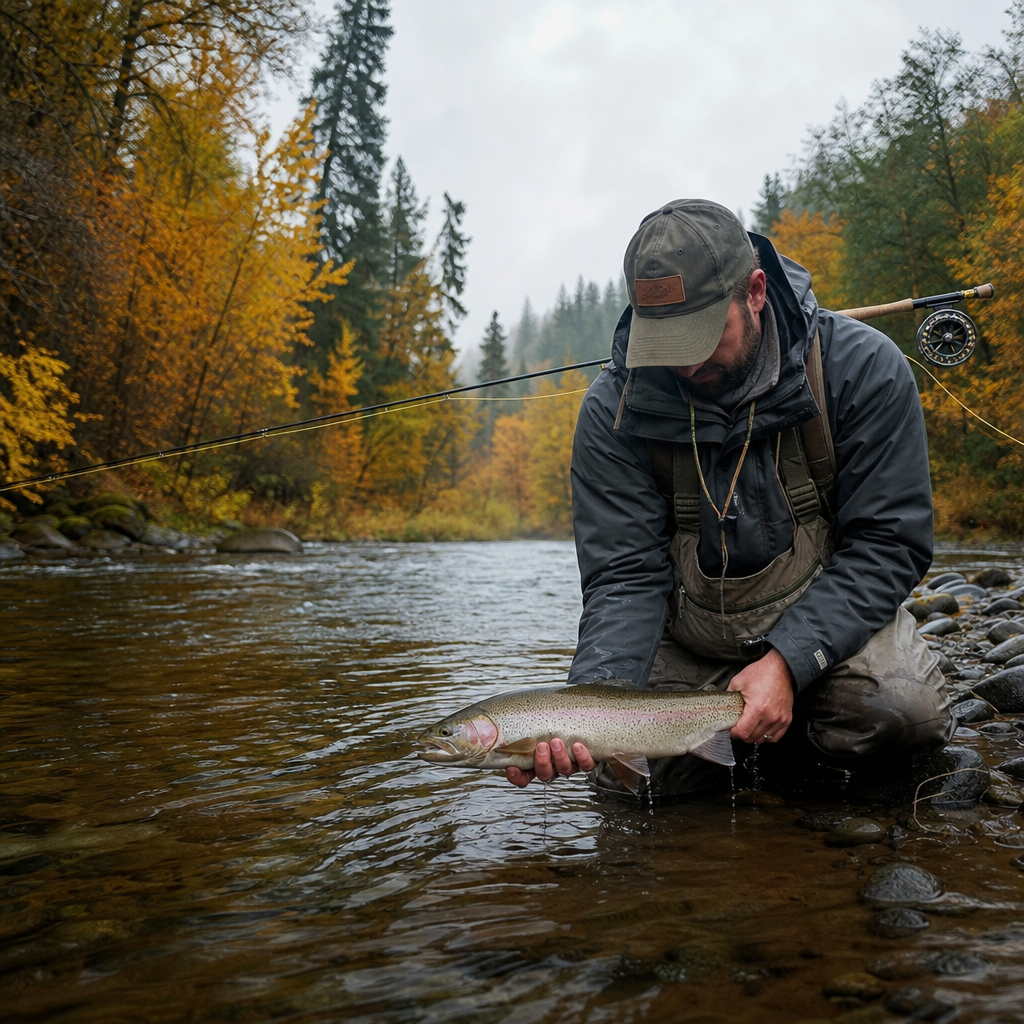
Fishing major seasonal hatches is one of the most productive, technical, and rewarding forms of angling because it aligns your presentation with the moments when aquatic insects dominate fish behavior. A hatch is the emergence of insects such as mayflies, caddisflies, midges, and stoneflies from underwater nymph or larval stages into adults, often triggering concentrated feeding. Seasonal hatches are the predictable waves of these events through spring, summer, and fall, shaped by water temperature, daylight, flow, and weather. When anglers understand hatch timing, insect life stages, and fish positioning, they stop guessing and start fishing where, when, and how trout and other insect-eating fish actually feed.
This matters because fish become selective during a hatch. I have watched trout ignore dozens of poorly matched flies, then move three feet to eat a correctly sized mayfly cripple drifting in the same lane. During heavy emergence, food is abundant, so fish do not need to chase. Your fly must match the natural insect in size, profile, color, stage, and drift. On rivers with strong hatch cultures, from the Delaware system to Western tailwaters and Appalachian freestones, the difference between random casting and informed hatch fishing is often the difference between a slow outing and the best day of the season.
As a hub within the broader seasons and conditions topic, this guide covers the complete system behind seasonal hatches: how to identify them, how to predict them, how fish respond at each phase, what gear and flies matter most, and how changing conditions alter the window. It also helps you connect related subjects such as water temperature, runoff, low clear summer flows, cloud cover, and insect-specific tactics. The goal is practical: if you arrive at a river and see bugs in the air, rises in a seam, or shucks on streamside rocks, you should know exactly what to observe first and what adjustment to make next.
What seasonal hatches are and why fish key on them
Seasonal hatches are recurring insect emergences tied to environmental triggers rather than fixed calendar dates. Blue-winged olives may appear across much of the year, but strongest events often come with cool, overcast conditions in spring and fall. Sulphurs commonly build as late spring transitions into early summer on fertile rivers. Caddis can erupt in dense evening flights when water temperatures stabilize. Salmonflies and golden stones create famous short windows on Western rivers, while tricos bring technical morning fishing in midsummer. Each hatch has a pattern, but every watershed shifts that pattern according to elevation, dam release schedules, nutrient levels, and snowmelt timing.
Fish key on hatches because they offer concentrated calories with limited effort. Emerging insects drift helplessly, duns struggle in the film, spinners fall spent after mating, and caddis pupae race toward the surface in predictable lanes. Trout and grayling station themselves where current delivers the most food for the least energy: seam lines, inside bends, foam troughs, tailouts, spring creek weed edges, and soft cushions beside structure. During a true hatch, feeding fish often narrow their focus to one stage. That is why a fish rising steadily may refuse a high-floating adult while confidently taking an emerger fished inches lower.
The key term many anglers miss is cadence. Fish do not feed randomly in hatch conditions; they develop a rhythm based on how naturals behave. Mayfly duns usually drift passively. Caddis adults skitter, bounce, and touch down repeatedly. Midges cluster in tiny groups. Stoneflies often end up near banks after crawling out to hatch. If your fly movement contradicts the natural cadence, refusals increase. Understanding that behavioral match is just as important as matching color.
How to identify a hatch on the water
The fastest way to identify a hatch is to observe before you cast. Start with three questions. What insects are present? What stage are they in? Where are fish feeding? Look in the air, on the water, on streamside rocks, and in the surface film. A few mayflies fluttering overhead do not always mean surface feeding has started. Empty nymphal shucks on rocks suggest a recent hatch. Adults trapped in the film indicate fish may prefer emergers or cripples. Splashy rises often point to caddis or chasing behavior, while slow head-and-tail rises commonly signal mayflies or spent spinners.
Carry a small seine or aquarium net, a fine-mesh strainer, and a hand lens. In my own fishing, seining a shallow riffle for thirty seconds has solved more tough days than changing flies at random for an hour. You can check size, body color, and maturity of nymphs or larvae. Apps and hatch charts help, but streamside evidence matters more than a generic monthly list. Water temperature is especially useful. Many hatches begin within repeatable ranges, and a stream thermometer often tells you whether the window is opening or fading.
| Hatch sign | What it usually means | Best first adjustment |
|---|---|---|
| Empty shucks on rocks | Recent emergence, adults likely active nearby | Try emerger or fresh adult close to banks and seams |
| Adults drifting motionless in film | Fish are seeing vulnerable surface insects | Use low-riding dun, cripple, or spinner pattern |
| Splashy, aggressive rises | Caddis adults or pupae are being chased | Fish pupa, soft hackle, or skittering caddis |
| Subtle sips in flat water | Selective feeding on tiny insects | Downsize, lengthen leader, improve drift |
| Bugs everywhere but no rises | Fish may be feeding subsurface on emergers | Swing soft hackles or dead-drift emergers |
Matching life stages instead of just matching the hatch
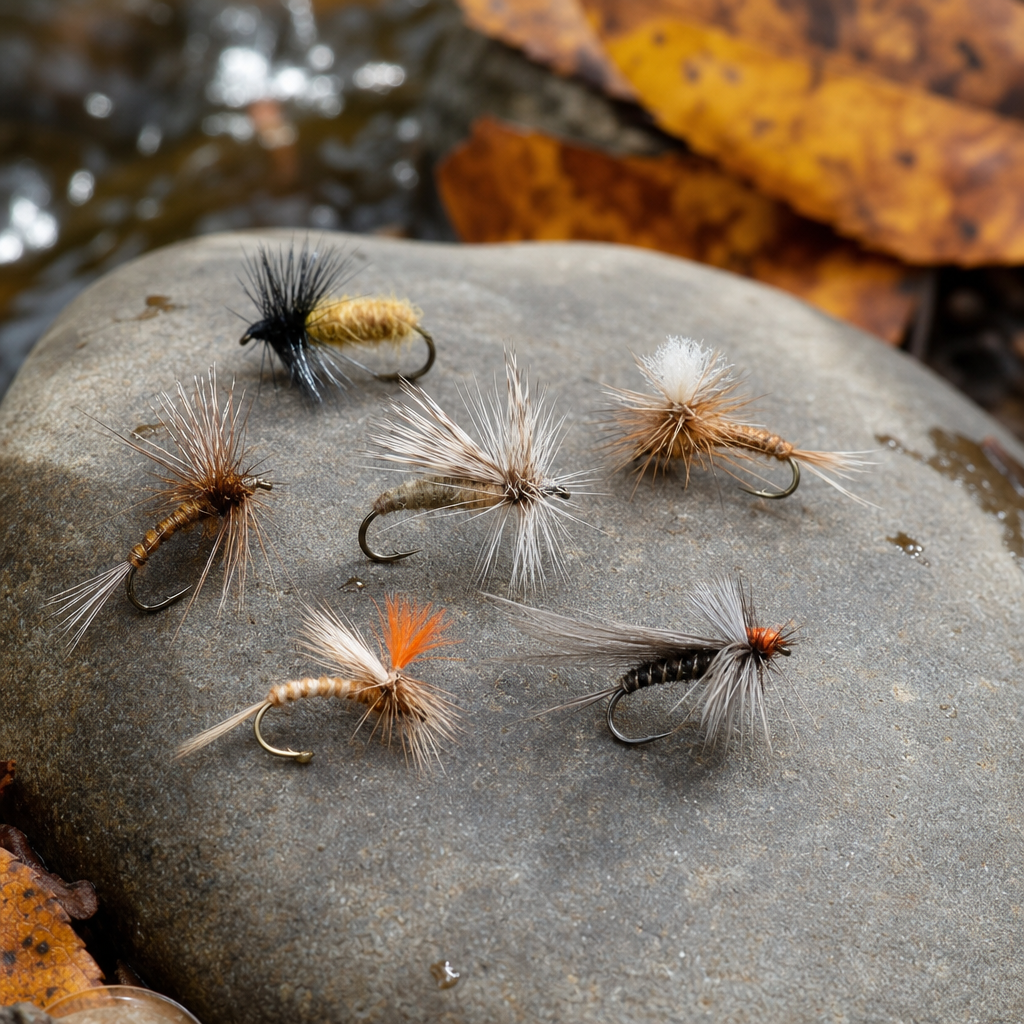
The phrase match the hatch is useful, but incomplete. The more accurate principle is match the life stage fish are targeting. Aquatic insects present different silhouettes, buoyancy, and behavior as nymphs, emergers, duns, spinners, larvae, pupae, and egg-layers. During many important hatches, the emergence phase is the most vulnerable and therefore the most important. That is why flies such as RS2s, sparkle duns, Comparaduns, soft hackles, pheasant tail emergers, and CDC caddis often outperform a standard high-floating dry.
For mayflies, pay special attention to emergers, cripples, duns, and spinners. Trout frequently prefer cripples because they remain stuck longer in the film. For caddis, larva and pupa are often more important than the adult. A pupa ascending through the water column can be the key even when adults are visible above the riffle. For stoneflies, nymph migration to banks can matter before adults appear, and adults later become important near shorelines, under overhanging grass, and around structure.
Size is usually more important than exact color, and profile is usually more important than tiny pattern details. I have seen anglers insist on the perfect sulphur shade while fishing a fly two hook sizes too large. Fish rarely make that mistake. Start by matching stage and size, then adjust tone from pale yellow to orange-cream, olive, tan, gray, or black. If refusals continue, change silhouette or how the fly sits in the film before obsessing over minor color shifts.
Season-by-season hatch strategy
Spring hatches often begin with fluctuating conditions, cool nights, and variable flows. Hendricksons, blue-winged olives, march browns, grannom caddis, and early stones can produce classic fishing, but timing is unstable because runoff, warming trends, and cold fronts interrupt consistency. In spring, focus on the warmest period of the day, usually late morning through afternoon unless a specific evening caddis event is known. Fish may hold near softer edges out of heavy current, especially during higher flows. Nymphs and emergers are often safer starting points than adults.
Early summer is prime hatch season on many rivers. Sulphurs, PMDs, yellow sallies, caddis, drakes, and salmonflies create prolonged feeding windows, especially where flows stabilize. This is when fish often become selective because insect density is high and visibility is good. Positioning matters: trout may slide into riffle buckets, tailouts, and slicks depending on the insect. Evening spinner falls can be more important than the afternoon hatch itself. If the hatch looks over, stay and watch the water. Some of the best fish rise in the last twenty minutes of light.
Mid to late summer shifts the challenge toward low, clear water, tricos, terrestrials, and early-morning or last-light activity. Water temperatures can shorten safe trout windows, especially when temperatures approach or exceed 68 degrees Fahrenheit. During this period, technical flat-water presentations and long leaders become crucial. Trico spinner falls often demand exact size and impeccable drag-free drifts. Insect activity may be brief but intense, so arriving early is essential.
Fall brings renewed blue-winged olive activity, mahogany duns in some regions, caddis, and opportunities around cooler water and reduced angling pressure. Cloud cover, drizzle, and stable cool temperatures can trigger excellent BWO hatches. Fish often feed confidently yet selectively because the insects are small. Fall hatch fishing rewards patience, careful observation, and fine tippet more than brute coverage.
Reading fish position and rise forms during a hatch
Fish location changes with current speed, insect behavior, and competition. During a mayfly hatch, trout often settle into defined feeding lanes where drifting duns accumulate. In caddis events, they may roam or slash higher in the column. On spring creeks, fish can sit inches off weed beds to intercept emergers. On freestones, they may hold at riffle tailouts where current concentrates insects. On tailwaters, consistent flows can stack fish in predictable foam lines and soft shelves.
Rise forms are practical clues, not trivia. A gentle sip with little visible body usually means a fish is taking small insects in or just under the film. A nose-and-dorsal rise often signals duns or spinners. A boil without a visible nose can indicate subsurface emergers. Splashing or porpoising often accompanies caddis and chasing fish. Once you know the rise form, you can choose fly type and depth faster. That saves precious time during short hatch windows.
Approach angle also matters. Fish feeding steadily during a hatch become alert to drag, leader flash, and wading pressure. Stay low, cast from below or quartering downstream when possible, and avoid entering the exact seam fish are using. On calm evenings, one careless step in shallow tailout water can end the hatch for the best trout in the run.
Gear, leader design, and presentation adjustments
Hatch fishing does not require exotic equipment, but details matter. For most trout hatch scenarios, a 4- to 6-weight rod with a floating line covers the majority of situations. Leader design should reflect fly size, water type, and fish wariness. For larger mayflies or caddis in broken water, a 9-foot leader tapered to 4X or 5X is usually sufficient. For tricos, midges, and flat-water BWOs, 12- to 15-foot leaders with 6X or 7X often improve drift and reduce micro-drag.
Presentation is usually the deciding factor. Drag-free drift is mandatory for most mayflies and spinners. Reach casts, pile casts, parachute casts, and slack-line presentations buy a few feet of natural drift before current grabs the leader. For caddis, controlled movement can be an advantage; a slight skate or lift may imitate egg-laying adults. For emergers, a greased-leader presentation lets the fly hang in or just below the film. For soft hackles and pupa, an end-of-drift swing frequently triggers takes.
Carry floatant, desiccant, amadou or drying patches, and nippers sharp enough for repeated tippet changes. A drowned dry fly can accidentally become the right emerger, but a waterlogged spinner when you need a high-floating caddis is just a problem. Small maintenance habits preserve presentation quality through the hatch.
Common mistakes during major seasonal hatches
The first major mistake is casting too soon. Anglers often see bugs and begin fishing before they know what fish are eating. The second is changing flies before changing drift, angle, or depth. In my experience, presentation errors outnumber wrong-pattern errors on most hatch days. The third is ignoring subsurface feeding. If fish are not visibly rising, many anglers assume the hatch is irrelevant, yet trout may be taking emergers six inches down across the entire run.
Another mistake is overvaluing exact imitation while undervaluing behavior. A dead-drift caddis can fail because real adults are skittering. A heavily hackled mayfly can fail because naturals sit flush in the film. Fishing too heavy a tippet, lining fish in flat water, and wading into feeding lanes are also common failures. Finally, anglers leave too early. Spinner falls, egg-laying flights, and late-stage feeding often happen after the obvious hatch appears to end.
Building a reliable hatch plan for your home water
The best hatch anglers keep records. Note river section, water temperature, flow, weather, hatch start time, peak time, insect size, and what life stage fish preferred. After one season, patterns emerge. After several seasons, you can predict key windows with impressive accuracy even when conditions shift. USGS gauges, local fly shop reports, state agency flow data, and stream thermometers make your planning sharper, but your own logbook becomes the most valuable tool.
As the hub page for seasonal hatches, this topic should connect your learning across conditions and species. Study major insect groups separately, then relate them to seasons, water levels, time of day, and presentation style. The payoff is simple: more informed decisions, fewer wasted casts, and better fishing during the most exciting windows of the year. Start by choosing one local hatch, track it this season, and build your own repeatable system on the water.
Frequently Asked Questions
What is a major seasonal hatch, and why does it matter so much to anglers?
A major seasonal hatch is a predictable period when large numbers of aquatic insects emerge and become available to fish in concentrated, easy-to-target numbers. These insects usually include mayflies, caddisflies, midges, and stoneflies, each of which follows a life cycle that begins underwater before transitioning into an adult stage. When that emergence happens in volume, trout and other insect-feeding fish often shift from scattered, opportunistic feeding to focused, repeatable feeding behavior. That is why hatches matter so much: they create short windows when fish become more visible, more selective, and often more catchable if your approach matches what they are eating.
For anglers, fishing a hatch is about more than simply tying on a dry fly. It means understanding what insects are active, what stage they are in, where they are vulnerable, and how fish respond during each phase. Fish may feed on nymphs rising through the water column, emergers trapped in the surface film, freshly hatched adults drifting on top, or spent insects returning to the water. Each stage can demand a different pattern, drift, depth, and presentation angle. The more accurately you identify the hatch and fish the most important stage, the better your odds of success.
Seasonal hatches also matter because they add structure to the fishing calendar. Spring often brings major mayfly and caddis activity, summer can produce reliable morning and evening feeding windows, and fall may feature strong late-season hatches that keep fish active even as conditions cool. By learning these patterns, anglers stop fishing randomly and begin fishing with purpose. Instead of covering water blindly, you can target the right river, the right section, and the right time of day based on what should be hatching and how fish are likely to behave.
How can I tell what insects are hatching and choose the right fly pattern?
The first step is observation. Before you ever cast, watch the water, the air, streamside rocks, overhanging vegetation, and your landing net. If you see sail-winged insects floating upright, you may be looking at mayflies. If you notice tent-winged adults skittering or bouncing across the surface, caddis are a strong possibility. Tiny clusters of delicate insects can point to midges, while larger, elongated insects around bankside structure may indicate stoneflies. Fish behavior also gives clues. Splashy, aggressive rises often suggest caddis or chasing behavior, while slow, deliberate sips commonly point to mayflies or emergers in the film.
A close look at size and color matters just as much as insect type. Carry a simple hatch chart or local fly shop report, but always compare that information to what is actually happening on the water. A size 14 pale insect is not the same hatch as a size 20 olive one, even if both are mayflies. Match the general silhouette first, then the size, then the color. Many anglers make the mistake of obsessing over exact shade while ignoring profile and behavior. Fish usually notice shape, stage, and drift before subtle color differences.
It also helps to think in terms of life stages rather than just names. If fish are feeding below the surface and adults are only beginning to appear, a nymph or emerger is often the right choice. If the water is covered in freshly hatched insects and fish are rising cleanly, a dun or adult imitation becomes more effective. If insects are fluttering, struggling, or returning to lay eggs, patterns that suggest motion or vulnerability can outperform a standard dry fly. In practical terms, anglers who carry a few proven patterns in nymph, emerger, adult, and spinner forms for major hatch families are usually far more prepared than anglers who carry dozens of tiny variations they do not understand how to use.
When during the day should I fish a hatch for the best results?
The best time to fish a hatch depends on the species of insect, seasonal weather, water temperature, and light conditions. In general, many hatches begin when water temperatures reach a specific range, which means timing can shift from one river to another and from one week to the next. During spring, hatches often build from late morning into afternoon as the day warms. In summer, some activity may happen early or late to avoid intense midday heat and bright light. Fall hatches can be shorter and more concentrated, often peaking when water temperatures and sunlight line up just right.
That said, anglers should avoid thinking only in terms of the exact moment insects appear on the surface. Some of the best fishing happens just before a visible hatch begins, when nymphs become active and start rising. Another excellent period often comes after the main emergence, when adult insects fall back to the water, return to lay eggs, or collect in slicks and seams. In many cases, fish feed most confidently during transition periods rather than during the most obvious surface chaos. Showing up early and staying late gives you a much better chance of finding the most productive phase.
A smart approach is to plan around the entire feeding window instead of a single hour. Arrive with enough time to scout, take water temperature if you track it, and watch for the first signs of life. If there is no obvious rise activity yet, fish subsurface patterns that represent the insects before emergence. As the hatch builds, switch to emergers or dries when fish tell you they are looking up. If surface action fades, do not assume the opportunity is over. Fish may still be feeding just under the film or on spent insects drifting helplessly downstream. Consistency during hatch fishing often comes from reading the sequence, not just reacting to the most visible stage.
What presentation mistakes do anglers make most often during heavy hatches?
The biggest mistake is poor drift. During a major hatch, fish have abundant food and can afford to ignore anything that moves unnaturally. Drag, micro-drag, skating at the wrong time, or a fly crossing currents unnaturally will get rejected quickly, especially by larger and more experienced fish. Anglers often blame the fly pattern when the real problem is presentation. A well-matched pattern with a clean, natural drift usually outperforms a perfect match that drags or lands badly.
Another common mistake is fishing the wrong stage of the hatch. Many anglers immediately tie on a visible dry fly because they see insects in the air, but fish may still be feeding below the surface on nymphs or emergers. During dense hatches, emergers trapped in the film are often easier for fish to capture than fully formed adults, which means a low-riding pattern or lightly weighted subsurface fly can be more productive than a high-floating dry. Paying attention to the way fish are rising helps solve this problem. Splashy takes, bulges, head-and-tail rises, and subtle dimples all suggest different feeding positions and targets.
Positioning is another area where anglers lose opportunities. Wading too close, casting directly over feeding fish, or approaching from a poor angle can shut down an otherwise active pod. During hatches, fish often hold in specific seams, slicks, and foam lines where insects collect. If you can identify those feeding lanes and set up for a longer, drag-free drift, your success rate improves dramatically. It also pays to avoid constant fly changes. Too many anglers cycle through patterns without first fixing leader length, tippet size, casting angle, or drift quality. During a hatch, disciplined adjustments usually beat frantic experimentation.
How should I prepare for spring, summer, and fall hatches throughout the season?
Seasonal preparation starts with local knowledge. Every river has its own hatch calendar shaped by water temperature, elevation, flow conditions, and insect populations. A hatch that peaks in early spring on a tailwater may not appear until much later on a freestone stream at higher elevation. The best way to prepare is to build a simple seasonal framework: learn the major insect groups on your waters, note when they typically begin, and track how weather and runoff affect timing from year to year. Local fly shops, stream reports, hatch charts, and your own fishing log are all valuable tools.
In spring, focus on transition. Water temperatures are rising, flows may fluctuate, and fish are often eager to feed after winter. This is the time to carry versatile nymphs and emergers alongside early-season dries, especially for mayflies and caddis. In summer, be ready for more defined morning and evening windows, lower water, and fish that can become selective under clearer conditions. Longer leaders, finer tippet, and accurate dry-fly presentation often matter more. In fall, hatches may be smaller in duration but highly important because fish are feeding efficiently before winter. Matching the stage precisely and fishing during the warmest, most active part of the day can make a major difference.
Preparation also means organizing your gear around hatch fishing rather than general casting. Carry patterns in multiple sizes and stages, fresh tippet in a range of diameters, floatant and desiccant for dry flies, and a way to observe insects closely. Just as important, develop a habit of recording what you see: time of day, weather, water temperature, insect species, fish behavior, and which fly stage produced best. Over time, that information becomes your personal hatch roadmap. The anglers who consistently do well during major seasonal hatches are usually