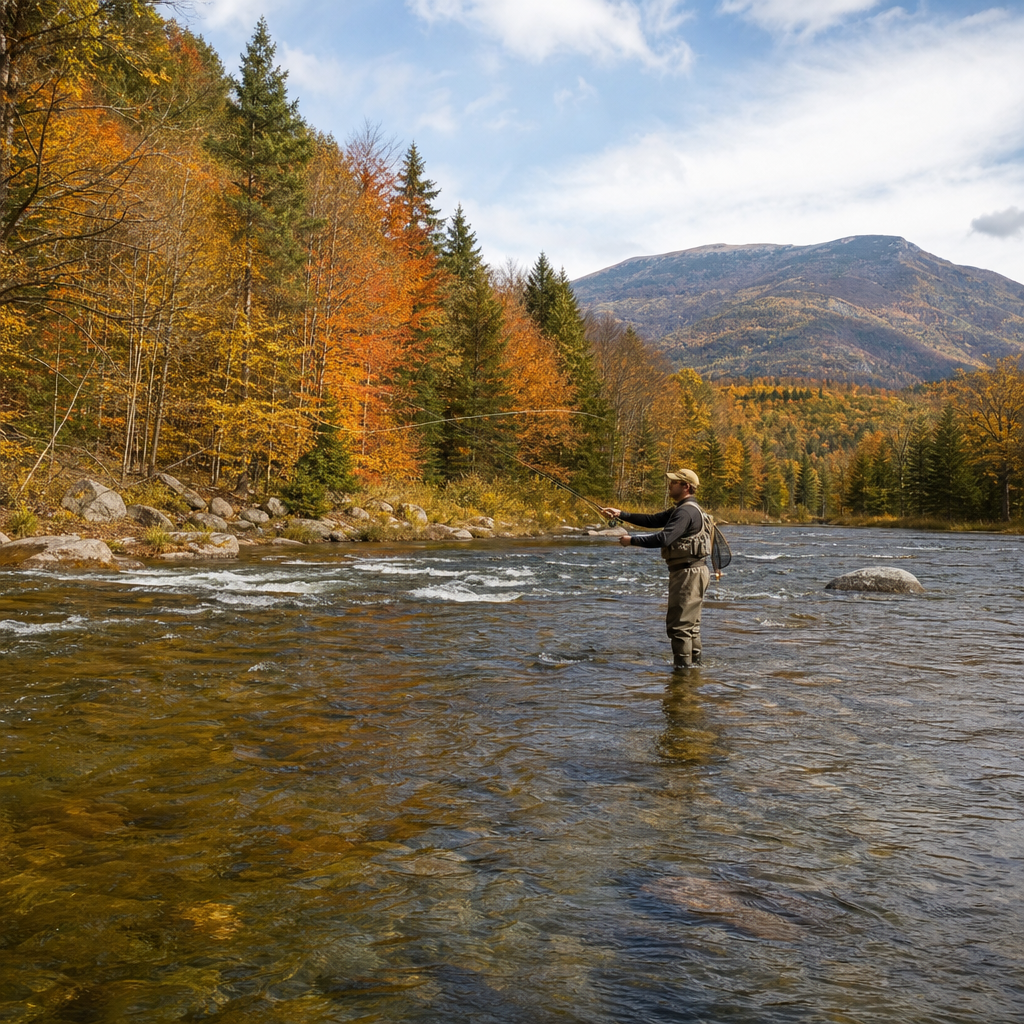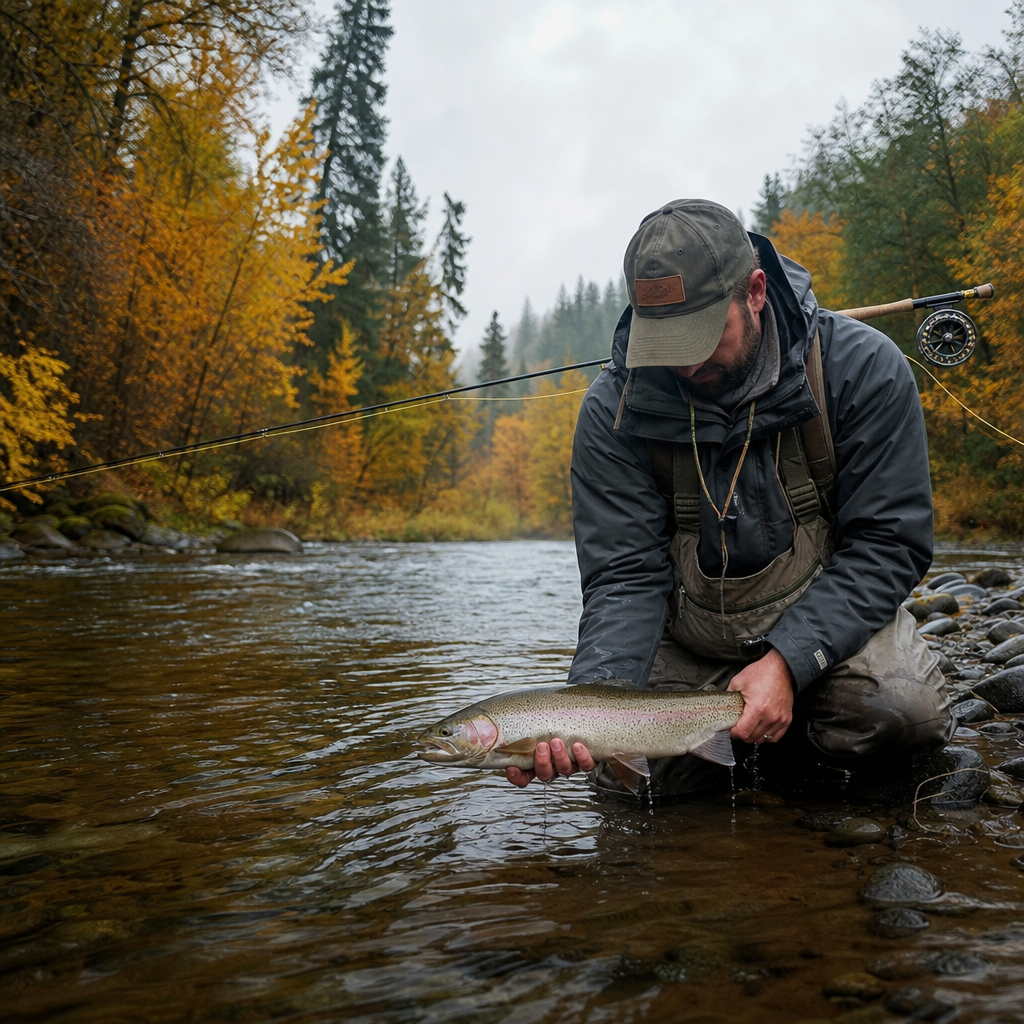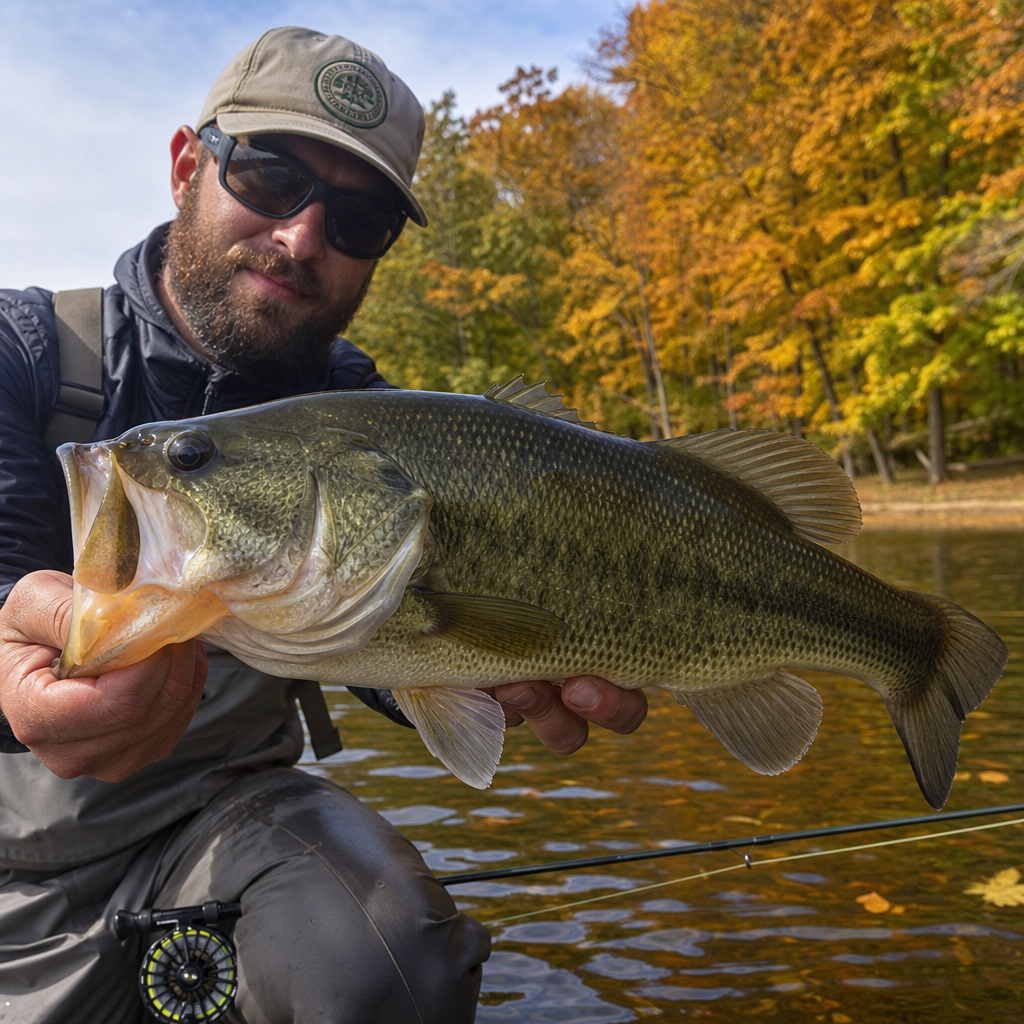
Fall hatches reward anglers who understand how cooling water, shorter days, and shifting insect behavior change trout feeding patterns. In practical terms, “fall hatches” refers to the aquatic and terrestrial food sources that become most important from early September through late November, including blue-winged olives, caddis, midges, October caddis, mahogany duns, craneflies, and late-season terrestrials. A hub article on fly patterns for fall hatches must do two jobs at once: explain what insects appear, and show how to match them with effective flies, presentations, and decision-making on the water. That matters because autumn can produce some of the most technical and most rewarding dry-fly and nymph fishing of the year.
I plan for fall differently than summer because trout behavior changes fast once overnight temperatures drop. Rivers that felt sleepy in August can come alive under cloud cover, while spring creeks and tailwaters often fish with a level of consistency that freestone streams lose after the first hard frost. Brown trout become more aggressive ahead of the spawn, rainbow trout feed heavily before winter, and pressure often decreases after peak vacation season ends. The result is a season with genuine opportunity, but only for anglers who stop fishing generic attractors all day and instead build a tight seasonal system around hatch timing, profile, size, color, and drift.
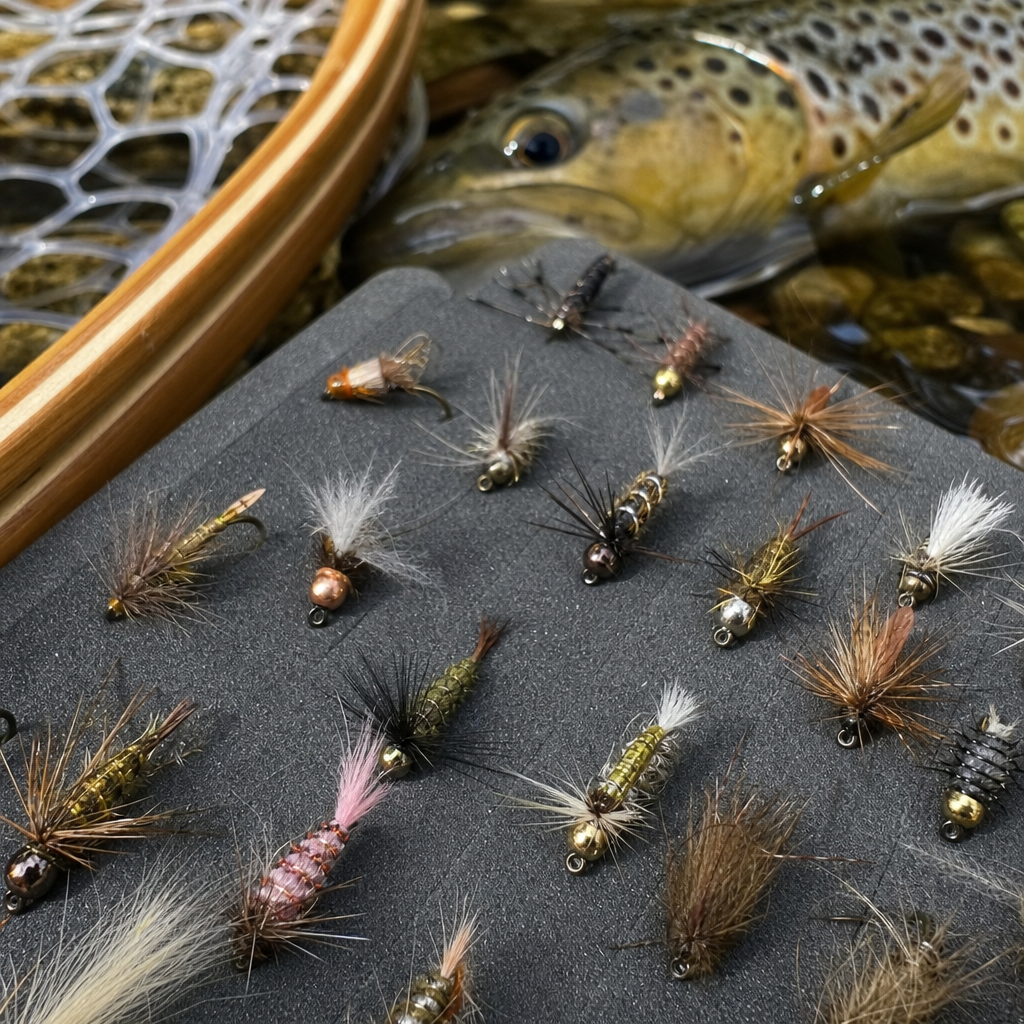
Seasonal hatches are not identical everywhere, but the core principle is universal: fall insects are often smaller, more weather-sensitive, and more compressed into key feeding windows than their spring counterparts. That means fly selection needs to be disciplined. A good autumn box usually emphasizes olive mayflies in sizes 18 to 24, caddis pupae and adults in tan, olive, and orange, midge larvae and emergers, larger statement patterns for October caddis, and a few terrestrials such as ants and beetles for warm afternoons. If you want a reliable starting point, think in three lanes: tiny mayflies, caddis in multiple life stages, and low-risk searching patterns that imitate enough movement or silhouette to trigger confident eats.
This article serves as the central guide to seasonal hatches within the broader seasons and conditions category. It is designed to help you identify the main fall food forms, choose the right fly patterns for each hatch, adjust presentation to current conditions, and understand when a hatch-specific approach outperforms prospecting. If you fish rivers, spring creeks, tailwaters, or stillwaters in autumn, the strategies below will let you cover the full season with more precision and less guesswork.
How fall hatches differ from spring and summer
Fall hatches are shaped by water temperature, light angle, and insect life cycles nearing completion. In many trout streams, the best activity occurs when water temperatures settle roughly between 50 and 58 degrees Fahrenheit. That band supports steady feeding without the metabolic stress of midsummer heat or the slowdown of winter cold. Unlike spring, when prolonged emergences can run for hours, autumn hatches often come in shorter windows tied to overcast afternoons, drizzle, or the warmest part of the day. A twenty-minute emergence can define the whole session.
The tactical implication is straightforward: timing matters as much as pattern choice. I arrive in fall with a clock in mind. On freestones, blue-winged olives often begin after midday once clouds settle in. On tailwaters, midge and small baetis activity may occur earlier and continue longer. During bright conditions, trout commonly hold in softer seams and deeper buckets, then slide into feeding lanes during hatch windows. If you are asking what changes most in autumn, it is this: trout become selective around specific food forms, but they still reward anglers who watch carefully and move fast when the water comes alive.
Another defining difference is life-stage importance. In spring, adults can dominate attention because hatches are obvious and prolonged. In fall, emergers and cripples often outfish fully formed duns because trout feed subsurface just below the film where insects struggle to escape cooler water and variable flows. This is especially true with baetis. A dry that looks perfect to the angler may be ignored, while a low-riding emerger with a trailing shuck is taken immediately. If your fall dry-fly fishing feels inconsistent, the answer is usually not a new river. It is usually a lower-floating, less perfect imitation.
Core fall hatch insects and the fly patterns that match them
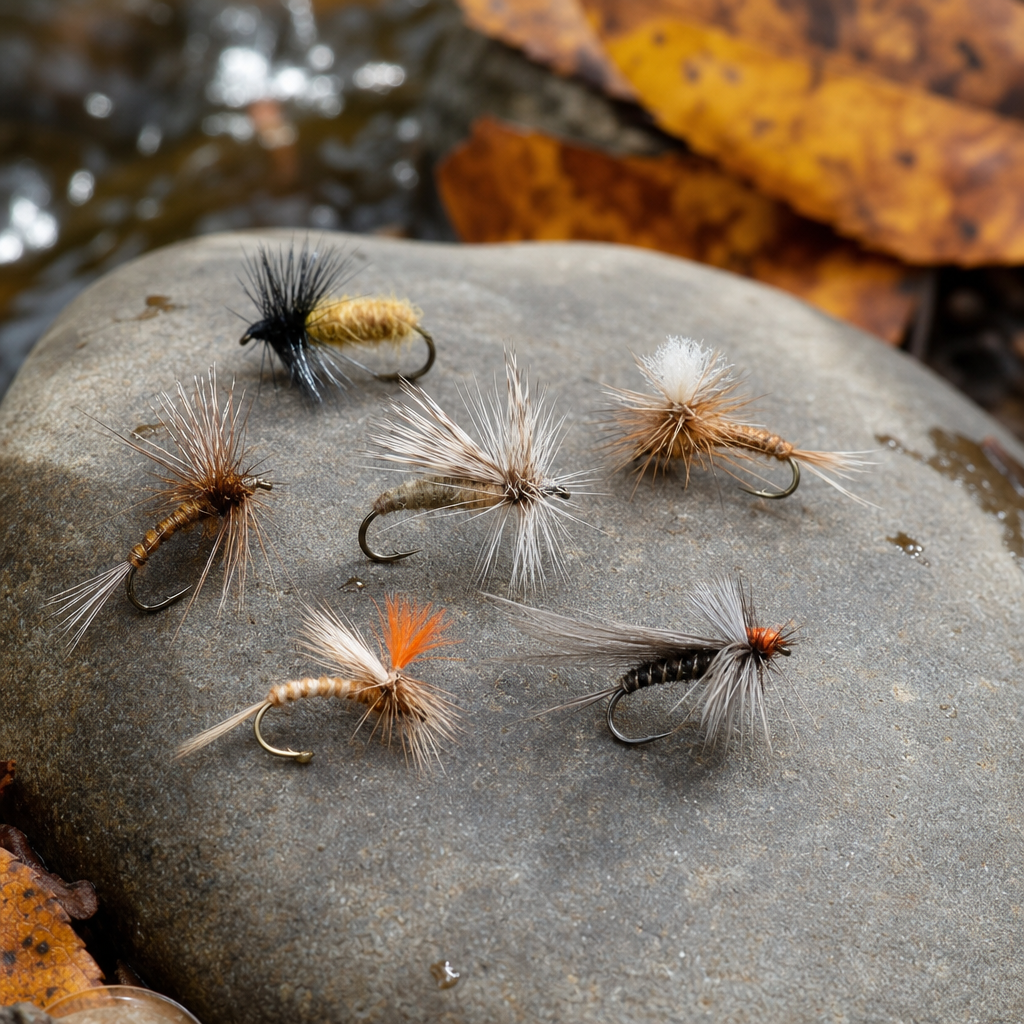
Blue-winged olives are the anchor hatch of fall on many rivers. Most are baetis mayflies in olive to gray-olive tones, commonly sizes 18 to 22, though some waters fish best with 22 to 24. Effective patterns include a Parachute BWO, Sparkle Dun, RS2, Barr’s Emerger, Pheasant Tail nymph in small sizes, and a CDC Comparadun-style olive. Fish the nymph or emerger before visible rises, then switch to a cripple or parachute once trout begin taking adults. On technical water, slender bodies and sparse hackle matter more than exact shade.
Mahogany duns are another valuable fall mayfly, especially on Eastern rivers and select spring creeks. These insects are darker than baetis, often with reddish-brown or wine-toned bodies in sizes 14 to 18. A Mahogany Comparadun, parachute-style mahogany dun, or soft-hackle wet fly works well. Because the hatch can be sporadic, I often fish a mahogany nymph as a point fly and trail a smaller olive emerger behind it. That combination covers both the named hatch and the more common smaller mayflies that often overlap.
Caddis remain central through early and mid-fall. Hydropsyche and Brachycentrus species vary by region, but trout rarely stop recognizing the broad caddis profile. Carry Elk Hair Caddis patterns in tan, olive, and orange, plus pupa imitations such as the LaFontaine Sparkle Pupa, soft hackle caddis pupa, and simple hare’s-ear-based caddis emergers. Dead-drift the pupa first, then add a short lift at the end of the swing. That little change in motion often matches the natural ascent better than a pure dead drift.
October caddis deserve special attention because they are large, visible, and regionally important across much of the West. Adults are usually size 8 to 12 with a strong orange or pumpkin presence. Good patterns include an Orange Elk Hair Caddis, Stimulator, or foam October caddis dry, along with a chunky orange pupa. Many anglers overfish the adult because it is fun to see, but in my experience the pupa produces more consistently, especially in the hour before dusk when trout key on ascending insects near banks, boulders, and broken seams.
Midges and craneflies round out the fall menu. On tailwaters and spring creeks, zebra midges, thread midges, griffith’s gnats, and tiny midge emergers are non-negotiable. Craneflies become important on certain meadows, spring creeks, and slow glides; their larvae and awkward adults can draw deliberate takes. Add ants and beetles on warm afternoons, especially during early fall, and you have the full picture. Fall trout are opportunists, but they are opportunists within a narrow menu.
Building a fall fly box by water type
Not all fall hatch strategies travel equally well. Freestone rivers usually demand adaptability because flows, color, and temperature can change quickly after rain or frost. I keep freestone boxes built around searching nymphs, baetis emergers, caddis pupae, and one or two larger attractors such as a Stimulator or Chubby-style dry to cover October caddis and hopper leftovers. Tailwaters require finer calibration. There, I carry more duplicates in smaller sizes, especially RS2s, zebra midges, tiny pheasant tails, and CDC olives, because fish see pressure and reject bulk.
Spring creeks sit between those worlds. They offer stable conditions but highly educated trout, so profile and drift become unforgiving. Stillwaters add another dimension: callibaetis may taper in some regions, chironomids can remain important, and damselfly relevance fades while midge and small mayfly work continues. The right box is not the biggest box; it is the one that reflects your water type, expected hatch window, and confidence patterns.
| Water type | Primary fall hatches | Best starting patterns | Key tactic |
|---|---|---|---|
| Freestone river | BWO, caddis, October caddis, ants | Parachute BWO 18-20, caddis pupa 14-16, orange Stimulator 10 | Cover water until hatch begins, then narrow in |
| Tailwater | Midges, BWO, small caddis | RS2 20-22, zebra midge 18-22, CDC olive 20 | Fish fine tippet and exact drifts |
| Spring creek | Mahogany duns, BWO, midges, craneflies | Mahogany Comparadun 16, soft hackle 16-18, griffith’s gnat 20 | Prioritize emergers and low-riding dries |
| Stillwater | Midges, small mayflies, leeches | Chironomid pupa, callibaetis nymph, balanced leech | Use depth control and slow retrieves |
Presentation strategies that make fall patterns work
The best fly pattern for fall hatches fails if it is presented at the wrong depth, speed, or angle. For baetis and midges, the most reliable approach is usually subsurface first. Start with a short-indicator rig, tight-line setup, or dry-dropper that keeps the imitation near the feeding lane before trout show on top. Once rises appear, study the rise form. Nose-up sips often suggest emergers or adults in the film; splashier rises can indicate caddis or fish intercepting ascending pupae.
Leader design matters more in autumn than many anglers admit. I commonly fish 12-foot leaders tapering to 5X or 6X for technical dry-fly work, and even longer leaders on spring creeks. With tiny olives, too much fly line over the fish ruins the drift immediately. Reach casts, pile casts, and aerial mends buy the drag-free float that selective trout require. If you are fishing caddis, however, controlled movement can help. A subtle skate, twitch, or lift can transform a refusal into a take when naturals are active and mobile.
Depth control is equally important with pupae and nymphs. During pre-hatch periods, I set flies deeper and use slightly heavier patterns. As emergence begins, I lighten the rig or switch to unweighted emergers that suspend in the upper column. This progression mirrors the insects. It also explains why anglers who never change weight during a hatch often struggle despite good pattern choice. In fall, trout may only move a foot or two to feed efficiently. Your job is to put the fly in that exact band.
Reading weather, light, and trout behavior during autumn hatches
Cloud cover is the classic trigger for fall mayflies, and for good reason. Baetis often hatch strongest under low light, drizzle, and stable barometric conditions. Bright bluebird afternoons can suppress surface activity even when insects are present. That does not mean fishing is poor; it means the feeding mode changes. Trout may hold deeper, feed on nymphs, or slide under cutbanks and shade lines. I have had excellent fall days by ignoring the empty slicks in full sun and focusing instead on riffle tails and seams where subsurface drift concentrates food.
Wind can be a help as well as a problem. A light chop breaks up surface tension on slow pools and makes trout less cautious, especially on spring creeks. It also knocks terrestrials into the water during warm spells. Heavy wind complicates casting but can intensify ant and beetle opportunity along grassy banks. Rain deserves respect, not avoidance. Moderate rain often improves autumn fishing by darkening the sky and stimulating mayfly emergence. The exception is sudden runoff or severe temperature drops, which can shut freestones down temporarily.
Trout behavior in fall is also influenced by spawning cycles. Brown trout become territorial and more willing to chase streamers, but they still feed selectively during hatches. Rainbow trout on many waters remain calorie-focused and can feed aggressively on small insects. Ethical fishing matters here. Avoid targeting fish actively on redds or casting to spawning pairs in shallow gravel. Instead, fish downstream buckets, side seams, and holding lies where non-spawning trout intercept drifting insects. You will catch more fish and protect the resource.
Common mistakes and how to fix them
The first mistake is fishing patterns that are too large. Many anglers stay in the size 14 to 16 comfort zone while trout are locked on size 20 olives or 22 midges. The second mistake is choosing flies that sit too high. Fall fish often prefer emergers, cripples, and sparse soft hackles over neat, upright duns. The third is arriving too early, leaving too soon, or both. On many autumn rivers, the best hatch begins after lunch and peaks in the final hours of light.
Another frequent error is refusing to change water types within a day. If a freestone remains cold and quiet after a frosty morning, a nearby tailwater or spring creek may offer steadier insect activity. I have salvaged many fall trips by making that switch rather than forcing an empty plan. Finally, anglers often overplay streamer excitement and underplay hatch fishing. Streamers absolutely belong in fall, particularly for pre-spawn browns, but they should complement, not replace, seasonal hatch awareness. The most consistently successful anglers carry both mindsets and change with evidence, not mood.
Fly patterns for fall hatches become far less confusing once you organize the season around insect families, life stages, and water conditions instead of brand names or random recommendations. Start with the core autumn producers: blue-winged olives, caddis, midges, mahogany duns, October caddis, craneflies, and lingering terrestrials. Then match each hatch with a small set of dependable patterns, including nymphs, emergers, adults, and one cripple or soft-hackle option. That approach keeps your box compact while covering the situations that matter most.
The main advantage of a hatch-centered fall strategy is efficiency. You stop guessing, spend less time cycling through unproven flies, and make better decisions about where to fish, when to arrive, and how to present the imitation. Watch the weather, track water temperature, and let trout behavior tell you whether to fish deep, in the film, or on top. If you want to improve your autumn trout fishing this season, build a dedicated fall box, log the hatch timing on your home waters, and fish the next cloudy afternoon with a clear plan.
Frequently Asked Questions
What fly patterns are most important for fall hatches, and how should I organize my fly box?
In fall, the most important fly patterns are the ones that match both the major aquatic hatches and the opportunistic food sources trout key on as water temperatures drop. A smart fall box usually starts with blue-winged olive dries and emergers in sizes 18 to 22, because BWOs are among the most dependable late-season insects on many trout streams. Add parachute, CDC, and low-riding cripple styles, since trout often feed selectively on vulnerable insects trapped in or just below the surface film. Caddis are also essential, especially tan, olive, and dark-bodied adults and pupae in sizes 14 to 18. In many systems, caddis remain relevant well into autumn, and trout may prefer ascending pupae over fluttering adults.
Beyond those staples, include midge patterns in sizes 20 to 26 for technical tailwaters and spring creeks, along with mahogany dun imitations in sizes 14 to 18 where those insects are common. October caddis deserve a dedicated row in rivers that support them, with large orange or tan adult patterns and pupa or larva imitations in sizes 8 to 12. Cranefly adults and larvae can be overlooked, but they become surprisingly effective in the right conditions, especially on meadow streams and softer river edges. Late-season terrestrials, particularly ants, beetles, and the occasional hopper, should still have space in your box because warm afternoons can keep them in play longer than many anglers expect.
The best way to organize your fly box is by food form rather than insect name alone. Group dries, emergers, nymphs, pupae, and terrestrials separately so you can quickly adapt to what trout are actually doing. In fall, trout often switch from surface adults to emergers or drowned insects with little warning. If your box is arranged by stage, you can move efficiently from a BWO dry to a BWO emerger to a small pheasant tail or soft hackle without wasting valuable time during a short hatch window. That kind of practical organization matters as much as the patterns themselves.
How do fall conditions change trout feeding behavior, and how should that affect my fly selection?
Fall conditions change trout behavior in several important ways. Cooling water generally increases trout comfort and feeding activity after the stress of summer, but shorter days, changing flows, and more variable weather can make feeding windows more concentrated. Instead of random all-day surface activity, you often see trout feed hardest during specific periods such as late morning BWO hatches, warm afternoon caddis flights, or calm evening midge activity. That means your fly selection should not just match the insect species, but also match the timing, depth, and mood of the fish.
When trout are feeding confidently in the surface film, choose patterns that emphasize silhouette and stage of emergence. In fall, many fish key on emergers, cripples, and stillborn insects because cooler weather and unstable conditions can leave bugs trapped in the film longer. If you see subtle noses, bulges, or porpoising rises, a standard high-floating dry may be less effective than a CDC emerger, soft hackle, or trailing shuck pattern. On the other hand, when trout are slashing aggressively at caddis or taking larger prey, a more animated adult imitation can be the right move.
Depth becomes especially important as the season advances. Trout often feed subsurface before and after visible hatches, so it pays to begin with nymphs or pupae that correspond to the insects you expect to see. A small olive nymph, pheasant tail, caddis pupa, midge larva, or soft hackle can be far more productive than waiting for obvious topwater action. In short, fall fly selection should be flexible and behavior-driven. Watch whether fish are eating on top, in the film, or below it, then choose the pattern that matches not just the hatch, but the exact feeding lane in the water column.
When should I fish dry flies during fall hatches, and when is it better to use emergers, nymphs, or soft hackles?
Dry flies shine during fall when trout are clearly taking adults from the surface, but they are not always the best first choice. If you see fully formed rise rings, steady head-and-tail rises, or insects drifting high and clean on slow water, a dry fly is the logical starting point. Blue-winged olive hatches on overcast days, afternoon mahogany dun activity, and evening midge sips can all create excellent dry-fly opportunities. In these situations, use a pattern that sits naturally and matches the size more closely than the color. Fall trout often become selective because hatches can be dense and prolonged in slower water.
Emergers become the better option when trout are feeding just under the surface or refusing high-floating adults. This is common during BWO hatches, when many naturals are stuck in the film. A low-riding emerger, sparkle dun, cripple, or soft-hackle swung just beneath the surface can outfish a traditional dry by a wide margin. If rises look subtle and you cannot see many adults actually floating away, that is often a sign fish are intercepting insects before they fully hatch.
Nymphs and pupae are often the most efficient choice before the hatch starts and after it fades. Trout commonly feed subsurface on immature insects drifting loose before emergence, especially in cooler water. Caddis pupae, small mayfly nymphs, zebra midges, and lightly weighted soft hackles are all reliable fall producers. Soft hackles are particularly versatile because they can imitate an ascending pupa, a drowned adult, or an emerger depending on how you present them. If surface action is inconsistent, fish a nymph or pupa deep first, then progressively work shallower until you locate the feeding level. In fall, that willingness to shift from dry to film to subsurface usually leads to more trout than committing too early to one tactic.
How do I match blue-winged olives, caddis, October caddis, and other common fall insects without overcomplicating things?
The simplest approach is to match four things in order: size, profile, stage, and then color. Many anglers overcomplicate fall hatches by trying to carry dozens of exact insect imitations, but trout usually respond more consistently to a fly that resembles the right food form in the right size range. For blue-winged olives, that means small, slim patterns in olive-gray tones, with an emphasis on emergers and low-riding dries in sizes 18 to 22. For caddis, think tent-winged adults, active pupae, and soft silhouettes in tan, olive, or dark shades, usually in sizes 14 to 18. For October caddis, think much larger patterns with a bold orange, cinnamon, or tan impression, often fished near banks, riffles, and broken water.
Mahogany duns are a great example of why profile matters. They are generally darker and more robust than BWOs, and trout may key on them in a specific size window. A comparadun, parachute, or soft emerger in the right size often does the job better than an overly detailed imitation. Midges require a different mindset altogether. They are tiny, abundant, and often more important in calmer water or on heavily pressured fisheries, so carry larva, pupa, and adult forms rather than relying only on a tiny dry fly.
Craneflies and late terrestrials should be treated as bonus food sources that can become primary under the right circumstances. Cranefly adults are gangly and impressionistic, while larvae can be deadly near undercut banks or soft-bottomed areas. Ants and beetles remain effective on warm afternoons, especially when windy conditions knock them into the water. To keep things practical, carry a compact lineup: a dry, an emerger, and a subsurface pattern for each major fall food source. That gives you broad coverage without cluttering your box with unnecessary duplication.
What presentation techniques work best for fall hatch fishing, especially on selective trout?
Presentation is often the deciding factor during fall hatches because trout can feed in clear, lower water with plenty of time to inspect a fly. The first priority is a natural drift. Whether you are fishing a BWO dry, a caddis pupa, or a midge emerger, drag will ruin more opportunities than slightly imperfect pattern choice. Use longer leaders, finer tippet where appropriate, and thoughtful casting angles that reduce conflicting currents. On smooth glides and tailouts, reach casts, pile casts, and slack-line presentations help your fly drift naturally through the feeding lane before the leader tightens.
For mayfly hatches such as blue-winged olives and mahogany duns, target individual rising fish carefully and avoid false casting over them. Trout in fall often settle into narrow feeding lies and repeat the same rhythm. Watch the rise form, estimate the lane, and place the fly slightly upstream with enough slack to drift first. If fish refuse repeatedly, downsize, switch to an emerger, or grease only part of the leader so the fly sits lower in the film. These small refinements matter when fish are focused on vulnerable insects rather than fully upright adults