The best fly fishing shirts for moisture management do more than keep you comfortable; they regulate body temperature, reduce chafing, protect skin, and help you stay focused through long hours of casting, wading, rowing, and hiking to water. In fly fishing clothing reviews, shirts deserve special attention because they sit at the center of the layering system, directly against the skin or just above a base layer, where sweat control either works or fails. Moisture management refers to how fabric pulls perspiration away from the body, spreads it across the surface, and speeds evaporation before dampness turns cold, clammy, or abrasive. On hot rivers, tropical flats, and humid summer creeks, that process prevents overheating. In cool weather, it matters just as much because wet fabric steals heat fast once wind picks up or sun drops behind the ridge.
After testing shirts on tailwaters, spring creeks, stillwaters, and saltwater skiffs, I have found that anglers often confuse moisture management with simple breathability. They are related, but not identical. A breathable shirt lets heat escape. A moisture-managing shirt actively moves sweat, dries quickly, and keeps fabric from collapsing into a soaked layer under a pack, life vest, sling bag, or wader straps. The best models combine polyester or nylon performance fabrics, mechanical stretch, venting panels, sun protection ratings, and seam placement that avoids friction during repetitive casting. As a clothing reviews hub, this guide explains what makes a great fly fishing shirt, which materials perform best, how leading brands compare, and which shirt styles fit different fisheries, seasons, and fishing methods.
What Makes a Fly Fishing Shirt Good at Moisture Management
A fly fishing shirt handles moisture well when it moves sweat from the skin to the fabric face faster than your body can accumulate dampness. The core variables are fiber type, fabric construction, fit, and airflow. Polyester is usually the strongest wicking performer because it is hydrophobic and engineered to pull moisture along capillary channels. Nylon is durable and smooth, but by itself it may feel warmer unless blended or woven for airflow. Merino manages odor extremely well and feels comfortable over long sessions, yet it dries slower than synthetic fishing shirts when fully saturated. For most warm-weather fly fishing, lightweight polyester or nylon-poly blends remain the practical standard.
Construction matters as much as fabric content. Shirts with mesh-lined back vents, perforated panels under the arms, laser-cut vent holes, and offset shoulder seams outperform simple button-downs made from generic “quick-dry” cloth. Fit also changes performance. A shirt that is too tight limits airflow and traps sweat under shoulder blades and chest pockets. One that is too baggy can snag on stripping baskets, packs, and boat hardware. In my testing, the sweet spot is an athletic but not compressive fit with enough sleeve articulation for double hauls and high-stick nymphing. Good cuffs, collar structure, and chest pocket design should support fishing function without creating extra hot spots.
Best Fabric Choices and Design Features for Fishing in Heat and Humidity
If your priority is staying dry in oppressive heat, look first for fabrics in the 50 to 110 GSM range, with stated UPF protection and mechanical or four-way stretch. Lightweight woven shirts generally feel cooler in direct sun than heavy knits because they lift off the skin and vent better. Knits can wick aggressively, especially in hooded sun shirts, but some hold more moisture when pressed under packs. Brands such as Simms, Patagonia, Orvis, and Columbia typically use proprietary polyester or nylon blends that balance evaporation speed with abrasion resistance. What separates top performers is not branding alone but how that fabric is mapped across the shirt.
For example, a flats shirt designed for skiff use often places venting across the upper back to catch wind while poling or running between spots. A river shirt built for hiking may use perforations under the arms and lower side panels because backpack straps cover the shoulders. Hooded sun shirts excel when full neck and ear coverage matter, especially during summer trout fishing above treeline or saltwater sessions with no shade. Button-front shirts still have advantages: collars stand up better, sleeves roll securely, and chest pockets can hold tippet, flotant, or forceps. The best clothing reviews compare those tradeoffs honestly instead of assuming one style beats every other style in every fishery.
Top Shirt Categories and Where Each One Works Best
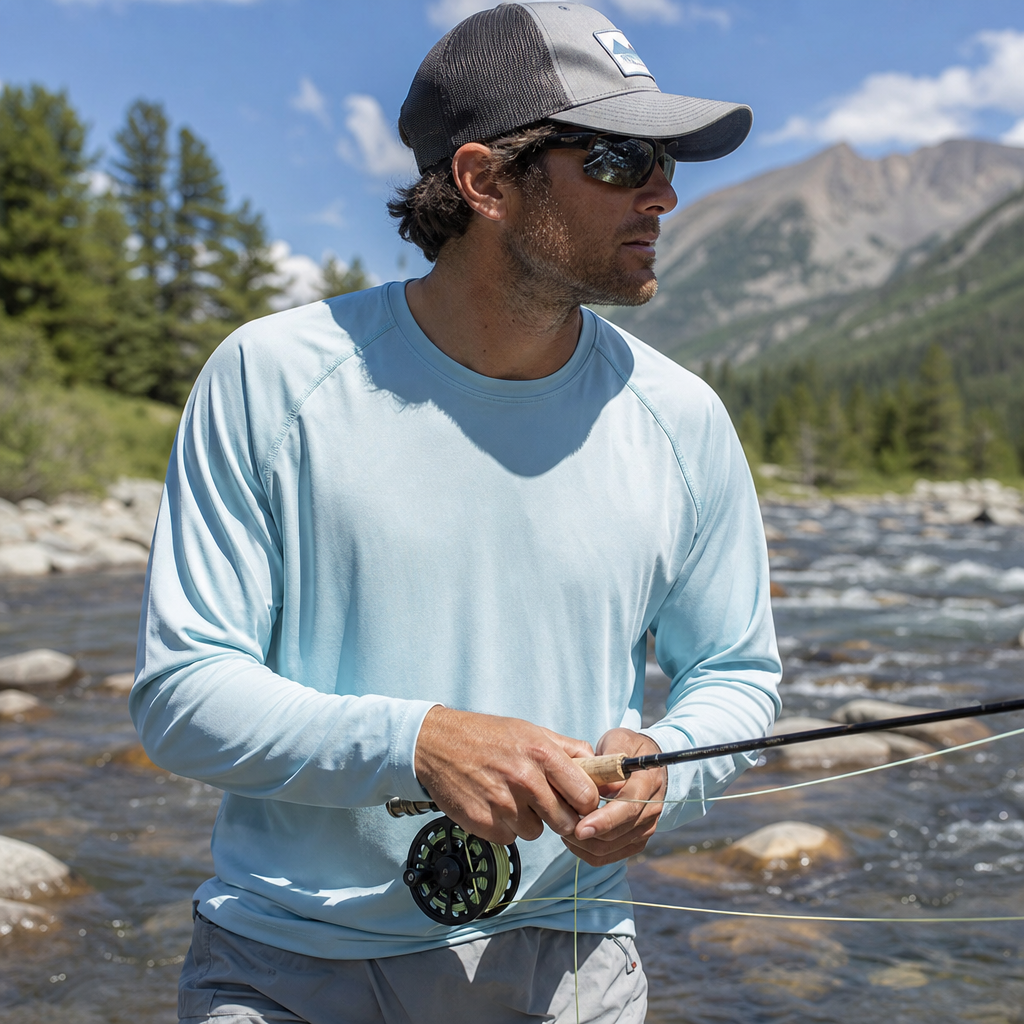
The most useful way to evaluate fly fishing shirts is by category rather than by marketing slogan. I group them into technical woven button-ups, knit sun hoodies, hybrid overshirts, and merino blend layers. Technical woven shirts are the classic warm-weather choice for drift boats, flats skiffs, and freestone rivers because they combine venting, collar coverage, and fast drying. Knit sun hoodies work best for active anglers walking banks, carrying minimal gear, or fishing under relentless sun where hood coverage reduces the need for buffs and neck gaiters. Hybrid overshirts suit shoulder seasons, while merino blends fit anglers who prioritize odor resistance on multi-day trips.
| Shirt category | Best use case | Main moisture strength | Tradeoff |
|---|---|---|---|
| Woven button-up | Boat fishing, hot rivers, travel | Fast evaporation with strong airflow | Less soft than knits |
| Sun hoodie | High sun exposure, active wading | Direct skin wicking and full coverage | Pockets and collar structure are limited |
| Hybrid overshirt | Cool mornings, variable weather | Balances venting with light insulation | Can run warm by midday |
| Merino blend | Travel, backcountry, multi-day wear | Odor control and comfort when damp | Slower drying than synthetics |
In practical terms, guides and frequent anglers usually own more than one category because no single shirt dominates every condition. A woven shirt from Simms or Orvis can be ideal on a humid drift-boat day, while a Patagonia or Free Fly sun hoodie may be the better answer for hiking steep canyon access in full sun. The hub value of a clothing reviews page is helping readers decide which article or product roundup to read next: best hooded sun shirts, best button-up fishing shirts, best travel shirts, or best cold-morning layering tops.
Brand Comparisons: Simms, Patagonia, Orvis, Columbia, Free Fly, and Huk
Simms consistently builds fishing-specific details into its shirts, including cast-friendly articulation, chest storage, and practical vent layouts. In moisture testing, Simms woven shirts usually dry fast and resist the heavy, pasted-to-skin feeling that cheaper nylon shirts develop after repeated sweating. Patagonia often stands out for fabric refinement and fit, especially in sun-focused knit pieces and responsibly sourced materials. Their light technical shirts tend to feel smoother under pack straps and maintain comfort across long walk-and-wade sessions. Orvis lands in a balanced middle ground, delivering reliable fishing utility, strong UPF options, and broad size availability that works for many anglers who find slimmer cuts restrictive.
Columbia remains relevant because some PFG shirts offer excellent value, especially for anglers building a warm-weather kit on a budget. Not every model is equally technical, so checking weight, vent placement, and fabric composition matters more than buying by line name alone. Free Fly has gained attention for bamboo blends with a soft hand feel, though performance varies by model and some fabrics prioritize comfort over the fastest dry times. Huk leans strongly toward hot-weather performance and aggressive venting, often appealing to crossover saltwater anglers. Across these brands, the strongest moisture managers are usually the lightest purpose-built shirts with mapped ventilation, not the heaviest “all-purpose” options sold as casual wear.
How to Choose the Right Shirt for Trout, Bass, and Saltwater Fly Fishing
The right fly fishing shirt depends on water type, sun intensity, exertion level, and how much gear sits against your torso. For trout anglers in mountain rivers, conditions can shift from near-freezing mornings to warm afternoons, so a quick-drying woven shirt layered over a thin synthetic tee often works better than a single heavier shirt. Bass anglers fishing from kayaks or jon boats usually face reflected heat and long seated periods, which makes sun hoodies and lightweight knits especially effective. Saltwater fly fishers need maximum UV coverage, corrosion-resistant hardware, and shirts that stay comfortable in constant spray, humidity, and direct exposure.
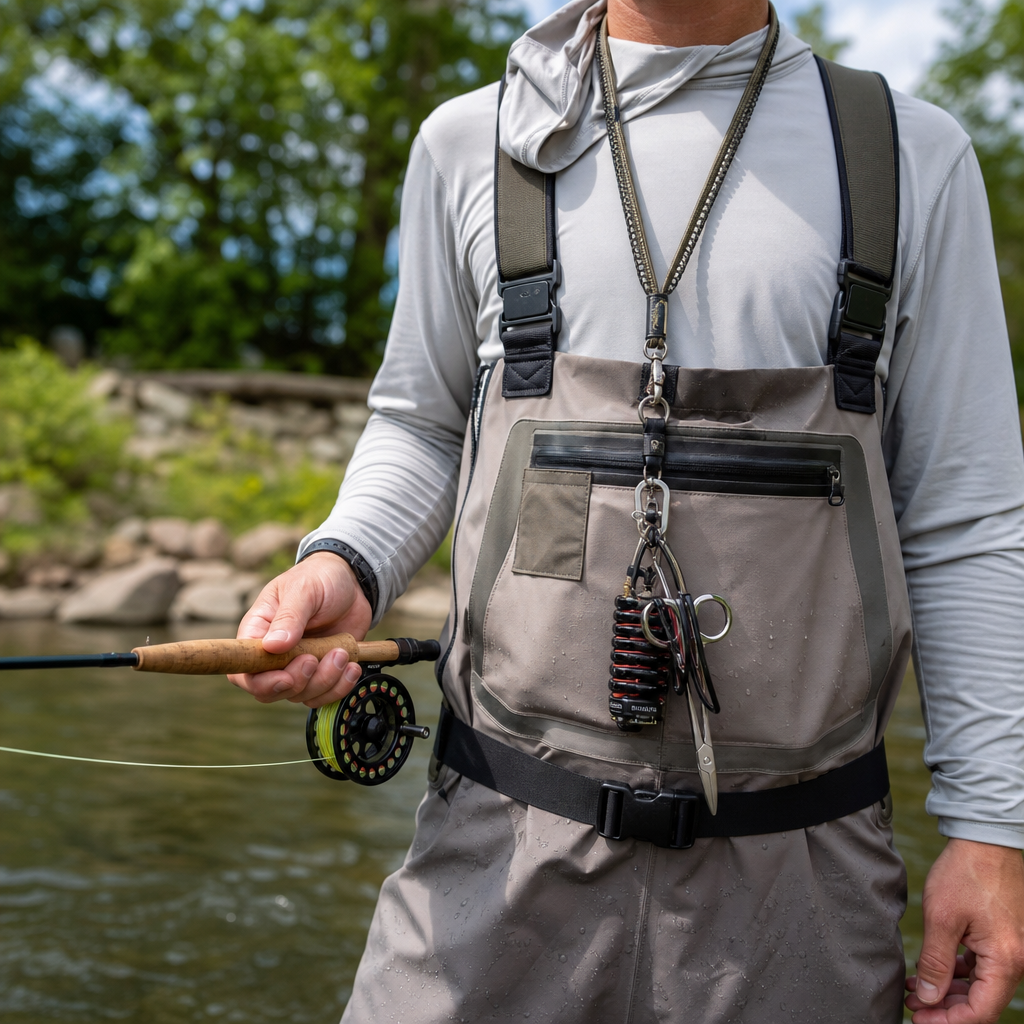
Think about your fishing system, not just the shirt in isolation. Wader suspenders, lumbar packs, sling straps, and inflatable PFDs all create pressure zones where moisture accumulates. On guided western rivers, I have seen anglers wear premium shirts that performed poorly simply because a thick sling bag covered the main back vent all day. In that case, side venting or a knit hoodie would have been the better choice. Shirt color also matters more than many reviews admit. Lighter colors generally absorb less radiant heat, and they make it easier to spot ticks, burrs, and sunscreen residue. Darker colors can be fine in breezy climates, but under still, humid conditions they often feel noticeably hotter.
Fit, Layering, Care, and Common Buying Mistakes
Fit determines whether a moisture-managing shirt performs at its designed level. Sleeves should allow a full casting arc without pulling across the back. Hem length should stay tucked under a wading belt or pack waist belt without bunching excessively. Shoulder seams should sit away from pressure points. If you fish in both summer and shoulder seasons, choose a shirt roomy enough for a thin base layer but not so large that trapped air turns into flapping bulk in wind. I generally advise anglers to try casting motions, rowing motions, and simulated pack wear before keeping a shirt, because static fitting-room comfort tells you very little about on-water performance.
Care is another overlooked factor. Fabric softeners can reduce wicking performance by coating fibers, and high heat can damage elastane or delaminate bonded vent structures. Wash technical shirts in mild detergent, avoid softener, and air dry or tumble on low. Odor treatments such as Polygiene or HeiQ can help, but they are not substitutes for proper laundering. The most common buying mistakes are choosing shirts too heavy for the climate, prioritizing pocket count over ventilation, assuming UPF means coolness, and using cotton blends for serious summer fishing. Cotton can feel pleasant at first, but once soaked, it dries slowly and undermines the very moisture control anglers need for comfort and safety.
How This Clothing Reviews Hub Helps You Build a Better Kit
A strong clothing system starts with matching shirt style to fishery, temperature range, and activity level. The best fly fishing shirts for moisture management are usually lightweight synthetic woven shirts and modern sun hoodies with mapped ventilation, reliable UPF protection, and fits designed for casting and carrying gear. Merino blends still have a place, especially for travel and odor control, but they are rarely the fastest option in sustained heat. Brand reputation helps narrow the field, yet the most important signals remain fabric weight, vent placement, seam design, dry time, and how the shirt works with packs, waders, and outer layers.
Use this clothing reviews hub as your starting point for deeper product comparisons across warm-weather shirts, hooded sun layers, travel-ready fishing apparel, and seasonal layering pieces. When you evaluate shirts through the lens of moisture movement rather than marketing language, the best choices become clear. Pick one shirt for your primary fishery, test it on a full day trip, and note where sweat builds, where fabric dries fastest, and where straps interfere. That simple process will lead you to a more comfortable, safer, and more effective fly fishing kit, and it will make every future clothing purchase smarter.
Frequently Asked Questions
What does moisture management actually mean in a fly fishing shirt?
Moisture management describes how well a shirt handles sweat from the moment it forms on your skin until it evaporates. In practical terms, the best fly fishing shirts move perspiration away from the body, spread it across the fabric surface, and help it dry quickly. That process matters because fly fishing often involves more physical effort than many anglers expect. Hiking into a stream, rowing a drift boat, wading through current, and casting for hours can all raise body temperature and produce steady sweat, even in cool weather. If that moisture stays trapped against the skin, it can leave you feeling clammy, chilled, sticky, and distracted.
A high-performing moisture-managing shirt helps regulate temperature by reducing that wet, heavy feeling. It also lowers the chance of friction-related discomfort, especially under packs, wader straps, and casting layers. Good moisture control can make a shirt feel lighter throughout the day and can improve comfort across changing conditions, from cold mornings to warm afternoons. In fly fishing clothing reviews, this is why shirts deserve close attention: they sit at the center of the layering system, and when that layer fails to handle sweat properly, every other piece of clothing becomes less effective.
Which shirt materials are best for moisture management while fly fishing?
The best materials usually come down to performance-focused synthetic fabrics and certain natural blends, each with strengths depending on the fishing conditions. Polyester is one of the most common choices because it is lightweight, dries quickly, and is highly effective at wicking moisture away from the body. Nylon is also widely used, especially in button-up fishing shirts, because it is durable, breathable, and often built with venting panels for warm-weather use. Many top fly fishing shirts combine these fibers with a bit of stretch for easier casting, rowing, and hiking.
Merino wool is another strong option, especially in cooler conditions or for anglers who want better odor resistance during long trips. It manages moisture well and helps regulate temperature across a wider range of weather, but it generally dries more slowly than lightweight synthetics. Fabric blends can offer a useful middle ground by combining softness, stretch, quick-drying performance, and durability. When comparing shirts, it is also important to look beyond the material name alone. Fabric weight, knit structure, ventilation design, and finish treatments all affect how the shirt performs. The best moisture-managing fly fishing shirts are not just made from the right fiber; they are engineered to keep sweat moving and to stay comfortable during active use.
Are long-sleeve fly fishing shirts better than short-sleeve options for moisture control?
In many cases, yes. Long-sleeve fly fishing shirts are often the better overall choice, not because they wick sweat more effectively by default, but because they usually offer more complete performance in real fishing conditions. A well-designed long-sleeve shirt protects the arms from sun exposure, reduces direct skin contact with shoulder straps and gear, and can actually help keep you cooler by limiting intense solar heat on the skin. When a shirt wicks and dries efficiently, those sleeves become part of a system that stabilizes comfort rather than trapping heat.
Long sleeves are especially useful during long days on open water, where sun, wind, and repetitive movement can wear you down. They can also help reduce chafing during repetitive casting and provide a barrier against brush, insects, and abrasive surfaces while hiking to access points. Short-sleeve shirts still have a place, particularly in very hot and humid climates or when layered over sun sleeves or under outerwear, but they can leave more skin exposed to both heat and friction. The better choice usually depends on the fishing environment, but for all-day performance, many anglers find that a lightweight, breathable, long-sleeve shirt with strong moisture management offers the most versatile comfort.
How should a fly fishing shirt fit if moisture management is a top priority?
Fit has a major impact on moisture performance. A shirt that is too tight can restrict airflow, cling to sweaty areas, and make movement less comfortable during casting or rowing. A shirt that is too loose may feel baggy, hold excess fabric against the body, and become awkward under packs, vests, or waders. The ideal fit is usually athletic or relaxed enough to promote air circulation and freedom of movement without becoming bulky. That balance helps the fabric do its job by moving moisture outward while allowing heat to escape.
Anglers should also pay attention to how the shirt works within a layering system. If it is worn directly against the skin, smooth seams, light stretch, and non-restrictive shoulders become especially important. If it is worn over a base layer, it should still allow enough room for moisture to transfer effectively between layers. Features such as gusseted underarms, articulated sleeves, vented backs, and streamlined cuffs can improve both comfort and moisture control. In real-world fishing, fit is not just about appearance. It determines how well the shirt performs when wet, how easily it layers, and whether it helps you stay focused instead of constantly adjusting clothing.
What features should I look for in the best fly fishing shirts for staying dry and comfortable all day?
Start with proven quick-drying fabric and a design built for active movement. The best moisture-managing fly fishing shirts typically use lightweight polyester or nylon, sometimes blended with stretch fibers, and pair those materials with ventilation zones that help release excess heat. Mesh-lined back vents, perforated panels, and breathable weaves can make a noticeable difference during warm-weather fishing or high-output days. Flat seams or low-profile stitching are also worth prioritizing because they reduce rubbing and help prevent chafing where straps, packs, or waders create pressure.
Beyond moisture handling, look for features that support comfort over long hours outside. Sun protection is a major one, especially in shirts with UPF-rated fabric. Anti-odor treatments can help on multiday trips. Roll-up sleeve tabs, secure chest pockets, and collar designs that shield the neck are practical additions, but they should not come at the expense of breathability or fit. Some of the best shirts also maintain performance after repeated washing, which matters because durable moisture management is more valuable than a shirt that performs well only when new. Ultimately, the right shirt should keep sweat from becoming a distraction, help maintain a stable body temperature, protect your skin, and support the full range of motion required for serious fly fishing.