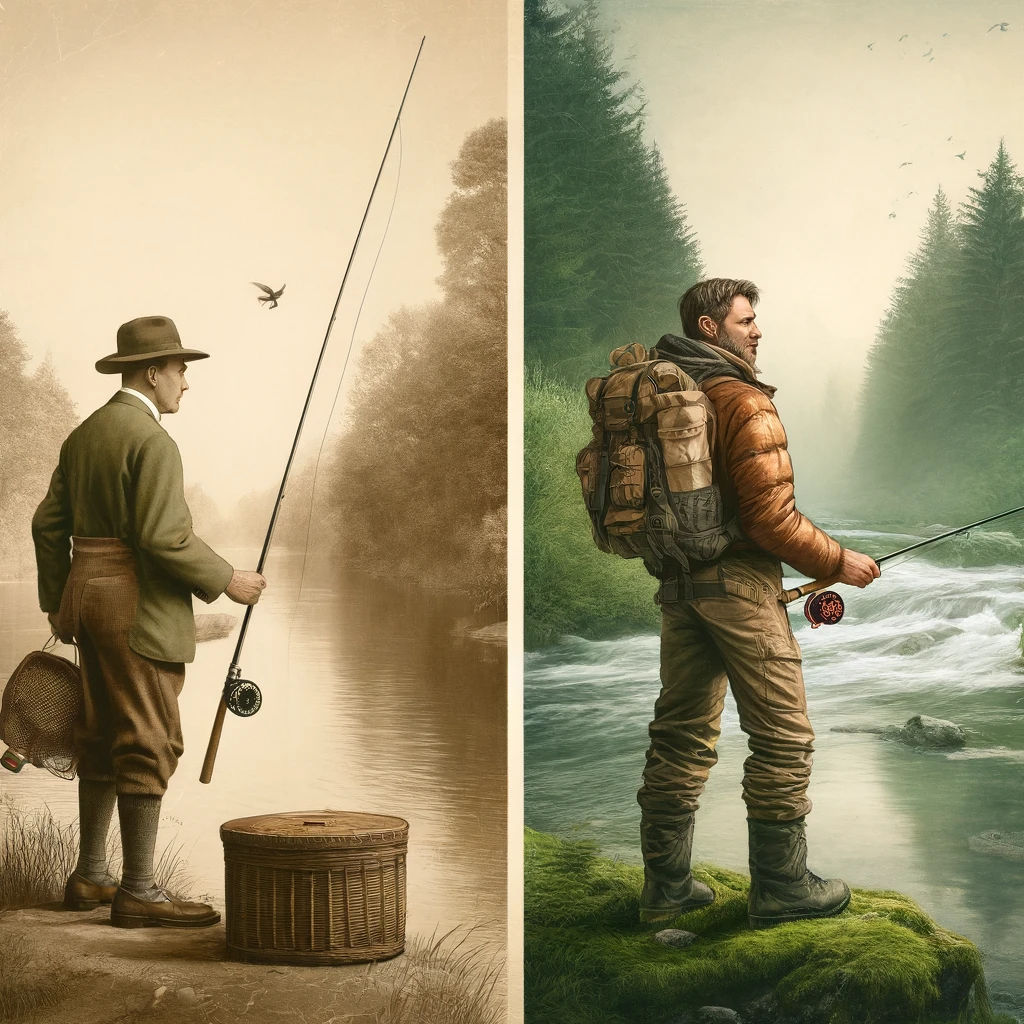
Fly fishing enthusiasts constantly seek ways to improve their casting techniques, and one method that stands out for its effectiveness and elegance is Spey casting. Originating from the banks of the River Spey in Scotland, this casting technique has gained worldwide popularity due to its efficiency and versatility. In this article, we’ll explore the basics of Spey casting, its techniques, and the benefits it offers to anglers.
What is Spey Casting?
Spey casting is a fly fishing technique that involves using a two-handed rod to execute long, graceful casts with minimal backcasting space. It was developed in the mid-19th century to handle the large, fast-flowing rivers of Scotland. Unlike traditional overhead casting, Spey casting allows anglers to cast over long distances without needing much room behind them, making it ideal for fishing in tight spots with overhanging trees or steep banks.
Basic Equipment for Spey Casting
To get started with Spey casting, you’ll need some specialized equipment:
- Spey Rod: Typically longer (12-15 feet) and designed for two-handed casting.
- Spey Reel: Larger and heavier to balance the longer rod.
- Spey Line: Heavier and designed specifically for Spey casting, often with a shooting head.
- Running Line: Thin line attached to the shooting head, aiding in long-distance casts.
- Leaders and Tippets: Standard fly fishing leaders and tippets work, though heavier setups might be needed for larger fish.
Techniques of Spey Casting
Spey casting can be broken down into several key techniques, each with its unique application and benefit:
The Roll Cast
The roll cast is the foundation of Spey casting. It’s used to reposition the line on the water and set up for other Spey casts. Here’s how to perform a roll cast:
- Set the Anchor: Begin with a small amount of line in the water. This point of contact is called the anchor.
- Lift and Sweep: Lift the rod tip and sweep it back smoothly, forming a D-loop with the line behind you.
- Forward Stroke: With a swift forward stroke, cast the line out. The energy from the D-loop propels the line forward.
The Single Spey
The single Spey cast is perfect for changing direction and is particularly useful in windy conditions. To perform a single Spey:
- Lift and Sweep: Start with the line on the downstream side. Lift the rod and sweep it across your body, forming a D-loop.
- Set the Anchor: As you sweep, bring the line around and set the anchor point upstream.
- Forward Cast: Execute a forward cast, aiming to keep the rod tip high.
The Double Spey
The double Spey is an excellent cast for strong downstream winds. Here’s how to do it:
- Lift and Sweep: Begin with the rod tip low and lift the line off the water, sweeping it towards the bank.
- Change Direction: Sweep the rod back across your body, forming a D-loop with the line downstream.
- Set the Anchor: As you sweep, set the anchor point on the downstream side.
- Forward Cast: Make a smooth forward cast, allowing the D-loop to propel the line.
The Snap T
The Snap T cast is a powerful technique for casting heavy flies or sink tips. To perform a Snap T:
- Set the Anchor: Start with the line in front of you.
- Snap and Lift: Snap the rod tip towards the water, creating a small loop. Lift the rod tip, forming a D-loop.
- Sweep and Cast: Sweep the rod back and then forward, using the energy from the D-loop to cast the line.
The Snake Roll
The snake roll is a dynamic and visually impressive cast, perfect for repositioning the line. Here’s how to do it:
- Lift and Circle: Lift the rod and draw a circular motion with the tip, forming a loop.
- Sweep and Anchor: Sweep the rod back, setting the anchor point on the water.
- Forward Cast: Execute a forward cast, using the momentum from the loop and D-loop.
Benefits of Spey Casting
Spey casting offers numerous advantages to fly fishers:
Extended Reach
Spey casting allows for longer casts, which is particularly beneficial in large rivers where fish might be far from the shore. This extended reach helps cover more water and increases the chances of reaching fish that might otherwise be inaccessible.
Less Physical Strain
Using two hands to cast reduces the physical strain on your arms and shoulders, making it a more comfortable option for extended fishing sessions. This aspect is especially important for anglers with physical limitations or those looking to avoid repetitive strain injuries.
Improved Line Control
Spey casting provides excellent line control, enabling precise placement of the fly. This control is crucial when fishing in challenging conditions, such as fast currents or windy environments, where accurate presentation is key to attracting fish.
Versatility in Tight Spaces
One of the standout benefits of Spey casting is its ability to cast effectively in confined spaces. Traditional overhead casting requires ample room for backcasting, but Spey casting’s unique D-loop formation allows for efficient casting with limited space behind you, making it ideal for wooded rivers or areas with overhanging vegetation.
Tips for Improving Spey Casting
Practice Makes Perfect
Spey casting, like any other fly fishing technique, requires practice. Regularly practicing your casts on the water or even on grass can help you refine your technique and build muscle memory.
Take a Lesson
Consider taking a lesson from a certified Spey casting instructor. Professional guidance can accelerate your learning curve, ensuring you develop proper form and technique from the start.
Use the Right Gear
Investing in quality Spey casting equipment tailored to your needs can make a significant difference in your casting experience. Ensure your rod, reel, and line are well-matched to achieve optimal performance.
Focus on Timing
Timing is crucial in Spey casting. Pay attention to the rhythm of your casts, ensuring smooth transitions between the lift, sweep, and forward stroke. Proper timing will enhance your casting distance and accuracy.
Watch the Experts
Observing experienced Spey casters can provide valuable insights into effective techniques. There are numerous online resources, including videos and forums, where you can watch and learn from seasoned anglers.
Conclusion
Spey casting is a versatile and efficient fly fishing technique that offers numerous benefits, from extended casting reach to reduced physical strain and improved line control. Whether you’re fishing in tight spaces or looking to enhance your casting prowess, mastering Spey casting can elevate your fly fishing experience. By understanding the basic techniques and investing time in practice, you can unlock the full potential of this elegant and powerful casting method.
So, grab your Spey rod, hit the water, and experience the joy and satisfaction that comes with mastering Spey casting. Tight lines!