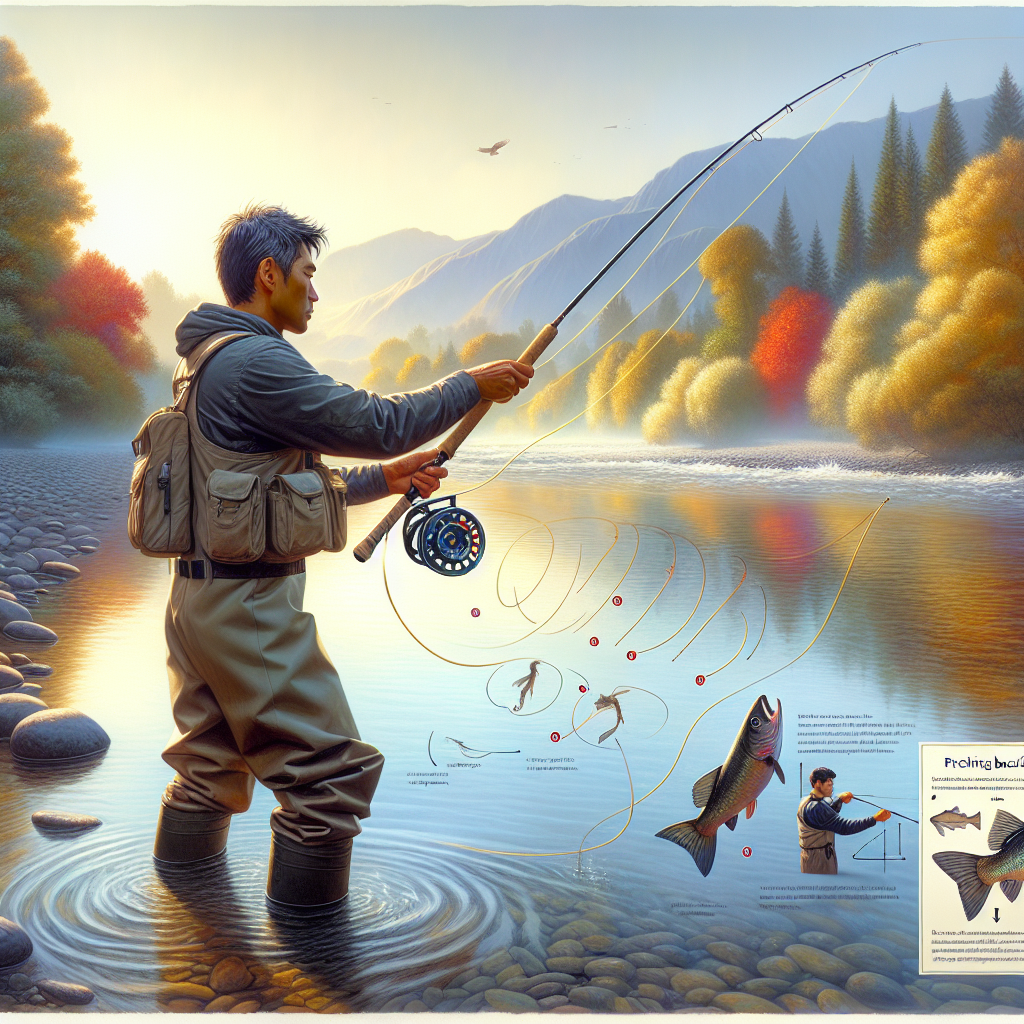
Fly fishing is an art, a science, and a pastime that attracts enthusiasts from all walks of life. The precision required, the serene environments, and the elusive pursuit of the perfect catch all combine to create an experience that’s hard to match. One core element that every fly angler must master is the backcast. Often overlooked by beginners in favor of perfecting the forward cast, the backcast is equally crucial for presenting your fly accurately and effectively. Learning to improve your backcast can make a substantial difference in your overall technique and catch rate.
An effective backcast involves timing, fluid motion, and understanding the natural physics behind casting. A poor backcast can lead to tangled lines, imprecise casts, and missed opportunities with those cunning fish. Thus, if you are dedicated to becoming a more proficient fly angler, improving your backcast should be at the top of your list.
In this article, we will delve deep into the techniques that can elevate your backcast performance. We will explore the fundamentals, share some expert tips, and address common mistakes that anglers often make. By the end of this comprehensive guide, you will have a strong foundation and a clear path to mastering your backcast.
Understanding the Basics
Before delving into improving your backcast, it’s essential to understand the basic principles that underline this casting technique. Like any sport, fly fishing is grounded in a set of fundamental rules that guide every movement. When it comes to the backcast, the principle of tension is paramount.
The backcast works by loading the rod (essentially bending it to store energy) as the line straightens behind you. The key here is to maintain a smooth, continuous motion without abrupt stops or changes in speed. Abruptness can cause slack in the line, leading to a weak and ineffective cast.
Start with a relaxed grip on your rod. Avoid clutching it too tightly as this can restrict fluid motion. As you initiate the backcast, focus on a steady, accelerating motion. Think of the movement as “10 to 2” on a clock face – start the cast between the 10 and 11 o’clock position and complete it at roughly the 1 to 2 o’clock position.
Remember, the rod should move in a relatively straight line. Imagine an invisible plane running through your casting area – moving your rod too far outside this plane can cause the line to waver and lose force. Keeping these fundamentals in mind will set a strong groundwork for improving your backcast.
Common Mistakes to Avoid
Even seasoned anglers can fall prey to common mistakes that hinder their backcast. Identifying and correcting these errors is critical for developing a more effective casting technique. Here are some frequent pitfalls to be mindful of:
1. Overpowering the Cast: Many anglers mistakenly believe that more power equals a better cast. In reality, overpowering can cause your line to snap or your fly to hit the water prematurely. Aim for a smooth, controlled motion that allows the rod to do the work.
2. Breaking the Wrist: Keeping a stiff wrist is crucial to maintaining the rod’s energy. Bending or “breaking” your wrist too much can lead to a loss of line tension and an ineffective cast.
3. Impatience: Anglers often rush through their backcast, resulting in slack lines and lost energy. Patience is key – wait for the line to fully extend behind you before initiating the forward cast.
4. Poor Line Control: Ensure your line is free of tangles and not dragging in the water or on the ground. Poorly managed line can impede your cast’s effectiveness.
By acknowledging and correcting these common mistakes, you stand a much greater chance of improving the efficacy and elegance of your backcast.

Drills to Perfect Your Backcast
Like any skill, improvement comes with practice. Incorporating specific drills into your practice routine can make a significant difference in your backcast technique. Here are a few exercises designed to enhance your backcast:
1. Shadow Casting: Practicing without a fly can enable you to focus on the mechanics of your cast without worrying about where your fly lands. Shadow casting allows you to visualize the motion and make real-time adjustments.
2. Target Practice: Set up targets (e.g., hula hoops or markers) at various distances behind you. Aim to hit these targets with your backcast. This will not only help with accuracy but also with controlling the tension and speed of your cast.
3. Mirror Work: Utilize a large mirror or reflective surface to watch your backcast in real-time. Observing yourself can help identify and correct errors in your motion.
Incorporating these drills will help you internalize the mechanics and improve your muscle memory, leading to a more efficient and graceful backcast.
Equipment Matters
Your equipment plays a crucial role in your backcast performance. Investing in the right gear can make a noticeable difference in your technique. Here are a few tips on choosing the right equipment:
1. Rod Selection: Opt for a rod that matches the type of fishing you do most often. A rod with a fast action (stiffer and quicker to recover) may provide greater accuracy and distance in your backcast.
2. Line Weight: Ensure your line weight complements your rod. An improperly matched line can hinder your casting performance.
3. Reel and Drag System: While less directly linked to the backcast, having a balanced reel and an effective drag system can contribute to an overall smoother experience.
Investing time in understanding your equipment and choosing items that suit your style will contribute substantially to improving your backcast.
Cadence and Timing
One of the often-underestimated aspects of an effective backcast is the role of cadence and timing. Proper timing ensures that the energy you create in your backcast translates effectively into your forward cast. Here are some tips to improve your cadence and timing:
1. Feel the Load: Focus on feeling the rod load during your backcast. This typically happens as the line straightens behind you. Pausing briefly at this point ensures you’re utilizing the stored energy.
2. Smooth Acceleration: Gradually increase your casting speed rather than starting or stopping abruptly. This maintains tension and allows for a more controlled cast.
3. Pause and Observe: Occasionally pause and observe your casts. Watch how the line behaves and adjust your timing accordingly.
Mastering cadence and timing in your backcast will lead to a more seamless and effective casting technique, thereby increasing your success rate.
Conclusion
Mastering the backcast is vital for any fly angler striving for precision and effectiveness in their fishing. Improving your backcast can seem daunting at first, but with an understanding of the basics, avoiding common mistakes, incorporating targeted drills, choosing the right equipment, and focusing on timing and cadence, significant improvement is achievable.
Patience, practice, and persistence are your allies on this journey. Remember, even the most experienced anglers continuously work on refining their technique. Each cast is an opportunity to learn and improve.
So next time you’re by the water, pay attention to your backcast. Make those adjustments, feel the load, and watch your fly land exactly where you intended. The fish are waiting, and with these tips, you’ll be better equipped to catch them.