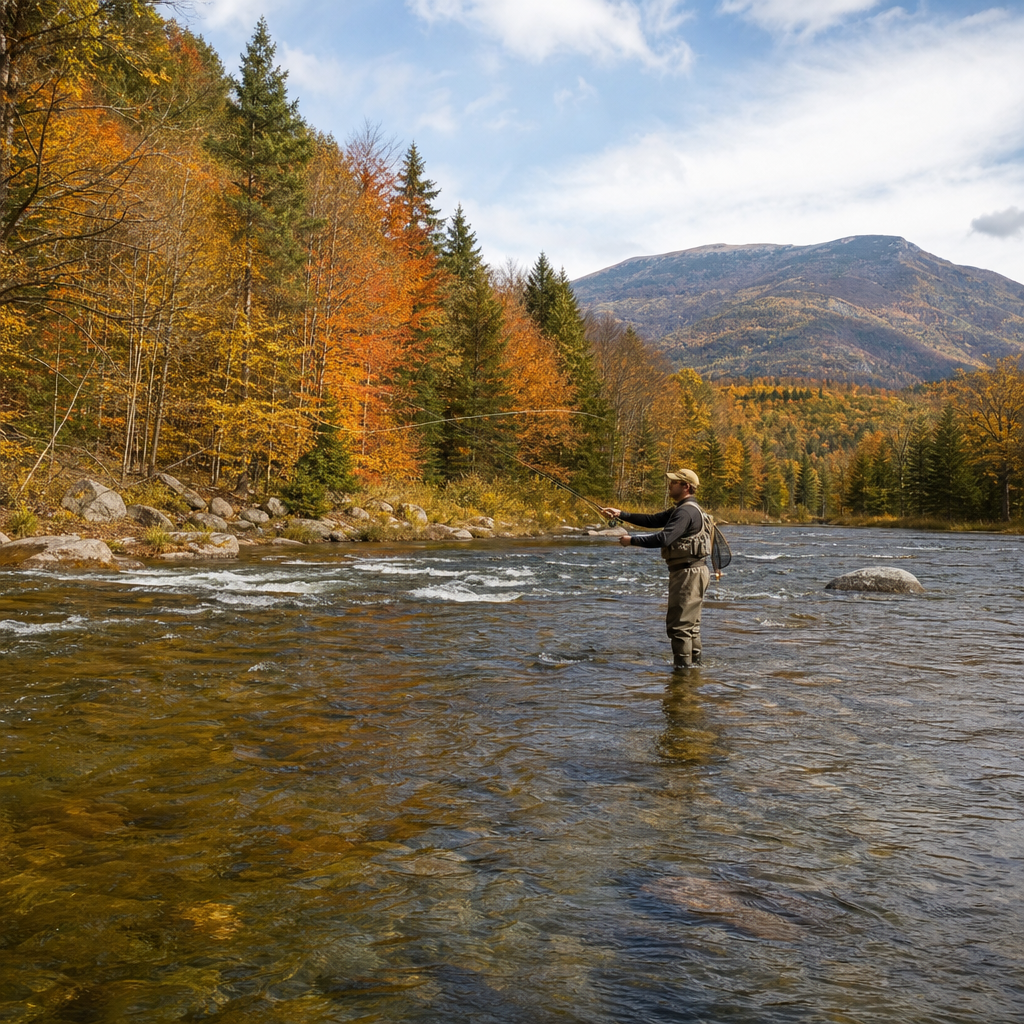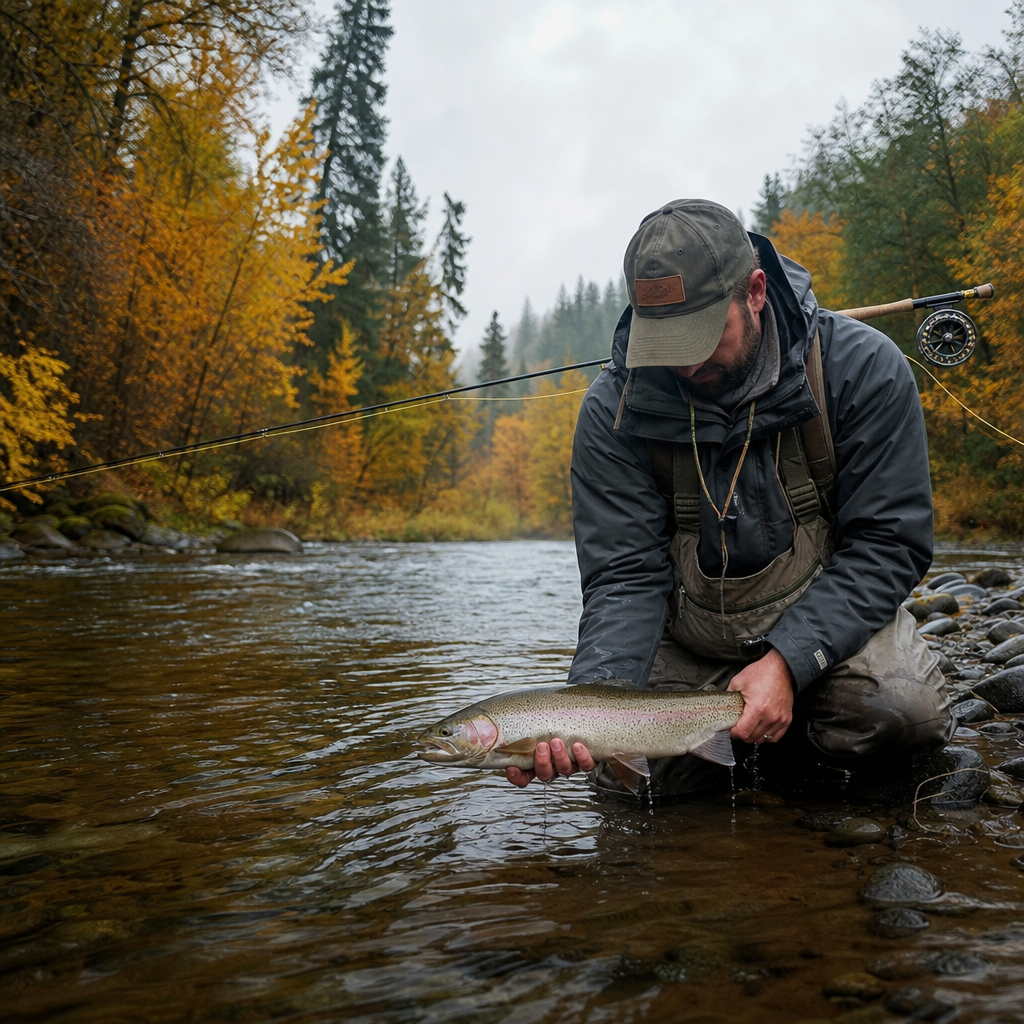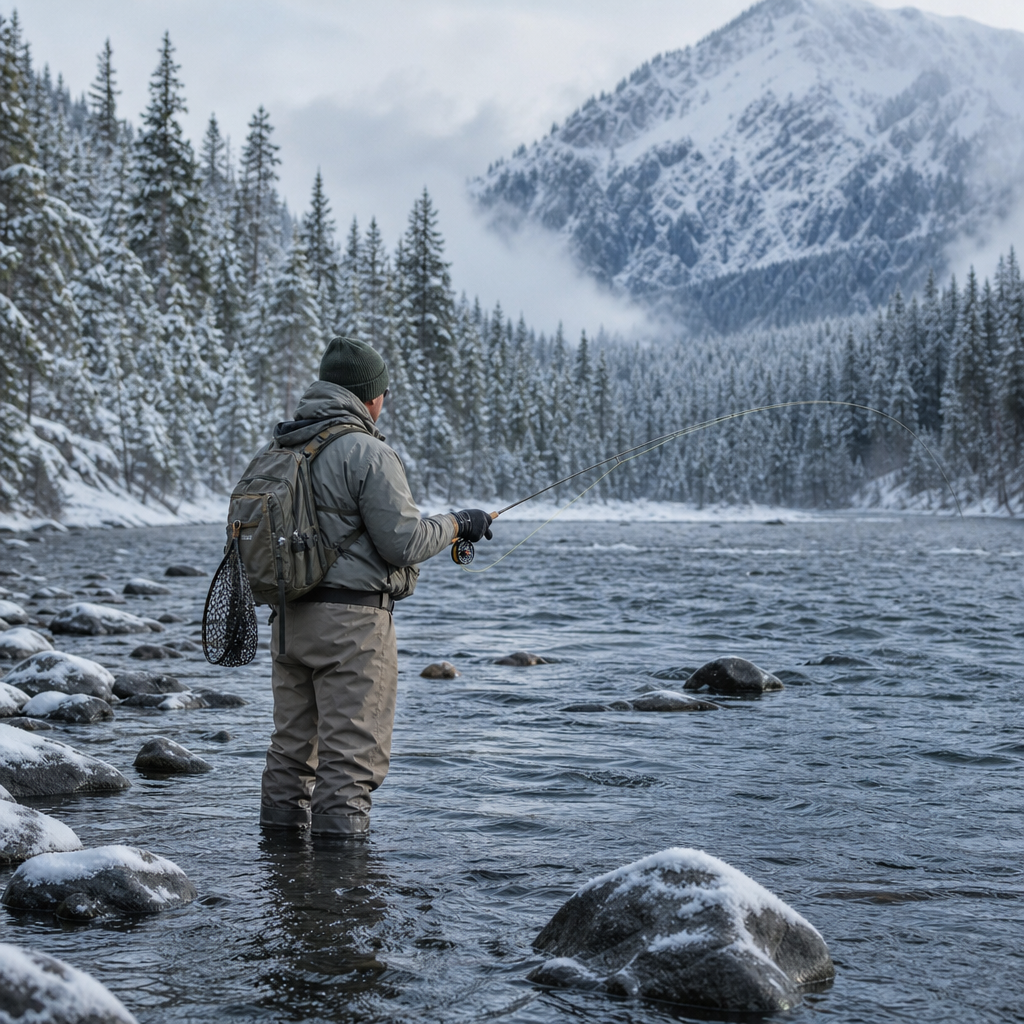
Fly fishing in freezing temperatures demands a different mindset than mild-weather angling, because cold air, icy guides, and sluggish fish change every part of the day. In practical terms, freezing temperatures usually mean air at or below 32 degrees Fahrenheit, but for anglers the real threshold is when line, leaders, and rod guides start to ice and when water temperatures push trout metabolism downward. This article serves as a hub for weather conditions within the broader seasons and conditions topic, explaining how cold weather affects trout behavior, safety, tackle choice, casting, wading, and trip planning. I have fished winter tailwaters, spring creeks, and freestone rivers through hard frosts, and the biggest lesson is simple: success comes from preparation more than persistence. Anglers who understand water temperature, barometric stability, sunlight, wind chill, and river access catch more fish and avoid preventable mistakes. Freezing-weather fly fishing matters because many rivers receive less pressure in winter, trout often pod in predictable lies, and midge, baetis, and streamer patterns can produce exceptional days. At the same time, exposure risk rises quickly, and poor gear choices can turn a promising outing into numb hands, frozen reels, and dangerous wading. Knowing what to wear, when to fish, where trout hold, and how to maintain equipment is the foundation for fishing safely and effectively when winter locks the banks.
How freezing weather changes trout behavior and feeding windows
Cold weather affects trout first through water temperature, not air temperature. Trout can remain catchable in subfreezing air if the water is stable, especially on tailwaters released from dams where temperatures often stay in the high 30s to mid 40s. On freestone rivers, however, extended cold snaps can drop water temperatures into the mid 30s, reducing movement and shrinking feeding windows. In those conditions, trout commonly hold in softer current seams, deeper buckets, tailouts with moderate depth, and slow runs where they can conserve energy. Their food intake does not stop, but it becomes more selective and opportunistic. Midges dominate many winter systems, blue-winged olives appear during milder overcast periods, and scuds, sowbugs, and small mayfly nymphs remain important in spring creeks and tailwaters. A common mistake is fishing too early. After a freezing night, the best action often begins late morning and peaks from noon through midafternoon, when slightly warmer water and brighter light stimulate insect activity. I routinely start by checking a stream thermometer rather than hurrying to the first run at dawn.
Reading winter water and choosing the best time of day
The best winter anglers narrow the river instead of covering every inch. In freezing temperatures, focus on water that offers depth, current protection, and nearby access to drifting food. Productive winter lies include inside bends, transition shelves below riffles, deep slots beside slower edges, and tailwater flats where midges accumulate. Bright sun can be beneficial because it marginally raises water temperature in shallow sections and improves insect emergence, but heavy glare may also make trout wary in low, clear flows. Cloud cover can improve baetis hatches, especially when barometric conditions are stable rather than swinging before a front. Wind matters more than many anglers realize. A 15 mile per hour wind at 25 degrees Fahrenheit rapidly increases hand fatigue, ices guides faster, and makes line control difficult. If you have flexibility, choose afternoons with rising or steady temperatures and moderate wind. Winter success comes from matching the river section to the weather: tailwaters for stability, spring creeks for consistent insect life, and freestones during warmer spells or after several milder days.
Essential clothing and layering for warmth, mobility, and safety
The right winter fly fishing clothing system keeps you warm without trapping sweat, because moisture is the enemy once temperatures drop. Start with a fitted merino wool or synthetic base layer that moves perspiration away from the skin. Add a midlayer such as grid fleece or light insulated pants and jacket, then finish with a windproof, waterproof shell. Breathable chest waders work well in winter when paired with substantial layers; heavily insulated bootfoot waders can be warm but often sacrifice walking comfort and fit. For footwear, felt and rubber both work depending on local rules, but winter traction usually improves with studs because icy banks are often more dangerous than the streambed. Gloves should allow knot tying, so many anglers carry two systems: thin liner gloves for fishing and insulated waterproof mitts for walking or warming hands between drifts. A warm hat matters more than many premium jackets. I also carry a dry spare pair of gloves, chemical hand warmers, and a compact insulating layer in the pack because a wet sleeve or an unexpected slip changes the day immediately.
Cold-weather fly fishing gear that performs when guides freeze
In freezing temperatures, simple gear usually performs best. A 9-foot 4- to 6-weight rod covers most trout situations, with the exact choice based on nymphing, dry-dropper work, or streamer fishing. Large arbor reels are helpful because they retrieve line quickly and often resist icing better than older narrow spools, but any dependable reel with a smooth drag is sufficient for trout. Fly lines with coldwater coatings stay more supple than all-purpose warm-season lines; this matters because stiff line coils reduce casting distance and make strike detection harder. Leaders should be a little shorter and stronger when throwing indicators or streamers in winter wind. Tippet management also changes: fluorocarbon sinks well for nymphing, while nylon remains useful for dry flies and can be easier to handle with cold fingers. Guide icing is unavoidable on some days, so prevention and routine matter more than miracle products. Dipping the rod tip briefly in the river can delay icing when the water is above freezing. Lip balm, paste floatant, and commercial ice treatments are used by some anglers, though none eliminates the issue for long. Keep moving line through the guides, avoid laying rods in snow, and inspect tip-top ice frequently to prevent breakoffs.
Fly selection, presentations, and winter tactics that consistently work
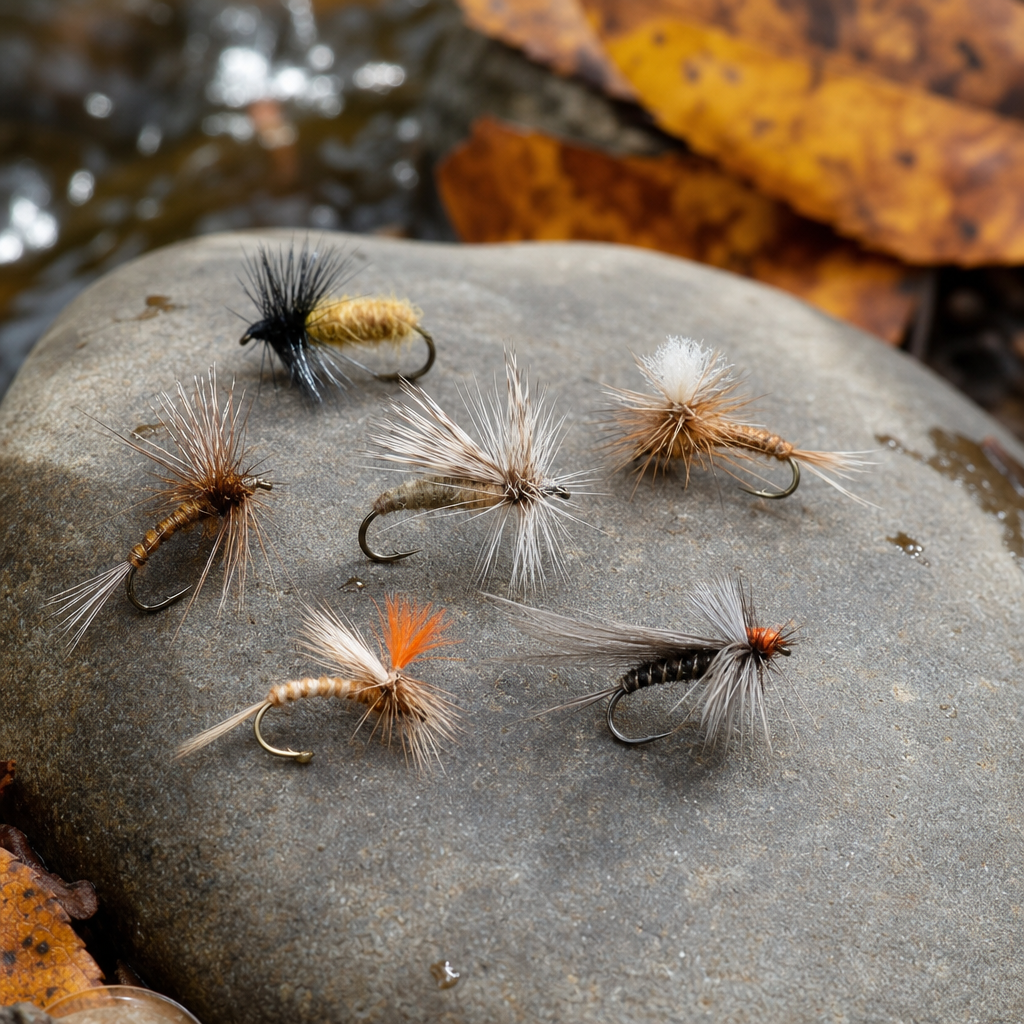
Winter fly selection is narrower than many anglers expect, and confidence in a few categories matters more than carrying hundreds of patterns. For subsurface fishing, start with midges in sizes 18 to 24, small pheasant tails, zebra midges, perdigons, scuds, sowbugs, and baetis nymphs. In many tailwaters, egg patterns remain effective after spawning periods because loose eggs continue to drift, but they should be used ethically and in line with local regulations. Streamers can be excellent in winter, especially on warmer afternoons, because trout often prefer a larger meal over repeated small efforts. The critical adjustment is presentation speed. Dead-drift nymphs naturally and slower than you think, maintaining near-bottom contact without excessive drag. Under an indicator, use enough split shot to reach the strike zone quickly, since cold trout rarely move far upward. Tight-line methods also excel because they improve strike detection in subtle takes. With streamers, favor short strips, pauses, and swings through slower buckets rather than fast, aggressive retrieves. When fish rise, midge clusters, Griffith’s Gnats, and small parachute baetis patterns cover many winter hatches. Winter rewards precise drifts over broad experimentation.
| Condition | Best Approach | Useful Flies | Key Adjustment |
|---|---|---|---|
| Tailwater at 38 to 44 degrees | Nymph late morning to afternoon | Zebra midge, scud, small baetis nymph | Fish soft seams and consistent depth |
| Freestone after hard freeze | Wait for warmest part of day | Small stonefly nymph, pheasant tail, egg | Target deep slow runs |
| Overcast winter afternoon | Watch for hatch and rising fish | RS2, baetis emerger, Griffith’s Gnat | Shift from deep nymphing to emerger drift |
| Slightly warming trend | Try streamers around structure | Woolly Bugger, sculpin pattern, leech | Use slower strips and long pauses |
Safety, wading decisions, and planning around severe weather
Winter fishing safety starts before you leave home. Check not only air temperature but wind, recent snow, river release schedules, road conditions, and sunset time. Tailwaters can be dangerous if generation changes unexpectedly, so confirm flows through the managing agency before stepping in. On any river, icy rocks, shelf ice, and numb feet reduce balance long before an angler notices. A wading staff is one of the most useful winter tools I carry, and on many days it is more important than a premium rod. Fish with a partner when possible, especially in remote canyons or on rivers with unstable banks. Pack dry clothes in the vehicle, bring a thermos, and keep your phone in a waterproof pouch close to your body so the battery stays warm longer. Hypothermia risk rises when anglers overdress for the walk in, sweat heavily, then stand still in wind. The first warning signs are often clumsy knots, poor decisions, and persistent shivering. If you fall in above the knee on a truly cold day, ending the session is usually the smart call. Productive winter anglers are disciplined enough to leave when conditions cross from challenging into unsafe.
Using this weather hub to plan better winter days on the water
As a weather conditions hub, this page should help you make decisions before you ever string a rod. Start by sorting trips according to river type, because tailwaters, spring creeks, and freestones respond differently to freezing weather. Then evaluate the main variables in order: overnight low, afternoon high, wind speed, cloud cover, recent temperature trend, and water-release stability. That sequence is useful because a single cold morning matters less than a weeklong freeze, and a calm 28-degree afternoon can fish better than a windy 35-degree one. Keep notes after every outing. Record water temperature, productive time window, fly size, and the type of water where fish held. After one winter season, patterns become obvious and valuable. You may learn that your local tailwater fishes best from 11 a.m. to 2 p.m. on bright days, or that a spring creek produces stronger baetis hatches under flat gray skies. The central benefit of learning fly fishing in freezing temperatures is consistency. You stop guessing, prepare for real conditions, protect yourself from exposure, and fish the hours and water types most likely to produce trout. Use these principles on your next cold-weather trip, refine them on your home river, and let winter become one of your most reliable seasons.
Frequently Asked Questions
What changes when you fly fish in freezing temperatures compared with fishing in milder weather?
Fly fishing in freezing temperatures changes both fish behavior and the way your gear performs. Once air temperatures drop to around or below 32 degrees Fahrenheit, the biggest practical issue is often ice. Rod guides begin to freeze, fly line stiffens, knots become harder to tie, and wet hands lose dexterity quickly. At the same time, water temperature plays a major role in trout activity. As water gets colder, a trout’s metabolism slows, which means fish usually feed less aggressively, move less distance to take a fly, and often hold in slower, softer water where they can conserve energy.
That means your approach needs to become more deliberate. Casting tends to be shorter and more controlled, drifts need to be clean and slow, and fly selection often leans toward patterns that are easy for fish to intercept without expending much effort. You also need to think more about safety and comfort than you might during spring or summer outings. Slick banks, shelf ice, numb fingers, and the risk of getting wet in cold air all raise the consequences of small mistakes. In short, winter fly fishing is less about covering lots of water quickly and more about efficiency, patience, and managing both your presentation and your body heat carefully throughout the day.
What are the best fly fishing tips for keeping rod guides, fly line, and leaders from icing up?
Icing is one of the most frustrating parts of fly fishing in freezing weather, and while you usually cannot eliminate it entirely, you can reduce how often it happens and how much it interferes with your fishing. The first step is accepting that moisture is the enemy. Every false cast, water haul, or line pickup adds more water to the system, and that water quickly freezes on guides and line in subfreezing air. Making fewer false casts and keeping your casting compact helps limit the buildup. It also helps to occasionally dip the rod tip and guides into the water, especially if the water is slightly warmer than the air, because it can briefly melt or loosen ice before it hardens again.
Many anglers also use line dressings or guide treatments designed for cold weather, though results vary depending on conditions. Some products can slow ice accumulation, but none are magic fixes in prolonged freezing temperatures. A practical habit is to check your guides frequently and clear them before the ice becomes thick enough to affect line shoot or damage your tippet during a hook set. Pinching or gently cracking ice off with your fingers is common, but do it carefully so you do not stress ceramic inserts or fine guide wraps. Keeping line off the snow and slush matters too, because any extra moisture on the line will end up in your guides. If conditions are severe, shorten your sessions between maintenance checks, fish smaller water where repeated long casts are unnecessary, and focus on drifts that require minimal line handling. Good winter anglers are constantly managing ice, not ignoring it until it becomes a major problem.
What gear is most important for fly fishing in freezing temperatures?
The most important winter fly fishing gear is the gear that keeps you safe, dry, and functional first, and effective second. A reliable layering system is at the top of the list. Start with a moisture-wicking base layer, add insulating mid-layers such as fleece or wool, and finish with a waterproof, wind-blocking outer layer. Breathable waders and quality wading boots are essential, but they need to be paired with warm socks that do not restrict circulation. If your boots fit too tightly once heavy socks are added, your feet can actually get colder because blood flow is reduced. Gloves or glove systems matter just as much. Many anglers prefer thin liner gloves under fold-back mitts or fishing gloves so they can regain dexterity when needed without exposing bare skin for long periods.
On the fishing side, simplify your tackle. A rod that you know well is better than something specialized you are not comfortable with in bad conditions. Cold weather favors dependable reels, manageable line setups, and leaders that are easy to adjust with numb fingers. Indicators, split shot, and flies should be organized so you can access them quickly without standing in the cold searching through multiple boxes. Polarized glasses still matter in winter for glare reduction and eye protection, especially around ice. A wading staff can be a major advantage when river edges are frozen or river rocks are slick. Beyond standard fishing gear, bring hand warmers, a thermos with a hot drink, a dry bag with spare gloves, and an extra layer in the vehicle. Winter gear is not just about comfort; it directly affects judgment, mobility, and how long you can fish effectively without putting yourself at risk.
Where do trout usually hold and what flies work best when water temperatures are very cold?
In very cold water, trout usually shift toward slower, more stable holding water where they can conserve energy while still having access to food. Instead of chasing fish into fast riffles or expecting aggressive movement, focus on softer seams, deeper runs, tailouts with moderate current, winter pools, and transitional water near structure. Trout often avoid spending unnecessary energy in heavy current during cold spells, so the best holding lies are commonly places where food drifts by but the fish does not have to work hard to intercept it. Midday can be especially productive because even a slight increase in water temperature can make fish more willing to feed.
As for flies, winter often rewards patterns that match subsurface food sources and can be presented naturally at trout level. Small nymphs, midge larvae and pupae, zebra midges, pheasant tails, perdigons, sow bugs, scuds, and small mayfly nymphs are all reliable depending on the river. Egg patterns can also be effective in systems where trout key on them seasonally. Streamers can work, but the retrieve usually needs to be slower and more methodical than in warmer conditions, unless local fish show a clear preference for larger prey. The biggest key is not just the fly itself but the depth and drift. In freezing conditions, a perfectly chosen pattern drifting too high or too fast is often ignored. Fish are less willing to move, so getting the fly down into the strike zone and keeping it there with a natural presentation matters more than constantly changing patterns.
How can you stay safe and comfortable during a day of fly fishing in freezing weather?
Safety in freezing temperatures starts before you ever step into the water. Check air temperature, wind, road conditions, river flows, and access points in advance, because winter hazards begin with travel and continue all the way to the riverbank. Tell someone where you are going, especially if you are fishing a remote area. Once on the water, avoid rushing. River edges can be coated with invisible ice, boat ramps and trails may be slick, and shallow margins can hide unstable shelf ice that gives way under body weight. If you are wading, move more cautiously than usual and use a wading staff when needed. In freezing weather, a minor slip that gets one leg wet can quickly become a serious problem.
Comfort also depends on managing moisture and heat carefully. Do not overdress to the point that you sweat heavily during the hike in, because damp base layers can chill you fast once you stop moving. Vent during exertion, then trap heat once you begin fishing. Eat and drink regularly even if you do not feel thirsty, since dehydration and low energy can sneak up on you in cold weather. Keep spare gloves, socks, and a backup hat available in case one set gets soaked. Pay attention to numbness in fingers and toes, because that can reduce your ability to tie knots, maintain balance, and react safely in moving water. Finally, be willing to end the day early. Winter fishing can be excellent, but no fish is worth pushing through dangerously cold conditions, worsening weather, or early signs of cold-related stress. The best cold-weather anglers are not just tough; they are disciplined enough to protect themselves and fish another day.